






Sponsored
Heart Health: ‘I genuinely thought I was having an anxiety attack’
Sponsored By
Jennifer Clare tells IMAGE how an unexpected diagnosis reshaped her life – and what every woman needs to know about protecting their heart.
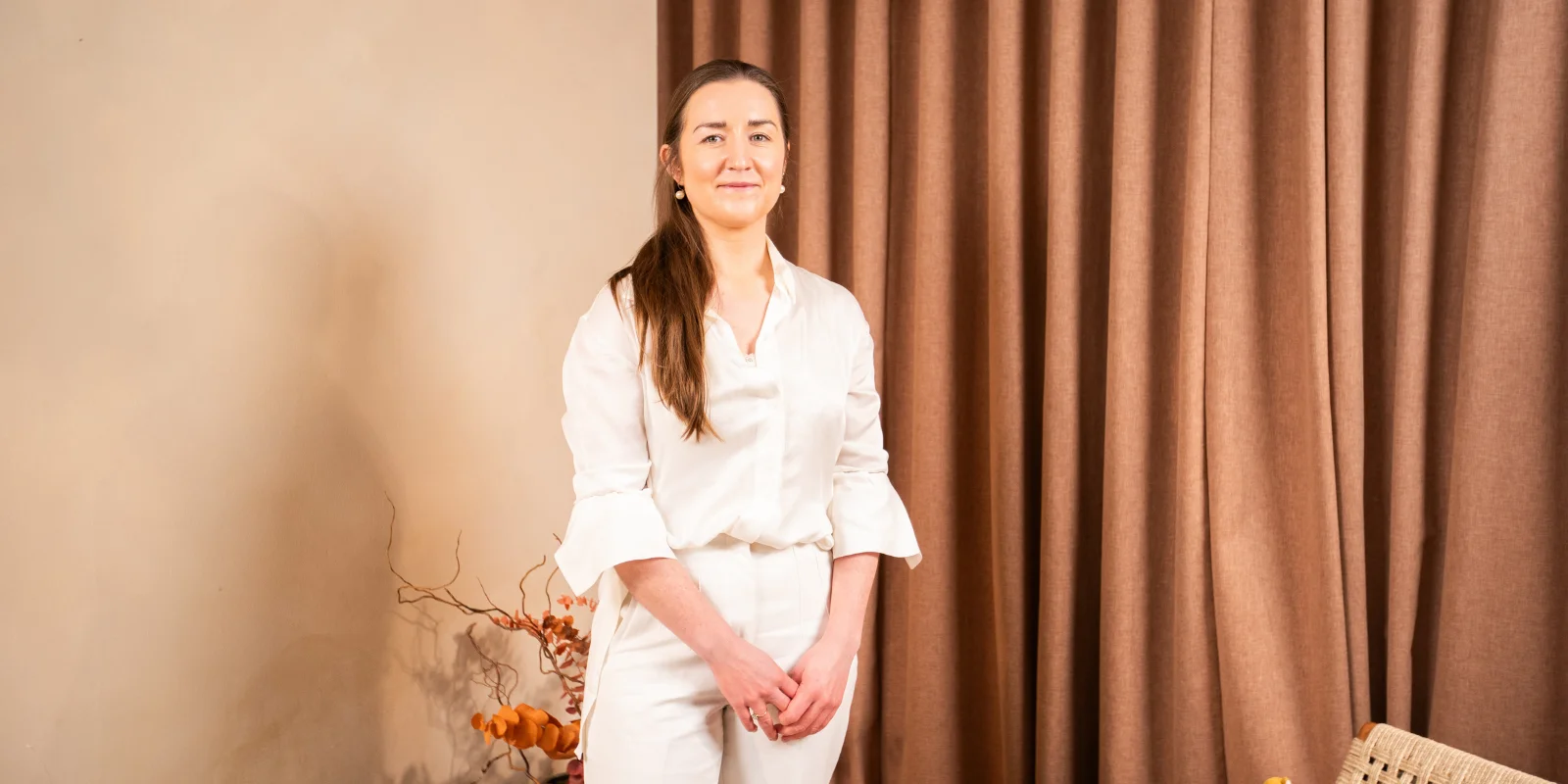
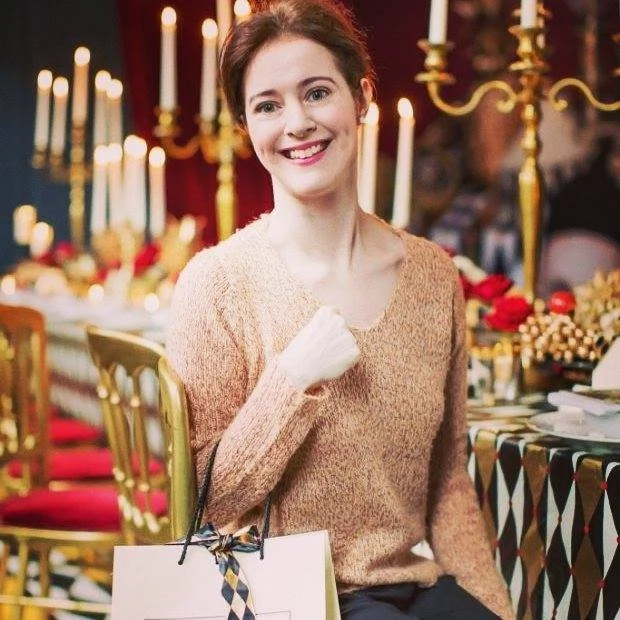
Jennifer Clare did not fit the picture she had of someone who might have a heart attack.
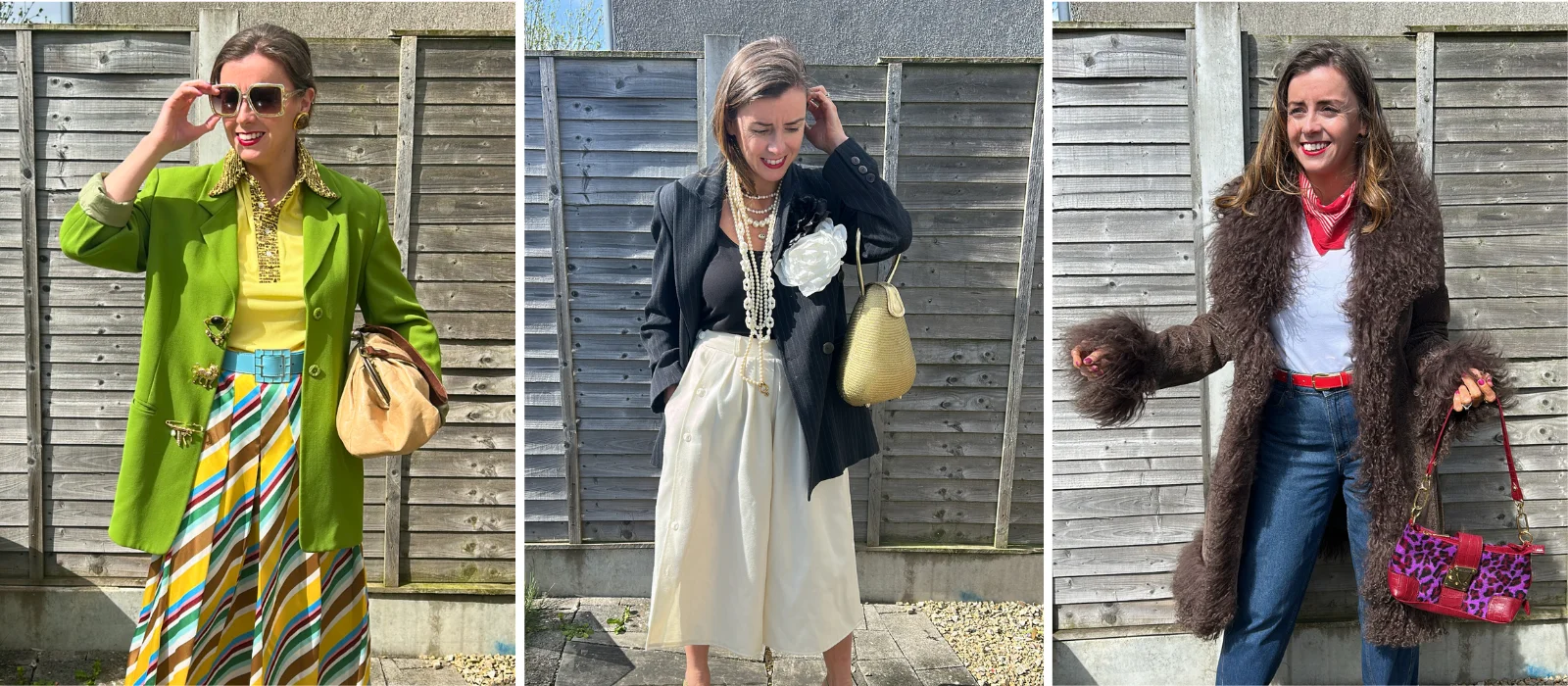
“I’m 48. I launched my own fashion business last year, so I’ve been hitting the ground running… I was travelling quite a bit for work. Day to day, I’m quite active normally. I’m an ex-GAA player. I would have always been active — not the criteria, really, for a heart attack.”
Then on March 22, her body told a different story.
“I was driving, and I just got horrendous pain in my chest and my arm. I went to hospital and was told I’d had a heart attack and needed a quadruple bypass, which was done five weeks later.”
She pauses when she talks about the drive.
“I was terrified… I got home and barely made it out of the car. My husband’s a paramedic, and he was like, ‘There’s something not right.’ But I thought it was stress, anxiety. I’d had a really busy week. I thought maybe it was that, which I think women, unfortunately, are very inclined to do.”
Listening to your body
What Jennifer didn’t realise at first was that her body had been warning her for months.
“The only symptom I had was a little pain in my shoulder when I’d walk, and then it would disappear. Other than that, I didn’t have the obvious symptoms of having a heart problem.”
That shoulder pain turned out to be the signal she nearly dismissed. “The shoulder pain was my giveaway. That was coming from the blockage in my heart. I put it down to an old injury.”
She also felt it in her neck and jaw.
“[The pain] kind of goes into your neck and jaw… I genuinely thought I was having some kind of anxiety attack, which I’d never had. I thought maybe I had pneumonia.”
Even when the pain intensified, she still didn’t think it had anything to do with her heart. “I actually couldn’t function with it… but I still didn’t think, ‘This is my heart.’”
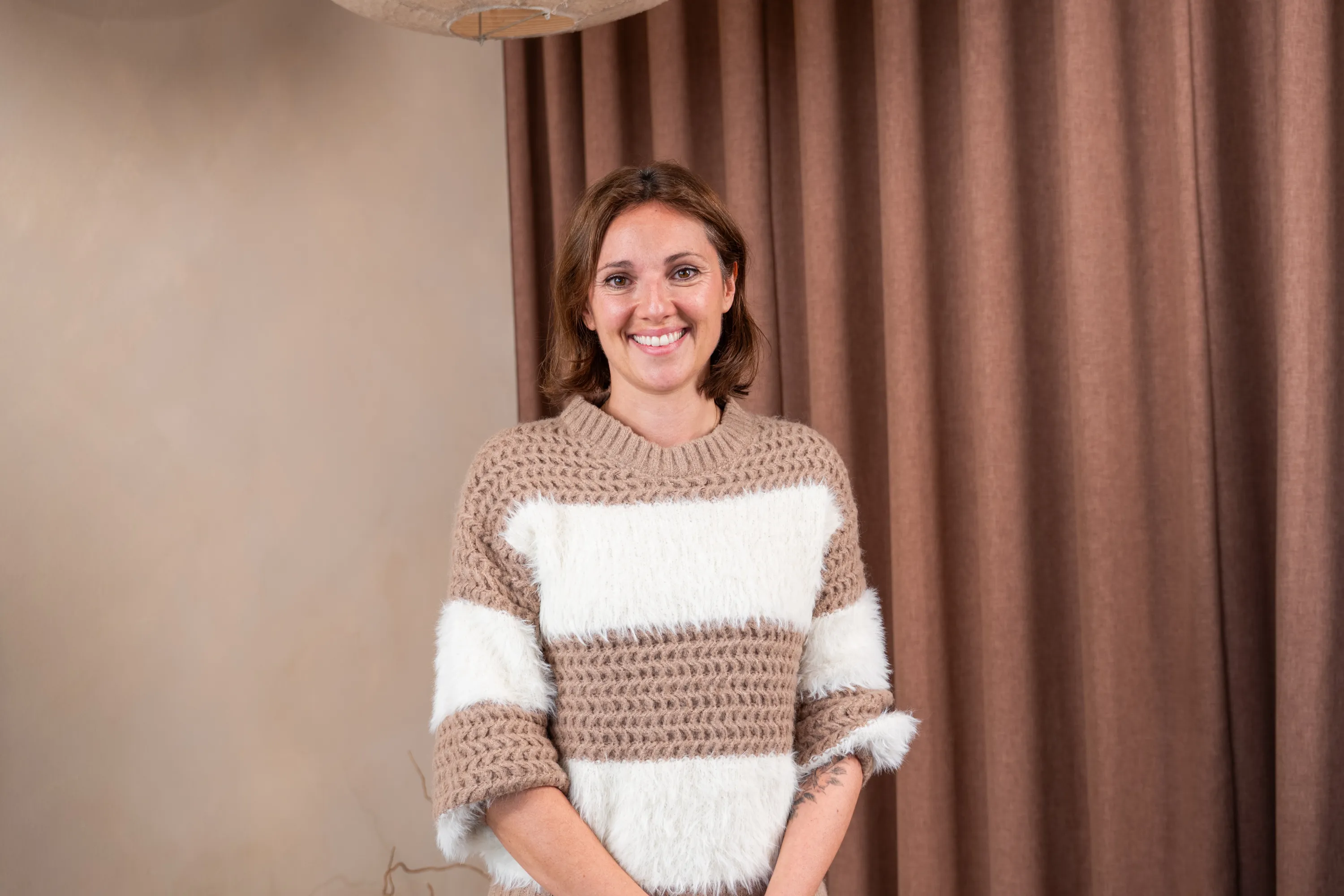
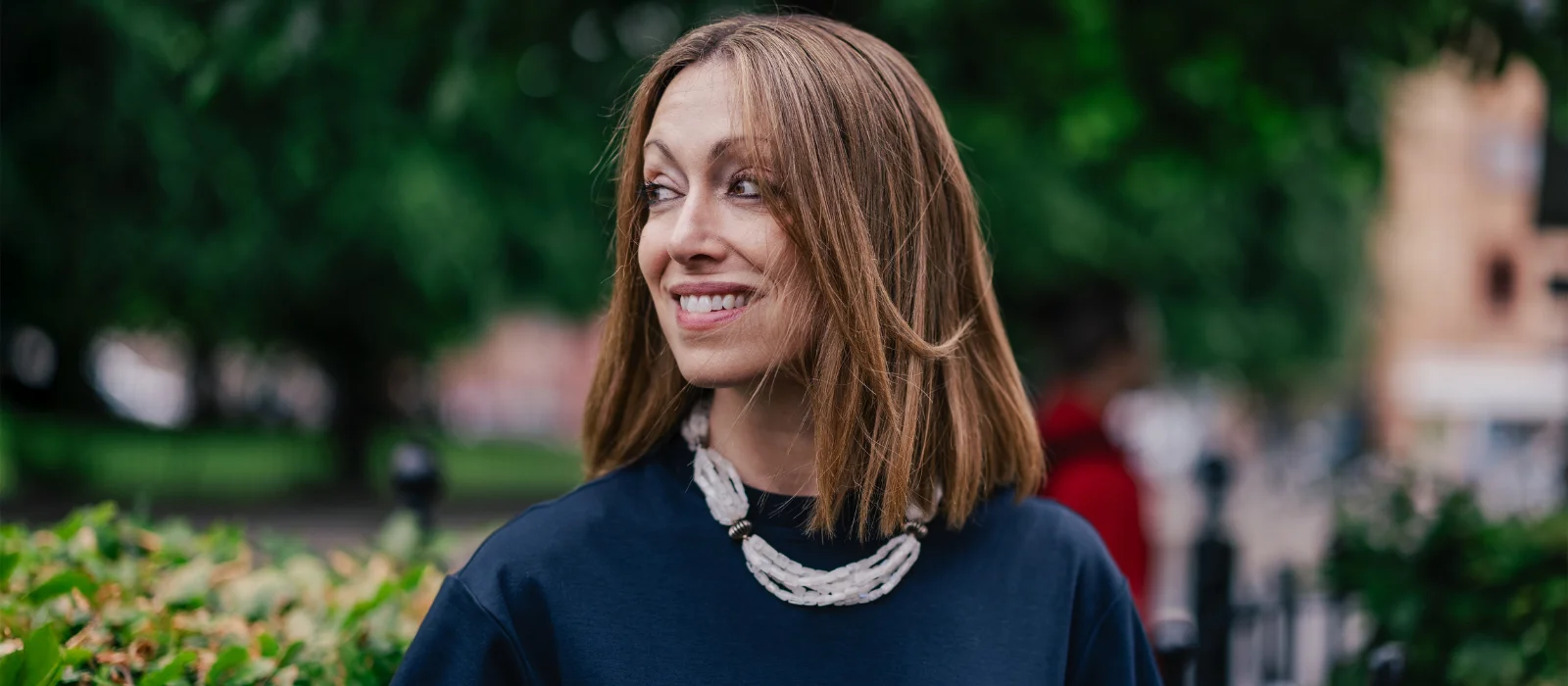
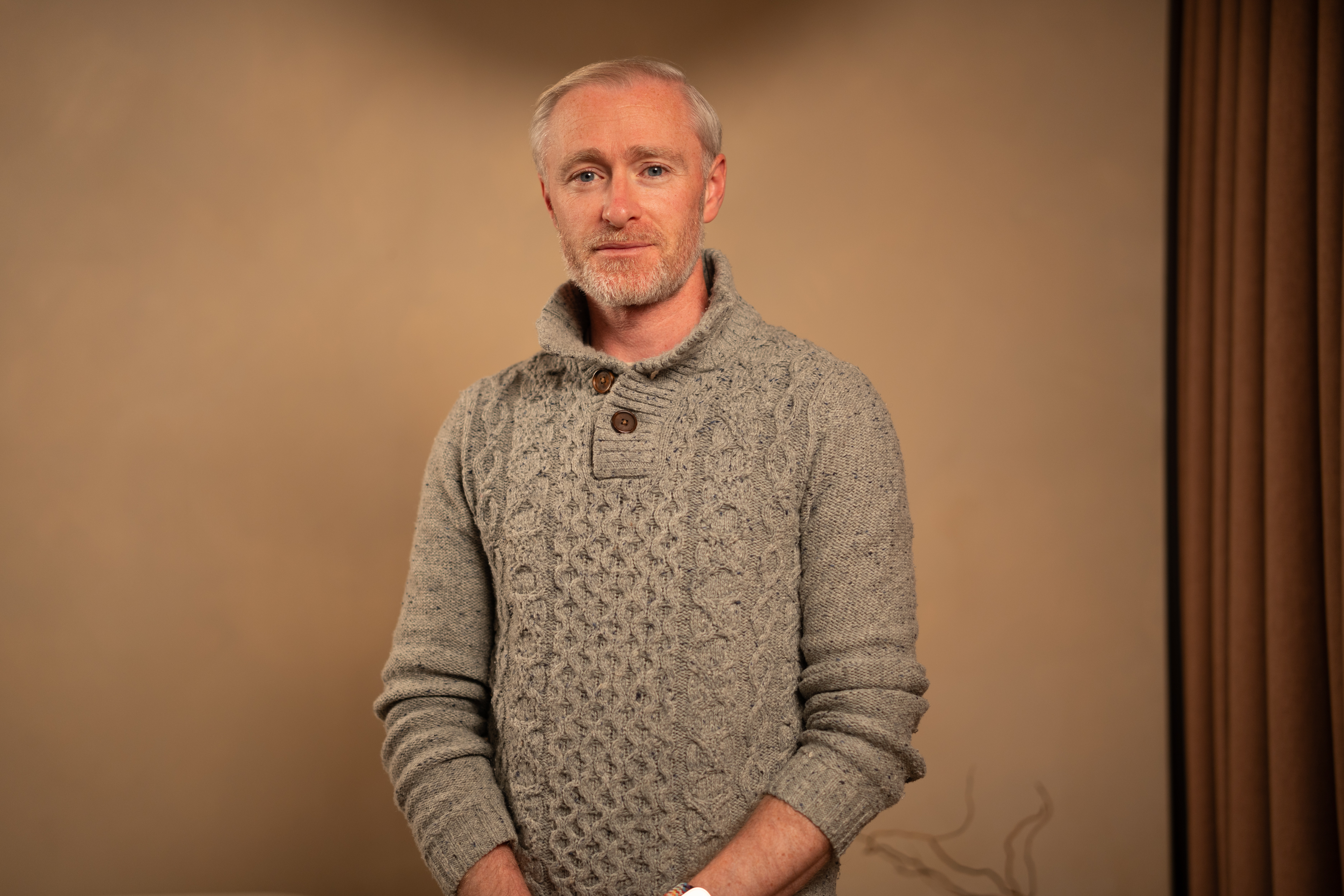
Preventive cardiologist Dr Paddy Barrett (pictured left) says for most women, there will be no symptoms: “The majority of people with their first heart attack will have had no symptoms prior,” he told the IMAGE The Check-in Podcast. “[But] using symptoms as a guide of risk is a terrible strategy. You should evaluate your risks early and understand your baseline health.”
“I thought I’d be the youngest person there”
When Jennifer arrived at the hospital, shock quickly followed.
“When I went into hospital, I thought I’d be the youngest person there. I wasn’t.”
“You go from a hundred miles an hour in life to zero very quickly… When you’re told you can’t go home, you’re on monitors all the time – it’s life-changing.”
The surgery itself was another mountain to climb, and adjusting to her body afterwards took some time. “I was quite calm before surgery. I was more afraid after. You’re in ICU, you’re hooked up to all the machinery – it’s very daunting.
“You have marks on your body you didn’t have a couple of months ago. You’re adjusting to being different. But if I didn’t have the scars, I wouldn’t be here.”
Dr Barrett notes that 90% of heart disease risk factors are controllable. “The only risk factors we do not get to change are time and sex. Everything else is changeable. That’s powerful.”
“You assume it’s menopause – but it might not be”
For many women, menopause marks a major turning point, and increases the risk of heart problems in women.
“The big distinction,” Dr Barrett explains, “is that menopause causes a sudden acceleration in classic cardiovascular risk factors. The reason for this increase in risk is because of the sudden drop in oestrogen.
Jennifer says that too easily, symptoms for women in their forties can be dismissed as menopause.
“Palpitations, little changes, anything like that – you have to get checks. We just put it down to menopause sometimes, but if it’s not normal for you, that’s the sign. Chances are it’s nothing, but you don’t know until you check.”
And she knows from experience, even if you’re very in tune with your body, things can still shift. “Two or three years ago, I had a heart scan done because of palpitations. It was all clear. So it goes to show… your body can change very quickly.”
I actually couldn’t function with [the pain]… but I still didn’t think, ‘This is my heart.’

Living a new pace of life
Recovery has reshaped Jennifer’s relationship with energy and ambition.
“I pace things very differently now. I don’t over-excel at things the way I used to,” she continues, adding that working as a stylist, her life is still busy, but she’s learning what her body needs again.
“If I get tired, I stop. I don’t push. I know my new normal.”
She’s also learning not to live in fear.
“It’s very daunting at first. Every pain feels terrifying. But then you learn the difference.
“I actually feel better now. I don’t get the shoulder ache. Things that bothered me before don’t anymore.”
The warning she wants every woman to hear
If there is one thing Jennifer hopes other women take from her story, it’s this:
“Don’t waste time if something feels off. The earlier you go, the better the outcome.”
Dr Barrett echoes that urgency. “The biggest risk factor for heart disease is time,” he says. “We cannot change time, but we can change what happens inside your arteries.”
Jennifer agrees.“Educating people is crucial. It’s actually quite easy to manage heart health once you know.”
If you want to take better care of your heart, Dr Barrett explains that it’s the simple steps that are the most important.
“The four pillars are exercise, nutrition, sleep, and stress. From an exercise point of view, [it’s asking] am I active enough? From a weight point of view, a simple calculation of your BMI will work for the absolute majority of people. Are you getting between seven and eight hours of sleep a night? And then stress in terms of a self-reflection exercise, in terms of: do I have a lot of things going on in my life that are impacting my quality of life or my ability to do those other three things? They’re all things that you can do yourself at home without ever speaking to a clinician.”
But crucially, he warns: “Don’t wait to go for a test. The right time to test is today.”
We’re lifting the lid on women’s health: the real, the raw, the rarely spoken aloud. Our new podcast ‘IMAGE The Check-in’, hosted by Ellie Balfe, gets straight to the heart of what’s truly on women’s minds right now. We dive into monthly health themes with expert guests and honest voices.
Listen to IMAGE The Check-in HERE or wherever you get your podcasts.
To stay up to date on our latest expert-led articles, insights, podcast episodes and more, visit the IMAGE Women’s Health Clinic Hub.
Also Read