









Sponsored
‘Weight is simply a signal’ – Dr Harriet Treacy on obesity and why shame has no place in medicine
Sponsored By
When it comes to weight gain, what if the number on the scales is not the problem, but a signal? Below, a doctor reframes obesity as a complex, chronic disease rooted in metabolic health – and explains why removing shame from the conversation may be the most powerful intervention of all.
Conversations about weight are rarely neutral. For many women, they’re layered with judgment, frustration and years of being told to simply “eat less and move more.”
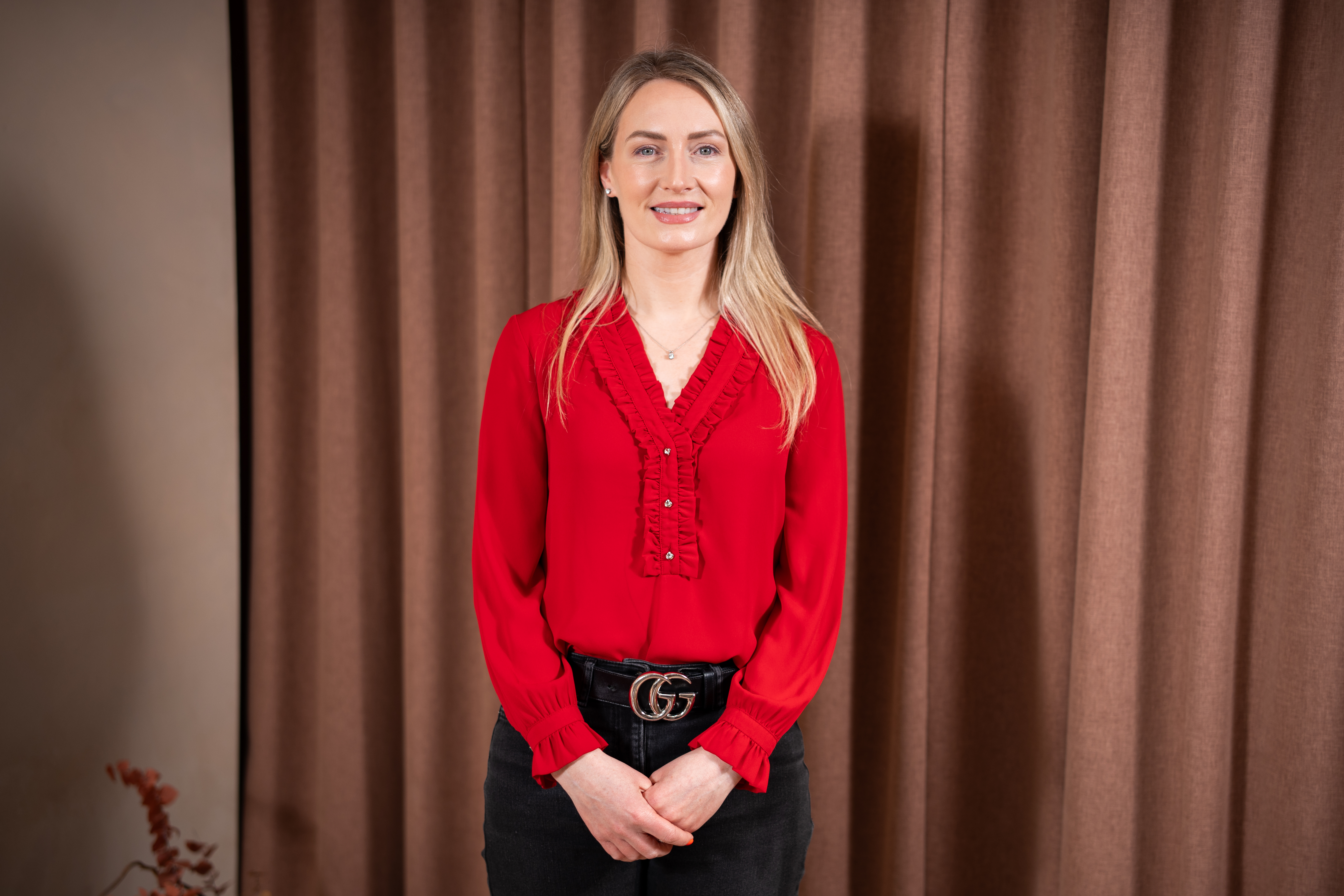
But in this episode of IMAGE The Check-in, Dr Harriet Treacy, co-founder of Beyond BMI, reframes the discussion entirely. Obesity and weight are not about aesthetics or chasing a number, she says. It is about metabolic health, inflammation and treating obesity as what it is: a complex, chronic disease.
“I suppose I would start with the word health and actually almost remove the word weight,” she says. “Weight is simply just a signal that there may be or there may not be an issue with your health. And so we don’t use weight as a diagnosis. We use it as a signal.”
It’s a subtle shift in language, but an important one. Obesity, she explains, is not a moral failing. It is not an identity. It is a medical condition.
“It is not who you are, it’s what you’re living with.”
Listening before lab tests
Before bloods are taken or scans are ordered, Dr Treacy believes something far more fundamental is often missing from modern medicine: listening.
“The first thing is a really, really well taken medical history,” she says. “It’s becoming an increasingly overlooked part of medicine, the part where you actually sit and you just listen.”
In that conversation, patterns emerge: family histories of heart disease, years of weight cycling, joint pain, skin changes, anxiety or disrupted sleep. These are not isolated complaints. They are signals of a broader inflammatory process.
“Obesity is a pro-inflammatory disease,” she explains. “It causes inflammation right from the head all the way down to the toes.”
From vascular dementia to depression, from arthritis to certain cancers, obesity’s impact is felt throughout the body. Dr Treacy often uses what she calls “the four m’s” to assess risk: metabolic, mechanical, metastatic and mental.
It is a head-to-toe approach that moves the focus away from scales and towards overall function and quality of life.
The stigma problem
Part of the difficulty, she says, is that obesity has long been treated differently from other chronic conditions.
“We would never say something like Laura is cancerous, and yet we say Laura is obese.” Language matters. Person-first language, she argues, is not about political correctness but about better medicine. When shame enters the consultation room, outcomes suffer.
“Shame never solved any problems in healthcare. In fact, it only ever perpetuates them. Internalised stigma can drive cycles of restriction, bingeing and self-blame, reinforcing the very patterns patients are trying to escape,” she stresses. A compassionate, collaborative model of care is not simply kind, she stresses, it is clinically effective.

Beyond “eat less, move more”
Dr Treacy is candid about the profession’s evolution.
“I needed to learn that obesity was a disease, that it wasn’t simply a choice,” she says. “We have been at a stage where we just maybe weren’t educated.”
Today, treatment options are broader. Medical nutritional therapy delivered by qualified dietitians, structured exercise programmes, pharmacological treatments including GLP-1 medications, and bariatric surgery all form part of a modern toolkit. Crucially, no one approach fits all.”
Obesity, she stresses, is “complex, chronic, multifactorial.” That word chronic is often the hardest for patients to hear. “This is not something that you treat and cure. It’s something that you treat and manage.”
Much like hypertension or diabetes, long-term care and ongoing support are key. Quick fixes and six-week transformations, heavily marketed online, misrepresent the biology involved.
GLP-1s: promise and perspective
Few areas have generated as much noise as GLP-1 medications. While Dr Treacy describes them as “game-changing medications”, she is clear about the importance of informed use.
If stopped abruptly without broader management in place, “about 75% of people are going to regain the weight within a year.”
The narrative of using these drugs as a short-term “kickstart”, she suggests, can be misleading. Without education about obesity as a chronic condition, patients risk returning to the same cycle of weight loss and regain that has defined decades of dieting culture.
Instead, she sees medication as one potential component within a personalised plan that may also include resistance training, nutritional guidance and psychological support. Doses should be monitored. Care should be continuous. Treatment should be collaborative.
Her view is that you can’t just treat one part of someone’s health and ignore the rest.
Weight is simply just a signal that there may be or there may not be an issue with your health. And so we don't use weight as a diagnosis. We use it as a signal.
Biology in action
For women entering perimenopause or menopause, where hormonal shifts alter fat distribution and muscle mass, the picture can feel even more complex. Dr Treacy encourages women to first remove blame.
“This is biology in action,” she says. “Your oestrogen levels are falling, and oestrogen, we know, is responsible for weight distribution in particular, not even necessarily weight gain, but we know weight moves to different places as we hit perimenopause and menopause.
“We might find a little more around the midsection, which can increase our risk of disease and all these kinds of things. So I think, in the first instance, it’s just to accept the stage it’s at and acknowledge that it isn’t your fault, and that will go a long way,” she continues.
“There’s other synthetic hormones in the same way as we have with obesity. There’s, you know, multiple different HRTs that we can take, so making sure that you speak to the right professional about that, somebody who is maybe a GP with a specialist interested in menopause, or a gynaecologist, or whoever it is that is going to work for you.”
The key, she explains, is integration. Obesity and menopause can be treated together, thoughtfully and strategically. “We can co-treat obesity alongside menopause. They’re not separate in the sense that, you know… you don’t have to just treat one.”
That means resisting the temptation to seek fragmented, one-size-fits-all solutions online. “You’re not just looking to go to an online menopause clinic or an online weight loss clinic that is essentially just going to start you on a drug and never monitor you… of which there are many to be found, and they crop up every day of the week.”
Instead, she urges women to think long-term. “What you want is essentially a professional or a group of people that are going to treat this in a long-term manner because, once you hit menopause, you’re in it; it’s not going to stop. You know, a year into treatment, just like obesity isn’t going to stop a year into treatment.”
“So, [to] just find yourself in front of the right professionals, I think, is probably the best advice.”
We’re lifting the lid on women’s health: the real, the raw, the rarely spoken aloud. Our new podcast ‘IMAGE The Check-in’, hosted by Ellie Balfe, gets straight to the heart of what’s truly on women’s minds right now. We dive into monthly health themes with expert guests and honest voices.
Listen to IMAGE The Check-in HERE or wherever you get your podcasts.

To stay up to date on our latest expert-led articles, insights, podcast episodes and more, visit the IMAGE Women’s Health Clinic Hub.
Also Read