







At-home Reformer Pilates machines — are they worth the investment?
At-home Reformer Pilates machines are selling out of retailers across Ireland. But are they worth the hype? Aoife Niall, co-founder of Pulse Pilates, shares her two cents.
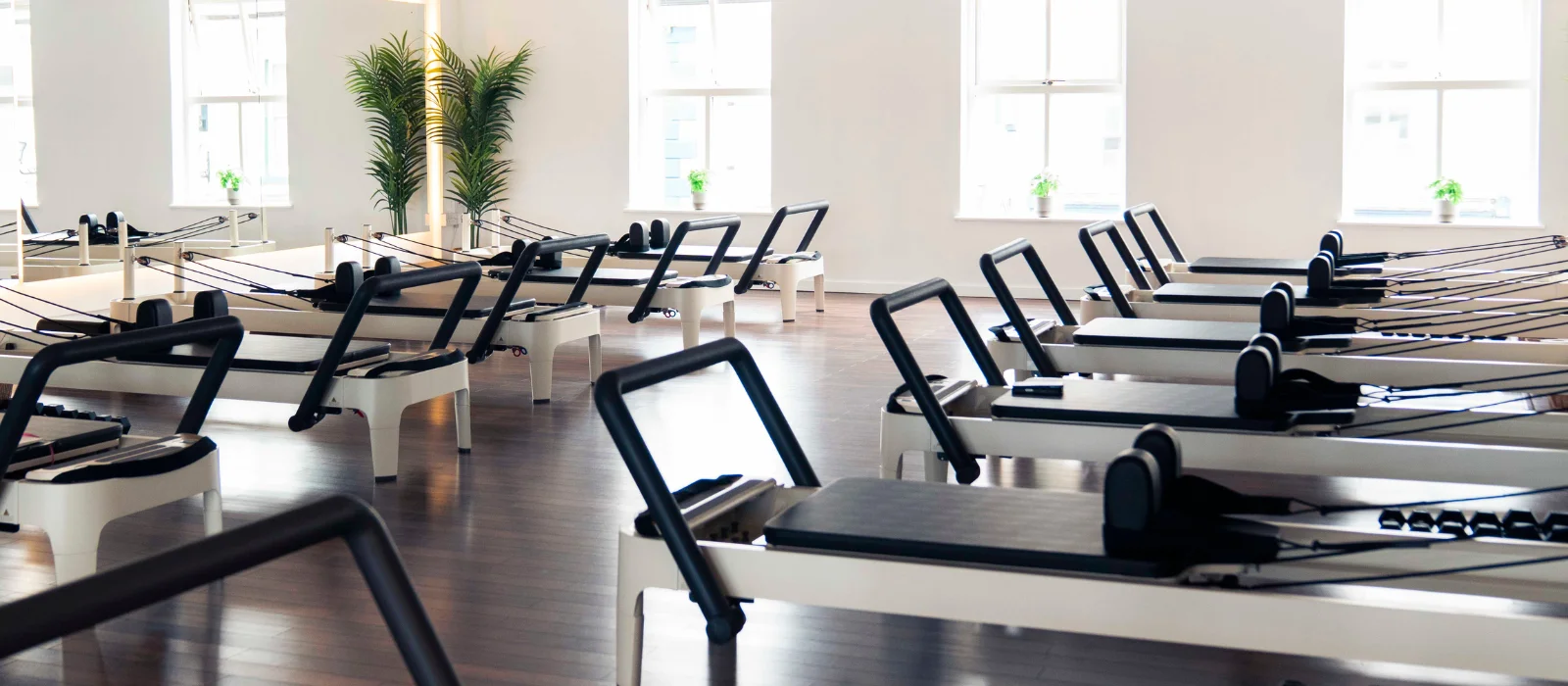
The arrival of Reformer Pilates machines in supermarkets shows just how popular this workout has become. These machines are usually a serious investment, so making them more accessible lets more people try Pilates at home, but having worked in the industry for many years, we can see both the pros and cons of this type of equipment being sold at a much lower price point compared to the studio-grade machines found in professional Pilates studios.
At-home machines can be a convenient introduction, especially for those curious about Pilates but hesitant to commit to studio classes. However, Reformer Pilates is highly technique-driven, and incorrect form can easily lead to injury.
On the positive side, it is undoubtedly helping to make Pilates more accessible and inclusive, and for those who already have experience and a strong understanding of reformer Pilates techniques, these machines can offer a convenient way to practise at home.
However, these supermarket reformer Pilates machines are far less suitable for beginners. Learning to use a reformer takes time; you have to learn to understand how the machine works, how to move safely, and how it affects your individual body. Without the supervision of a qualified instructor, this can be challenging and, in some cases, risky. Having a professional instructor to guide you through correct technique, take injuries into account, and adapt or modify exercises accordingly is very important in reformer Pilates, especially for beginners.
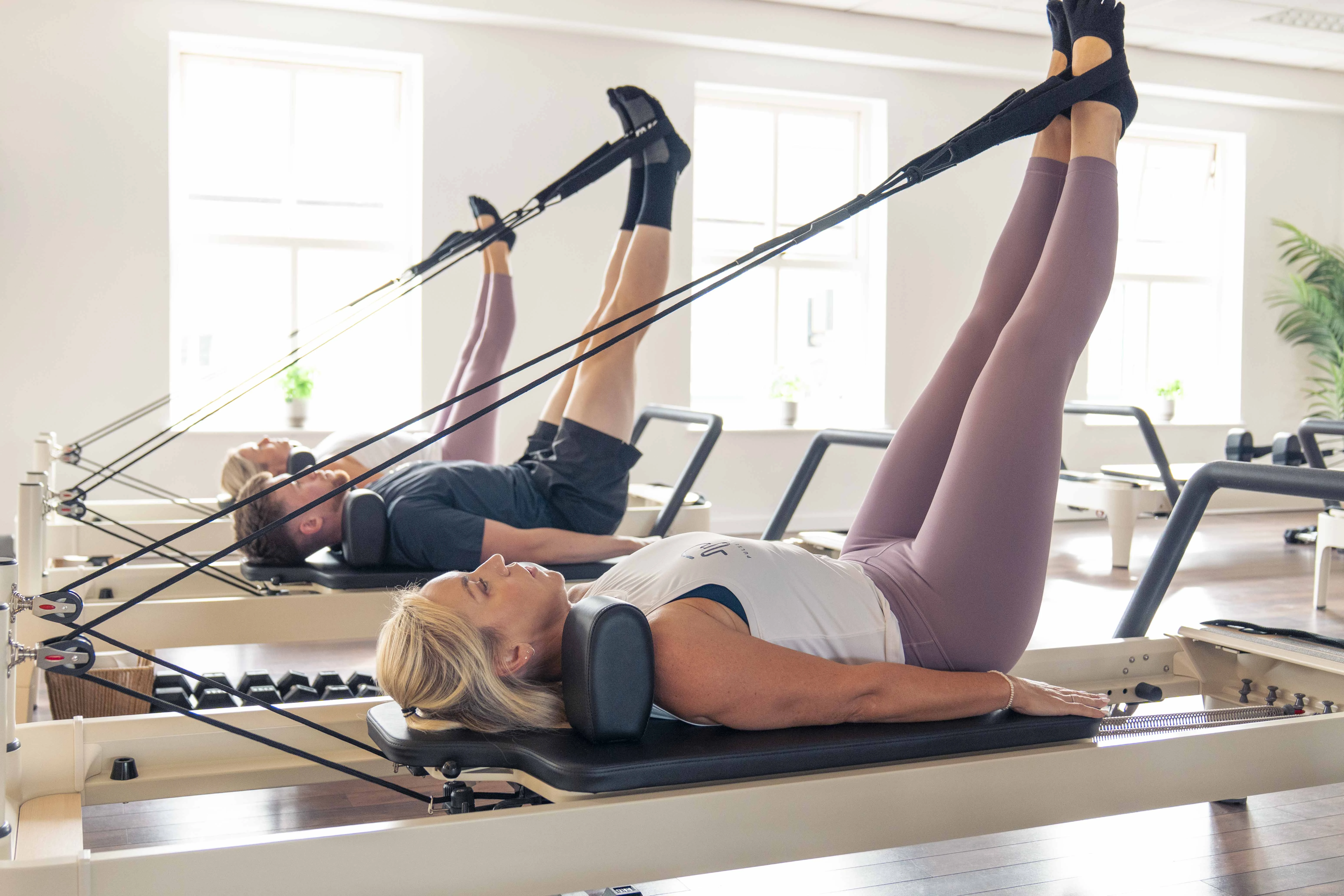
There is a big difference in build quality, safety, and versatility between professional studio equipment and lower-cost home machines. Studio-based reformer machines are built to withstand heavier weight loads and are fully adjustable for taller individuals. For example, we recently had a rugby player in our studio in Wicklow who weighed nearly 140kg; a supermarket reformer would not have been able to support that weight safely.
There’s another benefit to studio classes many people overlook: community. At Pulse Pilates, we place a huge emphasis on community and human connection, and there’s a real feeling of inclusivity and camaraderie in the studio, with a connection not only with the instructor but also with the other people in the class. In contrast, practising at home on a reformer, it’s easy to miss out on this social and motivational aspect, which we believe is a hugely important part of the overall Pilates experience.
Classes are tailored to the people in attendance, so it is never a one-size-fits-all approach. Without that tailored guidance, there is a higher risk of injury and a greater chance of missing out on the full benefits of Pilates, including the motivation, support, and connection that come from a group exercise environment. We strongly believe that studio-based reformer Pilates remains essential, particularly for beginners, to truly understand the machine, improve technique safely, and experience the full benefits of a guided, community-focused practice.
We’d never discourage anyone from trying a home machine. For some, it’s a great way to explore Pilates. But if you enjoy it, combining home practice with studio classes offers the safest and most effective experience.
Also Read