
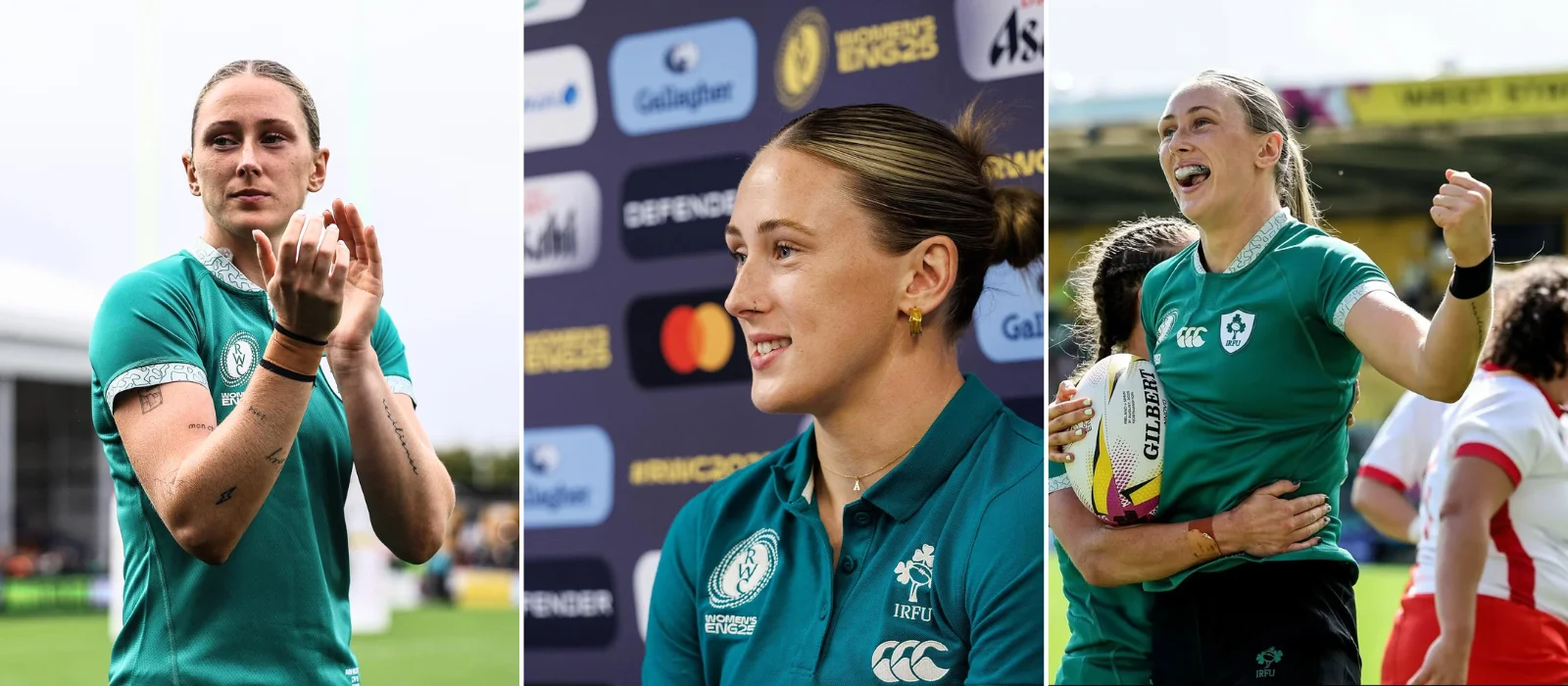

Ahead of Ireland’s landmark Women’s Six Nations clash against Scotland at Aviva Stadium, rugby star Anna McGann speaks about breaking period stigma in sport as Aviva and Irish brand Riley partner to provide free period products throughout the stadium.
Anna McGann still remembers the training sessions she skipped as a teenager because of her period.
Not because she was injured, unfit or didn’t want to be there, but because she felt unprepared and too embarrassed to talk about it.
“I even remember when I was growing up, the amount of sessions I just wouldn’t have gone to purely because I was on my period,” the Irish rugby player says. “If you didn’t have products with you, or if your period arrived unexpectedly at training, the fear around that was huge. It’s mad when you look back on it now.”
It’s a feeling many girls and women in sport know all too well. Despite huge progress in women’s athletics and growing conversations around female health, menstruation remains one of the least openly discussed aspects of sport.
“When you’re younger, everyone’s kind of going through the same thing, but nobody really talks about it,” McGann says. “I know myself growing up, I wouldn’t have talked about it with anyone, even close friends. There was this embarrassment attached to it, as if something happened to you during training, you thought you were the only person in the world it could happen to. But in reality, it could happen to anybody. It’s the least embarrassing thing if we talk about it.”
Now, as women’s rugby in Ireland reaches another landmark moment with Ireland’s Women’s Six Nations clash against Scotland at Aviva Stadium on May 17, McGann is helping lead a conversation she wishes had existed when she was younger.
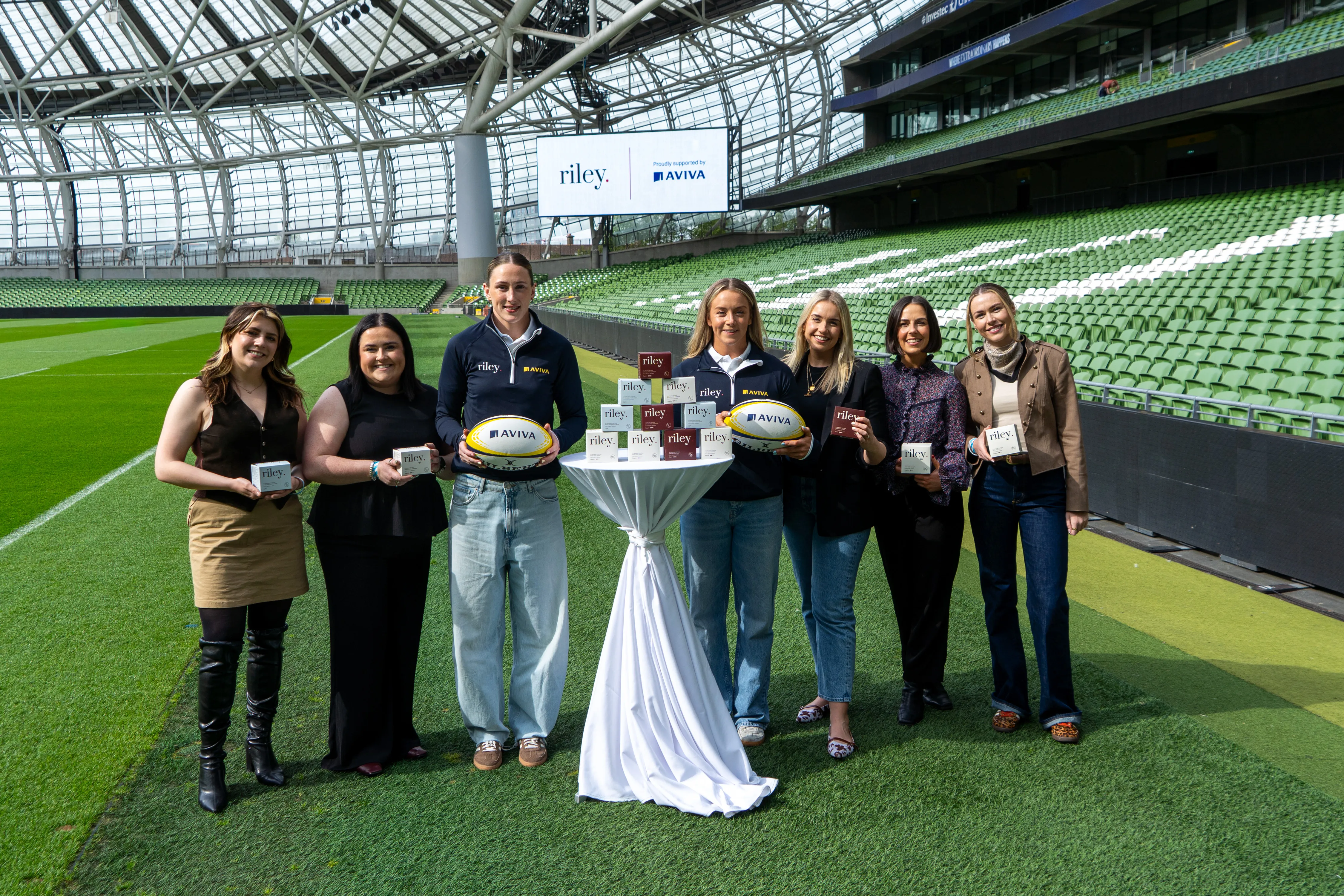
Aviva Stadium has partnered with Irish period care brand Riley to provide free period products throughout the venue, an initiative designed to remove one of the quieter but very real barriers affecting girls and women in sport. The partnership follows new research from Aviva, which revealed that 82% of people in Ireland who menstruate have struggled to find period products at a public venue when they needed them. The same research found that 82% have skipped, reduced or changed their participation in exercise because they felt unprepared for their period, while 85% believe period stigma negatively affects confidence in sport.
For McGann, those statistics are deeply familiar, and her openness is part of a wider cultural shift in women’s sport, where conversations around menstrual health, hormones, recovery and athlete wellbeing are becoming less taboo and more integrated into performance conversations.
The Riley and Aviva partnership may seem like a simple intervention — placing free period products in bathrooms and around the stadium — but McGann believes visibility and accessibility matter enormously, especially for younger athletes.
“That statistic where 82% of girls miss training because of their period is huge,” she says. “I was definitely part of that 82% growing up. Giving girls access to period products removes one of those barriers immediately. It sends the message that people are there to help, and that your period doesn’t have to stop you from training or playing sport.”
Now there’s a huge emphasis on women’s health and the fact that we’re not just smaller men. Women’s bodies are different, and that needs to be researched and understood properly.
With girls continuing to drop out of sport at significantly higher rates than boys, McGann believes that normalising conversations around periods from an early age can make a meaningful difference. “The more coaches, staff, and teammates are willing to talk openly about it, the more comfortable younger girls will feel,” she says. “We need to create environments where girls feel seen and supported.”
That sense of support is something McGann has witnessed evolve dramatically during her own career. Entering professional sport nearly a decade ago, she says the understanding of women’s health within elite environments was nowhere near where it is today.
“There’s been a massive difference from when I first entered professional sport nine years ago,” she says. “Now there’s a huge emphasis on women’s health and the fact that we’re not just smaller men. Women’s bodies are different, and that needs to be researched and understood properly.”
McGann points to areas like ACL rehabilitation, nutrition, hormonal health and menstrual cycle tracking as examples of how professional women’s sport is finally beginning to receive more specialised attention. “Even something as simple as ACL rehab, for years, most of the research was done on men,” she explains. “Now specialists are working specifically on women’s bodies and understanding how we recover differently. We’ve had nutritionists come in who are far more educated on women’s health and how our menstrual cycles affect us as athletes. There’s also more awareness around things like losing periods due to stress and training load, and how we need to fuel ourselves differently. I’ve definitely seen the biggest shift in the last two or three years.”
That shift now extends into the team environment itself, where periods are now discussed with a level of honesty and normality that McGann says would have been unimaginable earlier in her career.
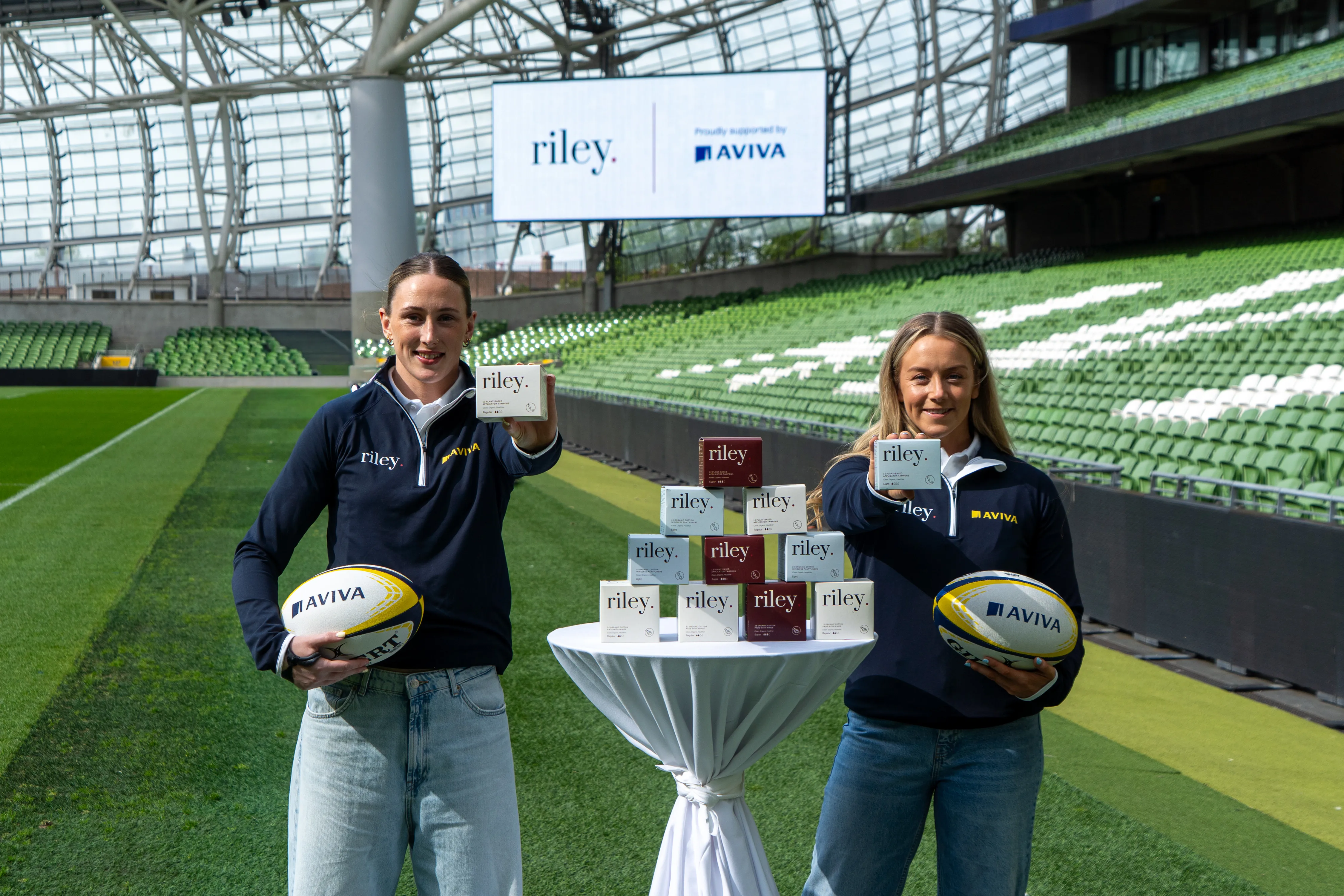
“We’re so open now as teammates about periods,” she says. “You can literally say, ‘I feel awful, I’m definitely due my period tomorrow,’ and everyone just understands. It’s completely destigmatised within our setup, which is so comforting. It’s not a case anymore of just pushing through and pretending you’re fine. It’s more like, ‘Okay, what can we do to help you train as best as possible today?’ That makes a huge difference.”
The increased investment in women’s rugby has also contributed to broader cultural change. Ireland’s upcoming fixture against Scotland at Aviva Stadium marks the first time the women’s team will play at the iconic venue, something McGann describes as “historic”.
“There’s just pure excitement around it,” she says. “It’s such a massive moment for women’s rugby, and hopefully it’s the first of many games there.”
For McGann, the significance of the Riley partnership landing alongside such a milestone for the sport feels particularly powerful.
“We already have Riley products in our training camp, so everybody knows the brand,” she says. “They’re an Irish, women-owned company, which makes it even more special. The fact that they’re coming on board for this moment is unbelievable.”
More than anything, McGann hopes younger girls watching the Ireland team this month will see that periods are nothing to be ashamed of, whether in sport, school or everyday life.
“We are role models for the younger generation,” she says. “If I were a 14-year-old girl seeing this campaign, I think I’d realise, ‘Okay, this is normal. This isn’t just me.’
“That’s why this matters so much. The more we talk about periods openly, the more normal it becomes. And once it becomes normal, hopefully fewer girls will feel like they have to sit out training, miss matches, or stop playing the sport they love.”
Also Read