





Julia Petryk on how the war has impacted her career as a woman in business in Ukraine
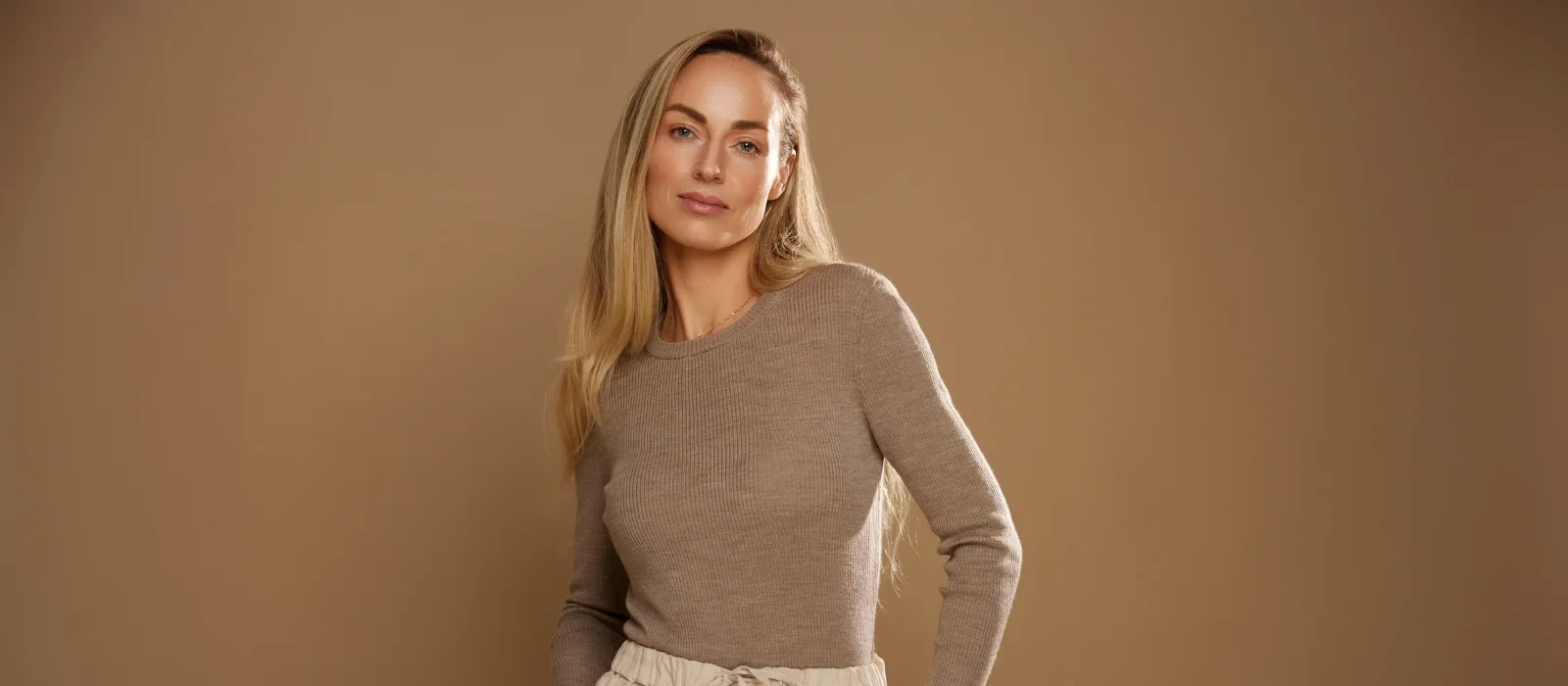
Calibrated Agency CEO and co-founder and Planet Wide community founder, Julia Petryk shares with us how the war has impacted her career as a woman in business in Ukraine.
February 24 marks four years since the beginning of Russia’s ongoing full-scale invasion of Ukraine. Despite everything the country is going through, for the most part, it’s business as usual. In conversation with Fiona Alston, Calibrated Agency CEO and co-founder, and the Planet Wide community founder, Julia Petryk shares with us how the war has impacted her career as a woman in business in Ukraine.
It’s been four years since Russia’s full-scale invasion of Ukraine began. Thinking back to that day, tell us about the impact it had.
I guess that it turned our lives upside down. And I think that there is no Ukrainian in the world who has not been affected by the war. We have all had someone who was either wounded, killed, or lost on the battlefield, because Russia outnumbers Ukraine immensely, and I think that every family has a sad story to tell.
As a citizen, I could not avoid what was going on, so on the very first day of the full-scale invasion, we organised the Ukrainian PR Army, an initiative that was started within the first hours. We, a community of comms professionals, were discussing what we could do to help our country in the circumstances that we all found ourselves in, and we decided that we would reach out to the media we knew, telling our stories.
That was the beginning of the PR Army. There was no time for brainstorming or discussing ideas or strategic sessions, nothing of that kind. It was just an initiative to help Ukraine be visible and vocal in international media. It was a chaotic initiative, driven by that bitter sense of injustice, and we were also probably driven by adrenaline.
How has the war impacted your career?
Before the full-scale invasion, I had a career in tech PR. I was a part of a software development company. I decided that I needed to make a meaningful contribution to the existential fight my country is going through and I started Calibrated with my partners Liuka and Olha in 2024 — three female founders, and our team is 100% female. Our comms agency doesn’t work with just general tech topics, we work with three main streams, all of which can help Ukraine win: defence tech, cybersecurity and cognitive security.
Honestly, I would never, ever have imagined myself running an agency in defence tech; it was not something I dreamt about, but obviously, the war made a huge shift in our everyday routine, in our way of thinking, in our trauma and it changed my career perspective.
You are working from within the country, and major infrastructure and civilian areas have been targeted by the Russians, resulting in blackouts, loss of heating and constant shelling of the city. How do you deal with this as a team and still make sure the business is run effectively?
Our house is on the list of those that won’t have any heating for the next two months, at least, because the heating plant was damaged by the Russian shelling, and in the times when it was -15ºC, we needed to handle it somehow. Our house is supplied with electricity—we don’t have any gas—so if there is a power cut, we cannot cook, we have no heat, the elevators are out of service, and we live on an upper floor. My daughter is an adult but when I see baby prams and pushchairs left on the ground floor I can see how challenging it is for parents taking care of kids in times when there is no heating, no opportunity to cook food, and even no opportunity to somehow entertain them without going outside.

It’s tough, but our performance as a company is not affected by it. Our clients, both international and Ukrainian, have never ever witnessed even a hint of underperformance. Sometimes there are cases where we would have sleepless nights with a full night of shelling or drone attacks and in the morning, we have a dedicated Slack channel called Mental Health where we ask our team how the night was and whether they are safe. After a night of shelling, which is very likely to happen anytime, we don’t have morning meetings, because sometimes we give extra hours for the team to get sleep or to let them help clean up damage in their area, or find working internet, or a safe place to work from. The psychological background, the mental toll, is not something that creates a lot of room for imagination and creativity. We’re still dealing with bad news from the front line or worrying about our parents. We all need to handle our everyday challenges on a personal level and on the national level, so to say.
What have you learned about yourself that has surprised you in the last four years?
I think I became cynical and I would not have expected that from me. I was so kind-hearted, so caring, I was always hoping for the evil to be defeated. I was always believing in light that would conquer darkness. Now that I’m getting older, more grown up, I can’t get any explanation of what we are going through, and why it’s possible in the 21st century. It makes no sense at all—my brain cannot explain it—it is still struggling to.
I probably should have ended on a positive note somehow, that I’ve discovered some unbelievable resilience inside me, but for us, we have no other option. This is existential war. If we lose, our country will be erased, our identity will be erased, our culture and our language. For us, there is no other option other than to fight, but at the same time, it still looks like our hope has no shelf life. How long can it last?
Also Read