







Sponsored
‘You can’t scale without trust’: Jacqui O’Connor on building MedScan3D from maternity leave to global medtech
Sponsored By

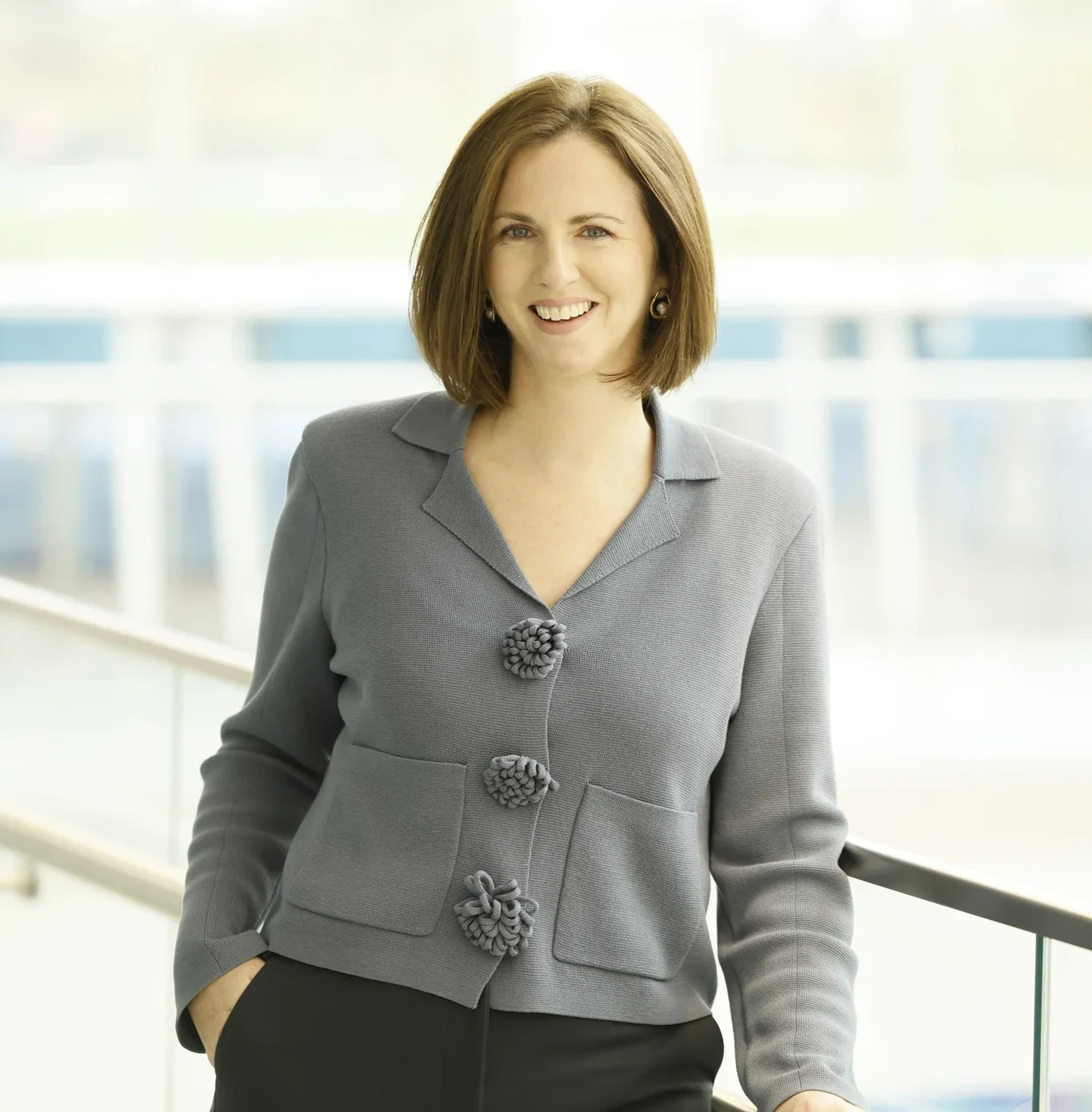
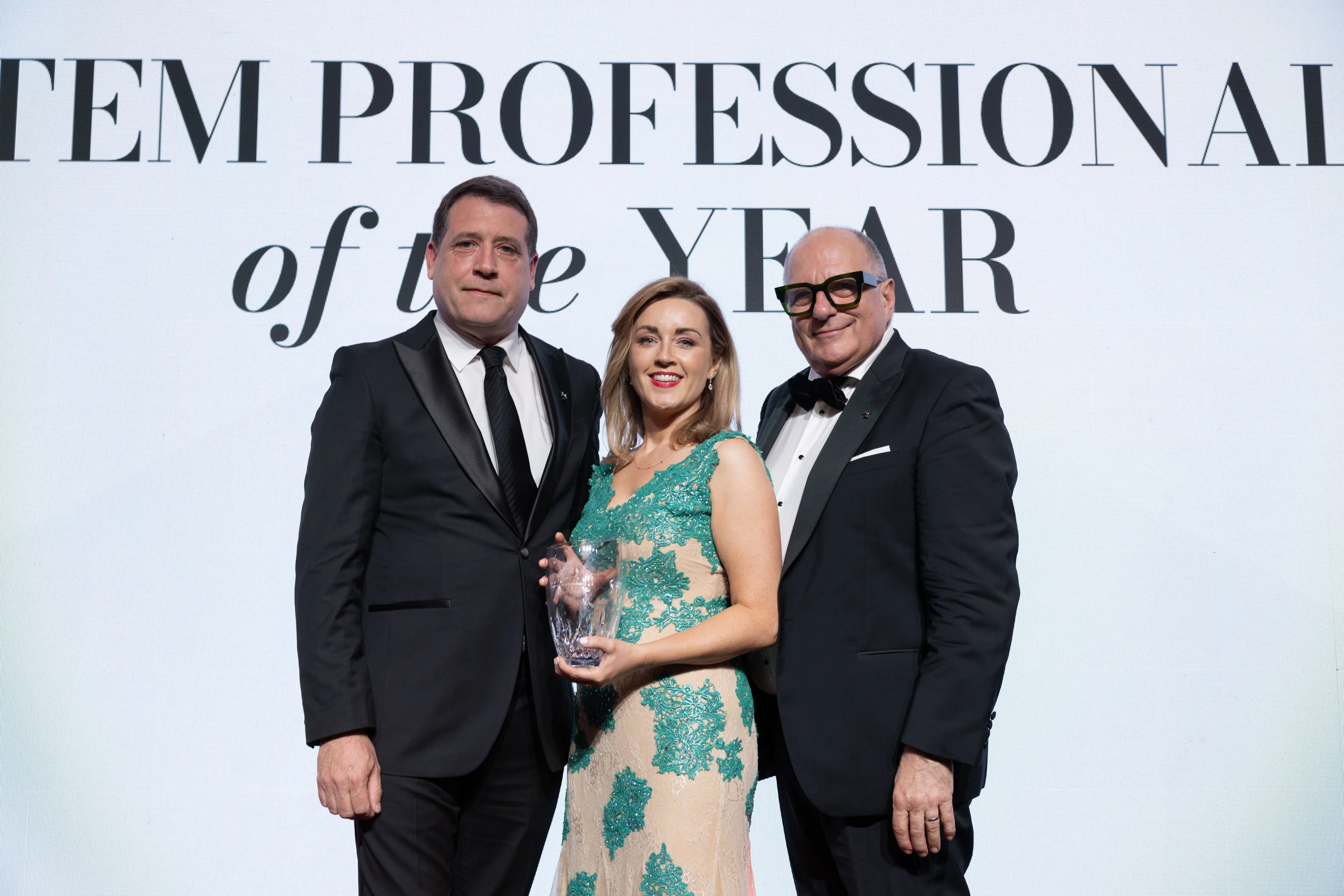
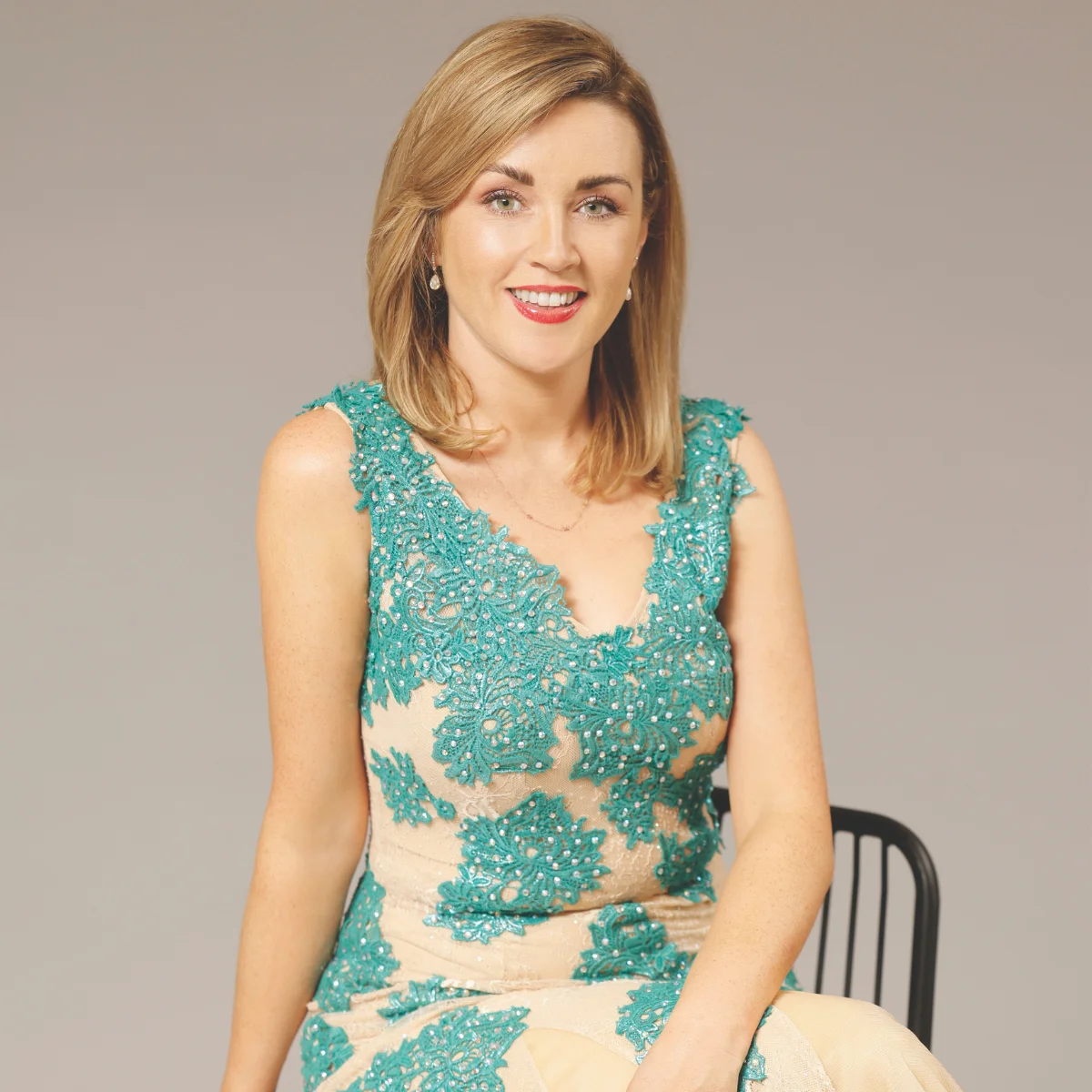
Jacqui O’Connor, IMAGE PwC STEM Professional of the Year 2025, is the founder and CEO of MedScan3D, a medical innovation company producing anatomical models for surgical planning and medical device testing.
Established in 2019 from an idea Jacqui O’Connor had while on maternity leave, MedScan3D now exports to Europe and North America, working with researchers, engineers and surgeons to improve patient outcomes through clinically relevant 3D-printed models.
An experienced biomedical engineer, Jacqui is passionate about the potential of 3D printing to transform surgical practice. Despite MedScan3D’s rapid growth, she is clear that the journey has not been linear. “You’re going to have career lows, but the highs will come if you put the hard work in.” She also believes strongly in the power of community. “Talk to as many peers as possible and get as much experience as you can. I have always found that women will support you no matter where they are; don’t be afraid to ask for help.”
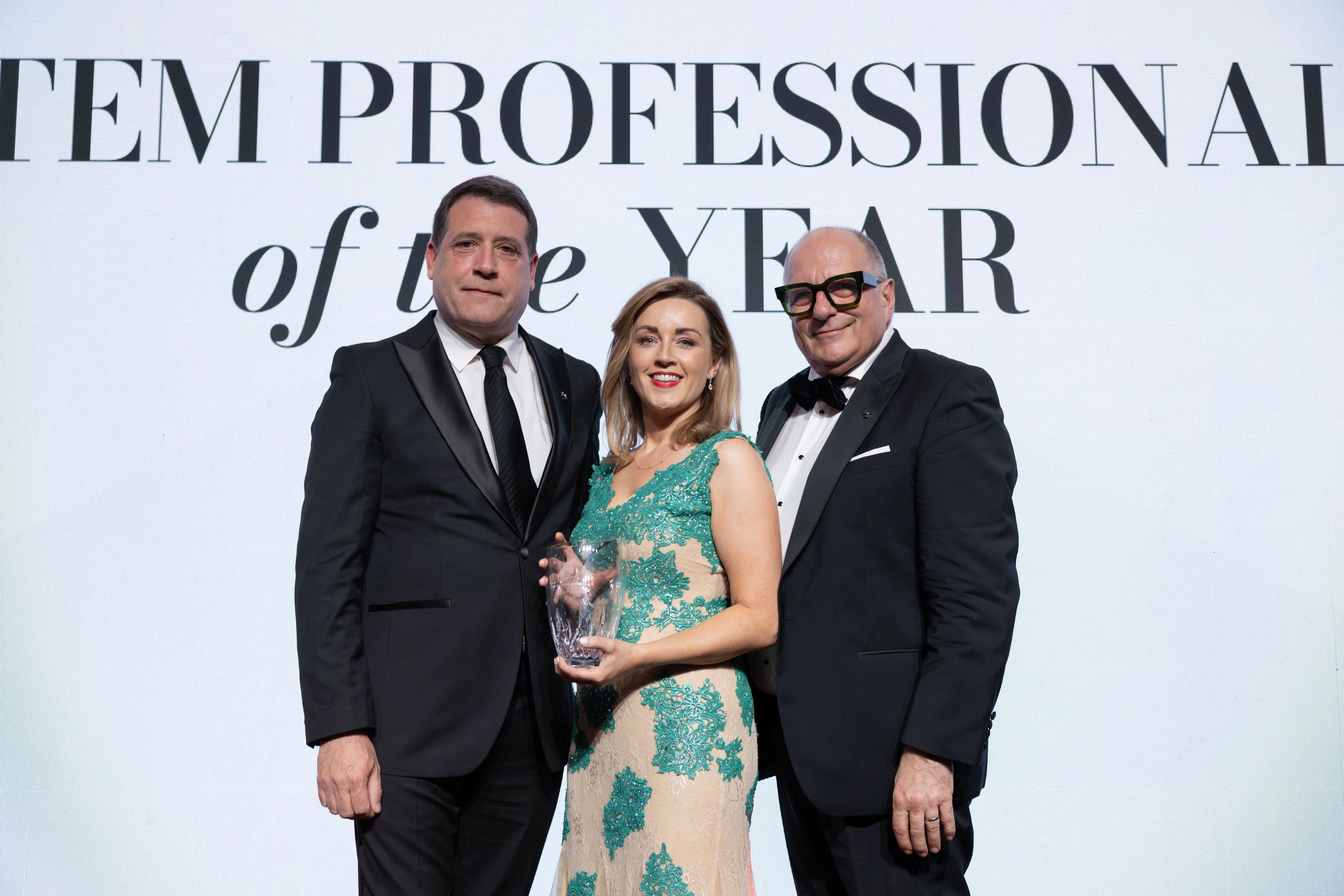
Winning this award was an incredible honour. Working in medtech, so much of what we do happens behind the scenes, so having our work recognised on a national stage felt very meaningful. For me, it also highlighted the importance of ethical innovation in healthcare and the growing recognition that more clinically relevant models are essential for the future of surgical planning, medical device development and training.
The idea came about while I was working in a surgical setting. I could see firsthand how important it is for surgeons to have as much information as possible before going into a procedure, especially information specific to the patient they were operating on. I knew how powerful 3D printing was in industry, yet it wasn’t reaching the people who could benefit most from it: clinicians and engineers. During my maternity leave, I finally had the space to explore the idea properly, and it really began with finding one person who could see the benefit. From there, it just grew.
Knowing our work directly improves patient care and outcomes is incredibly rewarding. When a surgeon tells us that a model helped them plan a complex case, or when a device company uses our phantoms to refine a design during the R&D phase, it really reinforces why we do this work. The impact is twofold: for medical device development, it supports a safer, more efficient regulatory pathway, and in the clinical setting, it contributes to safer, faster surgical procedures for patients.
I was drawn to 3D printing because it bridges creativity and science. It allows you to turn data into something tangible that can change clinical decision-making. Over the next decade, I see it becoming far more integrated into hospitals, not just for models, but for personalised devices, surgical guides, and even bioprinting. The technology is ready; the challenge now is adoption.
Hospitals need validated workflows, training and confidence that the technology is reliable and clinically relevant. That’s exactly where we focus: providing high-fidelity models, supporting software such as Materialise, and helping hospitals build point-of-care capabilities. We’re also developing more functional, physiology-mimicking systems that give clinicians the realism they need to trust the technology. Alongside this, we carry out research with universities to ensure we have strong data to support everything we provide. We’ve also run numerous free trials with clinicians across the HSE and NHS, which have been invaluable in demonstrating real-world benefit and building confidence in the technology.
Our long-term vision is to create a fully integrated, human-relevant testing ecosystem. This means combining anatomical models, flow systems and sensor components to provide clinically accepted alternatives to animal testing. Ultimately, I want MedScan3D to help bring safer, more effective devices to patients faster, while supporting a global shift toward ethical, predictive testing methods.
But you can’t scale without trust. In medtech, every relationship is built on quality, consistency, and transparency. A lot of our early growth came from working closely with local customers and proving the value of what we do. That trust naturally expanded to their sister sites, helping us build a strong foundation. From there, credibility made it easier to support new customers, both in Ireland and internationally. Once you have that trust and validation in place, scaling becomes a natural progression.
What I’d love to see is more women in technical leadership roles and more support for women returning to STEM after career breaks. The talent is there; it just needs the right environment to thrive.
One of the biggest challenges has been managing cash flow. We’ve never received external funding, so every step of growth had to be earned, reinvested, and carefully timed. Pivoting during COVID was another major hurdle; we had to rethink our entire approach almost overnight. Regulation and credibility were also challenges, especially as a young company in a specialised space. But each obstacle pushed us to adapt, innovate, and build stronger partnerships.
I’ve generally found the world very accepting of me as a woman in engineering. There were moments early on when I wasn’t sure if I was being taken seriously, but over time, I’ve felt that I genuinely have been. I’ve also leaned into being a woman in STEM rather than shying away from it; opportunities like this award have shown me how powerful that visibility can be. What I’d love to see is more women in technical leadership roles and more support for women returning to STEM after career breaks. The talent is there; it just needs the right environment to thrive.
Purpose keeps me motivated, but so does having a strong support network. I’m very lucky to have a team I trust and a partnership at home where everyone understands what’s happening in the business. I have small children, and they are the most important thing in my life, so I’ve always needed the company to keep going if I have to step back. Equally, I need the flexibility to step in when the business needs to be redirected. That balance has been essential. My advice would be to build a support system you can rely on, both professionally and personally, because you can’t do this alone.
Now I’d tell my younger self to push through the uncertainty, because that’s where you actually grow. This path will give you the confidence you don’t realise you have yet. There will be times when the pressure of running a company and raising a family may seem impossible, but you’ll figure it out. Trust that the journey will shape you in a really positive way.
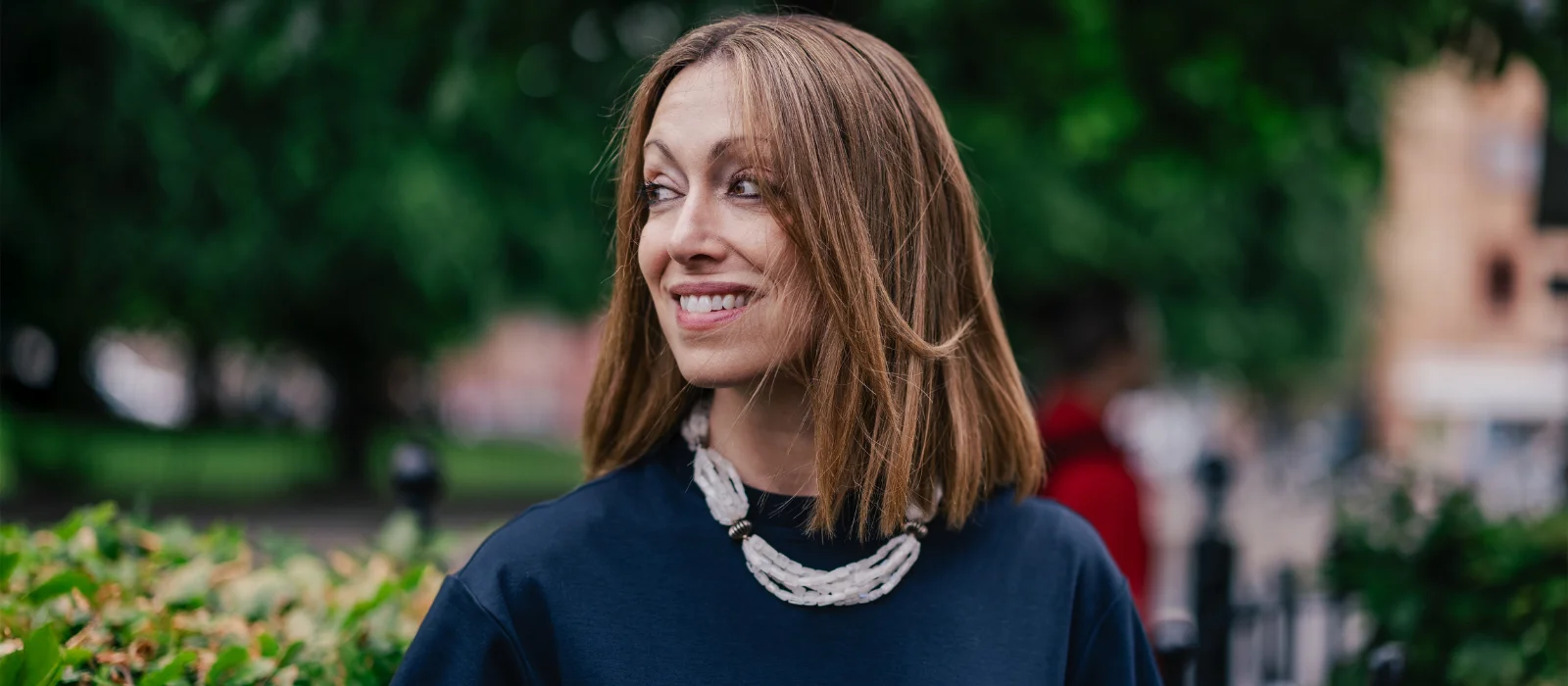
Photography by Kieran Harnett
We’re interviewing each of our outstanding winners from the IMAGE PwC Businesswoman of the Year Awards 2025. To hear more about their career journeys, expert insights, and more, visit image.ie/pwc.
Also Read