
Sponsored
‘I wondered would I ever get my strength back’: Loretta Kennedy on recovery after a brain tumour
Sponsored By
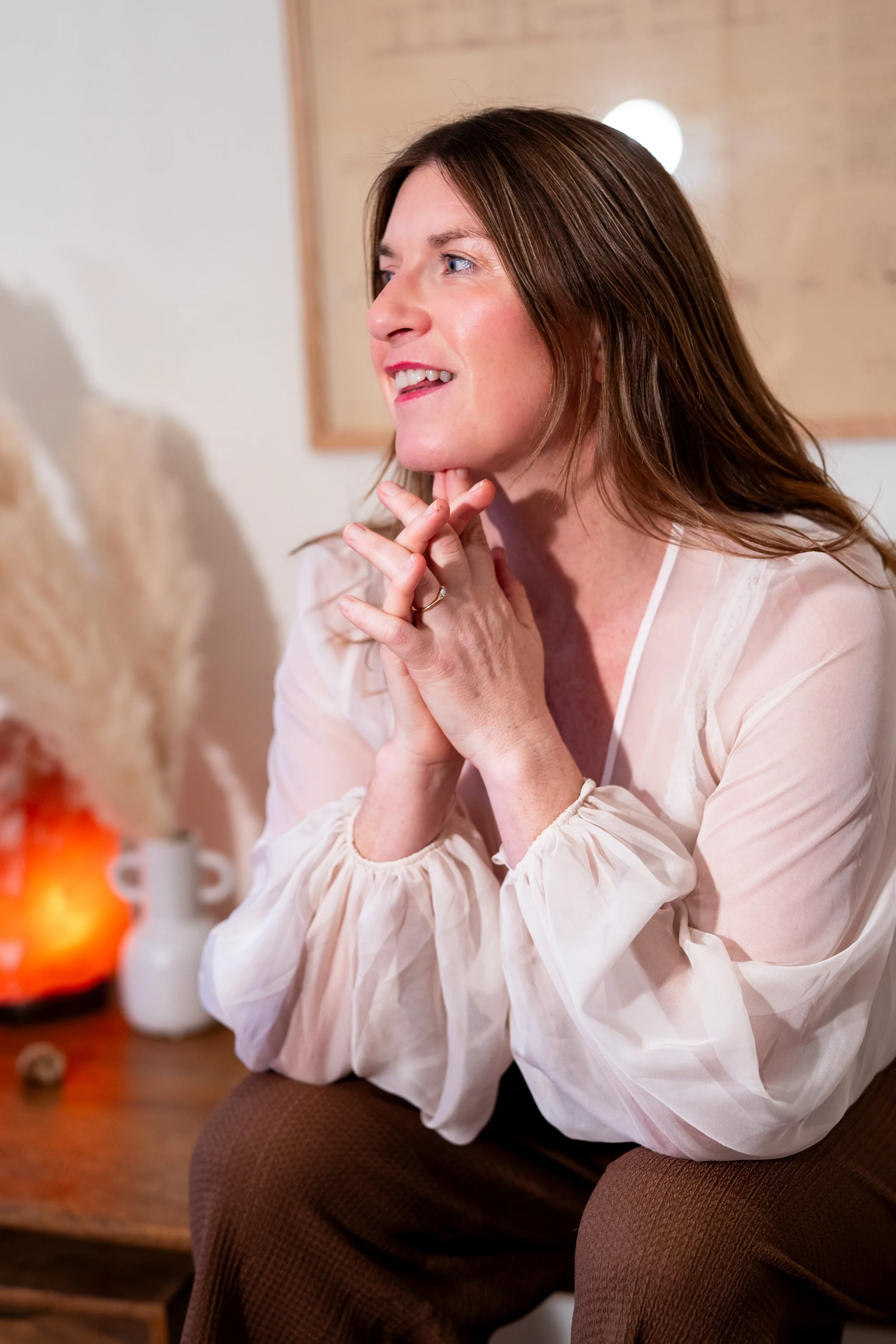
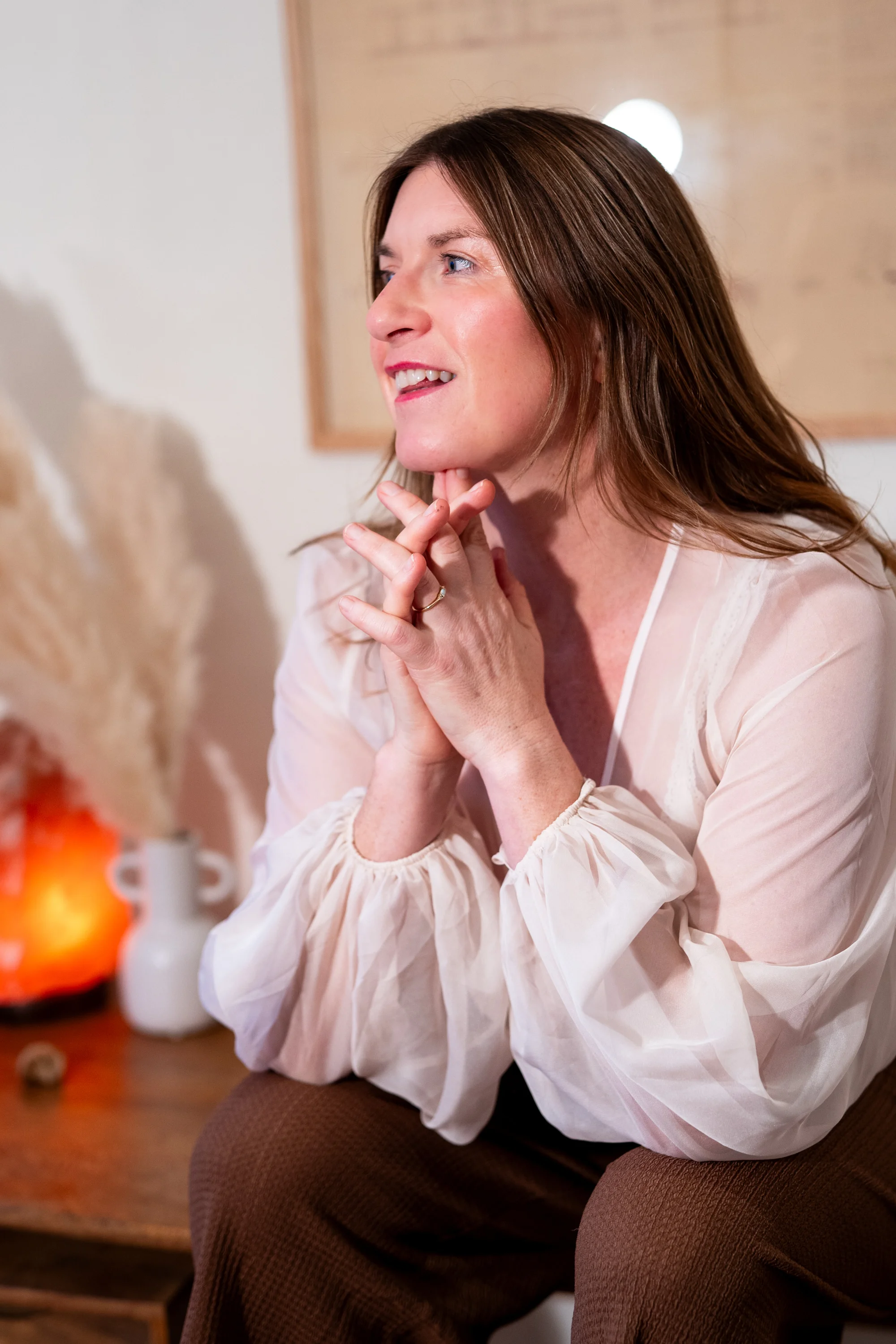
A sudden diagnosis can fracture even the most grounded life. For coach, yoga teacher and mother-of-three Loretta Kennedy, what began as headaches quickly became something far more serious. After multiple surgeries and a long hospital stay, her recovery has been as much about rebuilding trust in her body as it has been about physical strength.
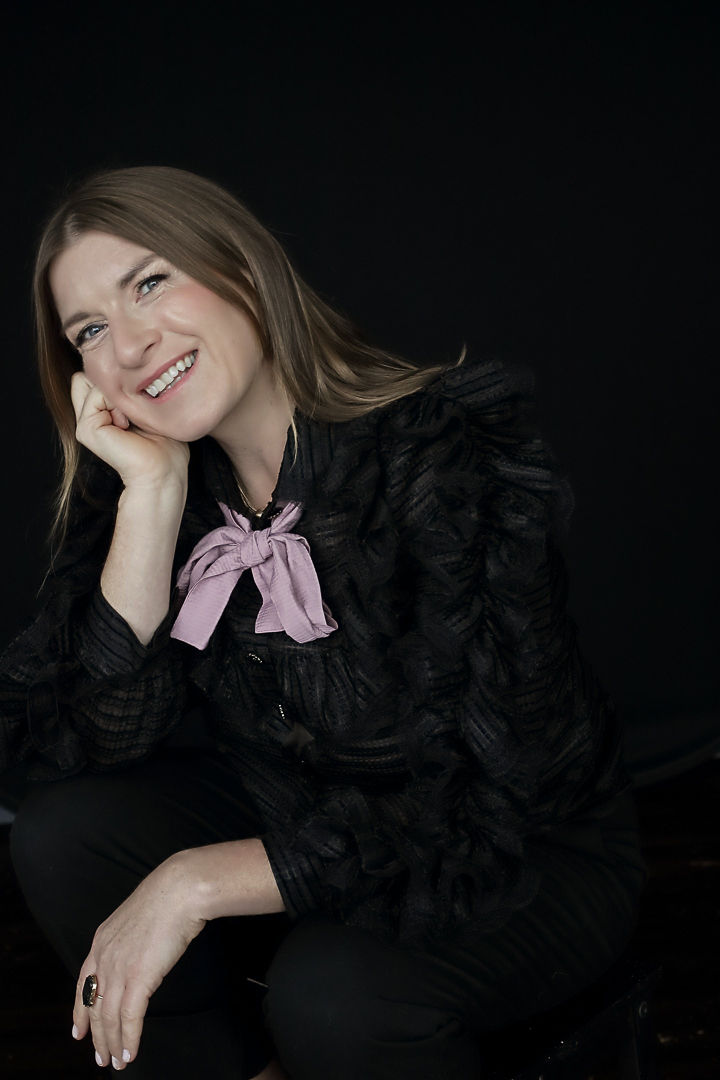
Before her diagnosis, Loretta’s life was full and rooted in wellbeing.
“I just sold my company, so I was working for the company that bought my company, and was home in the afternoon to be with the kids,” she says, describing a busy but balanced routine. “My husband works in tech, so he would travel quite a bit. Just a very regular life.”
Wellness, she says, was already part of her everyday. “I’ve always been into my nutrition, been into my yoga, been into my meditation, all of that,” she explains. “So very holistic, very healthy.”
The symptoms and diagnosis
The first signs were subtle and initially nothing too out of the ordinary, but quickly escalated into something more serious.
“The main symptoms were the headaches, and then I started having seizures,” she says. An MRI scan confirmed everything. “That’s when they picked up the tumour.”
Despite the relatively quick turnaround, the diagnosis came as a complete shock. “I wasn’t expecting that, not at all,” she recalls. “[It was a] complete shock. The furthest thing in my mind.”
From there, things moved quickly.“They were pretty fast getting the scan done, and then getting me in for surgery quite quickly after that,” she adds.
Loretta spent six weeks in hospital following multiple surgeries, an experience that significantly impacted her body.
“I just remember not having any strength in my legs,” she says. “Trying to walk up the stairs after I got home, my legs had no strength in them whatsoever.”
Even while recovering, she was conscious of the need to keep going. “I used to get up and walk the ward the whole time, just to keep my strength up,” she explains. “I knew that I needed to stay strong, physically and mentally.”
Still, the road back hasn’t been immediate. “My physical strength isn’t back where it was at all, especially in my legs,” she says. “It’s just going to take discipline and building that strength again.”
Relearning safety in the body
Returning home brought a different kind of challenge — learning to feel safe in her body again.
“When I got home, I just wanted to go into the woods near us,” she says, describing a longing for calm after the hospital environment. “Just to get some peace and quiet and back into nature.”
But something that once felt natural now felt uncertain. “I remember being afraid to go into the woods, because I felt like anything could happen,” she explains.
That sense of vulnerability showed up in everyday moments too. “I went into a shop, came out, and couldn’t find my bike,” she says. “I couldn’t remember where I’d left it. I rang my husband and the guards and said, ‘Somebody’s after stealing my bike!’”
In response, she began putting small supports in place. “I realised I need to take a photo wherever I leave it,” she says. “That’s my reminder to myself.”
Everything I’d been teaching other people for years, I had to bring back to myself.
Nervous system regulation in real life
As someone who teaches nervous system regulation as a consultant and coach, Loretta suddenly found herself living the work she had long shared with others. “It’s about a recalibration,” she explains. “Recalibrating myself back to some sense of safety in my nervous system.”
There was an irony in it too, she says. “It was almost hilarious that everything I’d been teaching other people for years, I had to bring back to myself,” she reflects. “How am I going to regulate my own nervous system?”
Her approach became grounded in small, consistent steps.
For Loretta, healing didn’t stop at surgery. She stresses how it extended to how she supported her body day to day. “I had an amazing friend who’s a nutritional therapist who got me sorted after all of the antibiotics and hospital food,” she says.
Having worked in food herself, she found this aspect particularly frustrating. “My body is trying to heal, and look what I’ve been served up for my lunch,” she says. “This is absolutely crazy.”
“What we called it was the daily stretch,” she explains. “What’s one thing that might frighten me a little bit, but is still safe and contained?”
Losing and rebuilding strength
Beyond the physical recovery, there was a deeper emotional shift. “I just felt like my strength had really diminished,” she says. “Physically, energetically, emotionally.”
That loss extended to her sense of self. “I wondered if I would ever get that strength back again,” she reflects. “That forthrightness, my voice, in my body and in my belly, in all of me.”
She also became aware of how illness can subtly change how you show up. “You nearly feel like you have to be the good girl,” she says. “Because you lose the fight a little bit.”
A new understanding of resilience
Going through illness has reshaped how she understands strength, she says, particularly in her daughters and the women around her.
“I see the resilience in my daughters,” she says. “That dedication and discipline, just getting up and doing what needs to be done.”
Her perspective now centres on balance. “[For me, it’s about] being really conscious and not shirking what needs to be done, but honouring yourself the whole time,” she explains.
She’s also more aware of how easy it is to disconnect from yourself during illness. “It can be very easy to abandon yourself when you’re putting so much faith in the hands of other people,” she says.
On the other side
Now, on the other side of treatment, Loretta says she feels like herself again. “I’m feeling really, really good again,” she says. “Which is amazing.”
“Being respectful of my energy and the energy of others, and really grateful to everyone who supported and helped me,” she says.
That awareness now shapes her work with other women. “Everyone is at a different point,” she explains. “There’s no right or wrong. We’re all on our own unique timeline.”
“I think we can spend so long comparing ourselves to other people…. In many ways, we are lucky to be able to advocate for ourselves. And I know sometimes that can be down to money, and not everybody has access to the same resources, but I think we owe it to ourselves.”
“If you’re experiencing symptoms, do something about it,” she adds. “We owe it to the people who came before us and to those who are going to come after us, to really honour that.”
Loretta Kennedy is an award-winning entrepreneur, writer, speaker, business consultant, coach and mentor to female entrepreneurs.
We’re lifting the lid on women’s health: the real, the raw, the rarely spoken aloud. Our new podcast ‘IMAGE The Check-in’, hosted by Ellie Balfe, gets straight to the heart of what’s truly on women’s minds right now. We dive into monthly health themes with expert guests and honest voices.
To learn more about brain health, listen to our episode with neuroscientist Dr Sabina Brennan.
Listen to IMAGE The Check-in HERE or wherever you get your podcasts.
To stay up to date on our latest expert-led articles, insights, podcast episodes and more, visit the IMAGE Women’s Health Clinic Hub.
Also Read