Sponsored
‘Farmers deserved choice’: Ursula Kelly on growing Cormac Tagging into a leader in Irish agribusiness
Sponsored By

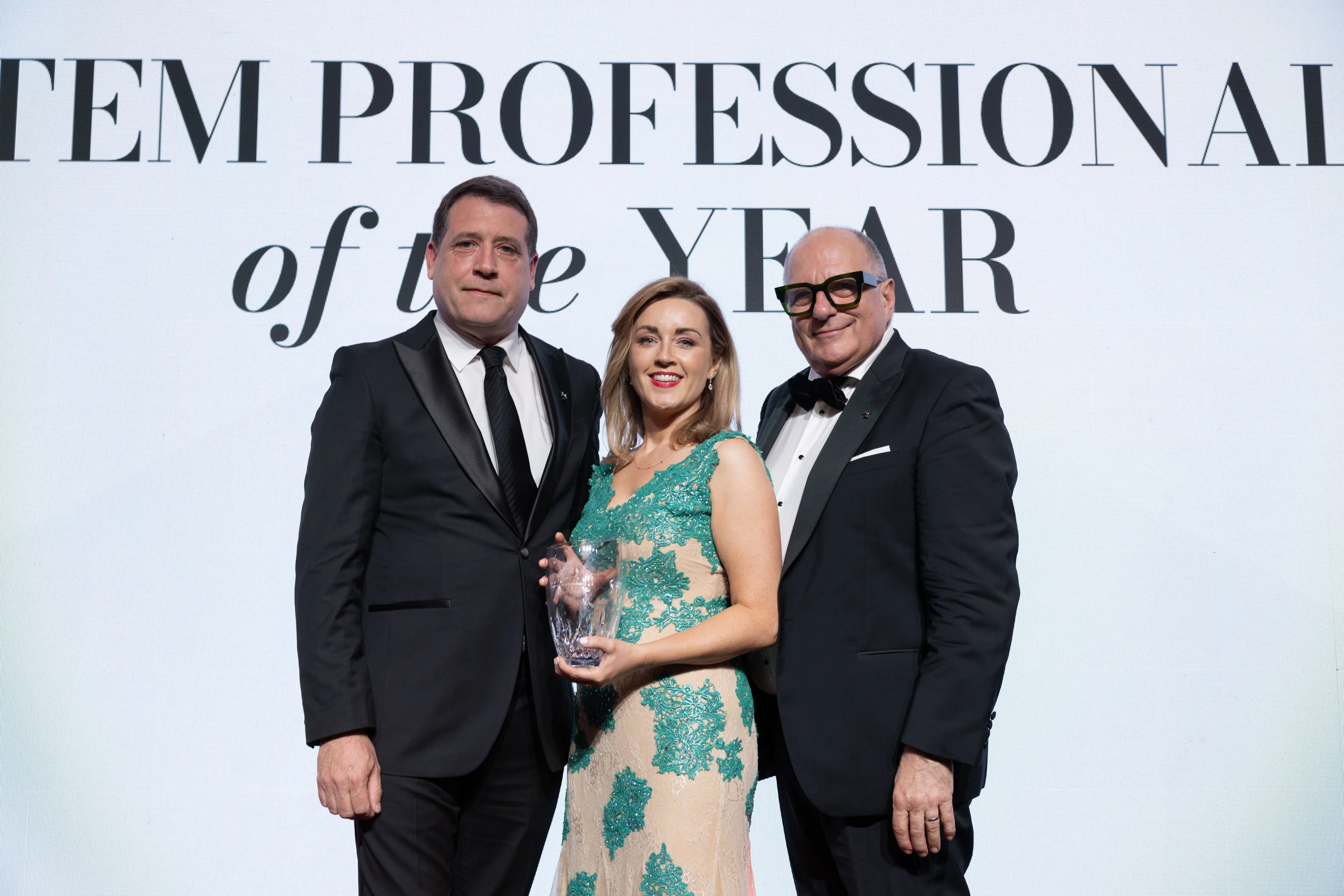
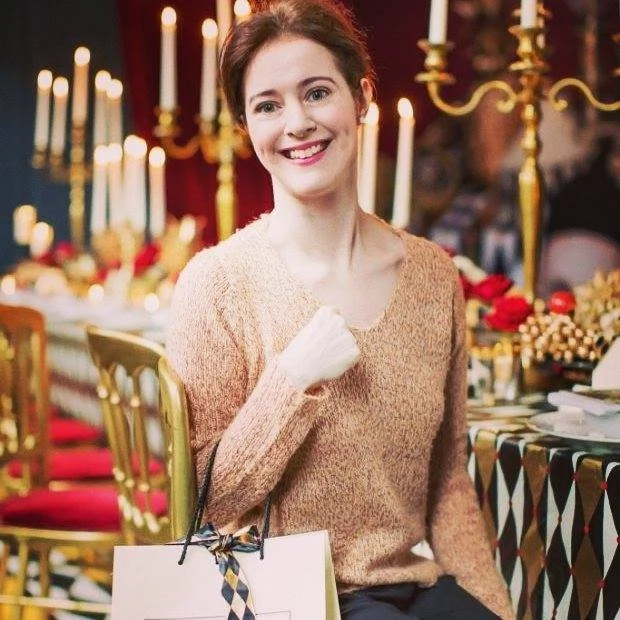
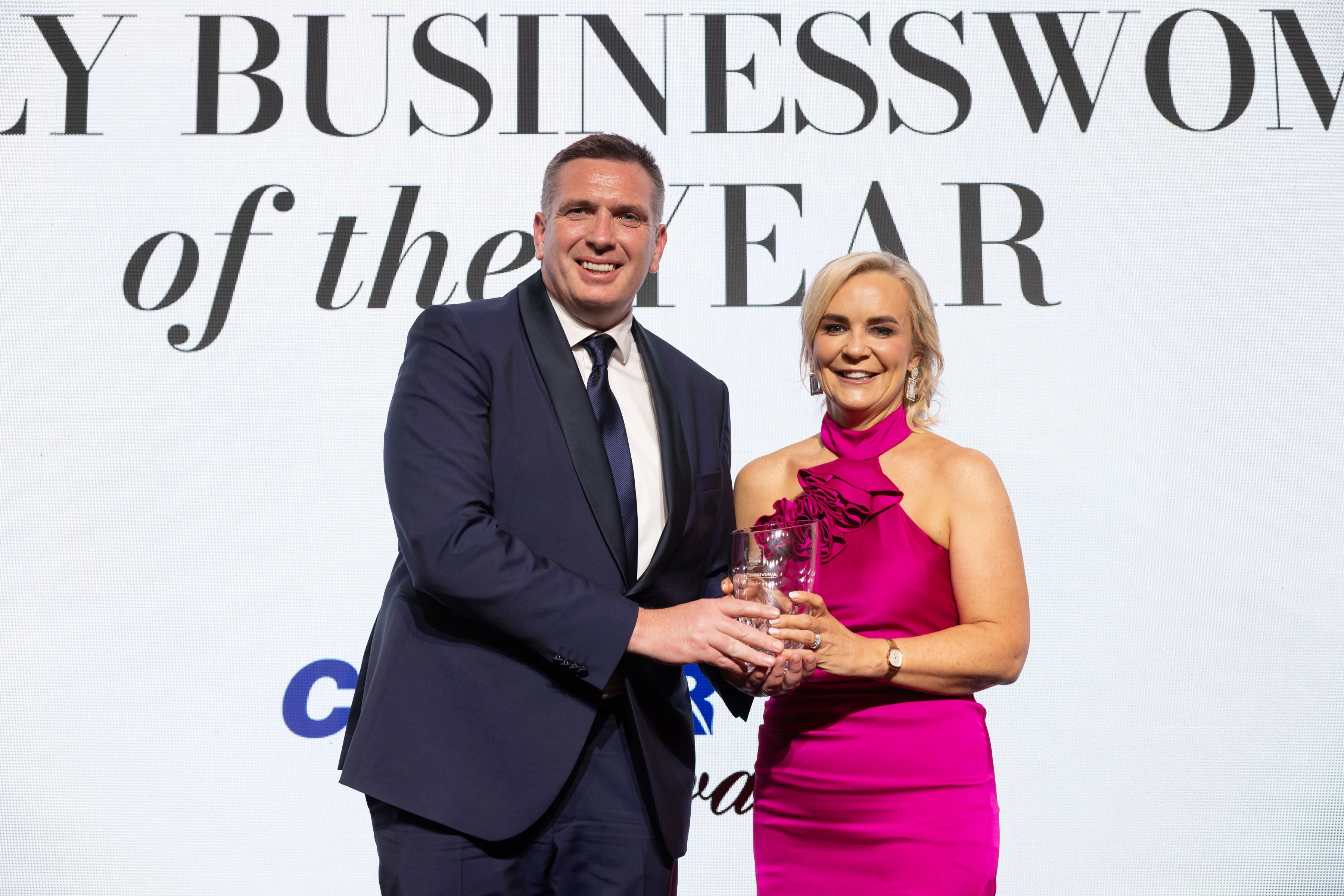
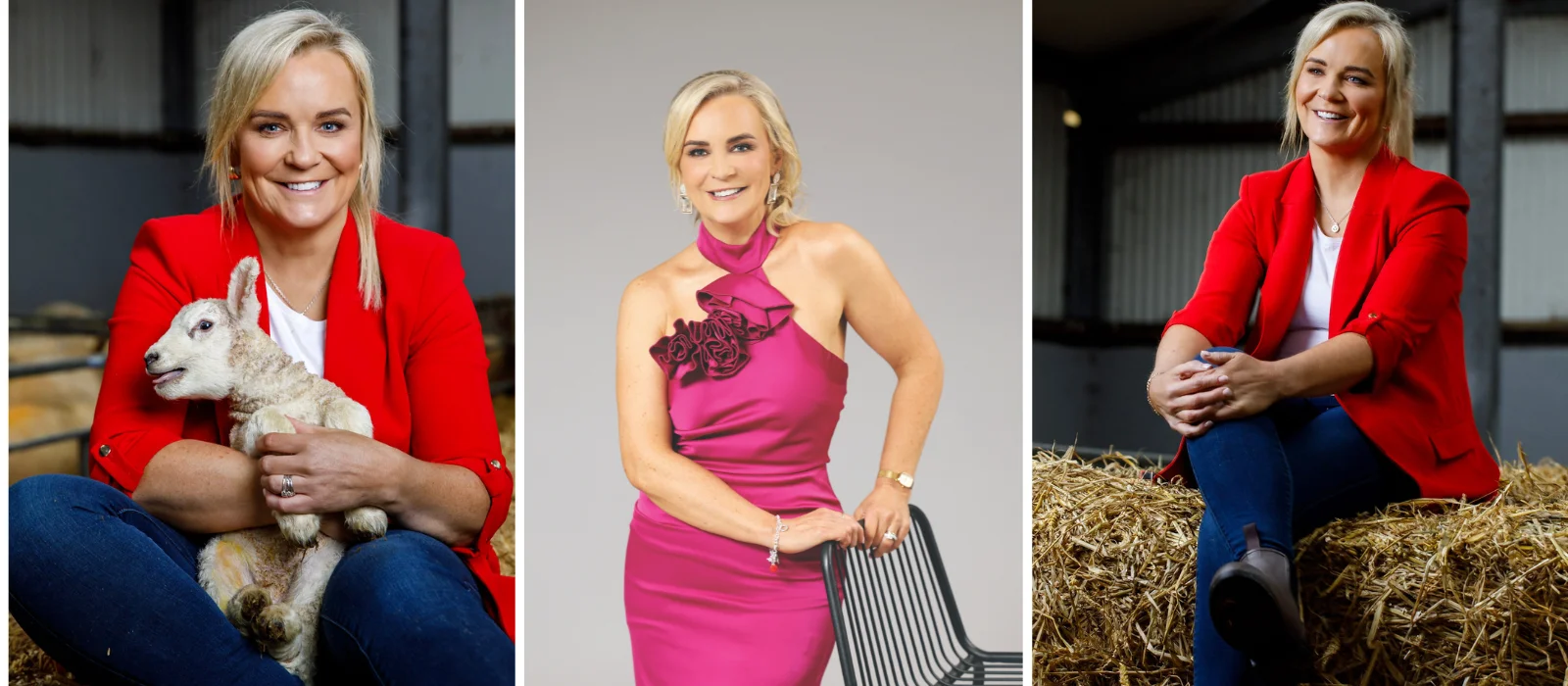
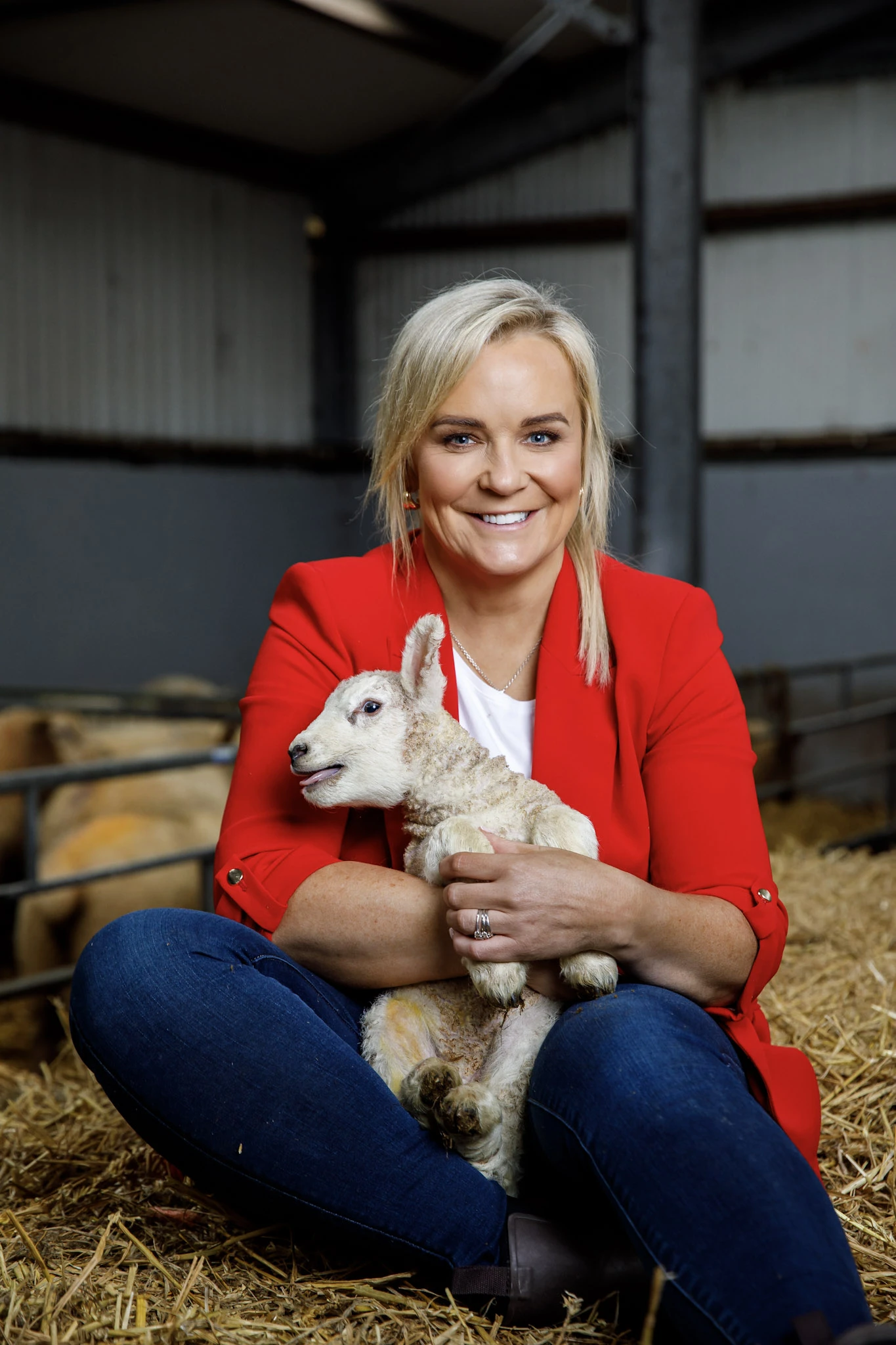
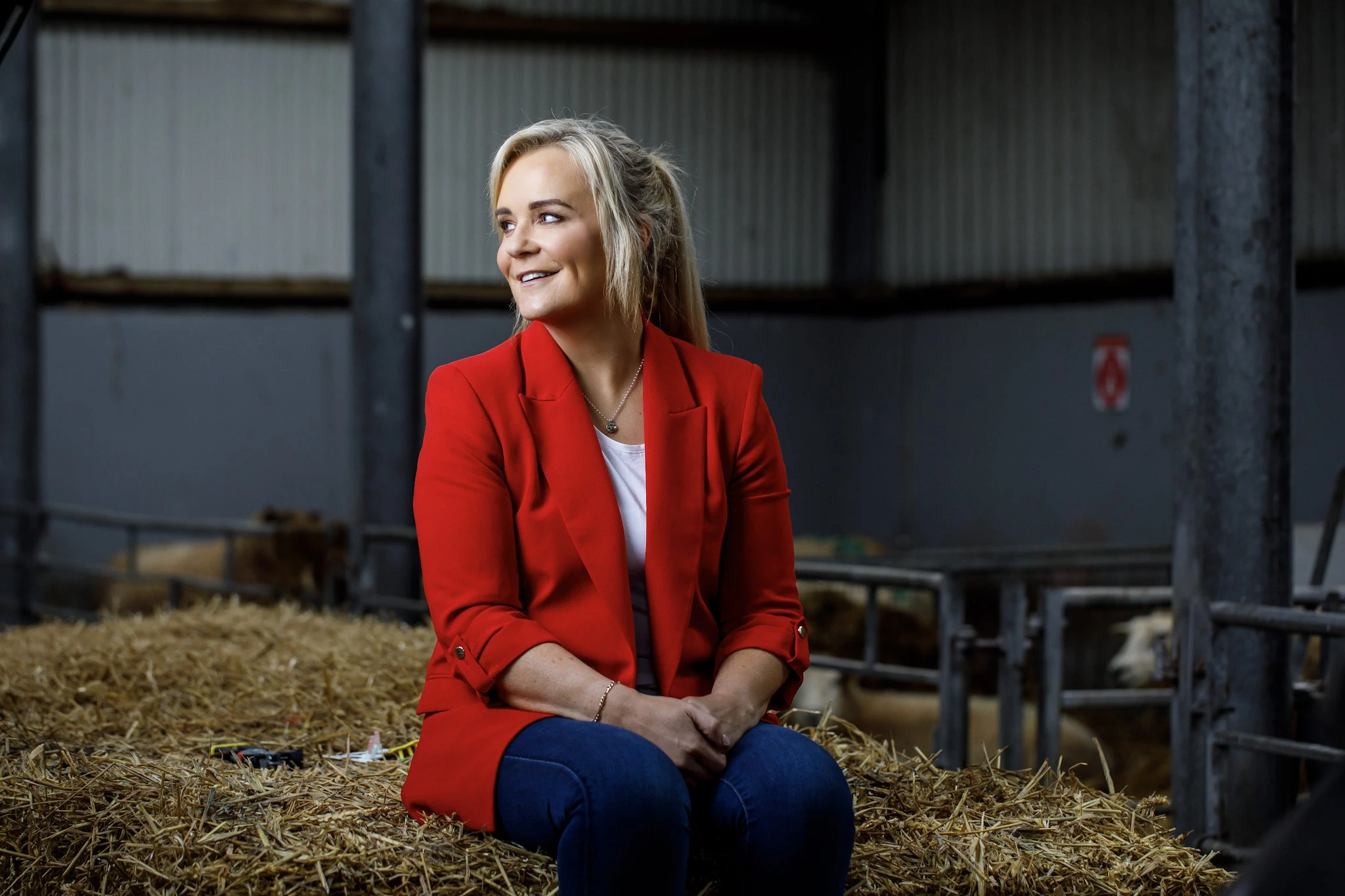
Ursula Kelly, IMAGE PwC Family Businesswoman of the Year 2025, is managing director of Cormac Tagging, a family business serving the wider agribusiness community in the west of Ireland.
After returning to the business following a career in accountancy, Ursula Kelly successfully petitioned the Department of Agriculture to allow Cormac Tagging to enter the cattle tagging market.
Since launching operations in 2017, the company has grown by 1,200 per cent, blending tradition, innovation and customer trust. She describes her career to date as one fuelled by “blind determination.”
Winning IMAGE PwC Family Businesswoman of the Year is still hard to put into words, to be honest. I remember standing there, shaking a little in disbelief, and thinking of my parents straight away, everything they built over more than forty years in agribusiness. For me, it never really felt like “my” award. It felt like a moment for all of us. Cormac Tagging has always been about people first: my family, our team, and the farm families who backed us when we were a new name trying to find our place, especially in the cattle identification space. More than anything, it was a feeling of gratitude. Gratitude for the opportunities I’ve been given, and for the people who believed in me long before I believed in myself. It also meant so much that IMAGE and PwC chose to recognise an agri family business on that stage. That felt really special. I’m not sure I’ll ever fully be able to put into words just how much that moment meant. To this day, I get emotional when I think about that moment.
Growing up around a family farming business meant the farm, the factory, the shop and the conversations at the kitchen table were all part of daily life. Business and life were never separate. I watched my parents show up every day, no matter what. There was never some big master plan, just a deep sense of responsibility to the people they served. Farmers depending on them, long days and late nights, that was completely normal to us growing up. All five girls in our house learned valuable skills very early in life. Run fast, that one was mainly for after sheep. A work ethic that was hard to match, and probably most importantly, how to communicate with people and build genuine relationships, just by watching our parents. We learned that kindness built trust and trust built loyalty from both customers and staff. It was never presented to us as a business strategy; it was simply how my parents operated every single day. That shaped everything for me. It taught me very early that business isn’t about transactions, it’s about trust. It’s about being there when people need you, especially when it’s not convenient.
Returning to the family business after accountancy wasn’t part of a grand plan. I came back because my dad challenged me to shake up the status quo (together!) to become the second cattle tag supplier in Ireland. At the time, the business was small and struggling. It wasn’t an obvious move, and on paper, it definitely didn’t make much sense. But something in me wanted to give it a go anyway, despite the odds stacked against us and the very real risk of failure. Accountancy gave me a critical lens. I could look at the business more critically, understand where we were losing ground financially, and identify where real opportunities existed. But more importantly, it gave me confidence to ask questions and challenge things that didn’t feel right. Looking back now, it was one of those decisions that felt incredibly uncertain at the time but ended up changing everything.
“Blind determination” probably comes from not always knowing how something will work, but deciding that the possibility of failure isn’t enough reason not to try. There were definitely moments where I was completely out of my depth. Challenging the State and a system that wasn’t designed for disruption, and then trying to build credibility in an industry where trust takes years to earn. But I kept showing up and taking a chair at the table, even on the days when I felt like I didn’t fully belong there. And over time, that changes things. Not overnight, but slowly, you realise you’ve built something real, not just in the success of the business, but in your own belief, determination and resilience too. That combination can be really powerful, but it requires consistently showing up and backing yourself, even when your inner critic is telling you otherwise. It definitely hasn’t been easy, but it has absolutely shaped the person I am today.
Entering the cattle tagging market didn’t feel like confidence at the time. It felt more like this just needs to be done. Farmers deserved choice, that was Dad’s line. It was as simple as that. And once that belief settled in, it became very hard to ignore. The process was long, frustrating, and at times quite lonely. There were definitely moments where it would have been much easier to walk away. But I kept coming back to the same thing: if we don’t try, nothing changes. And that was enough to keep me going. It meant persistent knocking on doors, asking uncomfortable questions, and searching for answers that didn’t always exist.
Taking on the State and the Department of Agriculture was exhausting at times, but the outcome really mattered. Moving from a single supplier to an open market approval process was a significant shift for the Department of Agriculture, not just for us, but for anyone who came after. There are now four cattle tag suppliers in Ireland. Farmers have a real choice now, and for our family business, that’s what it was always about. It made every setback worth it, and we haven’t looked back since.
Cormac Tagging’s growth since 2017 wasn’t down to one big moment or one magic decision. Looking back now, it really was a series of small decisions made consistently over time. One of the biggest turning points was winning approval to become the second cattle tag supplier in Ireland. That completely changed the direction of the business and gave us the opportunity to prove ourselves in a much bigger market. Backing our people early was another huge decision. Building a team that genuinely cared about the customer experience as much as we did. I learned very quickly that you cannot scale a business on your own, especially in agriculture, where trust and relationships matter so much. The Management Buy Out of my parents during Covid was another really important point in the Cormac Tagging journey. Yes, it was about honouring the legacy of everything they had built, but it also marked the point where I had full control and the autonomy to scale the business in a direction that felt sustainable for my own family and me, too.
We also embraced change quite early. Investing in digitalisation, e-commerce and systems that allowed us to grow while still keeping that personal connection with farmers… that balance has been really important to me because I never wanted growth to come at the cost of who we are. I’ve also had incredible opportunities over the past few years. Scaling into an emerging market like Kenya through Enterprise Ireland came about from exhibiting at the Ploughing Championships, which still amazes me when I think about it.
My journey through Network Galway, my involvement with Ag Tech Ireland and being an Irish Ambassador for FLIARA have all pushed me to think bigger and take risks in emerging markets like Texas and New Zealand that I probably would never have considered before. Those experiences made me think much bigger, not just about business growth, but about leadership, innovation and the importance of bringing the next generation into the room too. I think scale really comes from consistently showing up, staying curious, and never becoming too comfortable.
Family businesses are built on emotion as much as business, and that can be both the most beautiful part of them and sometimes the most challenging part too. For me, there has always been a huge sense of responsibility to honour what my parents built. They gave their lives to the business, and I never take that lightly. At the same time, I also recognised quite early that if the business was going to survive and grow, we had to be willing to evolve. Agriculture changes quickly, customer expectations change quickly, and standing still simply wasn’t an option. I think the balance comes from respecting the foundations while still having the courage to challenge how things have always been done. That is not always easy in a family business because decisions are rarely just business decisions; they are emotional ones too.
Farm families and family businesses actually have so many of the same ups and downs – pressure, uncertainty, long hours, responsibility and trying to protect something you care deeply about. I think because I understand that world so well, I’m always tuned into farmers and their pinch points. Very often, it’s those conversations and frustrations that drive my ideas and innovation. What has probably helped me most is communication and trust. My parents trusted me enough to let me lead, even when some of the decisions felt uncomfortable or risky at the time. I also think coming from a family business background gives you an advantage in some ways.
You understand people better. You understand loyalty, pressure, sacrifice and resilience because you grew up watching it every day. For me, innovation was never about becoming more corporate. It was about finding better ways to support farmers, create opportunities for our team and build something sustainable for the next generation that comes after us.
It meant so much that IMAGE and PwC chose to recognise an agri family business on that stage. That felt really special. I’m not sure I’ll ever fully be able to put into words just how much that moment meant.
Customer experience is absolutely my passion and it will always be my number one priority. I’ve always focused on the customer experience rather than just customer service. It’s a small shift in words, but it changes everything. It’s about how a farmer feels being part of the Cormac Tagging family and community. Word of mouth is still everything in farming. And it really comes back to being real with people. Farmers know very quickly if you’re genuine and if you care about what you’re doing. We’ve built a really strong culture within our team. I believe leadership starts with kindness, respect, compassion and inclusion, for everyone: our team and our customers.
That approach has carried us as we’ve grown to over 30,000 customers, in what is actually a contracting Irish market. We’ve increased our market share every year since we entered, and while I’m proud of that, the real credit goes to the team who deliver that experience every single day. A quality product is only one part of it. Even with a strong digital platform and e-commerce supporting our growth, people still buy from people. They value feeling understood and supported. We’ve made mistakes along the way, of course we have. But we deal with them honestly and quickly. And we never forget that what we do matters. If we get something wrong, it’s not just an inconvenience; it can have real consequences for someone’s farm. I know that our customers feel understood, valued and appreciated by us. That helps me sleep at night.
There is no doubt that agriculture and agribusiness at an industry level can still be very male-dominated, and there were definitely moments over the years where I felt out of place or underestimated. But if I’m honest, some of the biggest challenges were probably the ones in my own head. Learning to back myself, trust my instincts and take a chair at the table even before I fully felt ready for it. Over time, I realised you do not have to lead like anybody else to be successful. For a long time, I probably thought I needed to be tougher, louder or more forceful to fit into certain rooms.
But the older I get, the more I realise that kindness, empathy and emotional intelligence are actually my strengths in leadership, not weaknesses. I’ve also been incredibly lucky with the people around me, some unbelievably supportive and inspiring women and men who encouraged me to think bigger and step forward into opportunities I may once have talked myself out of. What I’ve learned most is the importance of bringing the next generation into the room early. Sometimes all it takes is seeing somebody who looks or sounds a little bit like you sitting at the table to make you believe you belong there too. And I think that’s probably something I feel very strongly about now, opening doors where I can and making those rooms feel a little less intimidating for the people coming behind us.
There’s a huge amount of excitement around the future of Cormac Tagging at the moment. We’re continuing to grow internationally, exploring opportunities in markets like the US, New Zealand and parts of Africa, while still staying very grounded in who we are and where we came from. Innovation will continue to be a massive part of our future too. I’m really passionate about how technology and data can better support farmers, not just from a compliance perspective, but in making everyday life on farms easier, more efficient and more sustainable for the next generation coming into the industry.
But honestly, when I think about the future, it’s not just business growth that motivates me. It’s people. I want to continue building a company that creates opportunities in rural Ireland, supports families and proves that you can scale a business without losing your values or your sense of community along the way. I also feel a real responsibility now to bring the next generation into the room earlier, especially young women in agriculture and business. Sometimes one conversation, one opportunity or one person believing in you can completely change the direction of your life. I know that because it happened to me.
If the next generation can look at my journey and feel a little braver about taking their own seat at the table, then I think that would probably mean the most to me.
Photography by Kieran Harnett, Philip Doyle and Irish Country Living.
We’re interviewing each of our outstanding winners from the IMAGE PwC Businesswoman of the Year Awards 2025. To hear more about their career journeys, expert insights, and more, visit image.ie/pwc.
Also Read