









Starting 2026 with a wardrobe clear-out? Here are the best ways and places to donate your pre-loved clothes.
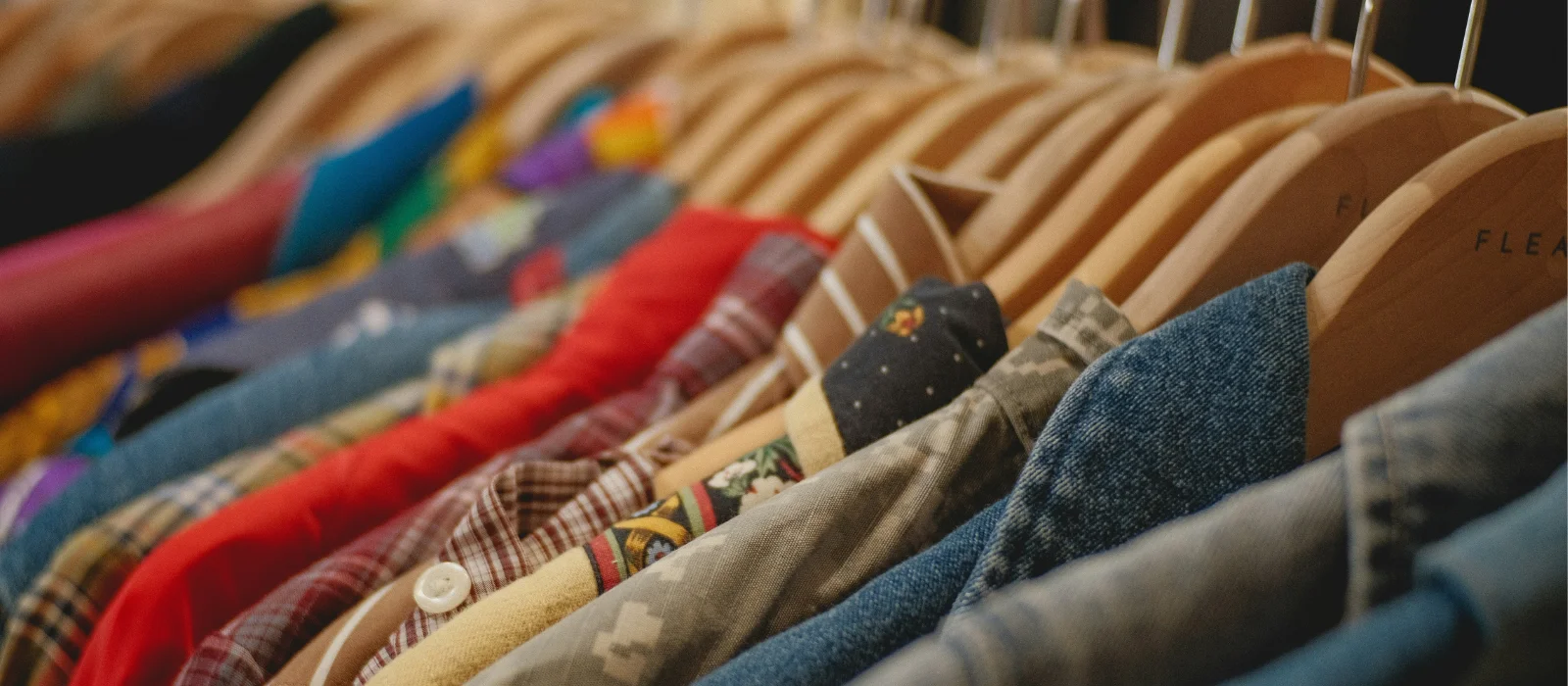
You’ve done the wardrobe cleanse. The pieces that no longer spark joy or speak to you are folded into neat piles, waiting for their next chapter. But where should they actually go?
As we all know by now, donating clothes is more than just making some fresh space in your wardrobe. No, now it’s a far-reaching activity. It’s about sustainability, circular fashion and making sure your old favourites don’t end up as someone else’s problem.
So, to aid you on your clear-out journey, here’s how (and where) to donate, sell, swap or reimagine your clothes responsibly in Ireland.
1. Charity shops
Charity shops like Enable Ireland, NCBI, Oxfam and The Society St Vincent De Paul remain some of the most powerful and misunderstood places to donate clothes. However, remember, they are not dumping grounds, and the quality of what you give matters enormously.
According to Beverley Scallan, Chief Commercial Officer at Vision Ireland Retail, 95% of all clothing donated to Vision Ireland is either sold or recycled, keeping 410 tonnes of waste out of landfill last year alone and avoiding approximately 10.2 million kg of CO2 emissions.
But this impact only happens when donations are made mindfully.
Before donating, ask yourself:
-
Would I give this to a family member?
-
Is it clean and in good condition?
-
Would I feel comfortable opening this donation in front of someone?
Unsellable items cost charities valuable time and money to process. Thoughtful donations, on the other hand, help create a thriving circular economy while funding vital services.
Vision Ireland’s shops – stocked with everything from vintage gems to designer finds – directly support people who are blind or vision impaired to live confidently and independently. Meanwhile, with 224 shops across every county in Ireland, the Society of Saint Vincent de Paul (SVP) operates one of the country’s most extensive and impactful charity retail networks.
SVP receives an estimated 1.2 million bags of donated textiles annually, and is committed to keeping 100% of donated clothes out of landfill, either through reuse or recycling.
2. Clothing banks
If shop drop-offs aren’t practical, clothing banks are another option. Charity Retail Ireland member banks are located nationwide, often in car parks and local centres, and donations are later sorted and distributed to charity shops.
A few things to note before you donate include:
-
Clothing banks can be used any time, day or night
-
If a bank is full, do not leave bags beside it, as they will be damaged and unusable
-
Notify the charity and return once the bank has been emptied
Used correctly, clothing banks are a valuable part of the donation ecosystem. Misused, they quickly become waste.
3. Resell apps
If your items are in excellent condition – especially high-street favourites, occasionwear or designer pieces – reselling can be a smart option.
Resell apps like Depop, Vinted and eBay allow clothes to stay in circulation while putting money back in your pocket. They also slow down the overconsumption of fast fashion by extending the life of existing garments. These apps are usually most suitable for trend-led or branded items, barely-worn pieces and clothes with clear resale appeal.
Just remember that pricing realistically and presenting items honestly is key.
4. Consignment stores
For those who want resale value without the admin, consignment stores offer a curated alternative. You drop off selected items, and the store handles pricing, selling and presentation. These types of retail spaces are usually best for designer and premium brands (think Louis Vuitton and Chanel), occasionwear and high-quality basics in excellent condition
It’s a slower process than apps, but it often yields higher-quality resale outcomes.
Some we recommended include Designer Exchange, Siopaella and The Cobbler’s Wardrobe.
5. Clothes swaps
Clothes swaps are set to boom again in 2026, and for good reason. They offer a social, zero-waste way to refresh your wardrobe.
Community-led initiatives like The Useless Project and Swap Shop Social by Ciara O’ Connor make swapping fun, inclusive and accessible, while reinforcing the idea that fashion doesn’t have to be new to feel exciting.
Best of all? No money changes hands, just clothes, stories and second chances.
6. Upcycling
When an item can’t be worn or resold, it may still have value. Old T-shirts can become cleaning rags, denim can be repurposed, and creative upcycling projects can breathe new life into tired fabrics.
If it’s genuinely beyond use, ensure it goes to a textile recycler like Dolly Textile Recycling and not the bin. Meanwhile, community-led reuse hubs like Change Clothes are on a mission to prevent textile waste right at its source, both locally and creatively. You can learn upcycling and repair skills at workshops and repair cafés that teach practical mending, creative customisation and sustainable fashion techniques and turn “rag” textiles into new products through their creative production spaces and scrap store, which is a treasure trove for crafters and makers.
Also Read