






The rise and rise of Hyrox: Why Irish women are falling for the world’s toughest fitness race
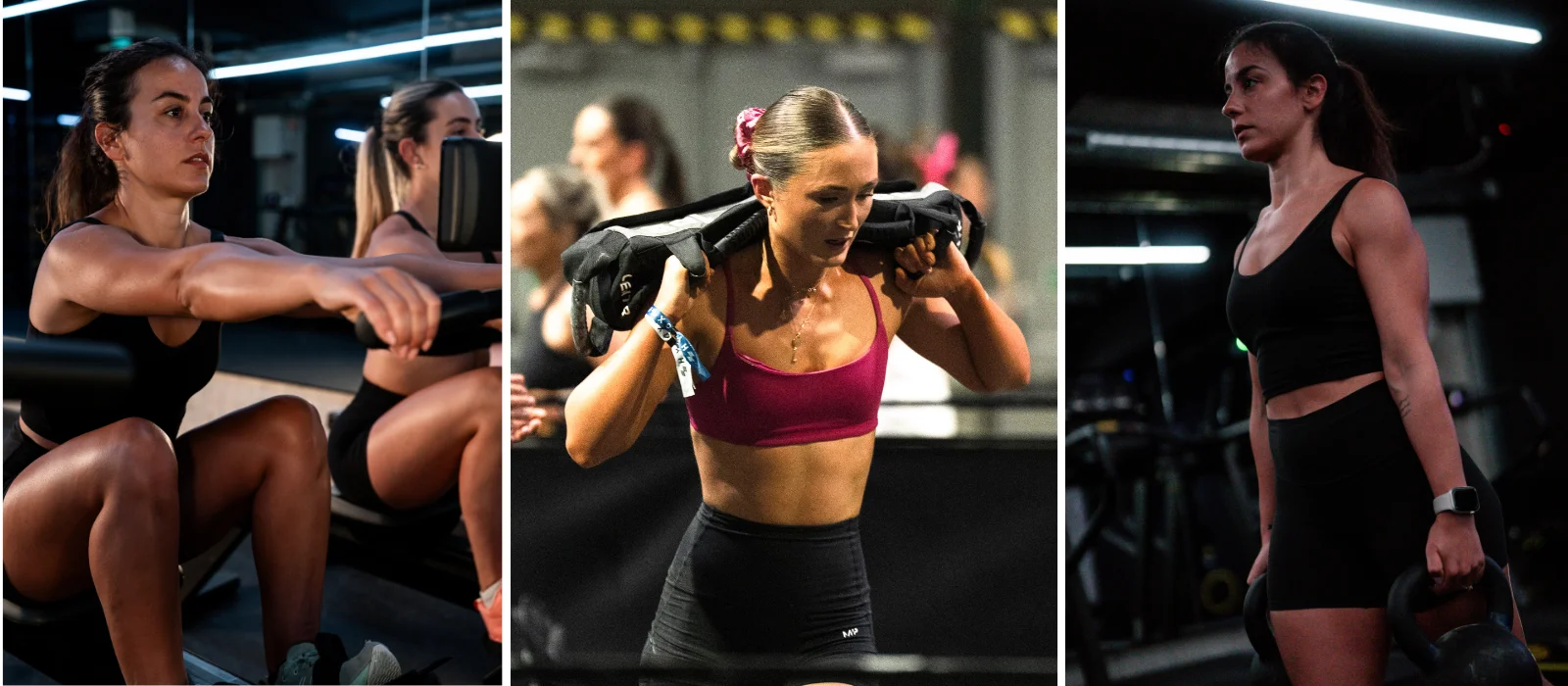
What is it about Hyrox that has so many people hooked? Dublin’s recent 5-day Hyrox event, which took place in November in the RDS, was Ireland’s largest Hyrox event to date, with a battle for tickets, and over 17,000 people stampeding to take part; a huge number of which were women. Here, Elena de Marco, co-founder of Fianna Athletic Club in Dublin explains what makes Hyrox so special, and why women are loving it…
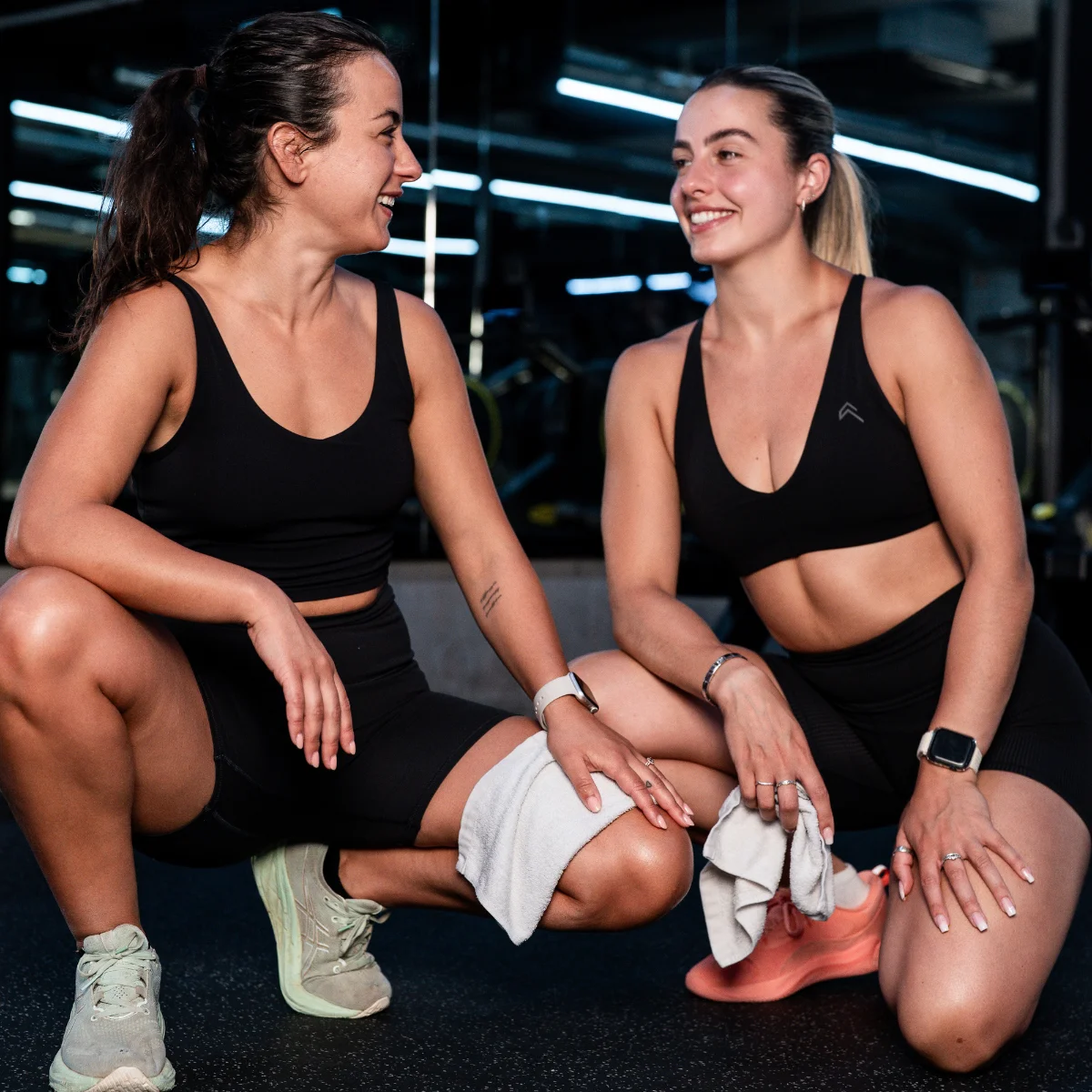
“We had 55 Fianna Athletic Club legends take part in Hyrox Dublin,” exclaims Elena with pride. “We truly had the full spectrum of athletes out there. Ages ranged from 18 to 55, with a really balanced mix of men and women, and a blend of seasoned Hyrox competitors and total first-timers.
“Some members have been training with us for over three years, while others only started their Hyrox journey three months ago.
“We had husband-and-wife duo Giovanna and Kevin doing their first ever race together, plus groups of siblings, coworkers, best friends, and long-time members who finally stepped up for their very first Hyrox after years of training.
“Because we run Hyrox classes every single day at Fianna, our athletes are incredibly consistent. No matter their background, every single one of them showed up, pushed hard, and gave everything they had. That’s what matters most.
“It was a weekend full of breakthroughs, debuts, PBs, and proud moments!”
Leading the Hyrox training at Fianna alongside Elena are head coach Emma Kate Carroll and coach and creative Grace, both of whom began at Fianna as members before becoming central to its identity. Together, the three women explain how Hyrox has captured the global fitness market, and why women are stepping confidently into strength training.
Let us start with the basics. What exactly is Hyrox and why has the world become so obsessed with it?
Hyrox is an indoor fitness race that blends running with functional strength work. You run one kilometre, complete a functional station, then repeat that eight times. It is a genuine test of stamina, strength and grit, yet it is surprisingly accessible. Very few people arrive feeling ready. Instead, they discover they can work toward it step by step and improve with every training cycle.
People love it because it gives them something clear to aim for. The format never changes, whether you race in Dublin or Dubai, so you can see your progress in black and white. It also suits such a wide range of people. Runners enjoy the structure and strength athletes enjoy the change of pace. It feels exciting without being exclusive, which is rare in the fitness world.
Fitness trends come and go. What makes Hyrox feel different?
Hyrox rewards consistency more than talent. You do not need complicated technique or a decade of endurance training. The combination of running and strength feels achievable but still genuinely challenging. It also appeals to people who want a sense of purpose. You can improve your time every season, race in different cities and even team up with a partner. It offers structure without needing perfection, which is why so many people stick with it.
For years, women were taught to prioritise looking smaller rather than becoming stronger. Hyrox flips that message on its head. Training for it forces you to think about what your body can do. That shift alone is incredibly empowering.
You train beginners, returning mums, seasoned competitors and everything in between. Why do you think women in particular are drawn to Hyrox?
For years, women were taught to prioritise looking smaller rather than becoming stronger. Hyrox flips that message on its head. Training for it forces you to think about what your body can do. That shift alone is incredibly empowering.
At Fianna we see it constantly. Women who once avoided the weights area begin pushing sleds, learning to row with confidence and discovering muscles they did not realise they had. There is also a real community element. Doubles races, mixed pairs and group training sessions allow women to experience competition as something fun and supportive rather than intimidating.
Grace often shares how Hyrox helped her reconnect with the joy of performance after bodybuilding, where appearance was judged more than capability. Emma Kate speaks openly about rebuilding a healthy relationship with body comp and fueling through functional training. These stories resonate with women because they reflect real life rather than glossy perfection. Hyrox feels like a fresh start.

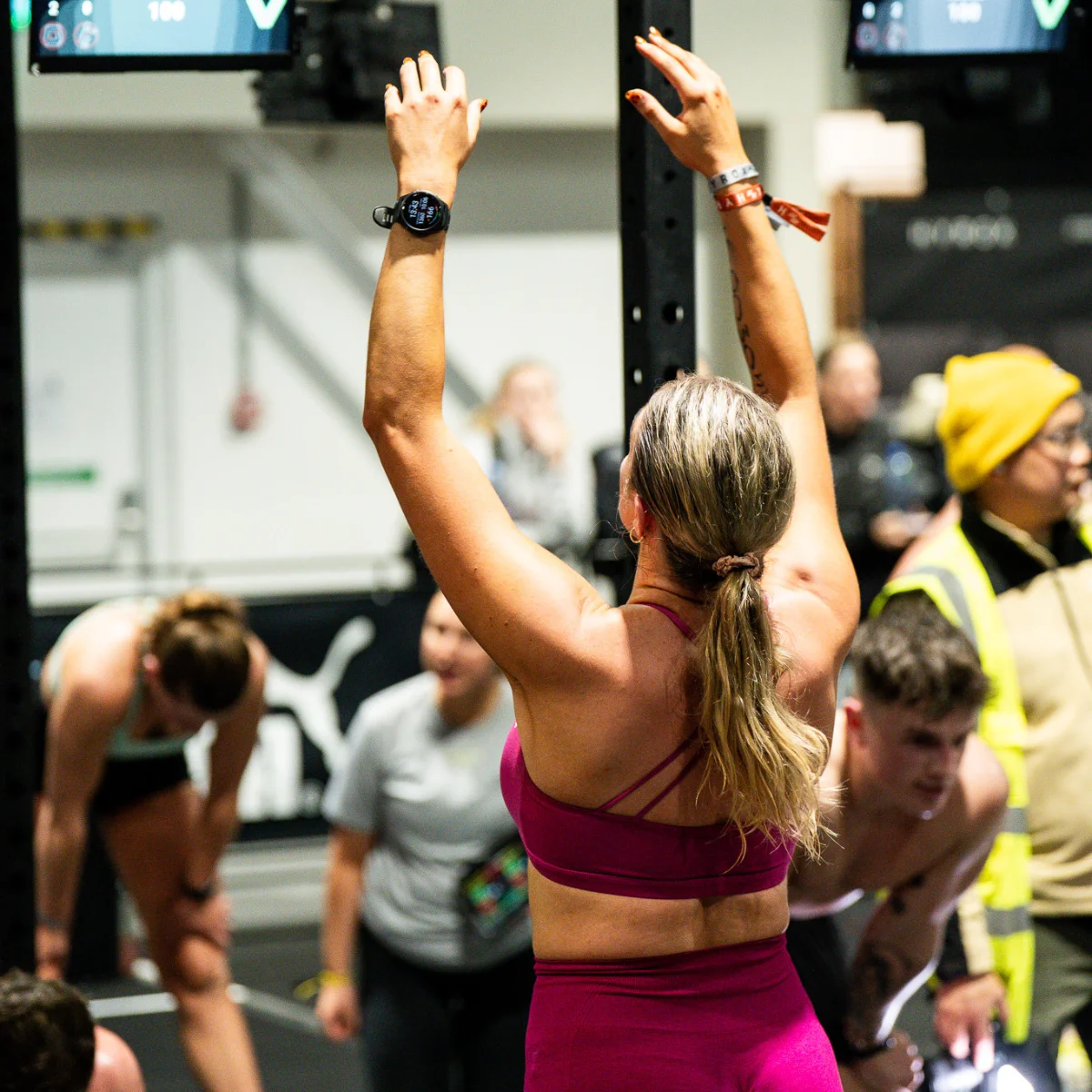
How hard is training for Hyrox really. Is it something a busy woman juggling work, children or life in general can handle?
Absolutely. Hyrox training is entirely scalable. For most women, two or three focused sessions a week are enough to feel confident. These are usually classes of 45-60 minutes, so they slot neatly into everyday life.
Of course, training looks different if you are chasing elite times. Some of our competitive athletes, like Kevin Woods who is pushing for gold at Worlds, train at a different volume. But for the majority, Hyrox is designed to fit around real responsibilities. It is one of the reasons the sport has exploded among working women. It is demanding, but genuinely doable.
As someone with a PhD in Nutrition Science, what role does nutrition play in Hyrox training?
Nutrition underpins almost everything. When you combine strength and endurance work, your body needs enough fuel to recover, adapt and perform. Women often struggle with this because many have spent years under-eating in the name of aesthetics.
I emphasise balance and sufficiency. Carbohydrates to support the running and high intensity training, protein to build and protect muscle and enough overall energy to sustain consistency. Hydration and timing matter too. Eating before and after sessions can transform how you feel. But more than anything, it is about removing fear around food and helping women understand that performance and restriction cannot coexist.
Are there common mistakes women make when transitioning from aesthetic focused training to performance training?
Yes and most are incredibly normal. Under-fuelling is number one. Your body cannot perform or recover without enough energy and the mental shift away from eating less can be challenging at first.
The second mistake is neglecting recovery. Progress feels exciting, so many push too hard too soon. Rest days, sleep and proper nutrition create stronger athletes, not extra sessions.
Finally, comparison can be damaging. It is easy to look at elite athletes on social media and feel you should match their volume or intensity. But training must fit your life, not someone else’s. Performance is deeply personal.
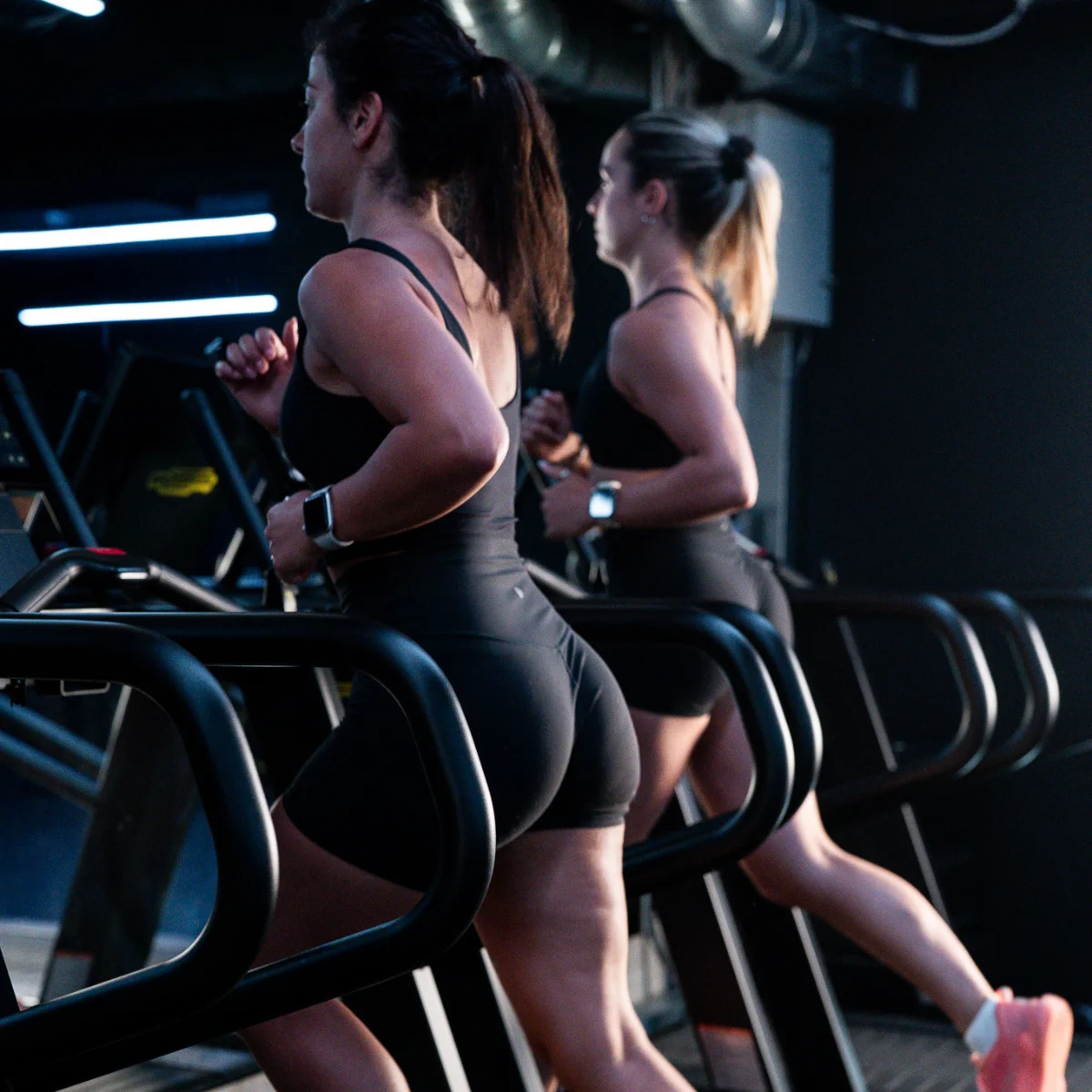
You come from a family steeped in elite sport. How has that background shaped your approach to training?
Growing up in a household where high level sport was completely normal meant discipline never felt extreme. My father trained for the Olympics. My mother trained for marathons. Training was simply part of everyday life and because of that I learned very young that consistency matters far more than dramatic effort.
I competed in synchronised swimming and it reinforced that message. It is a sport built on repetition and elegance under pressure. You learn to hold your breath when it is uncomfortable and to perfect movements that no one notices until you do them wrong. It taught me patience and respect for the process. This shapes how I work with our members today. I do not ask for perfection. I ask for presence.
Do you think growing up around athletic discipline changes how you see fitness?
Yes, entirely. I grew up seeing fitness as a lifestyle rather than an occasional activity. It was never used as punishment or tied to appearance. It was about feeling capable and prepared.
This is something I try to pass on to the women who train with us. Fitness should feel like a partnership with your body. Strength training in particular has transformed how so many women at Fianna see themselves. Muscle is not only protective for long term health, it also changes how women carry themselves. It gives confidence that reaches far beyond the gym.
Hyrox often markets itself as fitness racing for everyone. Is it truly for everyone?
I genuinely believe it is. There are categories for different strengths, abilities and comfort levels. Some people start with relay teams. Others go straight into singles or doubles. You can scale your training, tailor your pace and approach it with whatever level of competitiveness suits your personality.
What makes Hyrox unique is the atmosphere. You see people of all ages and backgrounds cheering strangers on. The energy feels more like a festival than a race. It is physically demanding, but emotionally generous.
How do you adapt training for different body types, ages or fitness levels?
We start by looking at the person, not the prescription. A beginner might focus on building an aerobic base and learning good movement patterns. A more experienced athlete might work on pacing strategy and efficient transitions. Body type and age influence recovery needs and overall training volume more than capability.
Hyrox is highly adaptable. You can adjust weights, modify movements and build capacity gradually. The goal is always the same. Sustainable challenge, not unnecessary intensity.
Many women still feel intimidated by weights or competitive fitness events. How do you help them move past that fear?
We start small and celebrate everything. The first time someone pushes a sled without stopping or runs a kilometre without walking often means more than a podium finish. Confidence builds quietly.
Creating a supportive environment helps enormously. Fianna classes are filled with women and men who understand what it feels like to start from zero. Emma Kate often tells the story of arriving at Fianna as a receptionist with very little confidence and growing into one of our strongest coaches and competitors. Grace shares how leaving the appearance focused world of bodybuilding allowed her to fall in love with training again. These stories matter. They remind women that strength is learned, not inherited.
With time, the fear of weights or competition fades. The excitement of discovering new capacity takes its place.
Also Read