


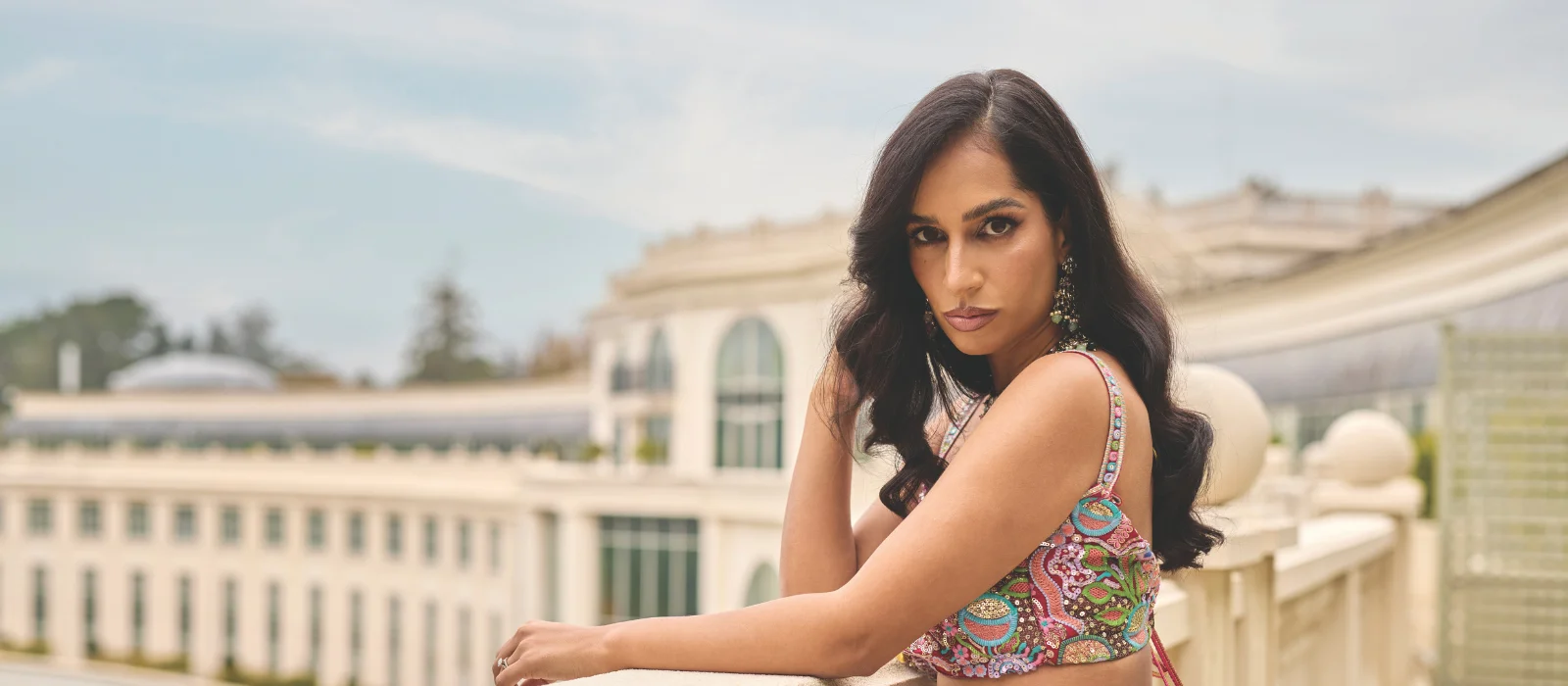
Siobhán McAuley on belonging, identity and raising a kinder Ireland
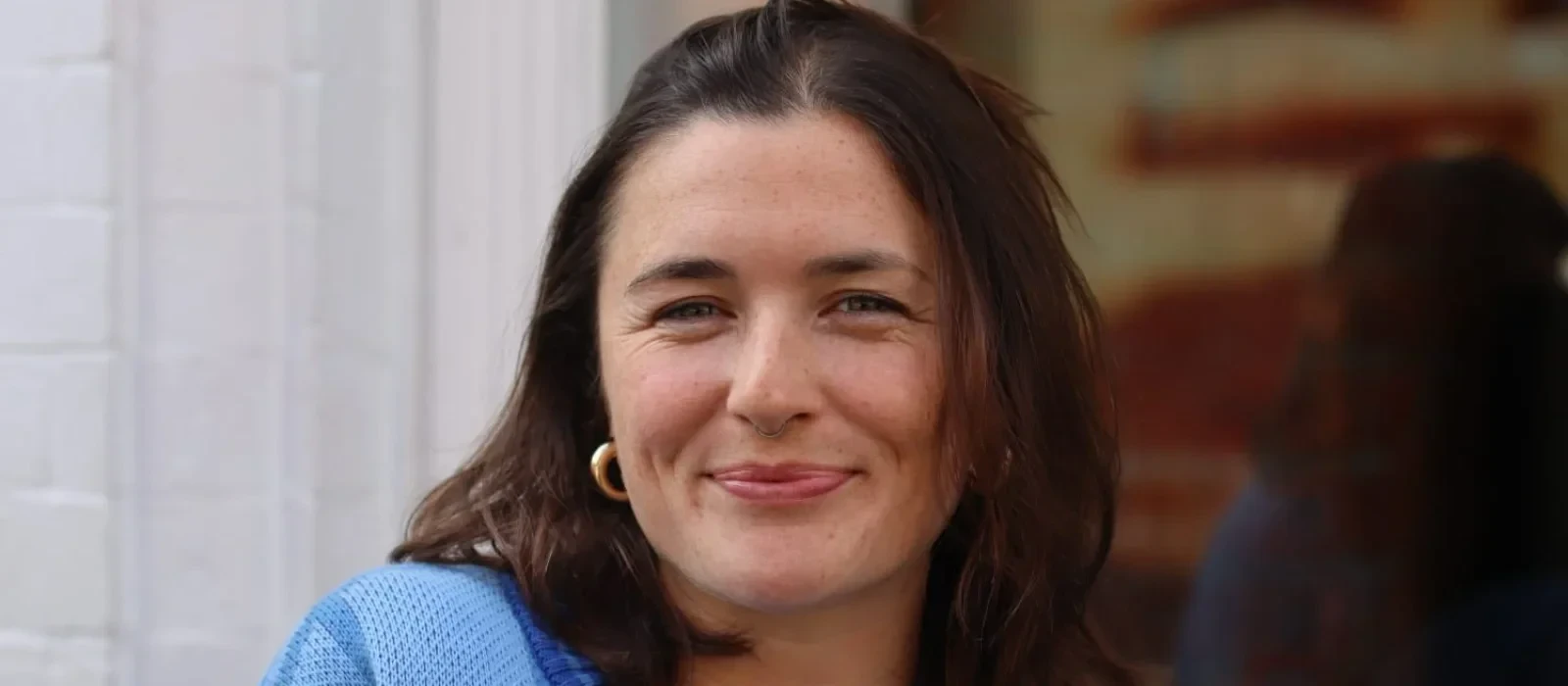
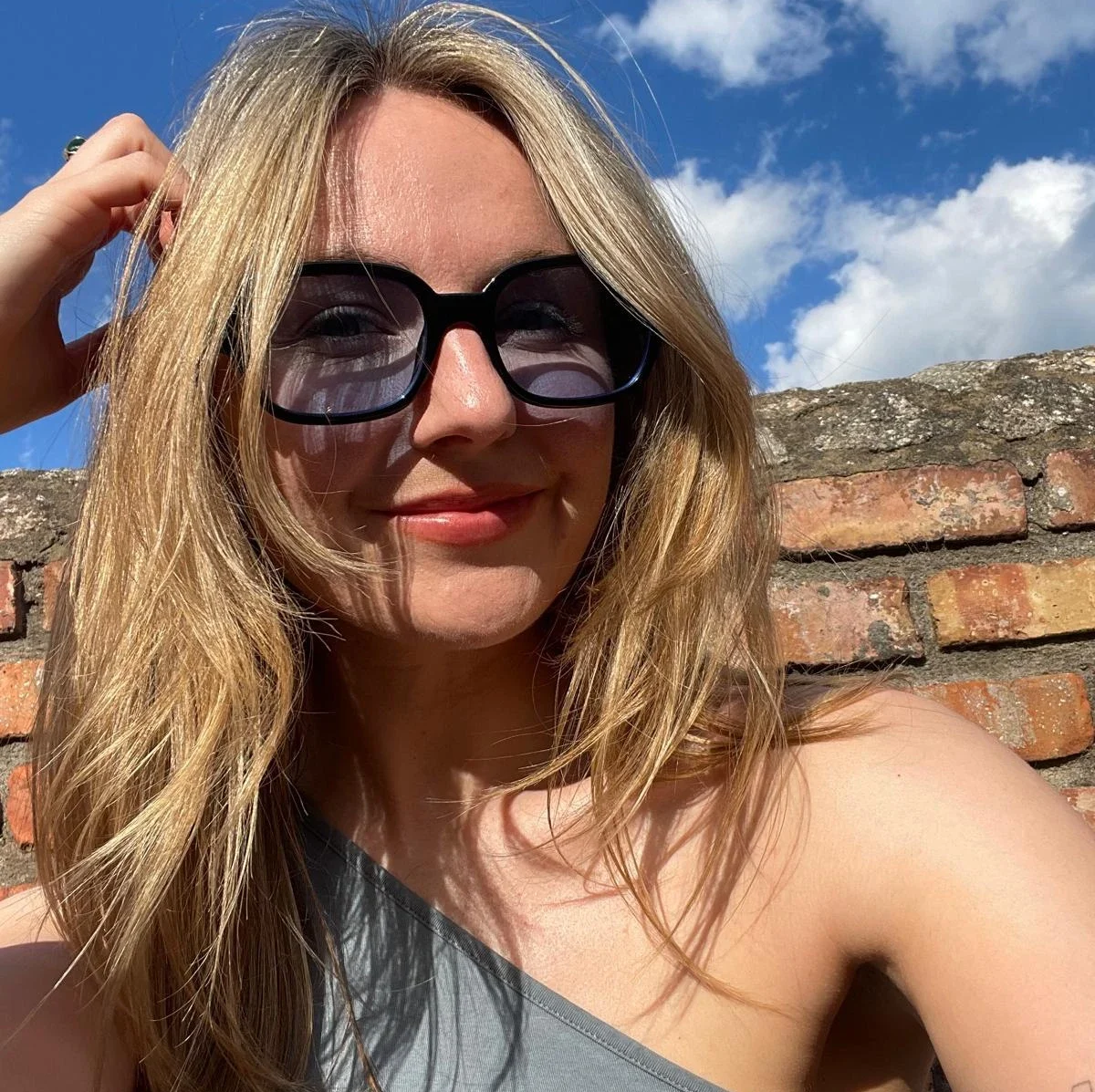
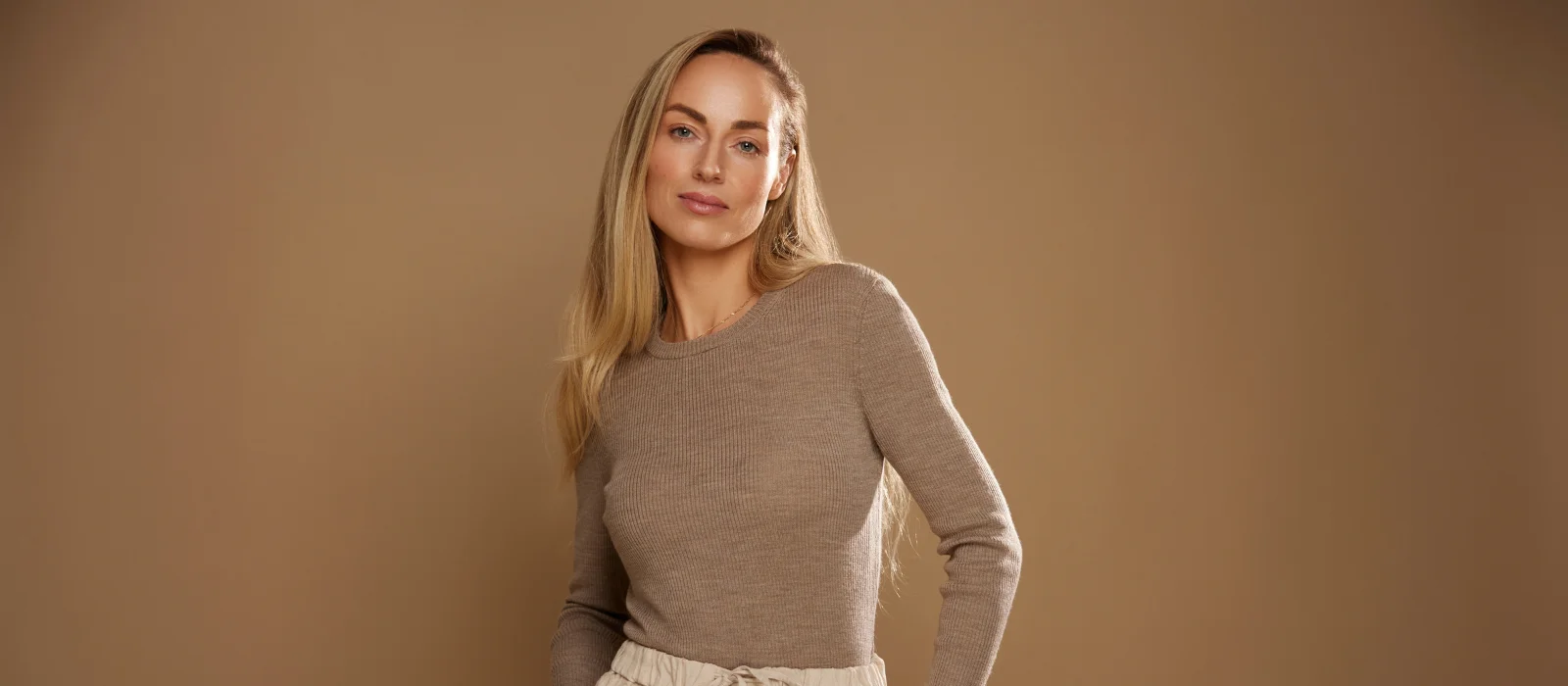
Born in Zimbabwe to a Sri Lankan mother and Irish father, luxury lifestyle content creator Siobhán McAuley has lived across continents, building her sense of home from many places. She reflects on belonging, identity and what it means to create space for everyone in modern Ireland
For Siobhán McAuley, the concept of home has never been a fixed point. Born in Zimbabwe to a Sri Lankan mother and an Irish father, she has lived a life that spans continents.
Her father left Dublin at sixteen during the economic depression, searching for opportunity abroad, and later returned home with a multicultural family and a story of belonging that would shape her own. Today, Siobhán is a luxury travel and lifestyle creator and mother of two, known for her work on identity, motherhood and cultural pride. Yet her public role, filled with images of beauty and movement, is underpinned by something deeper – a lifelong search for belonging in a country that is still struggling to welcome those who look or sound different.
“For a lot of people, home is simple,” she says. “You ask where they’re from, and they can answer straight away. For me, it was always complicated. I used to shrink when people asked because it was never a short answer. But now I’ve learned to embrace it. Home for me is many places. It’s Zimbabwe, where I was born, and it will always be a part of me because that’s where I first saw the world. Then there’s Sri Lanka, France, Ireland, Portugal – all of it. I’ve taken pieces of every place I’ve been and built a version of home out of that.”
Her father’s experience, she says, sits at the heart of how she sees the world. For him, belonging was about feeling welcomed and accepted, and his view of home and family became expansive. “He left Ireland because he had to. He went to Zimbabwe and was welcomed there. He came back years later as an educated, highly skilled man, with his Sri Lankan wife and children, all of us contributing to Ireland’s workforce. That welcome abroad shaped our family. It’s what makes it so painful now to see Ireland turning its back on people who have come here hoping for the same chance.”
The recent rise in racism and anti-immigrant sentiment – particularly towards South Asian people – has left her angry and disheartened. “It’s confusing and upsetting,” she says. “Because I belong to two worlds. I carry my Irish pride and my South Asian pride, and when I see what’s happening, I feel split in two. These are my people – the ones being attacked, but also the ones doing the attacking. It’s hard to hold both truths at once.”
She recalls the story of an Indian man who was stripped and assaulted in Dublin only a week after arriving to take up a tech job. “He left behind a wife and baby, and he was here because he’d been hired by a company. He was brought here for his skills. To be received in such a way is shameful. When I saw that story on American news, I felt disgusted, but also embarrassed. It made me feel like, how can this be Ireland?”
For Siobhán, this disconnect sits uneasily with a country that has such a long history of emigration. “Irish people have been welcomed all over the world. They go to Australia, America, the UAE, and they’re embraced. Their lives take off. They thrive. So how can we forget that history now? How can we not offer the same respect to those who come here?” She is equally clear that racism in Ireland is not new. “Growing up, I felt it in little ways all the time. The isolation, being made to feel ugly, like I didn’t belong. It’s the small things that cut the deepest. When Black Lives Matter happened, I felt there was a real shift. There was more awareness, more inclusivity. People were careful. But then it faded. It was as if society decided, okay, we’ve done that now. We’ve ticked the box. I started going to events again and realised the rooms were once again completely white. And not only that, people were proud of it.”
She remembers attending a beauty event hosted by a global brand. “A PR from London pulled me aside and asked, ‘Where are all the other creators of colour?’ She couldn’t believe how few there were. That says it all. The people who organise these events think they’re being diverse because there’s one brown face in the room.”
Home for me is many places – Zimbabwe, Sri Lanka, France, Ireland. It’s everywhere and anywhere that I’ve been and loved.
Even when she tries to celebrate her heritage, the response can be alienating, showing an implicit pressure to assimilate rather than authentically celebrate her heritage and culture. “At one awards show, I wore a traditional Sri Lankan sari in red, which is a colour of power and pride. The year before, I’d worn a Western-style dress and was featured everywhere. But the year I wore the sari, I wasn’t featured at all. I was heartbroken. I’m trying to show up as my authentic self, but it’s not accepted. Still, I’ll keep doing it, because I know someone out there needs to see it.”
That visibility matters. “A young Indian woman messaged me in tears, saying she had never shown her culture online because she didn’t want to stand out. Seeing me made her feel seen. That meant everything to me. If one person feels encouraged to be proud of who they are, it’s worth it.” Still, she admits that the emotional toll of constantly having to represent entire communities, of educating people about racism, of fighting for her culture to be acknowledged, becomes heavy.
“It’s like fighting an invisible battle,” she says. “I have my own trauma from years of microaggressions – small cuts that leave scars. And now I’m fighting for my children, and for people who don’t have a voice. I feel unheard sometimes. And because of my culture, I don’t have the freedom to shout as loud as I want to. We’re taught not to speak up, to be respectful, to stay quiet. It’s heavy to carry that, especially when silence protects the status quo.”
As a mother, she is determined to do things differently. “From the moment my husband and I knew we were expecting, we promised to raise our children with full awareness of who they are. Mason was on a plane to Zimbabwe and Sri Lanka before he turned one. We wanted him to feel connected. Now he’s so proud of his Afro. He looks in the mirror and says, ‘I love my hair.’ That’s what self-love looks like.”
When she speaks about the South Asian community in Ireland, her tone turns urgent. “They’re not asking for special treatment,” she says. “They just want to live in peace, to feel safe, to build a home. To go to the shop without being insulted. To send their children out to play without fear. They’ve left behind everything they know to be here, and all they want is normality. Respect is all
they’re asking for.” Despite everything, Siobhán insists on hope. “It’s important for my mental wellbeing, and my children’s, that I keep believing things can get better. Change starts small. If one person stands up for someone being insulted, it makes a difference. Kindness has a ripple effect. That’s how we build better communities.”
She tells a story about her son that captures that belief perfectly. “A new boy had joined Mason’s class,” she says, “and some of the kids started teasing him because of his accent.” She remembers Mason coming home and telling her about it, proud of how he had spoken up. “He turned around and said, ‘Everyone speaks differently,’ and made sure the boy felt included.” It was a small moment, she says, but one that stayed with her. “That’s the Ireland I want for him,” she says softly. “An Ireland where children see each other for who they are, not for what they look or sound like. That moment reminded me that there is still hope.”
She pauses, reflective, and adds, “We’ll never be a perfect society, but we can be a better one. The first step is to stop seeing differences as a threat and start seeing them as something that makes us richer. Because at the end of the day, we’re not so different. We all just want to feel at home.”
This article originally appeared in the Winter 2025 issue of IMAGE. Have you thought about becoming an IMAGE subscriber? Our Print & Digital Magazine subscribers receive all four issues of IMAGE Magazine and two issues of IMAGE Interiors directly to their door, along with digital access to all digital magazines and our full digital archive, plus a gorgeous welcome gift worth €75 from Max Benjamin. Visit here to find out more about our IMAGE subscription packages.
Also Read