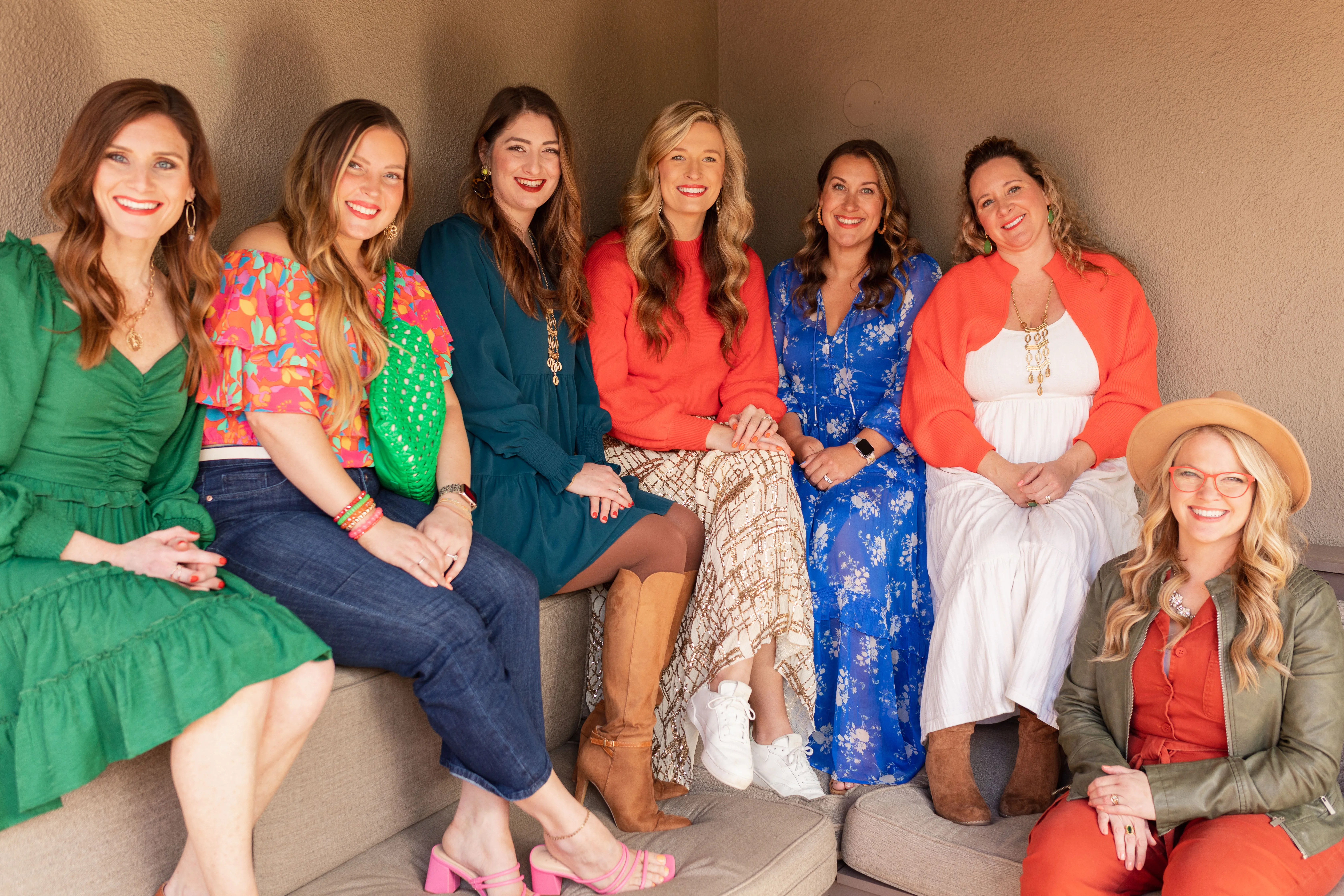





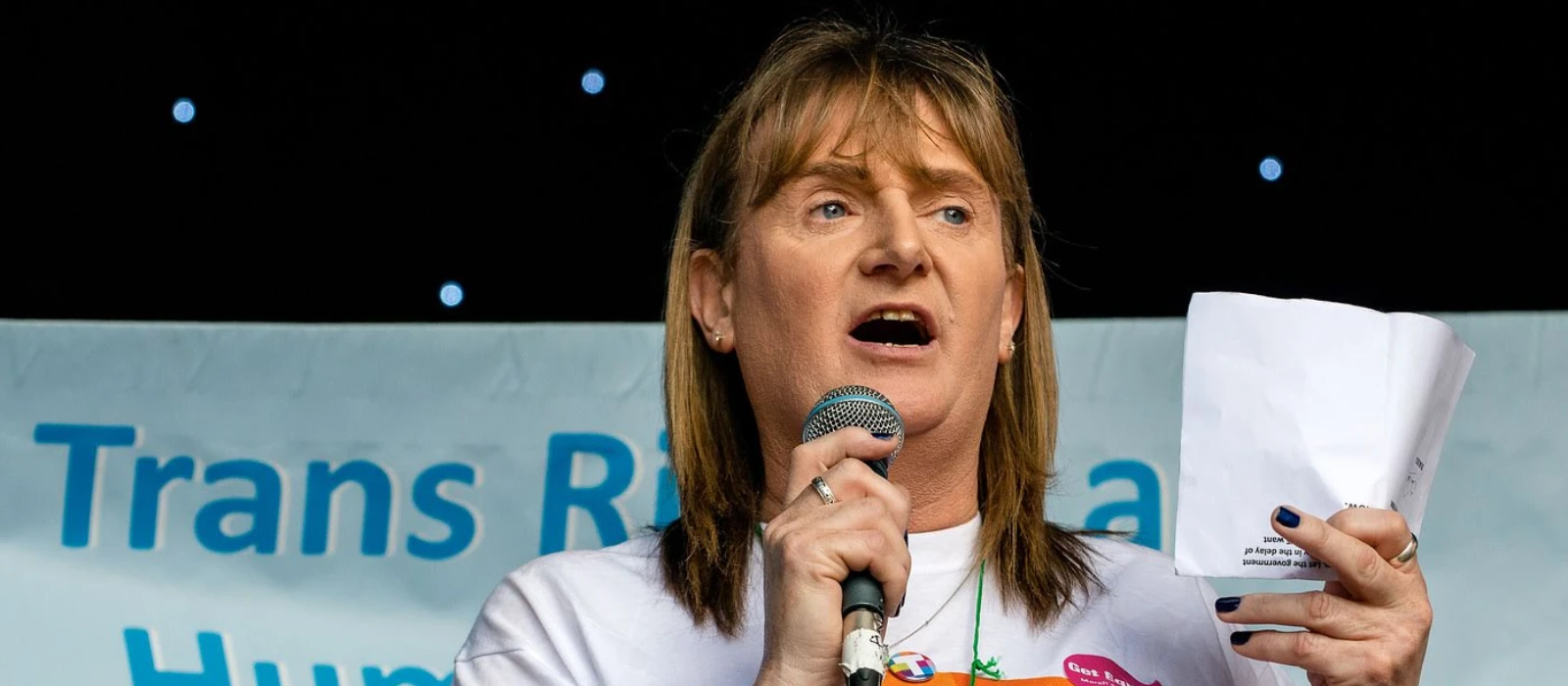
Sara Phillips at Dublin Pride in 2013
Sara Phillips on 10 years of Ireland’s Gender Recognition Act
Laylah Beattie meets Sara Phillips, former chairperson of the Transgender Equality Network Ireland, to discuss the 10-year anniversary of Ireland’s Gender Recognition Act being signed into law.
In 2015, I was 17 years old and had just come out as trans to my family. While I was figuring out my identity and trying to forge a path ahead for myself, the Gender Recognition Act was passed, allowing Irish individuals to legally change their gender and obtain a Gender Recognition Certificate. This meant that I was now living in a country where I could become a woman and be legally recognised as one on my birth certificate, passport and any other applicable documents. That meant the world to me.
This year, the Gender Recognition Act turned ten years old, and I was eager to speak to Sara Phillips, the former chairperson of the Transgender Equality Network Ireland (TENI), an organisation that was paramount in achieving an Ireland that would let its citizens achieve full legal recognition of their gender. In the years preceding the passage of the Gender Recognition Act, the role of TENI was to bring the transgender community together to campaign for their rights.
“First and foremost, the Gender Recognition Act starts with Dr Lydia Foy in 1993 when she writes to the registrar general and asks for her birth certificate to be changed to recognise her female identity,” explains Sara. This began a legal battle of over 20 years for Dr Lydia Foy, a figure who was imperative in the fight for trans rights within Ireland and the first person who was legally recognised by the Gender Recognition Act.
Sara reflected on the beginning of the campaign: “a big community forum in Carmichael House, where there were probably about 100 odd people at it. We spent four hours going around, you know, what were the issues? We had little sticky pads all over the wall, and basically whittled them down to the main ones. We focused on a two-pronged approach. One was political and the second was media. A key piece was pushing people out there. If you go back through the history, there were lots of us. The range of voices across the two and a half years was quite wide. There were names like Broden Giambrone, Louise Hannon, Vicky Mullen, Claire Farrell, Sam Blankensee; I’m forgetting half of them. There were over 250 articles in mainstream media in those two and a half years. There were 52 appearances on national radio and 6 appearances on national television. All of this was not just talking about gender recognition, it was also talking about what it means to be trans.”
”The idea was to also put up parents and sometimes grandparents of young children, and we had this focus of working across all the various different aspects of trans life; employers, the schools, looking at the under-eighteen piece. The Ombudsman for Children came out very vocally in support of gender recognition at the time.” The Gender Recognition Act allows for children aged 16-17 to legally change their gender with parental and court approval.
Sara brought a wealth of knowledge from her background in running a multinational company. “My part was probably more around the background strategy and leadership but I was also rolled out quite a lot of the time into the public domain, doing interviews.”
The political approach was a substantial key to success. “We went through senators and TDs one by one to try and educate each of them.” In 2014, a debate on gender recognition was due to take place in the Dáil. “We came up with this idea to try a strategy of contacting every single member of the Dáil within the 6 days that we had before the debate. That’s 166 members. We spoke to most of them. We set up something like 50 or 60 odd meetings in the space of 6 days.”
After 10 years, it’s proven that the sky was not going to fall in.
I was eager to discover the emotional toll of campaigning for something so personal. “I think for me personally, it was more about making a decision that I wasn’t just campaigning, I was going to be publicly campaigning for it. That was probably more what affected me. I generally didn’t think I was going to be out there, whether it was on the TV or the radio, whether it was in the media, or it was sitting in front of politicians. I think the toll of making that decision was probably pretty large.”
“What wins the hearts and minds of politicians and the media and wider society is your personal story. And there is a toll that comes with that. But if you’re willing to provide your personal story, people reflect and resonate with that because they don’t just see the individual.”
“There were moments where we hit rock bottom. Because you would sometimes go to a politician, you would put the reasoning behind it, you’d give all the logic, all the human rights arguments, you would provide all that and get a blank response. But you’ve just poured your whole personal life out to them. If there was something difficult for me around that period of time, I had other people there within the organisation, people that we could lean on. We understood that they were going through it, and they understood that we were going through it, so it didn’t seem as difficult.”
“I think 2015 took a huge toll. Mainly down to the fact that I was running on empty to a certain degree, and two massive personal events happened at the start and end of the year. If they hadn’t happened, that toll may have taken a number of years to come.”
When asked what she thinks the campaigners were running on, Sara stated hope. “I think everything we did was on hope, the belief that this was the right thing to do, that it was our right to be able to identify the way we did. I come from a time when trans people hid in doorways. To get through, [you had] to keep your head down, not raise any possibility of somebody noticing you, blend in, be stealth, all that sort of thing. Being out really only started to happen around 2005, and it came down to a number of trans women who really didn’t have a problem being very public.”
“We had a goal, we had a strategy, we had some unbelievable thing to strive for. Despite the hill to climb, you were part of a team. You were part of this community. I’ve been part of this community since the early 1990s and I’d never felt more part of a community than then because everybody was coming up with ideas and the adrenaline of seeing tiny little movements every day, week and month. Getting a positive response from a politician or a positive response to a media interview – all those little things just drove you to the next stage.”
Sara credits many people with successfully campaigning for gender recognition. Over our discussion, she references countless names. “I don’t think anyone got it over the line. Long-standing activists, all the parents that spoke and all the others that stood up, every one of them had a huge part to play in that campaign. All of those little things got it over the line together, and I think that’s what’s critical here.”
“I think 10 years of gender recognition is certainly something to celebrate. I have to admit, I’m very proud of the work that all of us did. After 10 years, it’s proven that the sky was not going to fall in. Nobody has abused [gender recognition law] despite what the anti-trans groups would tell you. And we have a large quantity of our community able to go about their daily lives without the hassle of being outed constantly. That opened the moment for more and more trans people to come out. In 2015, I probably knew most trans people; today I don’t know the size of [the community]. So many more people have come out, and it’s brilliant.”
Also Read