











Sponsored
Gut feeling: Why your digestive health matters in midlife
Sponsored By
From bloating to brain fog, your gut plays a central role in women's health – influencing your immune system, nutrient levels, and even your clarity of thought. GP Dr Sonja Bobart of D4 Medical in Dublin explains why supporting your microbiome is one of the smartest things you can do for immunity, hormones, and mood.
When it comes to winter wellness, we often think about sleep or supplements, but it turns out, our gut might be doing more heavy lifting than we give it credit for. In fact, when IMAGE ran a nationwide survey for the IMAGE Women’s Health Clinic, digestive health emerged as the number one concern for Irish women.
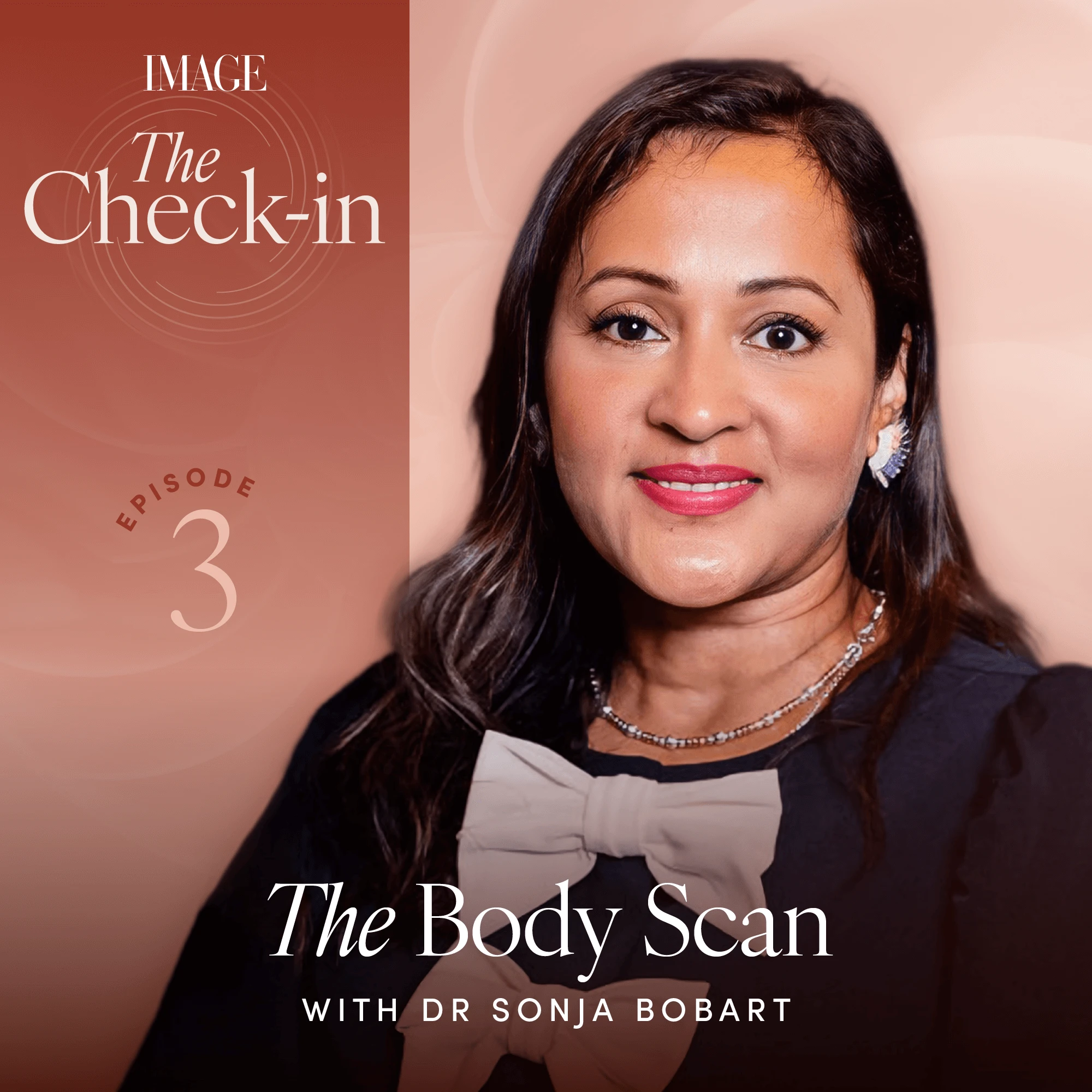
So what’s really going on in our gut – and what can we do to support it? Dr Sonja Bobart discusses all things gut-health with Ellie Balfe on our IMAGE The Check-in podcast.
The gut: Your body’s second brain
“The gut is basically the gum to the bum,” says Dr Sonja Bobart. “And within that colon, there’s our microbiome. So the microbiome is our second brain, and the reason for that – it controls so much.”
It plays a role in immunity (“80% of our immune system is in our colon”), hormone regulation (“the largest endocrine organ is the gut”), digestion and nutrient absorption, and even mood. “The microbiome controls your nervous system… so if there’s dysbiosis, there’s no equilibrium between our brain and our gut,” she adds.
Dysbiosis – a microbial imbalance in the gut – can cause inflammation, reduce the absorption of key nutrients like B vitamins, and contribute to leaky gut.
Gut issues are more common in women
Irritable bowel syndrome (IBS) affects up to 15% of the population – and disproportionately affects women. “For some reason, it’s more likely in women than men. I don’t know whether it’s an oestrogen-related thing. Possibly,” says Dr Bobart. “Also, I think women are more in tune with their physical health… so it might be underdiagnosed in men.”
That includes more serious conditions like Crohn’s disease, which she says can present in several ways – and can have knock-on effects far beyond digestion.
“Crohn’s can present [with] bloody diarrhoea. It’s a malabsorption problem – several bowel motions throughout a day, potentially bloody. But Crohn’s affects [the body] from the gum to the bum. You get ulcerations all along the gastrointestinal tract, but also can present with something like a low B12, low folate or low serum iron because of that malabsorption as well.”
These nutrient deficiencies can impact energy, concentration and mood – symptoms often dismissed as hormonal or stress-related, but which could be rooted in gut dysfunction. For those with Crohn’s or ulcerative colitis, she advises against taking probiotics without guidance:
“In malabsorption diseases, it’s important not to just take any probiotic… potentially taking any probiotic can exacerbate the Crohn’s or ulcerative colitis.”
Symptoms like bloating, discomfort, and changes in bowel habits that come and go are common, but she warns: “Irritable bowel should always be diagnosed when everything else has been investigated. Make sure it’s nothing to do with the ovary. Make sure it’s not fibroids.”
Anyone over 35 with new bowel symptoms “has to be investigated,” she stresses. “Don’t assume it’s irritable bowel.”
Anyone over 35 with new bowel symptoms has to be investigated. Don’t assume it’s irritable bowel.
Bowel cancer: What to watch for
Dr Bobart urges people not to dismiss changes in bowel health. “Any change over one month. Any weight loss. Any blood that’s coming through that back passage needs to be investigated. Don’t assume it’s haemorrhoids, which a lot of people do.”
Painless bloody stools and unexplained changes in iron levels are particular red flags. “If your serum iron was 25 which is fine, and now it’s down to 10, and nothing in your diet or lifestyle has changed; that’s coming from the bowel. So, a colonoscopy and a scope test need to be done.”
While screening in Ireland currently starts at age 59, Dr Bobart says it should begin at 50 or even 45 if there’s family history. “Get your scope test done at 45 if you can.”
Fibre is your friend
Supporting your gut doesn’t mean buying every probiotic in sight. “Fibre, fibre, fibre, fibre, fibre,” she repeats.
What your microbiome really needs is diversity. “Vegetables are great. Complex fibres are great. Everyone thinks it’s cardboard, but actually, complex fibres are just oligopolysaccharides – sugars that can’t be broken down until they get to the gut.” Once there, they help generate short-chain fatty acids like butyrate, which maintain gut barrier function and reduce inflammation.
She recommends aiming for a rainbow of different vegetables, grains, nuts and seeds across the week to keep the gut diverse and healthy.
Probiotics: what to look for
Dr Bobart says we’re “inundated with probiotics,” but not all are effective. Her advice is to look for ones with a load of diversity and a variety of strains like Lactobacillus and Bifidobacterium, and a high CFU count – because you lose some as they travel through the gut.
She also recommends switching it up: “Every three months, kind of mix it up a bit. Your body will become used to it. It’s like being on the same antibiotic all the time; eventually it’s not going to work.”
Probiotics and a diverse diet are increasingly being studied for their potential to support not only IBS but ADHD, autoimmune conditions, and even stress and ageing.
For anyone supporting an older relative, pay attention to food patterns too. “As they age, their diet might not be as diverse. It might just be toast and eggs,” she says. “So diversifying that diet is so important for their gut microbiome and for their ageing.”
We’re lifting the lid on women’s health: the real, the raw, the rarely spoken aloud. Our new podcast ‘IMAGE The Check-in’, hosted by Ellie Balfe, gets straight to the heart of what’s truly on women’s minds right now. We dive into monthly health themes with expert guests and honest voices.
Listen to IMAGE The Check-in HERE or wherever you get your podcasts.

To stay up to date on our latest expert-led articles, insights, podcast episodes and more, visit the IMAGE Women’s Health Clinic Hub.
Also Read