











Sponsored
A dietitian shares her simple everyday gut health tips
Sponsored By
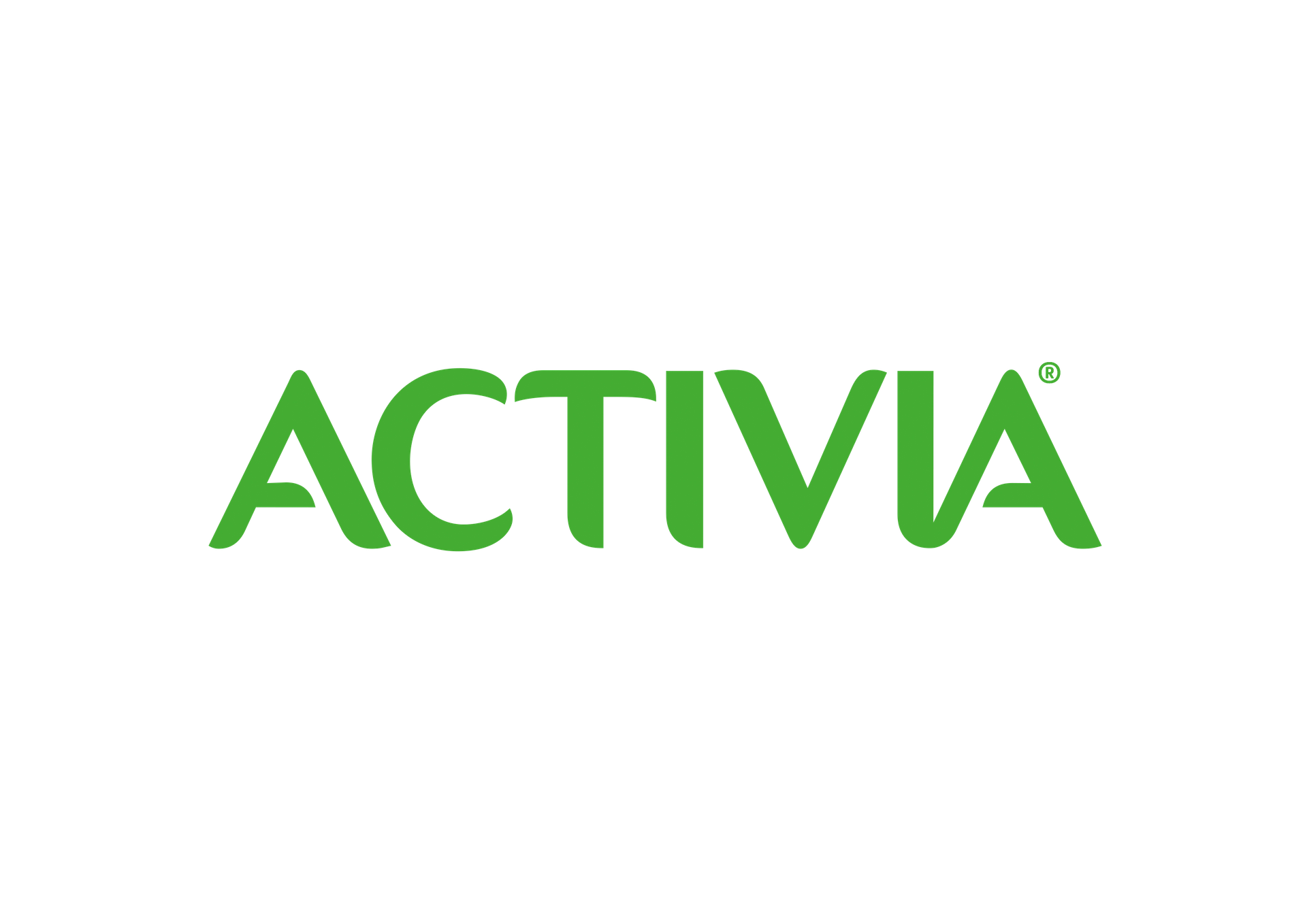
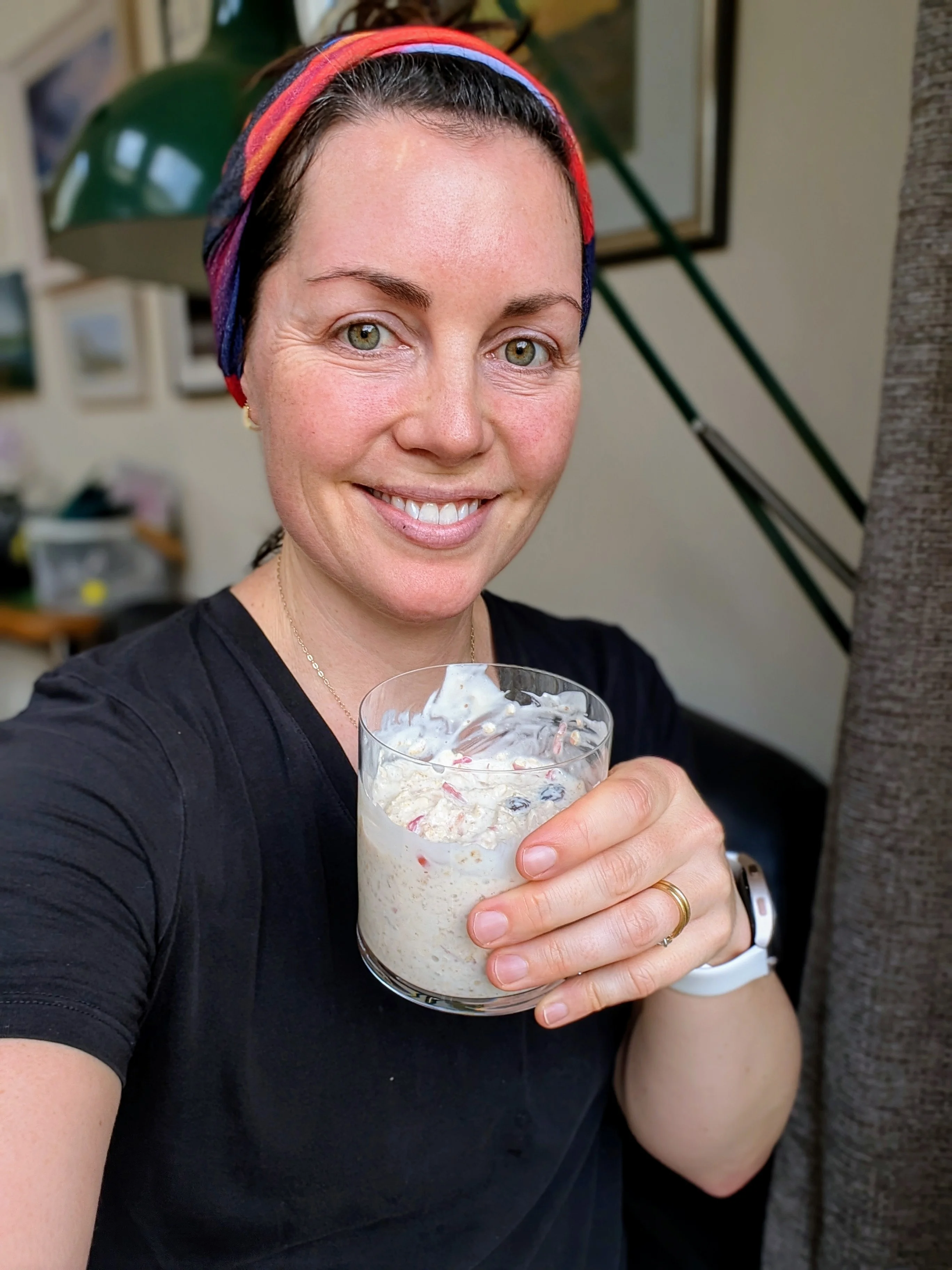
Orla Walsh, a dietitian and mum of three knows how important looking after your gut is – the good news is that it doesn’t have to be complicated.
Orla Walsh is a dietitian, and founder of Orla Walsh Nutrition, one of Ireland’s leading and most trusted general dietitian and nutritionist practices. She balances this with looking after her three children, and so knows that it can be hard to prioritise your health. Here, she shares how she takes small steps every day to prioritise her gut health.
What’s one thing you do every day to look after your gut?
The gastrocolic reflex is a physiological response where eating stimulates the large bowel to move waste towards the rectum. It is why many people find they need to poo after breakfast time. This important response to eating provides us with the urge to go to the loo, which we should try our best not to ignore, as it’s a key function of digestion. When I need to go, I go! It sounds so basic, but I know there’s lots of busy people nodding their heads at this remark. It’s tricky for lots of reasons, mainly the rush we find ourselves in each morning. Making time for this basic physiological need is paramount to supporting a healthy gut.
What are some easy tips or swaps to prioritise your gut health?
There are lots of areas to focus on:
- Movement. We know that walking keeps our gut moving, so I try to walk the kids to school, walk at lunch time break and walk to collect the kids each day. I do ‘official exercise’ too, but the baseline levels of activity can have a huge impact on how we feel, and how well the body functions. For example, physical activity has an immediate effect on gut motility and can support a quicker gut transit time (how quickly waste moves through our gut).
- Fluids. I don’t want the contents of my bowel to dry out and become difficult to move along the intestines, which is precisely what happens when we don’t drink enough fluids. I start each morning with 500ml of water, to replace what I’ve lost overnight as I slept and to start the day on the right foot. Hydration can be monitored by looking at urine colour, but also by making sure you’re producing enough urine and needing to pee every few hours.
- Fibre. About 80% of Irish people don’t consume enough fibre. We need 14 grams of fibre for every 1,000 calories we consume each day. This works out at 25 to 35 grams each day for most people. Unfortunately, in Ireland, the average intake is about 18 grams each day, leaving a fibre deficit of seven to 17 grams. Fibre is found in the plants that we eat, so once we’re choosing wholegrain carbohydrates over processed varieties and eating five to seven servings of fruit and vegetables each day, we are often meeting the target. Once we’re eating enough fibre, it’s important to make sure we’re spreading it out evenly across the day. I focus on having meals with about 10 grams of fibre, meaning that my gut doesn’t have too much work to do at any one time.
- Variety. Our gut microbiome eats the food we eat. The microbiome is more diverse and healthier when it’s provided with a variety of plants on a regular basis. Many of us buy the same fruits, vegetables, wholegrains, pulses, nuts and seeds each week. Small changes like buying mixed nuts and seeds, as well as varying up what fills the fruit basket, can make a big difference. I also lean into frozen vegetables as some vegetables take time to prepare, and time is something I’m always up against. Another reason to keep the plants we eat varied is that we have a greater chance of reacting in a negative way to a food the more we eat of it. For example, if someone has a wheat-based cereal for breakfast, a sandwich for lunch and pasta for dinner, they are eating wheat three times a day. This may cause them issues that lead them to think that they don’t tolerate wheat, when in fact they don’t tolerate wheat three times a day. You can have too much of anything!
- Chewing. One of the common issues people come to my clinic with is bloating, reflux and digestive issues. One of the most important things we can do for our gut is to chew our food really well so that the digestive juices within the gut can break down our food properly. People tend to eat distractedly and in a rush, leading to insufficient mechanical digestion that makes chemical digestion by digestive juices extremely difficult. I try my hardest to eat at a table, with good posture and chew my food lots. It’s a challenge with three small kids, but if I want them to do it, they must see me do it!

Do you have any favourite gut-supporting foods?
Fermented foods: I try to include fermented foods each day. For example, yoghurts with live cultures, kefir or ripened cheese.
Flaxseed: One food I include every day for my gut health is flaxseed. It’s super high in fibre, which means that I’m confident that I’m hitting my 30-35 gram fibre target each day. I add it to my porridge or overnight oats, or else sprinkle it on my peanut butter toast or scrambled eggs.
Chia seed: Chia seed has many benefits, including helping to manage blood sugar levels, lowering cholesterol, providing plant omega-3 called ALA and softening our stool, making it easier to pass.
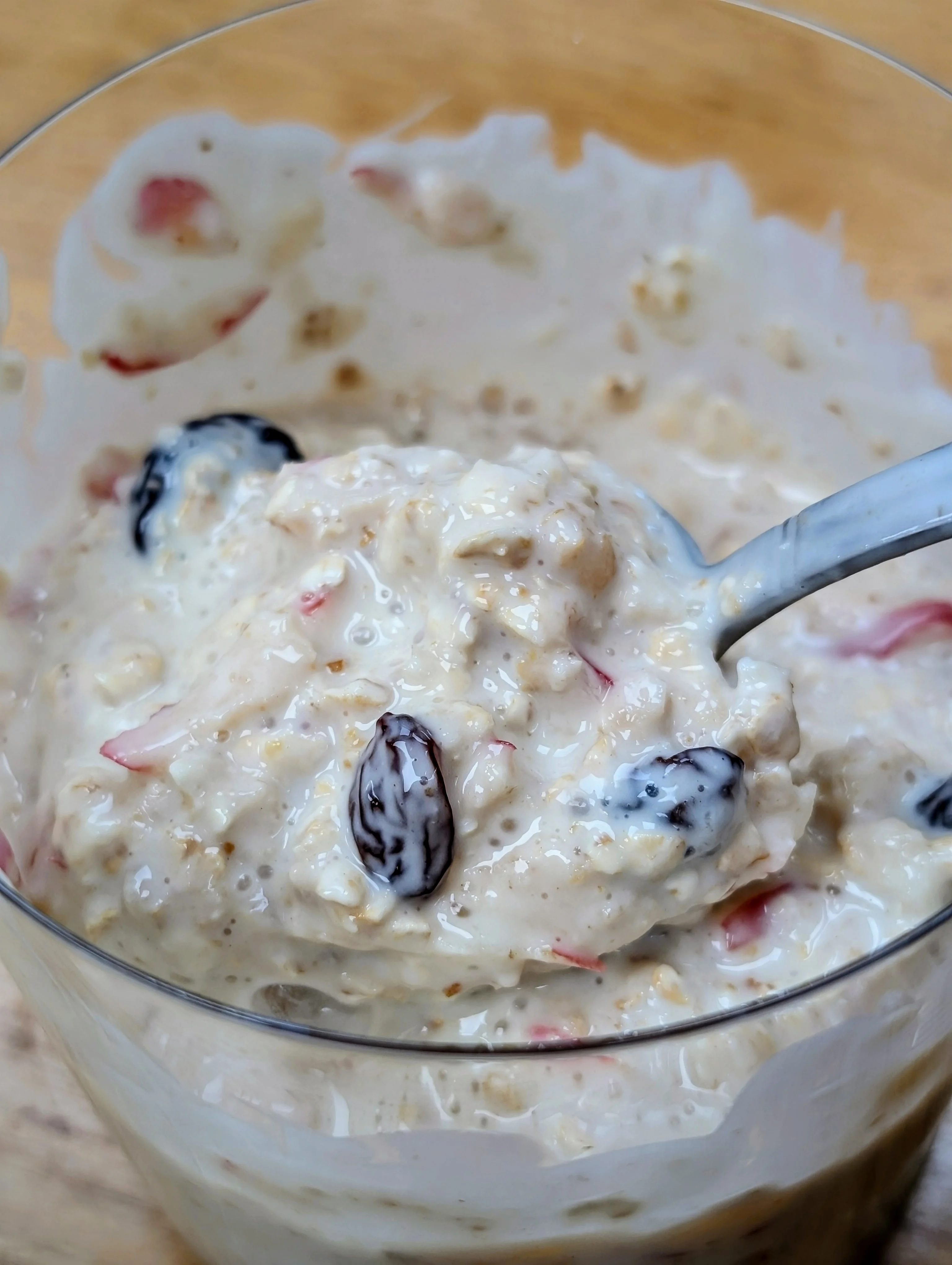
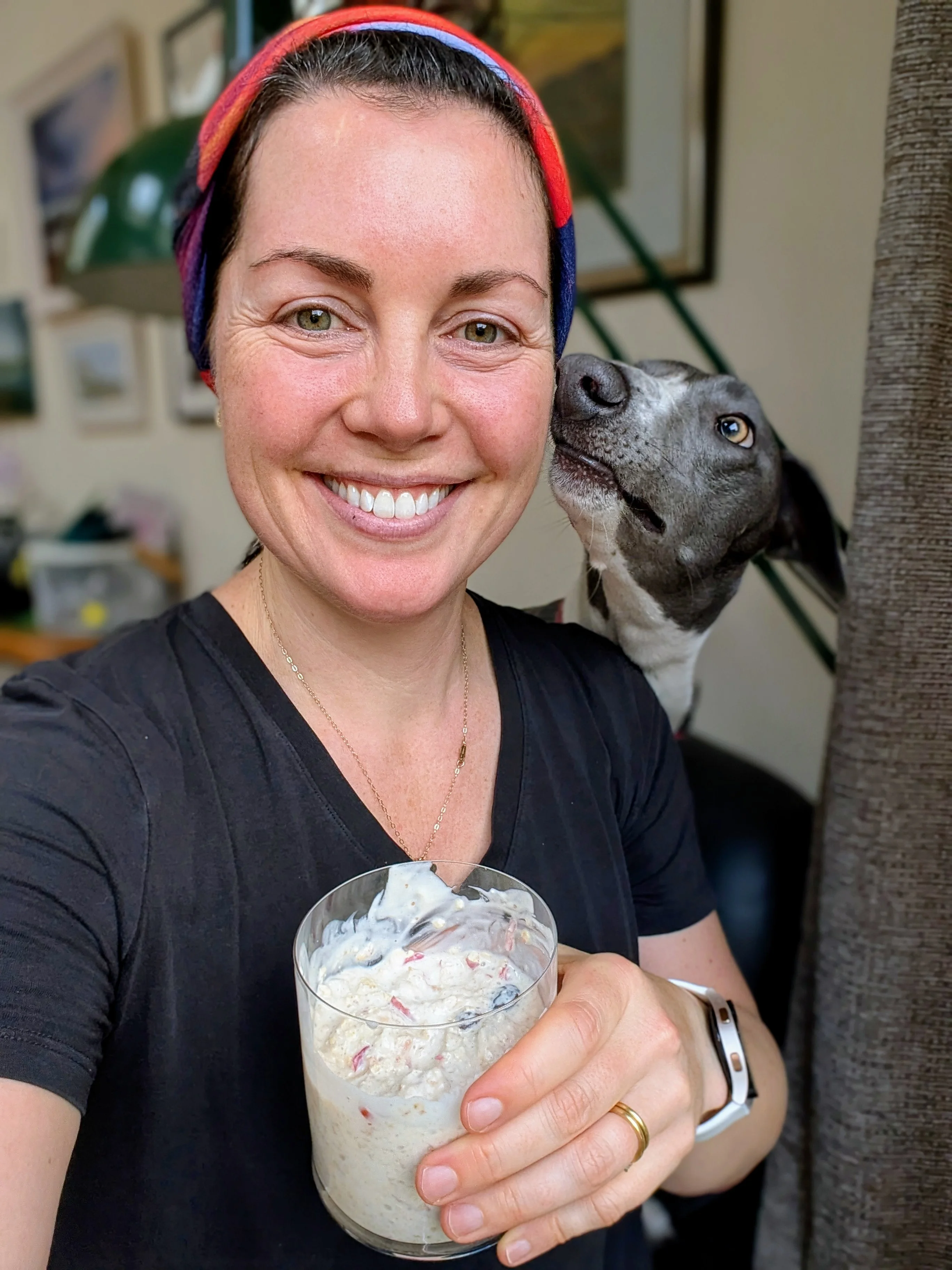
Overnight oats
Ingredients
- 1 pot Activia apple & cereal fibre yoghurt
- pink lady apple, grated
- 30g oats
- 15g raisins
- 25g milled flaxseed
Directions
Mix all the ingredients together and leave in your fridge overnight.
Nutrition
480 kcal, 16.8 g protein, 12.9g fibre, fat 18.5g, saturated fat 5.2g, 61.1g carbohydrate, of which sugars 37.7g, salt 0.27g
Chia pudding
Ingredients
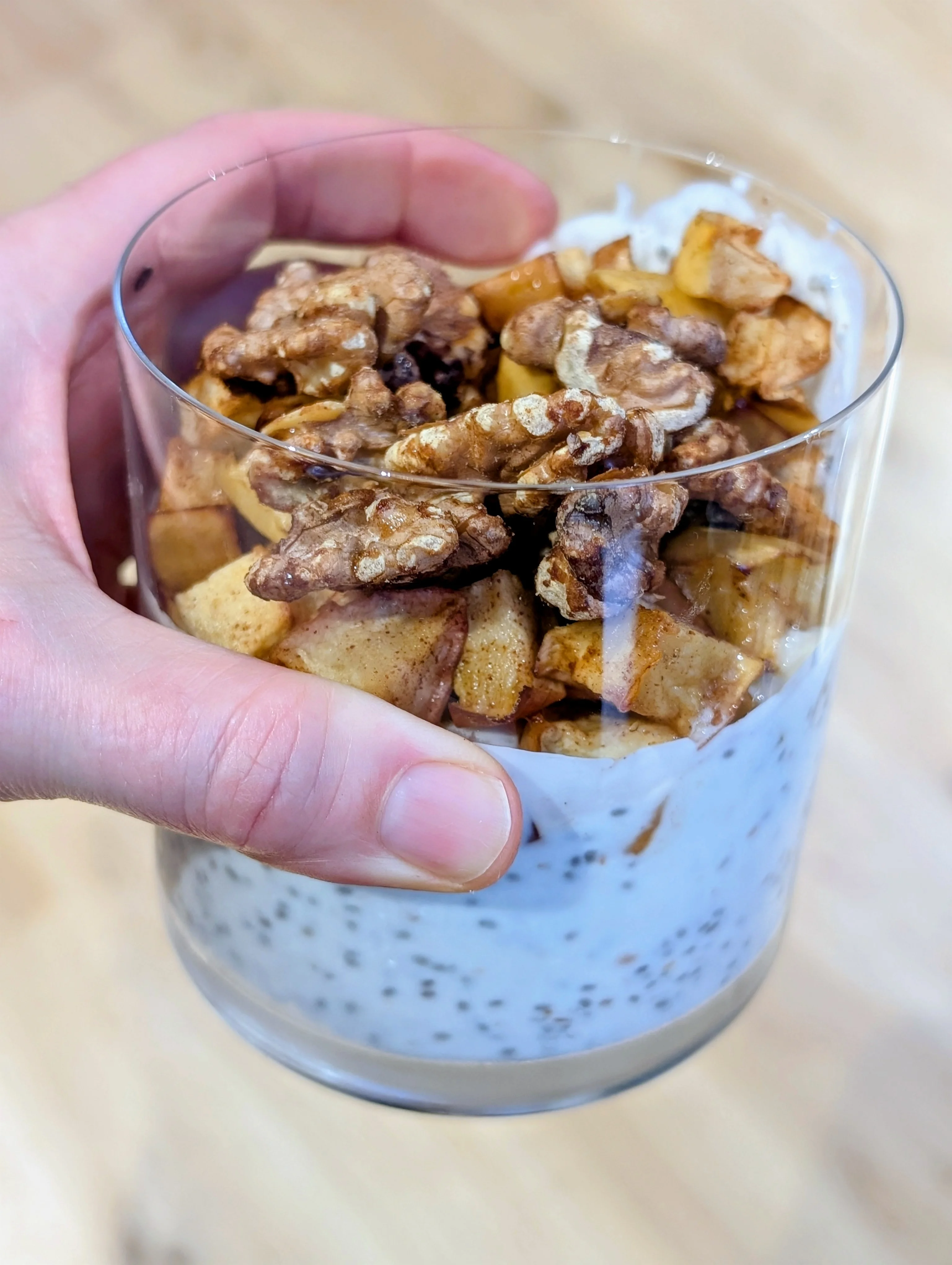
- 1 pink lady apple, chopped
- 2 pots of Activia apple & cereal yoghurt
- 4 tsp chia seeds
- 1 tsp cinnamon
- 15g walnuts
Directions
- Chop your apple and bake it in the air fryer with a little water, and if you like it, add some cinnamon and honey.
- Mix the yoghurt and chia seeds together and leave in your fridge overnight.
- Top the chia pudding with apple and walnuts before eating.
Nutrition
486kcal, 16g protein, 13.4g fibre, 22.8g fat, 5.5g saturated fat, 51.7g carbohydrate, 44.6g of which sugars, 0.31g salt
Activia contains calcium, which contributes to the normal function of digestive enzymes. Live cultures in yoghurt or fermented milk improve lactose digestion of the product in individuals who have difficulty digesting lactose. Enjoy as part of a balanced diet and healthy lifestyle
For more information and recipes, visit Activia online.
Also Read