






The Interiors Edit: Your guide to chic seasonal decorating
Getting into the seasonal spirit doesn't have to mean abandoning your own personal style, says interior designer Tanya Neufeld Flanagan.
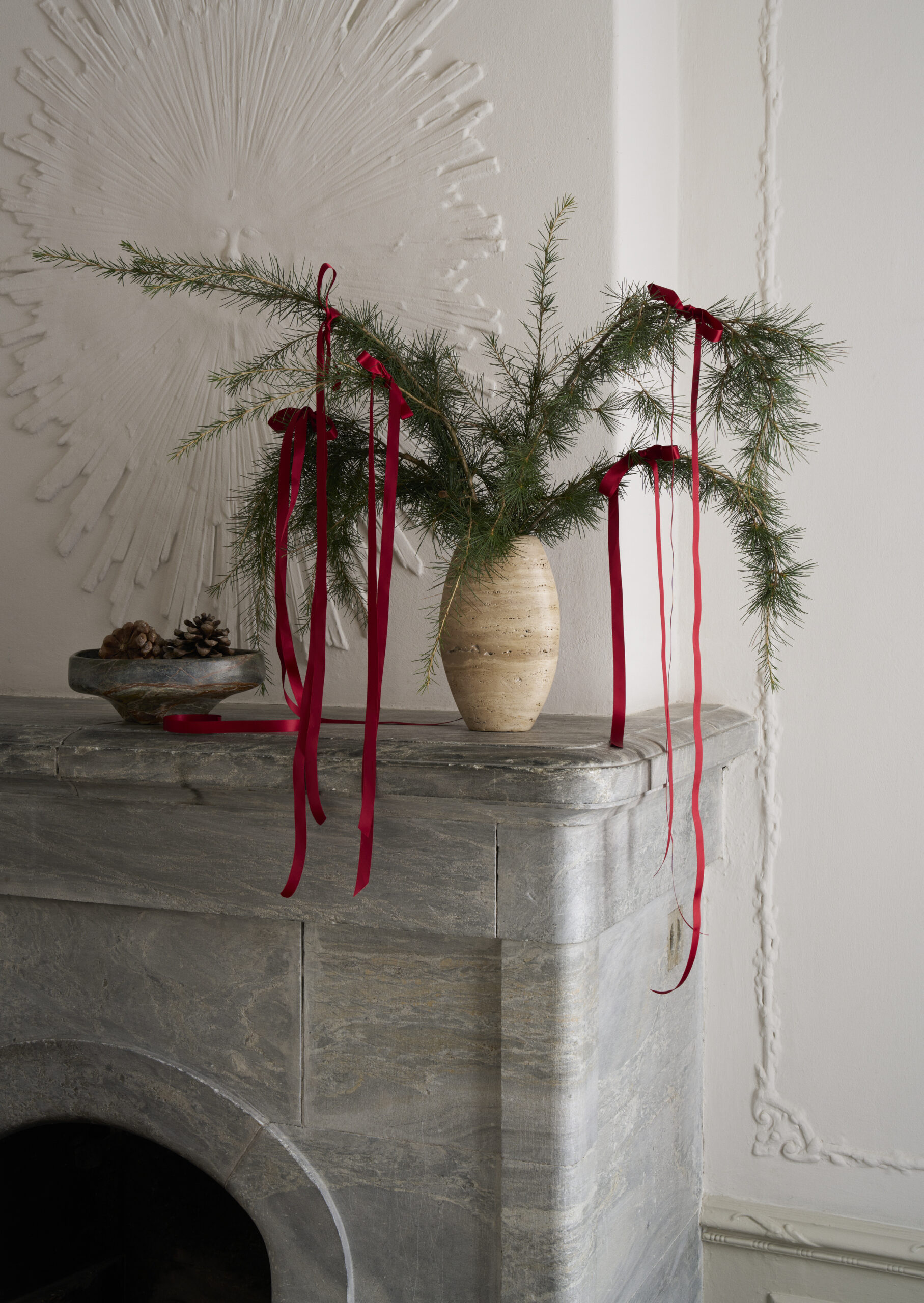
I never much liked wreaths. There was something very Hallmark-Home Alone about the whole thing. Artificial and garish, I didn’t see how they worked with what I considered a stylish home. That was until I made my very first wreath a few years ago with a gold hoop and dried hydrangeas I painted gold at my mother-in-law’s house. It didn’t look like anyone else’s and I loved it.
I then realised why I had struggled with wreaths for so long. They tend to come in one very prescriptive style, yet we all have such different homes and preferences.
Every year, as the children go back to school and the leaves start to crinkle underfoot, the autumn decorations come out. It’s wonderful and nostalgic and fun. But what if it was also chic? Elevated holiday styling should be less about ghosts and angels (not that there’s anything wrong with that), and more about creating a cosy atmosphere.
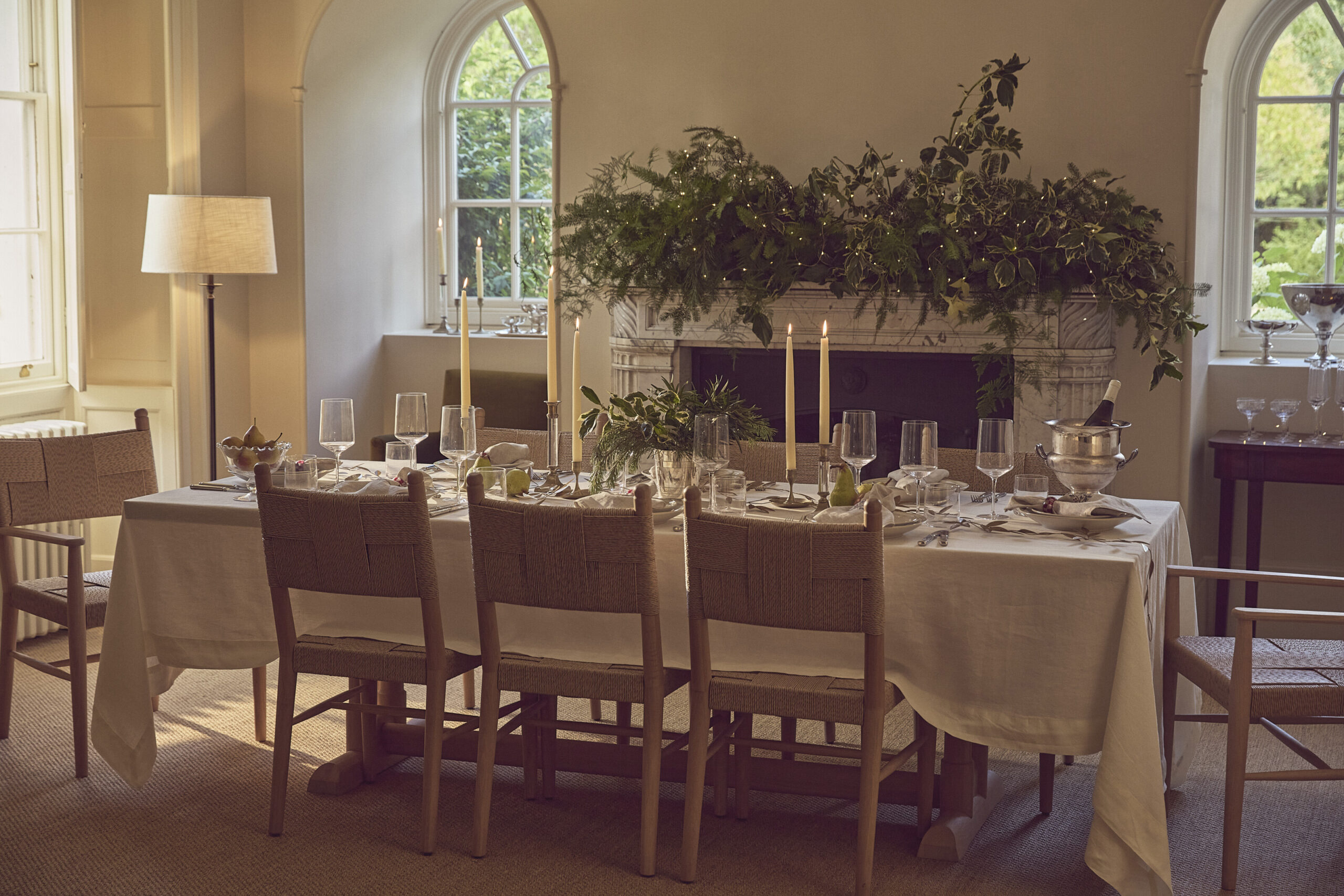
Cosiness is achieved with lighting, both artificial and candlelit, and the layering of materials that make us feel warm and welcomed. It’s about slightly tweaking your usual home decor to fall in line with the natural, changing colours of the season. That way these purchases also stand the test of time better and don’t look out of place the second any particular holiday passes.
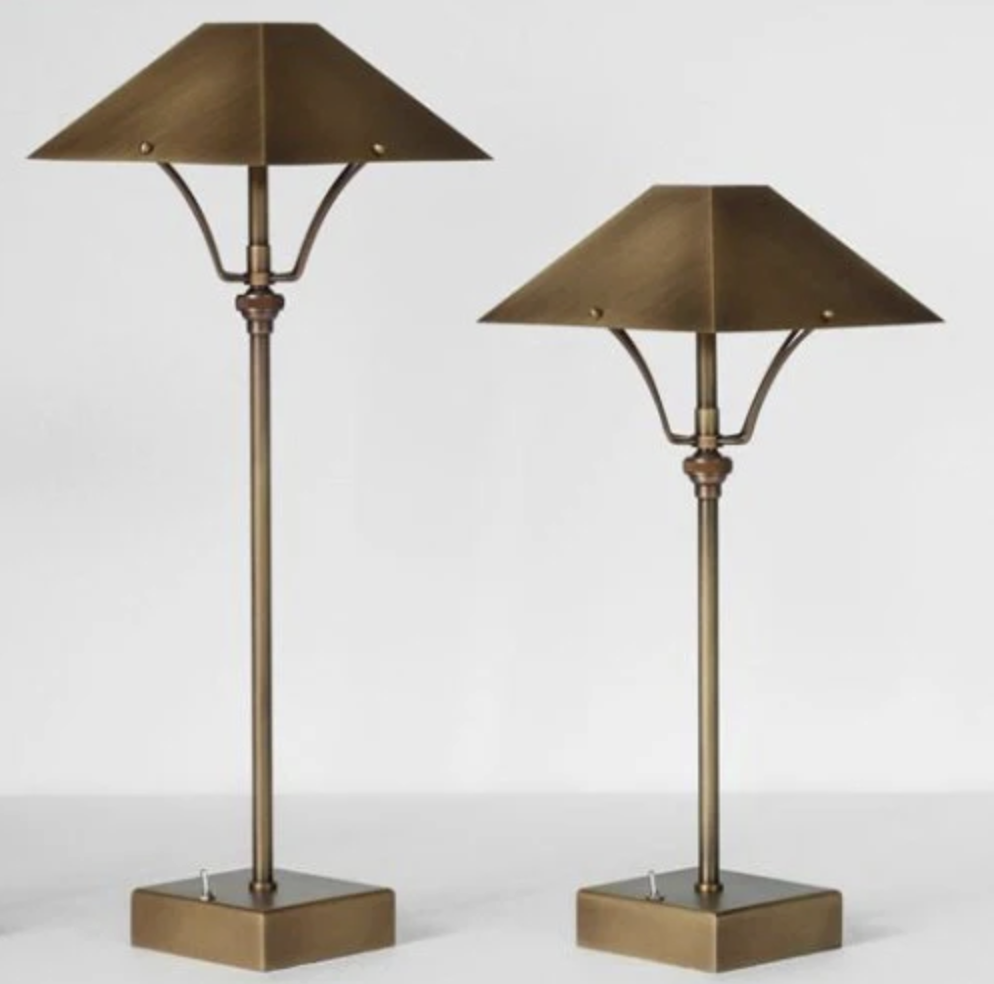
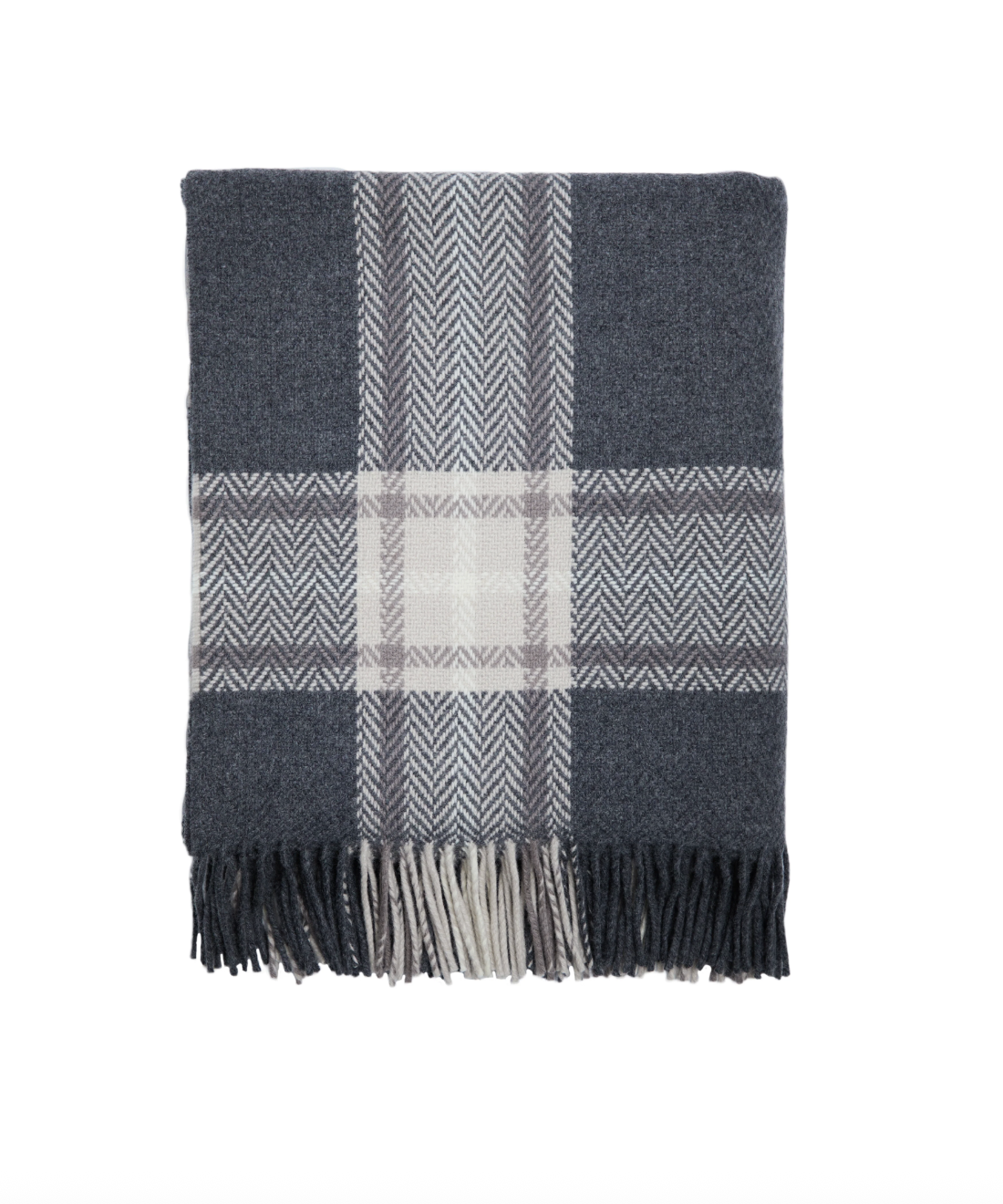
Table lamps, candles, blankets, and (more unique) wreaths are my preferred way of autumn and winter styling to achieve that hug-like feeling when you come home.
Broadly speaking, seasonal decor preferences tend to fall in a few camps: traditional, minimalist, and modern. Traditional is classic and timeless, but refined. Minimalist is pared back, restrained in its palette, with an organic touch to keep it from feeling clinical. “Modern” is inspired by midcentury modern, as opposed to contemporary, which are the cleaner lines you are used to seeing nowadays. Modern is funkier, has warmer timber tones, more colours, and a variety of influences from the first half of the 20th century.
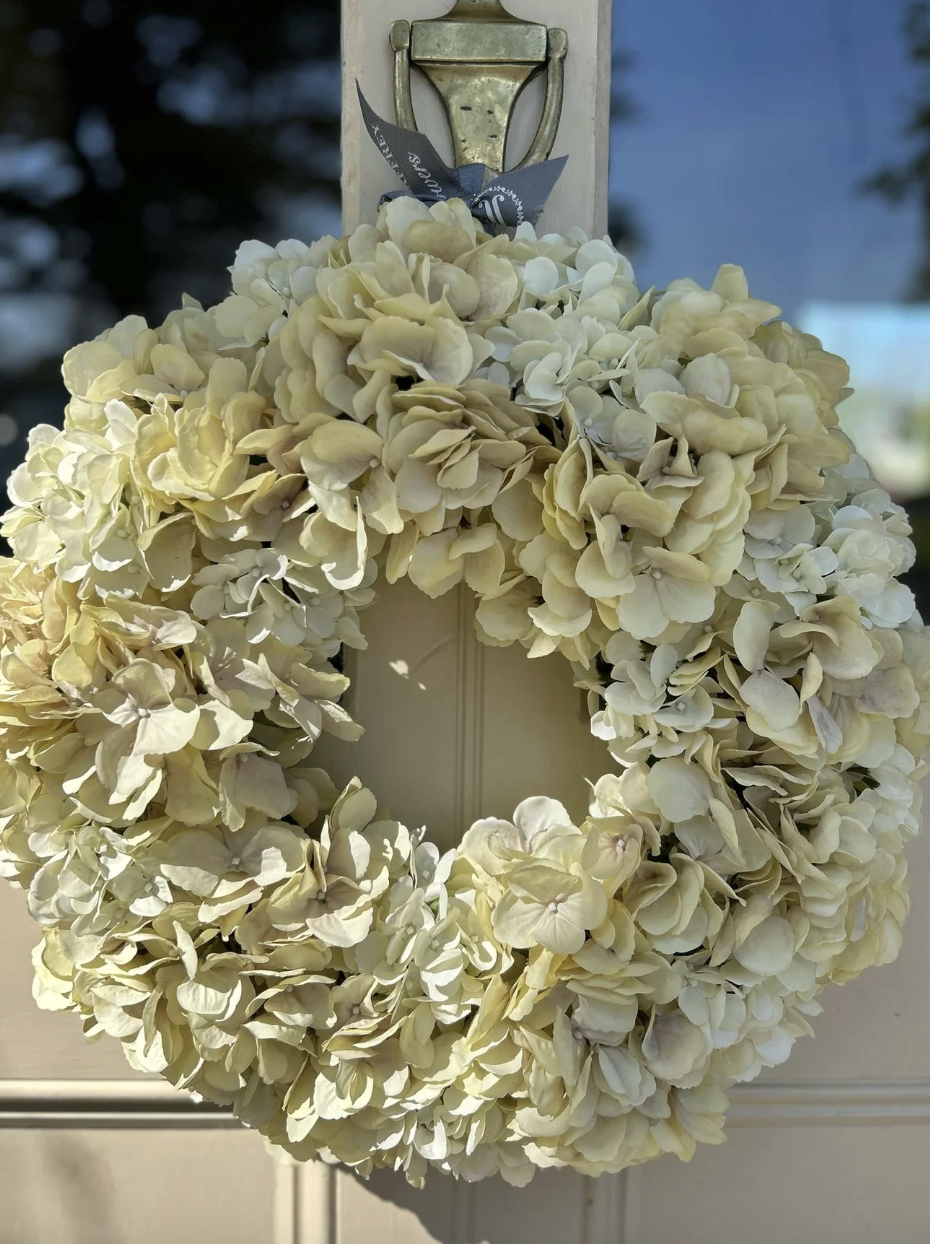
The Traditionalist
For the traditionalist, it’s about lived-in textures like brass and iron, subtle nickel, and investing in floral arrangements or dried flowers and plants with warm, autumnal hues.
Planters and vases with a honed Grecian-inspired texture work especially well, and classic patterns such as checks, gingham, stripes in navies, dark greens, and beiges are ideal for throws, footstools and cushion covers this time of year.
The minimalist
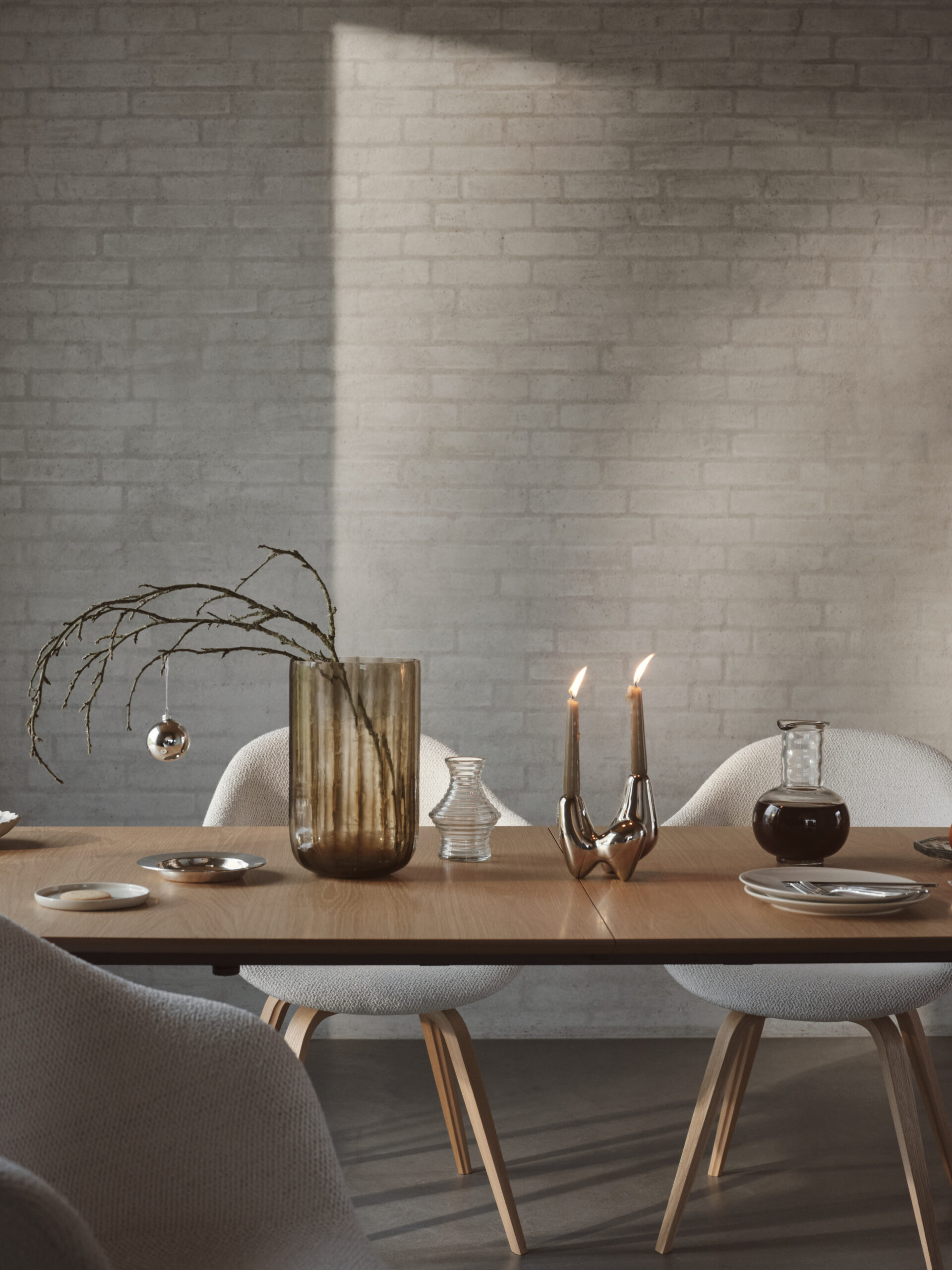
On the opposite end of the spectrum is the minimalist, who has probably struggled with high street seasonal decor offerings, which often do not cater to this style.
As you have learned, dressing your home for autumn and winter is more about ambiance than trinkets, and the minimalist home can benefit from an injection of softness and glow this time of year.
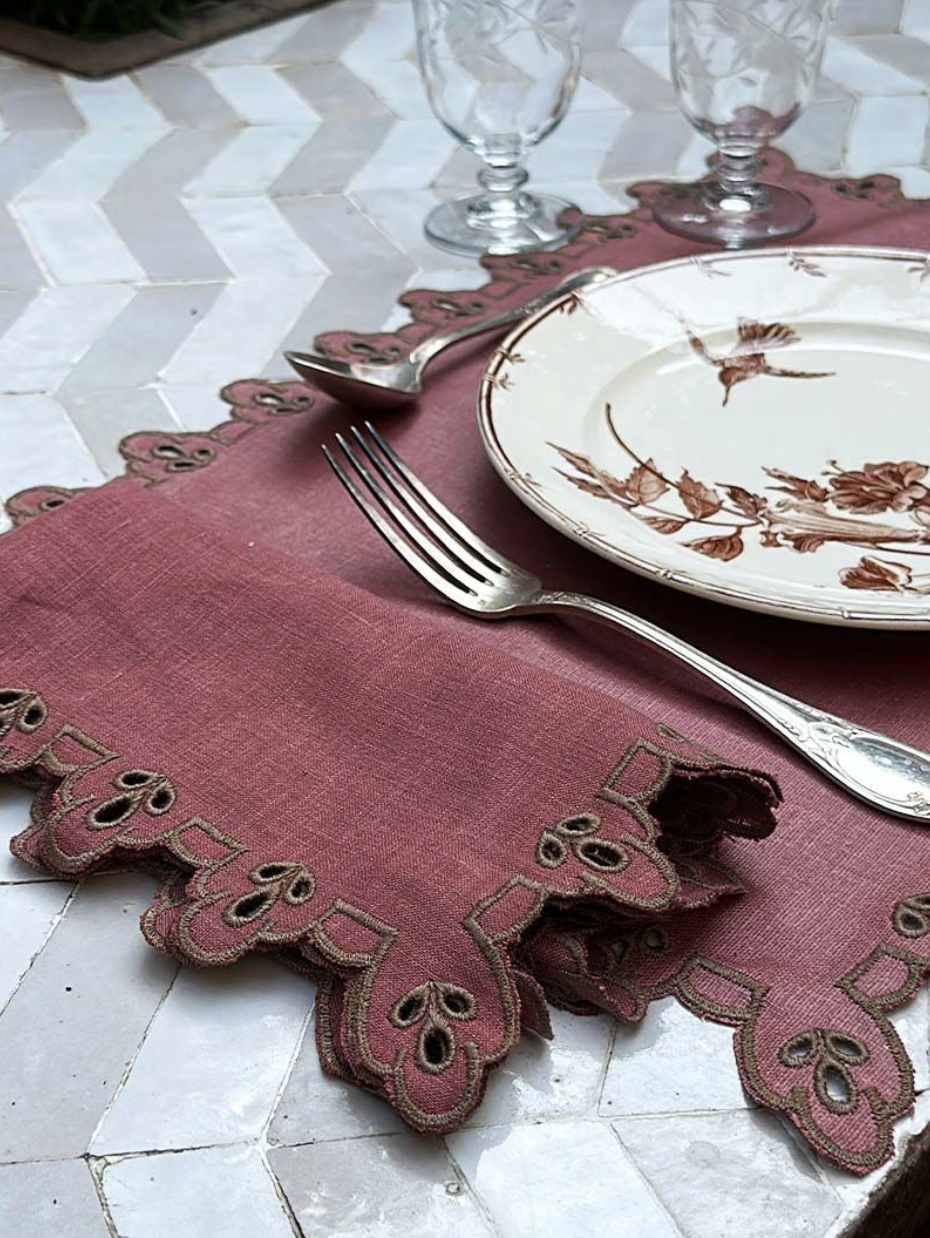
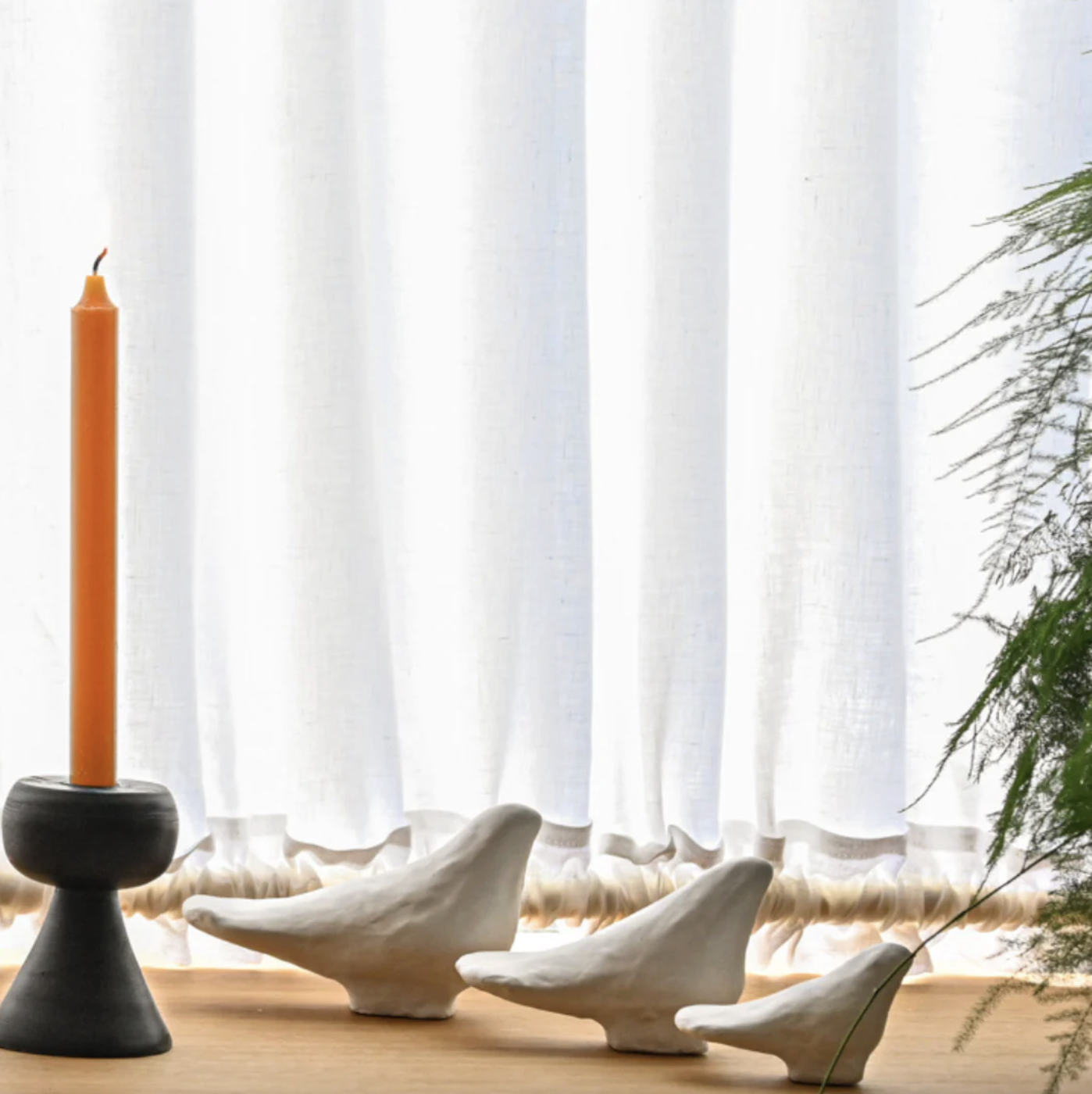
For this style, keeping to the home’s colour palette but playing with texture and finishes is key. Think stainless steel and frosted glass, linen and wool to achieve a contemporary cosy feel.
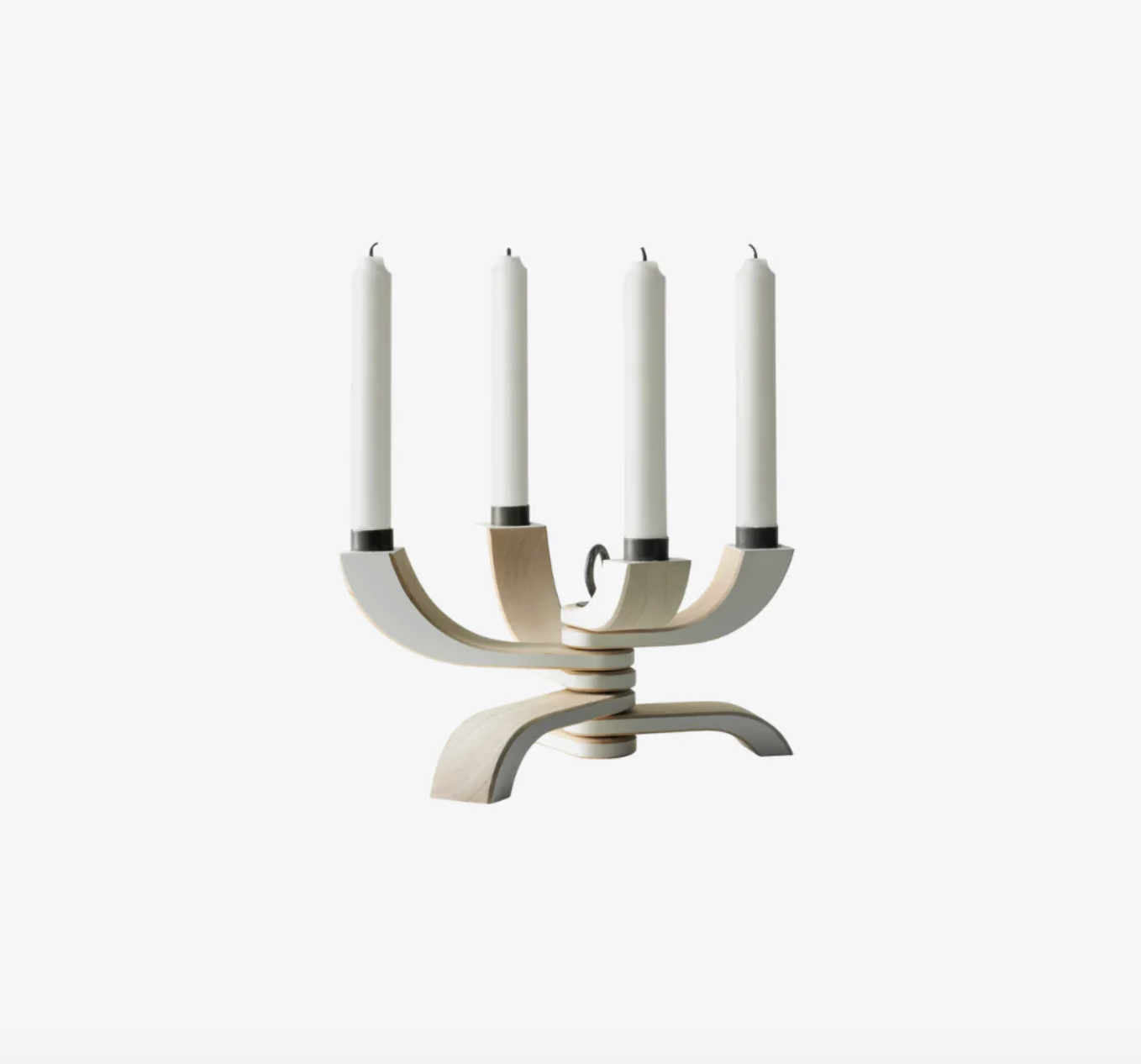
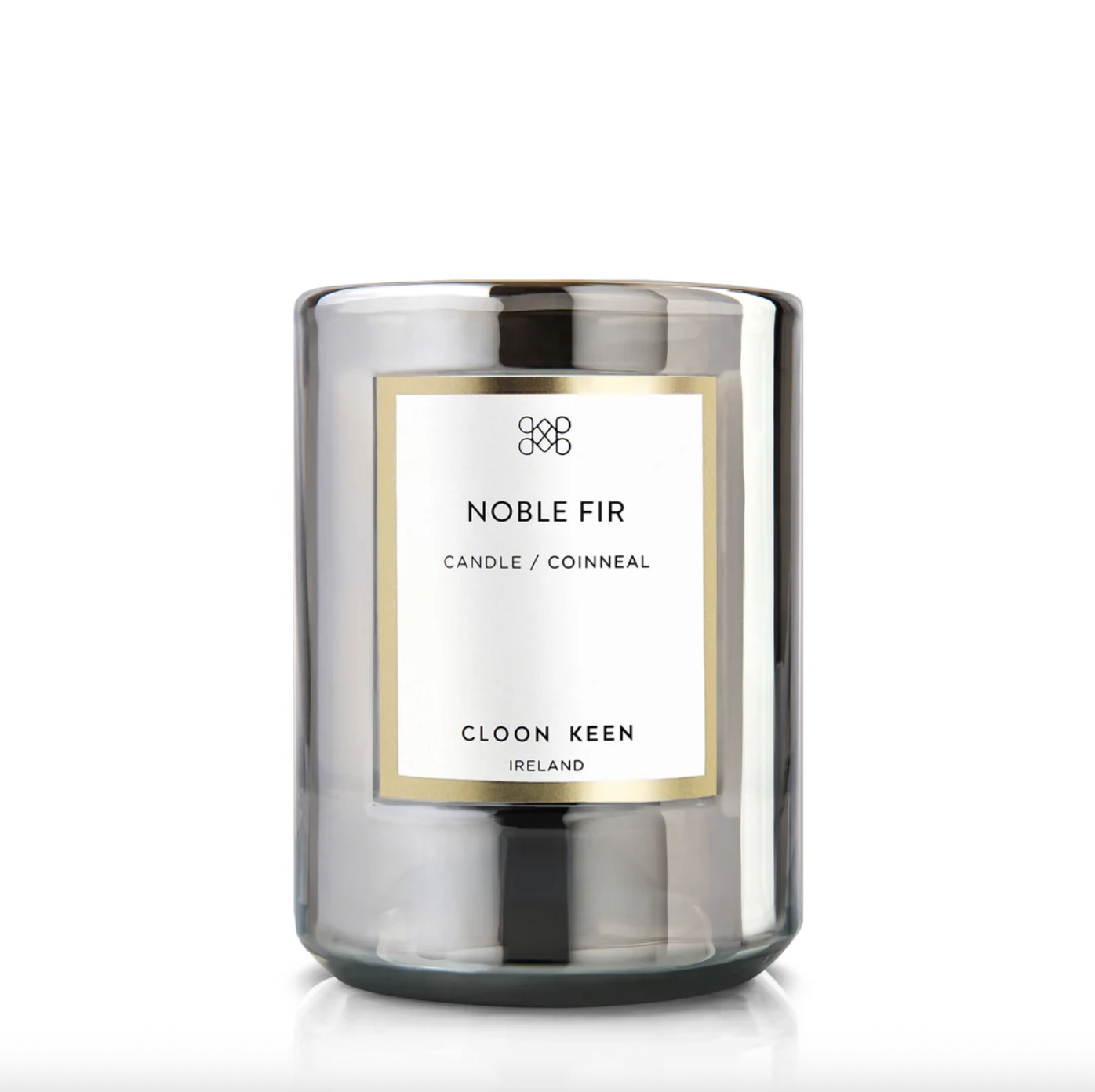
The modernist
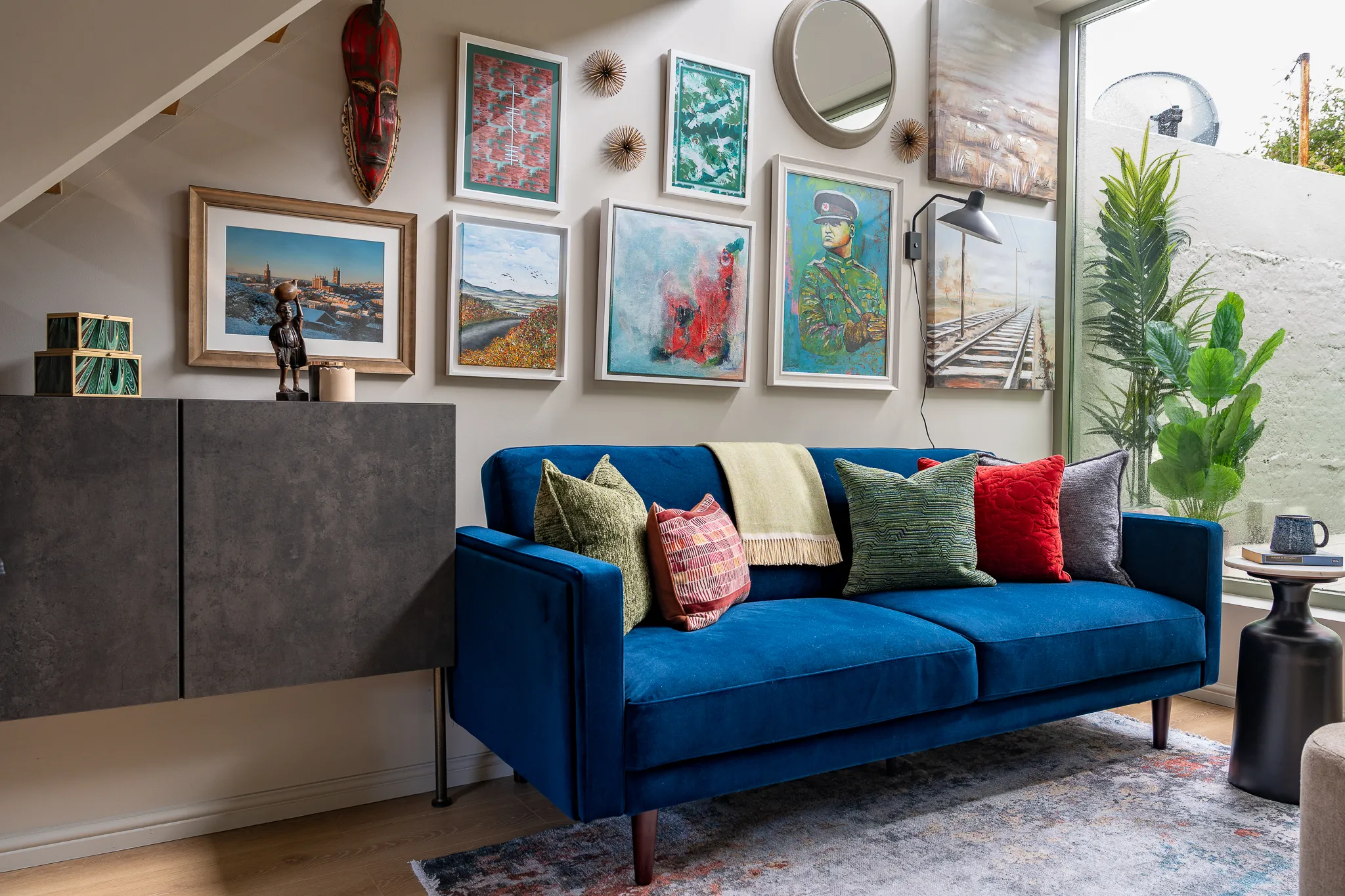
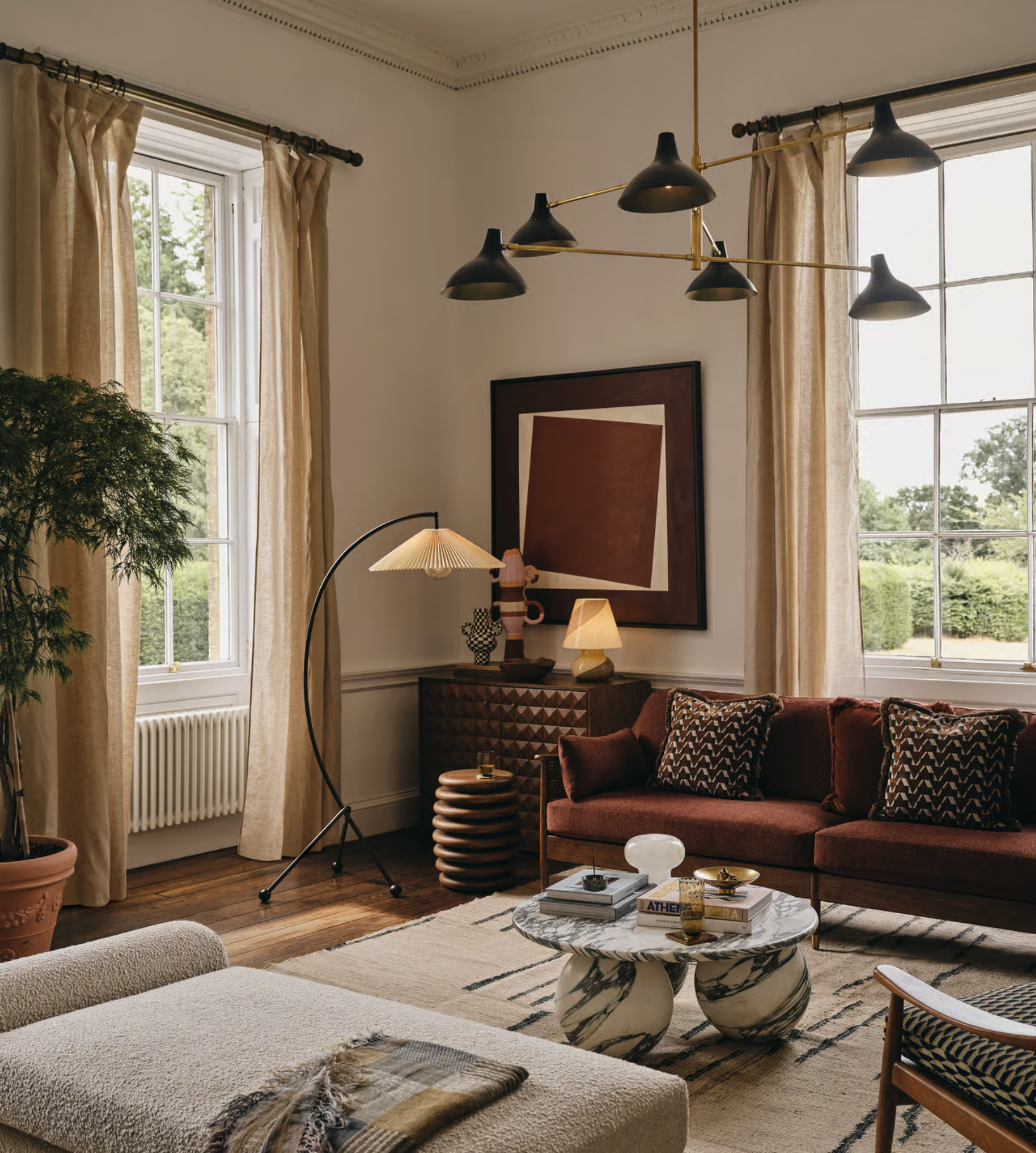
Finally, for the third camp, looking for something a little more playful, colourful and layered, is the modernist vibe.
Think chunky shapes, mushroom-shaped lamps, pops of olive greens and rusty oranges, without going overboard.
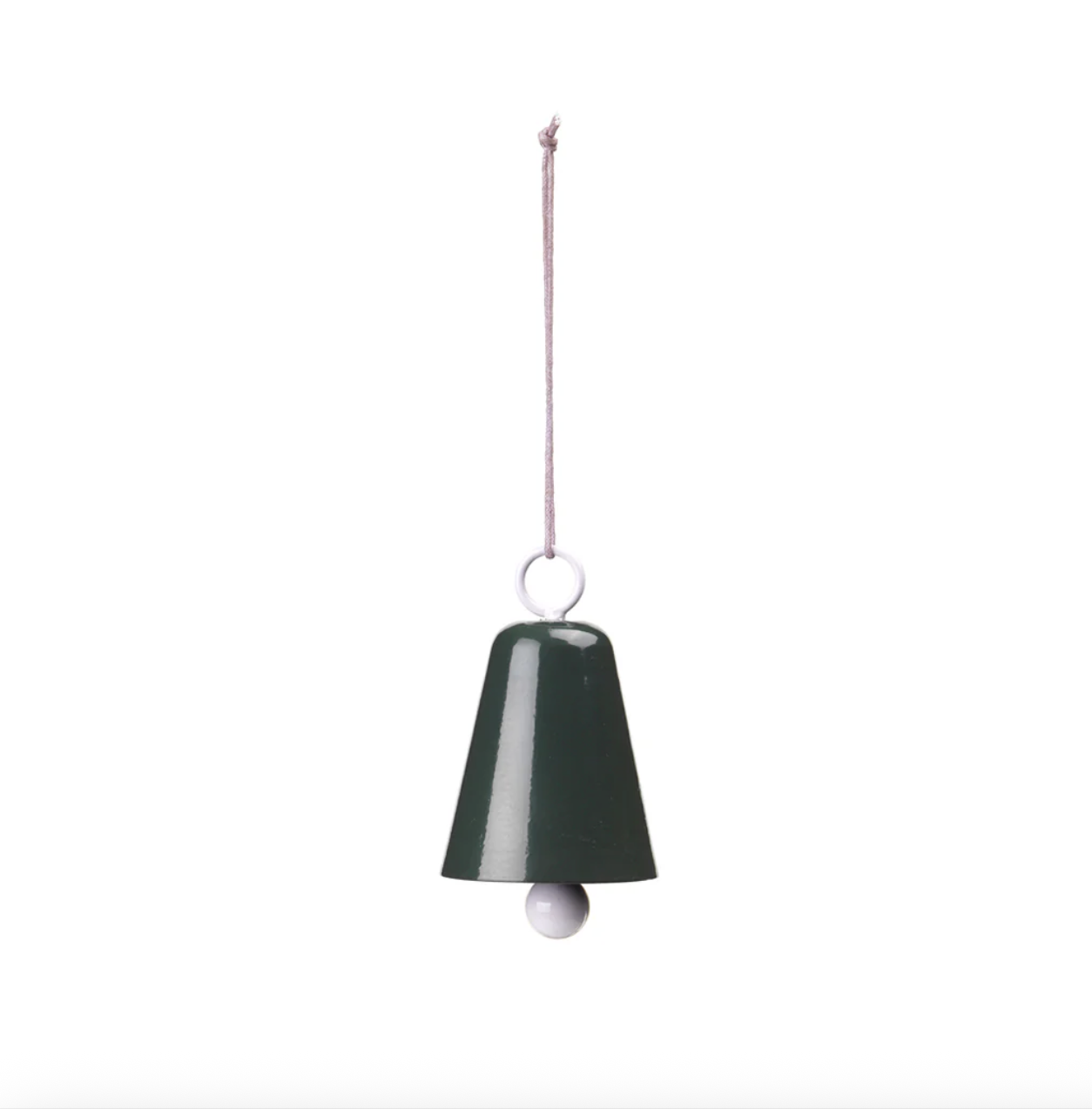
Midcentury style is particularly famous for its excellent lighting design, and a portable table lamp is ideal for lighting up a shelf, coffee table or dining table this time of year. Many modern Scandinavian brands offer an abundance of candlestick holders, another way to inject hygge into Irish homes.
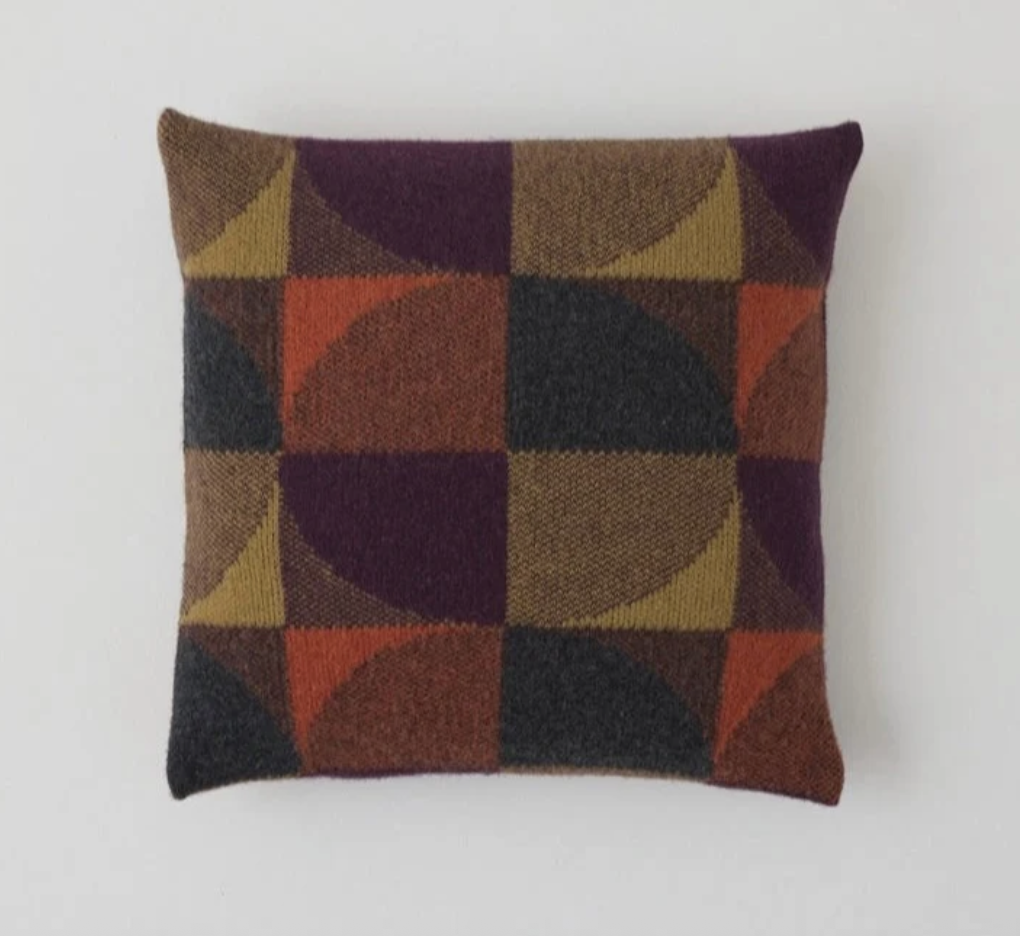
However there are ways to embrace this style less literally – hand-carved reindeer, a simple but voluptuous eucalyptus wreath and a mohair graphic checked throw fit into this aesthetic.
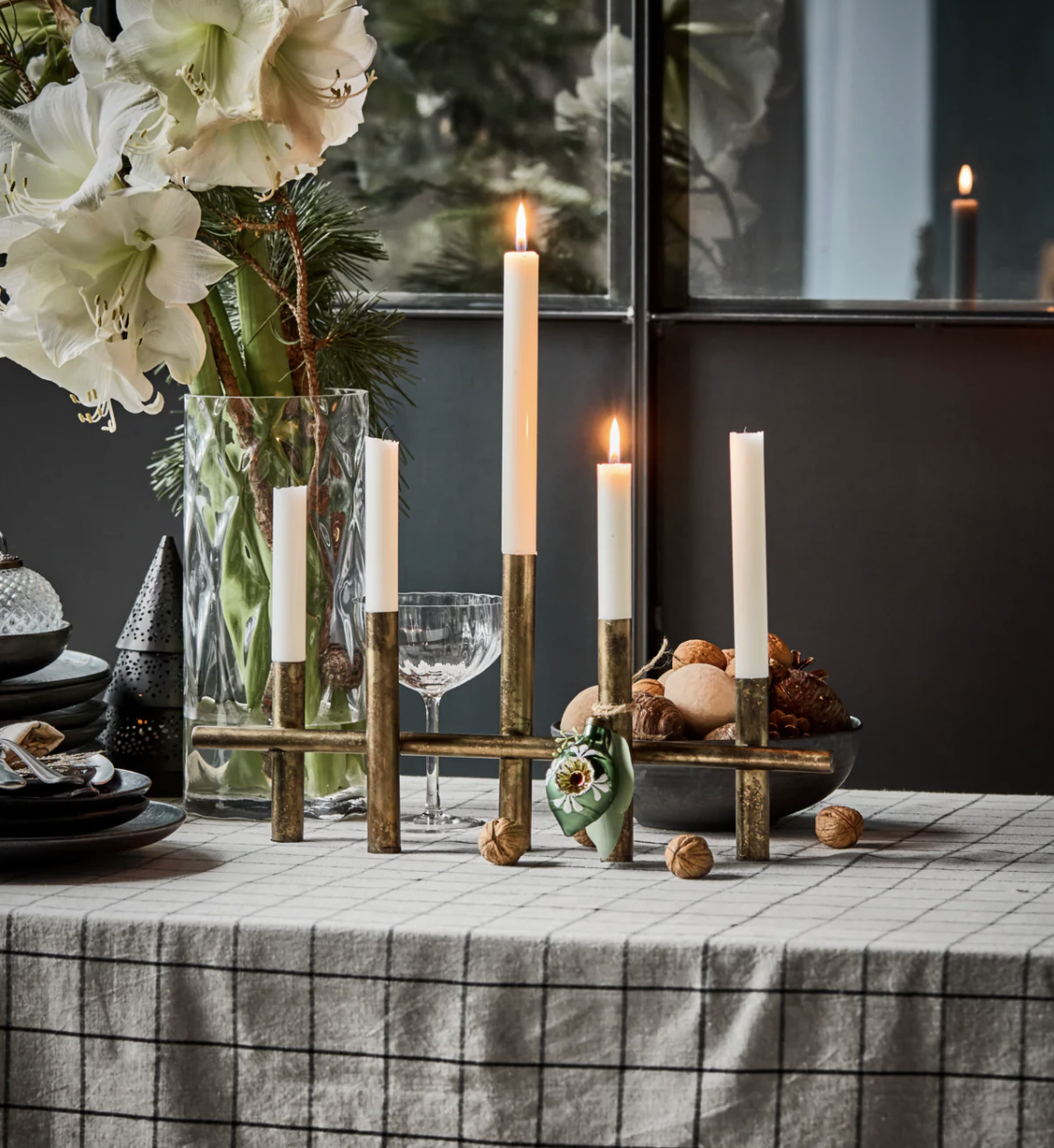
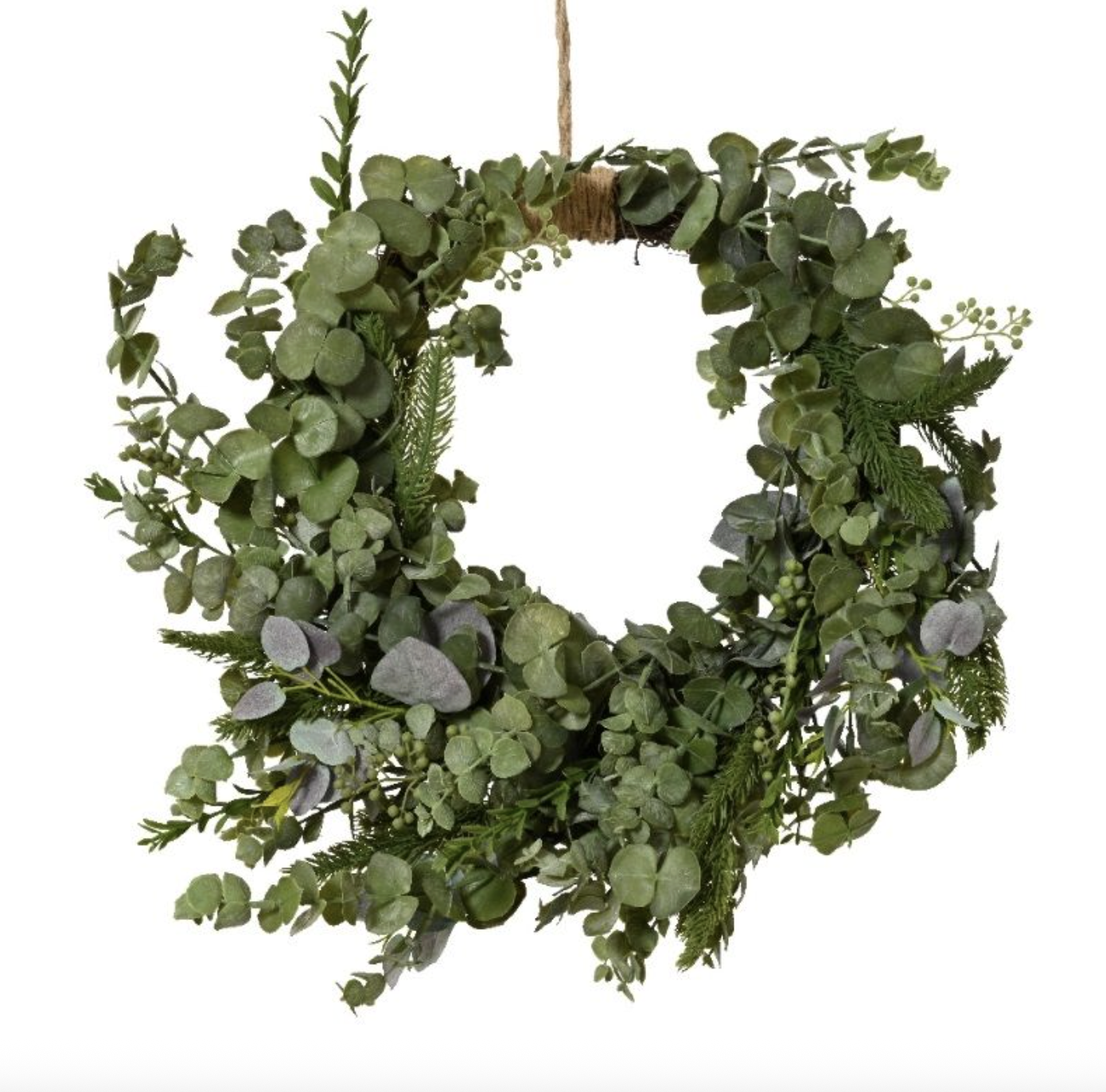
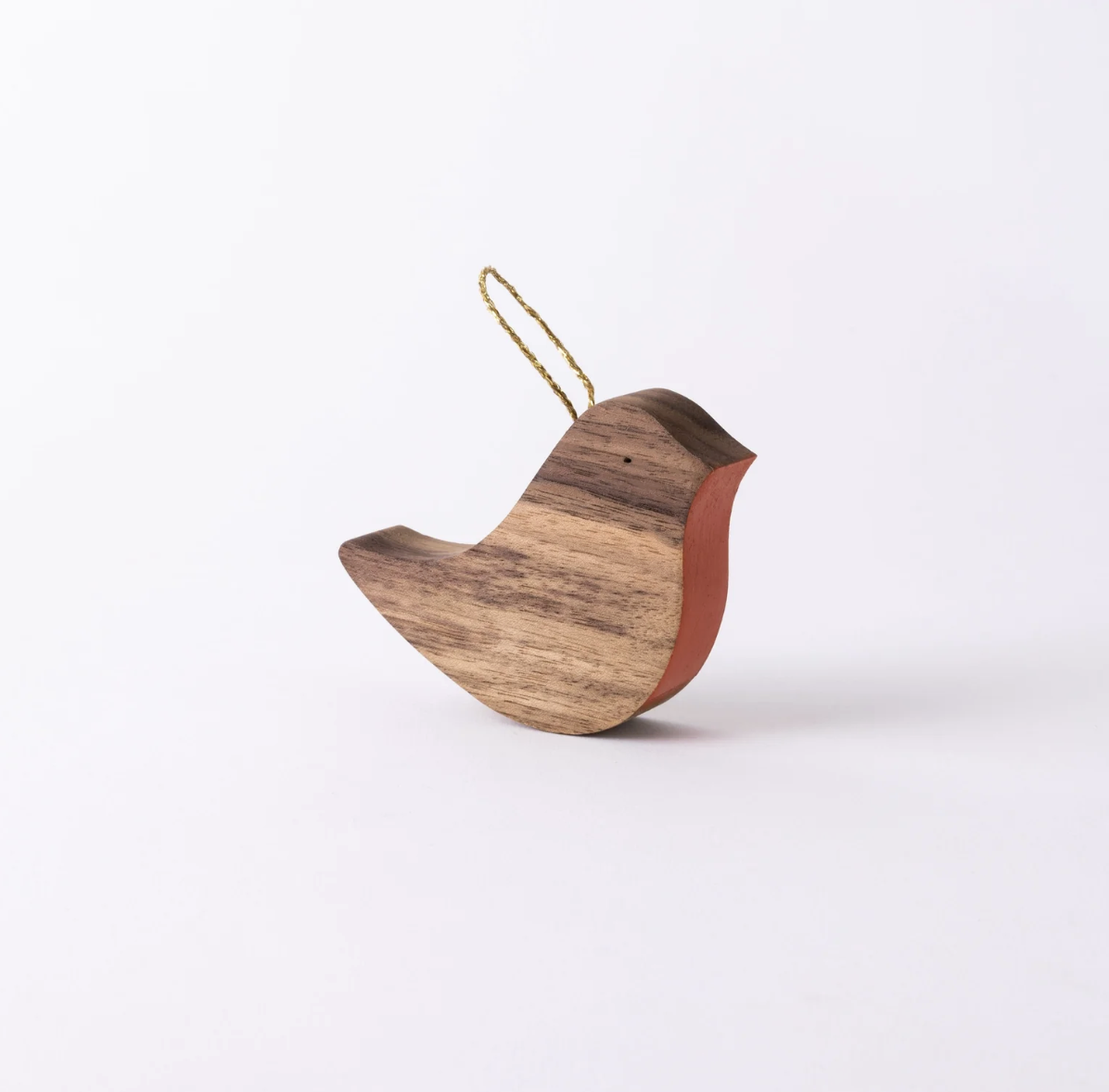
Explore the independent, Irish stores we’ve rounded up for a variety of styles you can combine for a layered, inviting space as the days get shorter, the evenings get longer and your home takes centre stage.
Also Read