





The Interiors Edit: Forget styles, find your aesthetic
The way we think about our interiors style can be too limiting, says interior designer Tanya Neufeld Flanagan.
Defining what style you like is the starting point for most people’s interiors journey, and therein lies the problem.
Most people describe their styles in a fairly limited, binary way. They might like traditional and hate minimalism. “Contemporary with a twist of classic” is very popular. Many love all things modern, from mid-century through to a contemporary Scandinavian look.
This presents a sliding scale from conservative and classic to minimalist and modern; a two-dimensional way to think about the spaces we inhabit.
Go a little deeper and you meet the sub-genres: industrial, farmhouse, modern organic, transitional. These labels feel definitive, like boxes you can tick. Faced with the overwhelm of decorating, people breathe a sigh of relief: now I know my style, I’ll buy from its playbook and achieve the look.
But prescriptive styles date. Not only because trends move on, but because a formula rarely reflects the person who lives in the space. When newness wears off, the room reads generically. Styles can be a shortcut to taste; scratch the surface of the boucle sofa and the replica Danish dining chairs and you often find sameness.
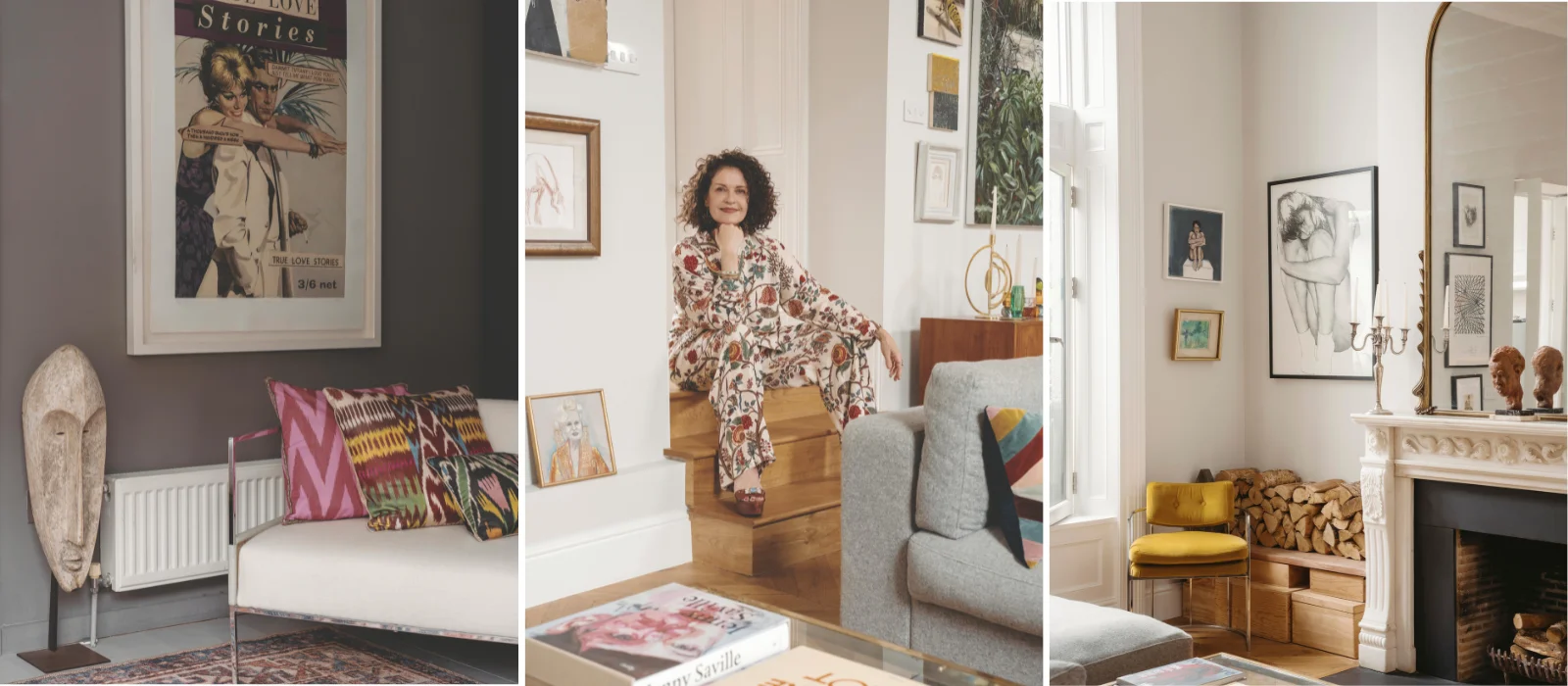
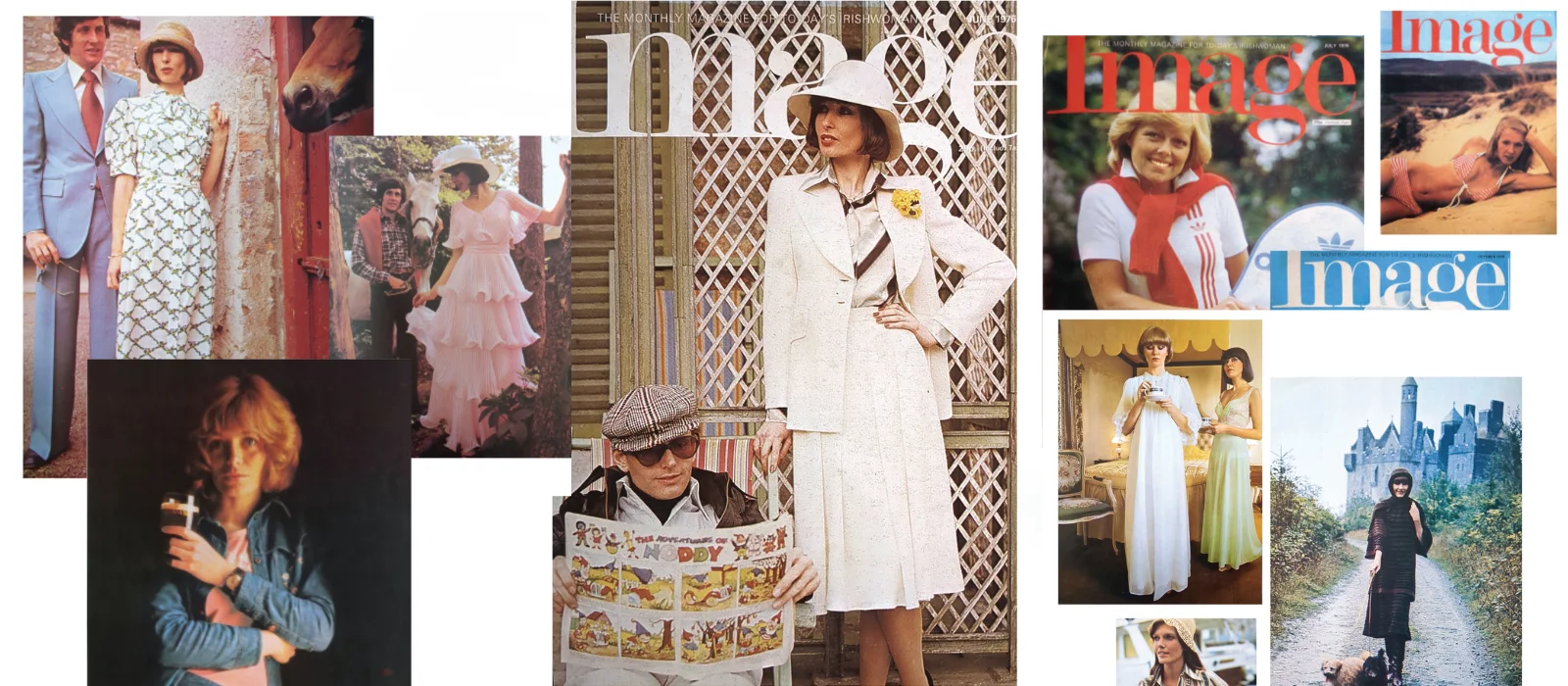
An aesthetic is different. It has staying power. Think of the fashion, travel or interiors accounts you love. The ones that feel original aren’t easily defined. They have an aesthetic – a through-line from the coffee shops they frequent to the Friday-night outfit to the Christmas table. It’s a consistent, layered visual language.
Think Kelly Wearstler or our own Róisín Lafferty; their work transcends one particular style, which is why it’s addictive. Good design is an array of unexpected yet perfectly belonging together elements.
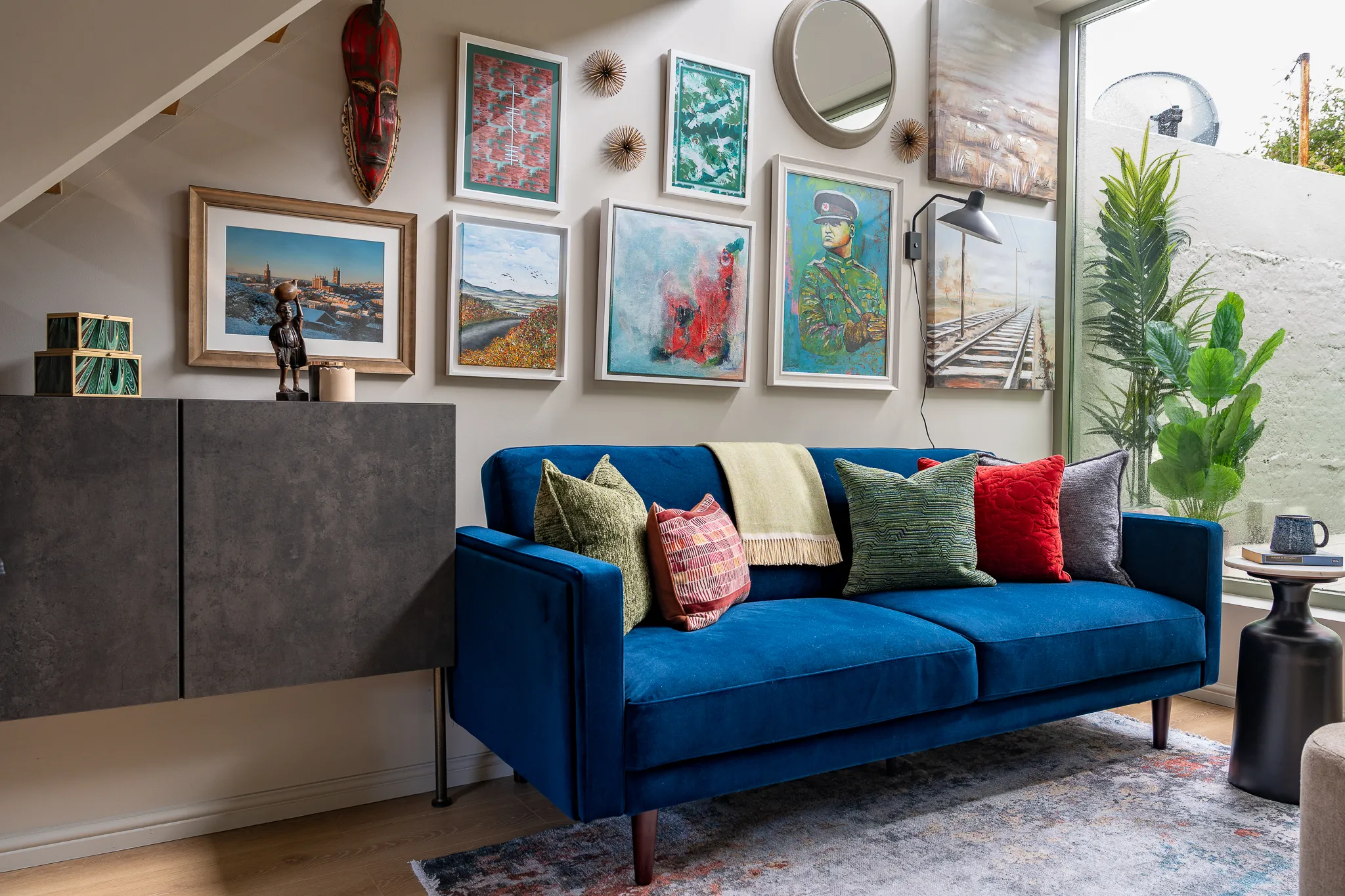
Uncover your own aesthetic and your decisions become easier. You second-guess less, you buy less, and what you do bring home flows. If you’re not a designer, this takes tuning in and a willingness to challenge what you think you like. Here’s where to begin.
Ask yourself if it’s really you
We all get swept up in what’s everywhere: boucle chairs, fluted glass, antique brass. Each can be timeless. But are you drawn to it because it suits you, or because it’s ubiquitous? Pay attention in daily life. When something catches your eye, pause and ask: do I love this because it’s mine, or because repetition has made it feel inevitable?
Escape the Pinterest echo chamber
Pinterest is powerful, but it seeks similarity. Pin one image and it serves you many versions of the same thing, which can land you into replicating other’s styles. Instead, give it a few differing jumping off points of things you truly love for a more original result. Try a piece of art you love, a designer you admire, and a paint colour you’re drawn to.
Seek inspiration offline
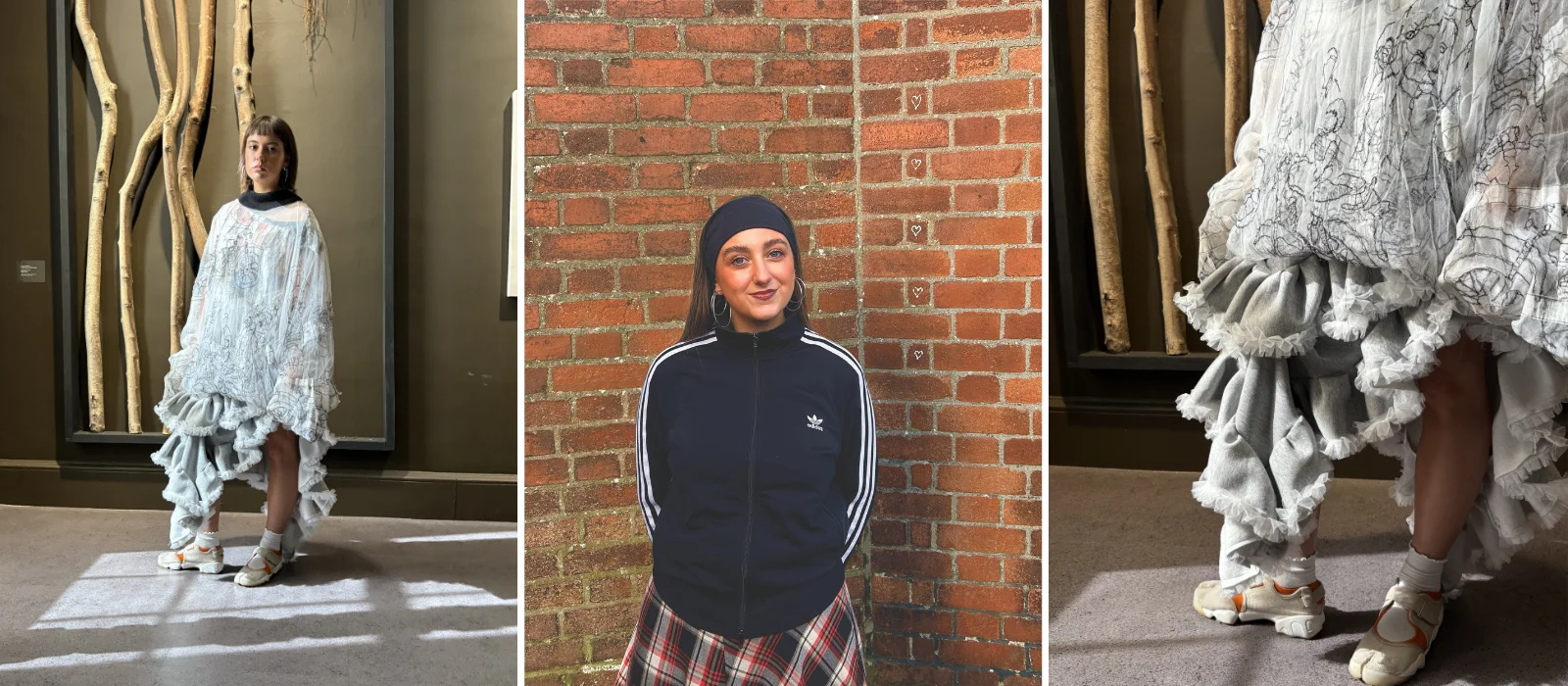
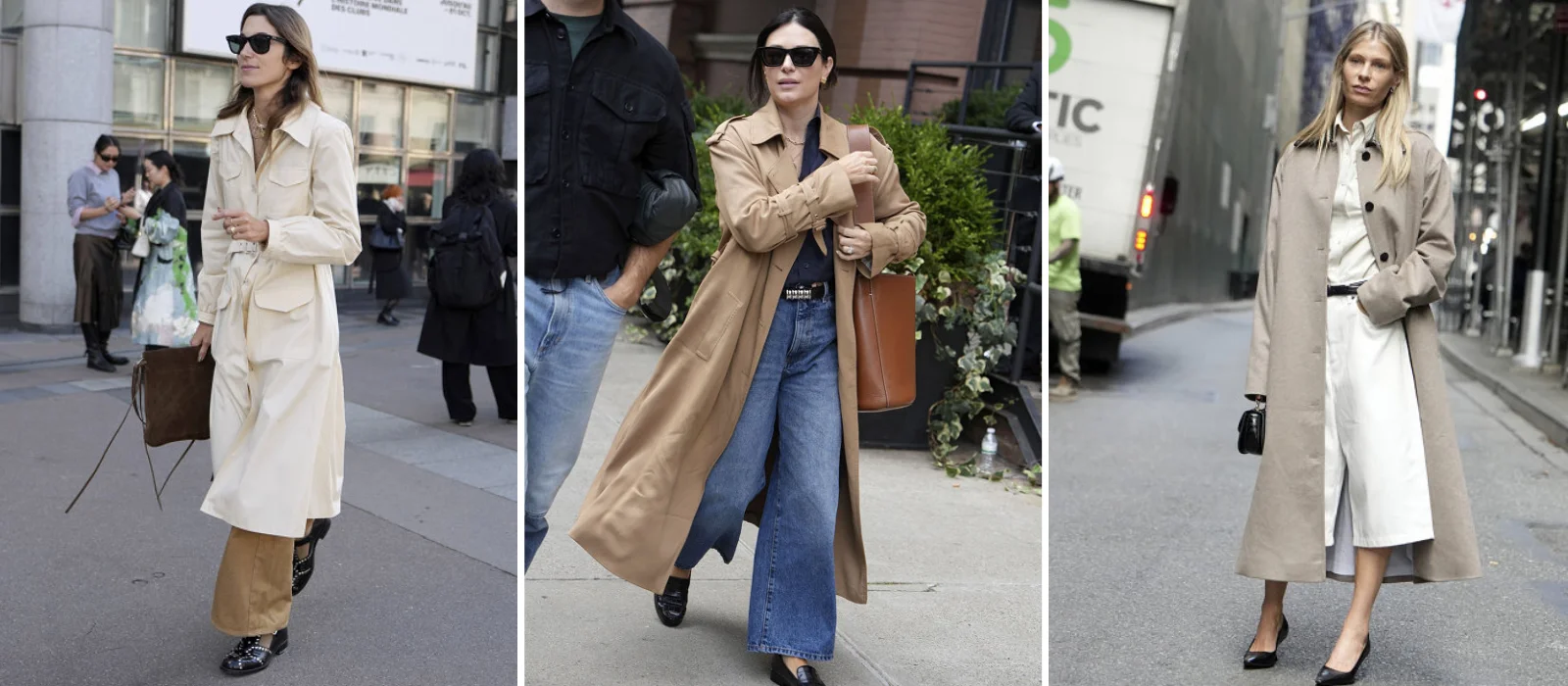
Your aesthetic shows up in the coat you reach for, the cafés you linger in, the materials you touch. Street style often signals what feels current faster than an interiors forecast. Spend time in a gallery and notice what you’re drawn to – colour families, textures, forms. Those instincts translate more honestly into your interiors than an hour of scrolling.
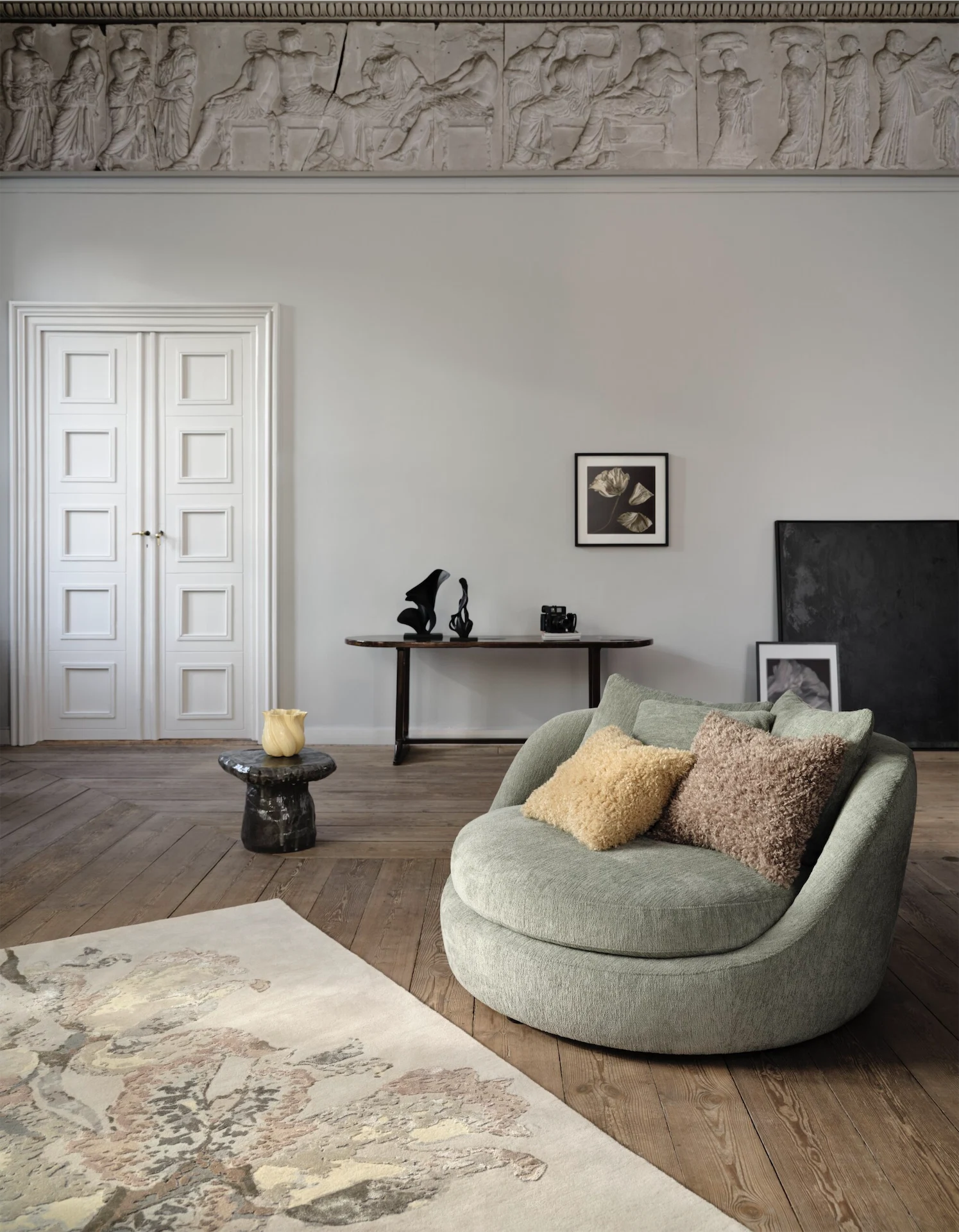

Audit your everyday choices
Look at what you already own and love, not just what you admire online. Which mug do you use daily? Which jumper do you never want to take off? These choices reveal patterns – is it a pop of coral, or consistent cool neutrals, a preference for natural texture or crisp, tailored lines? Your aesthetic is hiding in plain sight; you just need to name it.
Learn the difference between “like” and “live”
You can admire a style without wanting to inhabit it. Concrete minimalism might thrill you in photos; will it comfort you on a damp November morning? Your aesthetic must support your routine, not just your saved images. Separate the inspirational from the aspirational with a simple test: could I live with this every day?
Refine and update
Once you tune in, the work is refinement, not reinvention. Move things. Retire pieces that don’t fit. Add only what strengthens the through-line you’ve identified. As with a good wardrobe, small, steady edits build a signature while keeping a look “fresh” with the times. This isn’t about rejecting trends, but rather about embracing things that speak to your visual language.
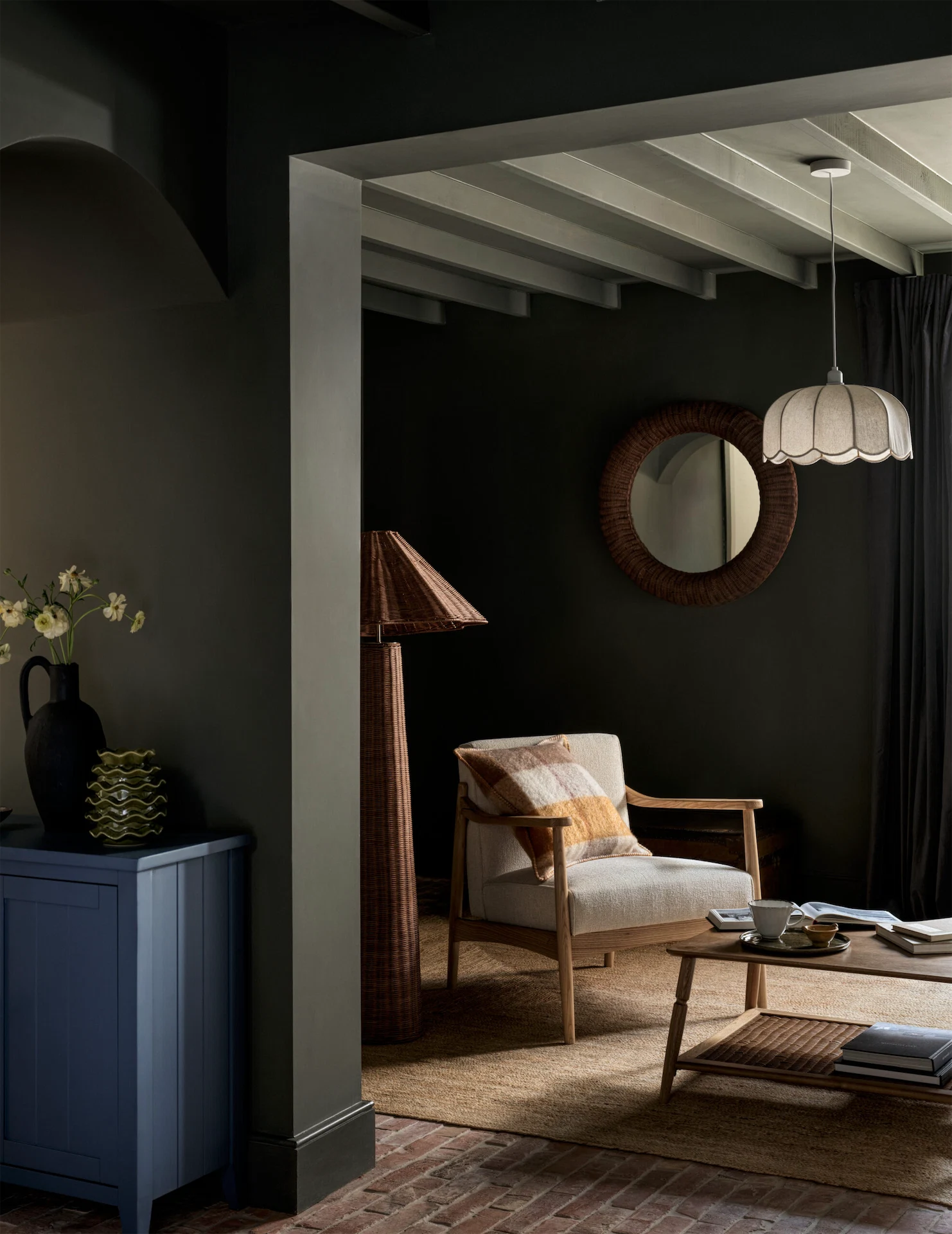

An aesthetic evolves with you; it isn’t tethered to a decade or to what retailers push this season. It can absorb new influences and keep its core. Most importantly, it feels authentic. That is the atmosphere people sense when they walk through your door.
In a market where housing is tight and renovation costs keep climbing, clarity helps. Knowing your aesthetic narrows choices, prevents expensive mistakes, and keeps your rooms from becoming a patchwork of short-lived trends.
So here’s your permission to stop trying to define your style. Pay attention. Ask better questions. Look up from the feed and at the things you already love, then edit your home to reflect what you find. Timeless interiors don’t follow rules; they tell your story.
Also Read