



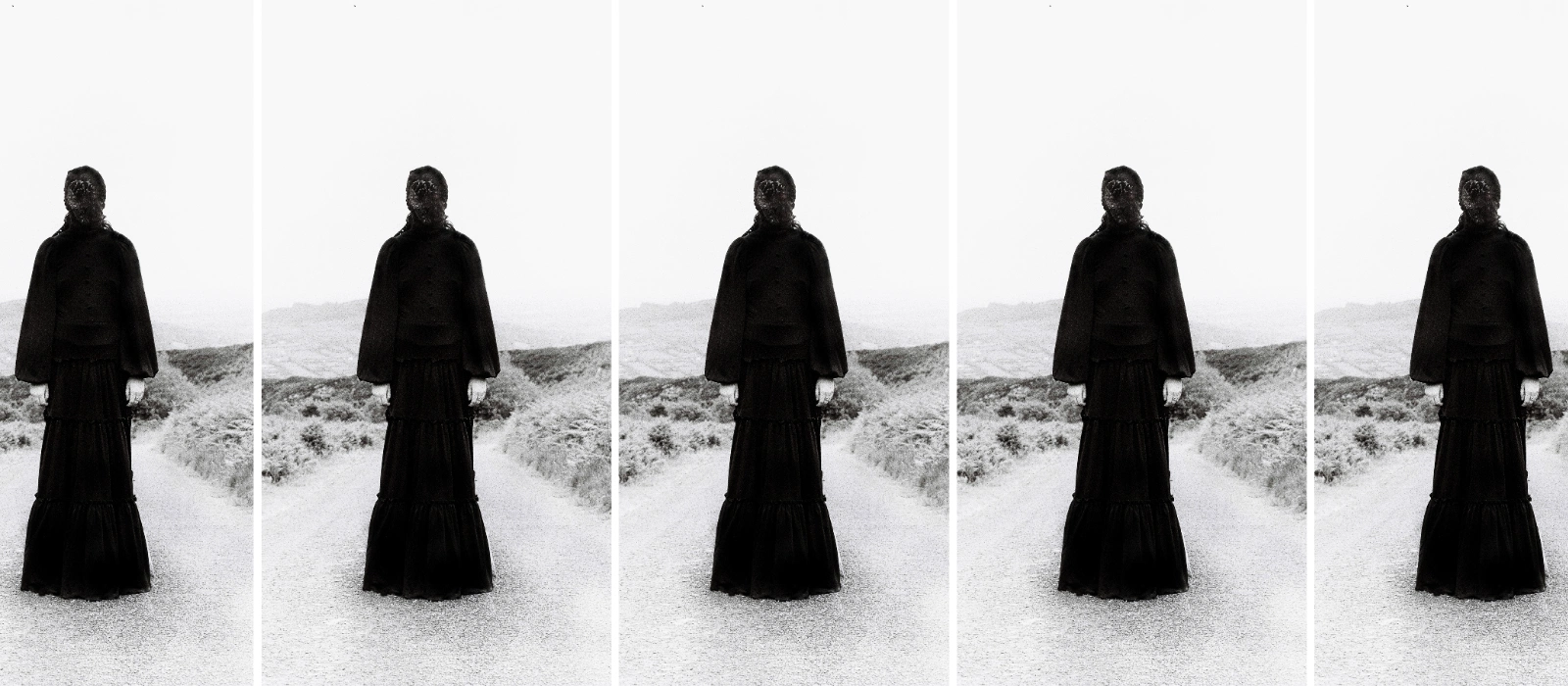
Death and grief are part and parcel of life, but so too is the ecstasy and rapture of existence. That’s what RÓIS’s 2024 album, MO LEAN, is all about. Sarah Gill sits down with the Fermanagh-born, Belfast-based vocalist and composer to talk about the catharsis of sound and the eternal resonance of grief.
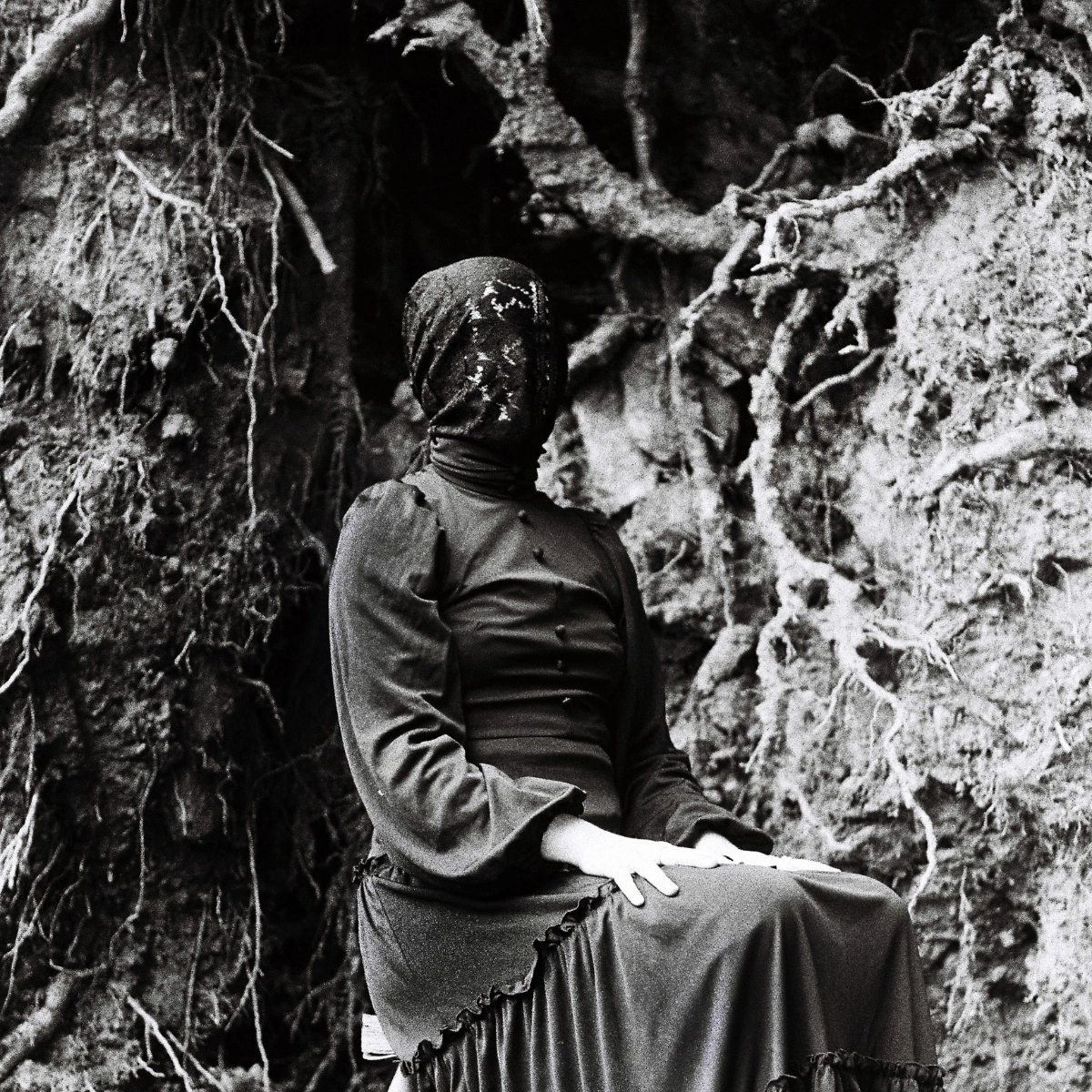
In the year since the release of her sophomore album MO LEAN, composer, vocalist, multi-instrumentalist, and electronic artist RÓIS has been roving around the country, bringing her genre-bending, shapeshifting and entirely immersive live performance to venues and festivals here, there and yonder. The two-part ‘Irish Wake’ show envelopes you in a wall of sound, surrounding you with seemingly sinister, vaguely macabre oscillations before finishing on an enlivening high.
“The first half is a representation of the catharsis of death and what grieving is,” RÓIS explains of the conceptual approach to performing the album live. “It’s a booming soundscape, a bit mad, and very emotional. The second half has taken a lot of different forms. I’ve got a dancer who comes in as a visual representation of what it would have been like if Ireland hadn’t been colonised by Catholic guilt. They’re a burlesque, striptease dancer, grinding on the crowd. Wakes used to be a whole celebration of life, with games and matchmaking and debauchery. I wanted to bring that in.”
The Angelus, the death notices, scrolling on RIP.ie — all indelible parts of Irish culture, all moderately morbid and wholly ordinary daily occurrences when growing up in Ireland. It’s become something of a stereotype, our fascination with death. Much memed is our penchant for sorrow and the pageantry of mourning. We wear it well, thanks to centuries of colonisation, famine and general hardship.
Pagan rituals and later, Catholicism’s emphasis on the afterlife brought a familiarity to death, a camaraderie. Death in pre-Christian Ireland was coloured with the ancient tradition of keening (from the Irish caoineadh), which involved the wailing laments of a woman or women at funerals and wakes. Keens were performed by bean caointe, a keening woman, who would vocalise the despair of those gathered, expressing sorrow for the deceased that continues to run deep in the veins of their descendants.
RÓIS came to screaming before discovering keening, citing Nirvana and Julianna Barwick as early musical influences. “I was a bit of an emo kid,” she tells me. “That’s what I found interesting in it growing up: music as catharsis. I love getting really into it, getting overwhelmed by it.”
Whether it’s going through grief or anxiety or just rushing around because I’m late, getting into the car and screaming is a relief.
“Whether it’s going through grief or anxiety or just rushing around because I’m late, getting into the car and screaming is a relief. I got into keening outside of that, and the whole thing came together very naturally and serendipitously.”
RÓIS, believe it or not, wasn’t all that interested in singing at the start. Studying composition in the Royal Irish Academy of Music and later moving on to The Hague, she was more interested in honing in on and mastering the music side of things first. “I was quite stubborn,” she recalls, “and I didn’t want to become the token singer in a band. I wanted to do all the instruments first.”
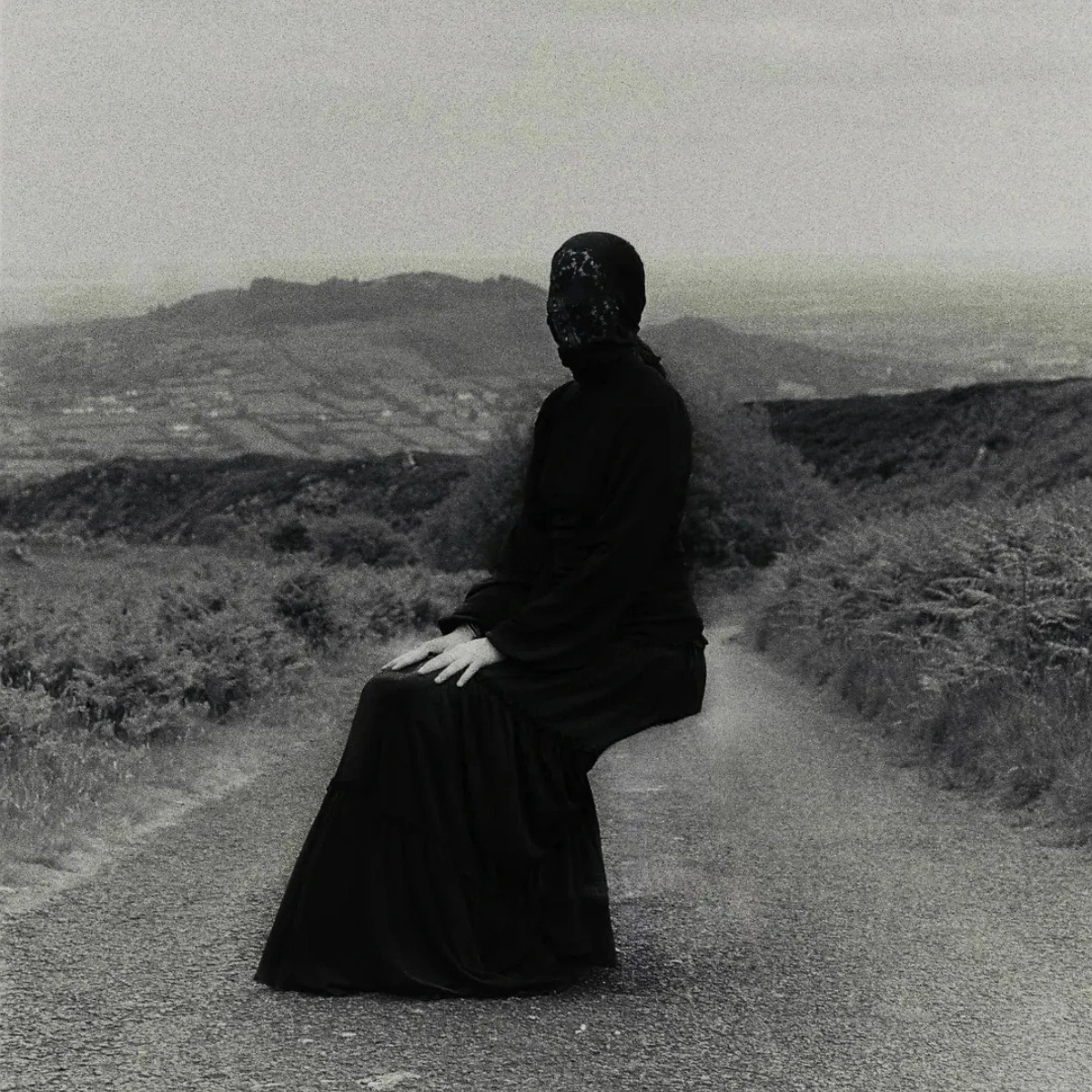
Having discovered two of the last remaining recordings of keening songs, RÓIS took these ethereal melodies, reimagined them, and brought new life to them. She layered piano and synth and layer upon layer of noise to build these transcendent soundscapes that burst right through to another realm. She’s honouring the past, that communal expression of sadness, and flinging it into the future.
“It’s all very intuitive, that motherly, primordial sound,” RÓIS says as our conversation turns towards how more contemporary artists like Sinéad O’Connor and Dolores O’Riordan tap into the grief in our DNA, with wails often verging on keening. “It’s a celebration, and I didn’t want my set to be all sad and depressing. I wanted to uplift people and have the craic, and do something a little transgressive. It’s important.”
Creating a conceptual body of work is important to RÓIS, whether that be on the topic of death, nature, politics, cultural loss or suppression. “My work tends to be quite theatrical, which I continue to be surprised by,” she remarks. “I’ve got a three-year residency with Crash Ensemble that will culminate in an exciting project. It’s inspired by local anthropologists around Ireland. It’s based on the book about the death of rural Ireland, written in 1967, that remains relevant today.”
Rural Ireland, her own Fermanagh-isms and vernacular, and heritage have and will continue to inform RÓIS’s approach to her art. Whether it’s funnelling her father’s cattle call into a techno tune, finding glimmers of inspiration in the absurdness of Flann O’Brien, the “raw, border” work of Patrick McCabe, much of RÓIS’s music uses elements of where she comes from. Self-sufficiency remains a priority, too. As she puts it: “There’s a lot of psychology to it. A lot of trusting the process.”
RÓIS will perform in Cork city this weekend as part of Sounds From a Safe Harbour’s incredible line-up, find out more here.
Also Read