






Unsplash
Noma, abuse and hero worship: Inside the culture of high end kitchens
Insults to our intelligence, hero worship and identity crises, and shooting from the hip in the age of new media. Also, a neuroscientist on if we can taste the suffering of chefs. James Gabriel Martin of Leviathan delves into the culture of high end kitchens.
It always seems to start the same. The posts begin with a disclaimer. “I want to be clear. Abuse of any kind is unacceptable. However…” Aw shucks. You’ve already lost me.
This week, I’ve watched in frustration as a frankly confounding number of my fellow chefs have contorted themselves into human pretzels while sharing their confusing and bizarre takes on René Redzepi and the reports of abuse coming out of Noma. In some respects, there have been eerie similarities across the board. They share photos of Redzepi on their Instagram profiles, or leave heart emojis on the Noma account, or they like comments from the more outspoken social media users excusing his behaviour or discrediting the victims.
From there, it can diverge, like a tapestry of endless multiverses unravelling in a tangled mess, depending on how willing the chefs in question are to stick their necks out for Redzepi. They do just enough to be able to contextualise their show of support, however. And here we get the muddled takes and perplexing flexing.
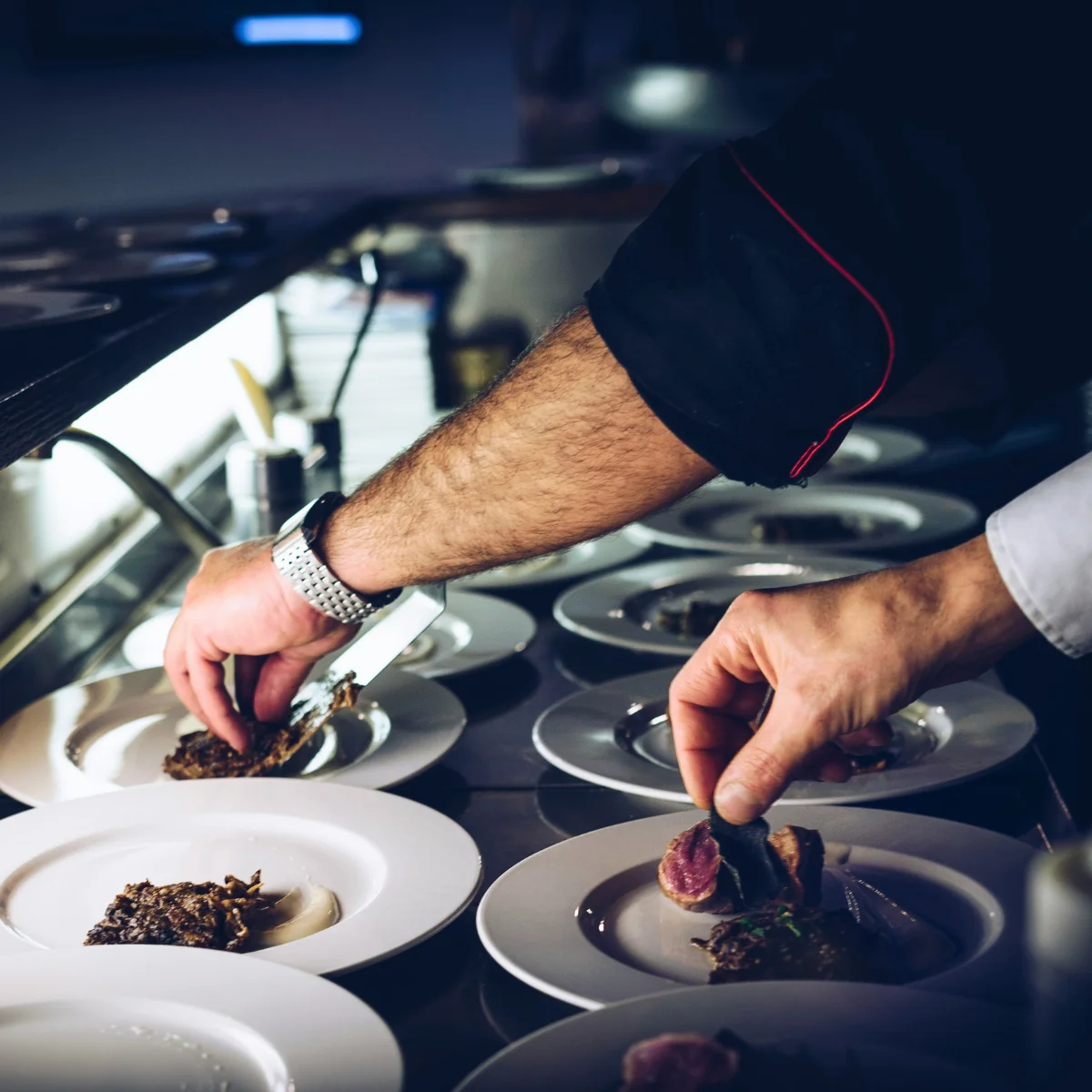
Some start with the qualification as outlined above—stating that they are not an apologist for abuse and that they believe change is needed in the industry—before delving into explanations on the demands of professional kitchens, the stressful nature of striving for perfection, the passion and dedication that links industry workers together and the incredible breakthroughs and opportunities that people like Redzepi have had a hand in facilitating over the years.
I’ve read the words “context matters” a shocking number of times, or variations on it, calling for “nuance” and “good faith” in conversations around the Danish chef, before they once again begin stating his accolades. As if achievement can scrub out the ruination.
Some seem too preoccupied with their own success stories to be able to pause long enough to see if they are capable of empathising with the victims, instead choosing to defend the genius of their hero and the role that he has played in their journeys as people or professionals.
Others have called out the hypocrisy of the general public, who have enjoyed watching Gordon Ramsey raging and shouting in kitchens as entertainment on television, but who are now appalled at the Noma ordeal. Double standards, they say, and this from people who have never even stepped foot in a professional kitchen and therefore are really in no position to comment on it. Oh. But just to be clear, abuse is bad and they do not condone it.
There’s a scene in one of my favourite comedy series, It’s Always Sunny in Philadelphia, where the character of Mac states to the gang, “I’m playing both sides, so that I always come out on top.” The posts that I’ve seen circulating from certain industry workers are dripping with this mentality, and we are expected not to notice. It’s as if by presenting these strange commentaries in as vague a way as possible and then documenting them, they can, at a later date, revisit them if needed as evidence of—something or other, support for the right team maybe?—depending on how things go. Just in case there is a return to the status quo. It’s disingenuous and unnerving.
People are wise to it though. We live in an age where every person walking down the street has a fully equipped media studio in their pocket. I would argue that in some cases we have actually become more shrewd at spotting bullsh*t, even in a post “fake news” world that is rapidly being drowned in AI slop and misinformation. The games being played can still be identified. A prime example of this is the unhinged “off the cuff” video from the site of the Noma LA pop-up that showed Redzepi making one final rallying speech in front of his tearful brigade. There was the shaky camera that signified earnest humanity, that this was a shocking, raw moment that called for sudden and heartfelt documentation, immediately undercut, of course, by the fact that there were multiple camera angles that signalled a multi-person production crew. It didn’t seem to fool many people, and when watching it, it simply leaves you with the sad thought that the Noma workers are still being exploited, this time to drum up sympathy for their failed leader.
All of us have such rapid access to information now, both consuming it and sharing it. I’ve seen a few chefs backtracking due to blowback, and I do feel bad for some of them. Perhaps they did just misspeak. There’s always the option to say nothing. I am trying to remind myself of that more and more these days, to take time to fully digest things before sharing my take or to question my motivations or even the necessity of me saying anything at all. The irony is not lost on me that I say all of this in a piece of writing where I am spouting my unasked-for opinion.
There are important conversations taking place right now about an industry that I love deeply, however, and I think that is very important. Much of the discourse has been frustrating, especially when it continues to loop back to the genius of certain chefs and the demands of kitchen life. It feels like a justification that does not need to exist. Kitchens can be extremely hard work while having a line that should not be crossed.
I’ve tried to get to the root of this feedback loop, to extend a level of understanding to fellow industry workers with stances that are not aligned with my own. In conversation with others, I’ve heard it pointed out time and time again that people who rush to present apologies for abusive chefs are likely abusive themselves. I don’t think that we can take that as a given. My theory is that it has more to do with the fragility of identity. Kitchens have long been a haven for the lost, the eccentric, the passionate and the sensitive. Every one of us is searching for meaning in our lives, for an escape from the certainty of death and for evidence that our time on this earth has meant something. Cheffing offers purpose, creativity, and the chance to sustain people with unique offerings of art where nature, technology and creativity converge. I completely get that. The more time I spend turning a dish over in my mind, the less time and energy I will spend dwelling on the darkness of modern life, existential dread or anxiety or depression. At that stage in proceedings, chefs are already bought in. They have found purpose. The next step, naturally, is to identify strongly with heroes in the field. To look up towards the mountain in awe at those who have reached the summit. That’s only natural and it can offer healthy goals and objectives. It’s impressive to be named the number one restaurant in the world. It’s impressive to be at the forefront of a new way of cooking, to have excited patrons and food critics alike. I fear for my fellow chefs who cannot separate themselves and their identity from all that inspires them.
You can absolutely still be in awe of what Noma has achieved while at the same time being appalled by the working conditions that have been exposed. You can still strive for perfection and artistic expression in your own life and career while having standards for what is acceptable and what is unacceptable. You can still move with urgency through a bustling kitchen that invigorates you; no one is here to take that from you. You still exist. We’re just saying, maybe people shouldn’t get stabbed at work.
Since all this broke, there has been a question that has been turning over and over in my mind. Just as an experiment, instead of casting them aside, let’s instead fillet and have a look inside some of the red herrings from those who defend the status quo as simply a by-product of the tough working conditions of kitchens. The question that I kept returning to was this. Is a chef under duress cooking to the best of their ability? Is it possible to taste the stress of a kitchen?
Scientific studies have proven that we can essentially taste when things are made with love. A 2012 paper by The University of Maryland titled, “The Power of Good Intentions: Perceived Benevolence Soothes Pain, Increases Pleasure, and Improves Taste” documents a study that saw participants being placed in two separate groups, a “benevolent group” and an “indifferent group”. The first group were given candy in a package with a note attached. The note read: “I picked this just for you. Hope it makes you happy. The note for the second group read: “Whatever. I just don’t care. I just picked it randomly.” The candy not only tasted better to the benevolent group, but it also tasted significantly sweeter. “Perceived benevolence not only improves the experience of pain and pleasure, but can also make things taste better,” the study concludes. There are a number of other studies, but they all seem to hinge on the participants having knowledge that the food was cooked with love. Proving the opposite—can we essentially taste the suffering of a chef in a dish—is much trickier, however.
I spoke to Dr Miguel Toribio-Mateas, a clinical neuroscientist, nutritionist, and applied microbiologist with a doctoral degree in Gut Microbiome & Mental Health. Rather than telling me that my question is ridiculous, he instead politely offered the following: “From a neuroscience point of view, I do not think we taste stress as a literal substance or ingredient in food, so it’s not like someone’s cortisol could somehow become a flavour. But I do think we can taste the effects of stress on cooking. When someone is stressed, especially in a high-pressure or harsh environment, it can affect attention, patience, timing, touch, and sensory judgment. And all of that matters in cooking. It can change seasoning, texture, balance, and consistency.
“And another interesting fact is that flavour is not just about the food itself but about how our brain experiences it. The context of where you have your food, the rest of the emotions your body is experiencing at the time, the atmosphere, and the feeling around that meal all play a role in developing taste in very real ways. In short, I would say we probably do not taste stress directly, but we can absolutely taste what stress does. And by the same token, I think food made with care, presence, and love can genuinely feel different too.”
Back to our red herring sashimi, currently stinking up the proverbial chopping board. We’ll continue to play devil’s advocate for one moment, casting aside those soft and silly notions such as empathy, workers’ rights and human decency, looking at the kitchen purely as an efficient pipeline for the implementation and execution of a genius chef’s vision. Even from this point of view, does it still make sense to mistreat your staff? Does it makes sense to spend your time plotting and planning your next big menu, trialling recipes, sourcing ingredients, sending foragers out to get the freshest seasonal berries, having them picked over to ensure uniform size, quality and quantity, only to hand them over to a chef who is overworked, underpaid, on edge and terrified of the retribution of making one wrong move? That’s not a sensible workflow. It’s a waste of energy, it’s a failure in leadership, and it’s as insulting to all that nature provides as it is to those who work with it.
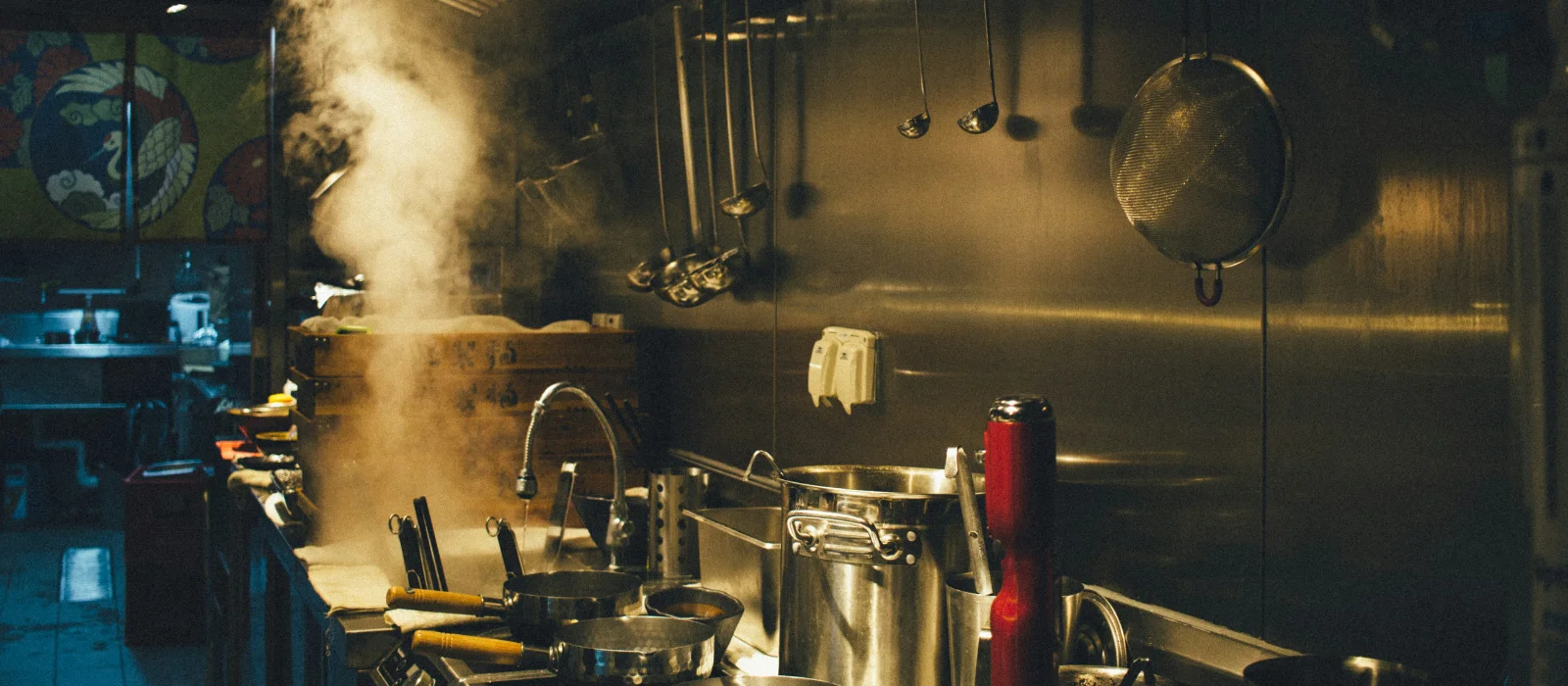
One of the things I’ve seen cited the most when the discussion turns to Redzepi and his genius is the sense of place that he has managed to create. He placed Denmark on a plate, and inspired other chefs to do the same with their own locale. To go out and explore the food on their doorsteps. Well the kitchen is also a place. And the people who work there are not just a means to an end. They are the wardens of your vision. Treat them as such.
And remember. Be careful when out foraging. Leave what is poisonous outside of the kitchen.
This article originally appeared on James Gabriel Martin of Leviathan’s Substack, which you can subscribe to here.
Also Read