
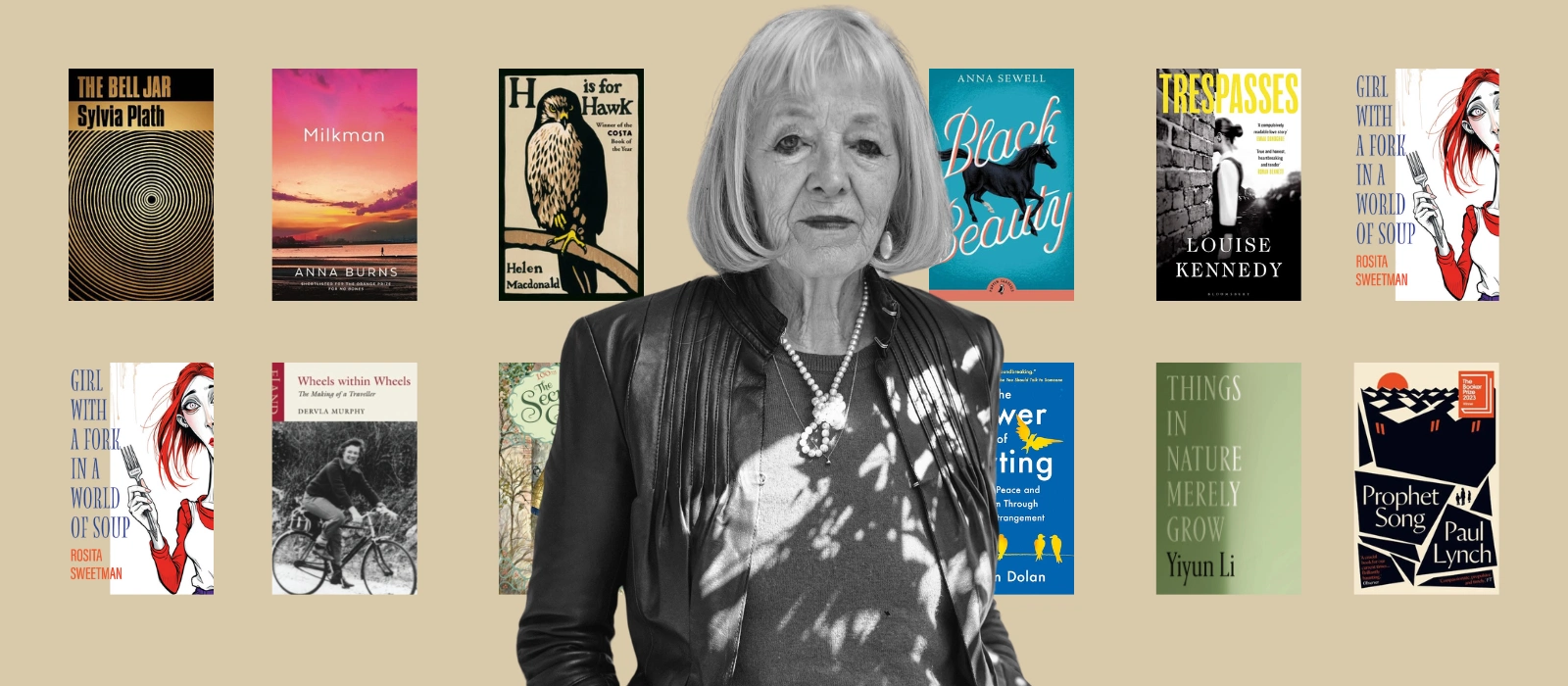
Page Turners: ‘Girl With A Fork In A World Of Soup’ author Rosita Sweetman
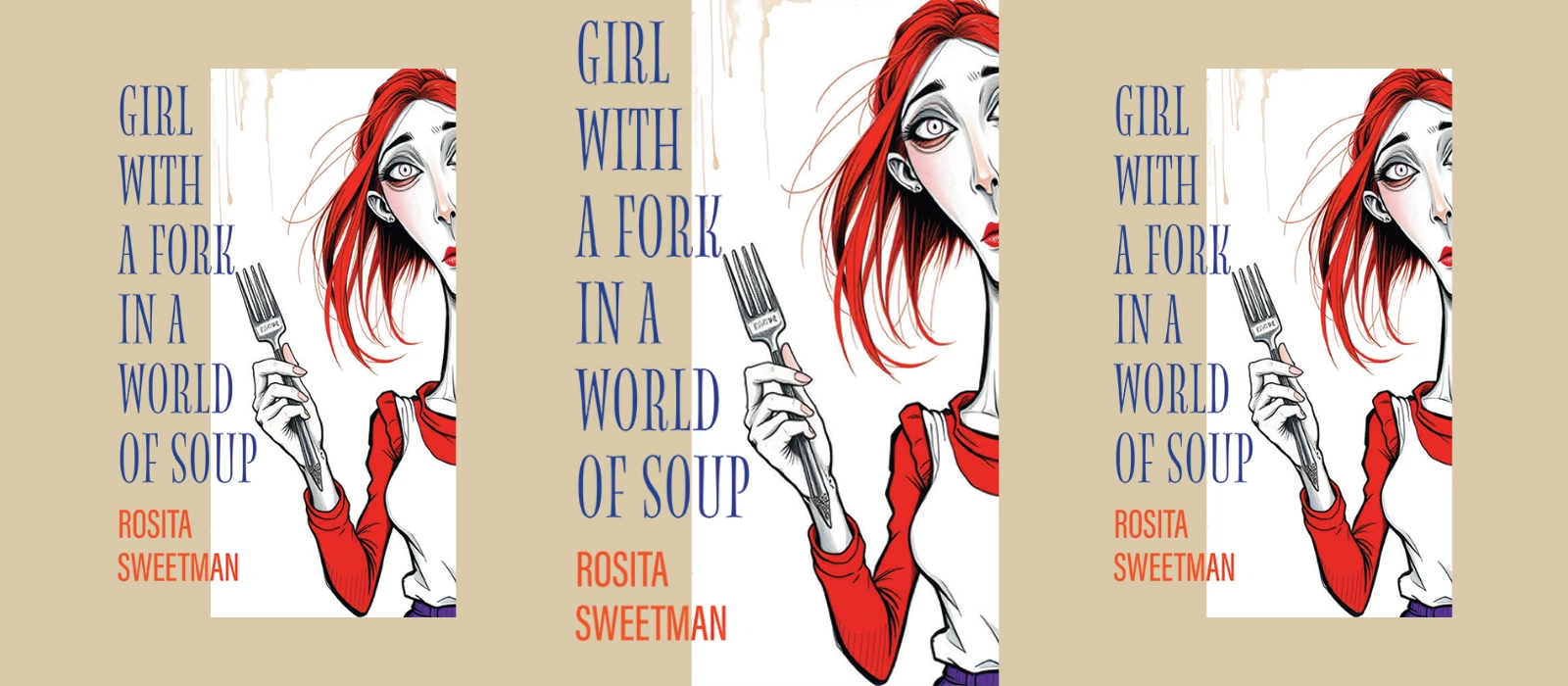
Writer and a feminist Rosita Sweetman returns to publishing after a 41 year hiatus with her incredible memoir, Girl With A Fork In A World Of Soup. She reflects on finding the courage to face past traumas head on, the great works that inspire her, and the intimacy of reading.
Girl With A Fork In A World Of Soup is a disarmingly candid portrayal of Rosita Sweetman’s turbulent upbringing and a marriage marked by abuse and frequent infidelity. A woman who refuses to succumb to the least self-pity, Rosita tells her story with a dispassionate, piercing humour that readers will find irresistible.
Set against the backdrop of mid-20th-century Ireland, Sweetman’s narrative weaves through the idyllic yet troubled early years, the heart-wrenching loss of her sister Cathy and its devastating effect on her parents’ relationship, and the harrowing experiences of boarding school. Delving into the darkest corners of her troubled marriage and her husband’s affairs, she tells how she finally managed to break free and begin on her own journey to self-discovery.

Did you always want to be a writer?
My Dad was passionate about writing. Going through a trunk of ‘stuff’ (for my memoir Girl With A Fork In A World Of Soup), I came across a poem I’d written to him, aged nine, and at boarding school. I think Dad decided if he couldn’t finish a novel, or a book of poems, because of fragile health, no money and nine children, at least he’d have a daughter who could. As in all big families, we were assigned roles: Perfectionist, Ballerina, Boy. Mine became Writer.
I had early success: three books in succession — On Our Knees, Fathers Come First, and On Our Backs — which were all 60,000-plus PAN Best Sellers. A marriage descending into abuse brought on a career collapse. And a marriage collapse. Afterwards, I seemed stuck trying to write the same book two million times. Having it refused.
In 2015, the Lilliput Press re-published my debut novel, Fathers Come First, as a modern classic. As a follow-up, my wonderful daughter Chupi said, “Mum, you were a founder of the Women’s Movement in Ireland. Write about that.” So I did. Feminism Backwards was published in 2020 thanks to the amazing Mary Feehan of Mercier Press, and I was back on track again. After a 41-year drought.
What inspired you to start writing?
I was born in 1948. There was no Netflix. No YouTube. No social media. Reading and writing were what we did. As little ones, Mum read us all the classics, Alice in Wonderland, Little Lord Fontleroy, Black Beauty, Little Women. Mum on one side of a big log and turf fire in the drawing room, Dad on the other, us little ones, enraptured, between them. As we got older, we got our own books off the bookshelves (I still have them) or from the library. A world at one’s own fingertips.
Reading, or ‘staring at slices of wood with marks on them, for hours, while hallucinating vividly,’ is crazy when you think about it. For many, writing is the next stage along that winding path.
Tell us about your new book, Girl With A Fork In A World Of Soup. Where did the idea come from?
I’ve been trying to write this story for such a long time. The story of a marriage, my marriage, that turned abusive. It was only when I found a really good therapist — bless you, Ursula Browne — that I was able to finally get to the truth of it.
Ursula, who trained with Prof. Ivor Browne (no relation), uses ‘abreaction’ or the methodology that believes the only way to heal a trauma is to revisit it, feel the feelings you couldn’t feel at the time because you were too young, too overwhelmed, too terrified, and, with the help of your therapist, become that six year old, twenty year old, 46 year old self again — whatever the age you froze at — and go through the trauma, but this time feeling the feelings. Screaming, crying and beating the hell out of your pillow are encouraged. Anything that will bring those frozen feelings to the surface and allow you to release them.
It was only after completing multiple abreaction sessions with Ursula that I was able to access the pain and trauma of what I, and my children, had been through at the hands of my ex-husband and my family.
What do you hope this book instils in the reader?
So many women, after reading Girl With A Fork In A World Of Soup, have told me about their own abusive marriages. People whom I thought were sailing along without a bother have also been through hell. If this book helps a woman to confront or get out of a bad situation, that would be amazing. I also hope all of us, everywhere, remember how incredible children are, how easily they are hurt, and how incredibly important it is to love them.
Love, love, love is everything.
What did you learn when writing this book?
I learnt for the millionth time that only by finding out what you really feel about something can you act with integrity. The alternative is to skate over the surface of life, distracting yourself with media, gossip, shopping, never getting down to where the real stuff is.
Tell us about your writing process.
When I’m writing, everything — housework, shopping, gossiping, even reading other people’s books — goes to the wall.
Getting stuff down is key for me. You can always revise afterwards. Or as Colette said: “an author is one who can judge his own stuff’s worth, without pity, and destroys most of it.”
I like writing by hand. John Le Carre said the brain moves at about the same speed as writing by hand. I love a loaded black pen and sheets of white paper. Bits of cardboard, used receipts, already written on sheets will also do if inspiration strikes. By the time you get to transcribe the scribbles onto your laptop, you’ve already started the editing process.
I don’t play music. Don’t drink. Don’t (usually) work at night. Music and wine turn the writing soppy. In the morning, everything has to be bonfired.
An invaluable lesson I’ve learnt from writing for newspapers is editing. I’ve raged mightily when asked to reduce a scintillating 900-word piece to a bald 600, only to look back and marvel at how cutting has improved things. As the great master Roald Dahl said, “Good writing is essentially rewriting. I am positive of this.”
Where do you draw inspiration from?
Frida Kahlo said, “I am my own muse. The subject I know best; I want to know better.” I adore how she mined her own life for her work. We all desperately need to understand ourselves better to try and stop the madness currently taking over the world. Writing is a journey of discovery anyone can undertake.
What are your top three favourite books of all time, and why?
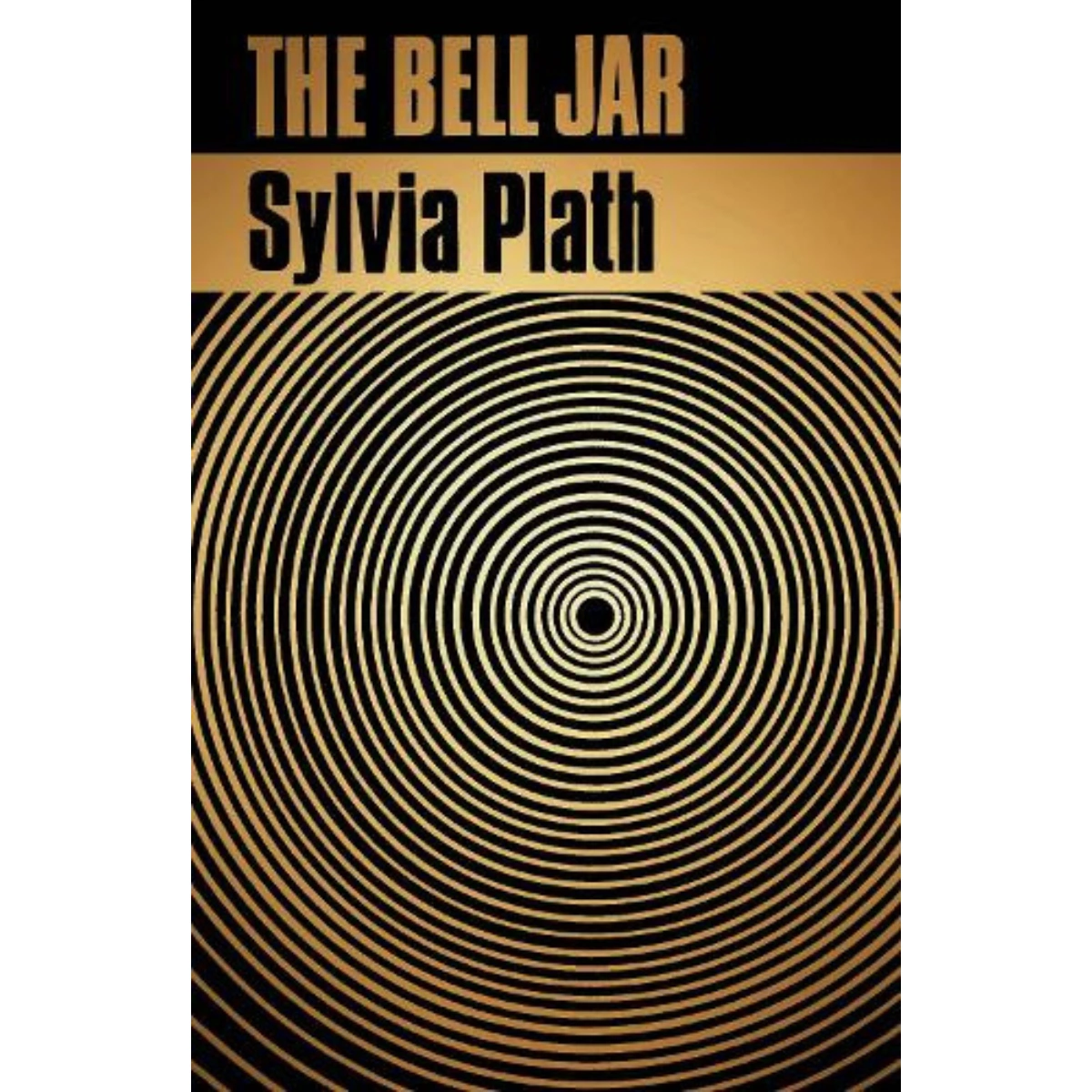
The Bell Jar by Sylvia Plath has to be in the top three. A friend gave me a copy recently and I was astonished, all over again, at how brilliant it was. How muscled. We’ve been massaged into thinking of Sylvia Plath as a victimised wraith. She was incredibly sensitive, damaged, and hideously treated by Ted Hughes, but she was also brilliant and the most powerfully insightful writer.
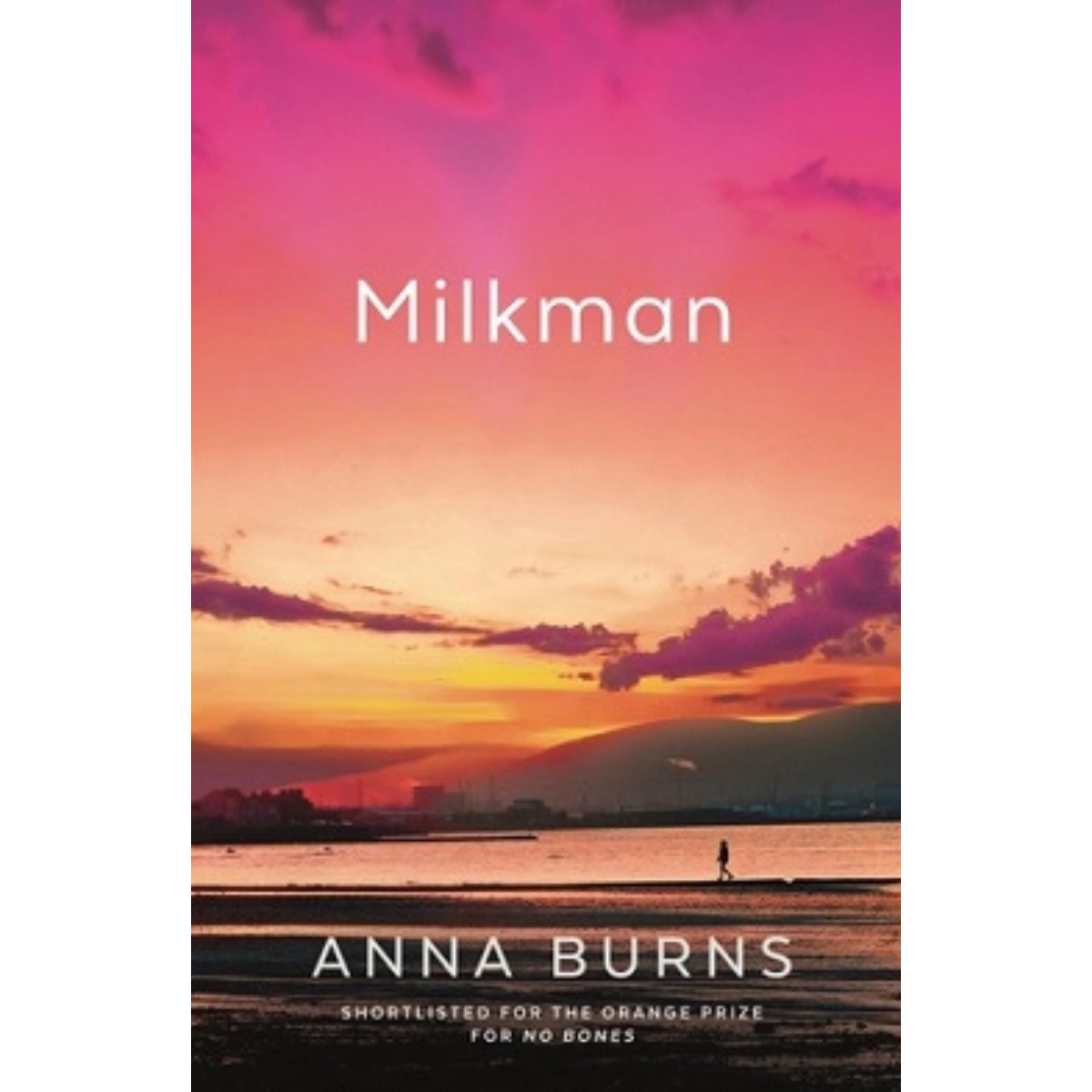
Milkman, Anna Burns’ masterpiece, what it’s like to live as a young woman under a male dictatorship during an armed conflict, the patriarchy is at its most ferocious, has to be one of the most stunning books to come out of the North, out of Ireland, in the 21st Century. It deserves every gong awarded.
Wheels Within Wheels, Dervla Murphy’s bracingly honest autobiography about growing up with a brilliant mother, confined to a wheelchair after Dervla’s birth due to galloping arthritis, but no less demanding because of that, and her certainty she would one day travel to India, striking out on her bike, during a blizzard within days of her mother’s agonising death is a beauty. Her courage, impatience, and intelligence shine through every sentence. Recommended for whenever you’re feeling hard done by.
Who are some of your favourite authors, Irish or otherwise?
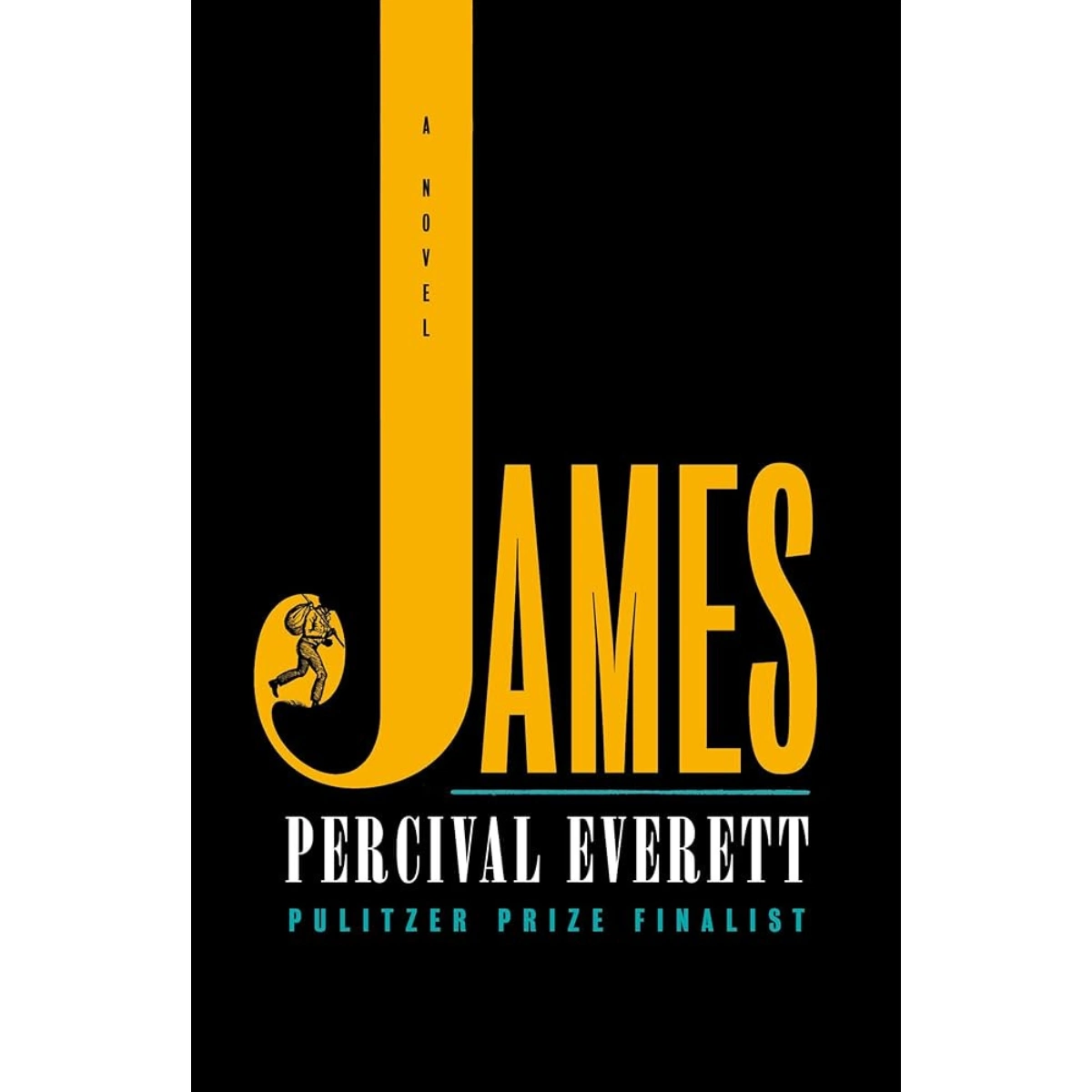
James Joyce, of course – the most geniusy genius of them all. Samuel Beckett, who learnt his craft, or maybe more accurately, unlearnt it, at Joyce’s feet. Jean Rhys, the most unflinching truth teller. Percival Everett, the African American writer up for the Dublin Literary Award for his re-imagining of Jim in Huckleberry Finn, as James.
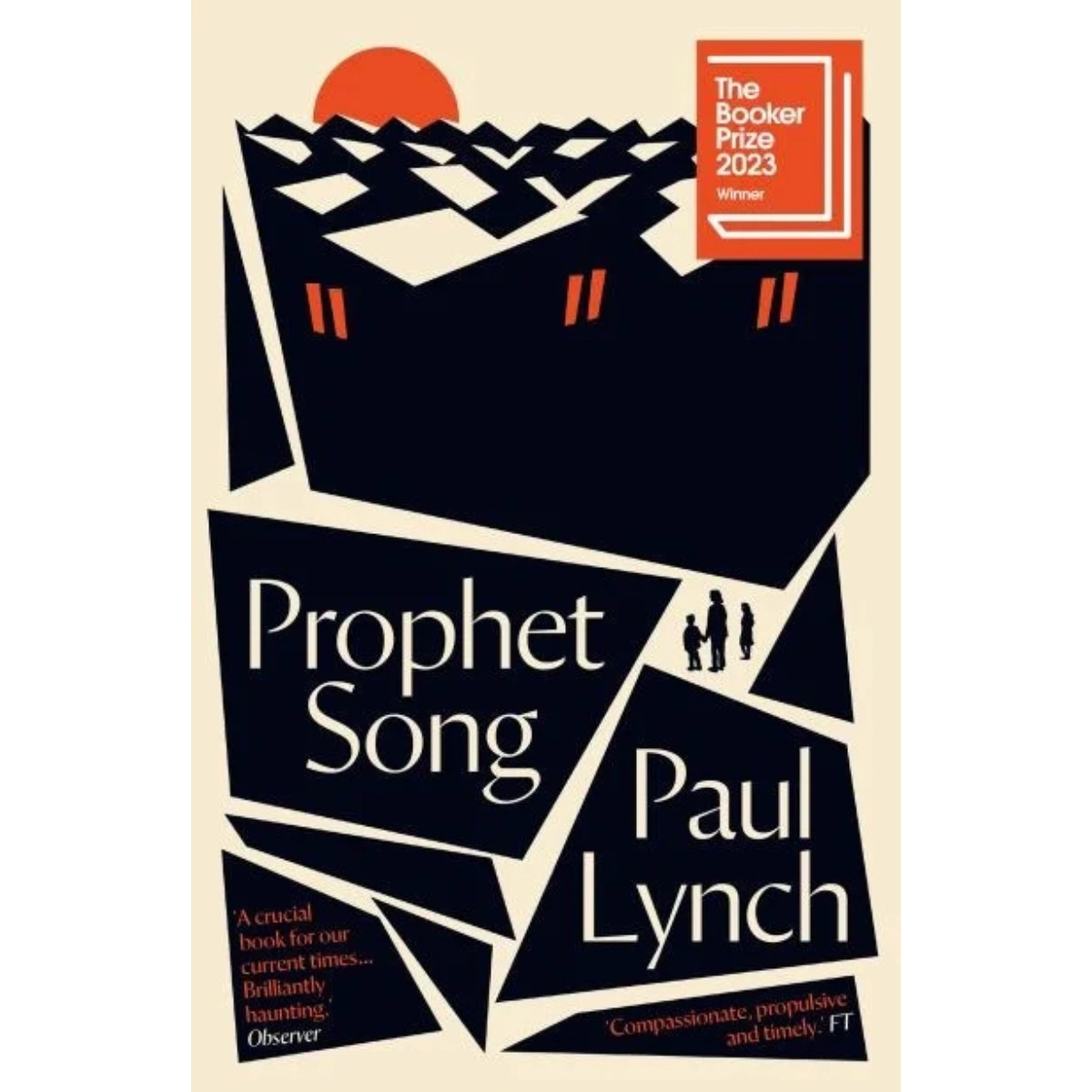
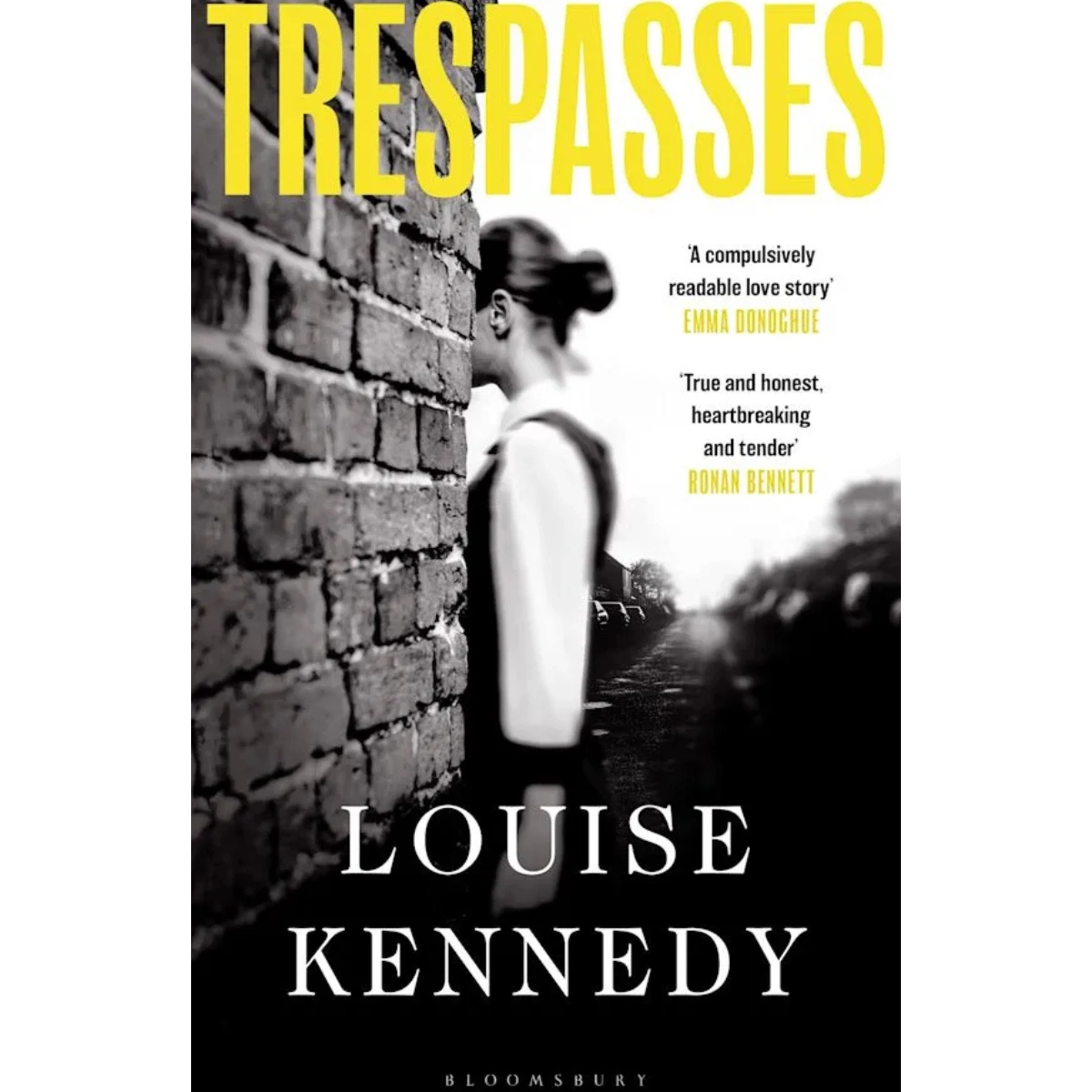
Also shortlisted is our own Paul Lynch, who bagged the Booker for his brilliant and terrifying, Prophet Song. And Trespasses, Louise Kennedy’s debut novel – how the heck did this peach of a writer land onto the scene fully formed with this astonishing novel? It’s a mystery.
What are some upcoming book releases we should have on our radar?
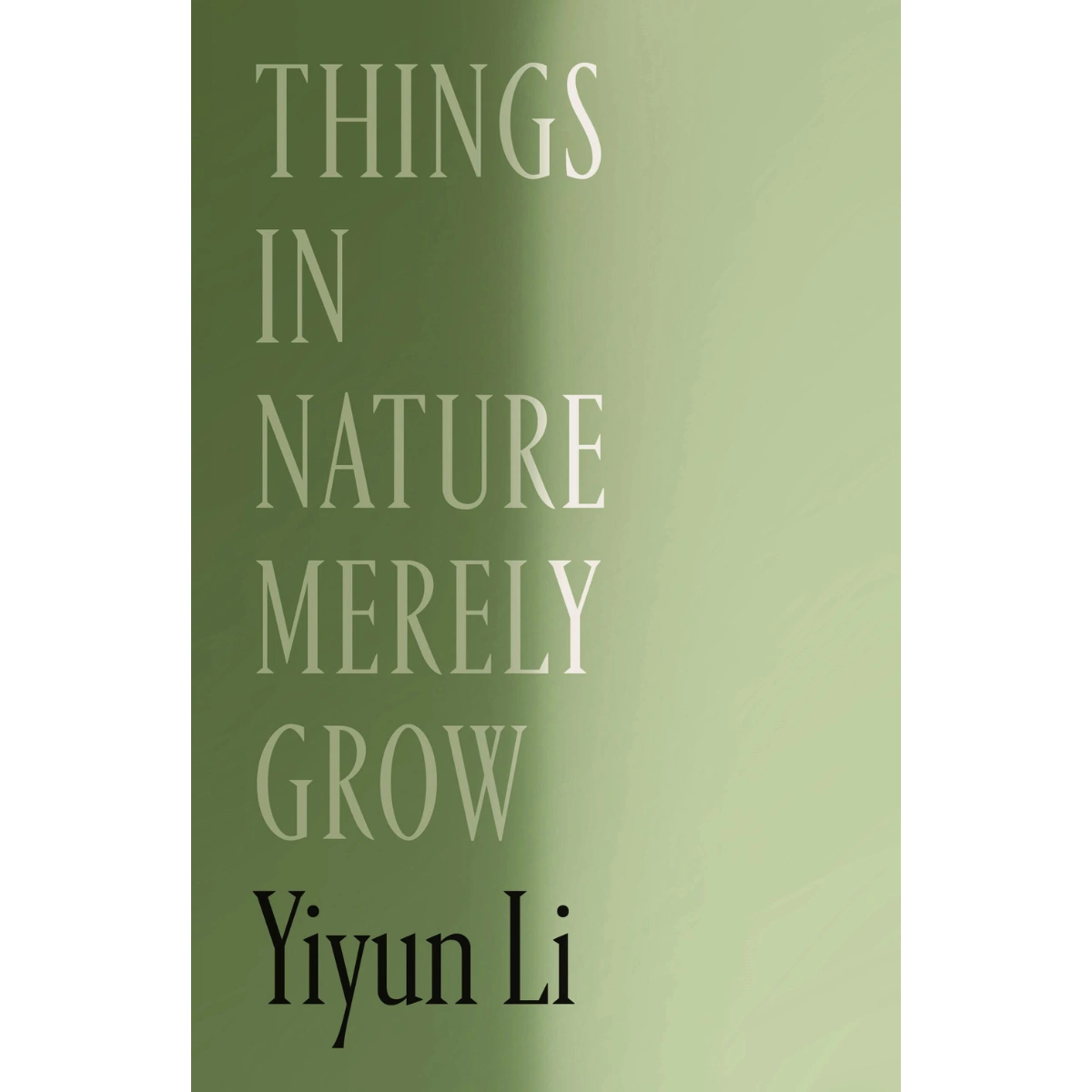
Things in Nature Merely Grow, Yiyun Li’s memoir dedicated to her two sons, who both died by suicide in their teens. Reviewers express admiration and astonishment at her fearsome bravery. “I am against the word ‘grief’,” Yiyun writes, “which in contemporary culture seems to indicate a process that has an end point: the sooner you get there, the sooner you prove yourself to be a good sport at living, and the less awkward people around you will feel.” Ooof.
What book made you want to become a writer?
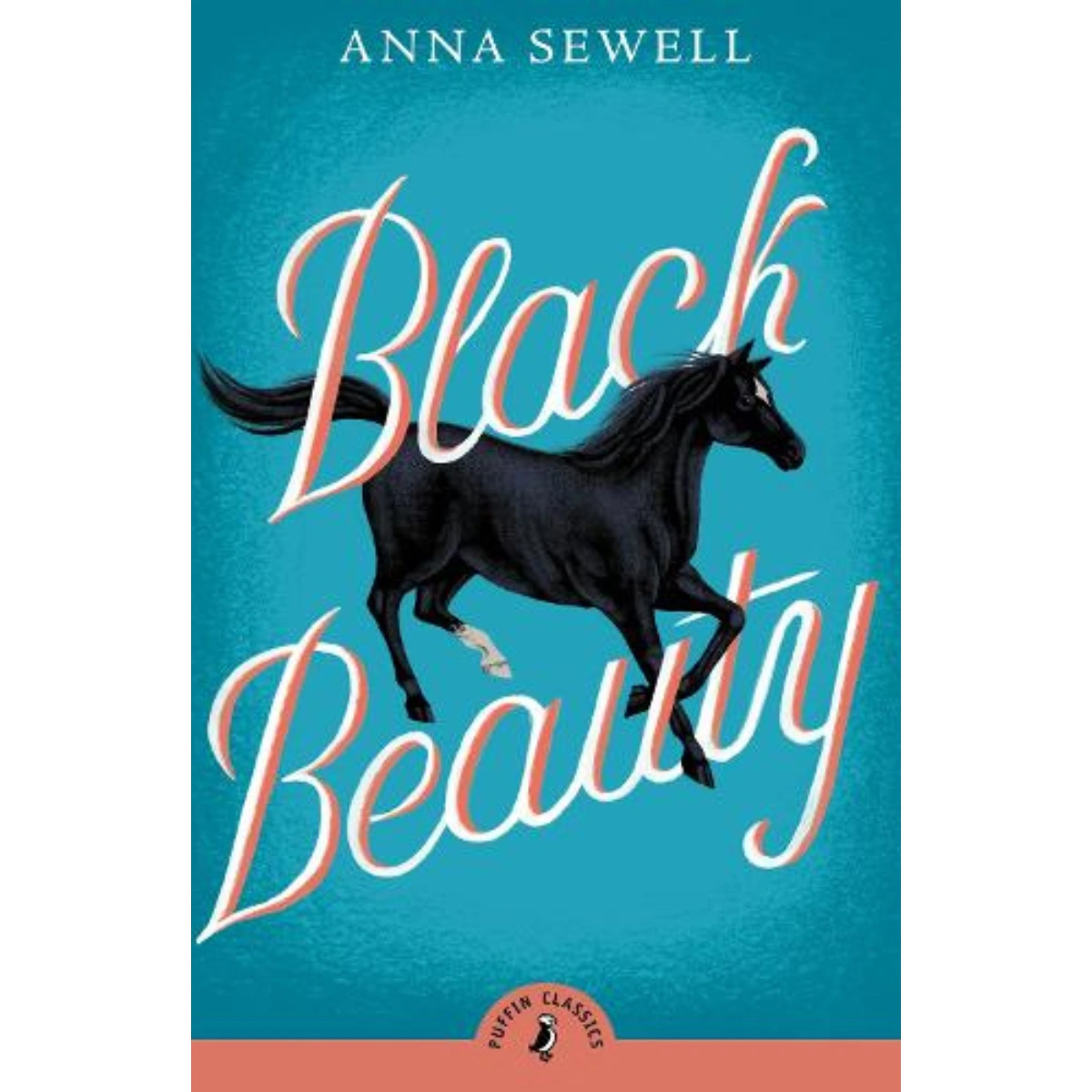
Two books: Black Beauty by Anna Sewell and The Secret Garden by Frances Hodgson Burnett. Between them, they had everything – horses, spoiled children, useless parents, good people, bad people, tragedy and redemption. Reading them aloud to my own two children, Chupi and Luke, made me fall in love with them all over again.
What’s one book you would add to the school curriculum?
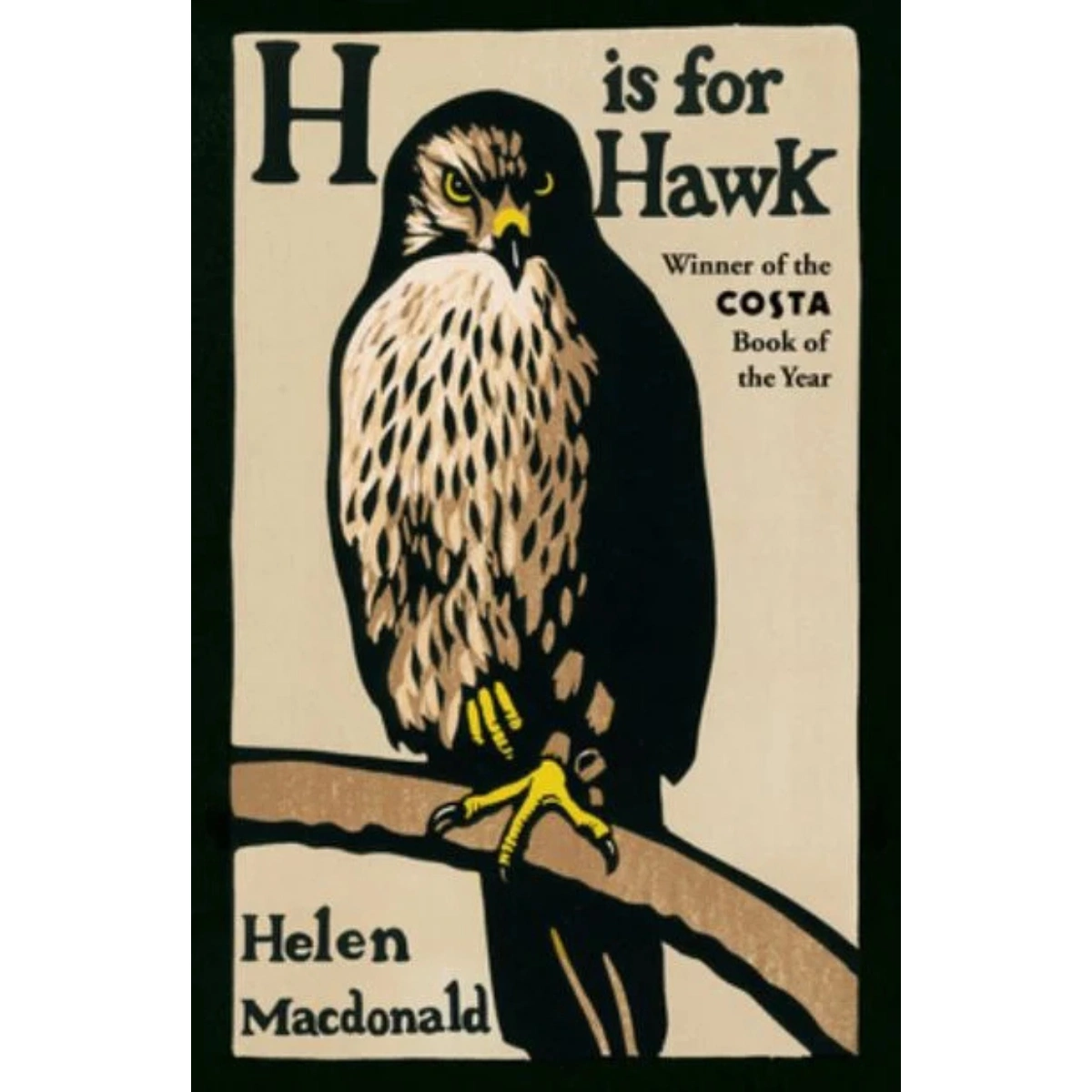
H is for Hawk, Helen Macdonald’s trip of losing her father, taking on a wild hawk to help her cope with the insanity that is the death of someone you love, flinging herself into this seemingly impossible task – taming an insanely wild hawk – is astonishing. We’ve lost touch with nature, with the natural world, with wildness. This book brings you to the core of it all. I think the young ones would be blown away.
What’s the best book you’ve read so far this year?
The Power of Parting, New York editor Eamon Dolan’s fantastic memoir and manual on ditching your abusive parent/family. He had a ghastly mad Irish mother who made his and his sister’s life misery and went on a mission to find other ‘leavers’, encountering a thriving community of ‘logical’ — as opposed to biological — families, where Christmas becomes Friendsmas, eulogies become truthful and the bitter old psychos who can’t, won’t, change their ways are left to stew in their toxic juices. Huzzah!
What’s some advice you’ve got for other aspiring writers?
Read read read read read. Write write write write write. Unless you’re James Joyce or Louise Kennedy, you’re bound to produce copycat doggerel at first. But persevere. There’s only one you on this planet. If you can find what you really feel about stuff, you’ll find you have something interesting to say. You could do worse than start with ‘Morning Pages’. Every morning on waking, grab a pen and lash down five foolscap pages of whatever comes into your head. No editing. No shaping. You’ll most likely be amazed at what appears. And, it’s a great way of getting those marks down on slices of tree.
Lastly, what do the acts of reading and writing mean to you?
If I couldn’t read or wasn’t allowed to write, I think I’d go crazy. Whenever something goes wrong, my first instinct is to write about it. Not for publication, but to get the story down. So many times, writing has saved my sanity. As for reading, I know Netflix et al have colonised our eyeballs, but there’s something so private, so intimate about reading – it’s just you, the book and the author’s voice, I love it.
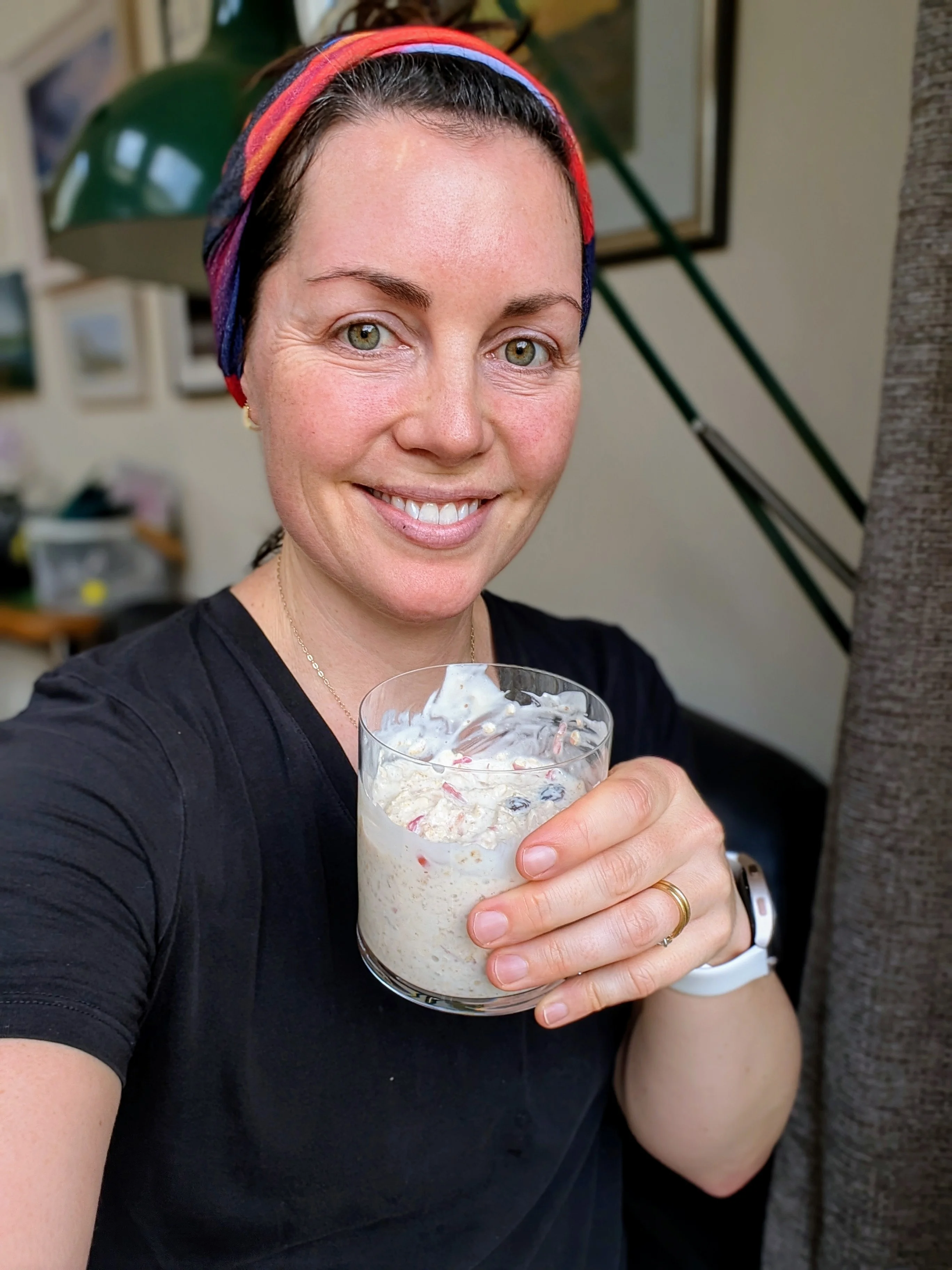
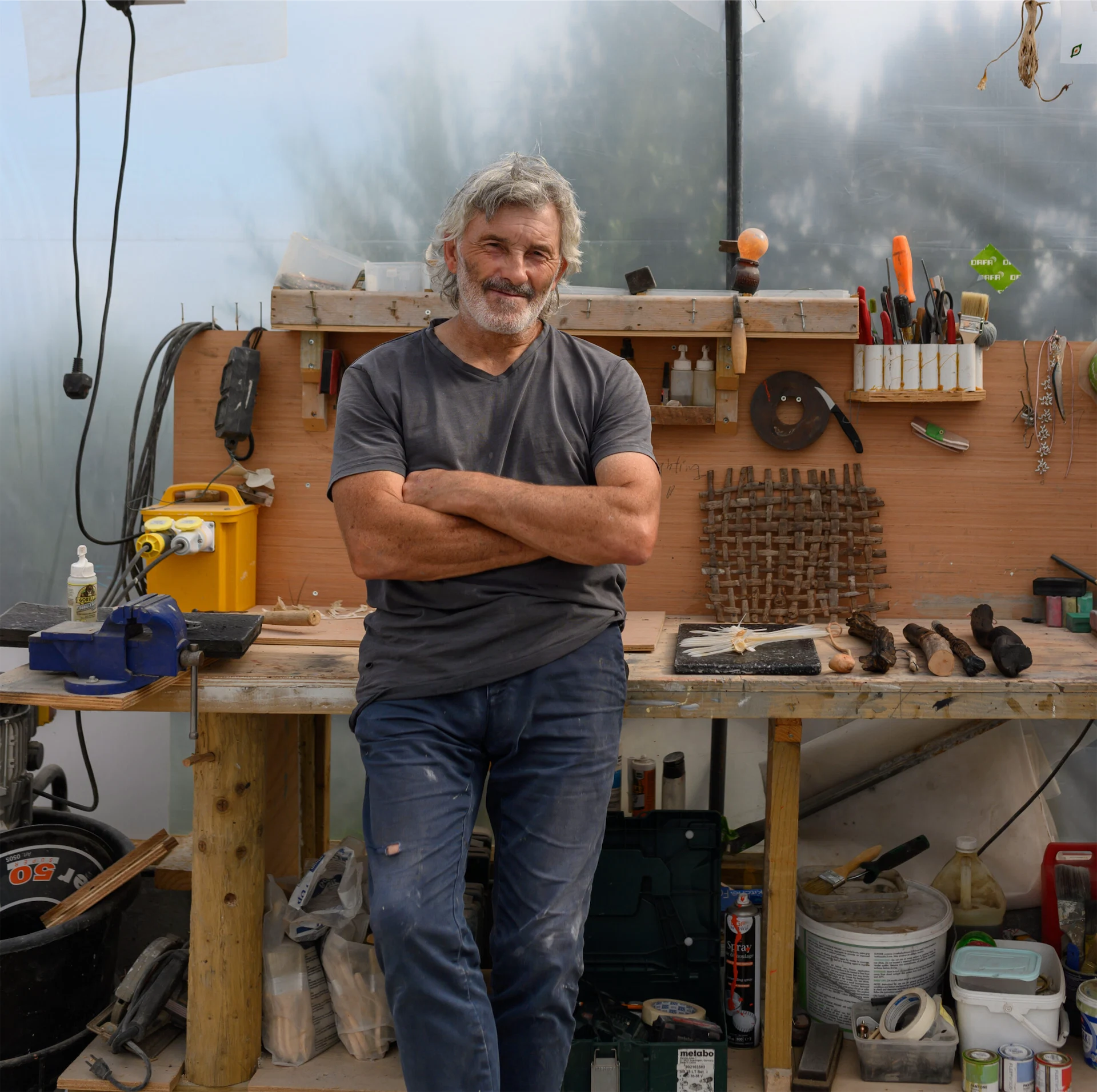
Portrait image by Little Beast.
Girl With A Fork In A World Of Soup by Rosita Sweetman (€17.50) is on sale now.
Also Read