







Nollaig na mBan, also known as Women's Christmas, calls for women around Ireland to celebrate the end of the festive season.
You could be forgiven for looking at today, January 6, as a sad one — it is the day that the Christmas decorations come down, after all. But even though it signifies the end of the festive season, January 6 is also a cause for celebration — especially for the women in our lives.
Nollaig na mBan, or Women’s Christmas, is traditionally a day to celebrate women’s hard work over the Christmas period. As the woman of the house would prepare everything for the festivities (and clean up afterwards), the end of the season was also seen as a chance for her to take a day off and leave the work to the men. The household roles would be reversed, and women would gather together to relax, unwind and have fun with their friends, while their husbands cooked and cleaned.
A1998 article in The Irish Times states “God rested on the seventh day, but women didn’t rest until the twelfth day of Christmas.”
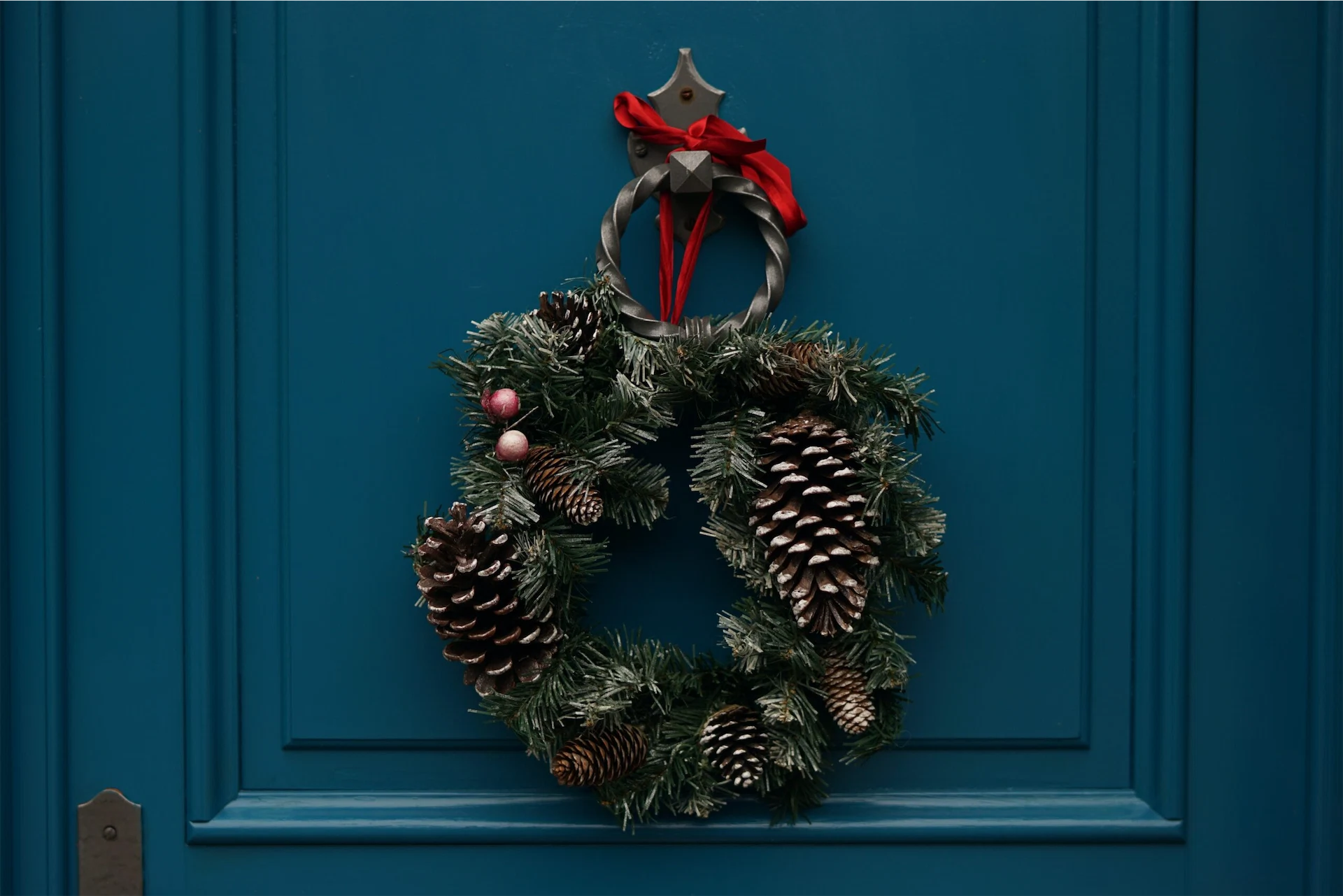
At the peak of its popularity, Women’s Christmas would see women call round to their friends and neighbours and all gather to eat the last of the Christmas cake together. At home, the Christmas decorations would be taken down and stowed away for another year — it was (and still is) seen as bad luck to take down the decorations before January 6.
As always with Irish traditions, superstitions abounded when celebrating Women’s Christmas. According to Dr Marion McGarry, lecturer at Galway Mayo Institute of Technology, some used the celebration as an opportunity to perform traditions to do with death. One such tradition was that a ‘cake’ made of clay or mud would be made, and a candle for each member of the family would be lit. The order in which the candles burned out was said to be the order which the family members would pass away.
Nowadays, Nollaig na mBan isn’t as widely celebrated as it once was, and is mainly confined to the southwest of Ireland, but it is experiencing somewhat of a revival.
While we would hope that household gender roles would have progressed to the point that women do not do so much of the work at Christmas, sadly, we all know the opposite to still be true. One day off is a small thanks to give to the women in our lives who make the Christmas season so warm, and maybe it’s one we should all indulge in again. Happy Nollaig na mBan.
Featured image via Erwan Hesry on Unsplash. This article was originally published in 2021.
Also Read