







By IMAGE Interiors & Living
17th Apr 2025
17th Apr 2025
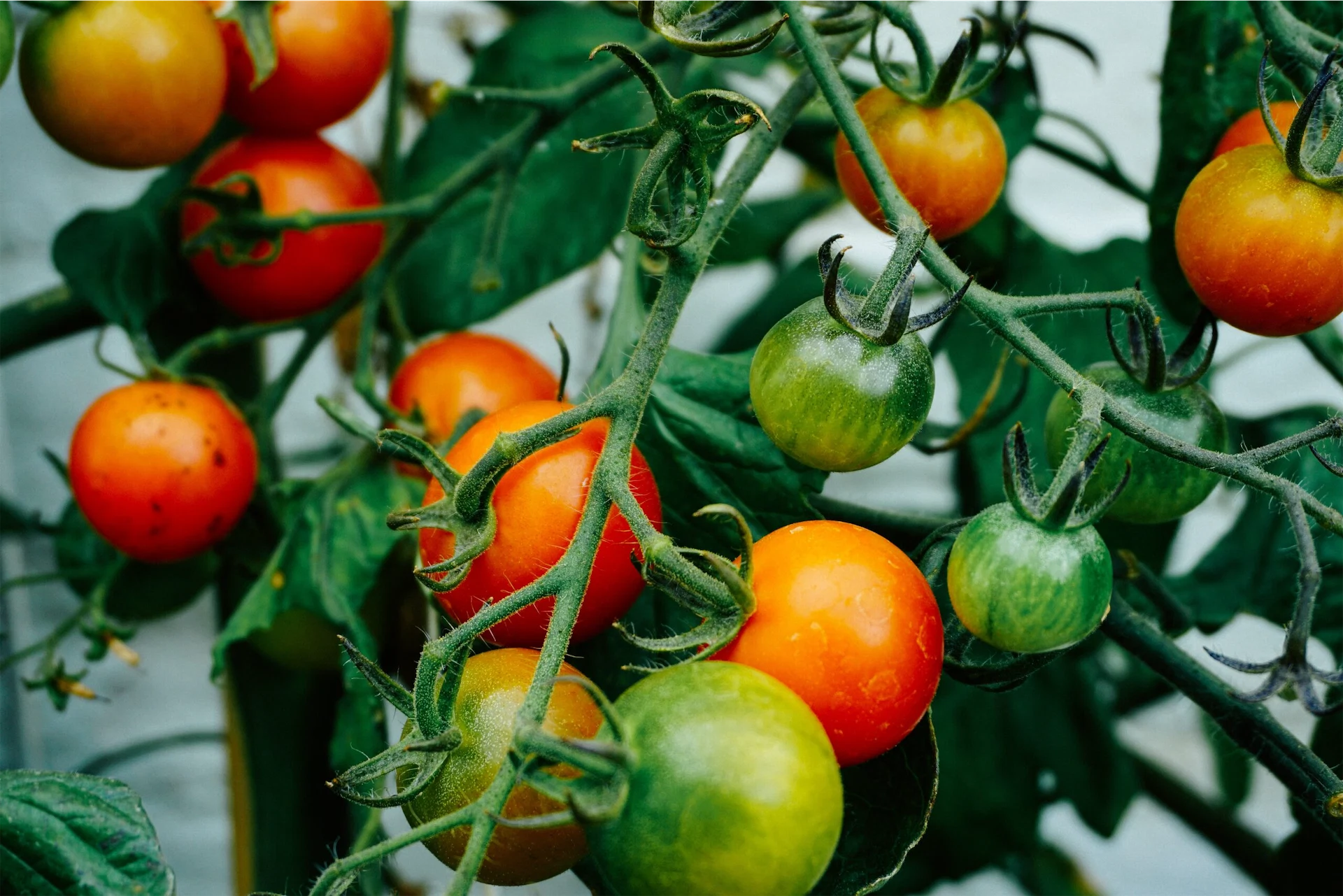
Growing your own food doesn’t have to mean hours in the garden each week – there are plenty of low-maintenance options to plant, as well as clever growing hacks to try, says Lesley Tumulty.
As a starting point, the key to a successful and abundant garden is really down to the quality of the soil. My approach is the wonderfully low-effort no-dig method – just lay down some sheets of clean cardboard, cover with top soil, seaweed and well-rotted-down manure, and plant. The cardboard will soon degrade into the soil after it has starved any weeds of light, killing them. All without disturbing the existing soil and important microorganisms.
Try not to be too overzealous when you are at the planning stage of your vegetable garden, or you could soon be overwhelmed. Much better to start small, be successful and gain valuable experiences. Keeping a diary to record the wins and more importantly the losses, you will learn a lot from those. Trust that your seeds will germinate and resist sowing too much. That being said, all seeds are not created equal – you invariably will get what you pay for.
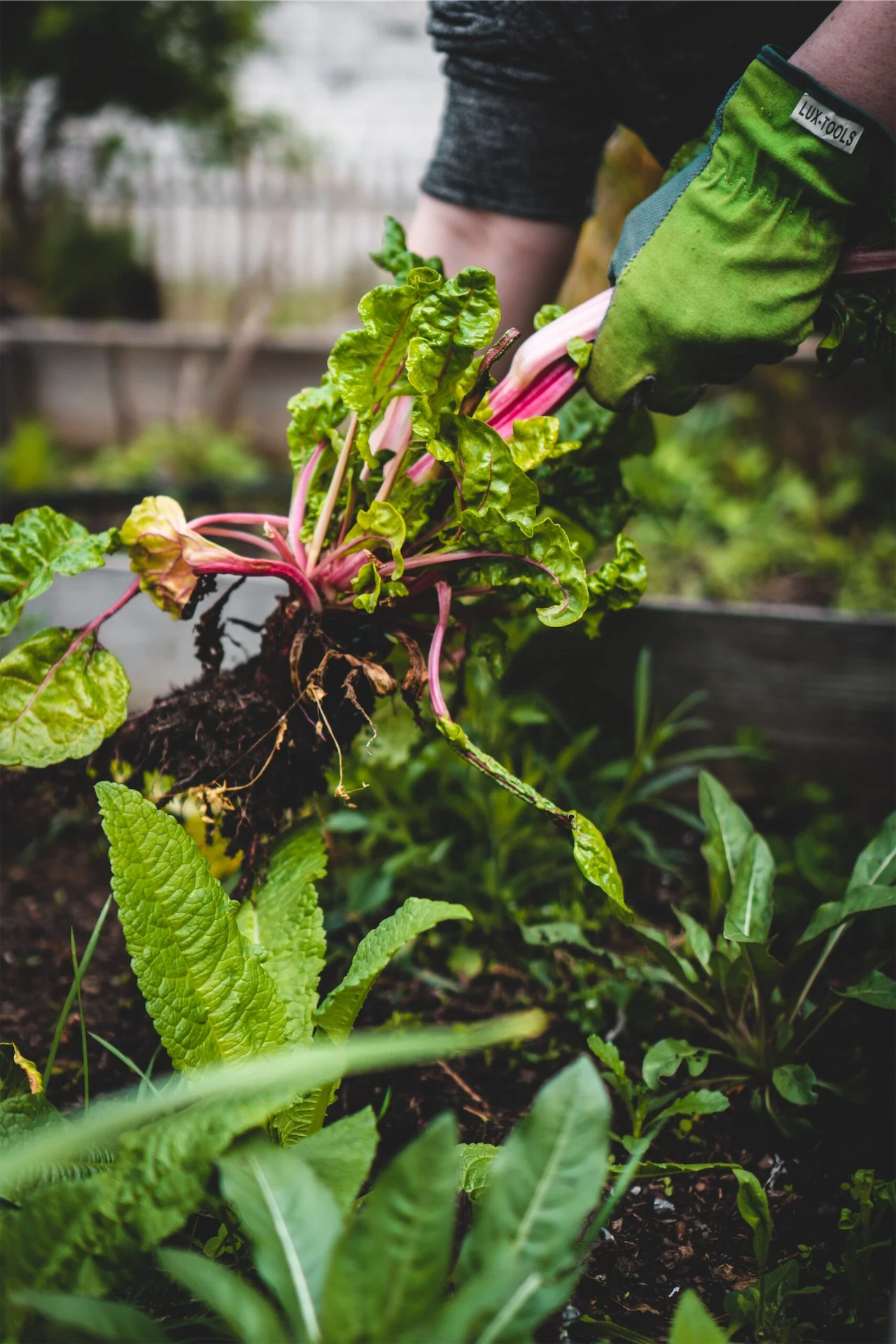
As the cost of living soars and our climate is changing, it makes sense to change our mindset regarding what and how we choose to garden. Collecting seed is a great way to save money. Most tomatoes are self-pollinating, so the offspring will be identical to the parent plant. Choose open-pollinated tomato varieties, not F1 varieties, as they may not come “true” to seed.
There are many advantages to sowing perennial vegetables, as they can be the gift that keeps on giving. They are as close to no maintenance as you could wish for. They are exceptionally good for the soil. In early spring, I just give them a really good mulch, and all that natural goodness eventually seeps down to the roots, which in turn will give you pest- and disease-resilient plants, all with zero disturbance to the soil. A great advantage for choosing native perennials is they really want to grow here. My favourite perennials include globe artichokes – delicious to eat, easy to grow, and they look fabulous in any garden; as well as rhubarb, asparagus, sea kale, Jerusalem artichokes, horseradish, Welsh onions, and wild rocket. It’s a long list.
Self-seeding annuals are another labour-saving food. Left to their own devices, they will happily reproduce without any interference from us. I grow rocket, bok choy, mizuna, lamb’s lettuce and Fat Hen in and around the perennials; they will quickly cover any bare soil, leaving no room for weeds.
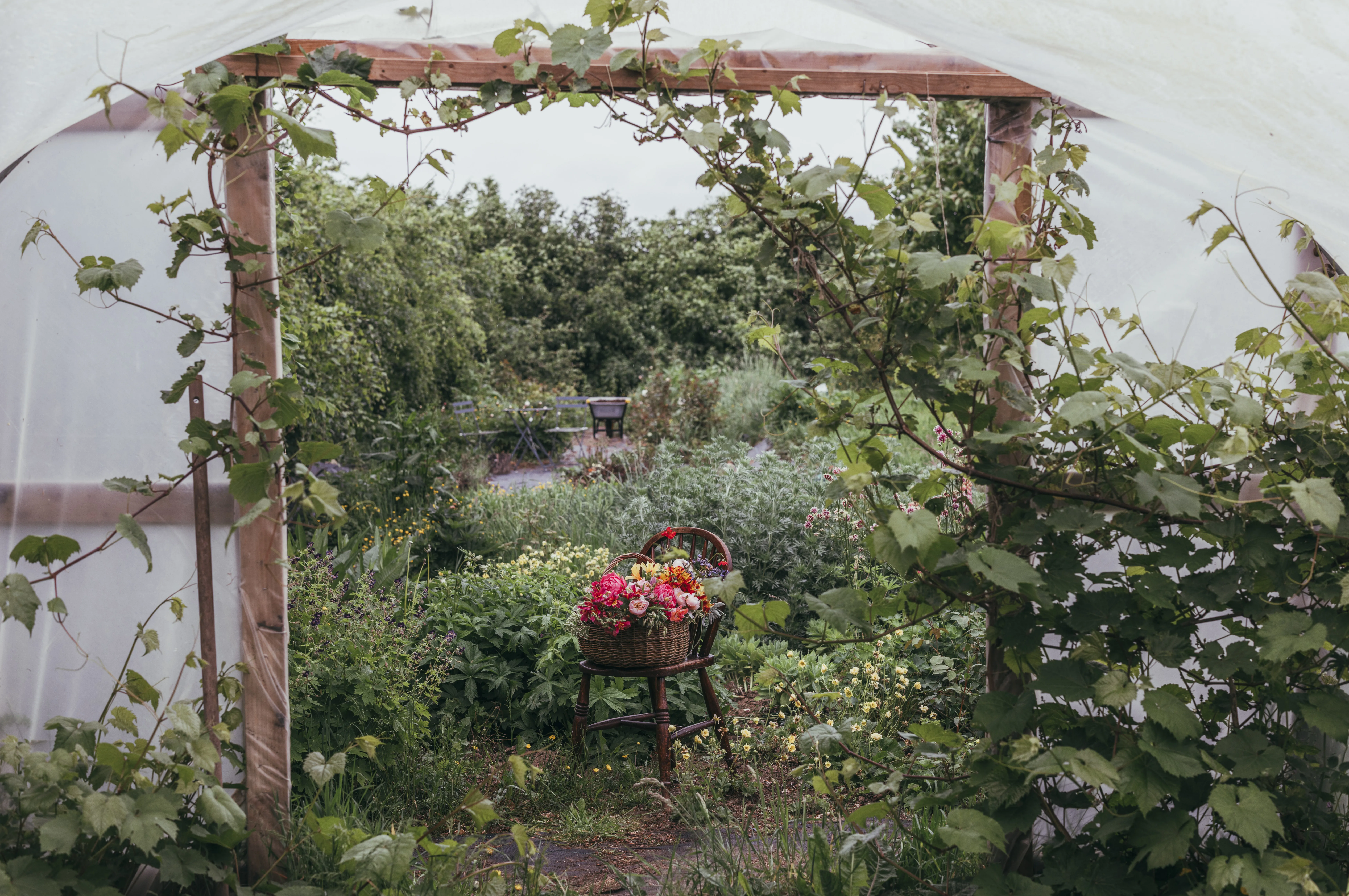
I like to approach garden design like painting a picture. Great swathes of colour form by planting many species and varieties of vegetables, herbs and flowers together, creating a holistic and symbiotic community. Deep-rooted vegetables like carrots or parsnips exploit the deeper soil while the short roots of lettuce utilise the top layer of soil, therefore sharing the resources more efficiently. This method, called edible landscaping or polyculture, needs constant thinning and picking – perfect for a daily salad. If you were to walk through the plot just once a day, you will spot pests, what’s drooping from thirst or any weeds as they are just sprouting. This will save you any hard work in the future. The greatest fertiliser is the gardener’s shadow.
This feature originally appeared in the spring/summer 2023 issue of IMAGE Interiors. Have you thought about becoming a subscriber? Find out more, and sign up here.



Also Read