









Sponsored
Staying well this winter: A GP’s guide to sleep, supplements and stress
Sponsored By

As winter settles in and the festive season ramps up, GP Dr Sonja Bobart shares her holistic advice for building resilience and protecting your immune system – starting with the simple foundations of sleep, supplements and stress management.
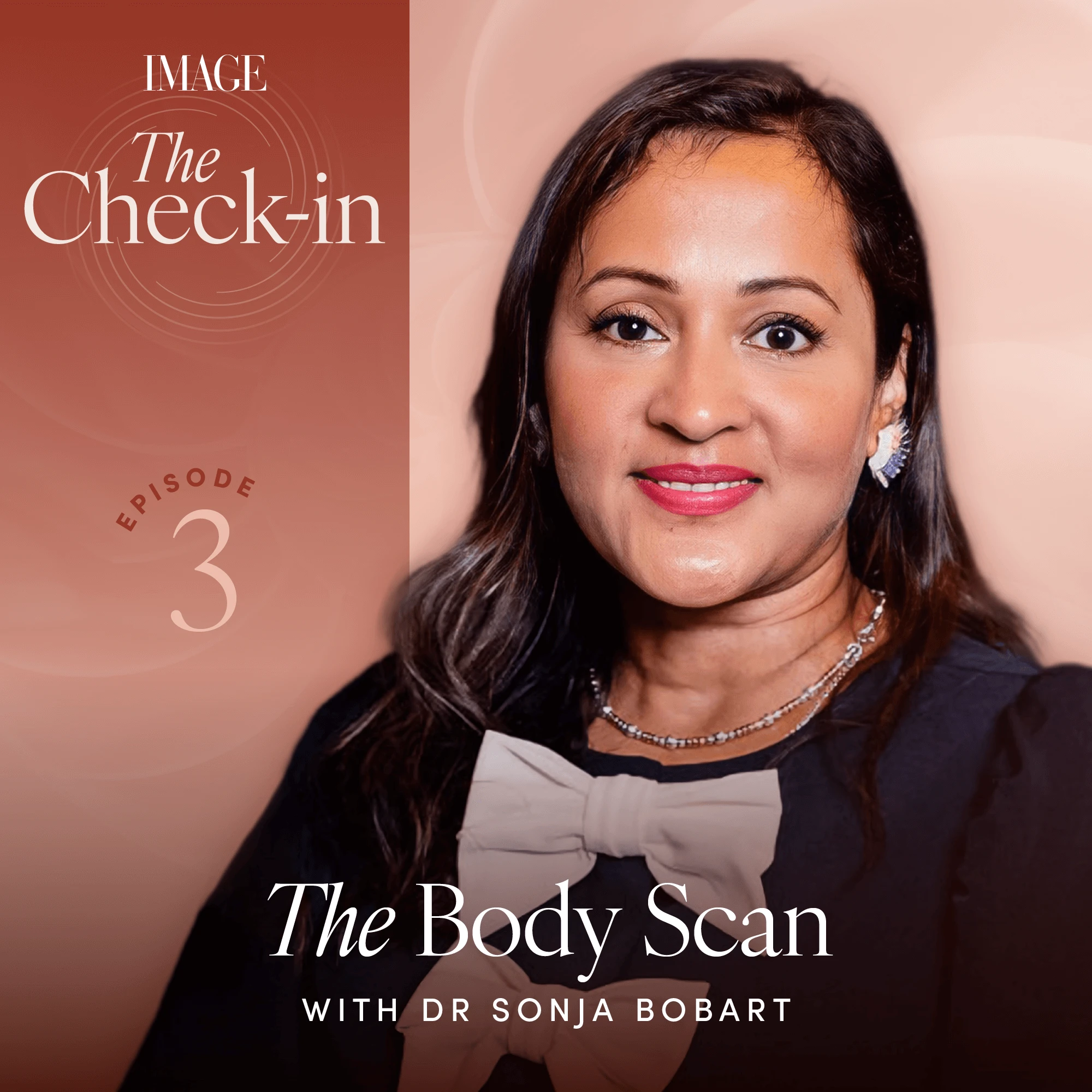
As the days get darker and the pace of life speeds up, our health can easily take a hit. For GP Dr Sonja Bobart of D4 Medical in Dublin, staying well in winter doesn’t require a radical overhaul – just a return to “the triple S: sleep, supplements and stress,” as she discusses with Ellie Balfe during IMAGE The Check-in podcast.
These are the levers you can pull to strengthen your immune system and stay on top of your wellbeing during the colder, busier months.
1. Sleep: The foundation of everything
Sleep might seem obvious, but it’s one of the first things to suffer when life gets hectic – and according to Dr Bobart, the consequences run deep.
“Sleep seven to nine hours,” she says. “If our sleep is disordered… it’s more likely that we’re going to gain weight. It is also a restful time for us – you’re resting your cortisol. If our sleep isn’t working well, our cortisol is going to be up when we’re awake, and therefore we’re going to feel more stressed.”
If you regularly find yourself waking at 3am, especially as you approach menopause, you’re not alone.
When people wake at three in the morning, that’s usually peri-menopausal,” she explains. “That’s usually the dip in oestrogen and progesterone.”
She explains that when these hormones drop, another takes over. “What happens is: cortisol – your stress hormone – kicks in. Because what’s supposed to keep you asleep is progesterone and oestrogen. When that dips, cortisol says, ‘Great! I’m in charge!’ and then you wake up.”
The knock-on effect? “When you wake up, that cortisol, that stress hormone, says: ‘Let’s review all of your past decisions and everything you’re worried about in the future!’” she adds wryly.
As for night-time routines? “Going to bed at 10.30pm, waking up at six in the morning – whatever suits you – is really important. Never look at the clock. If you wake at three in the morning, don’t pick up the phone or iPad. Just go back to yogic breathing – that should hopefully settle the body down.”
Beyond mood and metabolism, a lack of sleep also has a direct impact on our immune system. “People who don’t sleep well have an increased risk of inflammation and infection,” she explains, which could make us more prone to illness during the virus-heavy winter season.”

2. Supplements: Start with the essentials
Nutrition plays a vital role in immune function, but supplements can fill the gaps, especially if your diet is limited or your lifestyle is hectic.
Dr Bobart’s top three for women:
- Omega-3s: “1,000 milligrams of omega-3s are really important for our joints, our mental health, our brain health, and our heart health because they help to decrease triglycerides.”
- Vitamin D: “This is essential for immune support and is commonly deficient in winter.”
- Folate (Vitamin B9): “60% of the population can’t process folate. So you could have all the good, dark green leafy vegetables that you want, but you’re not going to absorb them. Folate helps your heart, helps with heart disease, helps with mental function, mood, energy… sometimes replacing folate just helps if someone’s fatigued.”
Dr Bobart recommends having your levels checked, particularly for folate. “The majority of patients that we see, their folate would be below 10… anything above 10 is ideal.”
"Advocate for yourself. If you're not feeling well, go in [to your GP]. Help is out there. When in doubt, check it out."
3. Stress: Your silent immune saboteur
Stress is a major contributor to poor health – and it often goes unnoticed until it starts to show up physically. But taking time to pause, reflect, and offload can help rebalance both mind and body – and help sleep too. “Look at your lifestyle. Write things down. I think journaling is really important because we forget how good our day is – and it’s our human nature to focus on the bad,” says Dr Bobart.
Her evening ritual suggestion is as practical as it is grounding: “Writing before you go to bed is really important. I think journaling is undervalued: writing three things that could be worrying you; three things that were amazing during the day… and three bad things that happened. Then you can close the book and move on.”
The ultimate annual check-in
Winter is also a great time to reflect on your overall health and get the tests that might reveal hidden issues. “From age 35 to 40, we should be getting annual blood tests, an annual breast exam, our cervical cancer screenings… Getting your blood pressure checked, your heart checked, lungs, stomach – it just takes two minutes for someone to put a hand on your tummy.”
Other checks include:
- Full biochemistry bloods: kidney, liver, cholesterol, triglycerides
- Iron screening: vitamin D, B12, folate, ferritin, serum iron
- Thyroid function and antibodies
- Calcium/magnesium levels
- Hormonal profile (between days two to five of your cycle), especially if you have any symptoms of perimenopause or polycystic ovaries
- Anything autoimmune-related, an ANA screening and a celiac screening, as “celiac disease is very common in Ireland, you might not present with anything at all, but it’s an important diagnosis to make.”
- Early morning urine sample (not menstruating) to check for protein and red cells. “People forget that a urine test can reveal so much,” she says. “It can tell your protein count, tell if the red cells are there that should not be there.”
Dr Bobart’s approach is refreshingly simple: get back to basics and start paying attention to what your body is trying to tell you.
Prioritising sleep, supporting your body with the right nutrients, and managing stress mindfully can all help to build immune resilience – and make the season feel that little bit easier.
“Advocate for yourself. If you’re not feeling well, go in [to your GP]. Help is out there. When in doubt, check it out.”
We’re lifting the lid on women’s health: the real, the raw, the rarely spoken aloud. Our new podcast ‘IMAGE The Check-in’, hosted by Ellie Balfe, gets straight to the heart of what’s truly on women’s minds right now. We dive into monthly health themes with expert guests and honest voices.
Listen to IMAGE The Check-in HERE or wherever you get your podcasts.

To stay up to date on our latest expert-led articles, insights, podcast episodes and more, visit the IMAGE Women’s Health Clinic Hub.
Also Read