Sponsored
‘I was losing feeling in my legs’: Niamh Ryan on living with undiagnosed endometriosis
Sponsored By
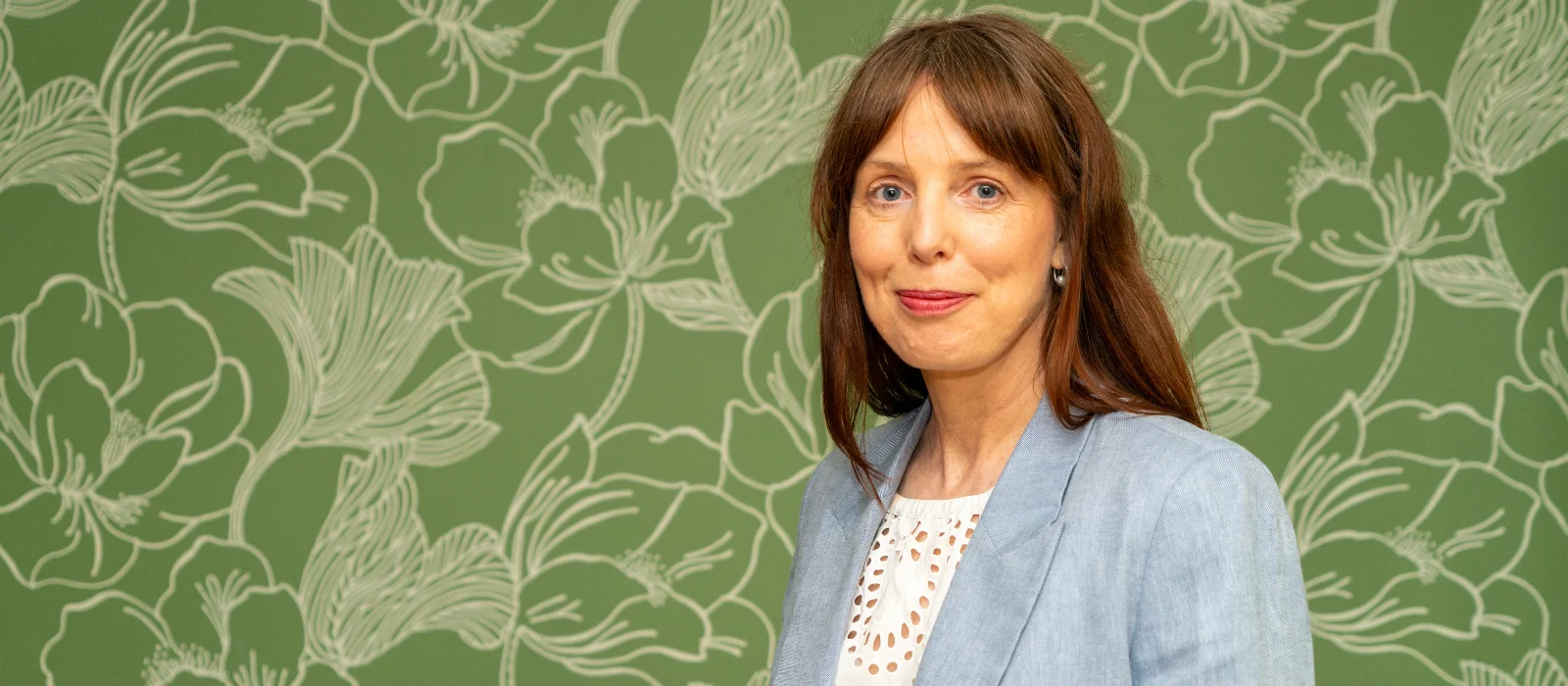
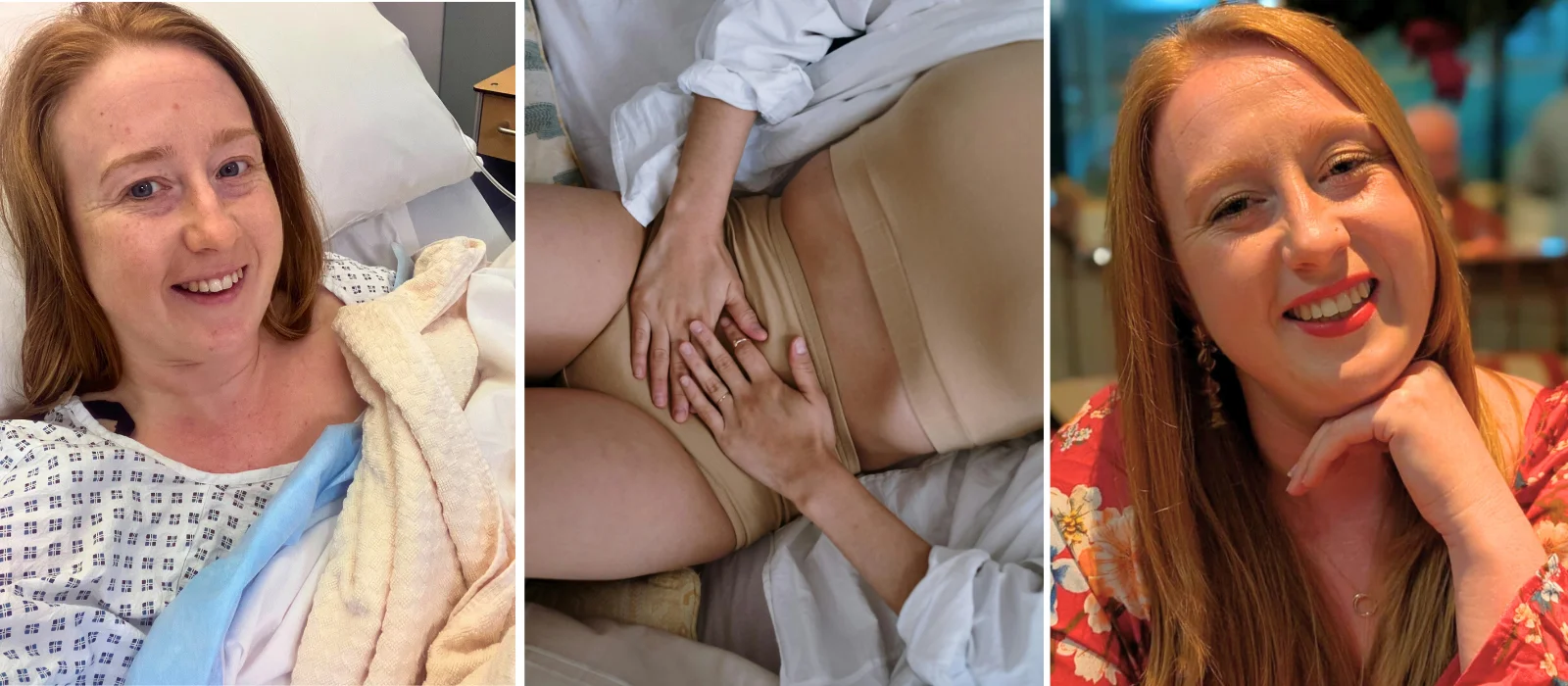
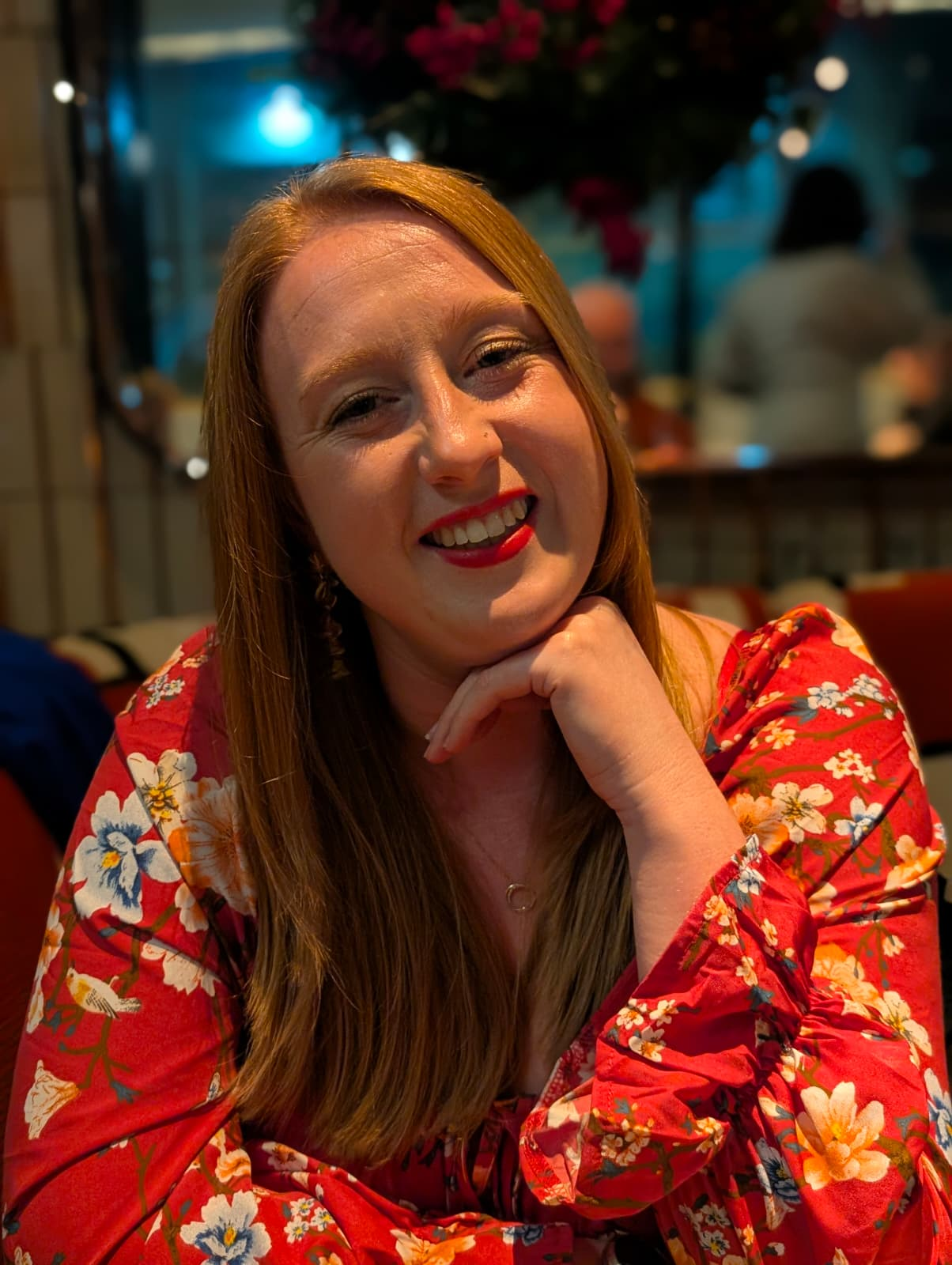
Chronic pelvic pain, exhaustion and bloating are often dismissed as “just bad periods”, but for many women they are signs that something deeper is going on. For Niamh Ryan, it took more than a decade of worsening symptoms before she finally received a diagnosis of endometriosis. Her experience sheds light on how easily women’s pain is normalised, and why learning to advocate for your body can be life-changing.
For Niamh Ryan, pain was present from the very beginning. From the time she got her first period at 14, her cycle was never something she could ignore or push through.
“I always had pain with it. There was no time that I remember not necessarily having pain,” she says. “My symptoms were extreme pain. I’d lose feeling in my legs; I could pass out quite easily, and I was usually rushed home from school.”
Alongside the pain came panic, migraines, fainting, and missed school days. Like many young women, she was told this was normal. “It was the usual thing with the doctors. ‘Here’s some painkillers, take all of these.’ And to be honest with you, I never found that any of them really helped.”
Despite how severe her symptoms were, she says, it was normalised, as it is for many. “My poor mum was like, ‘That’s normal. I had that too’,” she explains, adding that her aunt also had similar symptoms.
She stayed active, playing sports and pushing herself physically. “I did every sport known to mankind,” she says and was encouraged to “keep moving”, which she did as long as she could, even though her pain was never truly manageable.
By her late teens, Niamh began questioning that narrative. “Period Pain is common, not normal,” she adds. “I started looking into endometriosis even at 16. I started to advocate for myself with the doctor. I was like, ‘No, there’s something wrong, I know there is.’”
University, escalation and daily pain
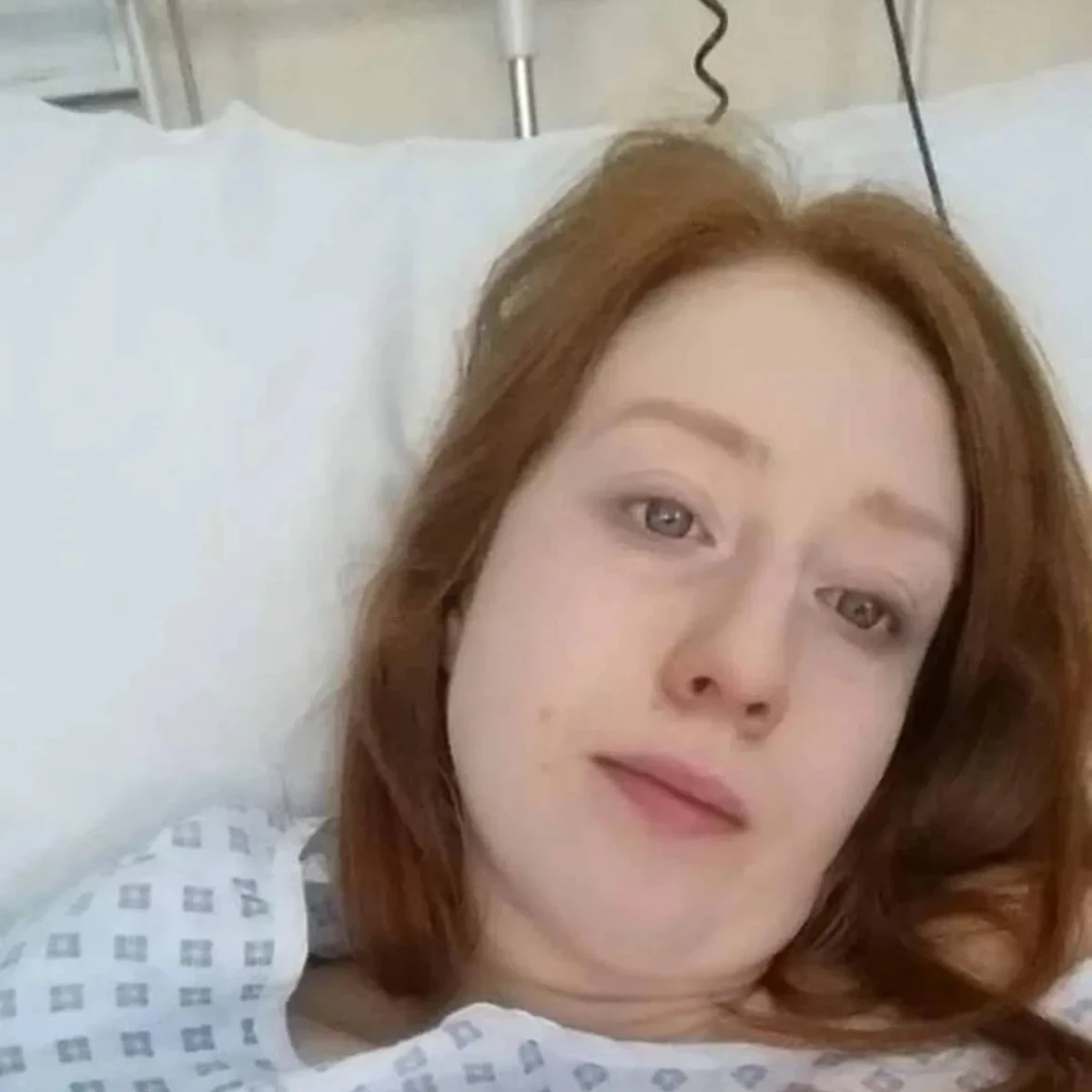
When Niamh moved to the UK for university, her symptoms intensified rather than eased. What had once been cyclical became constant, even while on the pill.
“My symptoms stopped being just before my period and actually became daily,” she continues. “I ended up with severe insomnia. I could be found anywhere. I had housemates who could find me on the bathroom floor and had to pick me up.”
Niamh explains she was taking two ibuprofen and two paracetamol every few hours, every day. “That’s just how I lived my life in university.”
Fighting impossible options
By her early twenties, Niamh had been fighting for a laparoscopy for years. After returning to Ireland, she finally underwent her first procedure at 23.
“They came out afterwards and said, ‘You’re really inflamed. We can’t see anything, but two plus two is four. There’s something there.’”
When asked what her options were, even without a formal diagnosis, she says what she was told stunned her.
“The nurse turned to me and said, ‘It’s very simple. You can have a baby. We can keep you on the pill and painkillers. We can chemically induce menopause. Or we can remove your womb.’”
She was 23.
“I turned to her and said, ‘But if it’s in my bowel, those hormones still exist. So why would you remove my womb?’”
Stepping away from the system
After that experience, Niamh disengaged from the medical system entirely. She stayed on the Depo Provera injection, she explains, because she needed to function. “I just needed to get through life.”
Over time, she began researching, experimenting, and making changes herself, “…I very much leaned into using myself as a guinea pig.”
The improvements were slow and imperfect, but meaningful, she says as she tried to adapt a whole-body approach.
“A lot of people hear me and think, ‘Oh my god, she’s all about the holistic stuff’, and I’m not. It’s not that I’m not for Western medicine, but when I think of the word holistic, I think of the whole approach… and I think that’s where we have got to.”
“In the last year and a half, the only pain I would have was on the day of my period,” she says. “I wasn’t losing feeling in my legs anymore.”
The nurse turned to me and said, ‘It’s very simple. You can have a baby. We can keep you on the pill and painkillers. We can chemically induce menopause. Or we can remove your womb.’
Lockdown and collapse
In 2020, after coming off hormonal contraception and losing her coping mechanisms overnight, Niamh’s health deteriorated again.
“My symptoms really ramped up. My poor partner was finding me collapsing. All he could do was lie on the bathroom floor beside me.”
Eventually, her intuition pushed her back towards surgery. “One day, my intuition was like, ‘I think you need to look back at surgery.’”
The diagnosis
In September 2024, Niamh re-entered the system, this time determined to be heard. When she was offered hormonal treatment again, she refused, knowing that surgery was the only real option that could make a difference.
“If you won’t do it here, I’ll go abroad. You either make money out of me or you lose it.”
Niamh’s persistence paid off, and one day a last-minute cancellation meant she went into surgery with just 24 hours’ notice. “When the surgeon asked me where I thought it was, something just went, ‘My left ovary.’”
She was right.
“She told me, ‘You were right all along. It had fused between the back wall and the ovary.’”
The endometriosis was excised. Her recovery was faster than expected. “I can actually manage it without painkillers now, which is wild.”
I’m proud of my body, even when she made life harder. She carried the pain, the fight, the rage, but she also carried me here. To a place where I get to share my story, not just for me, but for every woman still searching for answers.
Knowledge is power
Looking back, Niamh believes her outcome depended on her persistence and self-knowledge. “If you don’t know yourself, how is any medical professional supposed to know how to help you?”
She is adamant that endometriosis is not just a gynaecological condition. “It’s actually an immune issue. It’s been found in the thoracic cavity, the brain, and even in men.”
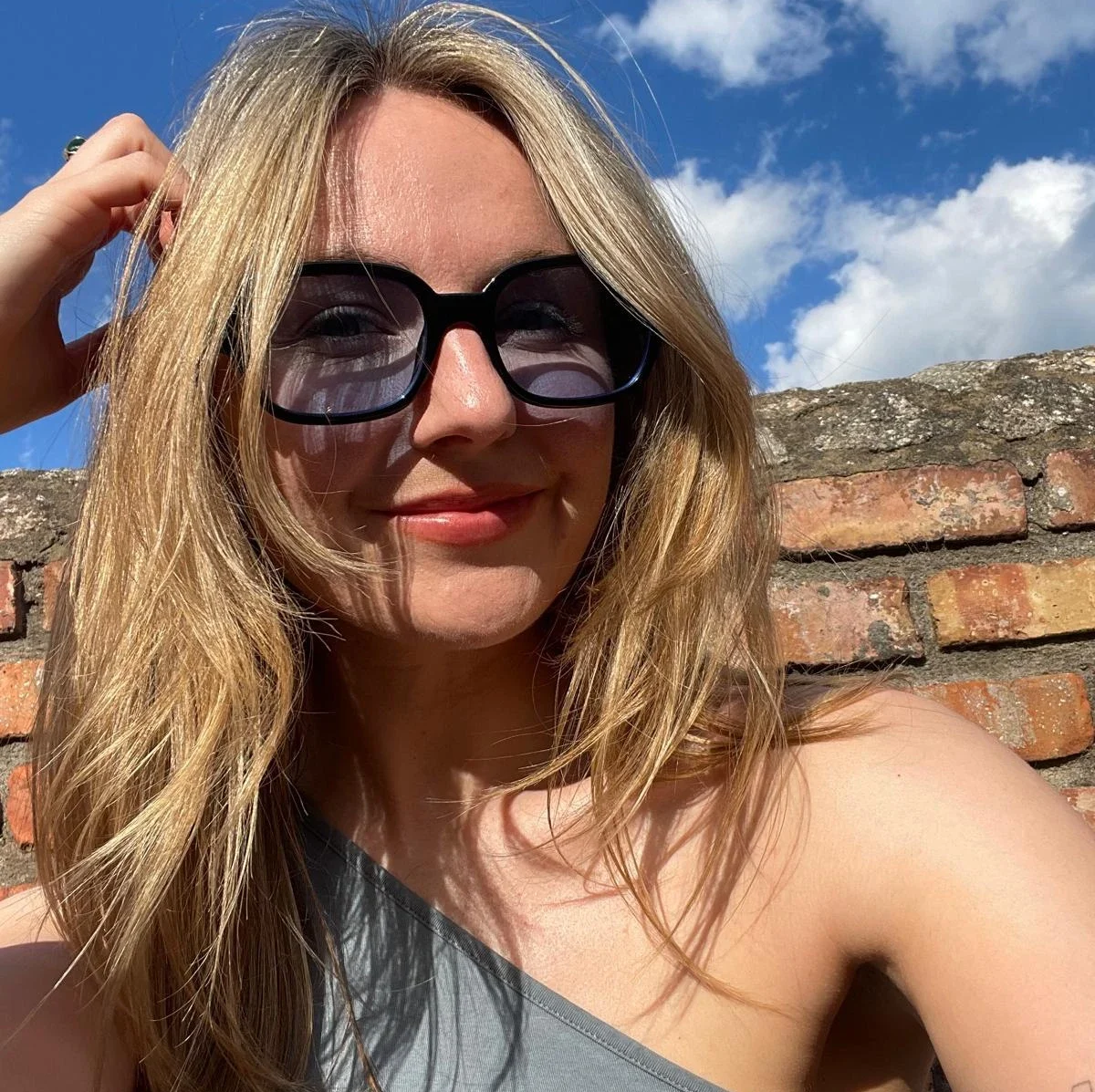
Today, as a women’s holistic health and feminine embodiment coach based in Greystones, her work centres on helping other women develop that same awareness and encourages others to find people “who’ve had a success rate… sometimes we end up sitting in the shit with other people… but sometimes it’s about getting in there with people who’ve had success stories.”
“This journey hasn’t just shaped my health; it’s shaped who I am and the work I do now. I believe women deserve to be listened to the first time they speak up,” Niamh continues. “That our cycles aren’t just an inconvenience to medicate away, but a vital sign of our health.”
Follow Niamh’s health journey on Instagram.
We’re lifting the lid on women’s health: the real, the raw, the rarely spoken aloud. Our new podcast ‘IMAGE The Check-in’, hosted by Ellie Balfe, gets straight to the heart of what’s truly on women’s minds right now. We dive into monthly health themes with expert guests and honest voices.
Listen to IMAGE The Check-in HERE or wherever you get your podcasts.

To stay up to date on our latest expert-led articles, insights, podcast episodes and more, visit the IMAGE Women’s Health Clinic Hub.
Also Read