








Elaine Byrne of Elaine Byrne Solicitors talks us through everything you need to know when approaching writing your Will, and lays out the steps required to do it.
A Will is important whether you are single, married, have children, own property or are living at home for so many reasons, principally for your peace of mind, to know that you are leaving things in order for those left behind.
What is a Will?
A Will is a written document which sets out your wishes as to what happens to your property and affairs on your death. Section 78 of the Succession Act provides that your Will should be signed in the presence of two witnesses. Neither those witnesses nor their spouses can benefit under the terms of your Will.
Who should make a Will?
Anyone over the age of 18 can make a Will. If you own property, have young children, have a family member with a learning disability or additional needs, have a blended family or have significant assets, it is especially important to have a Will.
Why should you make a Will?
In order to answer this question, we need to look at what happens if you die without having a Will. The Succession Act and Rules of Intestacy apply if you die without a Will.
For example, Emily is single without children. If Emily dies without a Will, anything in her sole name will pass to her parents as survivors. If they predecease Emily, her property will pass to her siblings, thereafter nieces and nephews and further out from there. If Emily was living with her partner Cian in a committed relationship, Cian would not have any automatic rights to any of Emily’s property.
In the case of a married person with assets in their sole name, two-thirds of those assets pass to the spouse with one-third passing to children, if there are children. If there are no children, everything passes to the surviving spouse.
If you have young children, you need to make a Will in order to appoint a Testamentary Guardian who would look after your children on a day-to-day basis. Also in relation to your property, if your children are, for example, six and seven, they cannot legally own anything, so you might consider setting up a Trust naming Trustees so that they hold everything in Trust for your children until, for example, they are 21.
If you have a child or family member with additional needs, it is extremely important that you have a Will in place. If you die without a Will and property goes directly to that person, that person might lose their allowances, e.g. disability allowance. In addition, the person may be vulnerable and could be taken advantage of. You might consider setting up a Discretionary Trust for the benefit of that person.
If you are a member of a blended family and for example, if you have step-children, those step-children are not automatically provided for if there is no Will. You can make a Will, however, and provide for those step-children. Interestingly, step-children can avail of a Group A threshold, the same as a biological child.
If you are fortunate enough to have significant assets, you need to make a Will to avoid difficulties down the line, as is the case with anybody, but also to maximise any tax efficiencies. Inheritance Tax is of relevance when considering a Will. There is no tax between husband and wife and thereafter, the tax payable is dependent on the relationship. For example, you can leave your child €400,000, your grandchild €40,000 and your neighbour €20,000. The beneficiary can inherit that amount tax-free and anything above that amount would be subject to tax at 33%.
You have decided to make a Will, how do you go about it?
As with anything, you do not have to get professional advice. You can attend to the Will yourself, but this may be a false economy. You could phone solicitors to get quotes and go with the solicitor that you feel is the best fit for you and your circumstances. There are five essentials in making a Will and you should bring these along to your solicitor.
- ID and address verification
- If you have a previous Will, bring a copy
- Your family circumstances, in particular if you are separated or divorced. Bring a copy of the Order
- A note of your assets
- A note of your wishes. This will include your decision as to who will be your Executor or Executors. This is the person(s) who will do everything, from organising the funeral to deciding on the burial or cremation, etc. to sorting out all of the legal end of things. If there are any difficulties, the Executor needs to sort it out
Frequently asked questions
- I own a house with my partner, what happens if I die? If the house is held in your two names as joint tenants, on your death, the house will automatically pass to your partner. If you are not married, there could be a tax liability.
- Should I tell my family about my Will? Always tell your Executor that you made a Will and where it is held. Open communication is helpful; however, circumstances change and you may need to update your Will, so a general conversation may be helpful without specifics. Every family is different and you will know what feels right to you.
- Can an Executor be a beneficiary in my Will? Yes, but a witness cannot.
I hope that this convinces you to make a Will in 2026. Possibly the best reason is for your peace of mind, knowing that you have everything in order and knowing that you have done the very best for those that you will leave behind.
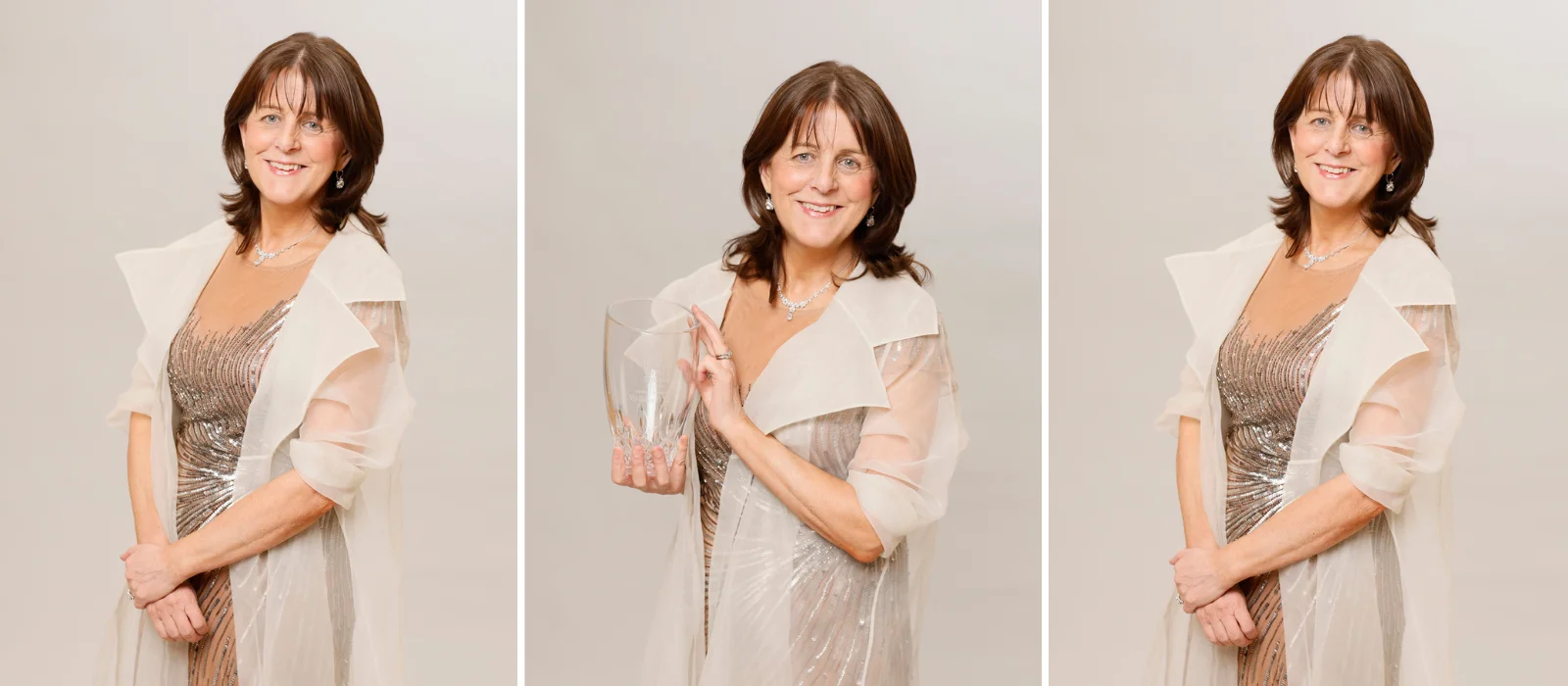
Elaine Byrne is Principal Solicitor at Elaine Byrne Solicitors, Athboy, Meath, specialising in Wills, Probate and Conveyancing.
Also Read