




Sponsored
‘Women’s health for so long has been dismissed – now is our time’: Deirdre O’Neill on building Hertility Health
Sponsored By

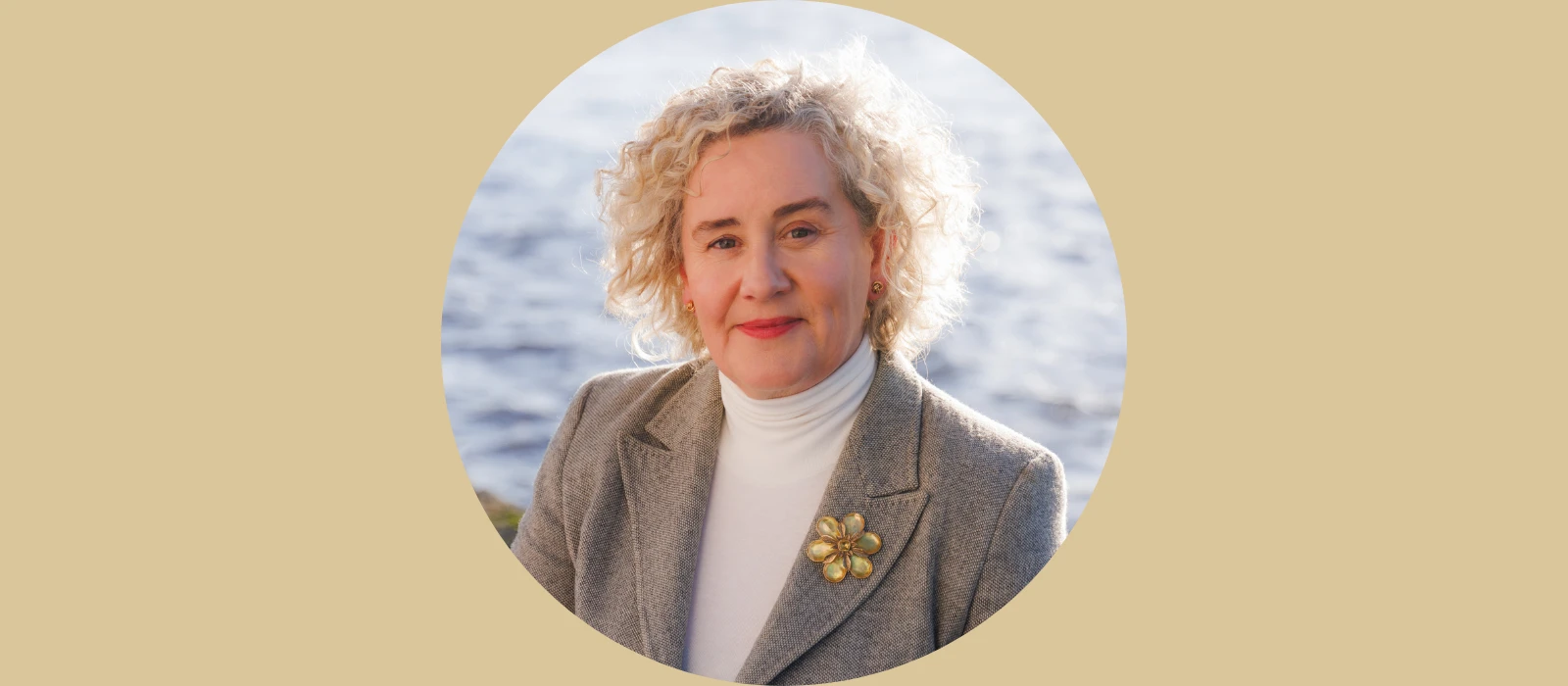
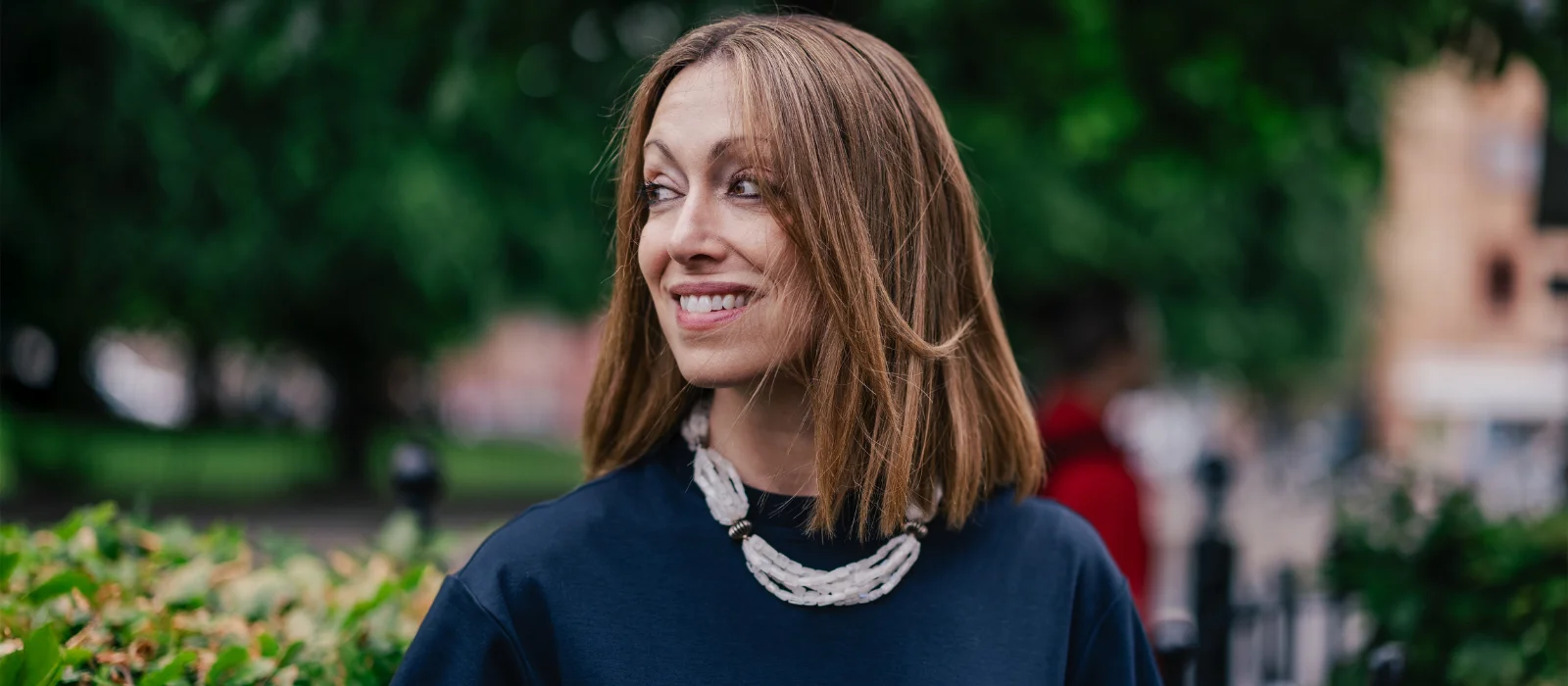
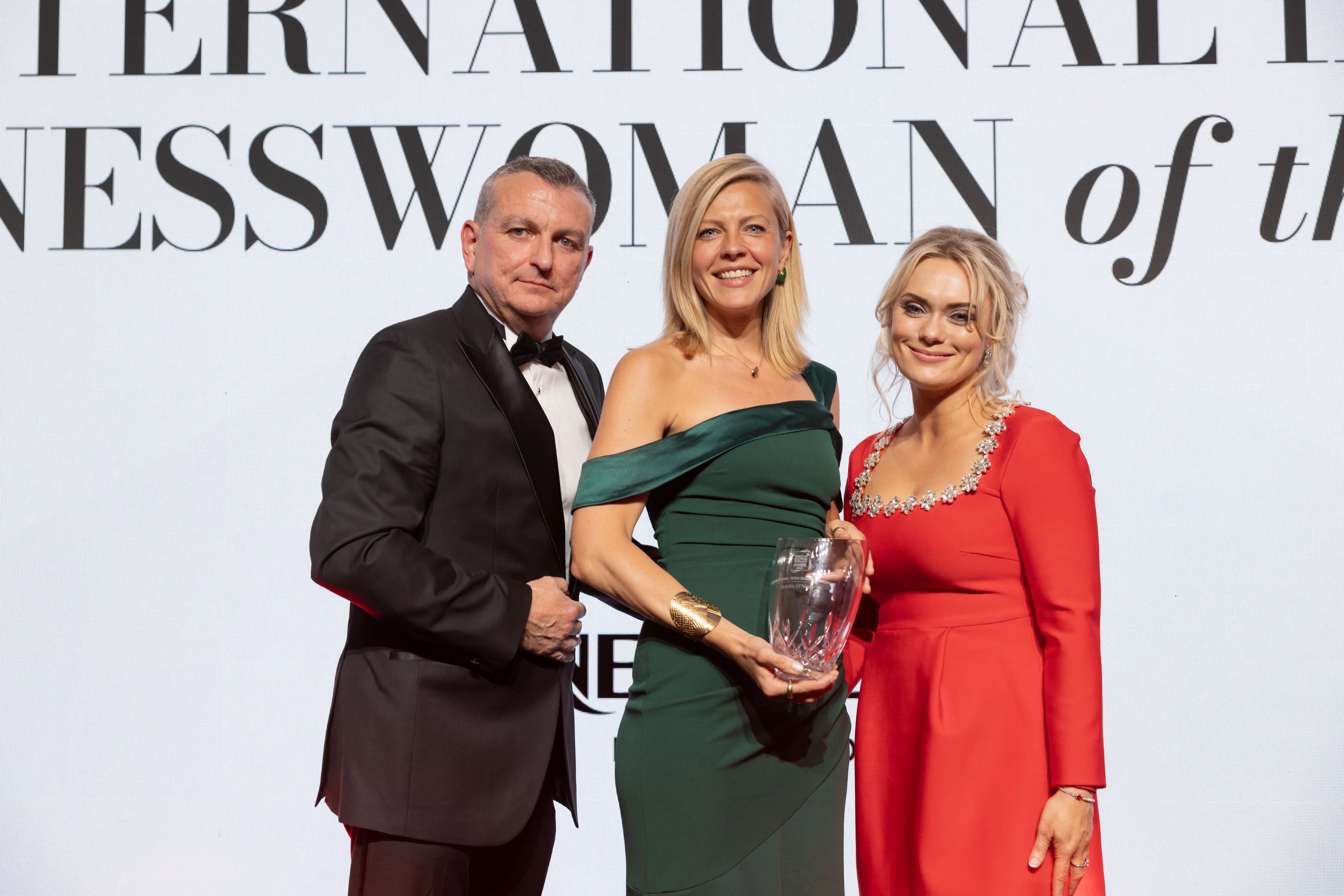
Deirdre O’Neill, IMAGE PwC International Irish Businesswoman of the Year 2025, is the co-founder and chief commercial and legal officer of Hertility Health, a pioneering platform offering personalised diagnostics and care for women across every stage of hormonal health.
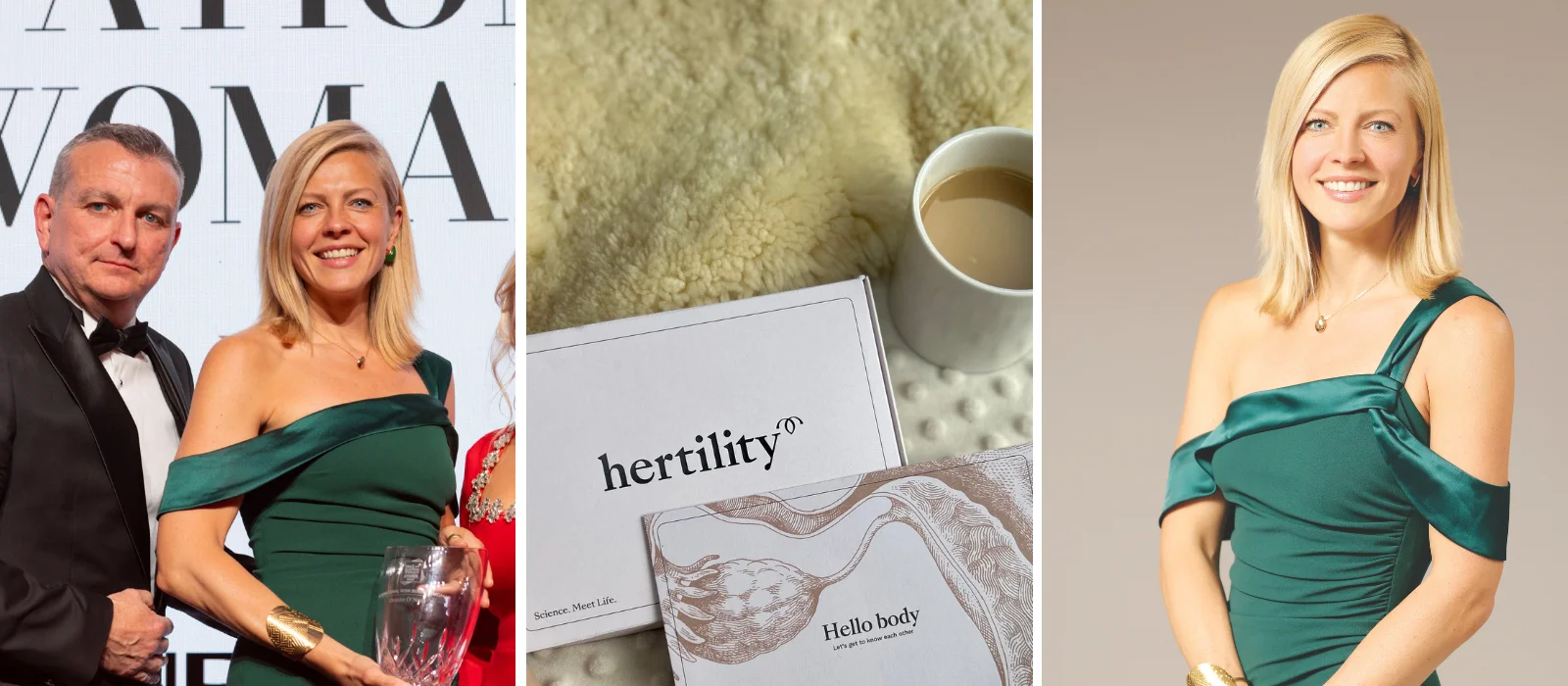
Deirdre O’Neill co-founded Hertility Health with her sister Dr. Helen O’Neill and ovarian biologist Dr. Natalie Getreu to offer a 360-degree review into a woman’s health, with a focus on fertility, menopause, PCOS, endometriosis and gynaecology. Designed to offer innovative and intuitive diagnostics and care for women’s health, it’s the trio’s mission to highlight the importance of “women being able to dictate their health on their own terms and proactively assess their health,” Deirdre explains.
A dual-qualified lawyer in Ireland and England, O’Neill came from a career in corporate law and venture capital and now spearheads commercial strategy, legal, scaling, regulations and business operations at Hertility. She has fundraised over €29 million in capital, working with a team of scientists, researchers, doctors, developers, and businesspeople to provide entirely tailored, accessible, affordable, cutting-edge reproductive health accessible to women all over the world.
“Winning this award means a huge amount, not just to me and to Hertility Health, but it’s representative of the much-needed change in the landscape regarding women’s health,” says O’Neill. “I think that it is ripe for change, because women’s health for so long has been dismissed, and now is our time.”
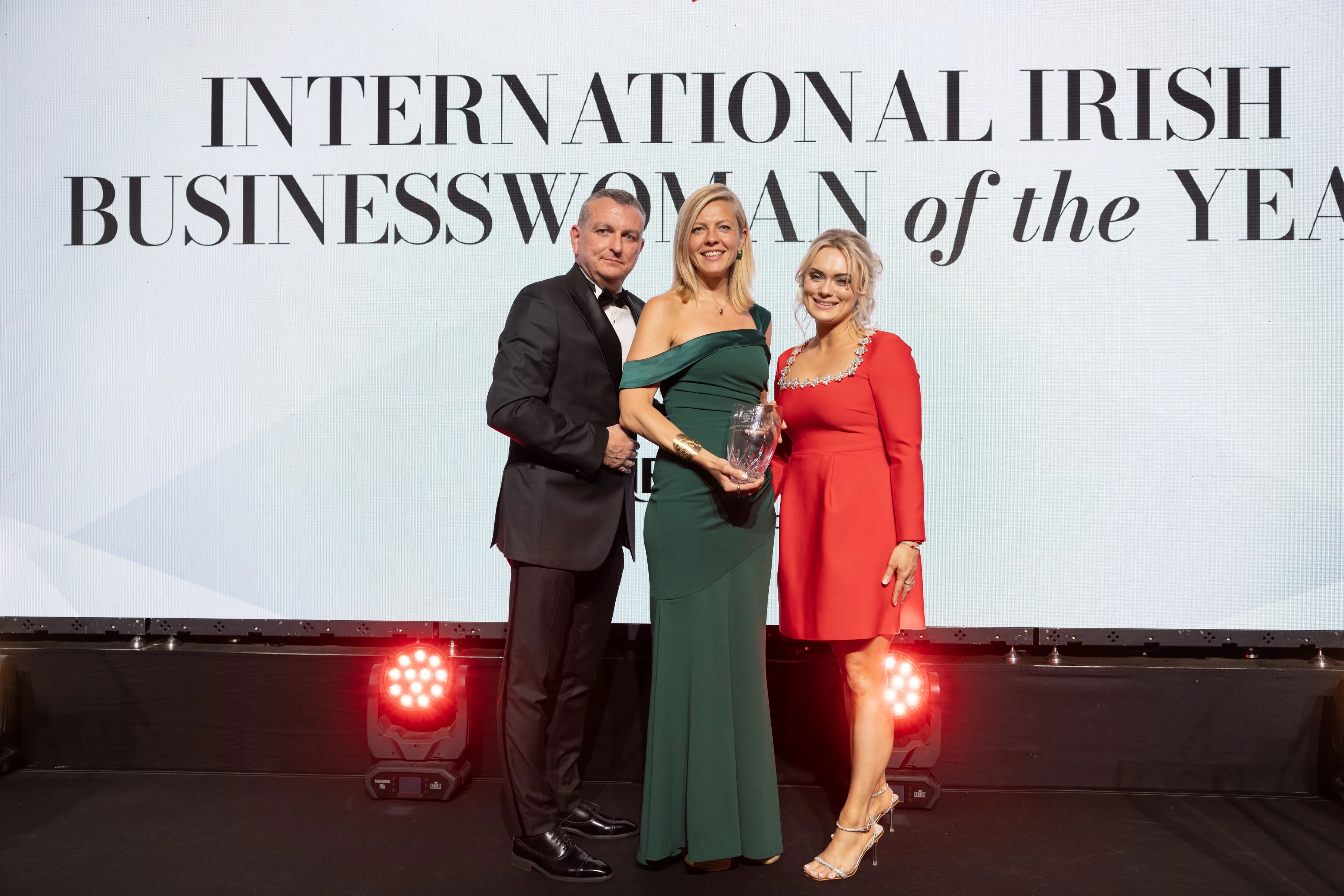
[Winning the IMAGE PwC International Irish Businesswoman of the Year 2025 award] meant a great deal. Hertility was built in very real life, through pregnancies, newborns, long nights and complex regulations. This award recognised the courage to challenge a system that hasn’t served women well. Oftentimes, the work you do, not just as a founder, but as a lawyer, is relentless but not always visible. Hertility is the result of incredible teamwork, but this award felt like a resounding validation of the hard work that I had personally put in. For the team, it was proof that the work they do every day truly matters.
Hertility was born out of a need for preventative, personalised and dedicated expert healthcare across a woman’s hormonal lifespan. There was no lightning bolt. It was a quiet realisation that despite our access to medical experts, and access to workplace benefits, private health insurance and a national health system, none of us could get answers about our own bodies. Nothing existed for women’s reproductive health for any insurance provider; experts told us to wait, or to freeze our eggs and most GPs were not even trained in women’s health. So we decided to build what we wished existed: proactive, preventative, scientifically rigorous care for women at every life stage.
When we started, the question was about fertility, but when we realised that women wait an average of nine years for a diagnosis like endometriosis, it became obvious. Hertility was built to serve the entire hormonal landscape, from menstruation through menopause.
I reached a point where I had to make a very real choice. I could continue sacrificing my health and fertility to a career that would never protect either, or I could build something meaningful that might genuinely change women’s lives. And I didn’t leave law behind, either – I practise it every day at Hertility, across venture, corporate, commercial, employment, data, IP and trademarks. I love it! The legal work is broader, harder and far more valuable than what I did before. The difference is that now I’m using those skills to build something that protects women, rather than a system that quietly erodes them.
Photo, left, by Keiran Harnett
The most rewarding part is hearing directly from women whose lives have changed because they finally have answers. When someone tells us, “Hertility is the reason I’m holding my baby,” we call those babies our Hertility Hatchlings, and there is nothing more meaningful than that.
Equally powerful are the messages from women who say they were finally diagnosed after years of being dismissed, confused or told their symptoms were normal. Knowing we’ve helped someone understand their body, avoid years of uncertainty, or make informed choices earlier is the truest measure of success for us.
Mission opens the door, but data keeps it open. At scale, intention isn’t enough. We’ve invested heavily in clinical validation and algorithmic precision. Hertility’s at-home diagnostic testing, telemedicine, treatments, prescriptions, and clinical services provide advanced insights into reproductive health, fertility decline, and the onset of menopause, as well as the diagnosis of 18 conditions with 99% clinical accuracy. Hertility reduces diagnosis times for some conditions from nine years to seven days. That is a first-of-its-kind in medicine and in science. That level of rigour is what is needed in women’s health to be taken seriously on a global stage.
Knowing we’ve helped someone understand their body, avoid years of uncertainty, or make informed choices earlier is the truest measure of success for us.
Collaboration at Hertility means doctors, scientists, engineers and commercial teams working side by side from day one. Women’s health is complex, so building it properly requires many perspectives working together, not in silos. That collaboration is what allows us to deliver fast, personalised diagnostics, reduce diagnosis times from years to days, and operate to the highest regulatory standards across the UK and Europe. Everyone understands the same goal: earlier diagnosis and faster care. That shared mission keeps complexity from becoming chaos.
We lost a team member to cervical cancer, and it stays with me every day. She joined Hertility as an employee, and like our whole team, she had access to our diagnostics, gynaecologist consultations and scans. When we identified the issue and sent her for further investigation, she was already at stage four.
Before she died, she asked us to share her story. She said that if she had known earlier, if she had been tested sooner, the outcome could have been very different. Her words were simple: use my voice.
That experience made one thing painfully clear. When women are diagnosed early, it proves their symptoms were always real. What’s confronting is not the diagnosis, it’s how long the system waited to look. Women were never difficult patients. They were living in a system that didn’t listen soon enough. Gynaecological conditions affect one in three women, and infertility affects one in six. Access to fast, accurate healthcare can change lives, but it can also save lives and help people to create life.
I still have a sense of ‘hustle culture’ that is very contrary to most ‘wellness’ initiatives. And in lots of ways, I think that’s what is needed to survive and be a fast-growing company. I work late most days, and I need to be better at going to bed, but I exercise every day – I have a streak, and I haven’t missed a day in over two years. I also love being in the garden with my family – we have five chickens, so looking after them is the best way of switching off!
In terms of a shift in women’s health, we’re going to go from reactive care to personalised, proactive diagnostics. Our data shows why that matters. Early testing consistently shortens diagnosis times, reduces invasive intervention and improves outcomes. There is also growing recognition of the economic cost of ignoring women’s health. Closing the gender health gap could bring more than 130 million women back into the global workforce. Our solution could save $8–10 trillion across global health systems. When the data makes that clear, women’s health stops being a “nice to have” and becomes a global economic priority.
We have a long-term vision for Hertility. To become the global standard in women’s health. The trusted place women turn to understand their bodies, from first symptoms to clear solutions. Our goal is to remove years of uncertainty and replace them with fast, evidence-based answers and real access to care.
What has surprised me most is how little women, even highly educated women, know about their own bodies. Our data shows a real disconnect in basic biological understanding. Women are intelligent, capable and informed in every other area of life, yet remain undereducated and under-supported when it comes to their own health. What’s even more striking is how conditioned many are to tolerate uncertainty or delay rather than investigate further. That gap between knowledge, confidence and access has been one of the most revealing parts of this journey.
We’re interviewing each of our outstanding winners from the IMAGE PwC Businesswoman of the Year Awards 2025. To hear more about their career journeys, expert insights, and more, visit image.ie/pwc.
Also Read