


Each episode of IMAGE The Check-in brings together women’s lived experiences with insights from leading medical minds – a roadmap for living well in every decade of life.
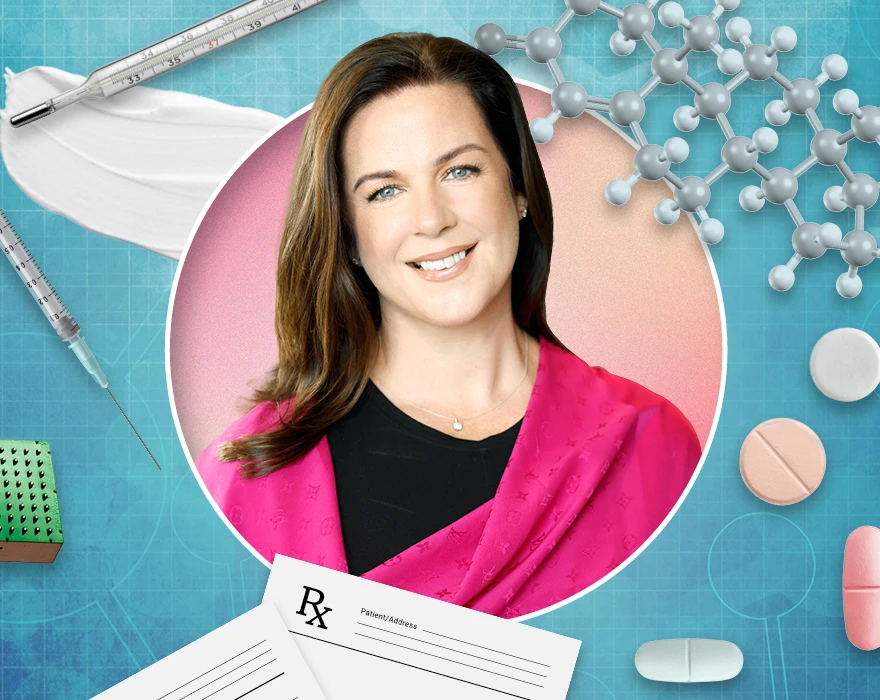
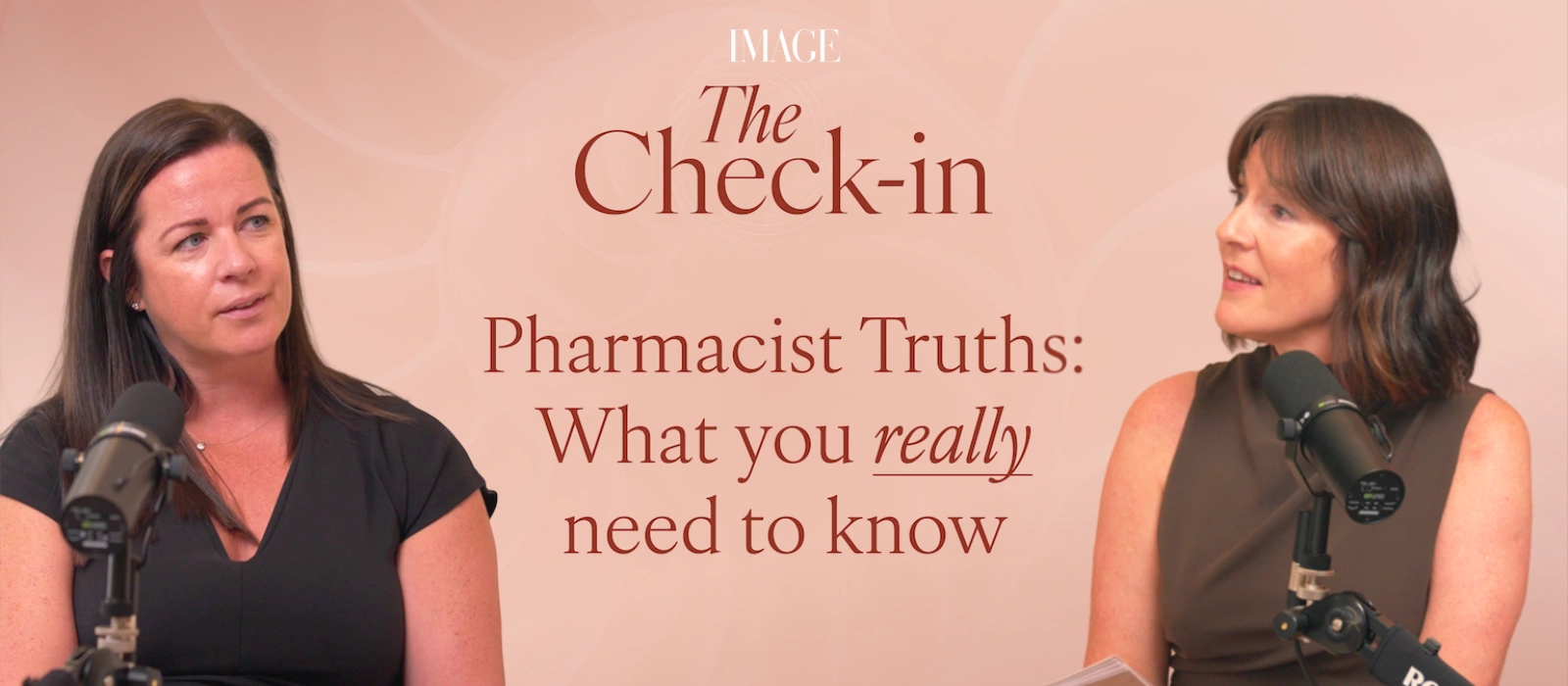
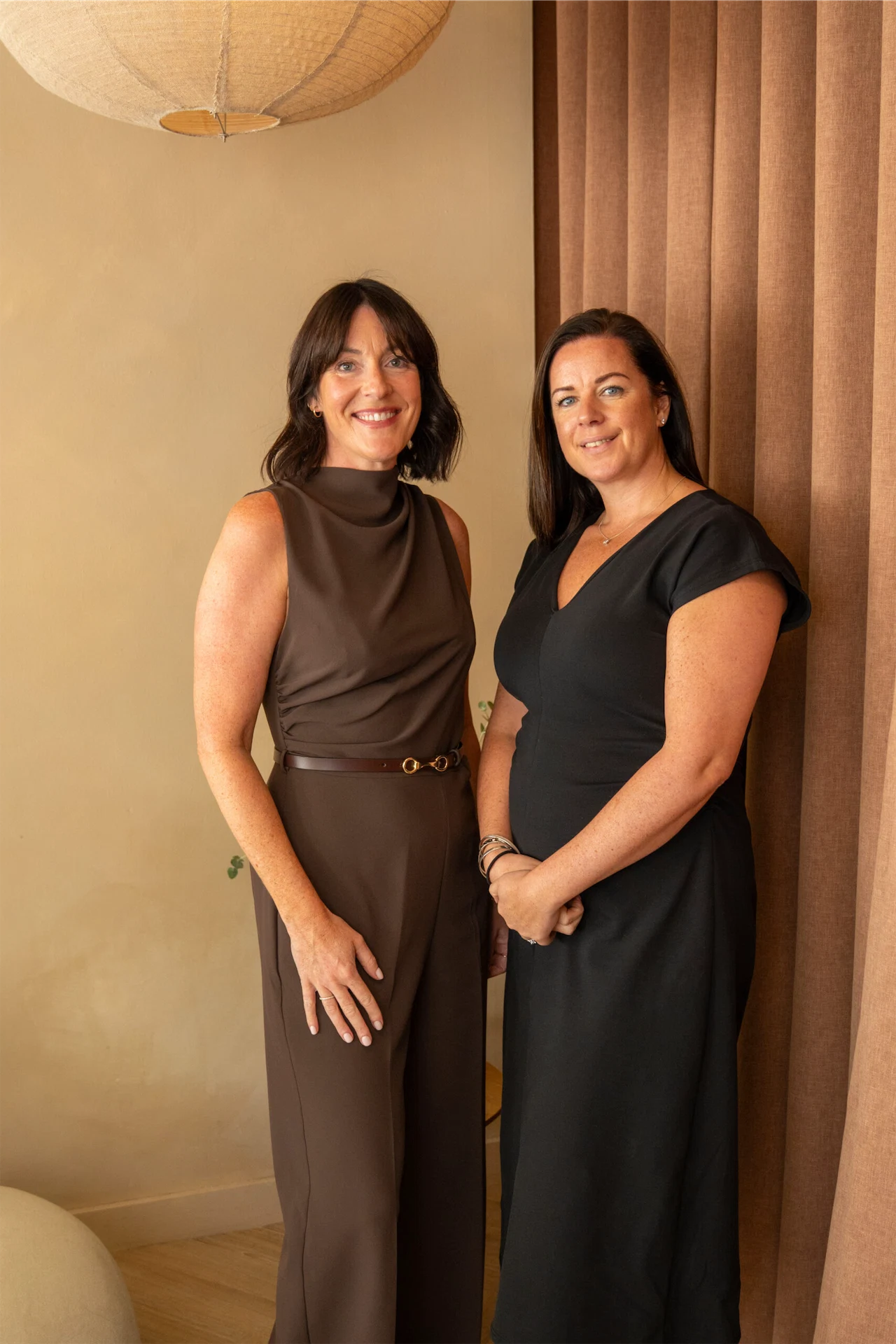
In this episode, IMAGE contributing editor and wellness leader Ellie Balfe speaks to Caoimhe McAuley, director of pharmacy and superintendent pharmacist at Boots Ireland. With over 20 years’ experience, she has been central to making community pharmacies more accessible for women’s health – from contraception and period care to menopause support.
Growing up in a small village in County Antrim, Caoimhe saw firsthand how vital the local pharmacy was to her community – a place people turned to for reassurance, advice and care. That early experience sparked a lifelong passion for pharmacy and the difference it can make in everyday lives.
Women taking charge of their health
Over the years, Caoimhe has noticed a major shift in how women engage with their pharmacists.
“[We] definitely [see] women empowering themselves,” she says. “As women, we put everybody else first and our own health on the long finger. What I’ve seen is women starting to come forward more, asking questions about their own health and how to support it.”
Government initiatives have helped drive that change, she adds. “There’s been a big government focus on women’s health, which is fantastic. Free HRT, for example. I think we’ve moved into understanding that we need to do more for women, and you see that coming through in pharmacy too.”
Breaking barriers at Boots
Since joining Boots, Caoimhe has seen how pharmacy can remove barriers to healthcare.
“When I joined Boots, I came in on the back of quite significant changes,” she says. “We’d had bird flu, which feels like a long time ago now, but that was when vaccination started in pharmacy. My predecessor pioneered vaccinations in pharmacy – they’d never happened before. The same person also pioneered access to emergency hormonal contraception – the morning after pill. Before that, you had to go to your GP, which now feels so antiquated.”
Building on this, Caoimhe has helped expand services that destigmatise and support women’s health. “Since then, I’ve seen HPV vaccination come in, which is a massive opportunity for women. We’ve introduced mole scanning too.”
One initiative she’s particularly proud of is Safe Pharmacy, which provides confidential support for victims of domestic abuse. “We piloted it just before Covid, and it’s one I’m really proud of – creating a safe space for victims of domestic abuse,” she says.
“If someone needs help, they can come in and ask to use the consultation room. We’ll give them a phone if they don’t have one, and a list of numbers to signpost them to the right support. It’s completely confidential. You can use the service, leave, come back. It’s about knowing that space is there if you need it, at one of the hardest points in your life.”
Making healthcare more accessible
For Caoimhe, access and connection are at the heart of pharmacy’s role.
“Access is key,” she says. “The real opportunity is to come in and have a conversation with your pharmacist about what’s important to you. Not just your family or everything else you’re busy with, but asking, ‘What do you think could help me?’”
And for anyone feeling nervous about starting that conversation? “It’s totally fine to feel overwhelmed. We all are. Don’t let that put you off,” she says.
“Just ask: Can I speak to you privately? Every pharmacy has consultation rooms, private spaces off the shop floor. Don’t be put off by things you think are barriers – they’re not. You don’t need to share everything at once. Come in, have a chat, see how you feel. You’ll build a relationship, and you can have more than one conversation.”
Menopause and midlife care
Caoimhe has seen a big shift in how menopause is discussed. “I think we’ve really broken the taboo around talking about it,” she says. “So many more women are curious now and saying, ‘Is that perimenopause? What does that mean?’ and they’re seeking out advice and information. I think that’s fantastic.”
The rollout of free HRT, she adds, has helped many women access treatment.
“We’ve seen a slight increase so far. GPs still prescribe it, but from a pharmacy perspective, uptake has increased. That tells me either there’s more prescribing, or the barriers – especially cost – have been reduced. I’m delighted with the move, and I fully support the government’s vision for women’s healthcare. HRT is the first step, and I hope to see more initiatives that help women at every stage of life.”
Don’t be put off by things you think are barriers – they’re not. You don’t need to share everything at once. Come in, have a chat, see how you feel. You’ll build a relationship, and you can have more than one conversation.

Supplements and self-care
When it comes to supplements, Caoimhe believes it starts with diet and depends on life stage.
“The first thing is always diet; what are you already getting, where are the gaps? Then it changes by decade,” she says. “In your 20s and 30s, it’s about building bone strength – calcium and vitamin D, maybe iron if you’re tired. In your 30s and 40s, life gets busy – so magnesium for sleep, omegas for heart and brain health.
“In your 40s to 60s, when you’re in perimenopause or menopause, you’re thinking again about bone density, so calcium, vitamin D, maybe B vitamins, maybe CoQ10. Then in your 60s and beyond, it’s about maintaining strength – zinc for immunity, lutein for eyesight, amino acids for muscle mass.”
Her advice: “Come in and show your pharmacist what you’re taking. Some supplements interact with medicines, and sometimes you can end up doubling up without realising.”
Opening the conversation
Above all, Caoimhe says communication is the foundation of good health. “Talk. Talk, talk, talk,” she says. “I could say exercise, prevention, diet, but it all comes back to talking and being curious. That’s how we find what’s right for you, and how we can best support your health.”
Looking ahead, she’s optimistic about the future. “The steps we’ve seen so far, and the real focus on women’s health, give me real hope,” she says.
“Our current health minister is particularly focused on empowering women’s health and expanding the role of pharmacists in communities. That gives me real hope; that we’re opening doors and having more conversations about what’s right for women.”
We’re lifting the lid on women’s health: the real, the raw, the rarely spoken aloud. Our new podcast ‘IMAGE The Check-in’, hosted by Ellie Balfe, gets straight to the heart of what’s truly on women’s minds right now. We dive into monthly health themes with expert guests and honest voices. Listen to IMAGE The Check-in HERE or wherever you get your podcasts.
Watch our first episode with Caoimhe below:

To stay up to date on our latest expert-led articles, insights, podcast episodes and more, visit the IMAGE Women’s Health Clinic Hub.
Also Read