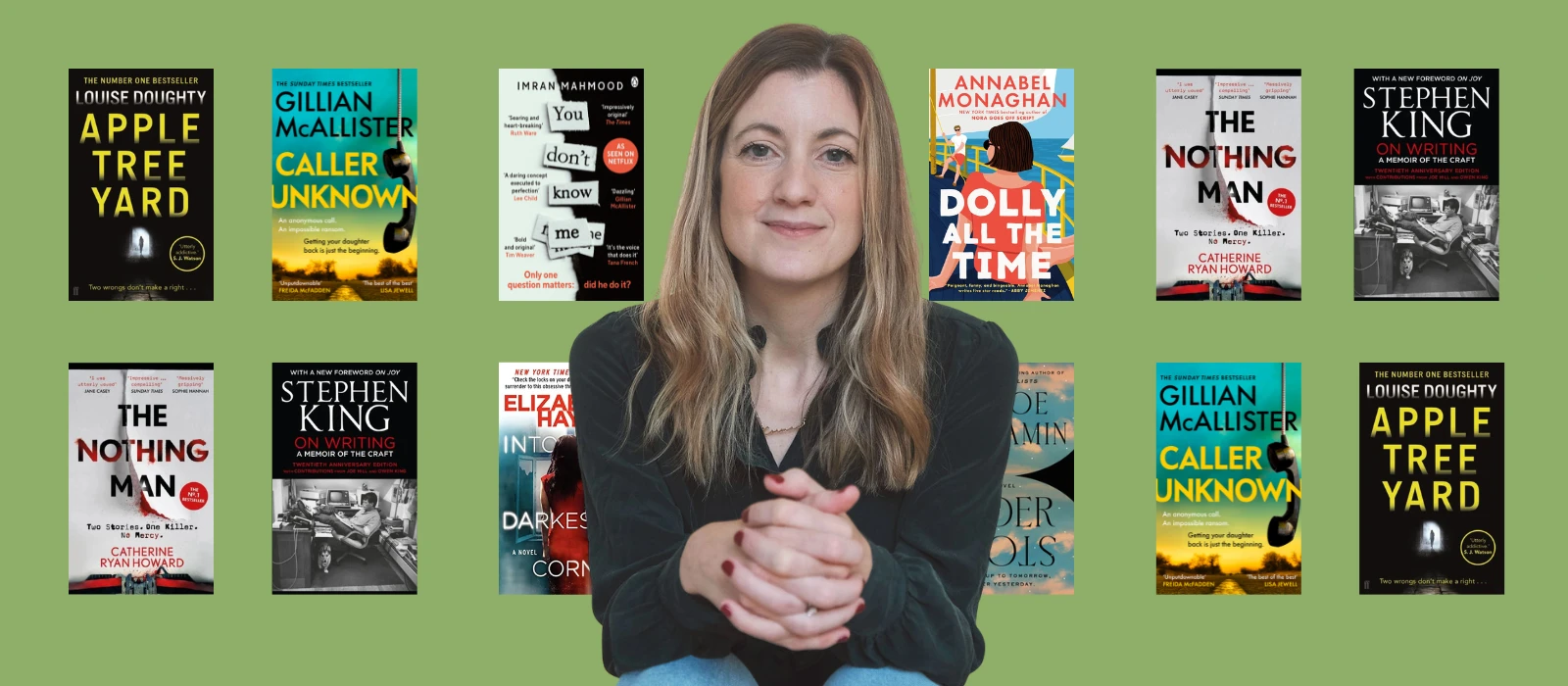



Page Turners: ‘Frida Slattery As Herself’ author Ana Kinsella
Ana Kinsella’s debut novel is a propulsive story of love, ambition and two people coming of age, together and apart. Here, she discusses her literary inspirations, beloved books, and the eternal pleasure to be derived from reading.
You could probably run cities on the energy generated between directors like him and actresses like her.
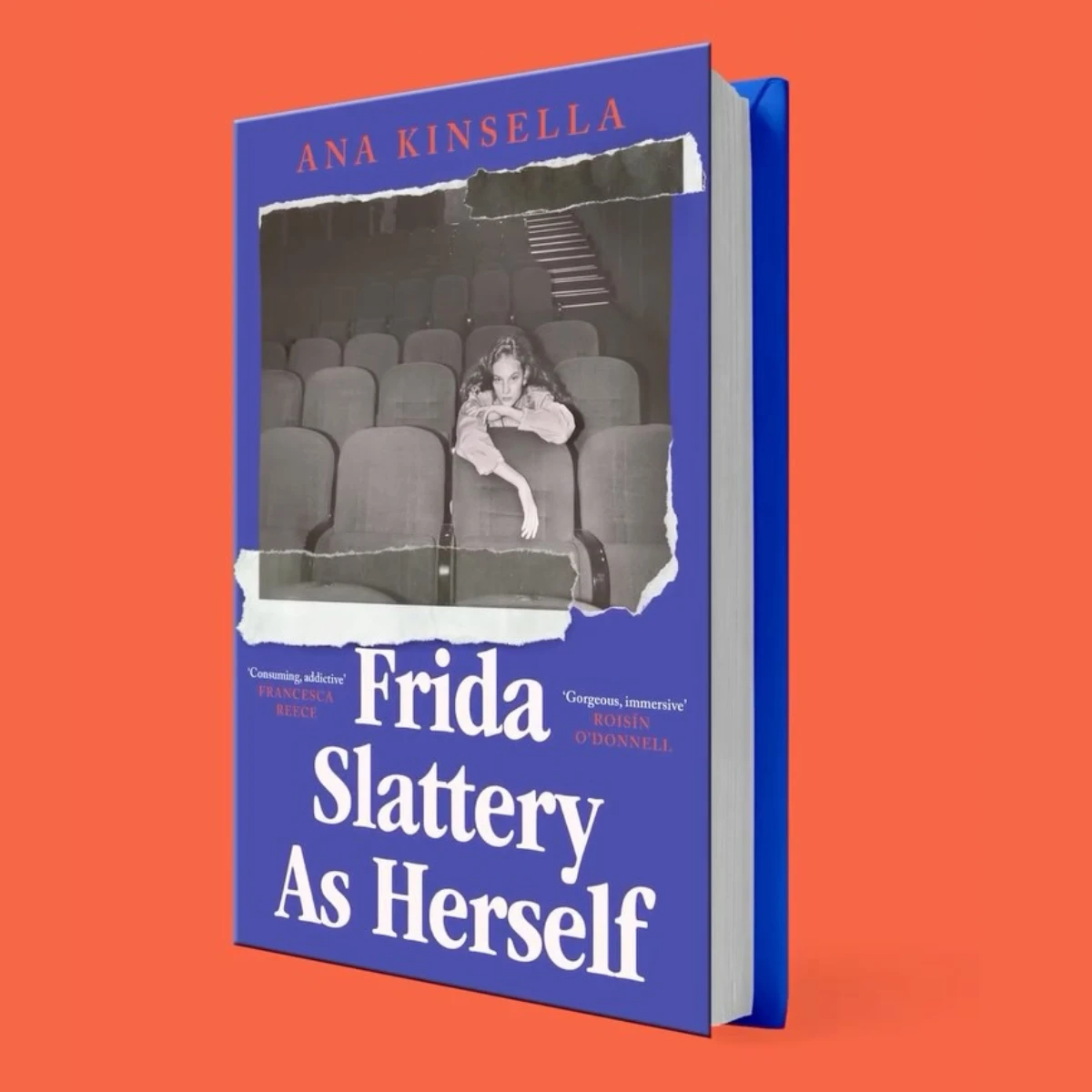
When Frida Slattery and John Reddan meet in a Dublin pub in 2006, neither can imagine how they will come to shape and define each other’s lives?
Frida is struggling to launch her acting career, while John is already gaining a name for himself as a director. From the first they see in each other potential and the chance to create work that matters, though the lines between collaboration and exploitation, friendship and desire will prove dangerously slippery.
With the financial crisis looming, the next 15 years takes them from Dublin to London, New York and LA, and through success and disappointment, joy and heartbreak. Their connection is tested and stretched to the point of rupture, but something remains that outlasts their work and the shifting perceptions of the period.
Frida Slattery As Herself is an epic and unforgettable story of love, ambition and two people coming of age, together and apart.
Did you always want to be a writer? Tell us about your journey to becoming a published author.
Sort of. I came of age in The Devil Wears Prada, rom-coms-centred-on-journalists era, so of course I grew up wanting to work in the glamorous world of fashion magazines. I moved to London after university to pursue that career, though a year or two after getting there, I began to find it stultifyingly dull. I was surprised to learn that I was bored by the dresses, the industry, and not by the actual writing, which I loved most of all. I started trying to write fiction in private in my late 20s and though it took a little while to get the hang of it, it soon became my main obsession, my raison d’etre, my sole goal, etc.
What inspired you to start writing?
I studied English literature at university and strongly felt that I’d never be ‘good enough’ to write an actual novel myself. Writing fiction was for other, more intelligent people, apparently. So I’d put it out of my mind entirely. Towards the end of my twenties, I thought, Well, that might still be the case, but why not give it a go anyway? What if it’s fun? It turned out that writing fiction, making things up, is excellent fun and that was what got me going.
Tell us about your new book. Where did the idea come from?
Frida Slattery As Herself is about a woman and a man – Frida Slattery, an actor, and John Reddan, a writer-director working in the theatre in Dublin. When they meet, they’re in their early 20s and they’re both trying to get their careers off the ground. Immediately they’re drawn to each other and the novel then follows them over the course of 17 years, told through the plays they work on together and the time they spend apart.
In my journalist days, I interviewed many Irish actors and other creatives, and I was drawn to the idea that in order to pursue your big ambitions as an Irish person, you had to leave the place you considered home and go where the wind and/or the film and TV industry took you. Acting is a career where you can have very little control over what kind of work you end up doing. It struck me that it would be a rich seam for fiction – it could contain so many ideas around creativity, ambition, regret and so on – and it sat at the back of my mind for close to ten years before I started writing. The idea of Frida Slattery, this ambitious and yet slightly thwarted actress, came to mind and from there, writing her story became like an addiction for me.
What do you hope this book instils in the reader?
I absolutely love novels where you get lost in the story – where the characters whirl in your head long after you put the book down, and where the story feels as real to you as the lives of your own friends. If I had any ambition when I was writing Frida Slattery As Herself, it was to try to give the reader that feeling. I’m in a brilliant book club and the other members and I all love a certain kind of rich, deep novel that feels like a river when you step into it. Really, when I was writing this novel, I was just trying to write something that would impress my book club.
What did you learn when writing this book?
I learned that writing a story that covers two decades is complicated! I had a very detailed timeline document that included all the biographical details of my characters’ lives, as well as the plot, and also had to cover current events like MeToo, details of various Covid lockdowns, and the price of a pint in 2005. It was extremely laborious at times. I keep joking that my next novel will take place entirely on a single day – although now that I think of it, Ulysses isn’t exactly a straightforward piece of literature either, is it?
Tell us about your writing process?
I wish I knew. Before, it always seems impossible. During, it feels like immense fun. After, it’s like it was all a dream.
Where do you draw inspiration from?
I love the cinema and the theatre. I love people-watching. I love being on public transport, walking through the city centre, going to the library. If you’re open to it, inspiration is literally everywhere, but I think the hard part is remaining open to it in a world that is full of distraction.
What are your top three favourite books of all time, and why?
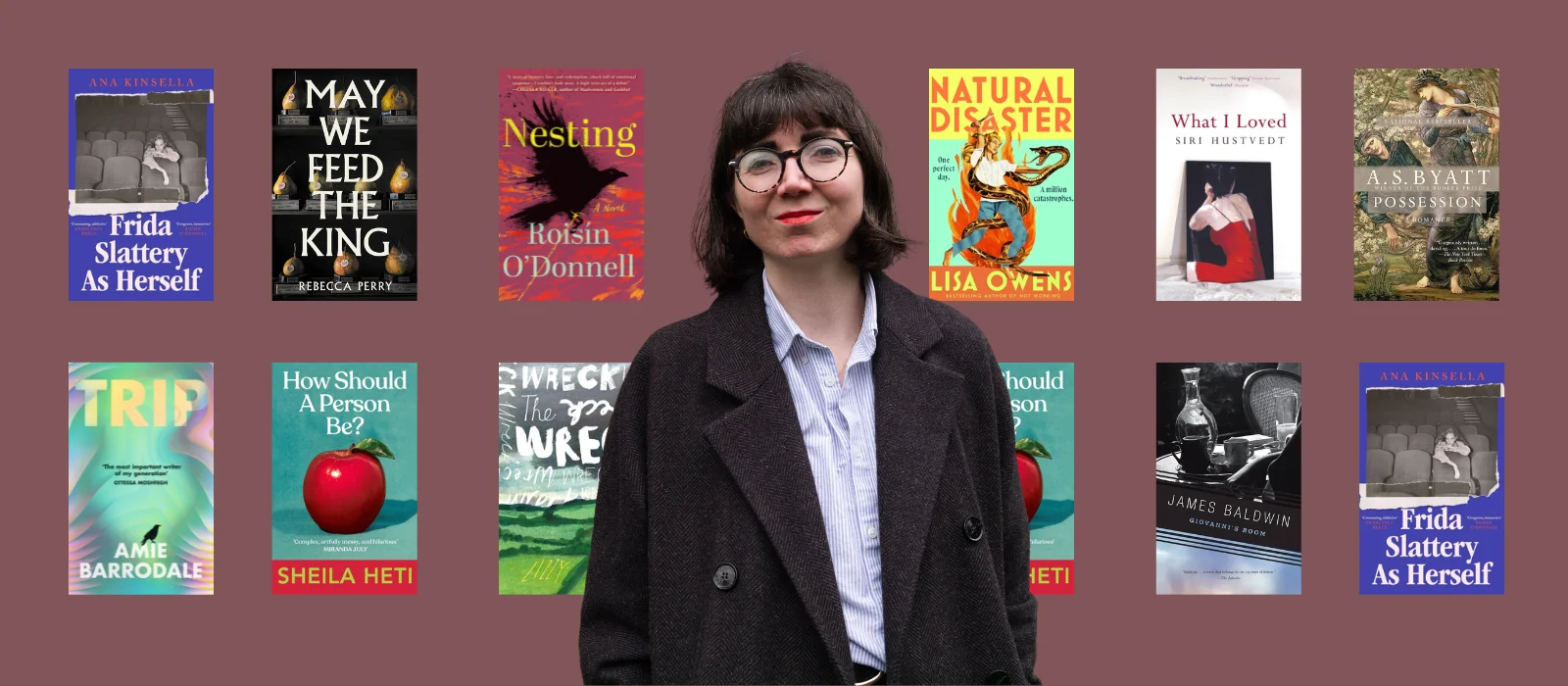
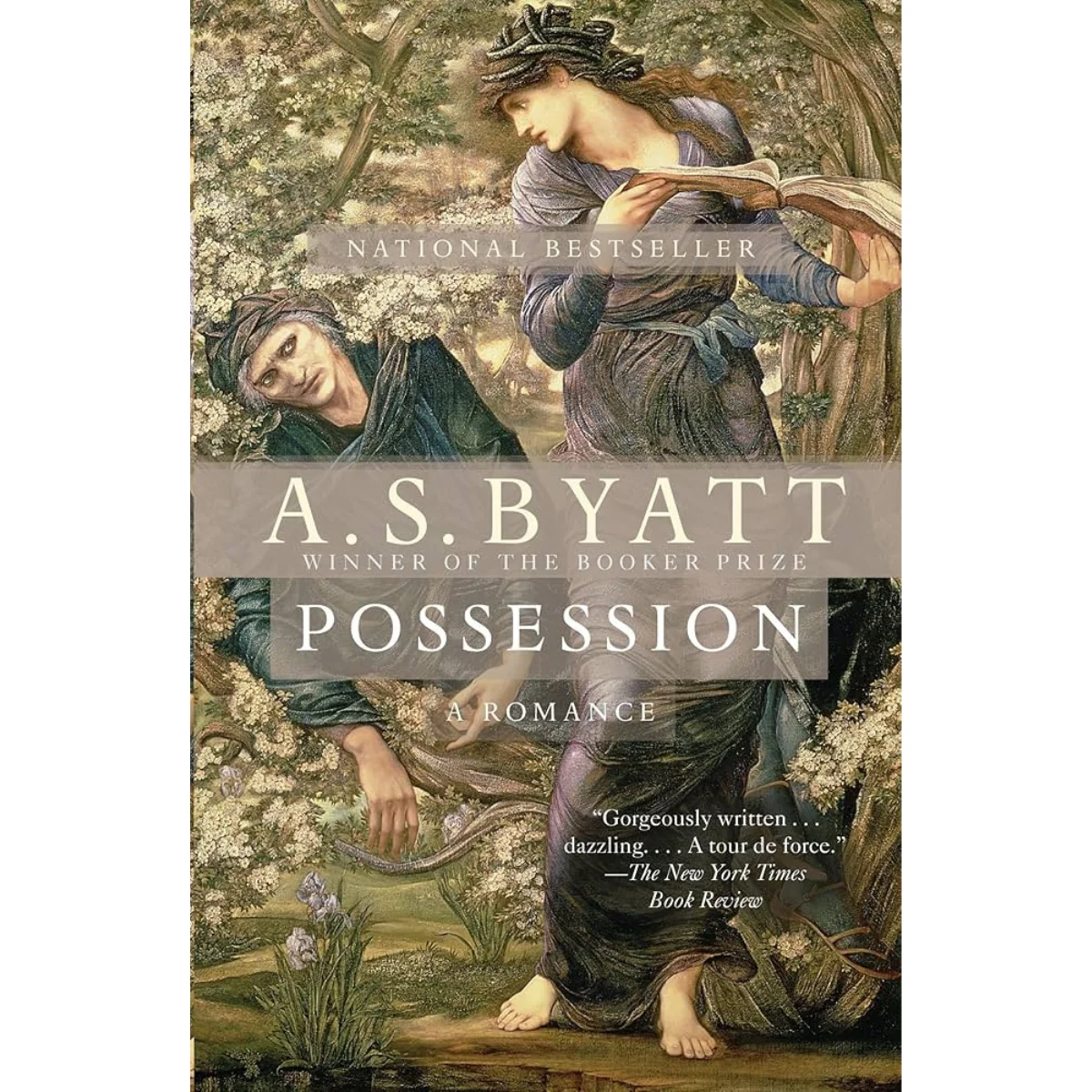
Possession by AS Byatt – I just love that it’s basically a thriller about academic research.
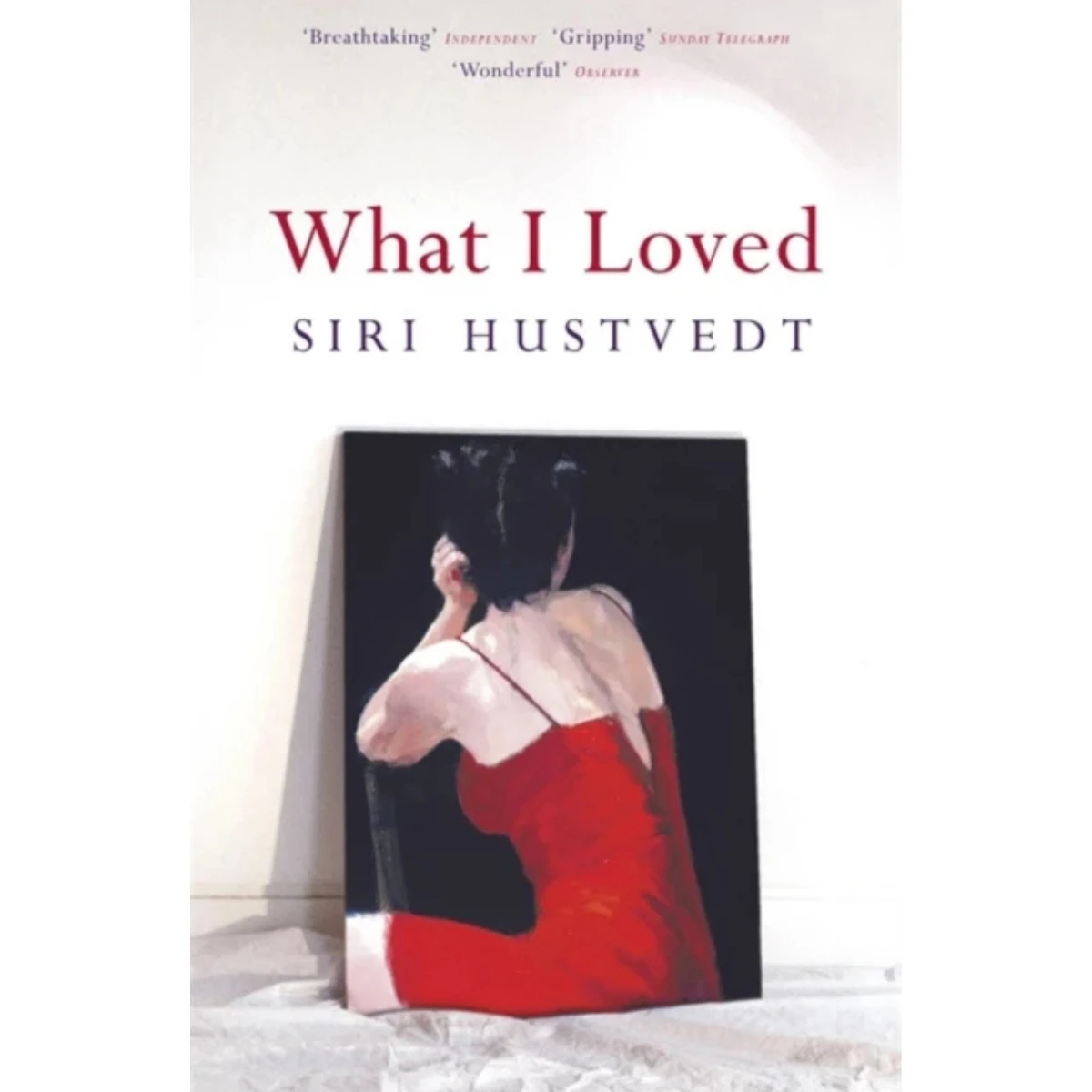
What I Loved by Siri Hustvedt – its depictions of friendships between adults over long periods of time are so moving.
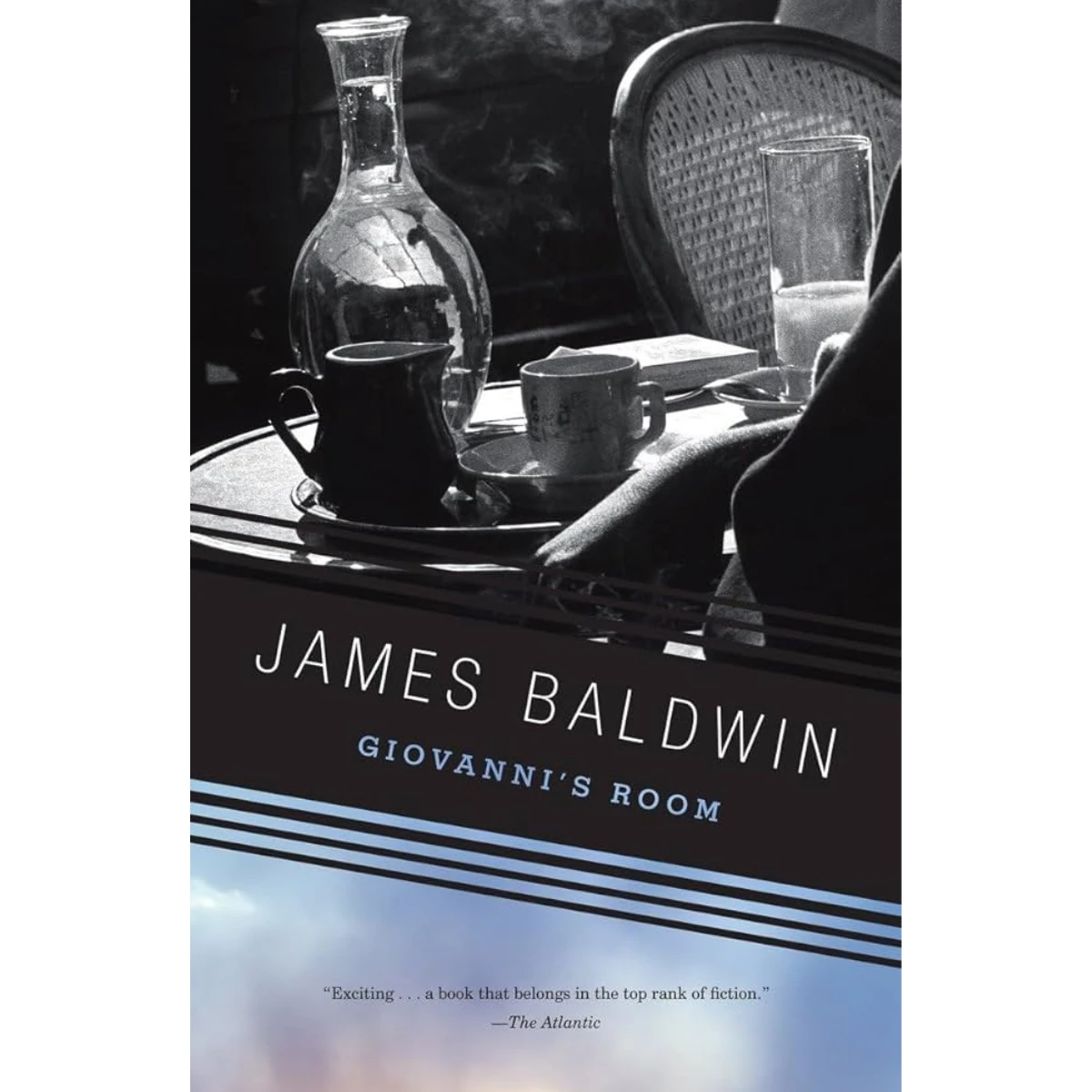
Giovanni’s Room by James Baldwin – every time I read it I’m amazed at how much is contained in such a short space, and how rich the writing and the world of the novel is.
Who are some of your favourite authors, Irish or otherwise?
Certain writers I’ll read absolutely anything by. I’ll queue up outside a bookshop for a new novel from Jonathan Franzen, Tessa Hadley, Anne Enright, Sally Rooney, Isabella Hammad, Paul Murray, Eleanor Catton and Elif Batuman, among others.
What are some upcoming book releases we should have on our radar?
I loved Natural Disaster by Lisa Owens, which is out in June. The Wreck by Lizzy Stewart is a brilliant illustrated literary novel about two couples who share a house together and I’m obsessed with it.
What book made you want to become a writer?
I don’t think there was one single book that did it, though I do think I’m probably one of so many women writers around my age who were radicalised by their reading of How Should A Person Be? by Sheila Heti in 2012.
What’s one book you would add to the school curriculum?
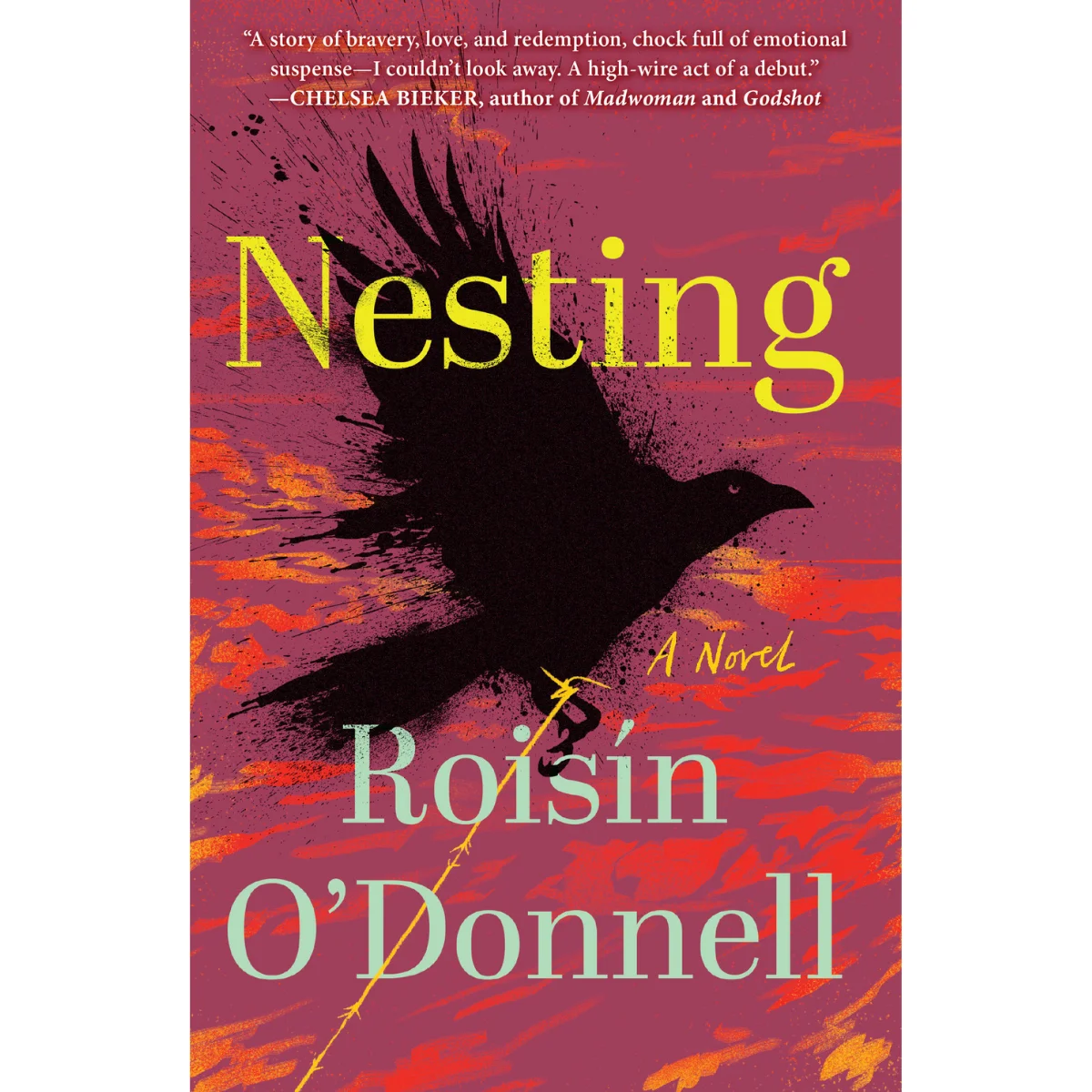
Nesting by Roisín O’Donnell. It’s hard to imagine a novel that does a better job of combining a real human story with important social issues – while also being absolutely compelling for the reader from start to finish. I think any student would have so much to learn from it.
What’s the best book you’ve read so far this year?
I adored May We Feed The King by Rebecca Perry. It’s a beautifully constructed and utterly absorbing novel. I also couldn’t get enough of Trip by Amie Barrodale which I recommend you read without knowing anything about, it’s such a wild ride.
What’s your favourite bookshop in Ireland?
Don’t make me choose! I have a soft spot for Books Upstairs on D’Olier Street.
What’s some advice you’ve got for other aspiring writers?
Don’t wait for someone or something else to validate your work as a writer. You don’t need a particular publication or award to tell you if your work is any good or if you’re going in the right direction. Just keep going!
Lastly, what do the acts of reading and writing mean to you?
Endless entertainment. Reading has been a constant throughout my life, a source of great pleasure through good times and bad ones, and I feel very grateful that writing has been able to offer similar pleasures for me in recent years, too.
Photography by Sophie Davidson.
Frida Slattery As Herself by Ana Kinsella (Scribner) is on sale now.
Also Read