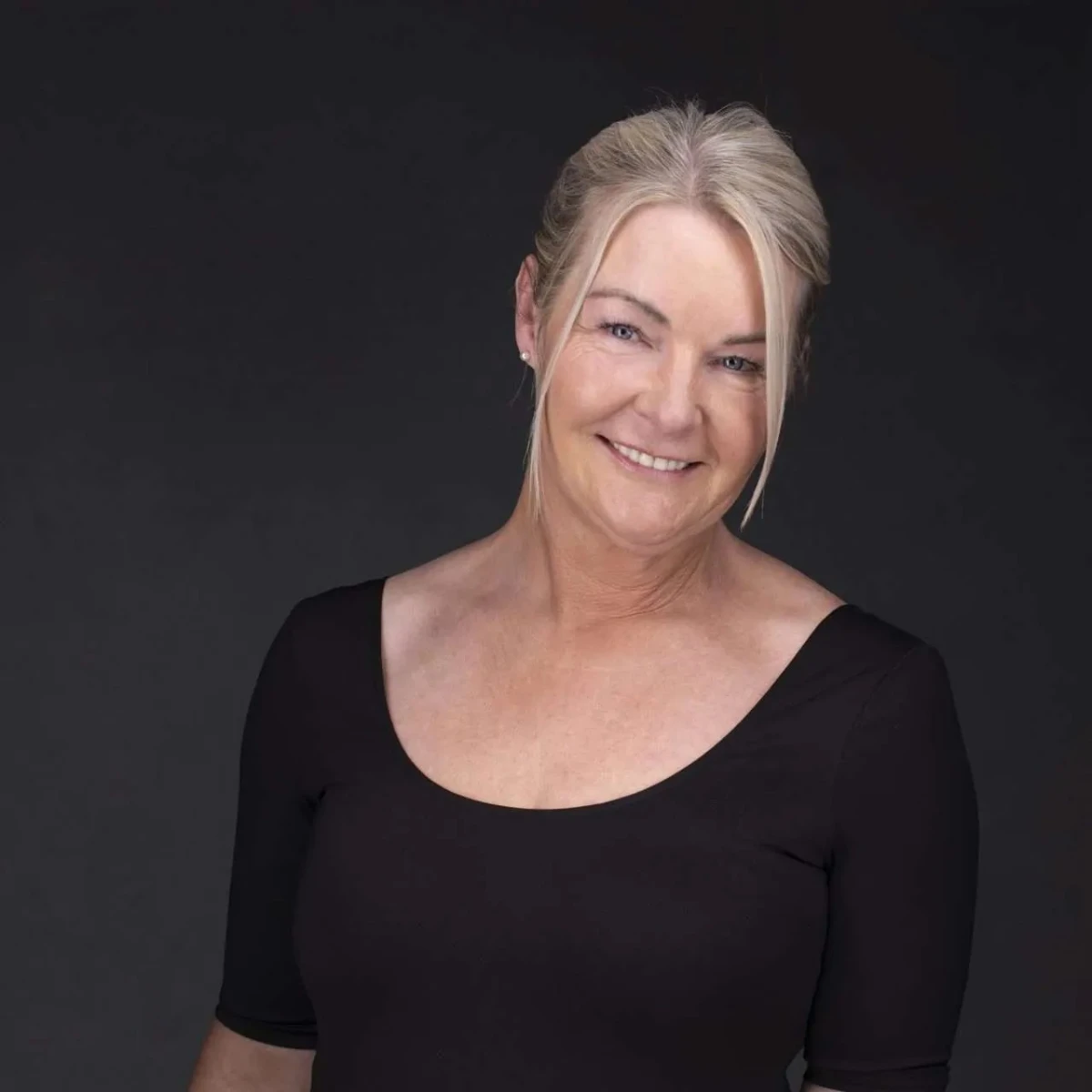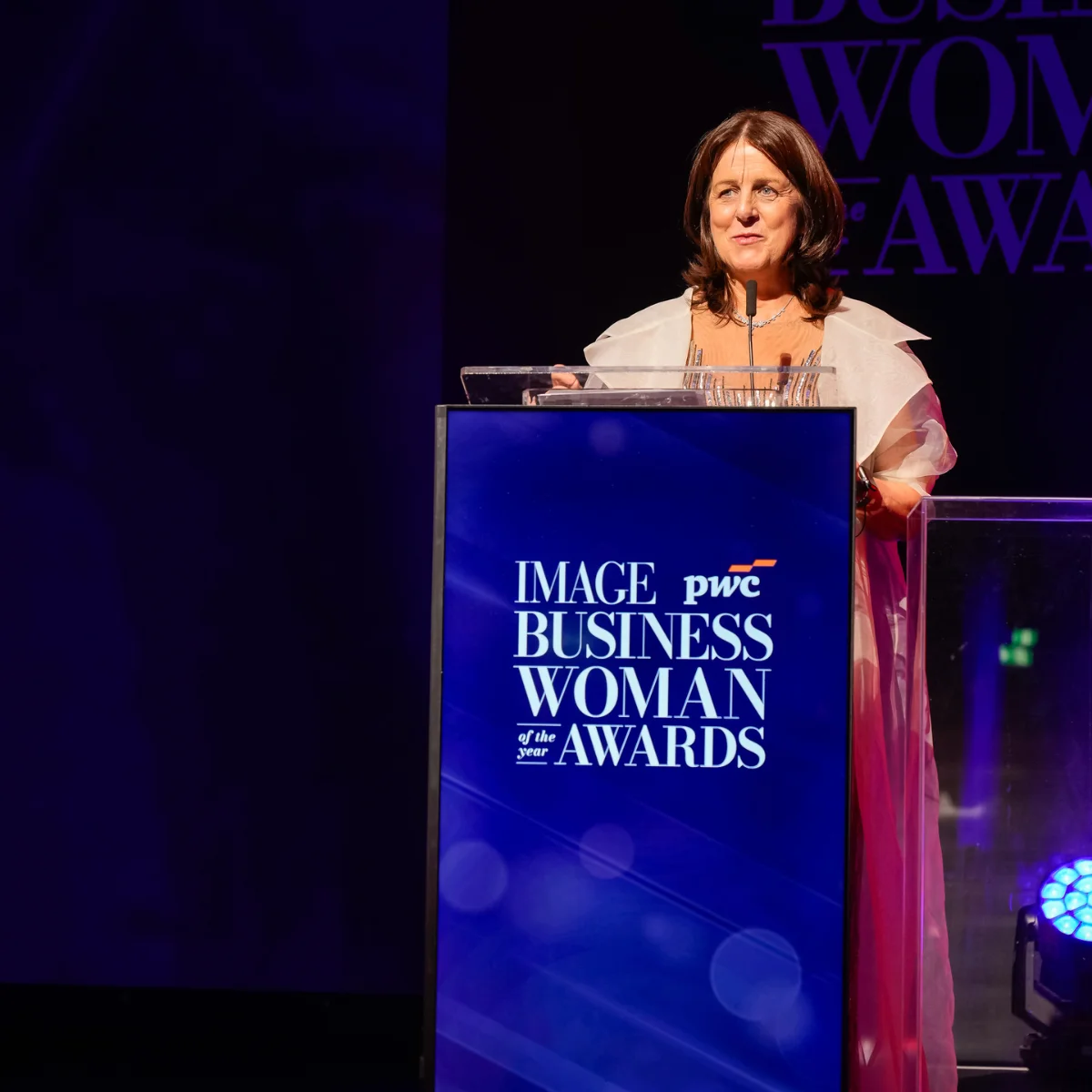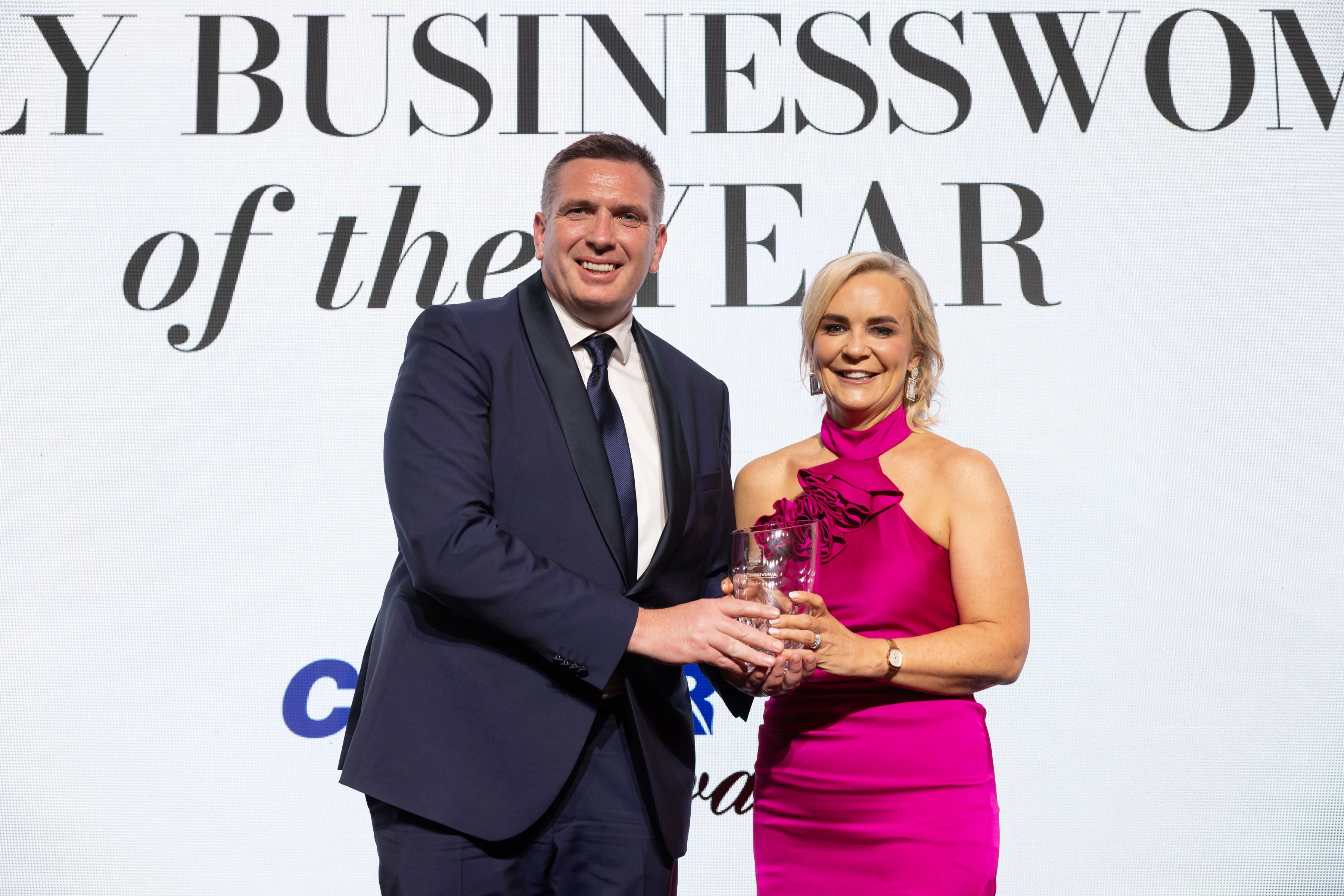
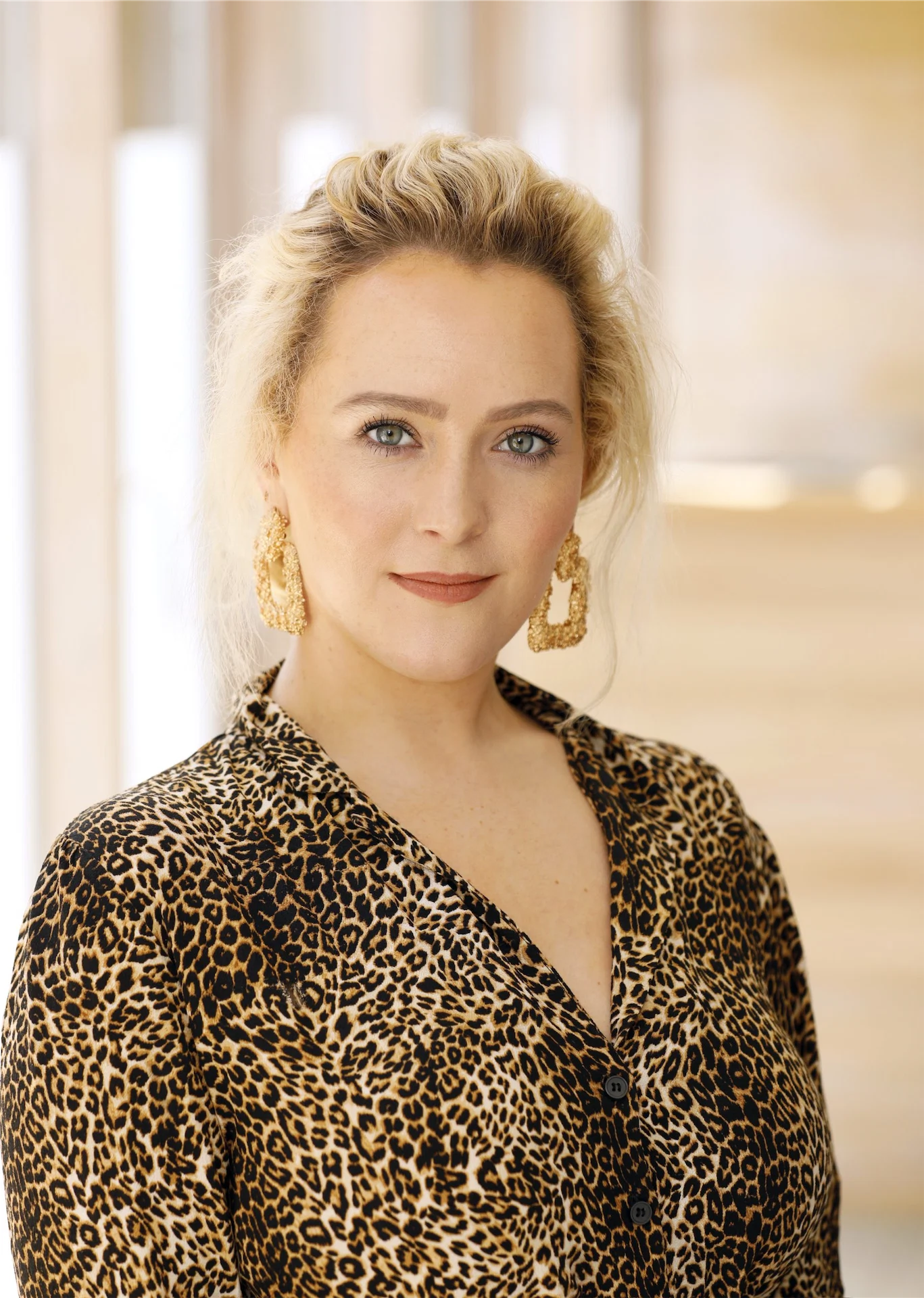
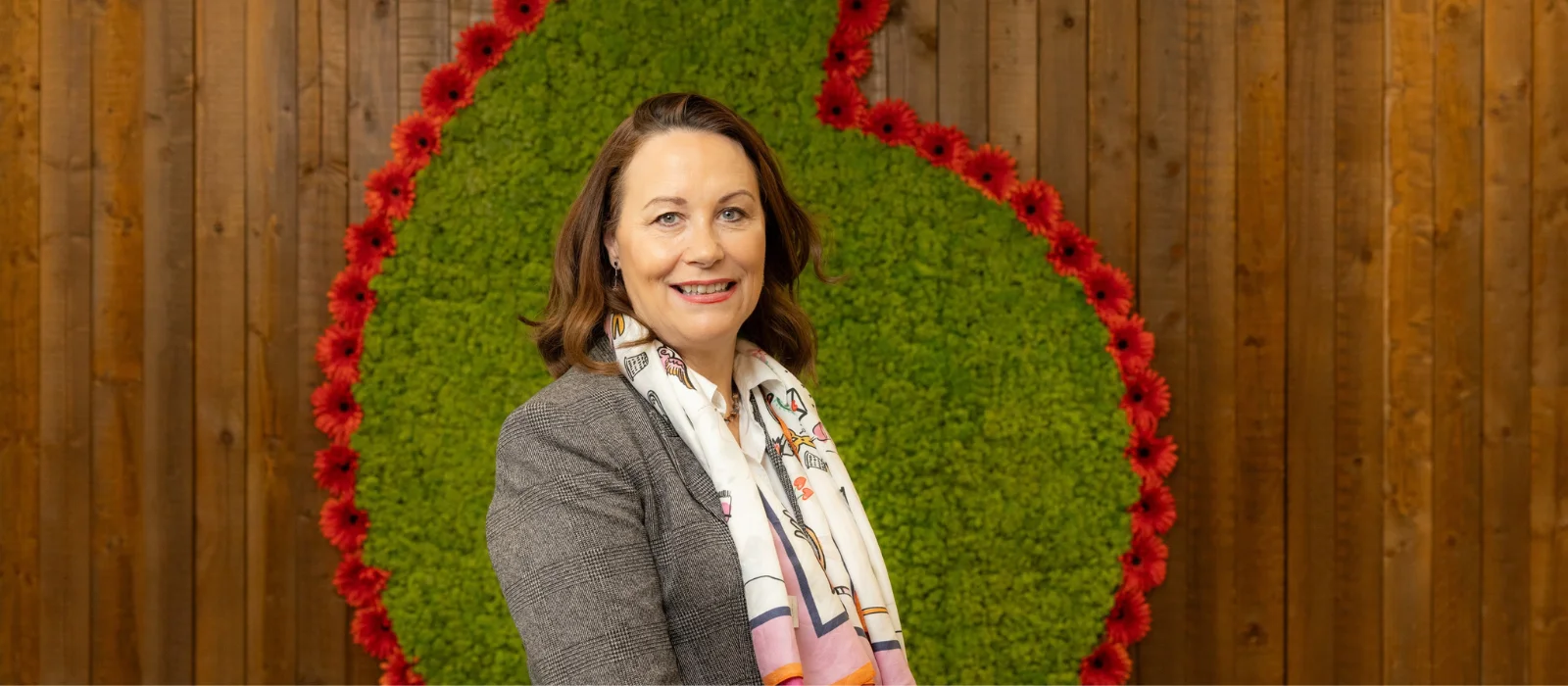
Born from frustration with how girls experience sport, Féirla is challenging the silence around periods and sports performance and redesigning sportswear with female athletes finally in mind – here we chat to its founder Margaret Walsh.
For nearly two decades, Margaret Walsh built a career helping athletes recover. As a physiotherapist working largely with male teams in the GAA, she understood injury rehabilitation inside out. If a player tore an ACL, there was a roadmap: surgery, rehabilitation, return-to-play protocols, timelines, structure. Everything was measured, researched and supported.
Then she became a mother.
After the birth of her son in 2016, Margaret found herself asking a question she couldn’t shake: where was the recovery protocol for women?
“I remember thinking, I’ve just housed a human being for nine months and given birth,” she says. “Where’s my return-to-function plan? Where’s the support?”
As a healthcare professional with a science background, she was stunned by the lack of guidance available to women after pregnancy. If she struggled to find reliable information, how were women without medical training expected to navigate recovery, exercise and wellbeing? “That really changed everything for me,” she explains. “I completely immersed myself in women’s health, especially pregnancy and postpartum care. I upskilled, started working with more women, and I realised how much we still weren’t talking about.”
But it was the birth of her daughter, Neela, in 2020 that sparked what would become her biggest mission yet. Margaret began researching the huge dropout rate of girls in sport during puberty. Again and again, she found the same pattern: girls who once loved sport quietly disappearing from teams and clubs once their bodies began to change.
“It genuinely bothered me,” she says. “I kept thinking about my daughter. I kept thinking about myself at that age. We talk about girls losing confidence, but we rarely ask why.” Soon, she started giving talks in schools and sports clubs, initially for free. She spoke not just to girls, but to parents, coaches and mentors too, educating them about how the menstrual cycle affects performance, confidence and participation in sport. “We reduce periods to conversations about tampons and not getting pregnant,” she says. “But nobody talks about how the menstrual cycle affects how girls move, train, recover or even feel socially.”
Margaret explains that while men generally operate on a 24-hour hormonal cycle, women experience fluctuations across an entire month. Those hormonal shifts can influence everything from energy levels and reaction times to appetite, balance, mood and confidence.
“A girl can feel completely different from one week to the next,” she says. “But often she’s being coached as if she should perform the same every single day.” That misunderstanding, she believes, contributes hugely to girls dropping out of sport. “You have a coach saying, ‘She’s not bothering today.’ Then teammates start saying it. Parents start saying it. But maybe that girl is exhausted, uncomfortable, bloated, anxious or in pain. Nobody is joining the dots.”
During one appearance on a podcast, Margaret casually mentioned another issue that had frustrated her for years: sports shorts designed for girls simply didn’t fit properly. “The reaction was wild,” she laughs. “I honestly thought everybody already knew.” But as clips from the interview spread online, thousands of women began sharing their own experiences. Girls described feeling exposed in white shorts during their periods. Women admitted they had spent years believing their bodies were the problem because the standard kit never fit correctly.
“That was the heartbreaking part,” Margaret says. “Women blamed themselves. Girls blamed themselves. Nobody questioned whether the product itself had ever actually been designed for us.” Traditionally, most Gaelic shorts are based on male proportions. When girls go through puberty and their hips widen naturally, the fit changes completely. “The shorts ride up because they’re designed for narrow hips,” Margaret explains. “Girls suddenly feel exposed and uncomfortable at the exact age they’re already hyper-aware of their bodies.”
Determined to create something better, Margaret approached established sportswear companies. Twice, she thought she had found the right partnership. Twice, it fell apart. “One man actually told me, ‘I think you’re the problem. There is no problem,” she recalls quietly. The comment devastated her. For a while, she stopped completely. “I genuinely started thinking maybe he was right,” she admits. “I felt like a failure.”
I never wanted girls to feel like they needed fixing. Having a period isn’t a weakness. Wanting support doesn’t mean there’s something wrong with you.
But the idea never left her. Every so often, girls or mothers would ask how the shorts were coming along, and each conversation reignited the frustration she felt. Last year, Margaret decided to give it one final attempt. She reduced her hours in her physiotherapy clinic, took financial risks alongside her husband and immersed herself in an industry she knew little about.
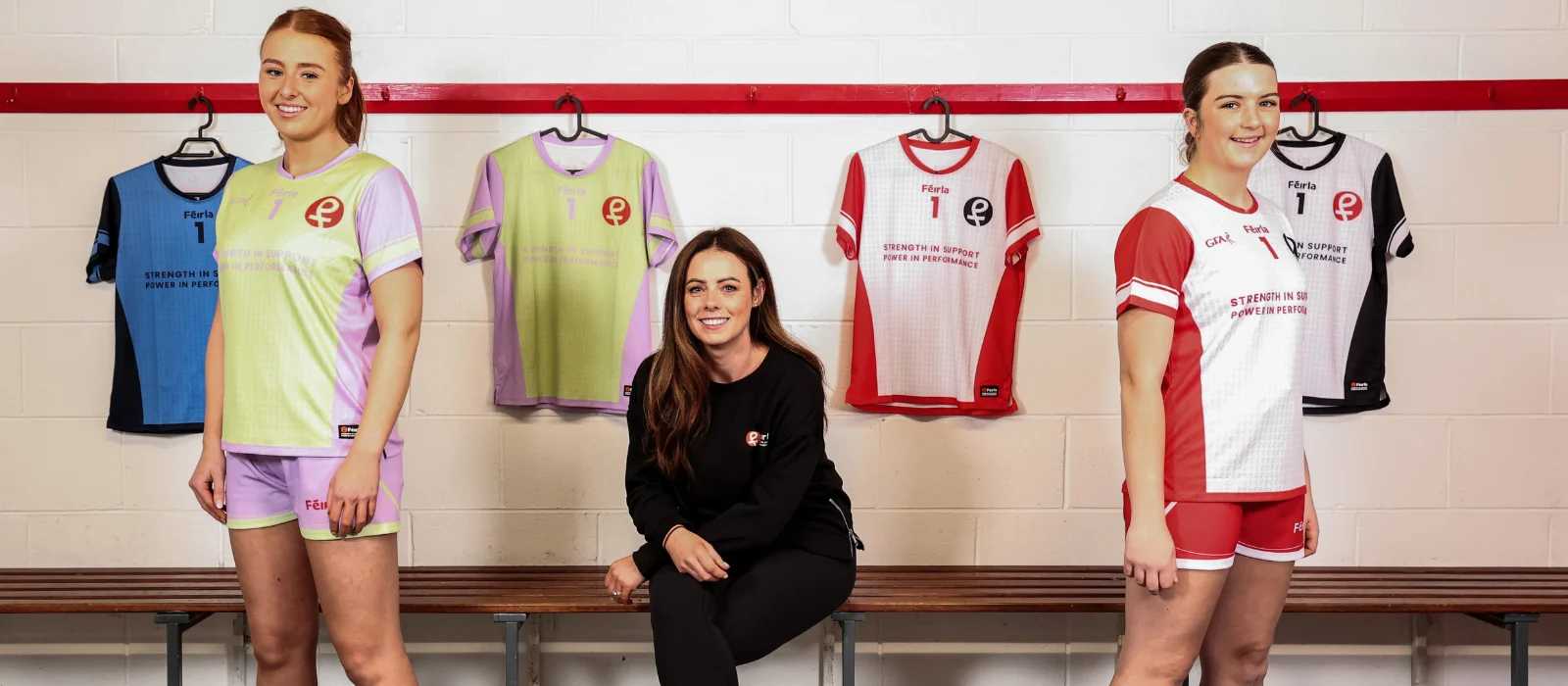
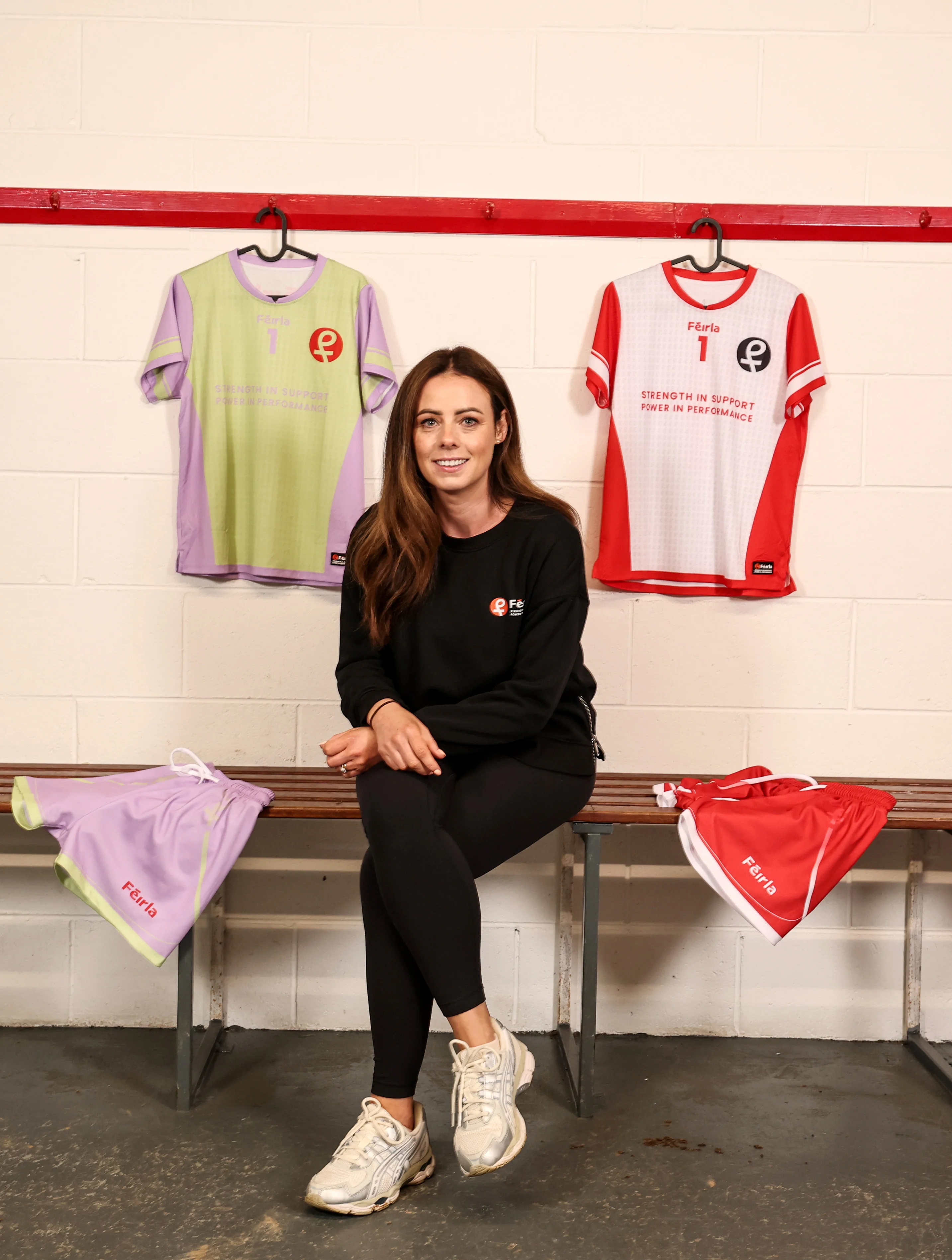
“I hired designers, sourced fabrics, travelled around and learned everything from scratch,” she says. “And I still didn’t tell many people, because I was terrified I’d fail again.” The result is Féirla, a sportswear range specifically designed for female athletes, but importantly, without making girls feel different. “That was the key for me,” she says. “I wanted the shorts to still look like classic Gaelic shorts. On the outside, every girl looks the same as the girl beside her. But on the inside, she gets to choose what makes her feel secure and comfortable.”
The collection includes four styles: a classic redesigned fit for the female body; shorts with built-in period-proof underwear; shorts with supportive compression layers; and high-waisted styles for girls who prefer extra support. Every pair also includes hidden pockets — a detail that has unexpectedly become a favourite among players. “The pockets are a huge deal,” Margaret laughs. “Girls are obsessed with them.” But beneath the practical design is something much deeper. Margaret named each short carefully, wanting them to feel empowering rather than clinical or embarrassing. The period-proof shorts are named after her daughter, Neala, whose name means female champion.
“I never wanted girls to feel like they needed fixing,” she explains. “Having a period isn’t a weakness. Wanting support doesn’t mean there’s something wrong with you.”
Her work is also rooted in changing the shame that still surrounds periods and puberty. Margaret remembers growing up in a world where sanitary products were hidden up sleeves and whispered about in embarrassment. “We were all going through the same thing, but nobody talked about it openly,” she says. “There’s so much shame attached to our bodies. And when girls feel shame around puberty or periods, of course, it impacts how confident they feel in sport.”
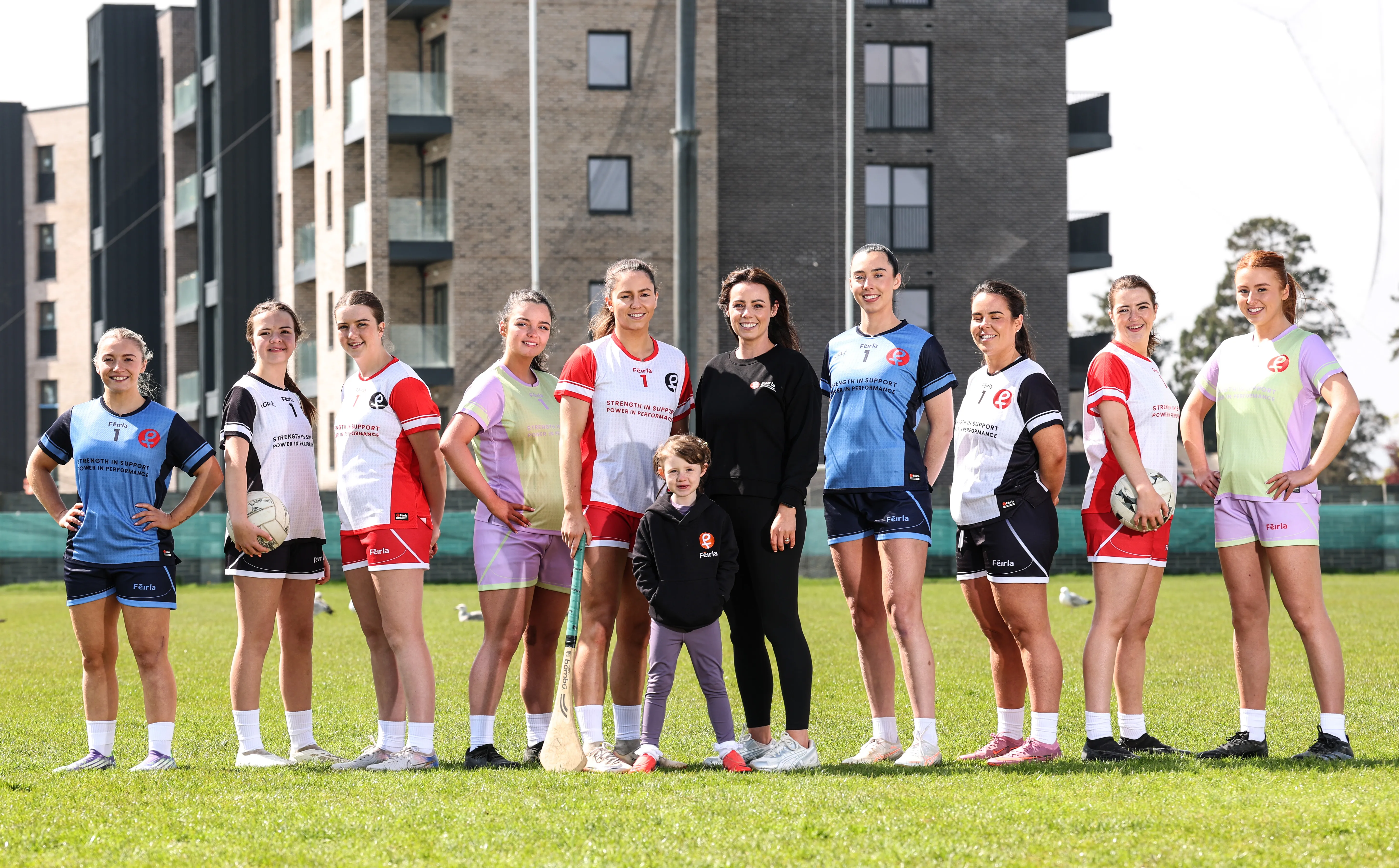
Now, when Margaret speaks to young athletes, she encourages them to understand their cycles rather than fight against them.
“If girls understand what’s happening in their bodies, it changes everything,” she says. “Instead of thinking, ‘Why am I failing?’ they can understand, ‘This is where I’m at in my cycle today.’” She believes the future of women’s sport depends not only on equal opportunity, but on recognising that female athletes are not simply smaller versions of male athletes. “We need to stop pretending women’s bodies function the same as men’s,” she says. “That doesn’t make us weaker. It just means we need different conversations, different education and different support.”
For Margaret, the mission has always been about more than shorts. “It’s about voice, choice and change,” she says. “If a girl feels more comfortable, more confident and more understood, she’s more likely to stay in sport.”
And for the little girl who inspired it all?
“I want my daughter to grow up in a world where these conversations aren’t awkward anymore,” she says. “Maybe one day girls won’t need talks like mine because everything will already feel normal.”
She pauses for a moment before smiling.
“But if she grows up thinking her mam was the mad woman who fought over shorts, I’m okay with that too.”
Shop the full collection now on feirla.com
Also Read