




Aoife Commins: ‘HIV is an illness that can affect anyone, it doesn’t discriminate’
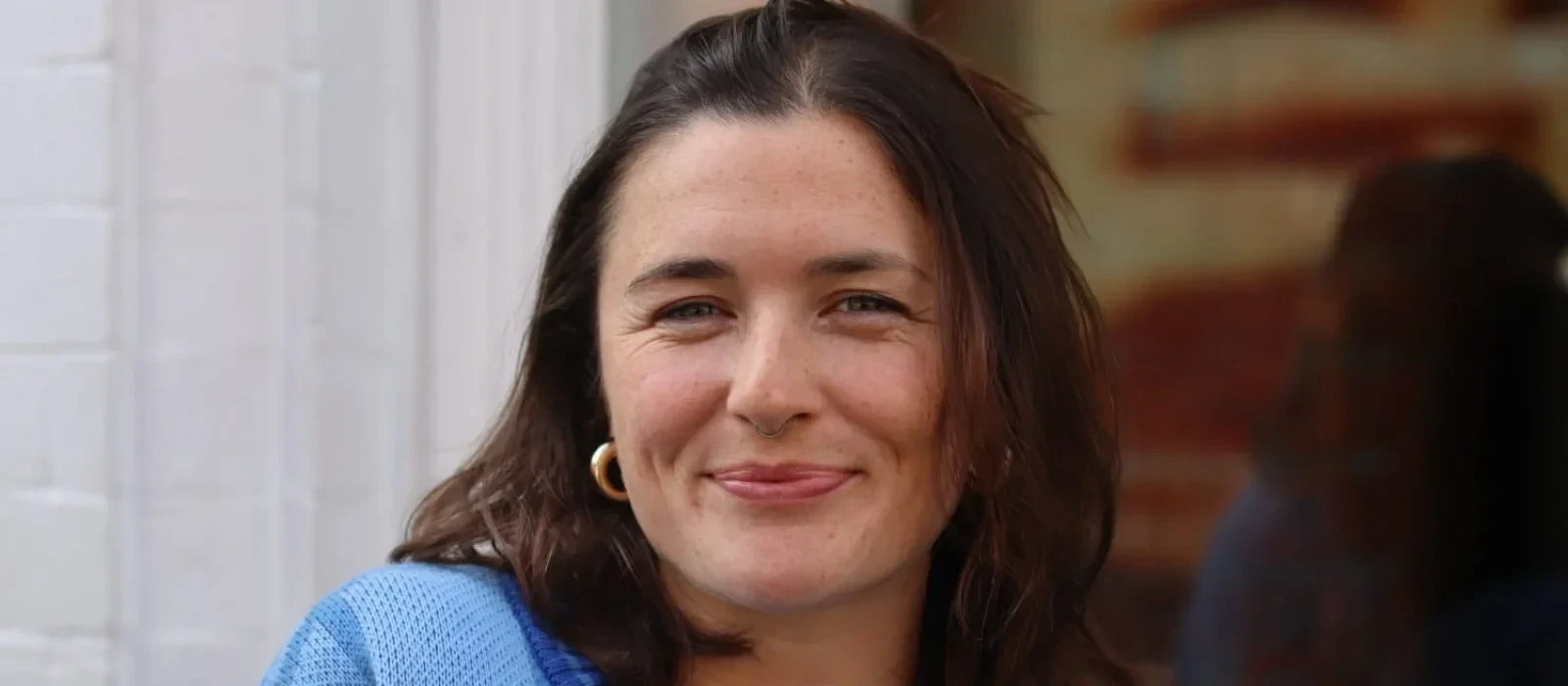
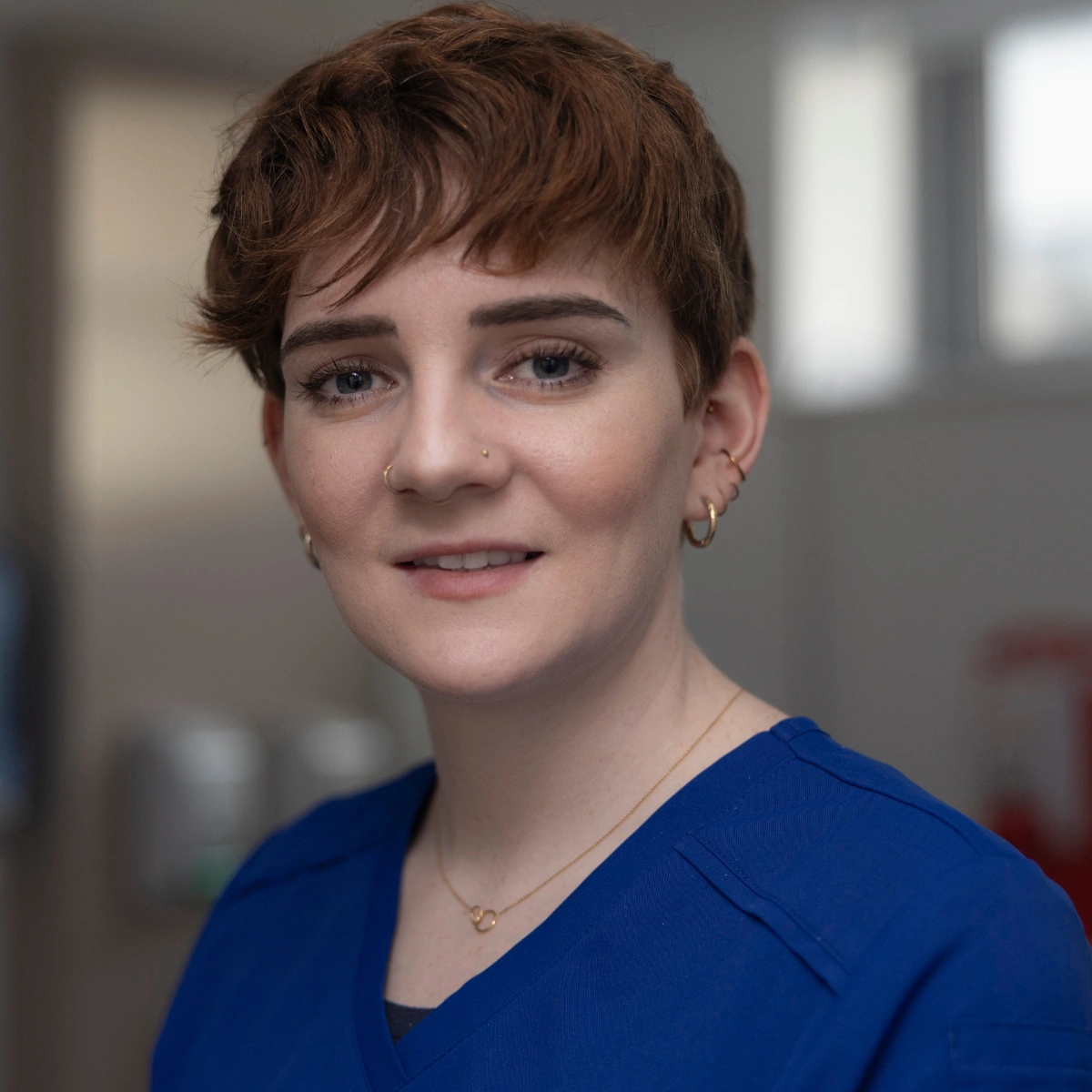
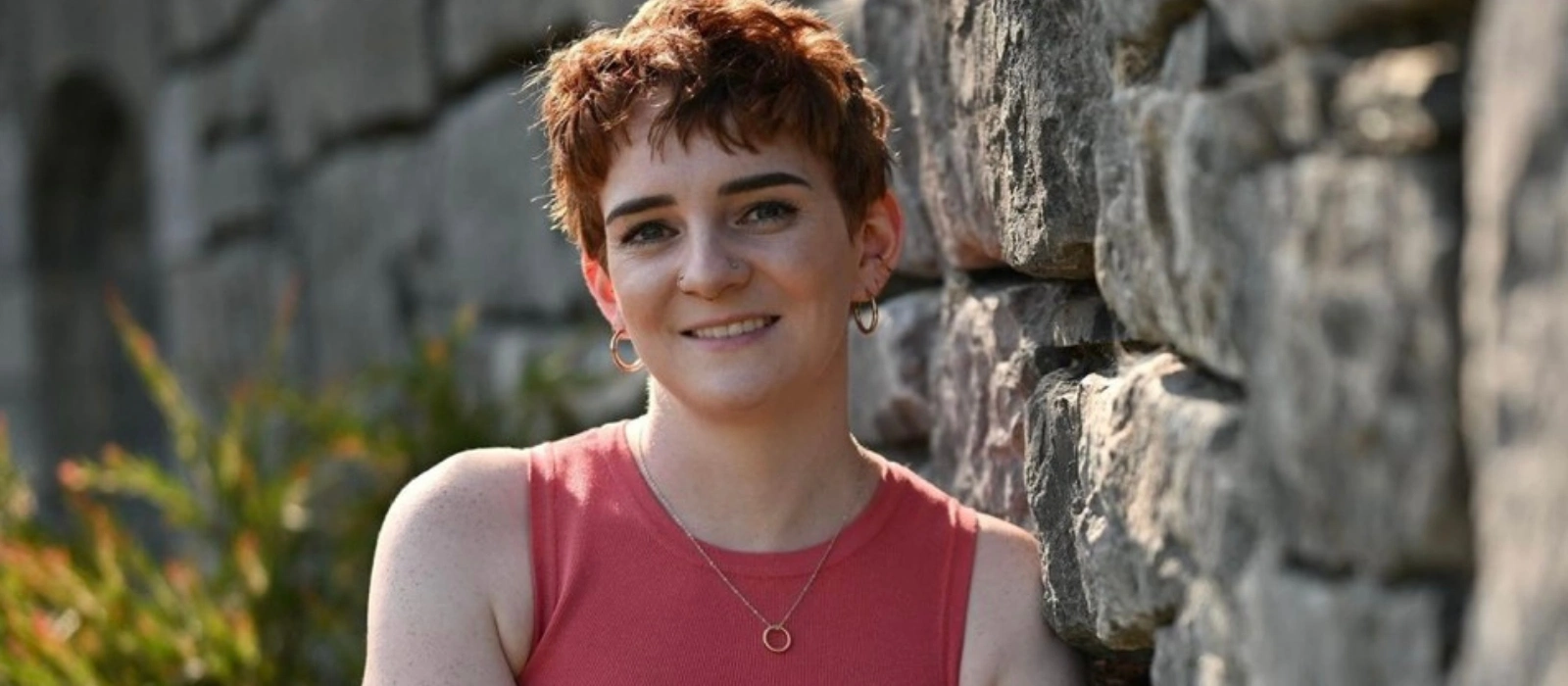
Healthcare professional and HIV advocate Aoife Commins was 24 when she was diagnosed with HIV. Over the past five years, her life has been transformed. Having freed herself from the shackles of shame and stigma, Aoife wants the world to know: HIV is not a death sentence. In honour of World AIDS Day, we're looking back on her story, told in her own words.
My story begins in Sydney in July 2020. I was 24 and newly diagnosed with HIV. Covid was in full swing and the world had gone mad.
The diagnosis wasn’t much of a shock at that point, as I was already admitted to hospital severely unwell and begging the doctors to test me for it. I was confident I had HIV because my partner at the time, David, had recently been diagnosed.
We had met online a few months prior and although I cant say sparks flew, we got along well, and with the madness of Covid and lockdowns, it was nice to have someone to talk to and spend time with.
We were dating about six weeks when I suggested getting tested so we could stop using condoms. I had been tested just before I met David and was given the all clear, and David assured me he had been tested recently too and everything was negative. Coincidentally this all happened the exact week we decided to donate blood together. And so four days later, our whole lives imploded.
David got the call on Monday morning saying there was an issue with his recent donation and he needed to come in to see the doctor. Our worst fears were confirmed and David was diagnosed with HIV. I too was called in and offered PEP (Post-Exposure Prophylaxis).
PEP can be offered to anyone within 72 hours of HIV exposure, to stop you becoming infected. If given outside this 72 hour window period, it wont work, which sadly is what happened to me. David and I had unprotected sex on the Thursday and the Saturday, and so the PEP would only have covered me for Saturday’s exposure. However, the doctors said it was worth taking just in case.
So off we went, our lives forever changed. Wondering how the hell this happened. We’d been safe, we did everything by the book, how could this have happened?
And I’ll explain how. HIV is sneaky. It can take up to 45 days before it can test positive in the blood. So when David had gotten his previous test, it had been too soon post exposure and he was unknowingly positive.
I took my PEP for four weeks, and two weeks after that, I was tested. And it was negative! I couldn’t believe my luck. The whole time I was on PEP I had felt awful. Fatigued, run down, mouth ulcers, thrush. All very common signs of early onset infection. But I had tested negative, so I put it down to the stress and anxiety of everything happening. However, my relief was short-lived, as two weeks later, I began to feel awful.
I was having fevers, aches, and flu-like symptoms. I had such severe back pain, I could barely walk. It was the worst I’ve felt in my entire life. I decided to visit the emergency department because I thought something was seriously wrong. But they were quick to dismiss me. The doctor reviewed my bloods and said he thought I might have some sort of a virus as my liver enzymes were raised and my white cells and platelets were low. I explained to him that I had recently been exposed to HIV and maybe this was what was wrong with me. I told him I had taken PEP and tested negative two weeks ago, but maybe it was false. He didn’t agree and refused to test me, instead sending me home with more questions than answers, and no pain relief for my crippling back pain.
I returned to the same emergency department two days later in worse condition. The pain had increased, I was spiking more fevers and I could barely eat or sleep. I had even broken out in a rash that is a very common symptom of early HIV infection. The consultant listened to my story again, about being exposed and taking PEP, and still didn’t test me. Instead, she was concerned that I had cancer and wanted me to get a scan of my spine to check for tumours. Again, I was sent home with no pain relief and a crippling fear that I now had cancer.
The virus is suppressed by medication to an undetectable level, so we can't pass it on. Undetectable = Untransmissible.
I was so unwell, I didn’t fight hard enough to get tested. But when I went back to the same emergency room again another two days later, this time I wasn’t going to let them fob me off. I was crying so much in the waiting room that when the nurse called me in and asked why I was so upset, all I could manage to get out was that I knew something was seriously wrong and that I was not going home this time.
When the consultant came and saw me, I’ll never forget what he said. He told me he believed me. He knew I was a nurse and said to me, “If you believe something is really wrong, then I believe you.”
He admitted me overnight and booked an MRI scan for me the following day. He also took a HIV test. I was also given some strong painkillers for my back. For the first time in over a week, I relaxed. I no longer needed to fight to be listened to. I can’t remember this doctor’s name, I wish so badly that I could. I’d give anything to message and thank him. He was the first ray of light I had seen in a dark month.
The following day my blood results came back. My team of doctors came into my room, a six-bedded ward, and told me that my HIV test had come back positive. I was so relieved that it wasn’t cancer, that I wasn’t even mad that the other five patients in the room just heard my life changing diagnosis.
At this point I had learned from David’s diagnosis that we would both lead a long and normal life as long as we took our medication. The virus is suppressed by medication to an undetectable level, so we can’t pass it on. Undetectable = Untransmissible. So my diagnosis didn’t scare me or cause me to break down in tears. I had been so scared of cancer, and having to go through chemo and possible surgeries, while my family was stuck thousands of miles away with Covid, terrified me. I knew I could deal with HIV, and I wasn’t going to die.
But that relief was short-lived. It didn’t stop me feeling the effects of the shame and stigma of HIV for three years to come. It wasn’t until my relationship with David broke down two years later that I decided I wasn’t living a secret anymore. We had stayed together for the wrong reasons, trauma bonded from our joint diagnosis, and scared of how others would treat us if we were to go back to the dating world. But we were never right for one another. I wanted to tell my story and he wanted to hide from it.
I couldn’t live a lie anymore. I wanted to tell my mom, my sister, my friends. David wouldn’t let me tell anyone. And so we split. I was happier to be alone than to stay with someone I didn’t love, just because of my HIV.
Not long after our break up I decided to tell my story. I was so tired of the constant misinformation I was hearing about HIV while working as a nurse, and trying to date again with the diagnosis looming over me. I wanted to be free of it.
I shared my story on a podcast called Pozvibe with the most beautiful hosts Robbie and Veda. They set up the podcast for people living with HIV and their allies to break down stigma and to show we are so much more than our diagnosis. I had contacted them on Instagram and a few weeks later we had recorded and released the podcast.
I shared my podcast episode on my Instagram in April 2023 and since then my life has been a whirlwind of change. It has given me so many opportunities. Television interviews, radio shows, podcast episodes, newspaper and magazine articles, and countless talks and events invitations. All these opportunities are for me to educate, and eradicate stigma.
I also recently got to take part in an anti-stigma campaign with the HSE, featuring my father. When I eventually told my parents about my diagnosis after they stumbled upon my medications back in July 2022, my father was initially very upset. He didn’t know how easily treated HIV is now or that I was going to live a long and healthy life. He was scared and angry for me, worried about whether I could have children or future partners without infecting them.
I brought him into the hospital the following week to talk to my amazing HIV nurse specialist Nicola, who sat down with both my parents and explained away all their fears. Two years later we are now a part of the nationwide HSE campaign. My dad’s face is on television, bus stops, posters in train and bus stations, and healthcare clinics all over the country. I couldn’t be more proud of him for how far he has come.
I refuse to feel shame any longer about my diagnosis. Sharing my story has set me free.
HIV is an illness that can affect anyone, it doesn’t discriminate. Stigma affects us all, not solely those living with it. It affects family, partners and children. So many people live silently with HIV, afraid of how it will affect their loved ones, as well as themselves. So many are silent because stigma has silenced us. And until we all continue to talk about it, that shame and stigma associated will never die.
So tell your friends, your family, your neighbours. HIV isn’t a death sentence. Effective treatment means you can’t pass it on. Go out and get tested, access PREP (Pre-Exposure Prophylaxis), use condoms, and know your HIV status. Because everyone has got one, and no one is immune to HIV.
My life looks a lot different now since I became public. I refuse to feel shame any longer about my diagnosis. Sharing my story has set me free.
I now live my life loudly and proudly with HIV. Not long after telling my story, I met the most amazing partner, who from date one knew about my status and didn’t care. We make jokes about it, and half the time we forget I even have it. It has never been a big deal for either of us. We now have a house and a beautiful fur baby together and life just keeps getting better.
HIV doesn’t have to be the end of the world for anyone anymore.
Also Read