
Photography by Cliodhna Prendergast
Traditional conservationist Max Jones knows real food
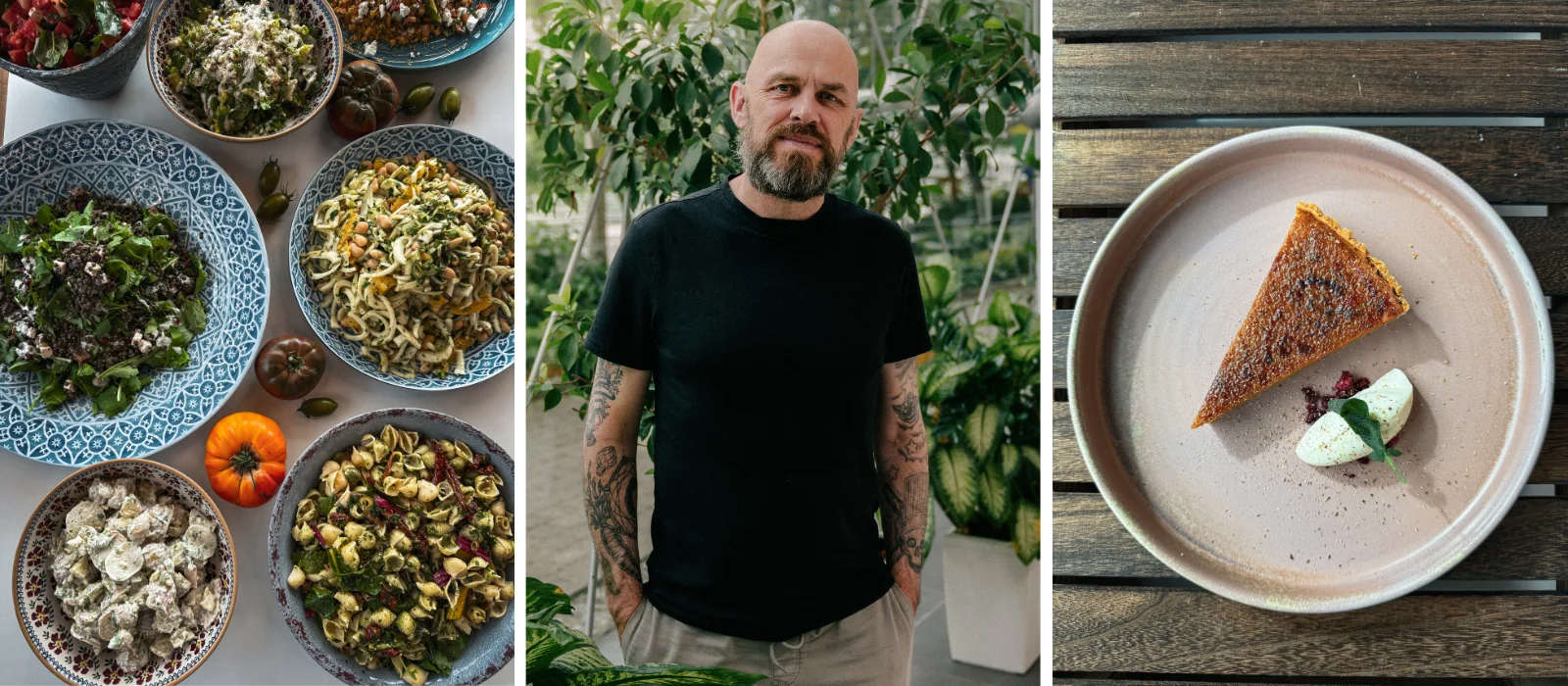
An educator in food traditions and methods, Max Jones founded Up There The Last in 2016 as a writer, photographer, food producer and speaker. Here, he talks about artisan food producers and decentering capitalist thinking in food consumption.
Tell us about your role as a Traditional Food Conservationist.
The title of Traditional Food Conservationist is one that I ended up having to coin for my work, as I needed something succinct to tell people when they asked me what it is that I do.
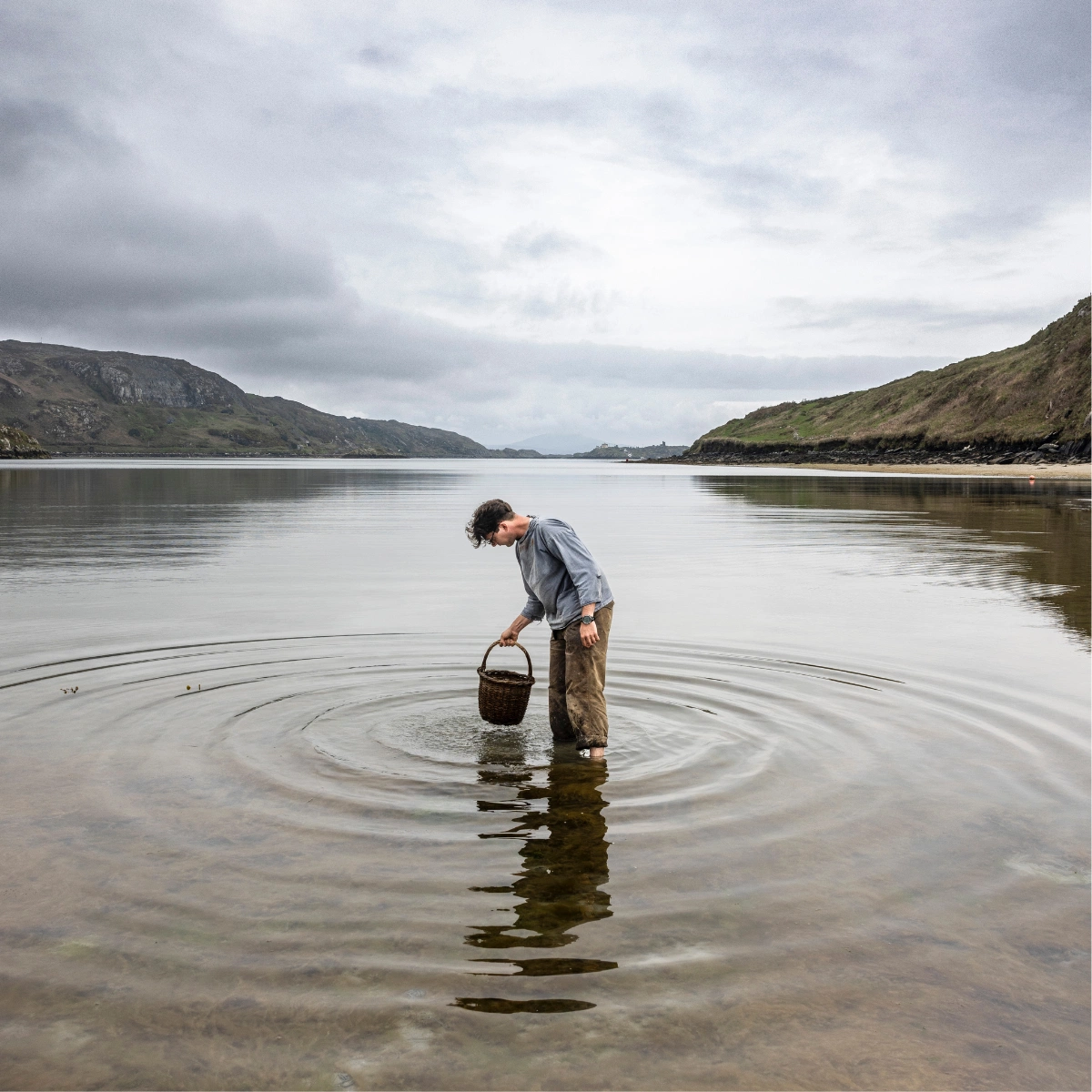
It’s a strange job I have carved out for myself, as there aren’t many peers to reference and it isn’t an ordinary path to follow, but in essence it is a hold-all term for conducting research through videography, photography, writing and talks, where I try to share and impart the key points of what i have learned by shadowing/visiting keystone producers and artisans.
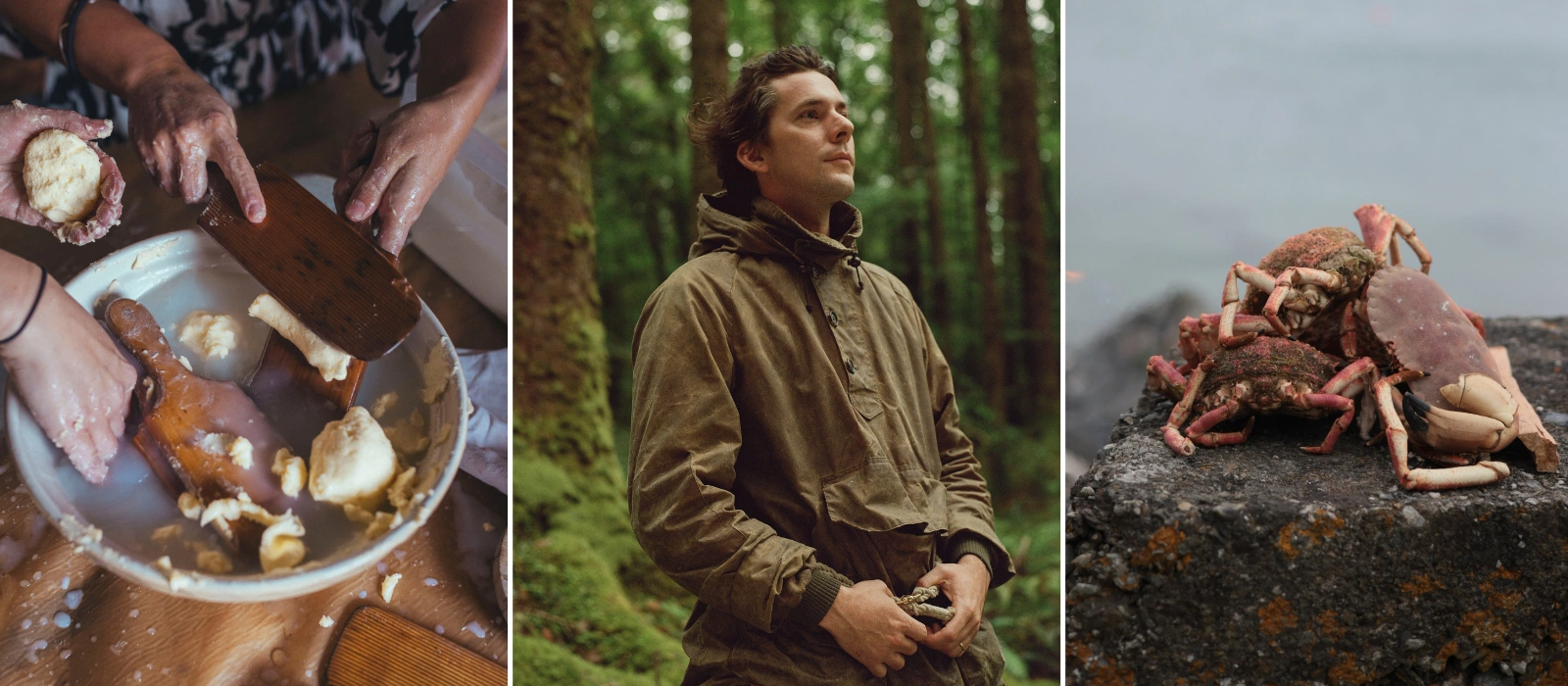
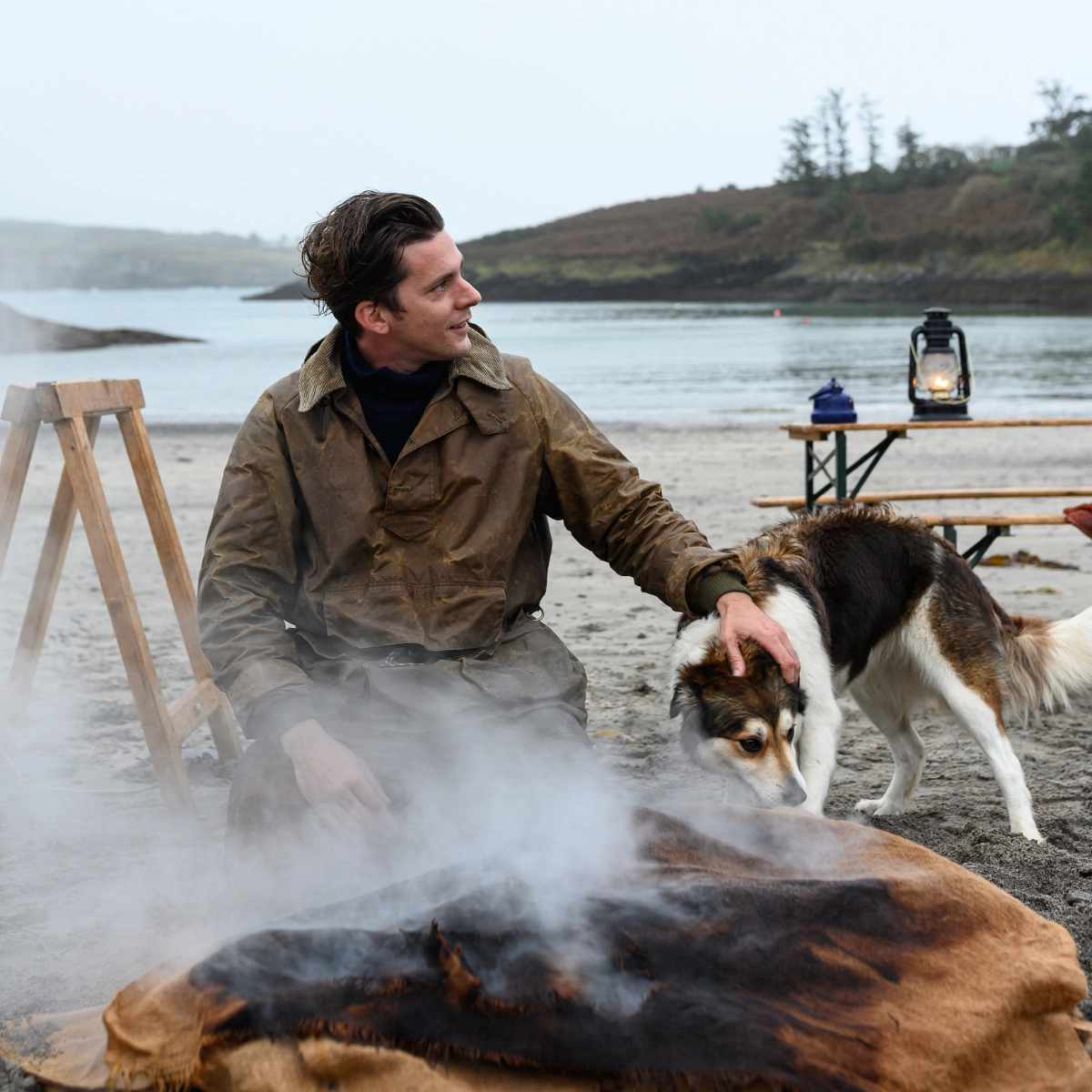
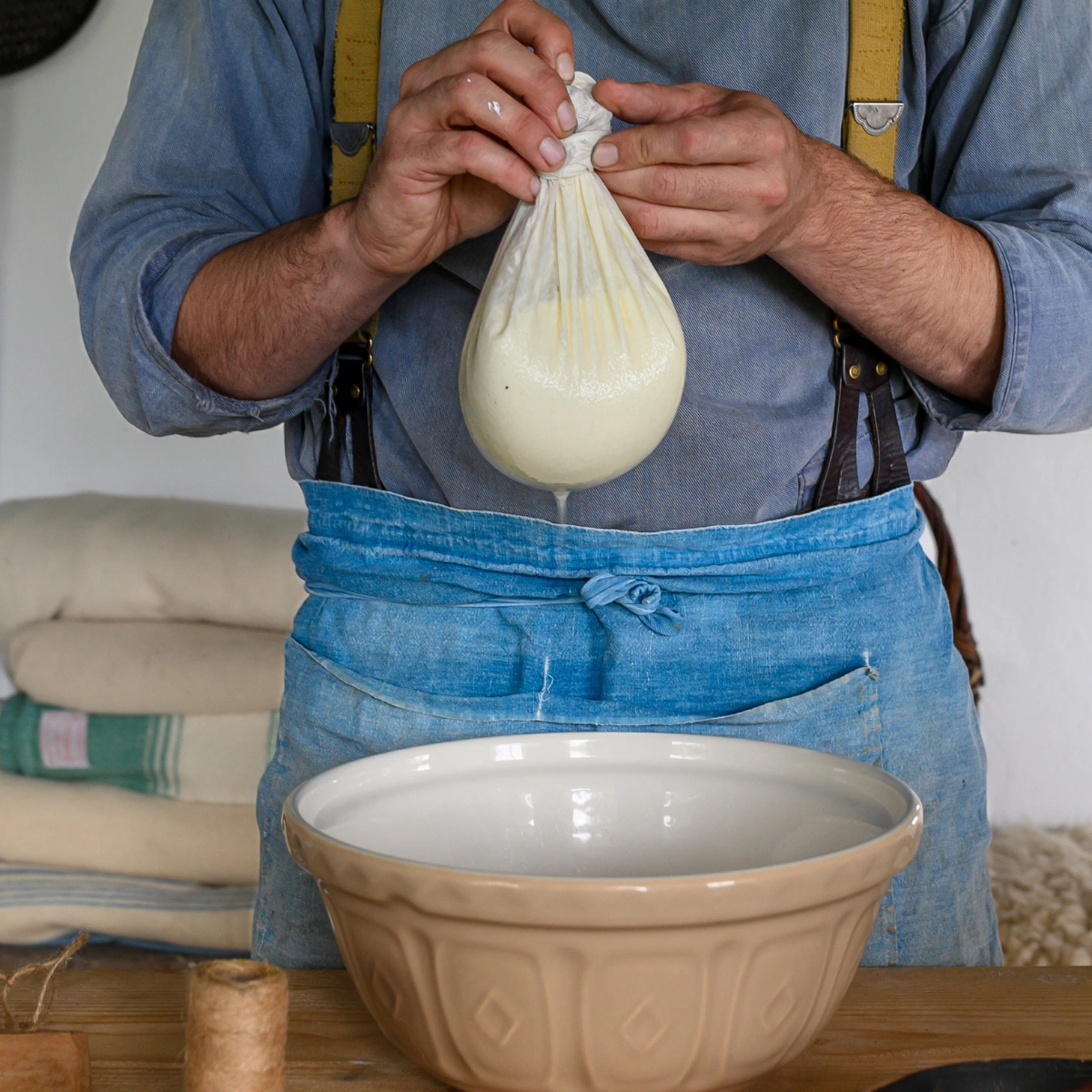
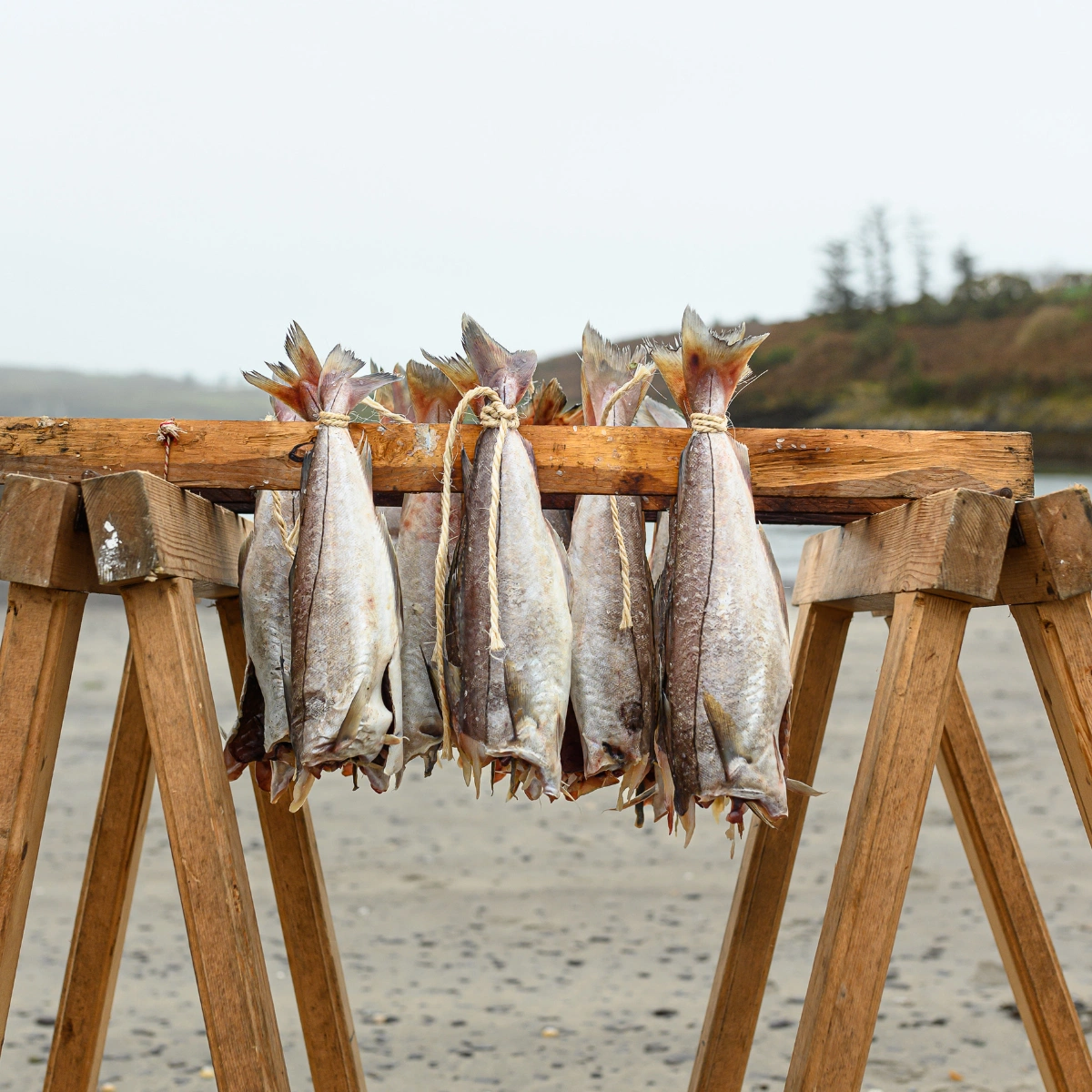
I like to hold events where I can share those stories in detail with people, where we actively learn how to preserve food using these traditional methods, offering a new, old perspective on what it means to preserve food in a given geographical context. This could be de-pasteurising cream with natural starter cultures to hand-churn butter, or cure and smoke fish in a barrel dug into the earth.
Was food and its traditions always a source of interest for you?
I have an Italian mother, and this meant going to the mountains where her family was from in the North West of Italy at every given opportunity as I grew up in England.
This way, I was exposed at a very young age, all through my life, to what I have come to call real food. That is to say, food that is tied into a specific mountain culture, based on a survivalist mentality that transcends the regulated limitations brought by industry, and excessive health and safety and food production requirements.
Like a salami made with bull meat, or raw milk, naturally fermented cheeses or wild chestnuts smoked for forty days and nights in a smoker made of stone, high up in the mountains, away from the city.
These are authentic subsistence foods that have been made for thousands of years before chemicals, plastics, and regulation. Having a base knowledge of these foods served to give me a reference point against which I began to see all food. It gave me the ability to question where all our food comes from.
How did you set about making this your career?
In my twenties I worked for a cheesemonger and maturer in London, where we turned the arches under the railways of Bermondsey going into London Bridge Station into maturing rooms, emulating caves in the alps.
With more frequent visits to producers in wild and remote places, I began to see that many of these real food traditions are still alive, but with little focus being placed on them.
I began to feel that I wanted to learn more from the actual lives of the makers of these foods, as so many of the cheeses that I observed were tied up with natural rhythms and cycles of nature. If people could see the “product” but contextualised in its place of origin, I might be able to share this bar of perspective I had learned as a child and therefore help people to see the difference between a natural blue cheese from the alps made by one woman at 2000m altitude with the milk of her 14 cows, and say, a rindless cube of “cheddar” in a plastic packet from Centra.
I began to focus on the telling of these stories by making short films for the company I worked for, eventually leading to me discovering other links between product and specific bio-cultural context.
This led me to move to Ireland, in pursuit of the knowledge of Salmon, and the traditions of fish smoking, which in turn led me to realise that there is little difference between the Alpigiani people of the mountains, and the fishers of the Munster blackwater. People of a place, engaging with their natural surroundings, who were able to feed themselves and their communities with natural methods.
What have been some highlights of your career so far?
Following on from above really, I think when I moved to West Cork in 2018 to Sally Barnes’ Woodcock Smokery, I spent perhaps two of the best years of my life helping draw knowledge to wild salmon and cold-smoking by building and naming “the Keep” – a designated learning space to bring the outside world to the smokery, and learn directly from the artisan Sally by structuring courses, making a website and organising events to celebrate the wild salmon, its fishers and the importance of traditionally preserving with salt and smoke into what is one of the most special foods to me.
This way I was using my passion and creativity to actively help preserve and draw attention to the importance of maintaining methods that are ancient and real, keeping them relevant.
I subsequently moved on to structure my own courses and events, with a broader spectrum branching into natural cheese and butter making, foraging, more traditional fish smoking and perhaps my ultimate achievement which has been to organise trips deep into the mountains of piedmont on a cattle herding “transhumance” expedition, to follow the making of real, natural cheese.
And perhaps above all, seeing the people who attend my workshops and guided trips then go into food production, but carrying forward the most important elements of natural food production. So making a genuine change to the food landscape, going forward.
What do you wish more people knew about in terms of Irish food traditions?
I could say a lot about this! But perhaps the bottom line is this – the effect these methods have on us is to reawaken the deep knowledge of the transformation of the landscape into food that is inherent to us all. We can all do this. We are all capable of making what we see now as “artisan, hand-crafted” foods.
All we need is to become deconditioned from what commercialism and industry has made us today. Supermarkets, using culture and sell by dates have broken our trust and completely disconnected us from what food really is – as I said, the natural, controlled transformation of the landscape into food, and I believe it is a human right.
Tell us about Up There The Last.
It is a hold-all term, under which all my activities operate. I was told about a book made in 1972 by Italian photographer Gianfranco Bini. One of my most cherished possessions, this was a book where he went into the mountains to document traditions that he deemed important, but saw were becoming obsolete with the arrival of American fast food and supermarkets.
Cheesemaking, woodworking, clog-making, herding etc. It was astonishing to see because this was the path that I had taken to, which is why someone told me about the book.
And most amazingly, he was from my mum’s hometown, documenting the same mountain range as I had been. His book is called “lassu gli ultimi”, which translates as Up There The Last.
This is true to my heart and work, as the most exciting makers I find tend to be far away, in fringe communities, high on the mountain or coastal communities. How they still hold on to a natural way, before we became too efficient and high-consuming.
What’s the experience like on one of these immersive trips?
The importance for me is to demonstrate the reality of these ways to people. By doing this, we keep them relevant, and we can send a message of hope, which is that many of the answers to sustainability, ethics, pollution etc are still there, but only just, and they are hard to find.
I like to champion these people who exist naturally in their given context, and use their skills to inspire us going forward. It’s about learning that when things are made, when they are truly processed by a human, we are able to marvel and wonder at the beauty of the world – how clever and gentle we are, how unobtrusive and connected things used to be. And, when we come to eat these true, real foods, we can stand back and realise that in that moment, we actively become the mountain, or river, or sea. There is no stronger connection to a place than to become it through its eating. It is this that I like to share with those who wish to join me on the trips. It is very powerful, and it’s not unusual for people to have a cry sometimes, truth be told!
Who are some of your favourite Irish producers?
I’m lucky to be in West Cork, where there are many folks who live like this! Lots of good stuff in the market in Skibbereen, I highly recommend checking it out!
I still have a deep connection to Sally’s wild salmon, and I am very excited about the work of Gypsy and her team at Leitrim Hill creamery with their natural cheeses, and Lost Valley Dairy, who were amazing enough to ask for my help setting up their cheese Carraignamuc, and who put up with me banging on about the importance of indigenous breeds, small production and natural starter cultures.
They are the ones who put their livelihoods on the line, not me, so my heart is full at their commitment to making real food available again.
Find out more about Max Jones’ upcoming courses and events here.
Photography by Cliodhna Prendergast and Max Jones
Also Read