










By IMAGE Interiors & Living
13th Aug 2025
13th Aug 2025
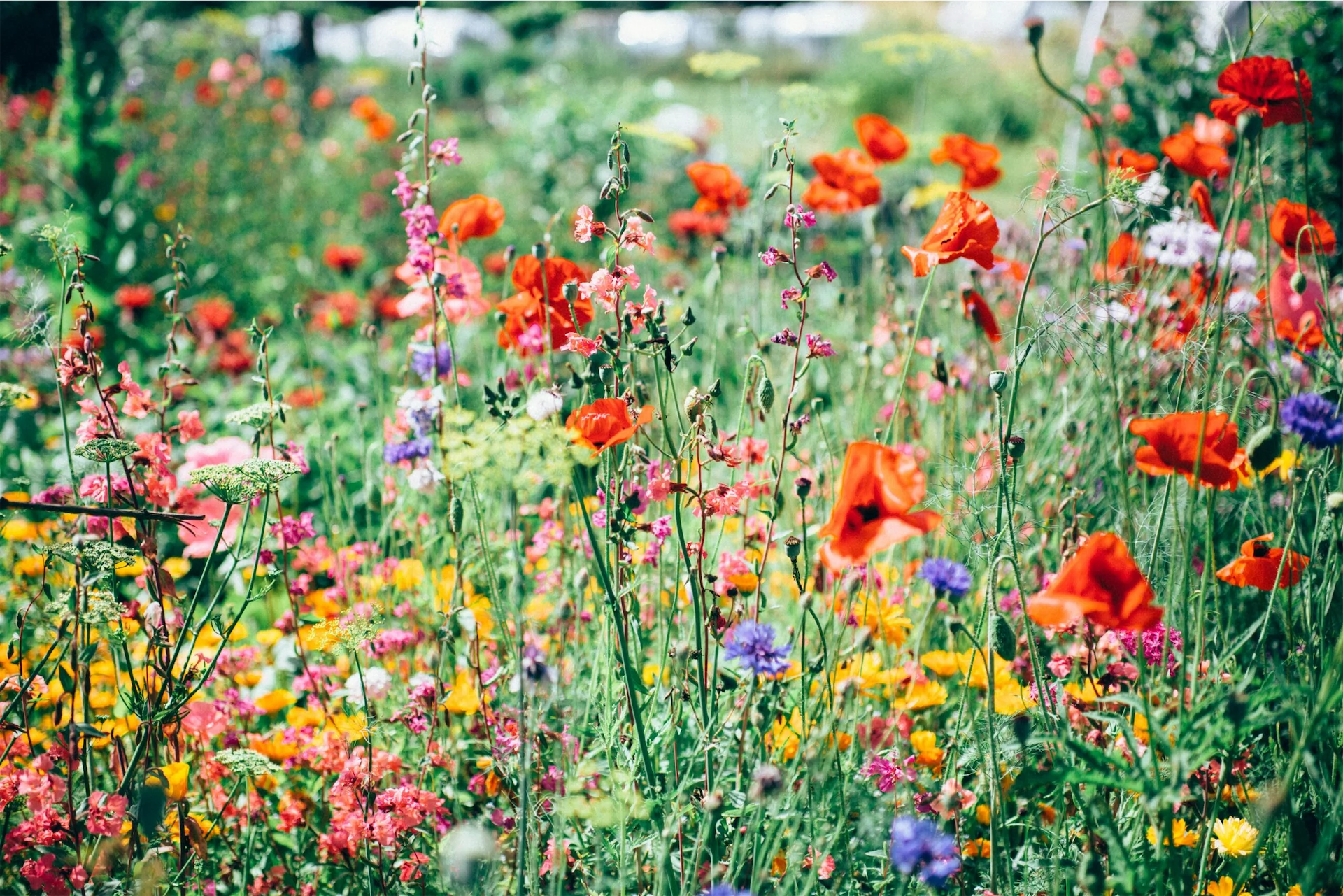
Taking a more holistic approach to horticulture will not only support biodiversity in our gardens, but also produce better results in the long run, says Lesley Tumulty.
Pests are a common complaint when growing your own fruit and vegetables, but I think by now we realise it’s time to throw the rulebook out the window and start by asking the right questions. We have an increased awareness that controlling nature is counterintuitive to creating biodiversity and the overall health of our environment. Prevention is better than cure, and the health of your soil is the most efficient way of preventing pests. Sometimes the less you do, the less harm you do and intervention is not always the answer. Pests are always going to attack the weakest or most stressed plants, and these are only symptoms of our failures in the garden.
Inform yourself, put in the time to research the right plant for the right place. Put all your efforts into the health of your soil and know that nature-based solutions will always be kinder to the environment as they mimic natural processes and offer diverse benefits. The more varied your plants, and having a good spread of successive flowering times will ensure you have more chance of there being a good balance of predators to pests. Accept that the food chain needs to be respected and that the garden will eventually find its own equilibrium. Sometimes we need to re-frame our idea of beauty and the need for perfection.
Advertisement

Erratic watering, incorrect spacing, birds, crop rotation and basic hygiene all have to be considered when you are taking a holistic approach. Barrier methods like fine netting, horticultural fleece, and copper collars will all be effective given time.
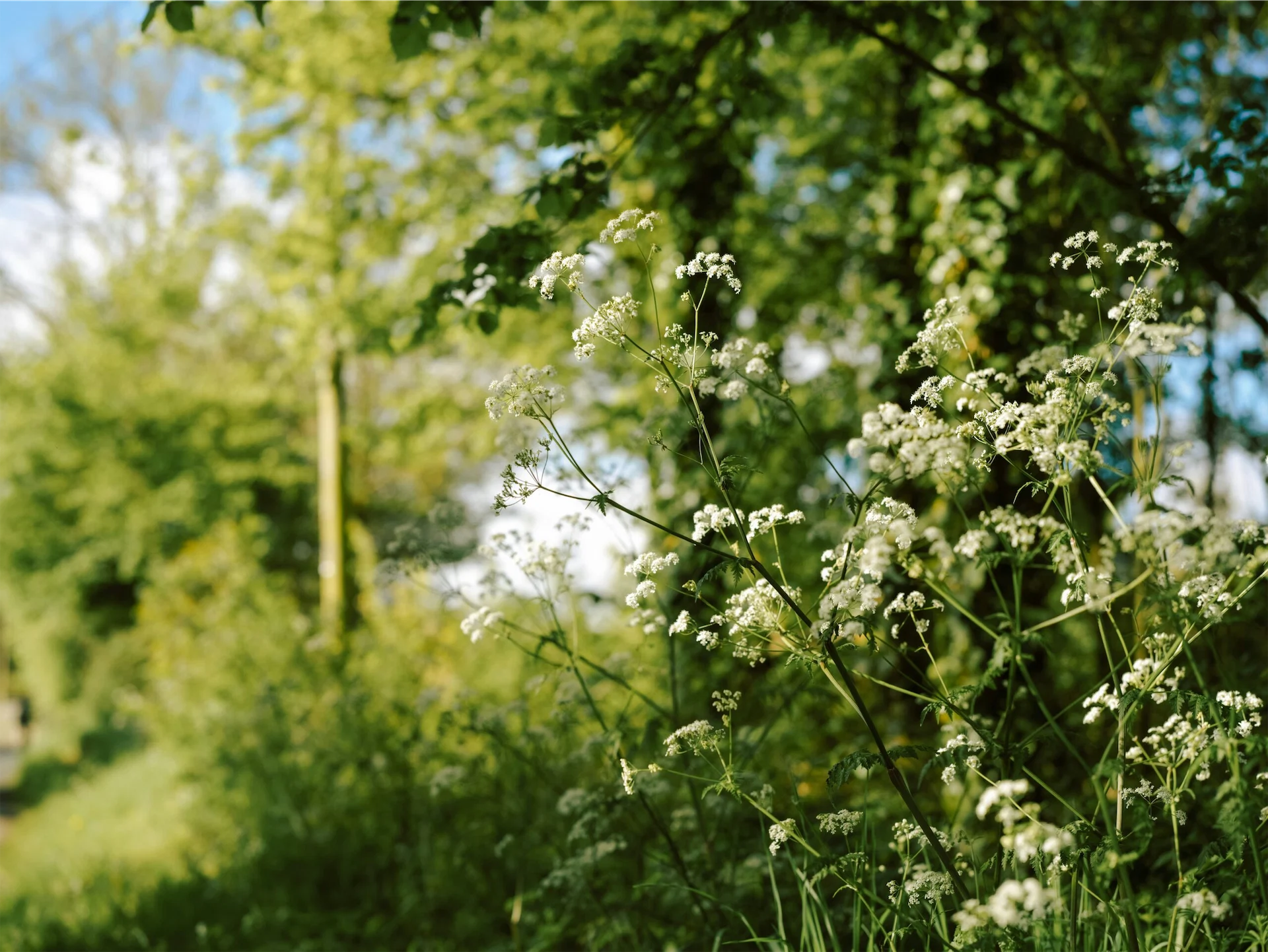
Companion or sacrificial planting can go a long way towards protecting your crops. Planting natural deterrents is an effective pest control, while adding another source of food for the pollinators. Sow nasturtiums through beans to deter aphids and blackfly. Any of the allium family will confuse carrot fly, and marigolds will repel white fly away from your brassicas. The more diverse your planting can be, the more you are benefitting the soil; it helps mitigate harmful pathogens, increases nutrients and improves the structure of the soil. One of my favourite seeds to sow is Daucus carota, the wild version of the carrot. It has wonderful umbel-shaped lacy flowers that unfurl into a flat saucer-shaped landing pad for bees, butterflies and moths.
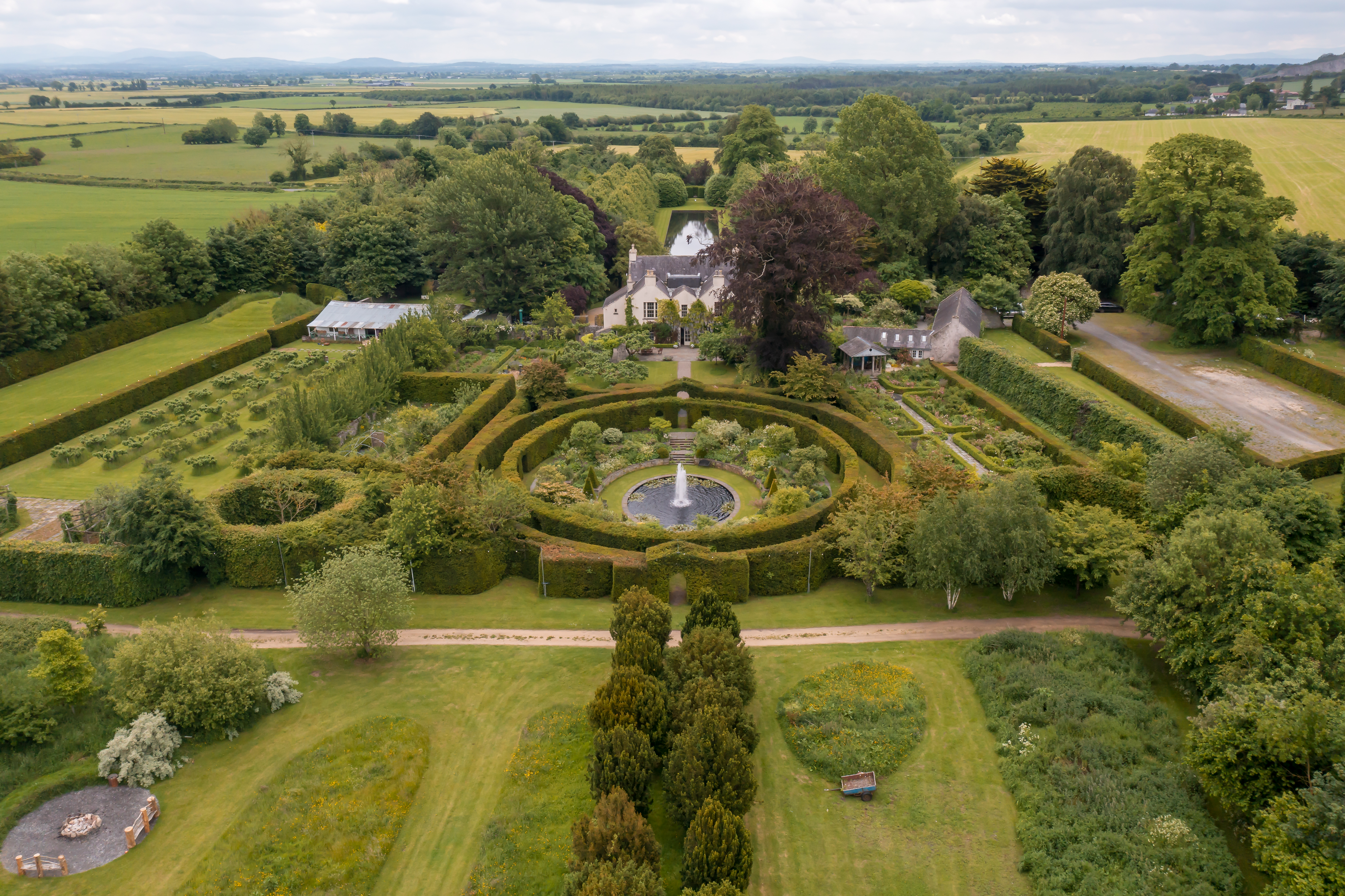
I have tried to create “an all you can eat buffet” for the invertebrates, pollinators, butterflies, frogs and birds and we are attracting a huge array of wildlife to the garden. If I had my way, “No Mow May” would last the whole summer, as the greatest threat to biodiversity is habitat destruction.
Advertisement
Lettuces and salad leaves are one of the first crops to sow in the cool season. Sown thinly in the polytunnel, they should be ready by May. You need to be vigilant with slugs and snails, laying a tile or slate on the ground where they will gather underneath, or sprinkling spent coffee grounds or sharp grit around the base of the plants to keep them at bay. Any work you do in the garden will also have the added benefit of attracting birds to feast on the slugs and snails.
This feature originally appeared in the spring/summer 2024 issue of IMAGE Interiors. Have you thought about becoming a subscriber? Find out more, and sign up here.


Also Read