




Read an extract from short story anthology ‘An Alternative Irish Christmas’
A collection that celebrates the darker season with the best and most exciting Irish writers, we’re sharing Sue Rainsford’s Feast of Sparrows.
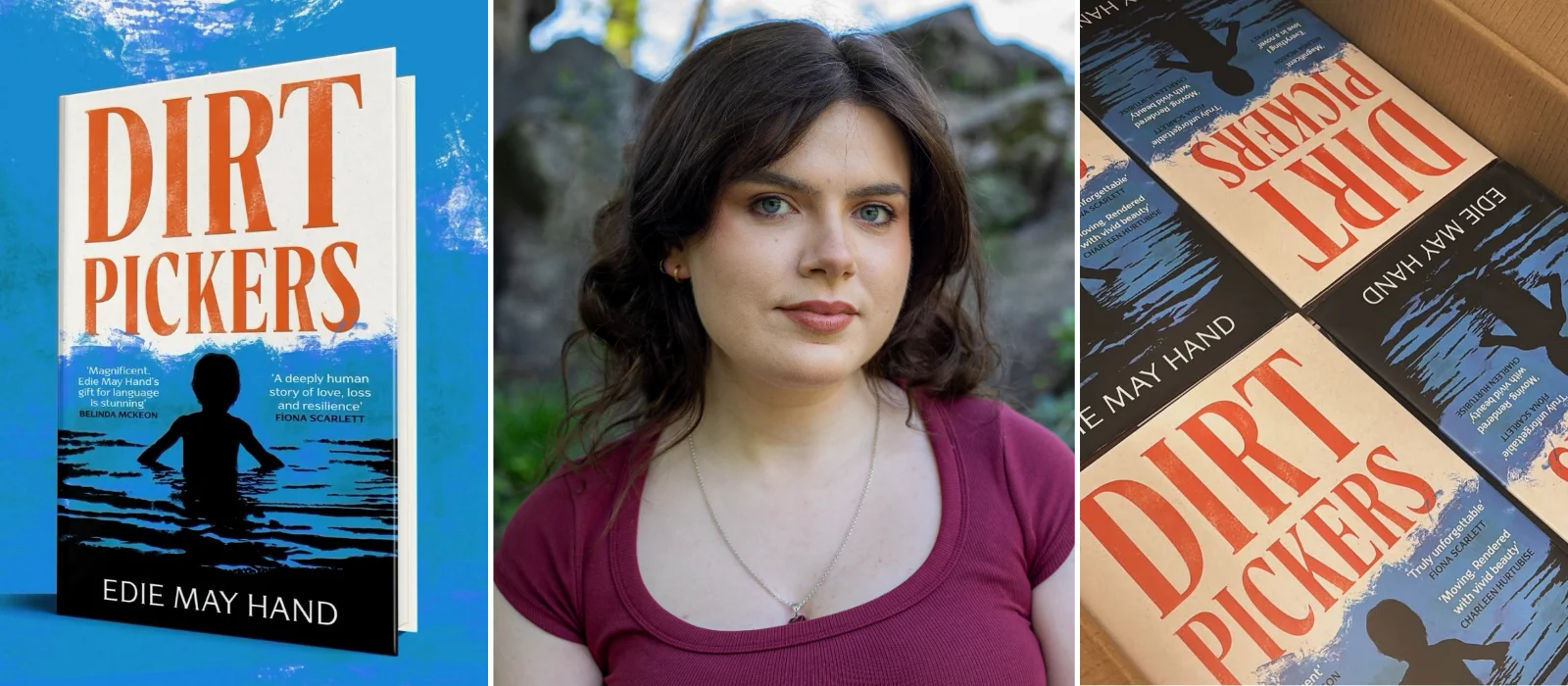
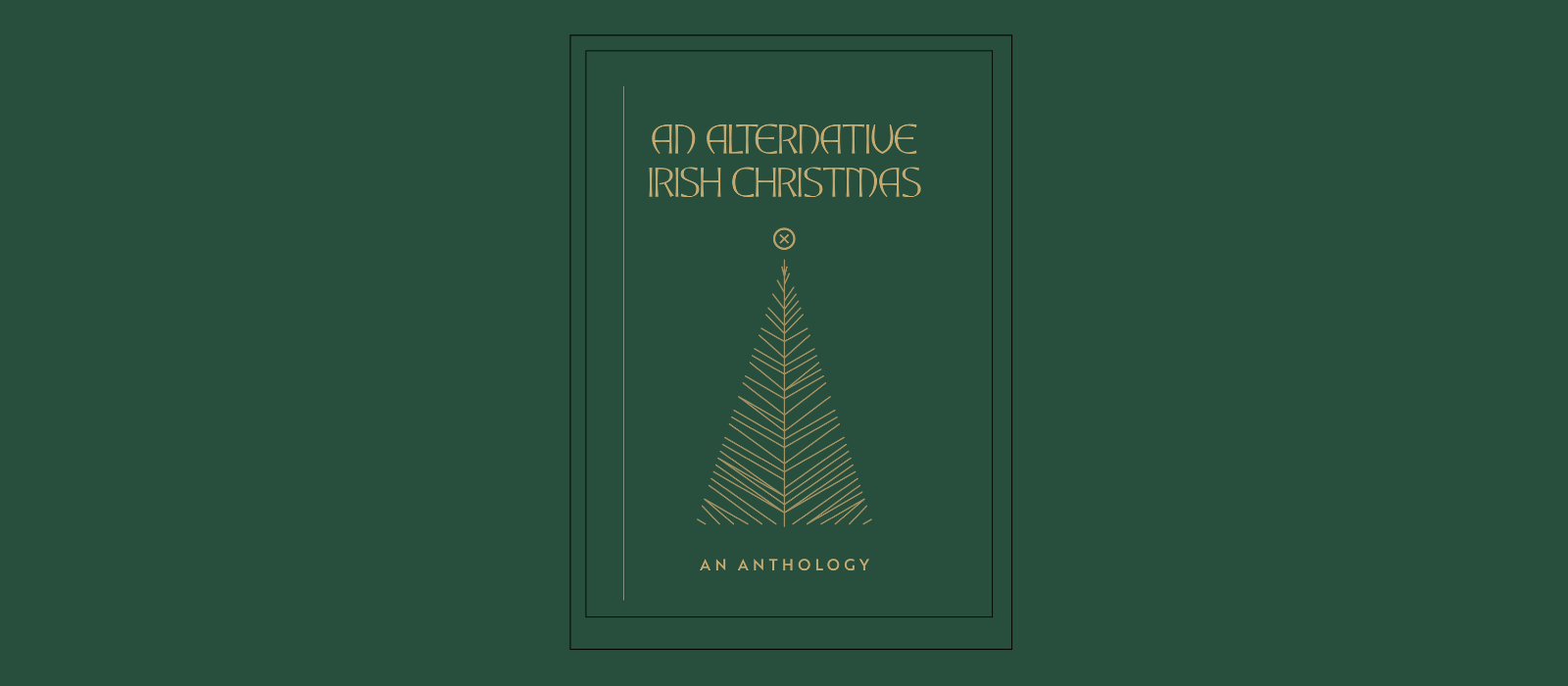
From Ireland’s foremost independent literary publisher comes an alternative Christmas anthology to happily gift or gratefully receive in the holiday season. This beautiful embossed hardback from Tramp Press features many of Ireland’s most gifted writers, each with their own take on this special time.
When shadows grow longer, when expectation weighs heavy, how do people in Ireland mark Christmas? A woman shops for a very particular Christmas dinner: a man tries to buy a puppy for his daughter: a girl watches as her mother roasts a fowl over an open fire…
From old traditions to the creation of new ones, from moments of quiet reflection to chaos, comedy and even horror, this alternative seasonal collection reflects the stunning breadth of experiences an Irish Christmas offers.
Contributors include Maggie Armstrong, Niall Bourke, Soula Emmanuel, Anne Enright, Briana Fitzsimons, Arja Kajermo, Roisin Kiberd, Mike McCormack, Tim MacGabhann, Belinda McKeon, Sue Rainsford, Jessica Traynor and Sophie White
Read on for the extract below…
I needed to speak with my mother. She was hard at work basting meat in the garden where the morning – part steam, part dew, already fading – had settled around her.
Our family had a taste for pinker game, but this fat bird had been slain especially for Christmas Day. My mother had mounted the spit the night before, had been readying the carcass for days. She had undone the fact of its feathers and worked her fingers into its every dark crease. Into those soft places had settled butter, salt, garlic. The wet zest of a knobbled lemon. And she had sung to herself, while she worked.
I was still young enough to believe the dulcet chords played some role in keeping the meat tender. It was a sight reserved for Christmas Day, my mother’s strong arm rotating the fragrant flesh on the spit while it gathered the honey-slow glaze.
The garden before me and the parlour behind me with its own fire roaring in the wide grate. The house was warming by slow fractions because it was a house made, mostly, of stone, and the stone held onto the cold. The cold was like a clean and shining blade and, like a blade, it made short work of your throat. That slicing feeling: was that the reason I was taking so long to call out to her?
The sparrows had been loud in the trees all morning. They do not approve, I thought, of us feasting upon this other, larger bird.
When I told my mother what I had to tell her, I’d have to raise my voice over their high chorus.
And what did I want to tell her? I’d almost forgotten, I was so taken by the sight of her. That, and I was a child. A child on Christmas morning.
‘Mama,’ I said, ‘there’s a man at the door.’
My father and sister were on the Christmas hunt; we were in the very last moments of the morning, so they’d be back from the woods in an hour or so. My mother and I, alone. Or at least, we had been until a few moments ago when I heard a knock and knew, by its quick metre, it was someone I’d never met before. Does it ever bode well?
A strange man at the door with the dwindling morning behind him, asking, ‘Is your mother home?’
He seemed easy enough in his own skin and he’d a certain heft inside his furs. He looked nothing like my father, which is to say he’d a fine set of cheekbones and eyes that took their lead from the light, were quick to flash olive and hazel. When he turned in the doorway, he caught the early noon sun on just the one side: they might have been the eyes of two different men.
Two different men, and both of them looking for my mother. Now I had one foot on the parlour rug and the other on the patio’s moss-clung stone.
My mother said, ‘Come again?’
Like I say, the morning – it was so cold. But my mother had already been hours at the fire, she’d left her furs folded inside the parlour door. The sweep of her bicep as she managed the spit and the ladle. Her chest with its own sweaty glaze.
‘There’s a man at the door.’ A folded wing rose up to meet her. ‘He says he knows you.’
But was that what he’d said? There had to be a reason I had come back here, that I had chosen to distract her rather than tell the man to go.
‘Has he a package?’
Something relating to the dinner, she meant. But everything had been delivered in the days before. I shook my head, and she tweaked the spit so the whole, sweltering bird rose up an inch or so. Its plucked flesh shook when it settled and there was, now, a clear ring of panic to the sparrows’ tune.
The scent of the cooking bird had spread over the garden which was thrumming around her. The knotted hedge and the constant oak.
She put the ladle in its copper pot.
‘Strange time to be calling.’
‘He has green eyes,’ I said.
I think she knew, then, but she had no time to recover herself.
He was standing behind me, having let himself in. I remember it, the rage I felt: now my mother would think a man at the door was something I could not handle. She’d think I’d offered him this view of the tree and the ornaments fastened to its branches, of the gifts littered with the needles those branches had shed.
He hadn’t seen her yet. He was at the fireplace, looking at its high mantle that held a single photo of my mother in her wedding dress.
‘For the love of God, Daniel.’
When he turned, when he saw her – those green eyes went wild in his head. She might’ve been a rushing bull. A creature led by its rogue heart and the desires flashing red inside it.
‘Annabel.’
When her name came off his tongue it was a sound I hadn’t heard before.
It had the hush of a prayer but the heat of something else.
It was a single pour of velvet.
No, it never bodes well. A man at the door, trailing the cold and the first pale shafts of noon. The fire picked up the lighter strands of the pelt around his shoulders and those strands in turn picked up the almond flecks in his close-cropped hair.
He sat down in the fireside armchair.
‘You’ve had children,’ he said.
My mother was wearing a smock and she’d undone the top buttons. Her collar, where it met itself: that was where her sweat was pooling and that was where his eyes landed again and again.
‘I did, and their father will be back soon.’
‘How soon is soon?’
‘An hour,’ I said.
She cut her eyes at me and I knew, too late, I shouldn’t have spoken. I thought an hour would put fear in him. I didn’t understand that an hour is plenty of time for all sorts of things to happen.
An Alternative Irish Christmas (Tramp Press, €25) is on sale now.
Also Read