



Page Turners: ‘Dirtpickers’ author Edie May Hand
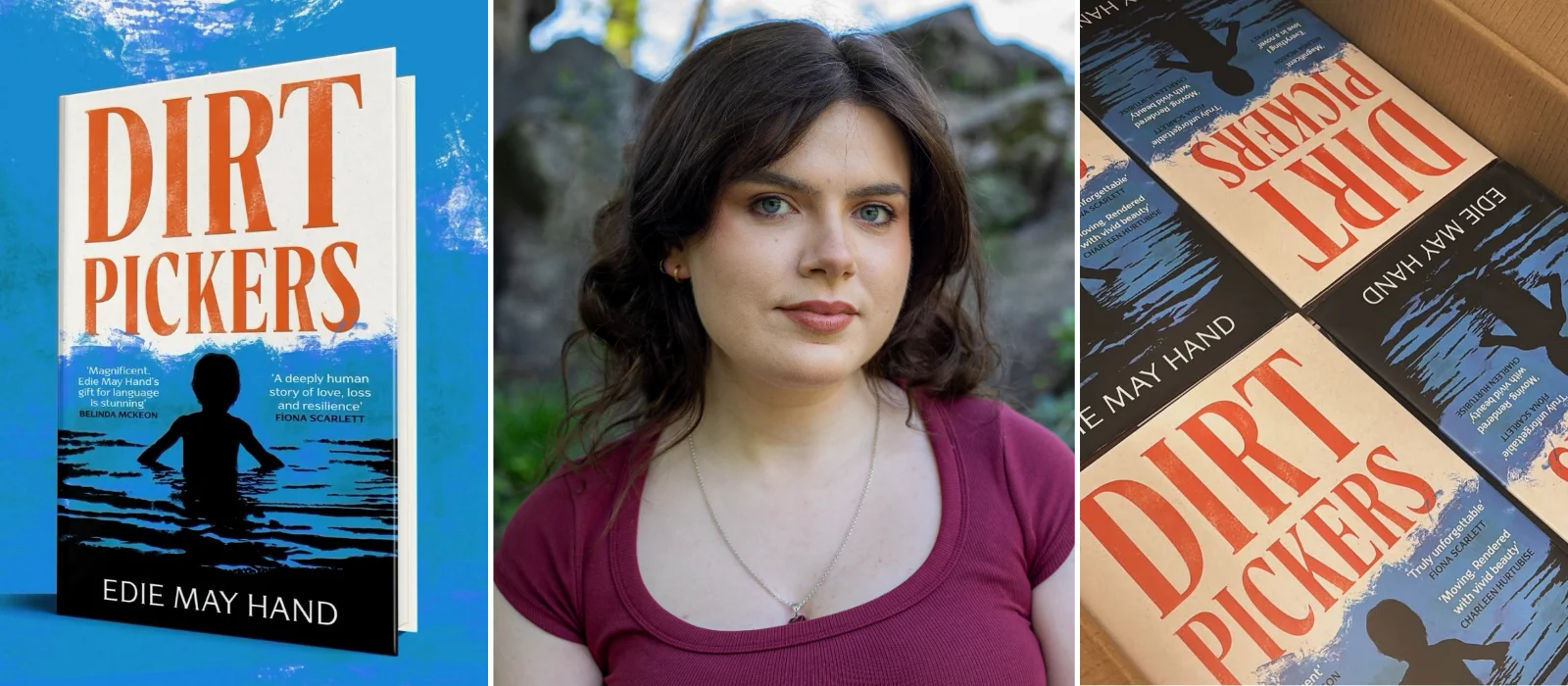
Edie May Hand's literary debut follows survivors fleeing an Idaho tragedy and learning, painfully, how to become a family. Here she talks literary inspirations, the writing process, and practicing discipline through writing.
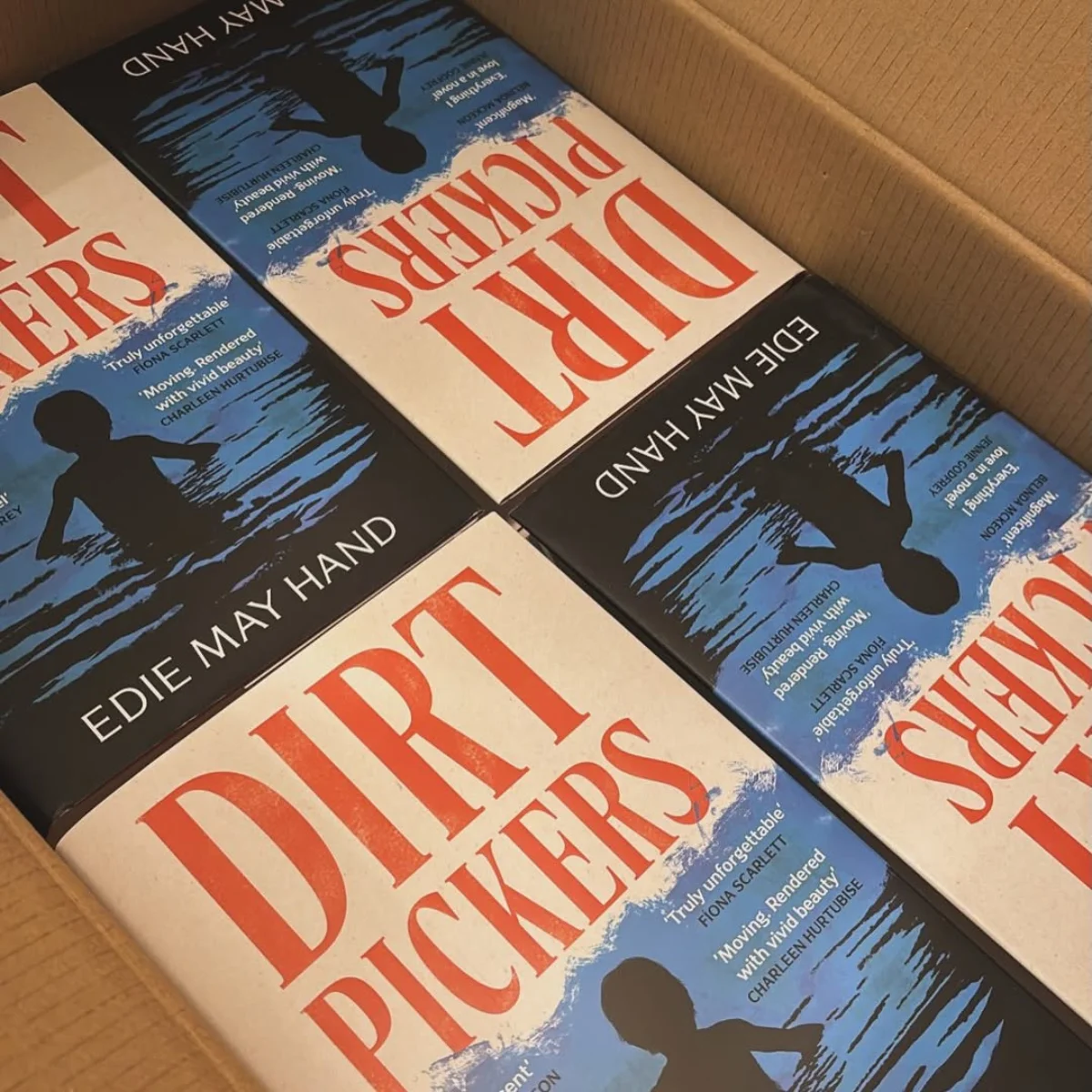
Dirtpickers is a heart-swelling beauty of a debut novel of trauma and found family, from an incredible new literary talent. Written in exquisite lyrical passages, the novel moves between the four main characters, shuffling back and forth in time, to create a story that will live long in the reader’s memory.
In a remote valley in Idaho in 1981, a man, a woman and three children stop running to wash the blood from their hands and bodies. They are the few survivors of a terrible tragedy. Their only choice now is, somehow, to become a family.
Five years earlier, Opal and her husband James arrive at a small mining community in the Silver Valley, drawn by promises of fortune and independence. There they meet Baron Rowe, the charismatic visionary who controls the community with an iron fist.
Baron’s son Denny has spent his life trying, and failing, to live up to Baron’s expectations, and to protect his little sister Maude from their father’s excesses.
Soon, a tragic accident will change all their lives. And five years later, change will come again at the barrel of a madman’s gun. Crossing the border into Canada, Opal, Denny, Maude, little Billy and the baby find refuge in a remote hunting cabin and in the generosity of the widowed Mrs Schweers.
As these five become Ma, Da, Bunny, Bear and Baby, they must unlearn all they have known, tend to wounds old and new, and start afresh.
Read on for our interview with Edie May Hand…
Did you always want to be a writer? Tell us about your journey to becoming a published author.
Whether I knew it or not, I think so. I never wanted anything more than I wanted to play pretend. Every subject in school and college that I loved and paid the most attention to were related to stories and characters, and why people do the things they do. It didn’t materialise into anything substantial until I did the Masters in Creative Writing at Maynooth University. After that, I entered the International Debut Novel Competition at the Irish Writers Centre, through which I met my agent, and together we found Dirtpickers a home at Manilla Press.
What inspired you to start writing?
As a child, my friend Matthew and I used to come up with stories as if they were books, films, or television shows. At first, it was just a game. My parents nurtured this, encouraged every little story I wrote. Never was it a silly hobby to be sacrificed for something more practical. Because of this attitude, it never occurred to me not to write. Writing was the most normal thing. When it became something serious, I’d done enough practice in my spare time that I felt confident in my work.
Tell us about your new book. Where did the idea come from?
It’s about two adults and three children who leave an isolated mining community in America, and escape across the border into Canada. I wanted to write about how to carry on at the end of the world. Initially, this manifested as something else entirely, but slowly shrunk down to the end of one world, and the start of another. I grew up in a mining town, so that felt like familiar territory to write about and use as a vessel for the characters’ feelings. Everything else fell into place as I wrote it.
What do you hope this book instills in the reader?
That you can always start over. And that, as James Baldwin said, ‘The children are always ours, every single one of them, all over the globe.’ In times like these, I think that’s especially important to hold onto.
What did you learn when writing this book?
Discipline, mostly. I started the book as part of my Masters in Creative Writing, so there were assignments to complete, excerpts to edit, things I needed prepared for class. Following that, the editing process for this book had many deadlines, and having those in place, with other people depending on my timing, kept me diligent and punctual.
Tell us about your writing process?
It’s a bit all over the place, to be honest. I’m not always so disciplined. There are days where I don’t write a single word and feel like I’m the worst person in the world, but others where I write pages and pages. At the moment, I’m trying to write 250 words a day. Usually, I exceed that number, so if there are days I miss, I can make up for it.
Where do you draw inspiration from?
I like to look at the stories people tell one another, and how they tell them. There’s inspiration to be found every day in having conversations, but also in music and poetry. In film and television, too. Even in how an actor delivers a line. I watched a lot of Succession while writing Dirtpickers.
What are your top three favourite books of all time, and why?
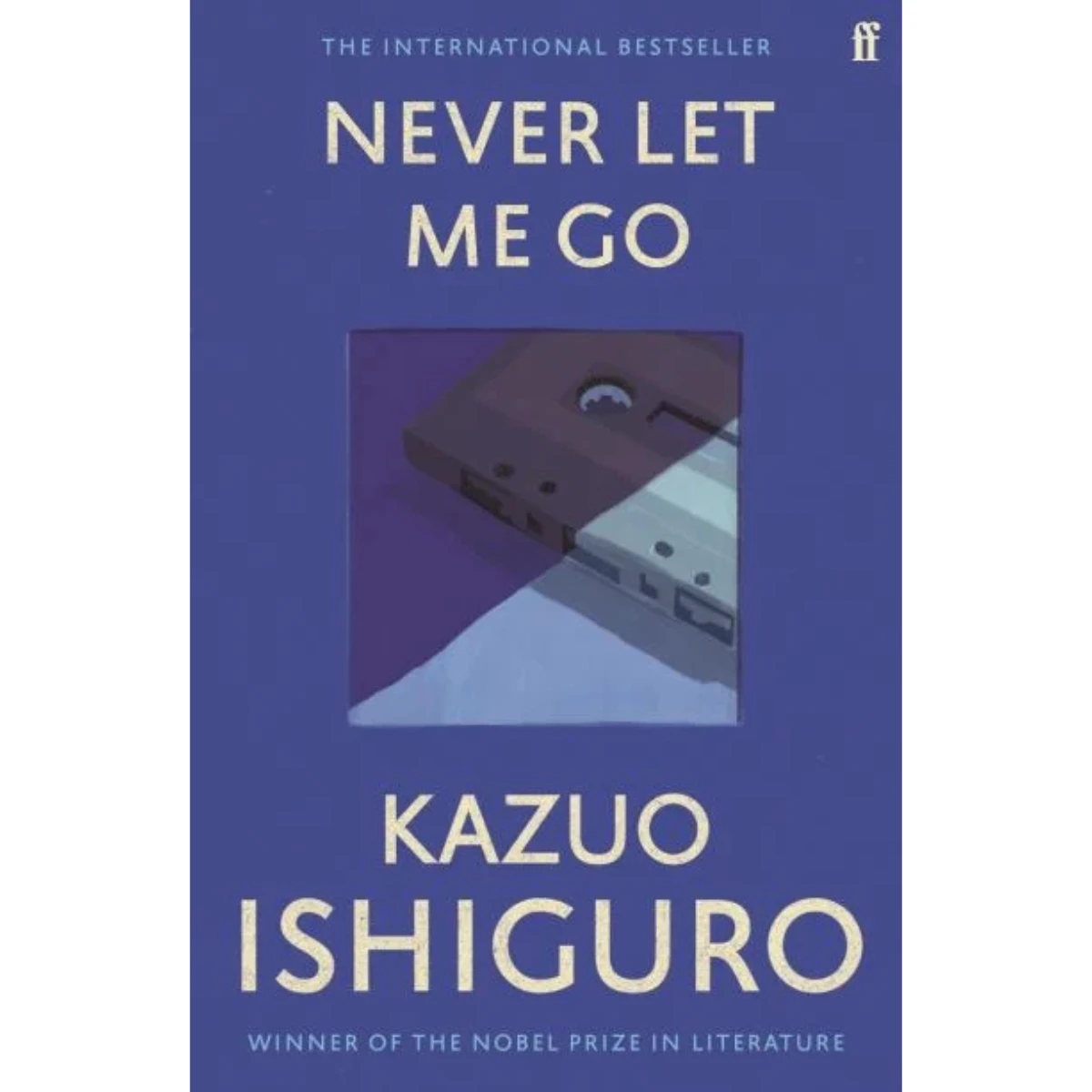
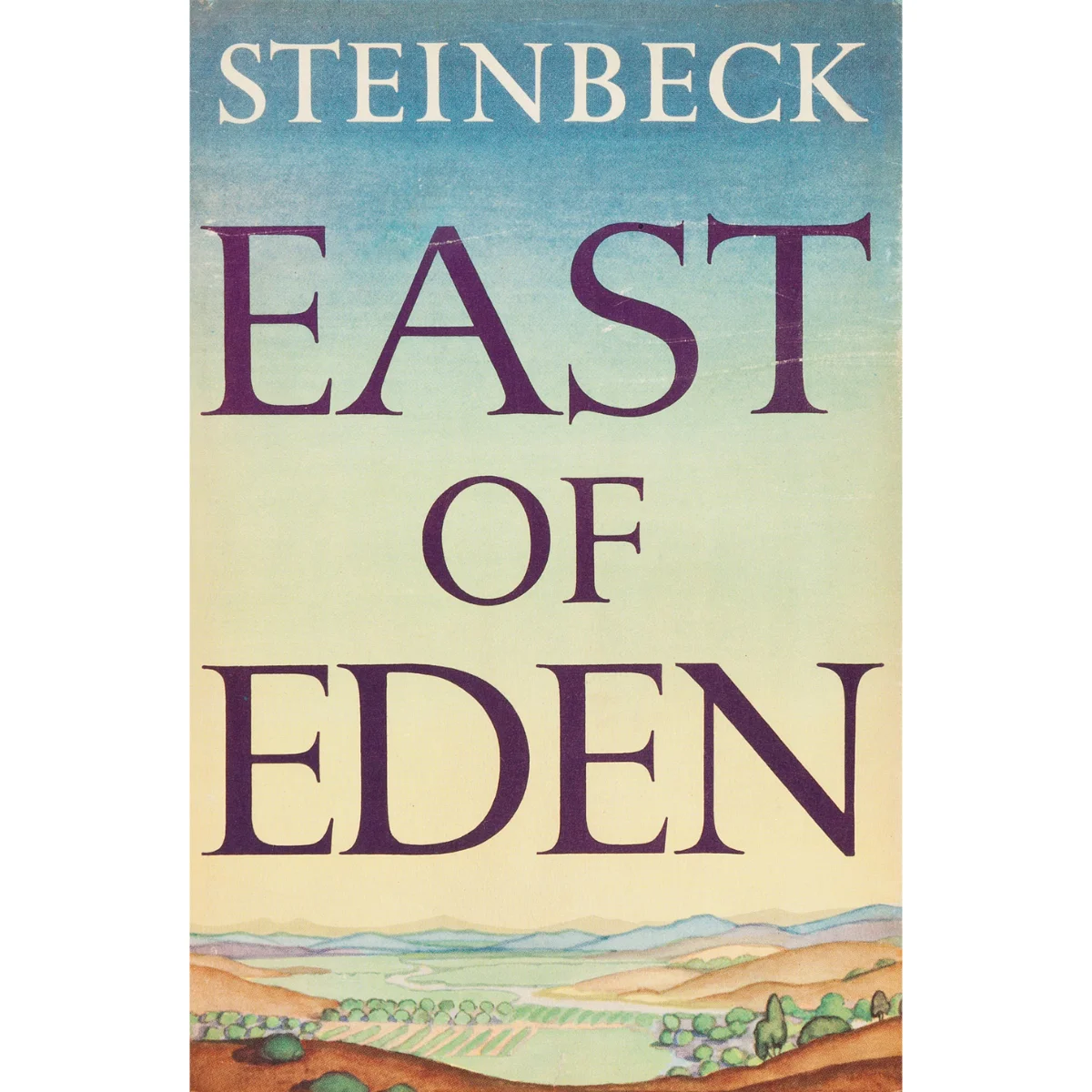
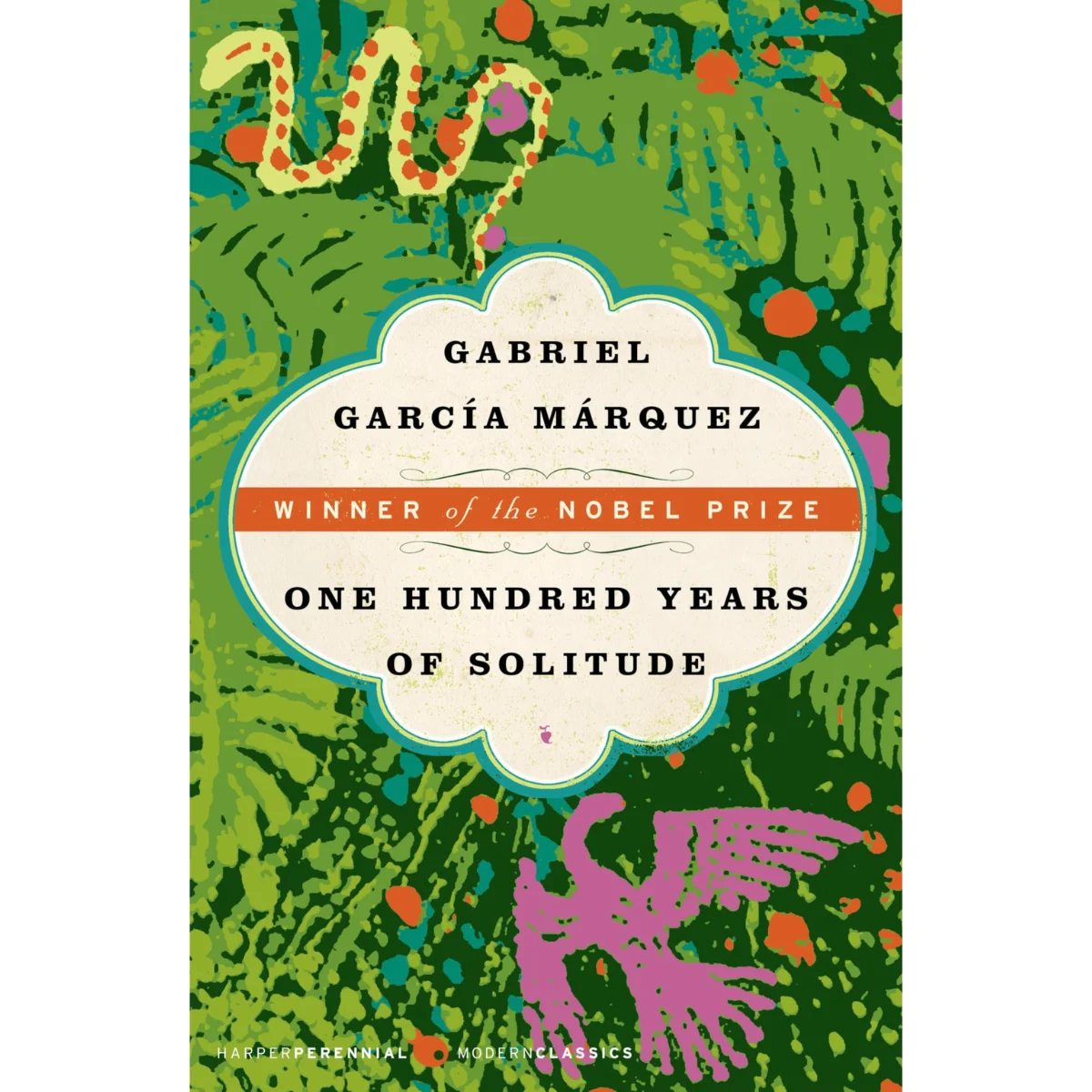
Never Let Me Go by Kazuo Ishiguro because of what it says about the world, and One Hundred Years of Solitude by Gabriel García Márquez and East of Eden by John Steinbeck, because of what they say about family.
Who are some of your favourite authors, Irish or otherwise?
I don’t tend to read a lot from the same authors, but I love Donna Tartt – I’d read her shopping lists. Claire Keegan had me hooked with a single book. Shirley Jackson, Toni Morrison, Christine Dwyer Hickey. I’m reading The Marriage Portrait at the moment, and I have a feeling Maggie O’Farrell will be up there with Donna.
What are some upcoming book releases we should have on our radar?
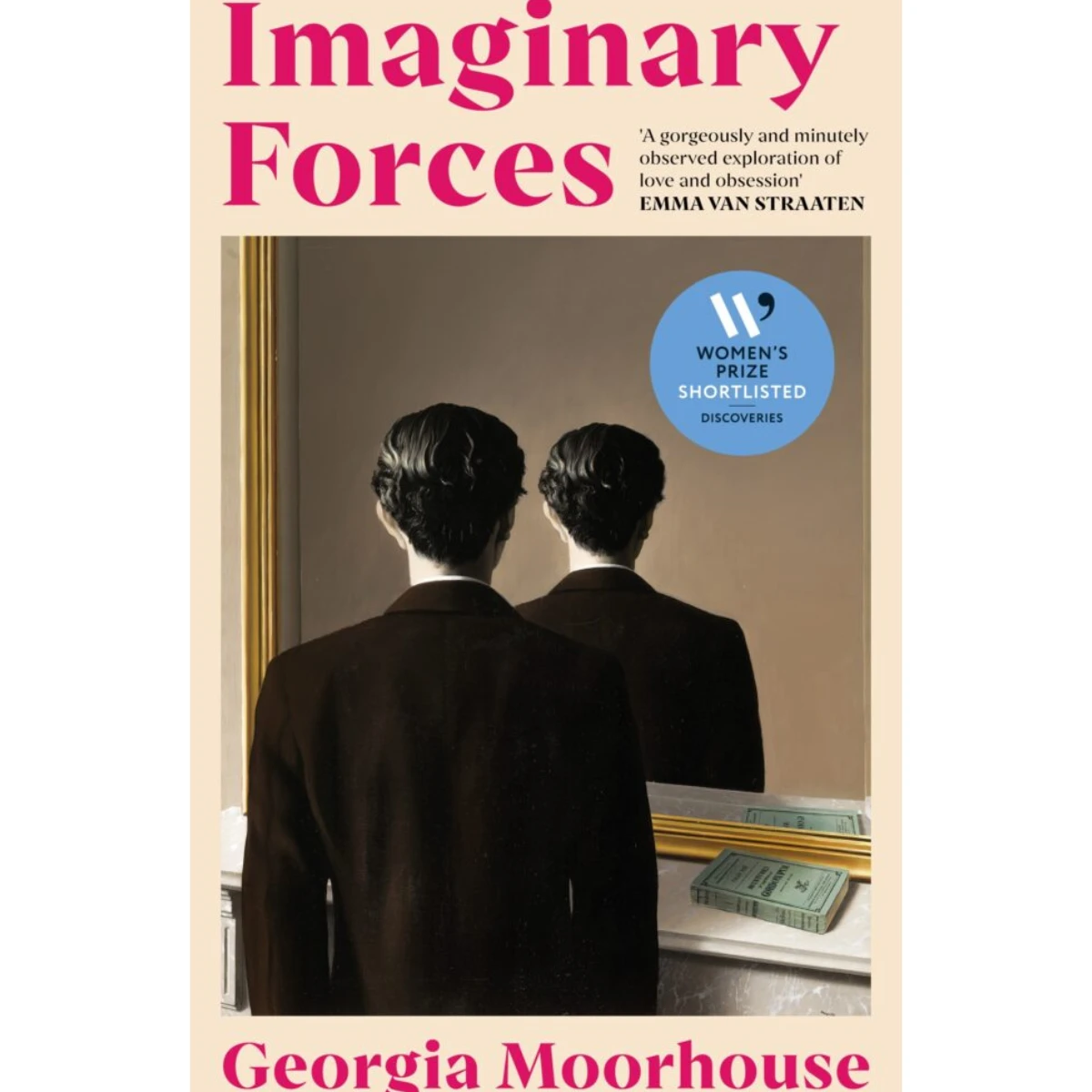
Catfish by Ciara Broderick, Under a Fur Coat by Sonya Vatomsky, and Imaginary Forces by Georgia Moorhouse. Three brilliant writers, whose books I cannot wait to buy.
What book made you want to become a writer?
The Liars’ Club by Mary Karr. It’s an autobiography about the author’s early life in 1960s Texas. I was maybe fourteen years old when I read it, and I only bought it because I liked the look of the cover. The author reflects on truly traumatic experiences from her childhood with such tenderness, and quotes like: ‘A dysfunctional family is any family with more than one person in it.’
What’s one book you would add to the school curriculum?
Everything That is Beautiful by Louise Nealon. When I first read it, I felt like I was in school again. It represents something that people ignore or misunderstand about what it means to be a young woman in Ireland – particularly when it comes to sports.
What’s the best book you’ve read so far this year?
Hamnet by Maggie O’Farrell, for obvious reasons. I haven’t seen the film yet, but the characters are so vividly drawn in the book that I felt my feet match every step they took.
What’s your favourite bookshop in Ireland?
There was a bookshop on Valentia Island in Kerry. I can’t even remember the name of it now, but the owner bought old books from America, and stocked a variety you wouldn’t get anywhere else. That’s where I found The Liars’ Club. Closer to home, I love Chapters for the staff and for the sheer size of it – you could spend a whole day there.
What’s some advice you’ve got for other aspiring writers?
Write what you want to read. I used to get so caught up on what other people might like, even when it was so far from my own preferences. If you love it, you’ll write it.
Lastly, what do the acts of reading and writing mean to you?
Escape. Reading and writing have gotten me through some of the hardest times of my life. Books are a resource that every child should have access to.
‘Dirtpickers’ by Edie May Hand (Manilla) is on sale now.
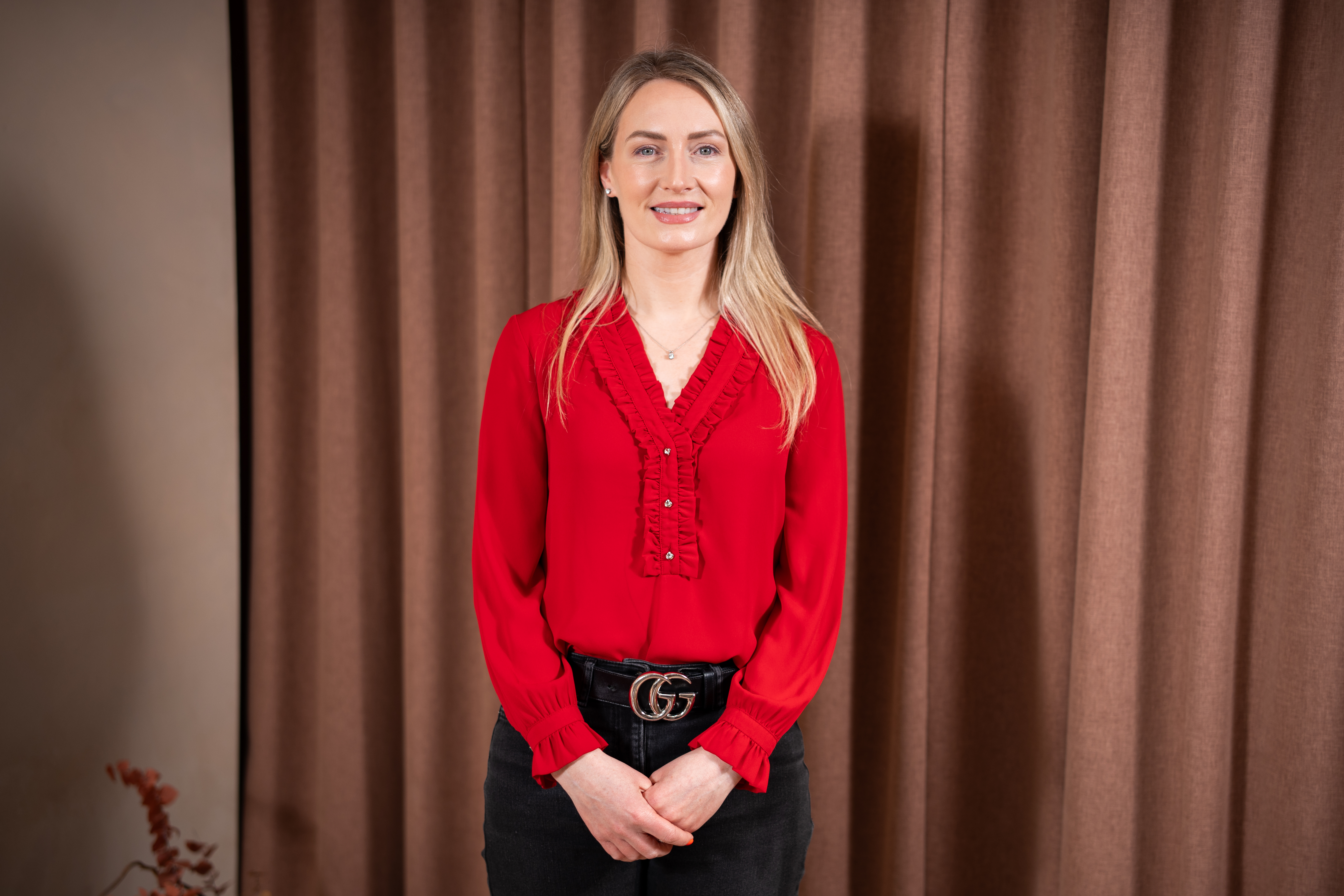
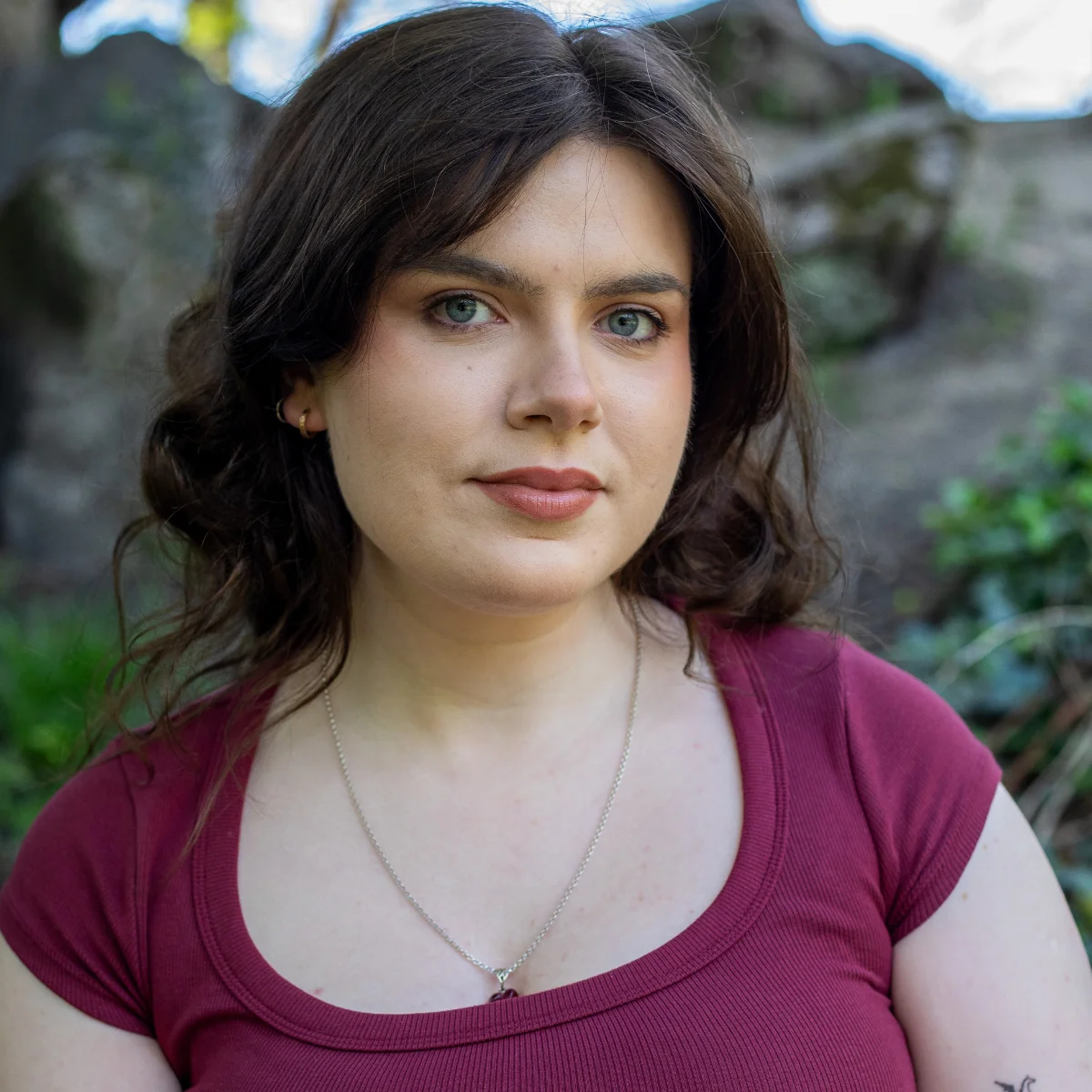
Portrait by Ger Holland.
Also Read