








A thoughtful renovation has opened this Portobello home up to natural light
Recalibrating the rhythm of this period home, ARÓ Architects has transformed it into a series of bright, uplifting rooms.
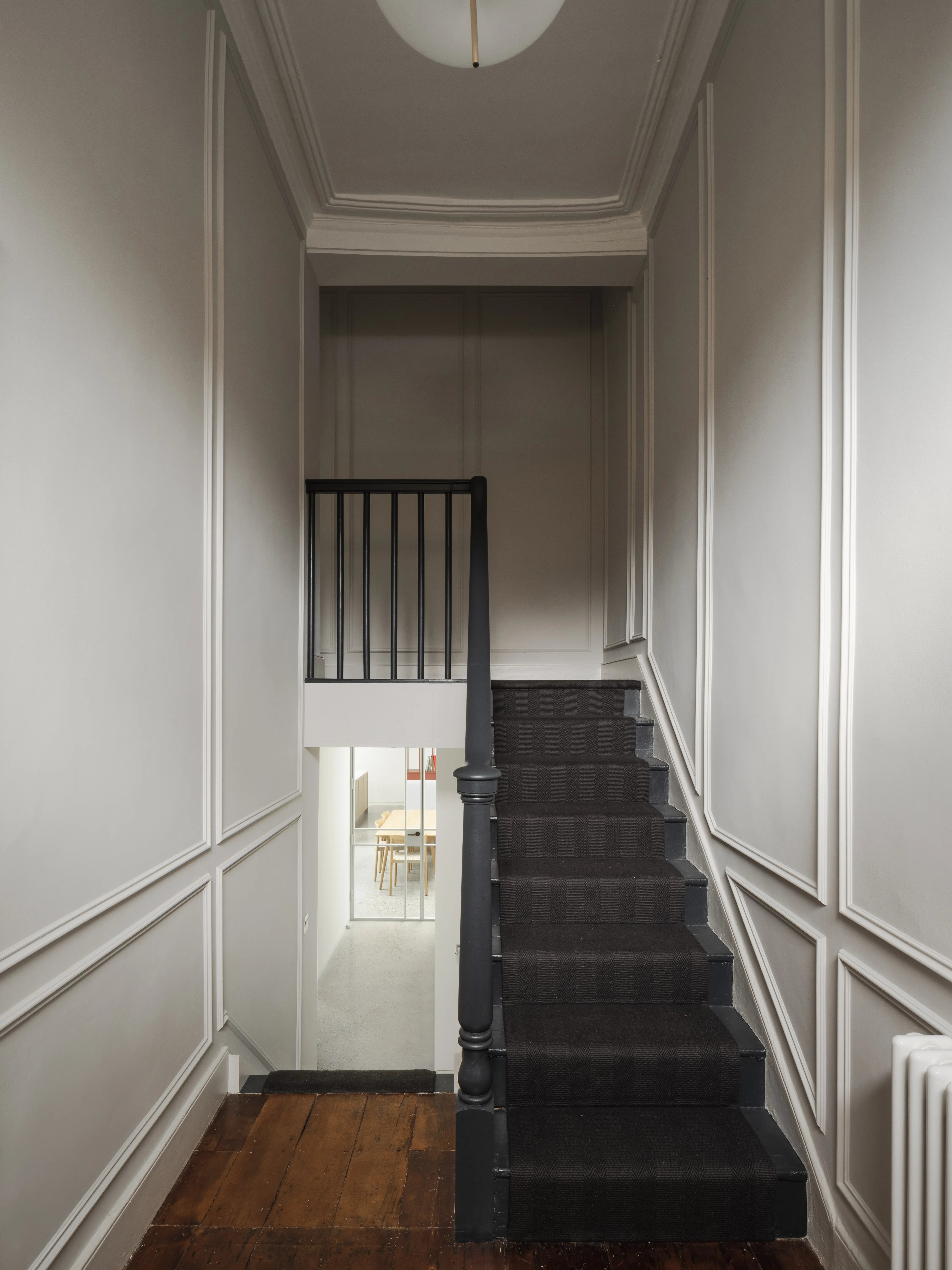
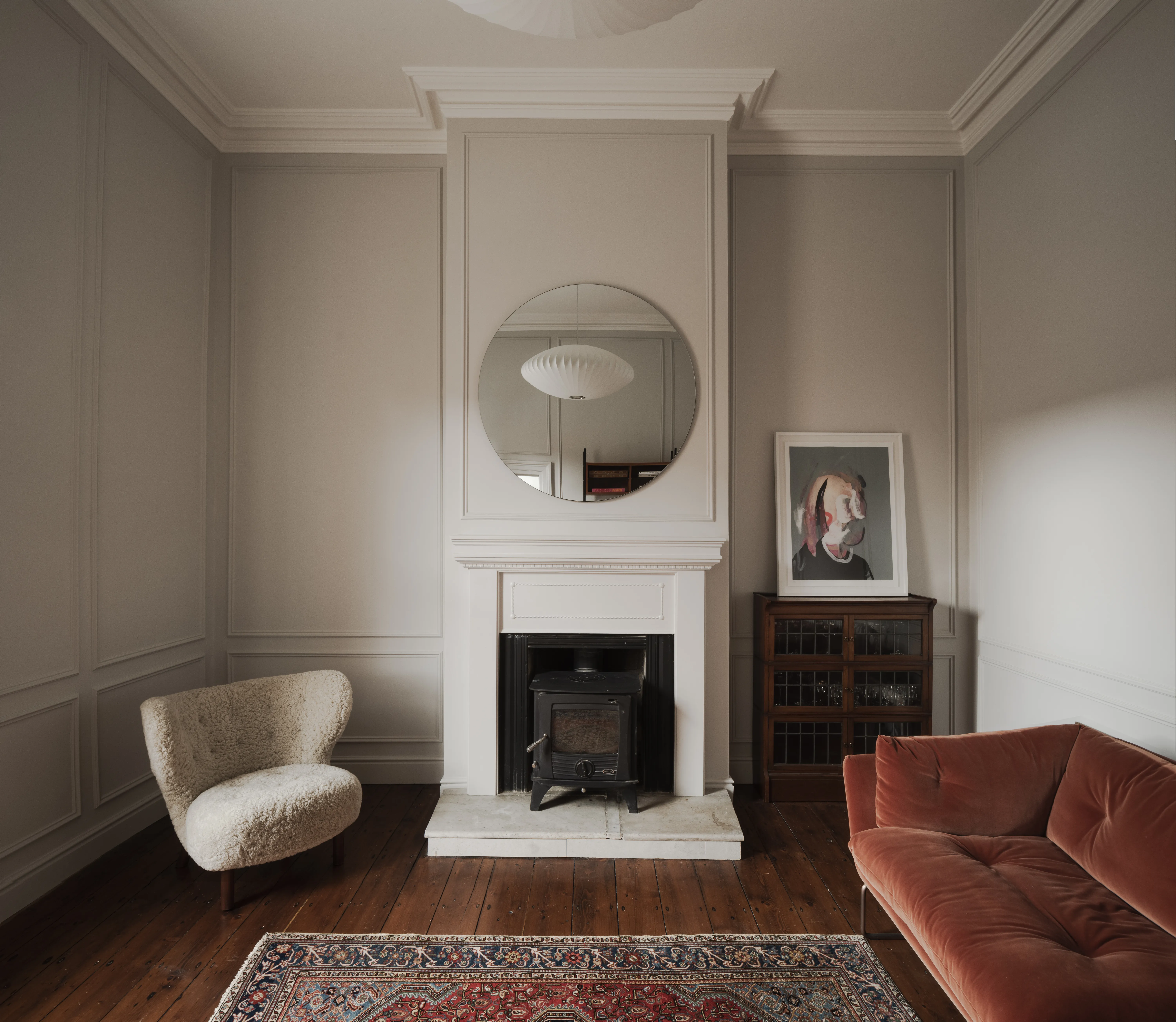
This period home in Portobello had many of the beautiful features you would expect, Róisín Power, director at ARÓ Architects explains, but the rear of the house felt disconnected from its original design.
“Later additions housed the kitchen and dining space and bathroom, sitting north east and never quite catching the light,” she says. “These rooms felt withdrawn from the rest of the home: low ceilings, small windows, lingering damp. The result was a stark contrast – the elegance of the old house leading into a sequence of spaces that felt tired and underwhelming.”
With rooms that felt cramped and dark, the kitchen and dining space, which are often our most-used rooms, felt cold. “What should have been the heart of the home, was instead its coldest corners,” Róisín explains. “Their low ceilings and poor build quality created a sense of compression, with little warmth or natural light to soften the experience.”
Moreover, the homeowner wanted the home to feel more connected to the outdoors, blurring the boundaries between inside and outside. “They’re someone who notices texture, colour, craft – someone who values the small, thoughtful details. Their willingness to explore materiality and push the design a little further than expected brought a real sense of collaboration to the process,” Róisín notes.
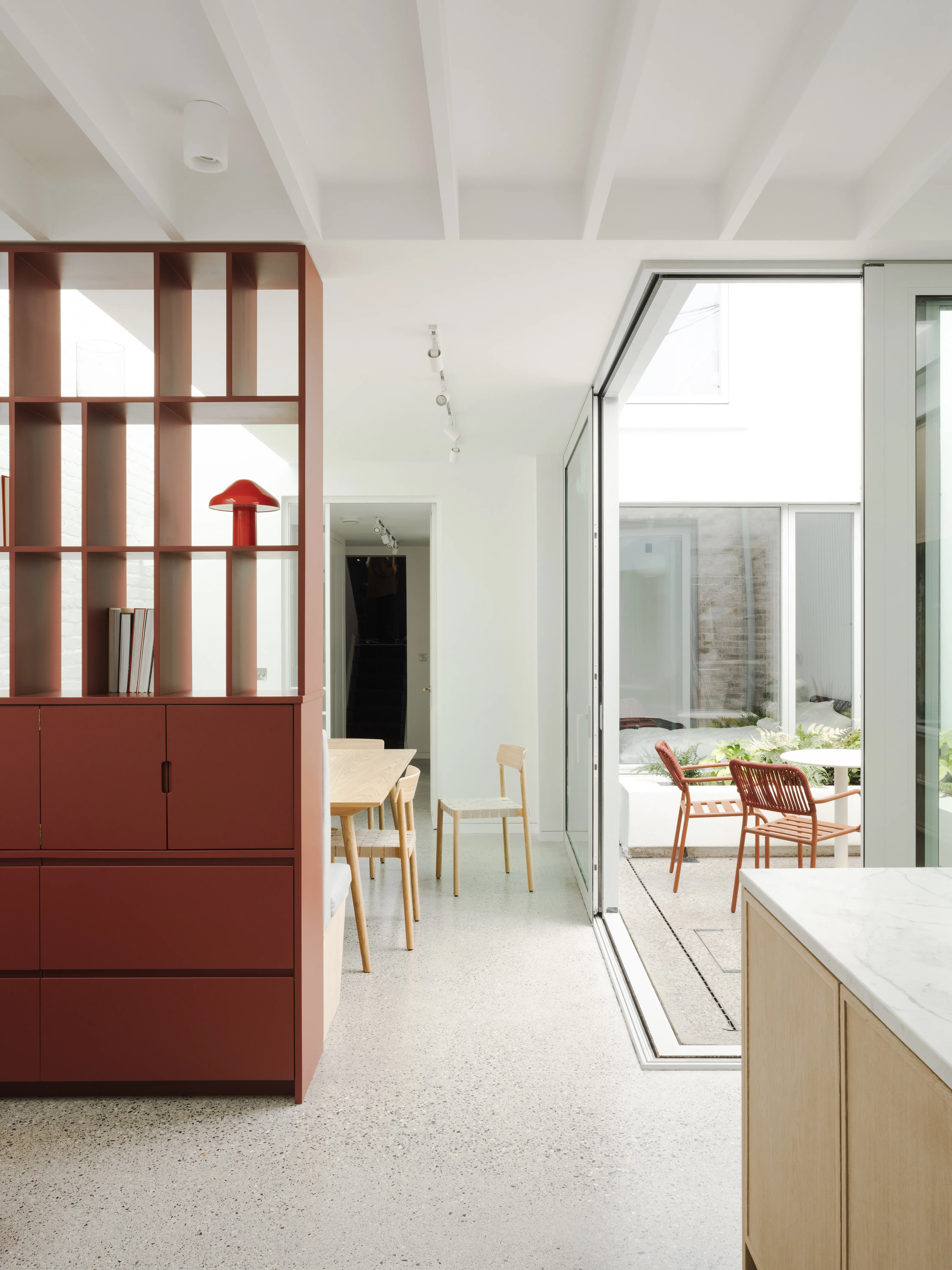
Key to the renovation of this home was to rethink its interaction with the sun. “By opening the rear towards the south west, we invited the soft, lingering evening light into the dining space, allowing it to wrap gently around into a south-facing kitchen and sitting area,” Róisín explains. “This repositioning recalibrated the rhythm of the entire house. The naturally darker, north-facing spaces were then set aside for the bedrooms, where less daylight feels more cocooning than compromising.”
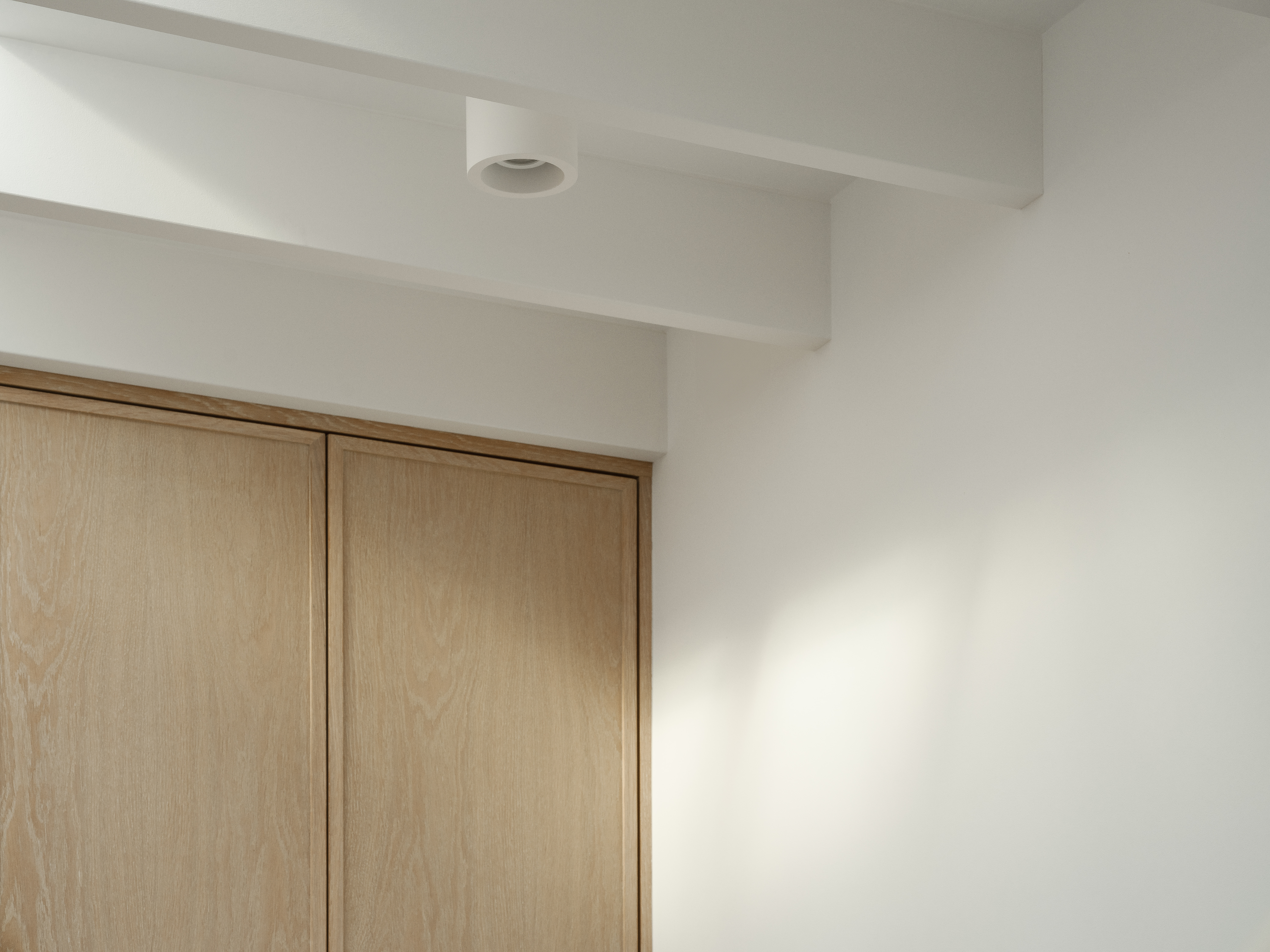
As well as this, “Morning sun filters through generous rooflights, scattering delicate shadows across the whitewashed exposed timber joists overhead. As the day progresses, the sun arcs over the pitch of the original roof, catching the kitchen and courtyard in a warm midday glow. By late afternoon, the dining and sitting areas are bathed in uninterrupted sunlight – a far cry from the dim, compressed rooms that once occupied this part of the home.”
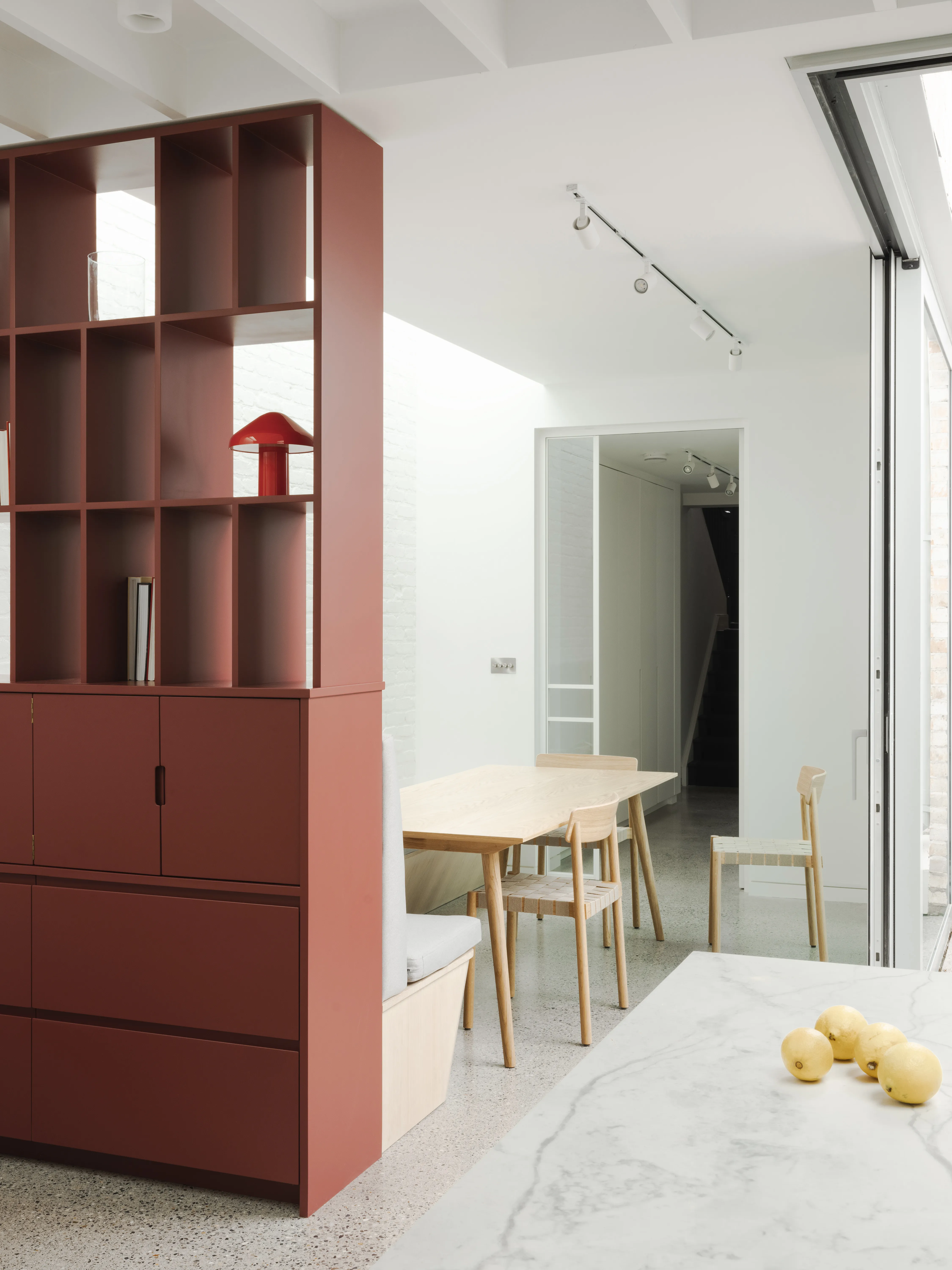
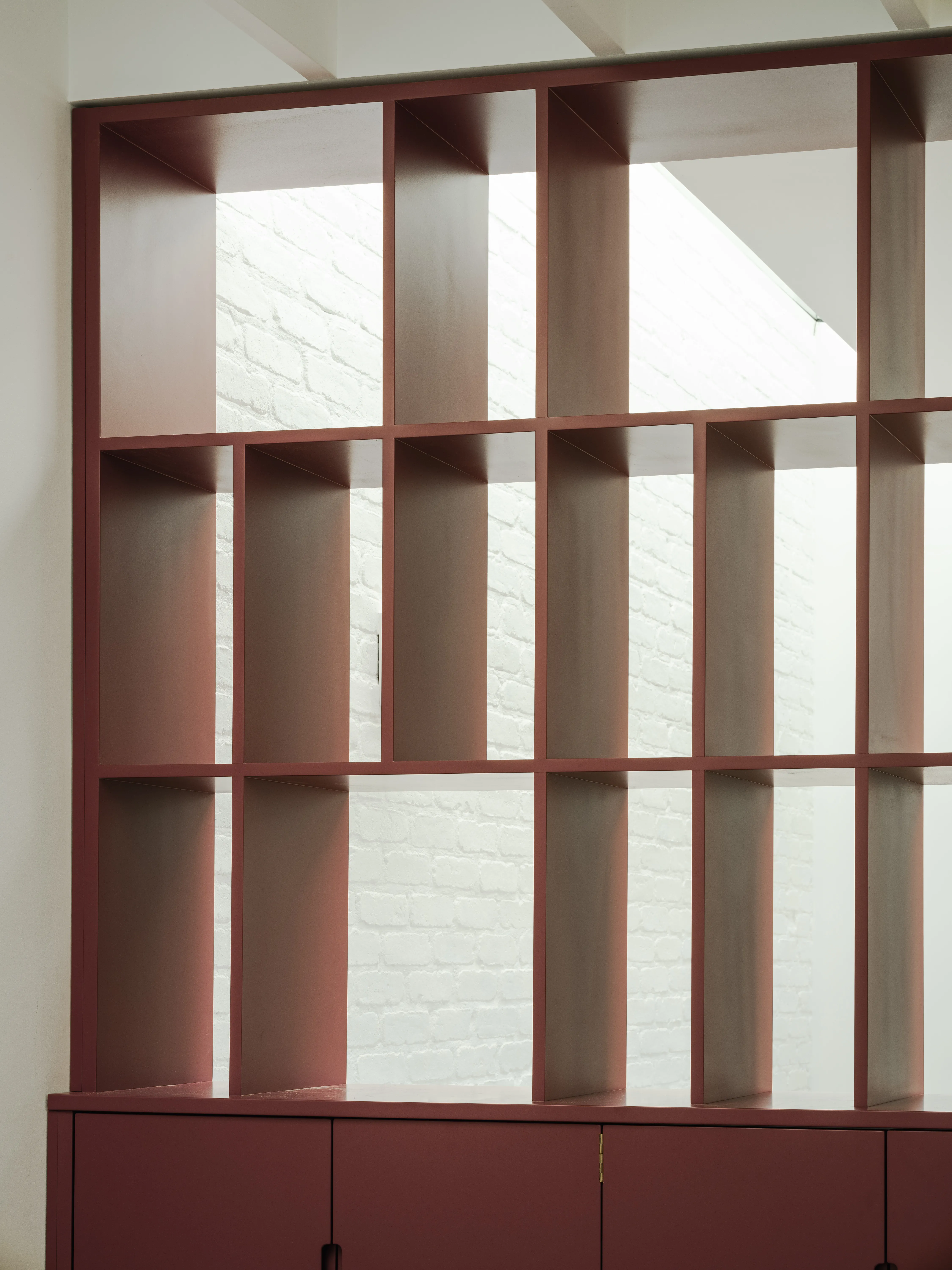
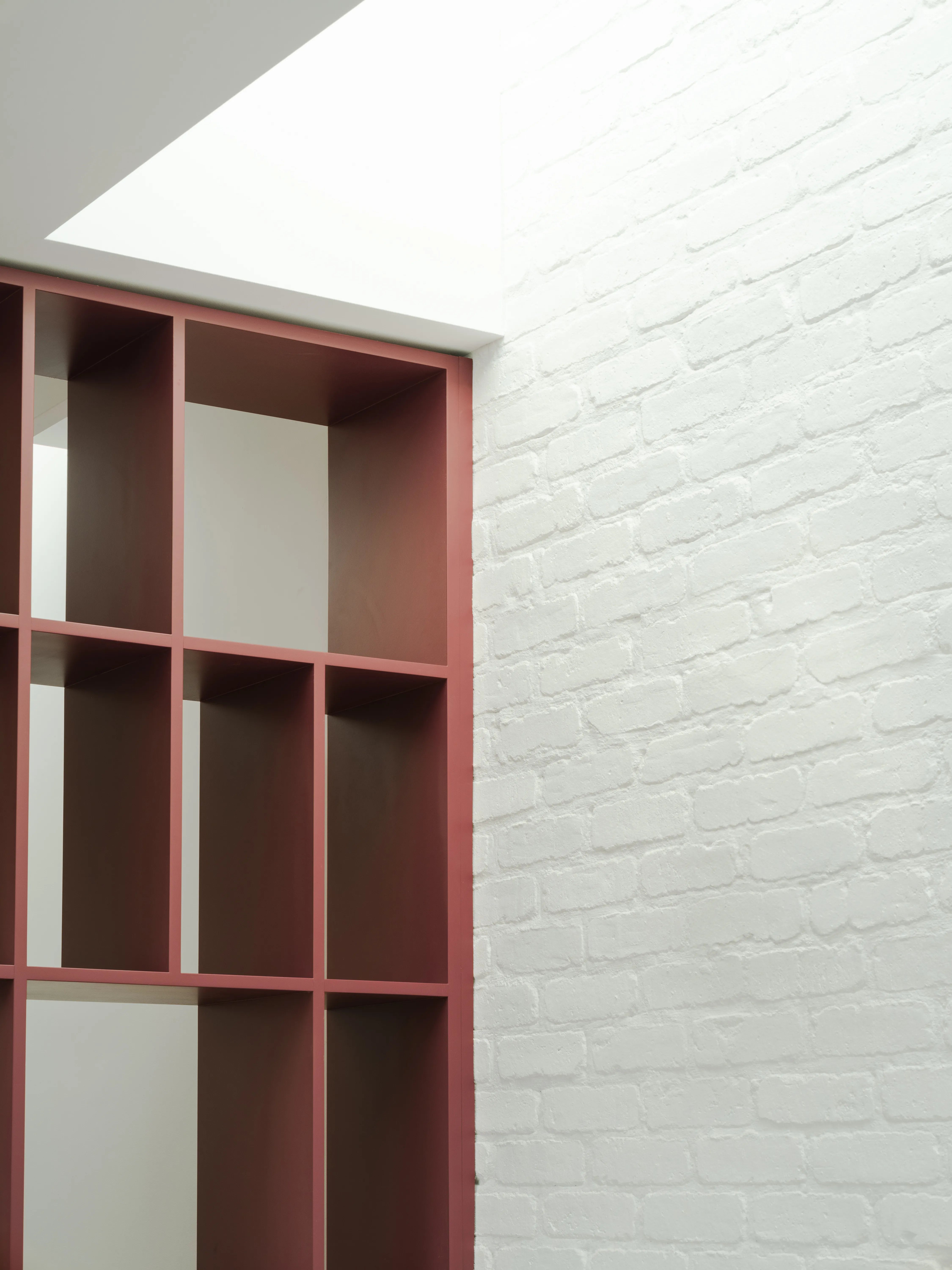
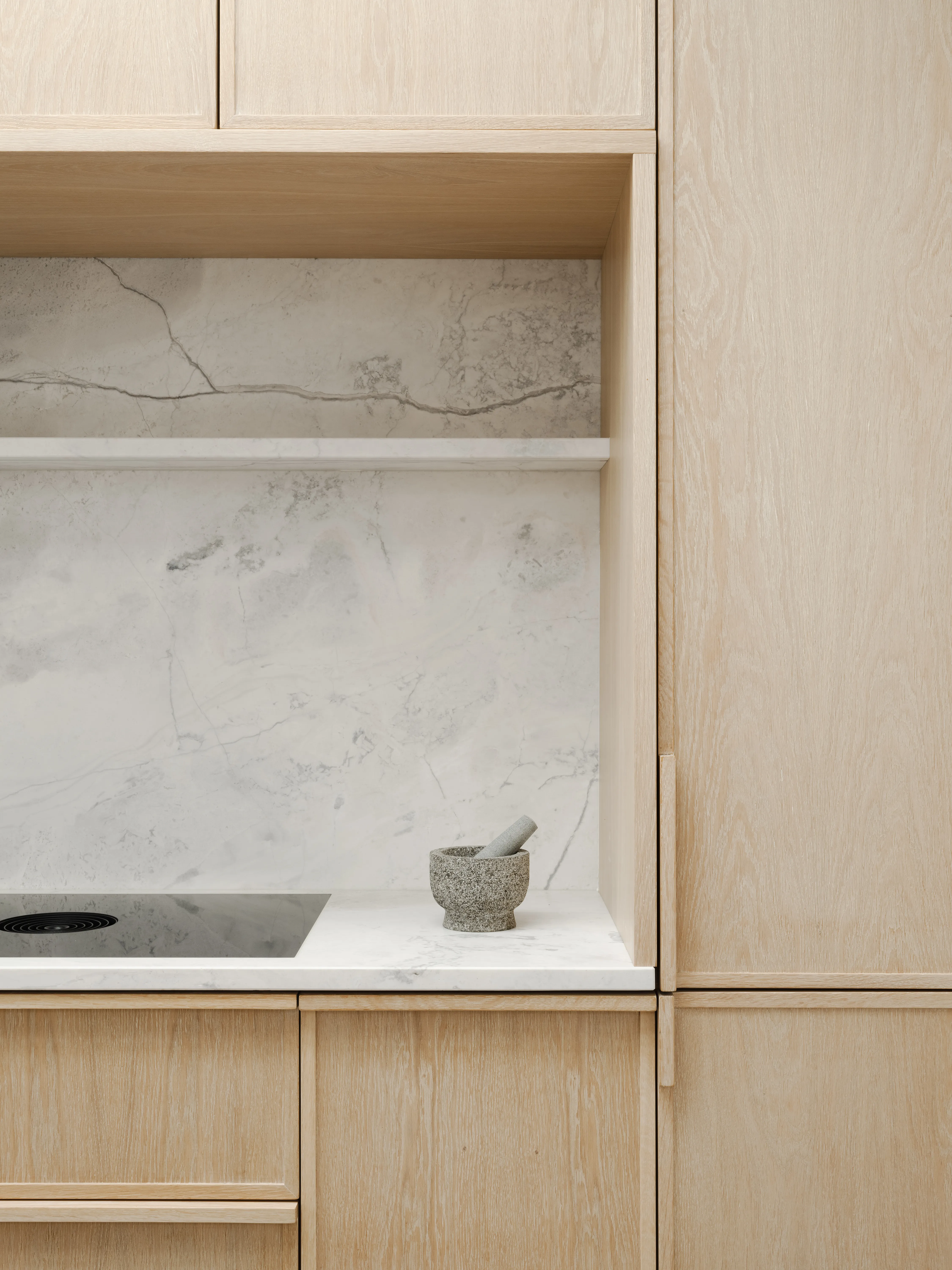
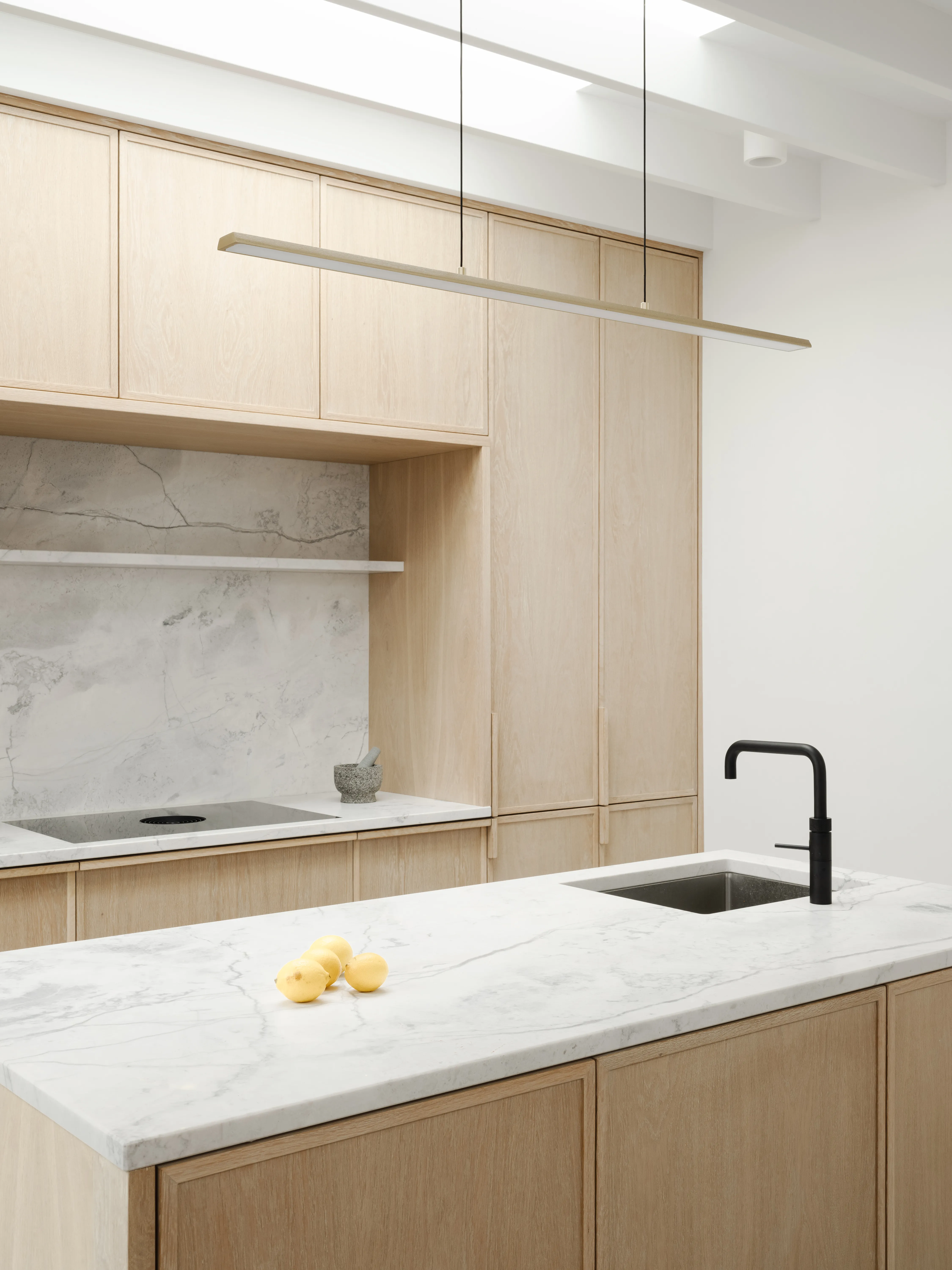
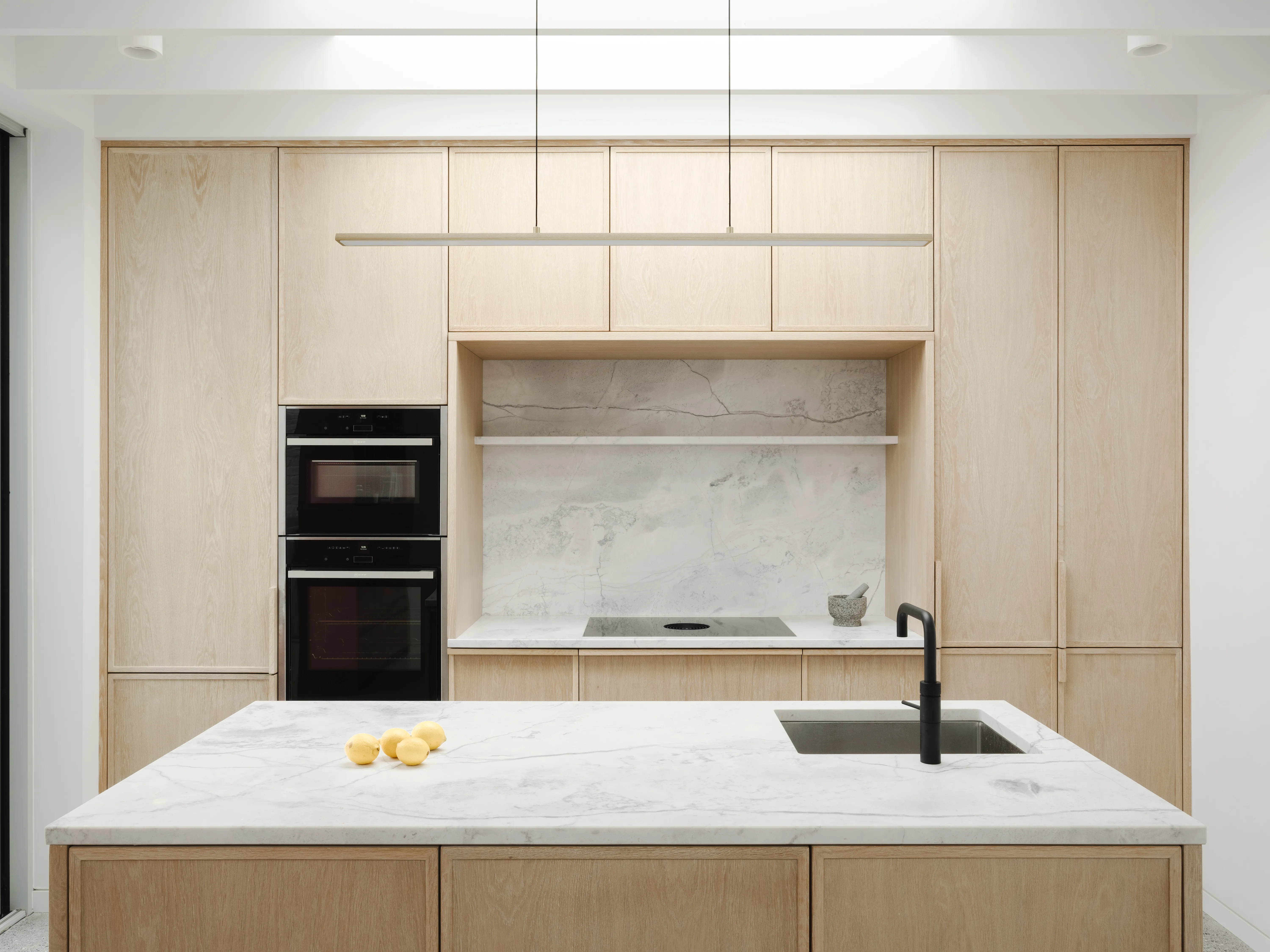
To complement this new sense of brightness, a calm palette was chosen with lots of warm, natural textures, although with touches of more striking statements. “Light timber cabinetry and softly veined stone offer a quiet neutrality, allowing the architecture – and the client’s own collections – to breathe,” Róisín notes. “Against this, we introduced a deep red joinery element that acts almost like a sculptural hinge between the dining and relaxing spaces. It adds depth and richness, grounding the room without overwhelming it. White painted brick, concrete underfoot, and the exposed joists overhead create a layered softness, giving the space a handcrafted quality that feels both contemporary and timeless.”
Overall, Róisín believes the most successful aspect of this design is how the home has been given a different atmosphere. “What was once the darkest, least loved area is now a sequence of bright, uplifting rooms that track the sun from morning to evening. There’s a sense of ease and generosity to the new layout: the flow between house and courtyard, the crafted joinery, the quiet textures. It honours the character of the original home while bringing a renewed clarity and lightness to the spaces where the client spends everyday life. The design doesn’t shout; it settles in comfortably, enriching the home in a way that feels both natural and deeply personal.”
Photography Peter Molloy
Also Read