

Sponsored
The Miss Universe finalist flighting the motherhood penalty in STEM
Sponsored By
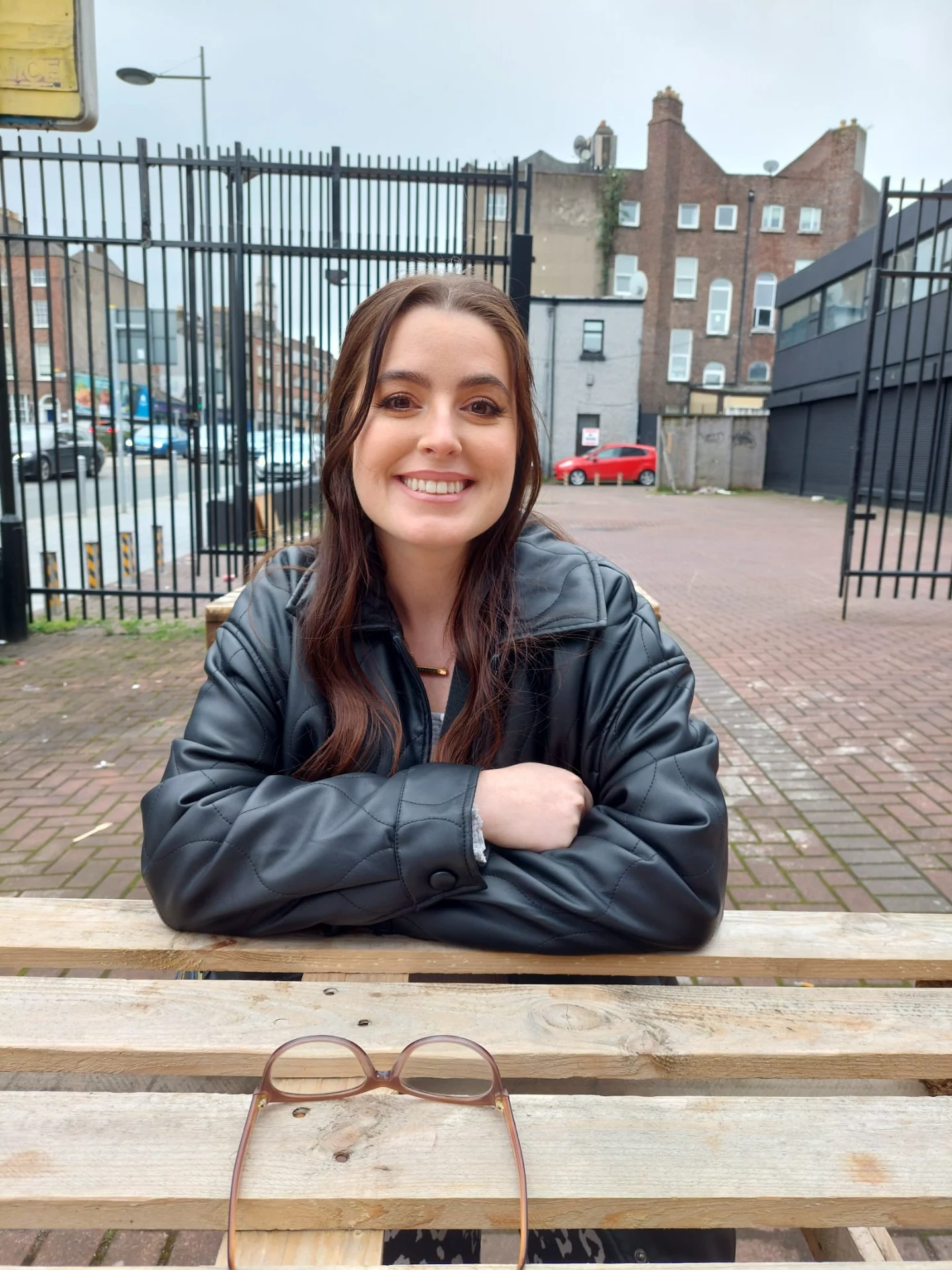
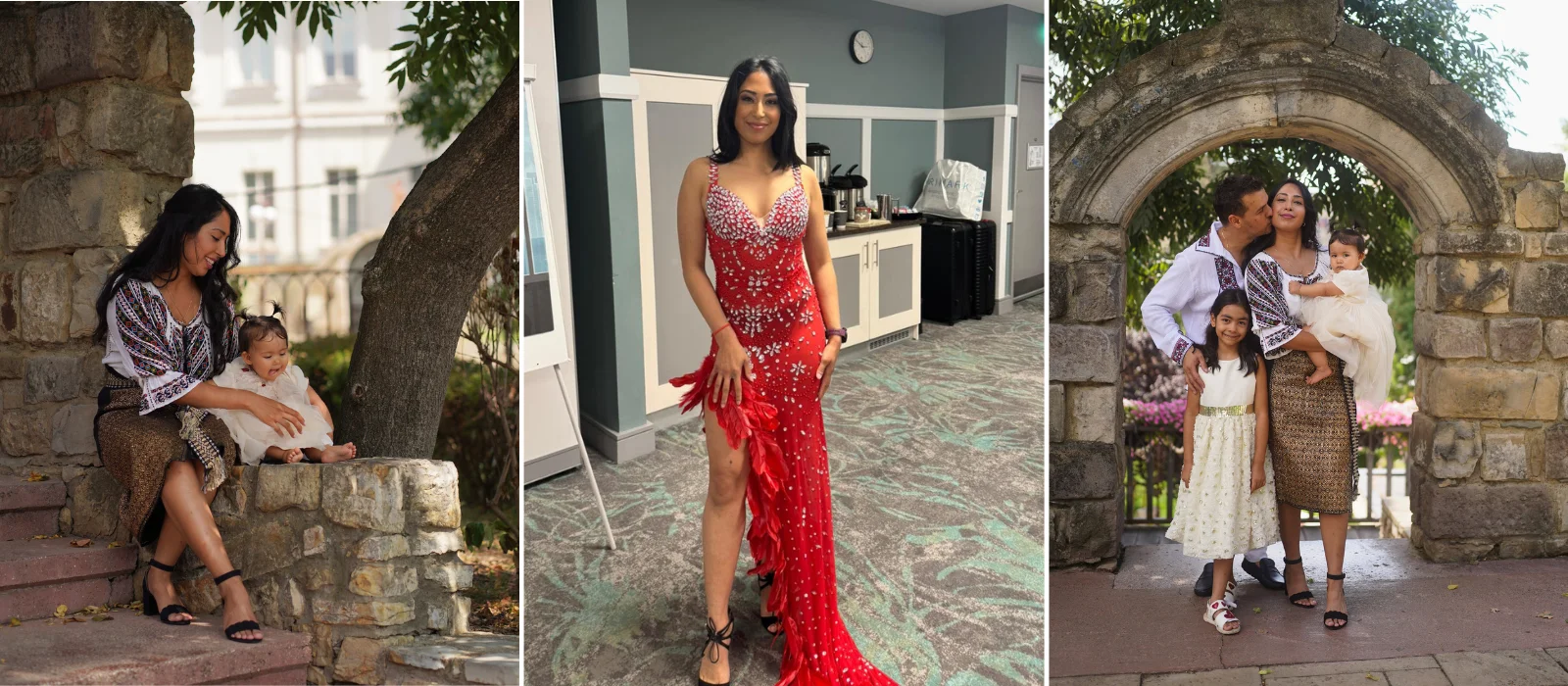
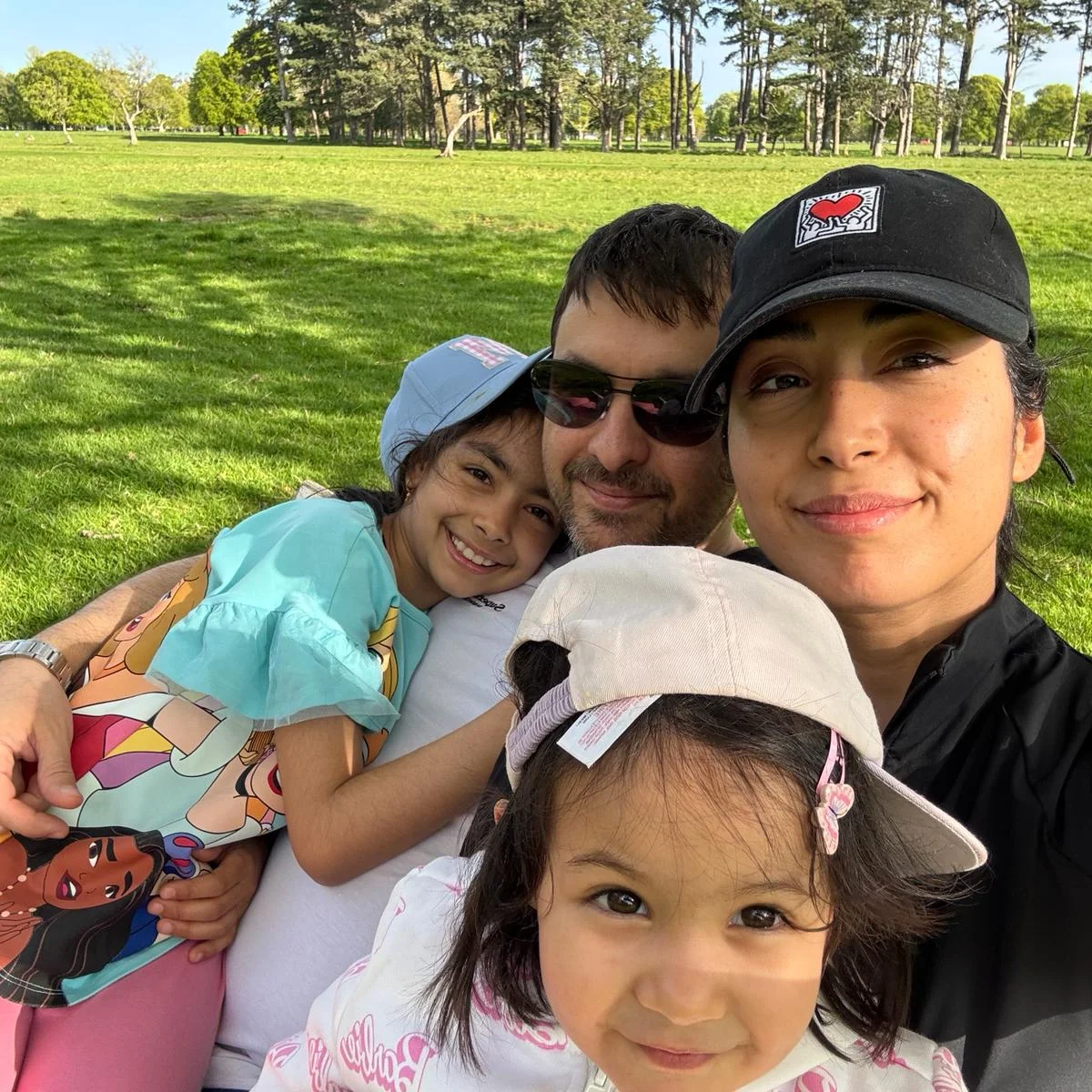
As a mother, founder and a 2026 Miss Universe finalist with a strong background in STEM, Shaleen Chadha Guzgan knows first-hand how juggling the pressures of motherhood and a career can feel almost impossible at times. Here, she chats with Dominique McMullan about the growing reality of the 'motherhood penalty', its widespread impact and what businesses – and women – can do to help drive meaningful change.
You describe a contradiction between Ireland’s strong female STEM graduate numbers and the low percentage of women remaining in the workforce long-term. What first made you start paying attention to this issue personally and professionally?
In 2023, I took time out for my health after my second baby. When considering rejoining the workforce, I realised there was no standardised protocol for returnships in pharma; they felt like corporate social responsibility projects. I saw a stark contrast between the barriers women face returning to work compared to men. Higher Education Authority data shows 35% of STEM students in Ireland are women – one of Europe’s highest proportions. Yet, every year, over 2,000 Irish women in tech-related fields take career breaks to raise families, according to the European Institute for Gender Equality.
You’ve worked in the pharmaceutical industry yourself. Did you witness or experience the motherhood penalty firsthand? If so, what did that look like in practice? And what is the impact on the industry?
Yes. In the pharmaceutical industry, I had to decline a role due to employer bias. I was made to feel guilty for not disclosing I had children and was explicitly told I wouldn’t have progressed so far in interviews had they known. The STEM Returners Index shows returners are often forced into lower-grade, lower-salary roles because automated applicant screening systems (ATS) penalise CV career gaps. This motherhood penalty hurts the industry deeply; the Adecco Ireland STEM Workforce Report highlighted over 100,000 STEM-related vacancies in Ireland.
Why do you think so many highly qualified women leave STEM careers at the mid-career level specifically?
Current workforce arrangements lack the flexibility to cater to the modern, multidimensional Irish woman. We are frequently a mix of professionals, business owners, mothers, and creatives. Yet, rigid structures place undue pressure on us to stay within only one ‘dimension’ of our 3D lives. There is also a lack of mentorship or leadership pathways. National business metrics reveal that across all Irish sectors, only 19% of large corporation CEOs are women. The World Economic Forum’s Global Gender Gap Report highlights this “drop-to-the-top” phenomenon, noting it is incredibly pronounced for women in STEM. The talent is there, but corporate infrastructure must catch up.
You mention that childcare CV gaps are often treated like “career death sentences.” Can you explain that more? What are some of the most common barriers women face when trying to return to STEM roles after motherhood?
The mindset around motherhood CV gaps must change. This period is actually an upskilling phase where women gain leadership skills like empathy and patience, alongside project management skills like time management and multitasking. In reality, it adds value and maturity. However, modern AI screening algorithms automatically reject candidates if a gap exceeds a certain threshold. A Harvard Business School study revealed that automated hiring systems frequently use a career break of more than six months as an automatic filter to eliminate candidates entirely.
For readers unfamiliar with the term, how would you define a “returnship,” and what would an ideal standardised returnship programme look like in Ireland?
The difference between a returnship and an internship comes down to experience. Internships are for entry-level individuals. A returnship is a structured programme built for professionals with mid-to-senior experience returning after a career break. Crucially, the pay must reflect market rates, with the goal of converting the placement into a permanent role.
Currently, Irish returnships vary arbitrarily from three to nine months. An ideal standardised programme must involve Small and Medium Enterprises (SMEs), which make up 99% of Irish businesses, but cannot afford the financial strain alone. We need a clear toolkit for SMEs to onboard returners without draining resources, alongside an integrated mental health framework.
Are there any countries or companies currently getting this right that Ireland could learn from?
Yes. As documented by the European Commission’s urban mobility observatory, Paris has championed the ’15-minute city’ concept, ensuring families live within a short walk of essential services, including early childcare. Furthermore, France utilises crèches d’entreprise — corporate daycares funded in partnership between employers and the state, backed by smart tax incentives. It treats childcare as community infrastructure rather than an individual burden. Similarly, Nordic countries like Sweden and Denmark view family support as an economic investment. OECD data shows they consistently achieve some of the highest maternal labour force participation rates in the industrialised world.
You’re using the Miss Universe Ireland platform to discuss this issue publicly. Why was that important to you, and what reaction have you received so far?
I applied to showcase the ‘3D Woman’ concept — the reality of the modern, multidimensional woman in 2026. I wanted to be a role model for my two young daughters, proving a woman can transition to any role she wishes.
It’s also an opportunity to ignite national discussion and show young girls that STEM is not a ‘scary’ path. Currently, the I Wish Survey Report states that more than half of Irish teenage girls pull back from STEM due to a distinct lack of confidence in their own abilities.
Women face barriers to re-entry, but they also face a glass ceiling when trying to progress into leadership positions in Ireland. I have had responses stating how important it is that this issue has been raised and that it needs to be discussed more.
You describe the idea of the “3D Woman” as being a mother, scientist, and founder simultaneously. Can you tell us more about that concept and what it represents to you?
It represents depth — moving away from flat, one-dimensional stereotypes. Historically, if a scientist doesn’t take care of her appearance, society doubts her intellect. Vice versa, a glamorous woman’s intellect is often questioned. This concept doesn’t push women to do everything all at once, but rather grants permission to hold multiple dimensions. We can be intellectuals and professionals while still caring about our appearances and bodies.
In your view, what role do employers need to play in retaining women in STEM after motherhood?
Hiring women returning after a career break offers an incredibly fast route to a strong Return on Investment (ROI). These women possess prior qualifications and leadership experience, leading to a much faster onboarding turnaround than training entry-level staff. Employers should implement a phased return approach, build a flexible workplace infrastructure, provide internal mentors to advocate for career progression, and mandate retraining for HR personnel on interacting with returning mothers.
Beyond employers, what policy changes or government support would make the biggest difference for women trying to stay in or return to STEM careers?
We must incentivise business owners to hire women returning to STEM. Right now, government-funded programs like Skillnet Ireland do a fantastic job of subsidising training up to 50%, but they don’t subsidise the actual salary costs. Government policy should also encourage companies to build internal pathways that prioritise mental health. For instance, Novartis Ireland was named a finalist for the CIPD Ireland HR Awards for a specialised Maternity Returners Programme that explicitly targets confidence loss and emotional disconnection through peer buddies, toolkits, and dedicated maternity coaching.
Do you think there’s still a cultural expectation that women must choose between ambition and motherhood? How does that show up in Ireland today?
Historically, absolutely. In Edna O’Brien’s The Country Girls — which was banned in Ireland in the 1960s — women were expected to stay strictly within legal and societal boxes. It was only in the 1970s that Ireland finally abolished the ‘marriage bar’, which legally forced women out of their careers upon marriage. Today, Ireland is changing beautifully. It is no longer uncommon for women to balance career progression with a family. Our various roles do not overshadow one another; they fuel one another.
What conversations do you hope this advocacy work sparks among Irish women themselves?
I want to normalise the conversation around the unique challenges women navigate when returning to work, and ignite a journey where we finally break free from ‘mother’s guilt.’ Having a career doesn’t make you less of a mother; it makes you a multidimensional role model. It takes a village to raise a child, but it also takes a village to build a professional career.
What would success look like to you five years from now if this issue started being taken seriously at a national level?
I want to see structured returnships become commonplace across all sectors of the Irish economy, where a career break for motherhood is recognised as a natural, strengthening evolution rather than a professional penalty. Success means tangible government wage subsidies that help SMEs absorb the initial financial load of hiring a returning mother, backed by top-level national policy discussions.
Finally, what would you say to a woman currently considering leaving her STEM career because balancing work and motherhood feels impossible?
You are not alone. Being a multidimensional woman isn’t about burning yourself out doing everything simultaneously; it’s about doing different things at different chapters of your life. Speak to your employer first. A few mothers I know successfully utilised parental leave to take one day off a week, creating crucial breathing room.
Please reach out and join our village — let’s step out of the boxes and build our own dimensions as 3D Women.
Also Read