








Sponsored
‘Your bloods are fine.’ Why that’s not good enough and the 5 numbers every woman should know
Sponsored By
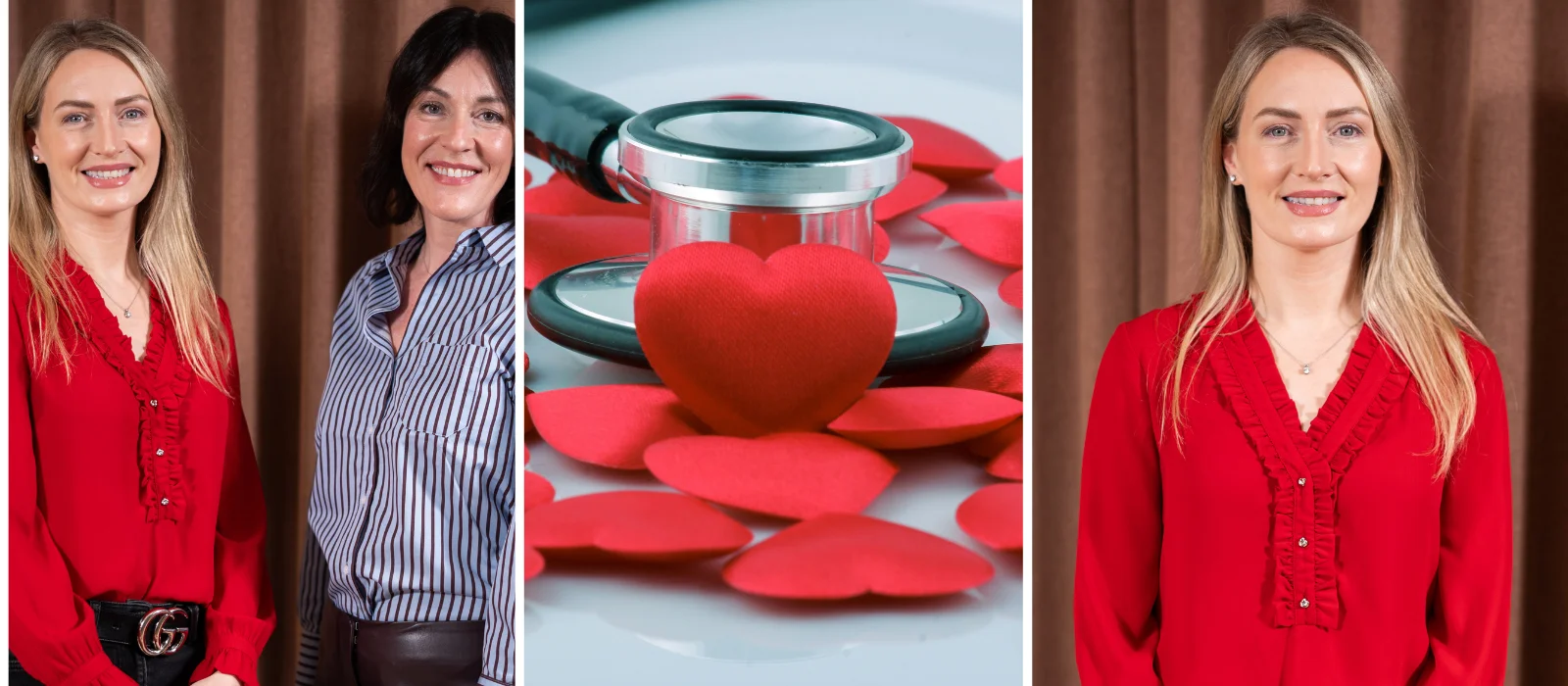
When it comes to heart health, most women are far better at minding everyone else than themselves. In a recent episode of IMAGE The Check-in focused on women’s heart health, consultant cardiologist Dr Róisín Colleran explains the five key numbers every woman should know and why we should stop accepting ‘fine’ as an answer when it comes to our hearts.
If a doctor texts to say your results are normal, that should be reassuring. But Dr Róisín Colleran says we shouldn’t feel the need to not ask for more information. “If you’re told it’s fine,” she says, “that raises alarm bells for me. Was it good? Or was it fine? Because ‘fine’ means, maybe we’ll ignore that and see what it’s like next time.”
It’s a small distinction that captures something much larger: The way women’s health can be managed at arm’s length, with just enough information to prevent worry, but perhaps not enough to actually empower you with a full picture.
Dr Colleran, a consultant cardiologist at the Mater Private Network and the driving force behind January’s Women’s Heart Summit, has made it her business to change that.
The numbers that matter
So what should women actually be tracking when it comes to heart health? To start, Dr Colleran recommends some specifics. “Know your blood pressure, your LDL, your HDL, and your HbA1c – your diabetes test, ” she tells Ellie Balfe on a recent episode of IMAGE The Check-in. ” She also mentions BMI, acknowledging it isn’t a perfect measure but describing it as “a good indicator in most of us.”
For blood pressure, she recommends buying a home monitor. “[It’s] brilliant if you buy your own monitor,” she says, adding that most pharmacies will also check it for free. The target to know: Below 140 over 90 and ideally below 130 over 80. “A lot of people are walking around with high blood pressure that don’t know about it,” she adds.
On cholesterol, her advice is to go further than waiting for a GP to flag a problem. “If your bloods are normal, actually ask, ‘would you mind sending me out the panel? What’s my LDL? What’s my HDL?'”
LDL is the cholesterol that deposits on arterial walls; HDL is, as she puts it, “the guy who likes to mop up after him.” You want more of the latter and less of the former, and in perimenopause, that balance can shift, often without any major signs of doing so.

Why perimenopause changes things
“Be aware that even though things might have looked great until a certain point, things can change over time,” Dr Colleran says, explaining that many women sail through their 30s with healthy numbers, then find things shifting in their 40s, often without realising why.
During menopause, LDL tends to rise while HDL falls. Blood pressure can increase as arteries stiffen. Body fat redistributes towards the centre, which is associated with higher cardiovascular risk. These changes happen gradually and silently. ”
Her recommendation is straightforward: From your early 40s, get your key numbers checked annually. “Particularly around perimenopause, these things start to change.”
Pregnancy as a warning signal
One area Dr Colleran feels doesn’t get enough attention is the link between pregnancy complications and future heart health. If you had gestational diabetes or high blood pressure during pregnancy, that information is still relevant today, even if the pregnancy was years ago.
“If you’ve had gestational diabetes, you’re more likely to have diabetes in the future,” she explains. “If you’ve had high blood pressure in pregnancy, you’re more likely to develop high blood pressure in the future.”
She stresses these are risk factors that need to be monitored going forward, and for many women, no one has ever connected those dots.
A lot of people are walking around with high blood pressure that don't know about it.
What to say at your next appointment
Dr Colleran is clear that advocacy matters and that it’s a skill worth practising. When you get your results, ask for the actual numbers, not a summary. Bring any readings you have from home. And if a symptom is being dismissed, push back. She’s particularly firm on exertional symptoms: discomfort that comes on during physical effort and eases with rest. “Symptoms brought on by that, and relief by rest, are red flags,” she says. That might be walking up a hill, doing the hoovering, or climbing stairs; it doesn’t need to happen in a gym to be significant.
“Women are not just little men,” she says. “We are very different, and we’re learning that more and more.” The research is catching up. So should we.
Know your numbers
Dr Colleran recommends that every woman know these core results and check them at least annually from her 40s:
- Blood pressure
- Aim: Below 140/90, ideally below 130/80
- LDL cholesterol (“bad” cholesterol)
- The type that deposits on artery walls
- HDL cholesterol (“good” cholesterol)
- The one that “mops up” cholesterol from arteries
- HbA1c (diabetes test)
- Shows your average blood sugar over the past few months
- BMI (Body Mass Index)
- Not perfect, but a useful indicator of overall risk in most people
Don’t accept “your bloods are fine” as the full story. Ask for the actual numbers.
To listen to Róisín’s full episode, click HERE.
We’re lifting the lid on women’s health: the real, the raw, the rarely spoken aloud. Our new podcast ‘IMAGE The Check-in’, hosted by Ellie Balfe, gets straight to the heart of what’s truly on women’s minds right now. We dive into monthly health themes with expert guests and honest voices.
Listen to IMAGE The Check-in HERE or wherever you get your podcasts.

To stay up to date on our latest expert-led articles, insights, podcast episodes and more, visit the IMAGE Women’s Health Clinic Hub.
Also Read