






Sponsored
The Health Diaries: What wearing the Samsung Galaxy Ring taught me about rest
Sponsored By

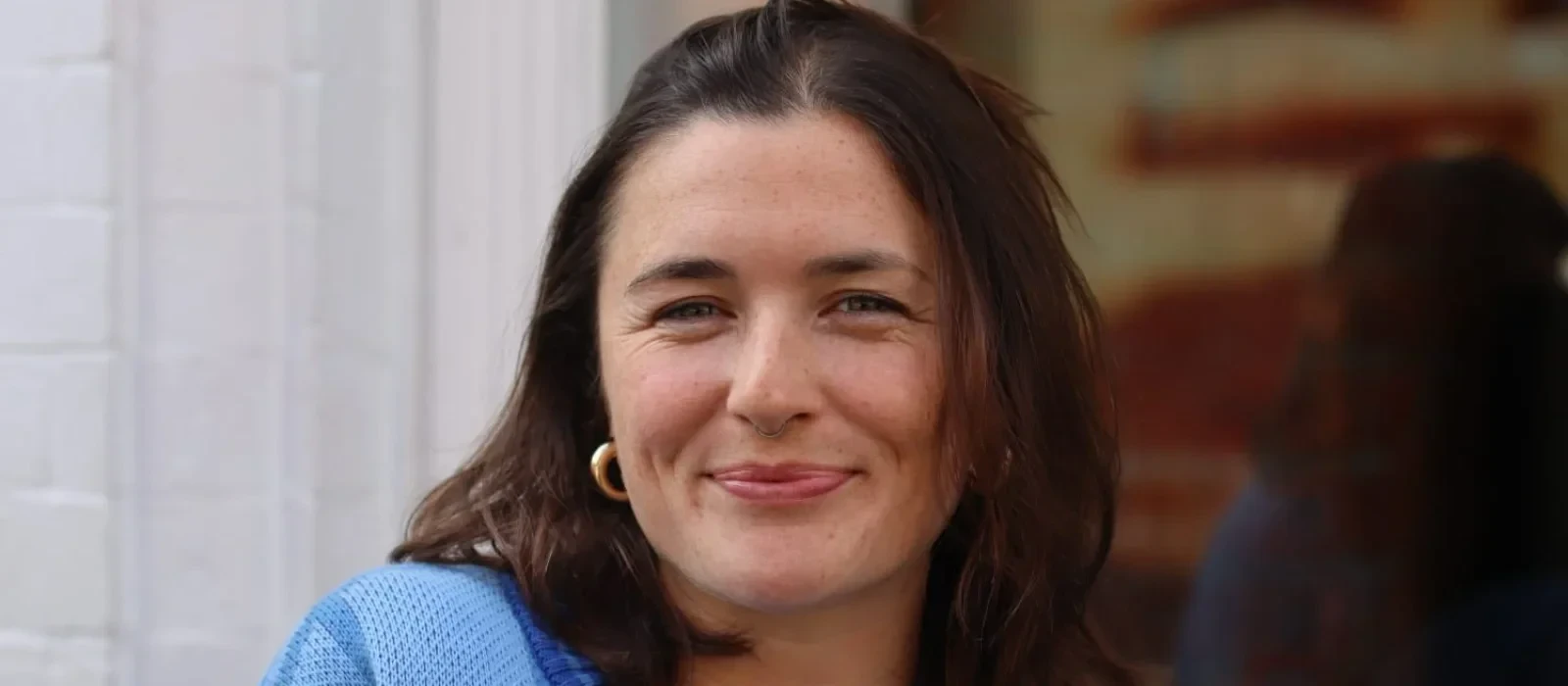
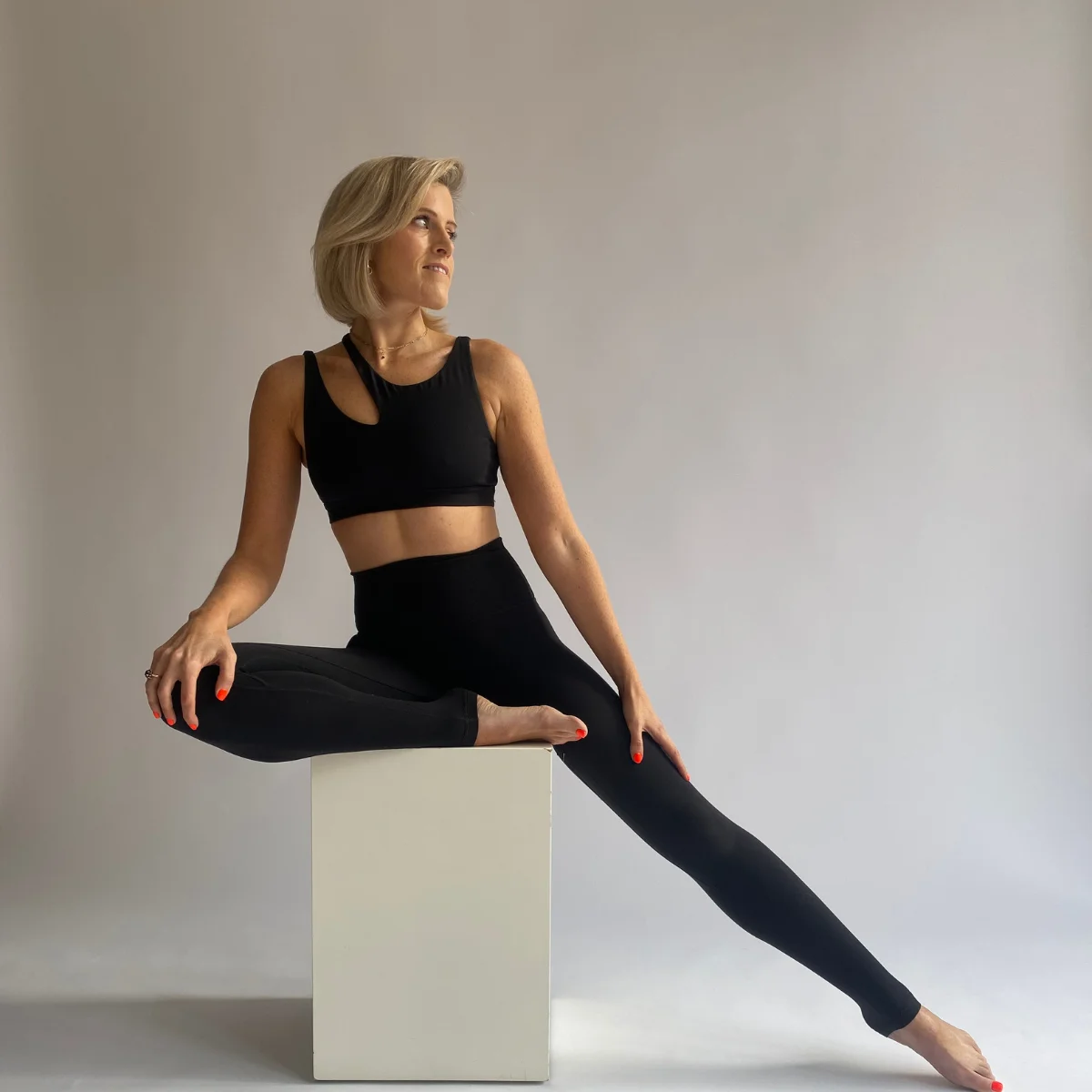
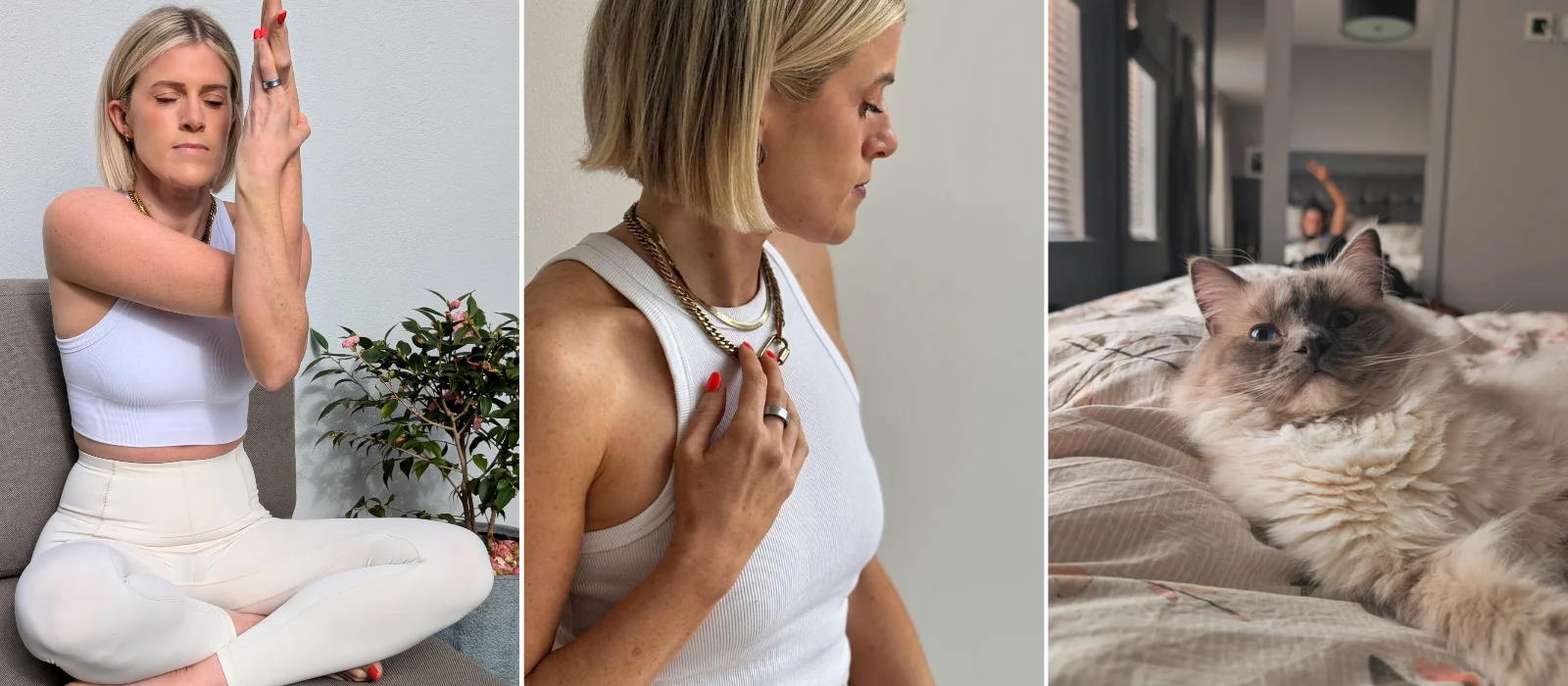
As a sound healer, Pilates instructor and wellness entrepreneur, Audrey O’Connor knows just how important a holistic approach to health is. That's why she's the perfect fit for our new Health Diaries series, where she'll be testing the Samsung Galaxy Ring for six weeks to see how it can support her overall wellness. First up, is building good sleep habits – these are the rituals that are helping (or hindering) her quest for a better night's rest.
I’m always interested in anything that helps me understand my body better, so I was curious to see what the Samsung Galaxy Ring would actually show me. I prefer a quiet, grounded type of wellness, the kind that’s more about paying attention than chasing trends, so something that could help me decode my own patterns felt useful rather than intrusive.
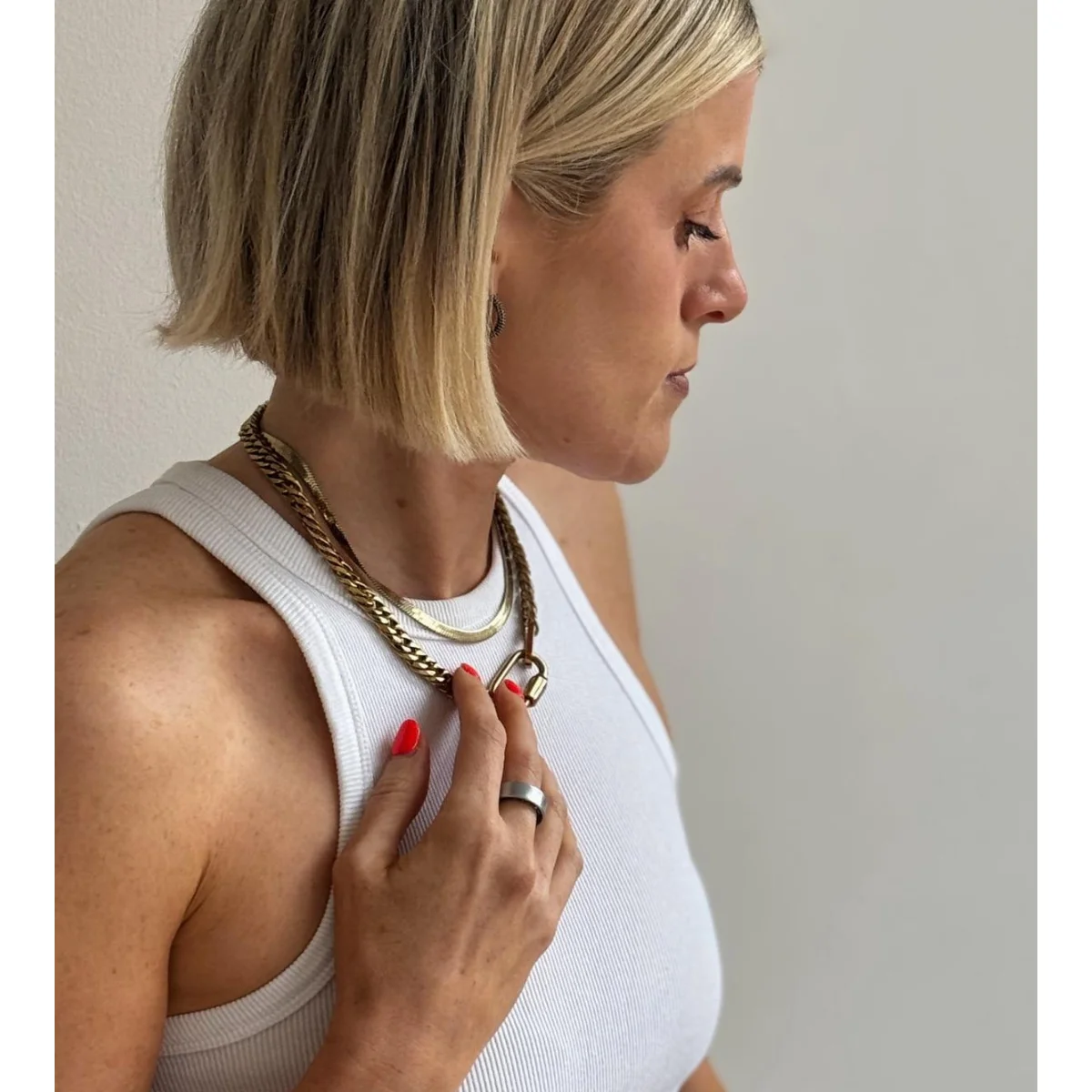
The ring is small and lightweight, tracking sleep, heart rate, movement and recovery. It’s the kind of thing you forget you’re wearing until it reflects something back you didn’t expect. For me, that was how many patterns I had been missing in my sleep and hormonal rhythms. It also tracks your cycle automatically, which makes those shifts easier to anticipate.
What struck me most was how much of this I wish I’d known in my 20s. Back then, I was having three coffees a day without thinking twice, staying up late watching Girls and SATC in bed, and scrolling with no boundaries around screen time. I assumed I could “catch up” on sleep at the weekend, not realising sleep debt doesn’t work like that.
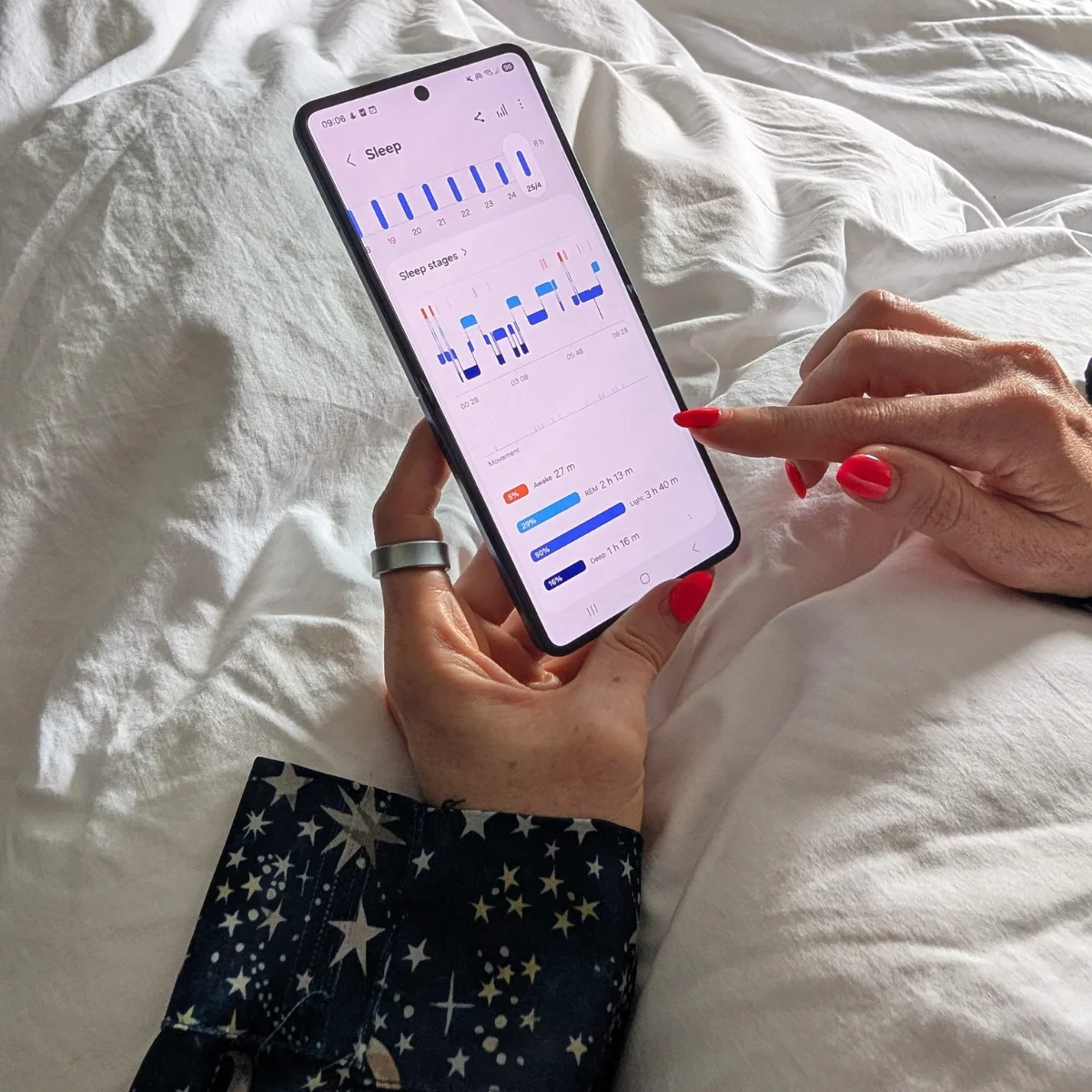
I had no language for sleep latency (how long it takes you to fall asleep) or sleep efficiency (the percentage of time you’re actually asleep). Now, in my 40s, I can see how sleep sets the tone for everything, my energy, my focus, my hormones, my skin and even how steady I feel moving through the day.
Across the last month, my sleep score averaged 85%. But the real insight was in the changes. About five days before my period, my score dropped to 75, and two things shifted:
- My sleep latency jumped from 3–5 minutes to 25–30 minutes.
- My sleep efficiency slipped 2 phases from “excellent” to “fair”.
I had been tossing and turning for years without ever connecting it to my cycle. Seeing the pattern made it obvious. It cleared so much of the confusion I used to feel around those “off” days.
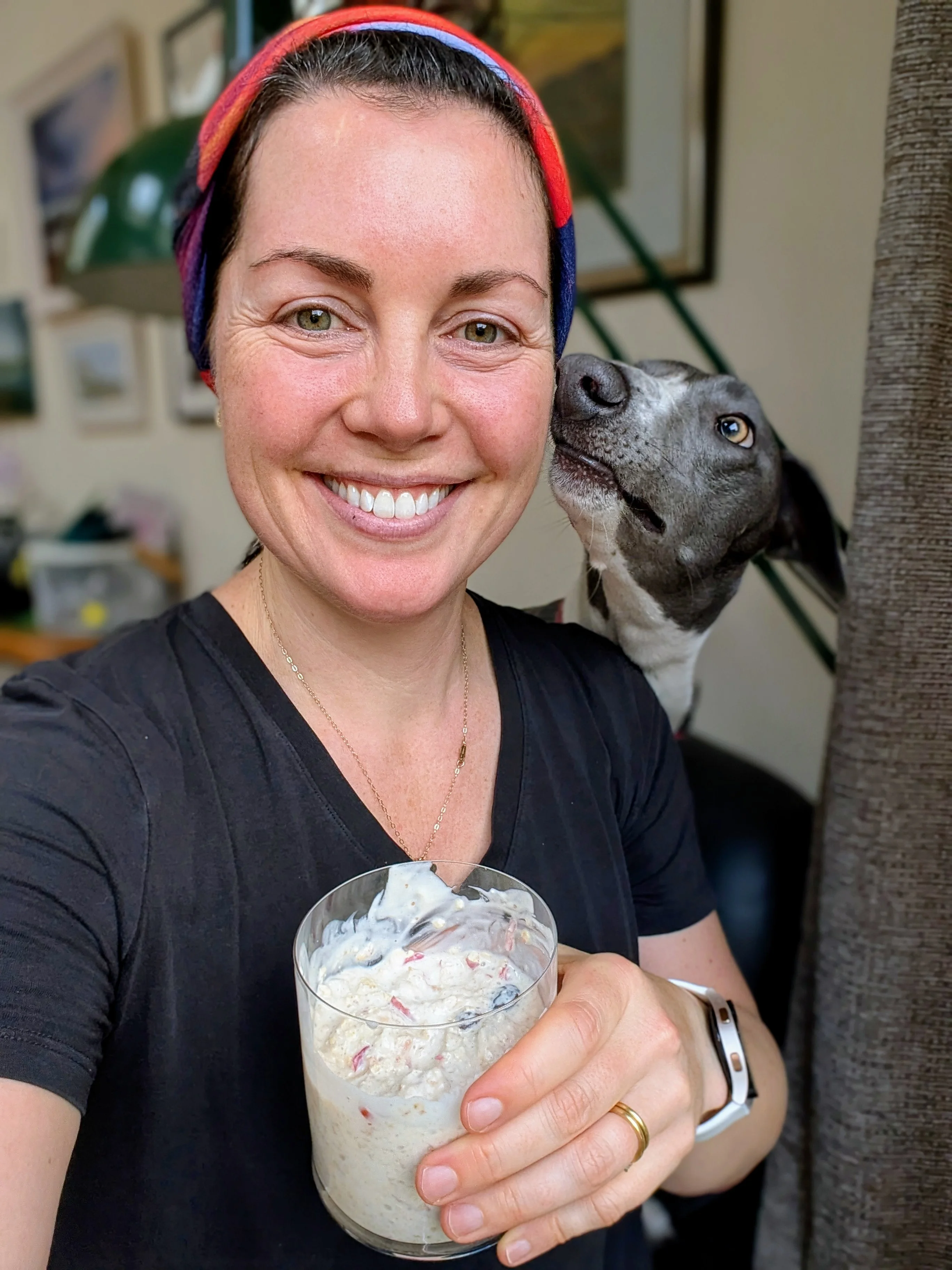
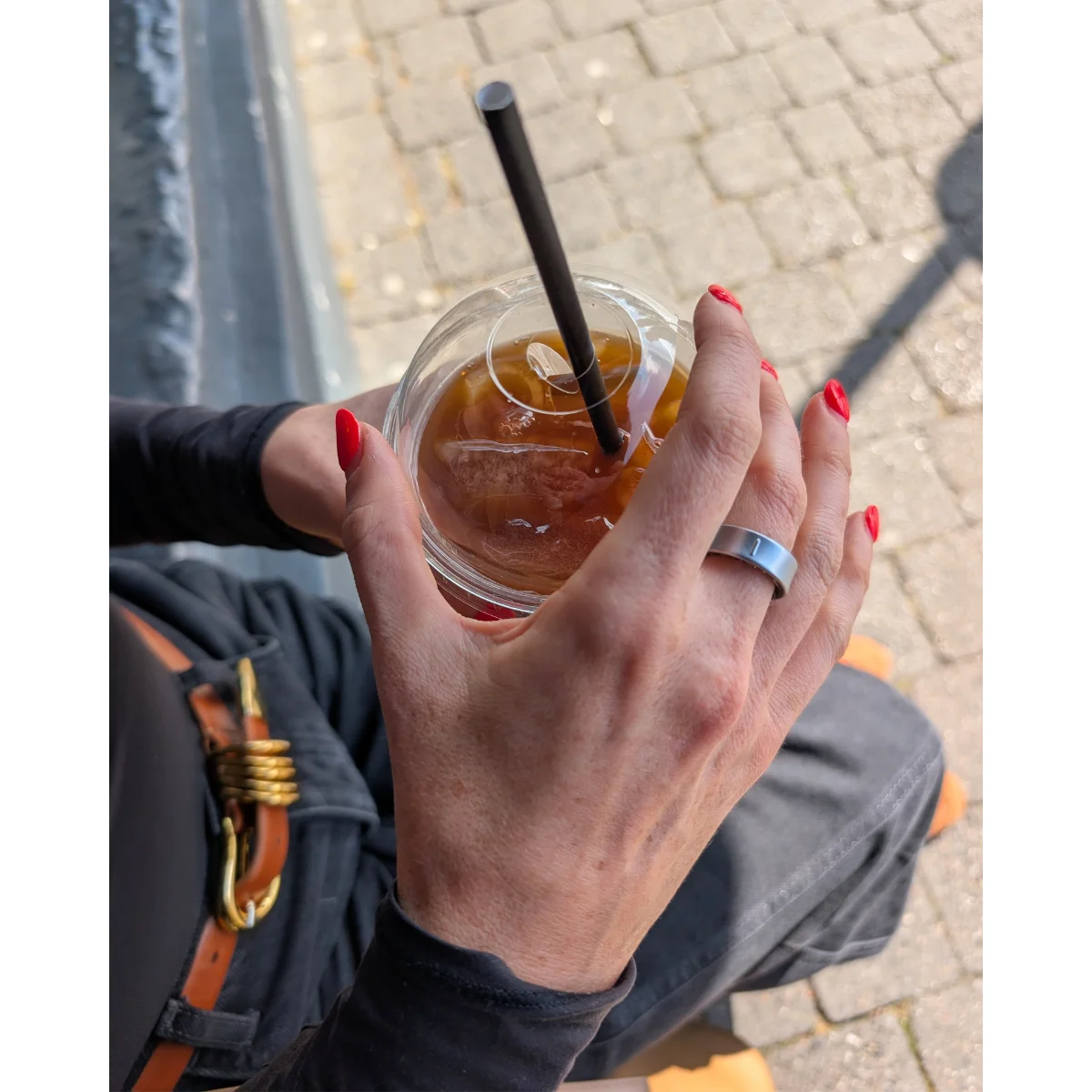
The ring also highlighted things I’d been half-noticing for ages. My 11am coffee, for example, switching it to an iced decaf improved my sleep score by 5% and steadied my energy. Does decaf taste as good? Absolutely not. But a night of deep, uninterrupted sleep feels better than any midday caffeine rush.
Evenings out were another insight. After events or gigs, my heart rate stayed higher for longer and my sleep latency crept up. I’ve learned I can’t just jump into bed after an evening out; I’m not wired that way and I can see it clearly in my scores. I need time to wind down; otherwise, my system stays switched on. The simplest thing that helped the most was on nights I had a warm shower or bath before bed – my sleep score jumped back into the early 90s.
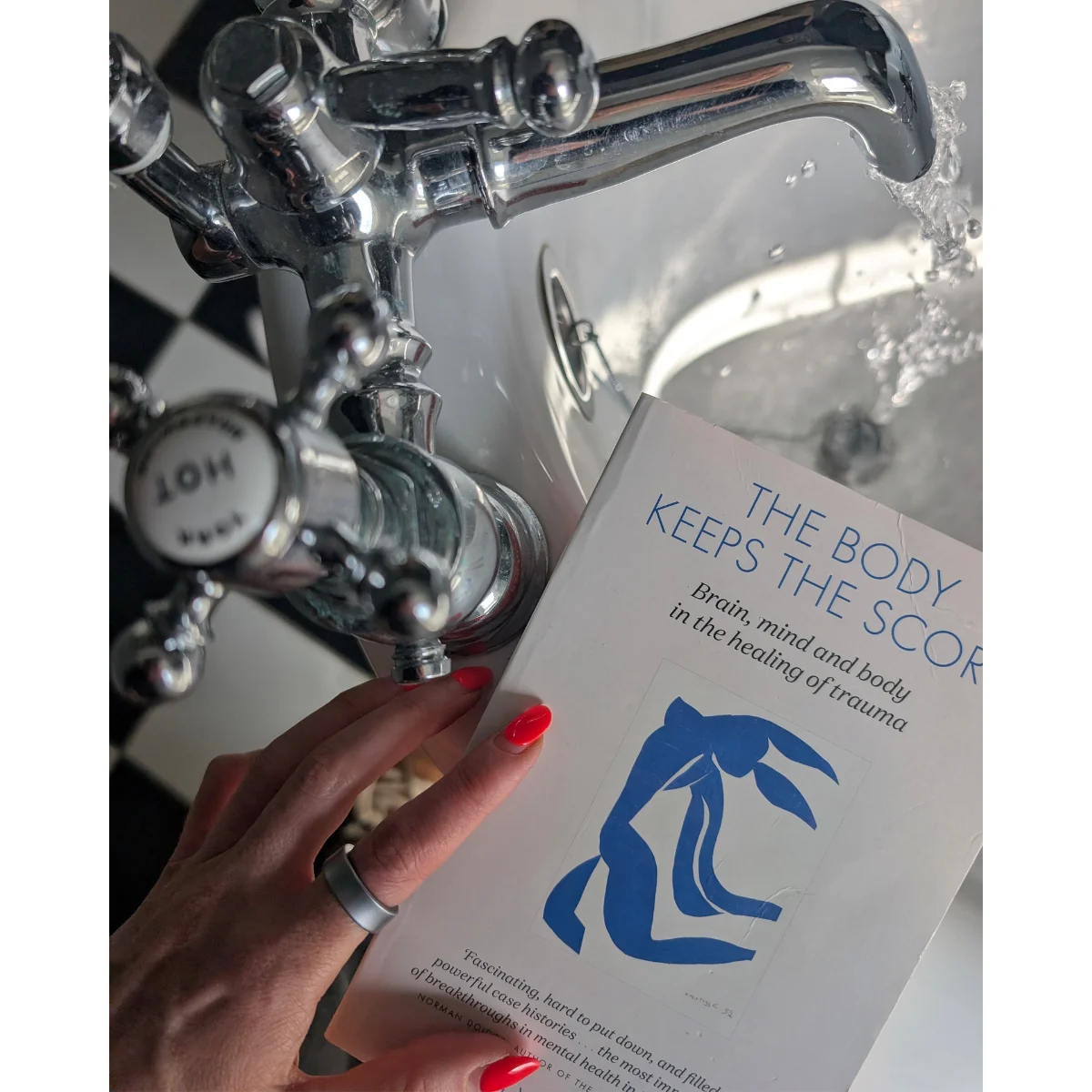
What surprised me was how much the ring reframed recovery. In the past, if I slept badly, I’d wake up annoyed at myself, already feeling behind before the day even started. Now, instead of spiralling into stress, the app nudges me toward recovery: a slower morning, a gentler pace, more hydration, less pressure. A “bad” night wasn’t a failure; it was just information, and realising that softened so much of the internal noise I didn’t even know I was carrying.
Even the tiny rituals made a difference. On the nights I did my breathwork or a gua sha lymphatic facial in bed, I could see the effect in the data the next morning: a lower resting heart rate, shorter sleep latency and deeper sleep.
What surprised me most was how small the shift needed to be. I didn’t have to overhaul my routine or become a different person; just giving myself five quiet minutes made a noticeable difference. It reminded me that regulation doesn’t always look dramatic. It was proof that coming back into my body works, not just in theory but physiologically. Those small, grounding moments weren’t indulgent; they were regulating.
I already avoid calls after 9pm and like a calm wind-down, but the ring made me even more intentional about protecting that space. Checking the stats in the morning felt less like data and more like, “Okay, that explains how I feel today.” Once I understood the patterns, it became easier to support myself instead of pushing through.
The shift wasn’t perfect sleep; it was finally understanding the patterns behind it and learning how to support myself instead of overriding my body, with the Samsung ring simply making those patterns easier to see.
With the Samsung Galaxy Ring, your everyday movements go much further. Using the power of Galaxy AI, you can improve by analysing your wellness habits, sleep quality and heart rate to build a comprehensive picture of your wellness. As part of our Health Diaries series, Audrey will be trialling the Samsung Galaxy Ring over the coming months and sharing her wellness journey on IMAGE.ie.
Also Read