
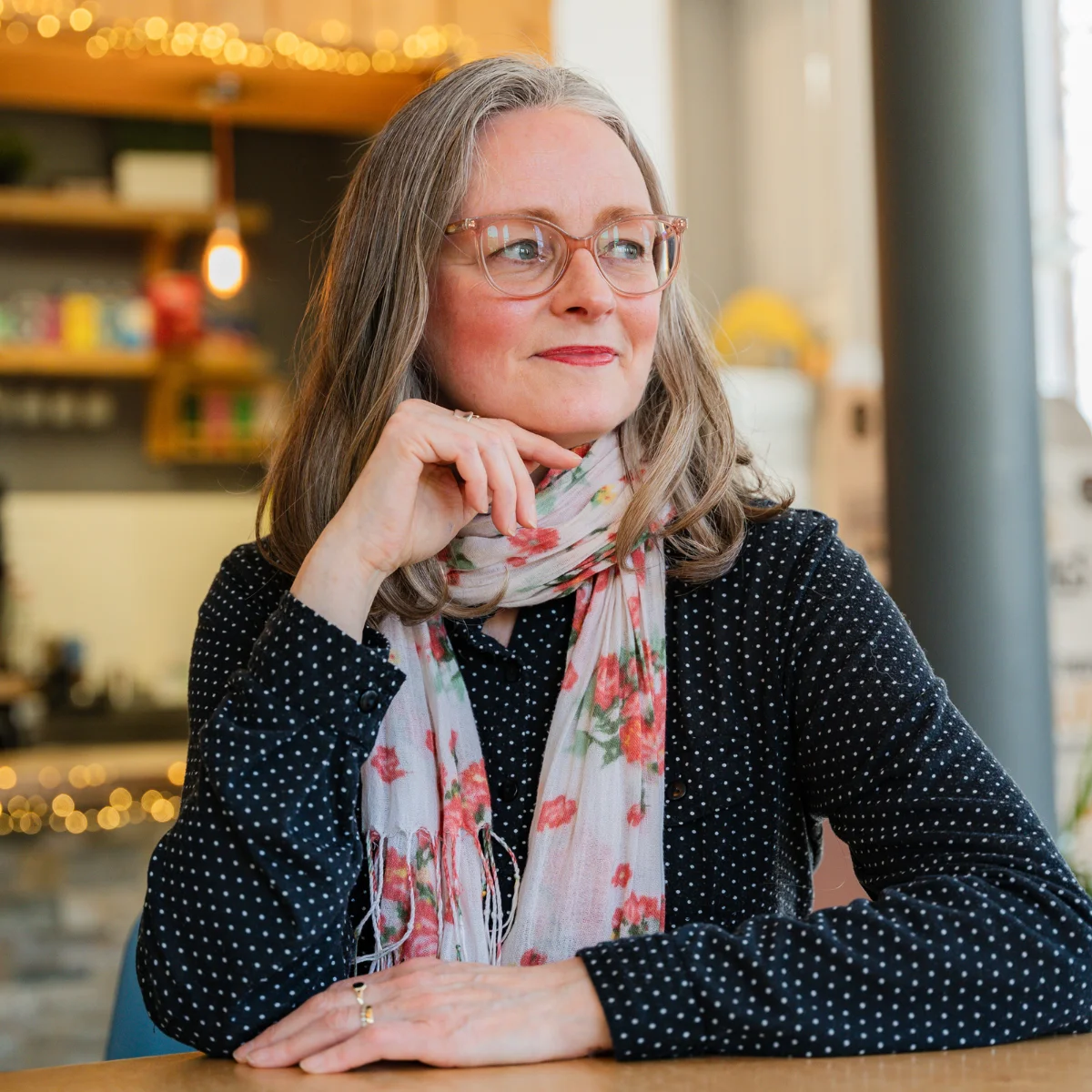
Page Turners: ‘One Year’ author Susan Bennett
A shocking double health diagnosis inspired Susan Bennett and her husband to follow their dreams, discovering life-changing lessons along the way. One Year is a true story of hope and healing.
Susan Bennett and her husband Chris are living normal, busy lives until their mid-thirties when a shock diagnosis of multiple sclerosis is delivered to both of them – in the same week, in the same hospital. This is one in a series of final straws that nudges them to follow their dream, simplify their lives, and take to the road for a year in their trusty camper van, Hans.
One Year charts their journey around western Europe and Scandinavia. Engine breakdowns, Spanish flu, French doctors and many hours spent getting lost – freedom does not come without its challenges. But slowly the fog of bereavement and burnout begins to lift as they determine to carry on regardless; the unknown road reveals unexpected life lessons such as how to recover a sense of awe and look up at big skies, how to stop and breathe, and how to find the courage to live life to the beat of your own drum. One Year is a life-affirming true story of stopping in order to start again and an inspirational memoir about rediscovering a capacity for joy and hope in the most difficult of circumstances.
Did you always want to be a writer?
For as long as I can remember, I’ve always wanted to write. I have a strong memory of stapling scrap pieces of paper together so that I could create my very own handwritten ‘book’ when I was about five or six – a special first edition that was duly handed out to family members. This certainty of what I wanted to do with my life was always in the background, even as ‘normal’ jobs and real life took over (as they tend to do). I wrote on days off and on weekends, slowly learning how to put my writing out there, sending it to potential agents and publishers, and therefore how to build resilience from all the rejection letters and emails. Eventually, I found my agent by submitting a couple of ideas that seemed to hit the mark and she soon became the perfect champion for my work, securing a publishing deal for the memoir we both believed in. It’s been a long journey of many years to get to this point and needless to say, I’m delighted and grateful to be able to see my name on the cover of a book.
What inspired you to start writing?
I always wonder if it was something that I simply couldn’t avoid, as if the need to create words on a page is part of who I am. I needed to sit down and start writing because I knew I owed it to my younger self and indeed to my older self. I would read gorgeous books of all kinds and feel the familiar nudge to pick up a pen. Imagine being able to create a whole world full of characters and places and scenes, then put them on a page for others to enjoy, I’d tell myself as I sat at my kitchen table or on a park bench.
I tried all sorts of writing, including short stories, historical fiction and even poetry (which almost ended my writerly ambition, they were not good poems). But it wasn’t until the last couple of years that I found my voice in flash fiction and then non-fiction. The words now flow much more easily but I know the other creations over the years (including the little stapled book from my childhood) had to take place to bring me to this point. Finding your voice as a writer can be a long process – you have to keep showing up, getting it wrong and then trying again. There’s nothing like it when the words fly faster than you can write them. It’s like magic.
Tell us about your new book. Where did the idea come from?
Following serious health issues alongside bereavement and burnout, my husband and I decided to fulfil a lifelong dream and jump in a campervan to run off travelling for a year. The time out became a place of learning and renewal in ways I could never have imagined and on the return, I put pen to paper to see if the story might flow. That piece of writing turned into a memoir with travel snippets and philosophical meanderings and it snared my agent. I still can’t believe I managed to step off the treadmill and run away for a whole year, never mind write a whole book about it.
What do you hope this book instils in the reader?
Great question! I hope One Year allows the reader to take deep breaths and slow down, noticing things that usually pass us by in our busy lives – nature is the ultimate healer. I hope it instils a sense of belonging and knowing they’re not alone – whether they’ve experienced illness or grief or burnout or loss of faith. I’d also love it if the reader felt inspired to follow their dream (whatever that might be), even if it’s scary.
What did you learn when writing this book?
Oh, a lot of things… I learned that the first draft (no matter how long and painful the process) is only the beginning. Edits and redrafts and many, many moments of self-doubt are all part of the journey towards the shining moment when a fully completed book is in your hands. I learned that I need to trust industry professionals such as agents and editors with my writing – take those tracked comments on Word documents and run with them! Having said that, I also know how to hold my ground if there is a particular word or phrase that I don’t want to lose. Teamwork is probably the big lesson here. Producing a book is the result of many people’s hard work.
Tell us about your writing process.
Like most creatives, I have a part-time job alongside my passion, so I try to focus on writing during evenings or weekends. Life does tend to get in the way, of course, with chores, laundry, family, friends –all those things that make up a life. But if I can set aside a specific time in a specific place, I can find that the words start to flow again. I have a little shed out the back that has been transformed into ‘shedwriting’ where I connect with readers and supporters through blogs and newsletters. This space is decorated with favourite books and knick-knacks and has a view of our cute courtyard garden filled with wildlife, and flowers that change with the seasons, so it’s the perfect place to zone in and focus on writing projects. I should also mention my two emotional support cats, Hugo and Penny, who are mostly unhelpful but quite cuddly.
Where do you draw inspiration from?
I always feel inspired if I’ve been outside in nature, especially among trees and listening to birds. It’s as if my mind opens a little and allows the creative spark to light. Nature can teach us so much about resting in order to start again and about growth that can be hidden in the roots of our labour. I also draw inspiration from fellow Irish writers who hold onto their dark sense of humour throughout the ups and downs of the creative life.
What are your top three favourite books of all time, and why?
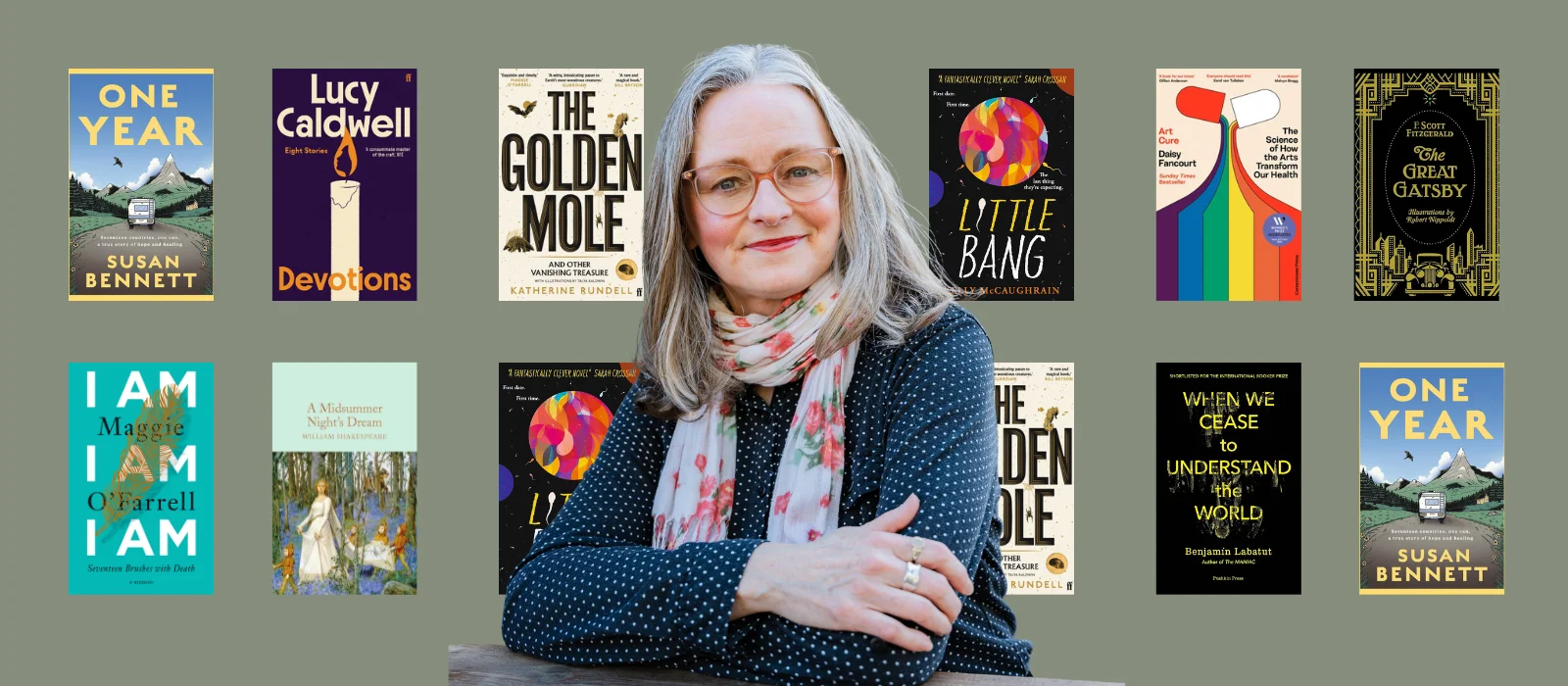
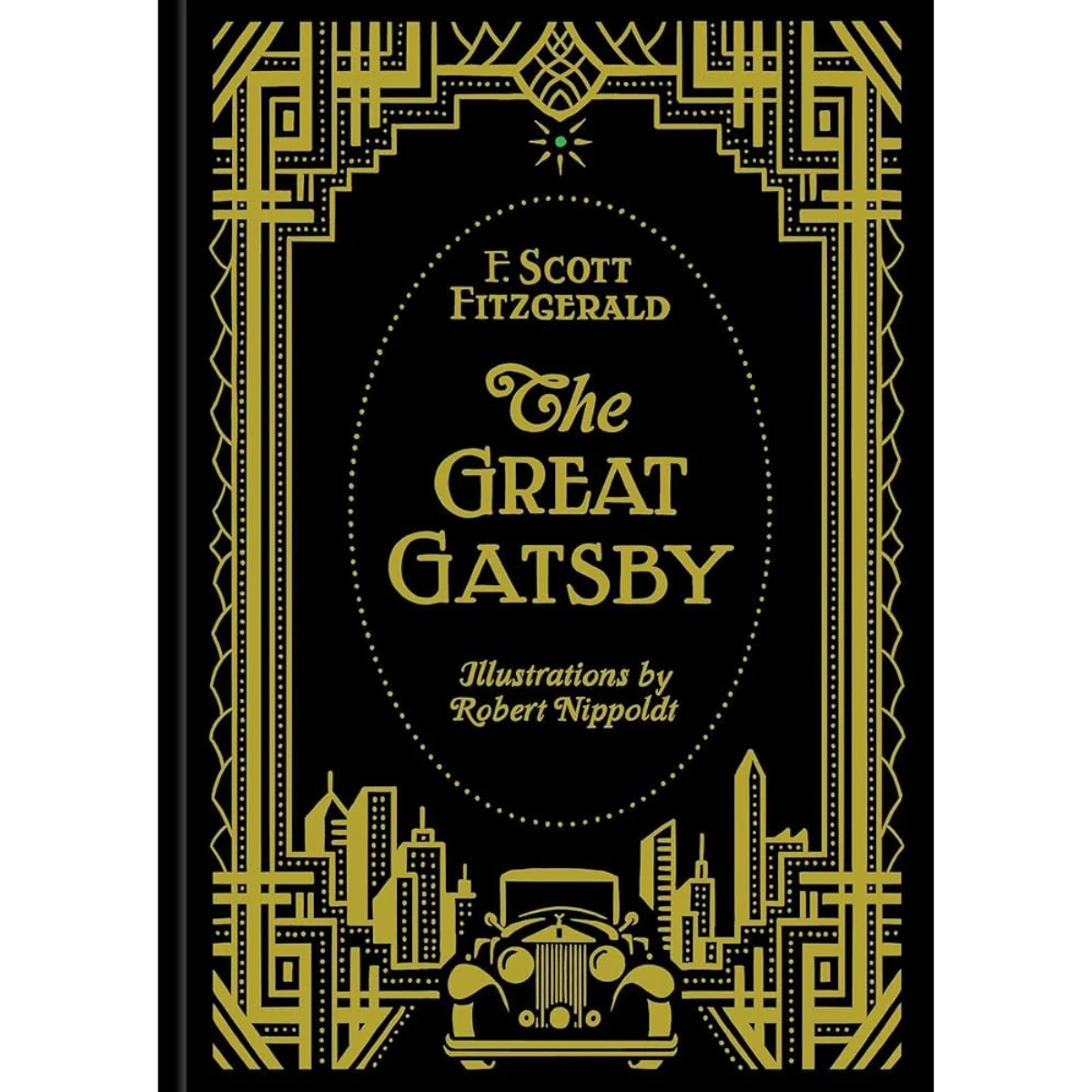
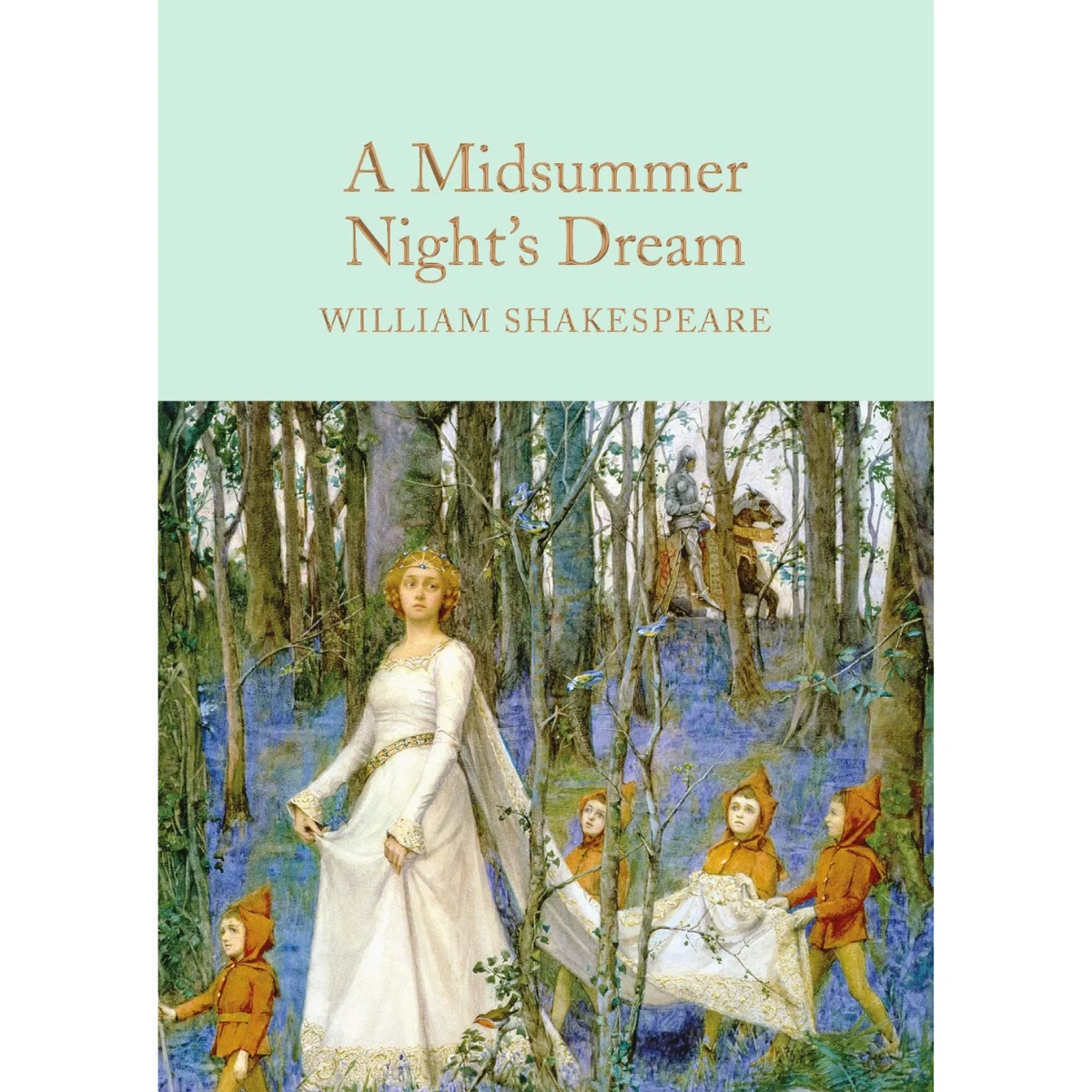
Apart from my number one all-time favourite, this is always so difficult to answer! The Great Gatsby by F. Scott Fitzgerald will always be number one. I have several different editions on my shelf and I read it at least once a year. It’s wonderful – the writing, the pacing, the characterisation, even the short length. Movie versions will come and go but nothing can take away from the text. Sheer perfection. Choosing another two is tricky but a few years ago, I read The Golden Mole by Katherine Rundell (Faber) and was immediately smitten. It’s a non-fiction book highlighting how astonishing the world really is, if only we look closely enough. I keep coming back to it when I need a little bit of awe in my life. For the final choice, can I have a play? A Midsummer Night’s Dream by Shakespeare will always have a special place in my heart. I saw a production of it in Belfast’s Grand Opera House as a young teen during a school outing and felt the world shift somehow. It’s my reason for loving all things literature and proof that words can change us and heal us.
Who are some of your favourite authors, Irish or otherwise?
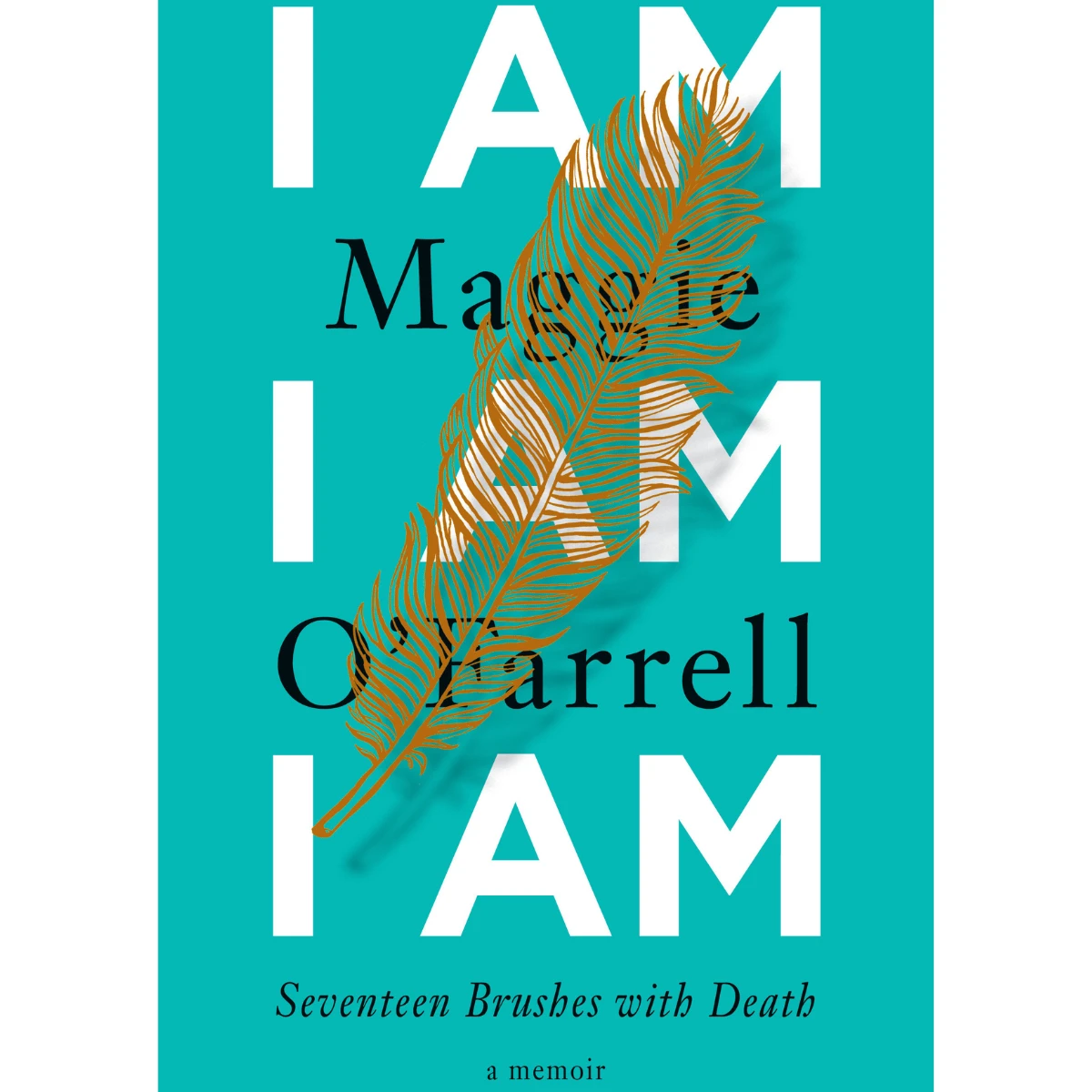
I’ve loved Maggie O’Farrell for the longest time and am so glad everyone is finally taking notice following the acclaim for Hamnet (Tinder Press). O’Farrell’s memoir I am, I am, I am (Tinder), is a perfect version of the genre and provided me with more than a touch of inspiration when it came to writing my own. Colm Toíbín can do no wrong; his prose is pure poetry (I met him last year at the Belfast Book Festival and got a bit overwhelmed). Any time I need a proper laugh alongside writerly admiration, I reach for my trusty copies of all the books by Bill Bryson. Priceless and peerless.
What are some upcoming book releases we should have on our radar?
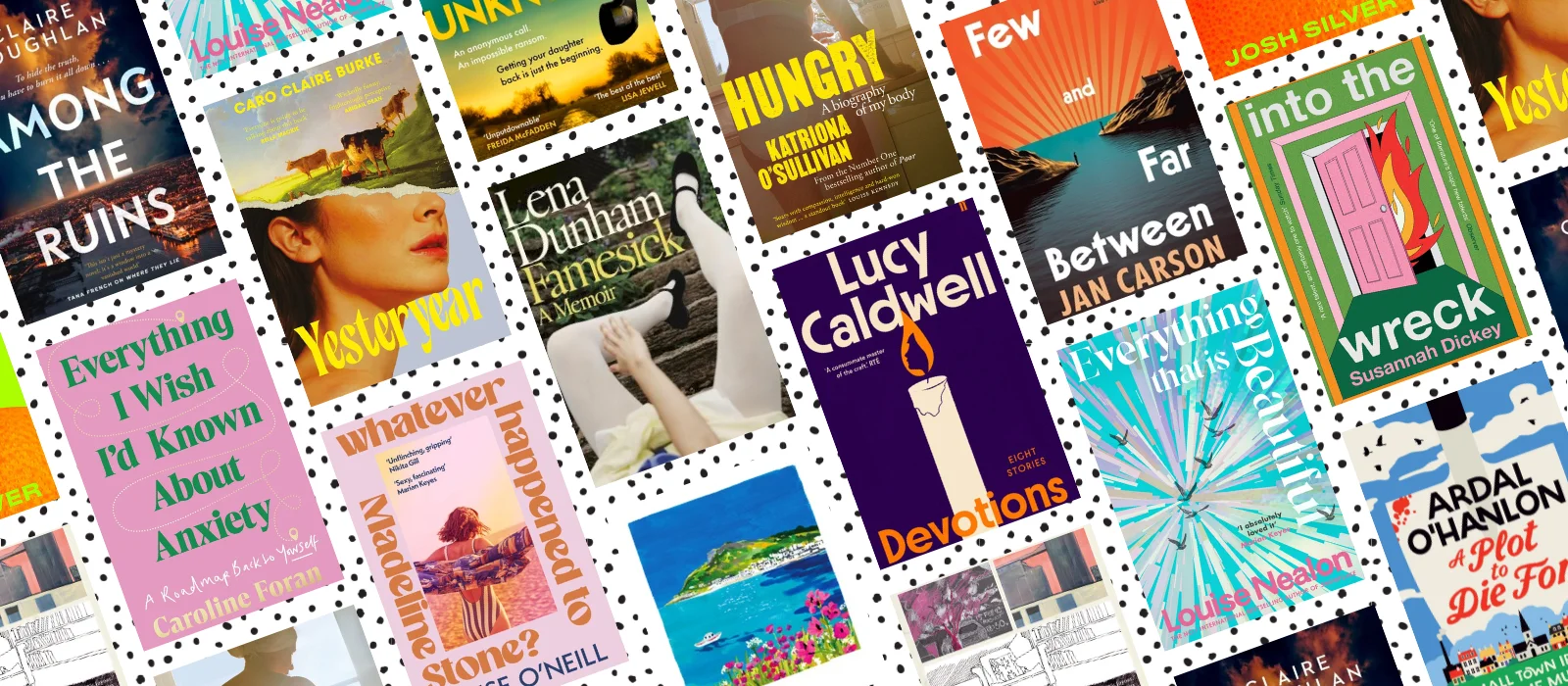
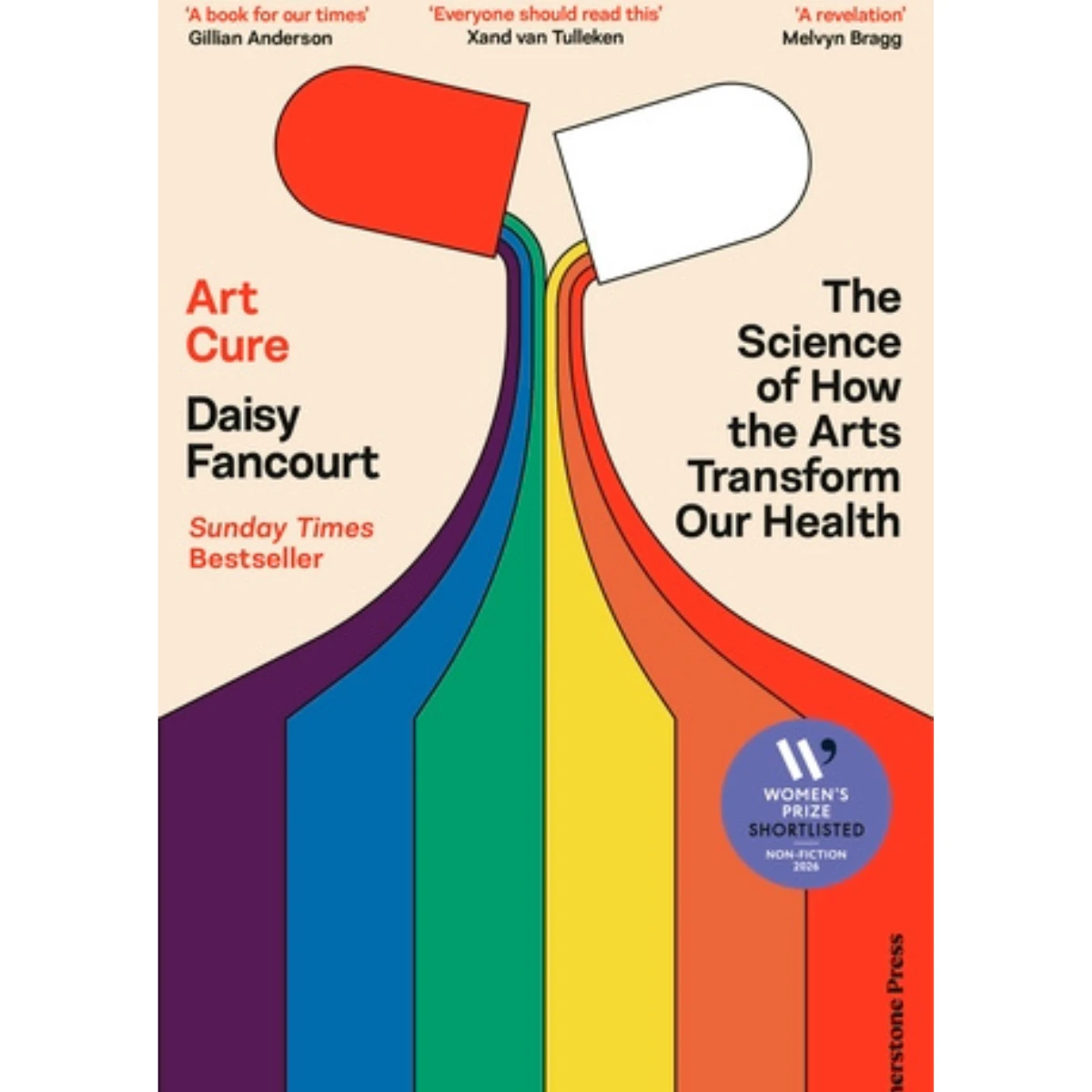
It would be remiss of me not to mention Maggie O’Farrell’s forthcoming Land– it looks so good, I can’t wait for my pre-order to arrive. I also spotted a review for Art Cure by Daisy Fancourt (Penguin, it’s on the Women’s Prize nonfiction shortlist) and am intrigued. I work part-time for an arts organisation and we’re always trying to tell the world that art is vital for our wellbeing. Lucy Caldwell has a new short story collection called Devotions (Faber), so I’ll definitely be reading them, truly a master of the form.
What book made you want to become a writer?
I know I sound like a broken record but it’s probably Gatsby! It was the first time I realised what writers can do and I wanted to try it too. Many different manuscripts followed over the years as I tried to find my voice and learn from others. But I would always fall back on that book to remind me how it’s done. I’ll never reach those heights but it’s a joy to try.
What’s one book you would add to the school curriculum?
I always feel sad when school pupils talk about being bored in English class or hating Shakespeare – so often it puts people off for life. There also seems to be a lack of YA books that deal specifically with themes and issues that young people face in their day-to-day lives. I’d love to add Little Bang by my writer friend Kelly McCaughrain (Walker Books) – a fantastic and brave book about teenage pregnancy set in Belfast. We need to talk about these things and fiction is the perfect way to begin those conversations.
What’s the best book you’ve read so far this year?
I can’t stop thinking about International Booker-shortlisted When We Cease to Understand the World (Pushkin) by Benjamín Labatut. It’s hard to describe, almost as if the author has created a whole new genre, a ‘nonfiction novel’ that dips into quantum mechanics, two world wars, stumbles across Einstein and Schrödinger and Heisenberg, all while leaving you on the edge of your seat. I bought it from a local indie bookshop in Belfast (the famous No Alibis) on the way home from work one day and started to read it on the train. I was so engrossed that I missed my stop. It’s simply a must-read.
What’s your favourite bookshop in Ireland?
I love No Alibis, and The Secret Bookshelf in Carrickfergus, which is just a few train stops away from my home and it’s very special. They support local authors so much with events and garden readings and are just a joy to be around.
What’s some advice you’ve got for other aspiring writers?
Keep showing up. Read as much as you can. Get used to rejection. Read some more.
Lastly, what do the acts of reading and writing mean to you?
Another great question! It’s no exaggeration to say that reading and writing make me feel human. I can’t imagine not having a book in my hand or a piece of writing on the go. I read to feel like I’m not alone. Sharing stories, often passed down centuries ago, connects me to humanity in deep and haunting ways. I work out who I am when I write. So that’s probably my answer – the acts of reading and writing are my place in this world.
One Year by Susan Bennett (Gill Books) is on sale now.
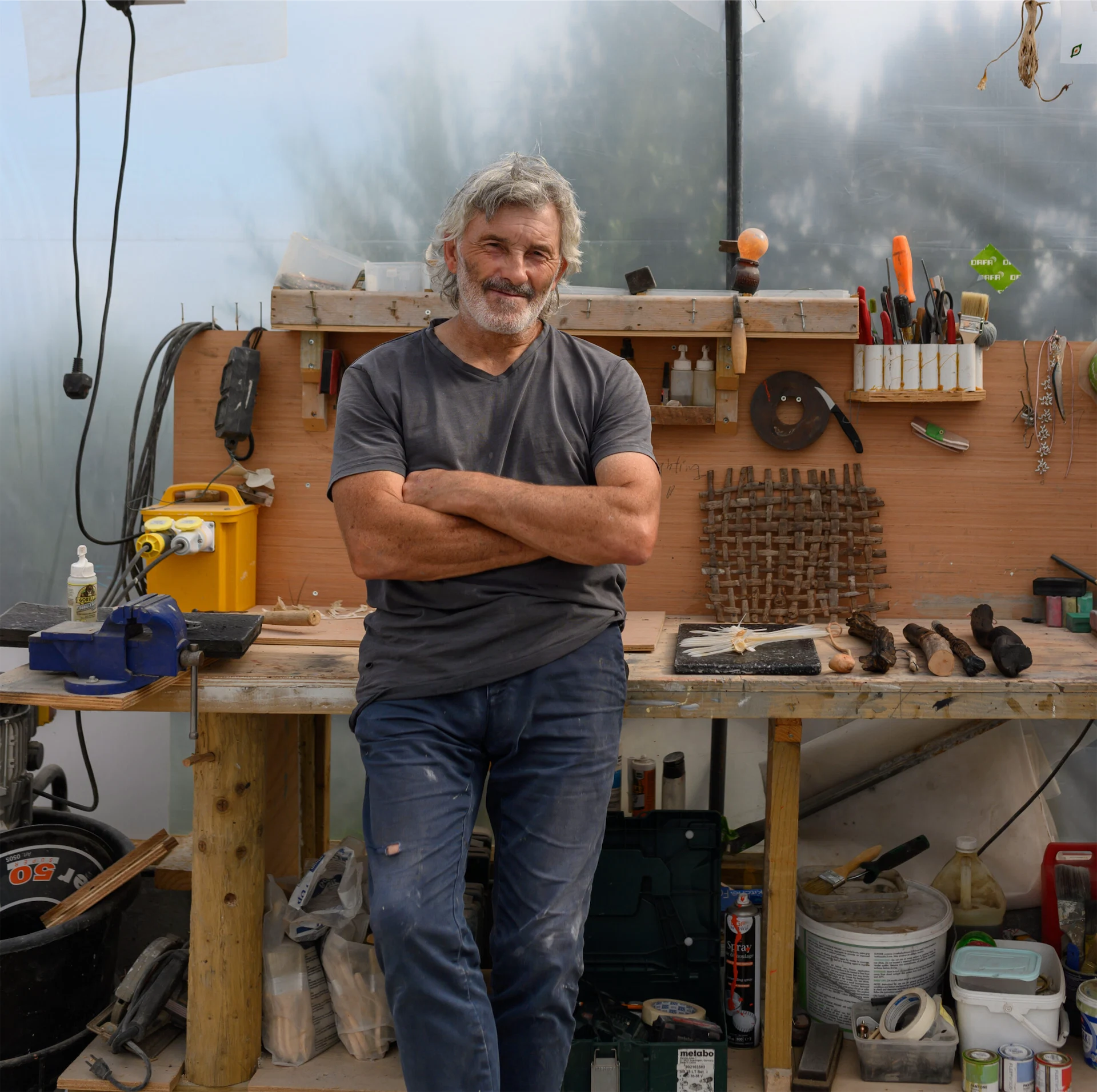
Photography by Collette O’Neill at Collette Creative.
Also Read