

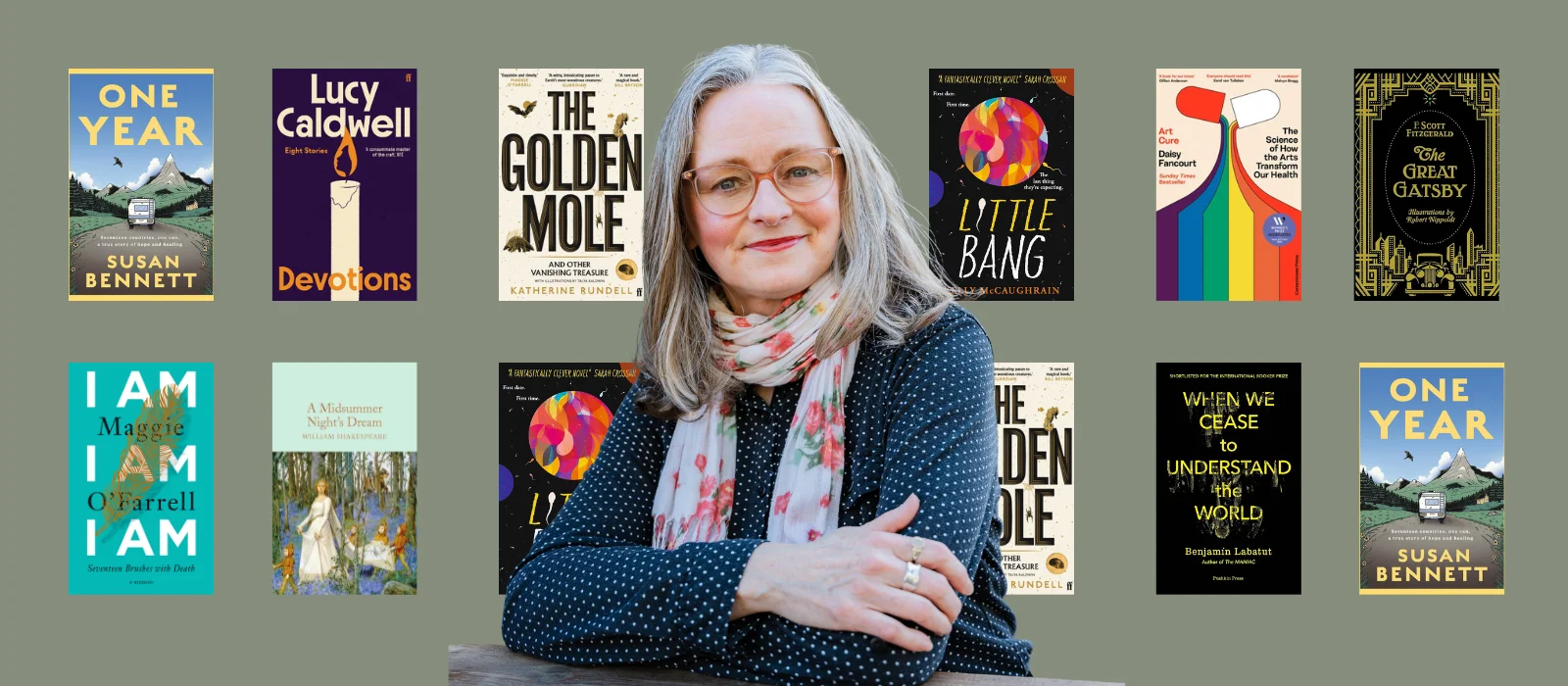
Debut novelist Emer Rohan always knew she was going to write a novel, it was just a question of when. Here, she reflects on her journey to becoming an author, the works that inspire her, and her writing process.
Kerry Langley never saw it coming.
Kerry has spent her life holding everyone else together. But when the best friend who ghosted her twenty years ago suddenly returns to destroy her business, the past threatens to pull everything apart.
Theo Langley must decide who to trust.
As his mother fights to protect livelihoods and legacies, teenager Theo is confronted by a stranger who shakes his world to its foundations and threatens the people he cares about most.
Lauren Bauer is keeping a secret.
Sixteen-year-old Lauren feels trapped in the claustrophobic seaside town of Saltreach. Longing for a fresh start, she sets a plan in motion – but its ripple effects could push both families to breaking point.
Amidst a maze of lies, loyalties, and hidden agendas, betrayal threatens to destroy everything Kerry, Theo, and the entire Saltreach community hold dear.
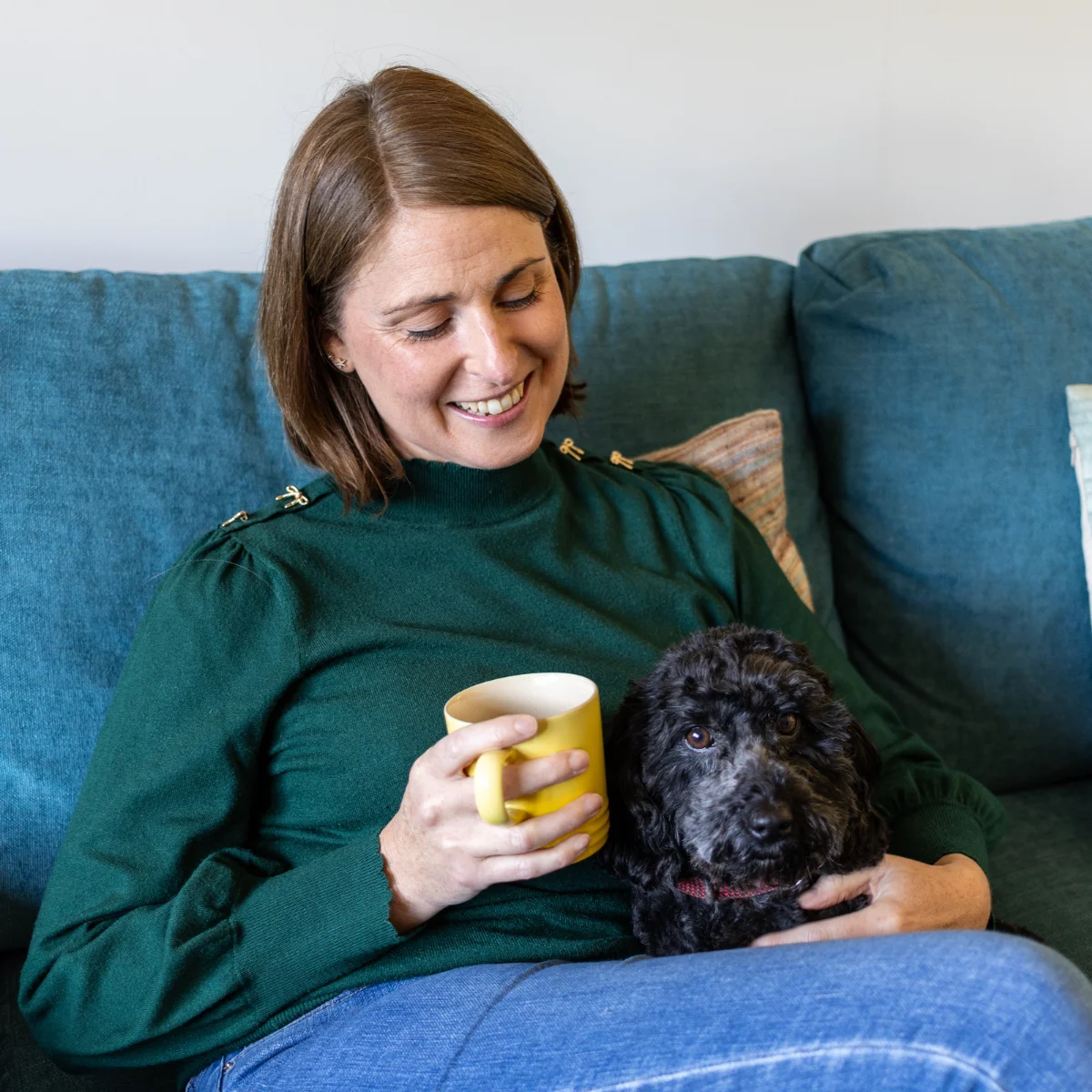
Did you always want to be a writer? Tell us about your journey to becoming a published author?
I began to take writing seriously in lockdown. I’d had several attempts before then, as a teenager and in my twenties, books that I didn’t finish because I didn’t feel mature enough to write with authority or because I hadn’t taken an English degree, or because I didn’t have enough confidence in my idea. But in my later thirties, working in various part-time jobs around minding my small children, I had an idea that wouldn’t go away. I did some research around how to plot a novel and got started.
As I wrote my first draft, I began learning. I watched YouTube videos, progressed to Masterclasses, and eventually found the confidence to take a course with Curtis Brown Creative, which led to my writing group – the most valuable asset for any writer. Years later, we remain friends and supporters and champions of each other.
From there, I took many more classes, attended lectures and tutorials and kept writing and rewriting. I received promising and encouraging feedback from a few agents on my first manuscript, but not enough to win representation. So I wrote a second book and, when I was ready to look for an agent again, I had the urge to take control myself. I hired an absolutely wonderful company called Author Elevator to manage everything from editing and proofreading, design and branding, marketing and operations, and together with them, I have produced a book I’m very proud of.
What inspired you to start writing?
My mum kept me in a steady supply of books as a child and took me regularly to the library to restock. She was the first person to read the first draft of my initial manuscript and remains my number one champion. I also had a very encouraging English teacher at secondary school. But I think, deep down, I always knew I would write a novel one day. It was only ever a question of when.
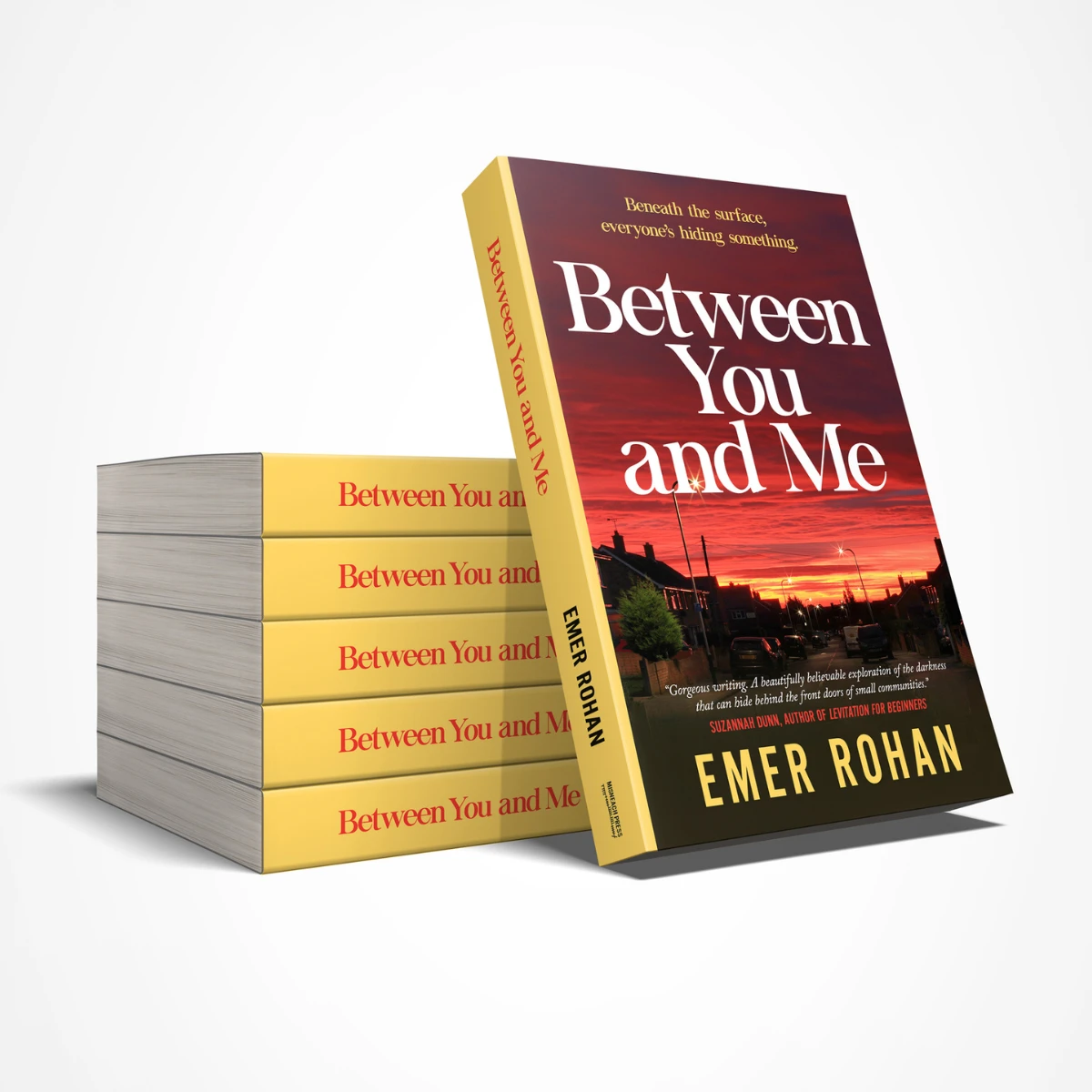
Tell us about your newly released book, Between You and Me. Where did the idea come from?
About ten years ago, a friend told me a story about her niece, who was only about twelve at the time, but had been drawn into a dark conversation with a stranger online. Luckily, her dad realised what was happening and stepped in. And while we hear of news stories like this all the time, and we know, rationally, that it happens, this situation felt a little close to home and I couldn’t stop thinking about it. That became the kernel of fifteen-year-old Lauren’s storyline, and the rest of the story has been built around that.
What do you hope this book instils in the reader?
At its heart, Between You and Me is an acknowledgement of all the parents out there who are doing their best, trying to walk that fine line between protecting their children and enabling their independence, aware of their vulnerability yet allowing them to learn from their mistakes.
What did you learn when writing this book?
That it’s important to know where the heart of your book lies. The singular message or truth. Despite all the planning and plotting and research, that truth must still be there at the end.
Tell us about your writing process?
Late at night, after everyone else is asleep, is my favourite time to write. There are no distractions and no deadlines then, and I can write for as long as I want. I particularly like to work like this when I’m writing an early draft or anything new. Editing works better in the daytime.
But in general, my writing time fits inside the school run schedule, a window that also has to include my own marketing and writerly admin. On an ideal day, I walk the dog at nine, which gives me a chance to think over what I’m planning to write that day, where the story is going, etc, and I write from about half ten until half two. If there are too many other distractions or chores that need to take precedence, I take my laptop out to a coffee shop at the weekend and catch up.
Where do you draw inspiration from?
There’s inspiration everywhere. News stories in particular, the kind you desperately hope will have a hopeful ending. School gate gossip. Stories my children tell me about what they’ve seen online. The facial expressions, habits, tics and idioms of people I meet. A turn of phrase that makes me cock an ear. There’s inspiration absolutely everywhere.
What are your top three favourite books of all time, and why?
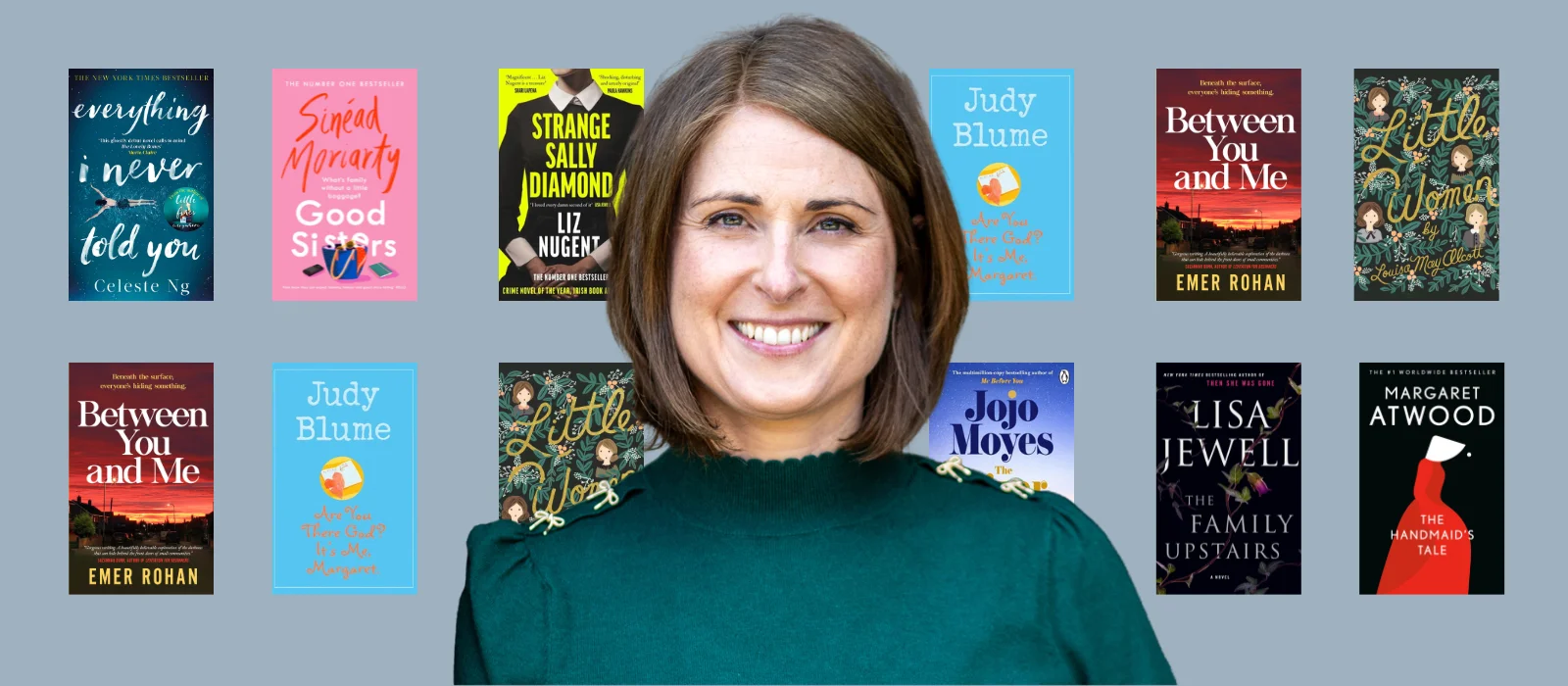
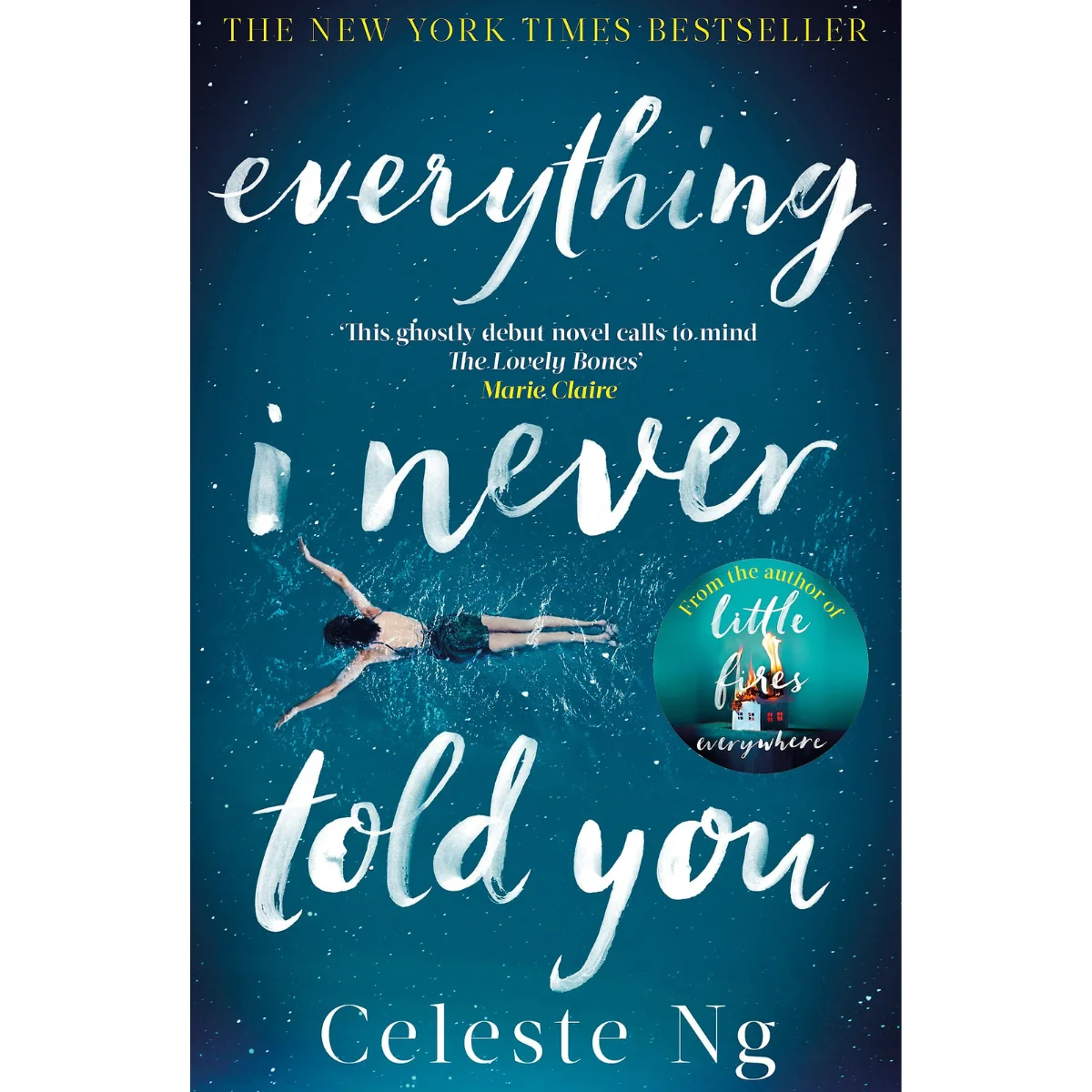
Everything I Never Told You, by Celeste Ng. Oh, the heartbreak in this story! A beautifully written family drama that delves into one family’s secrets, expectations and dysfunctional relationships.
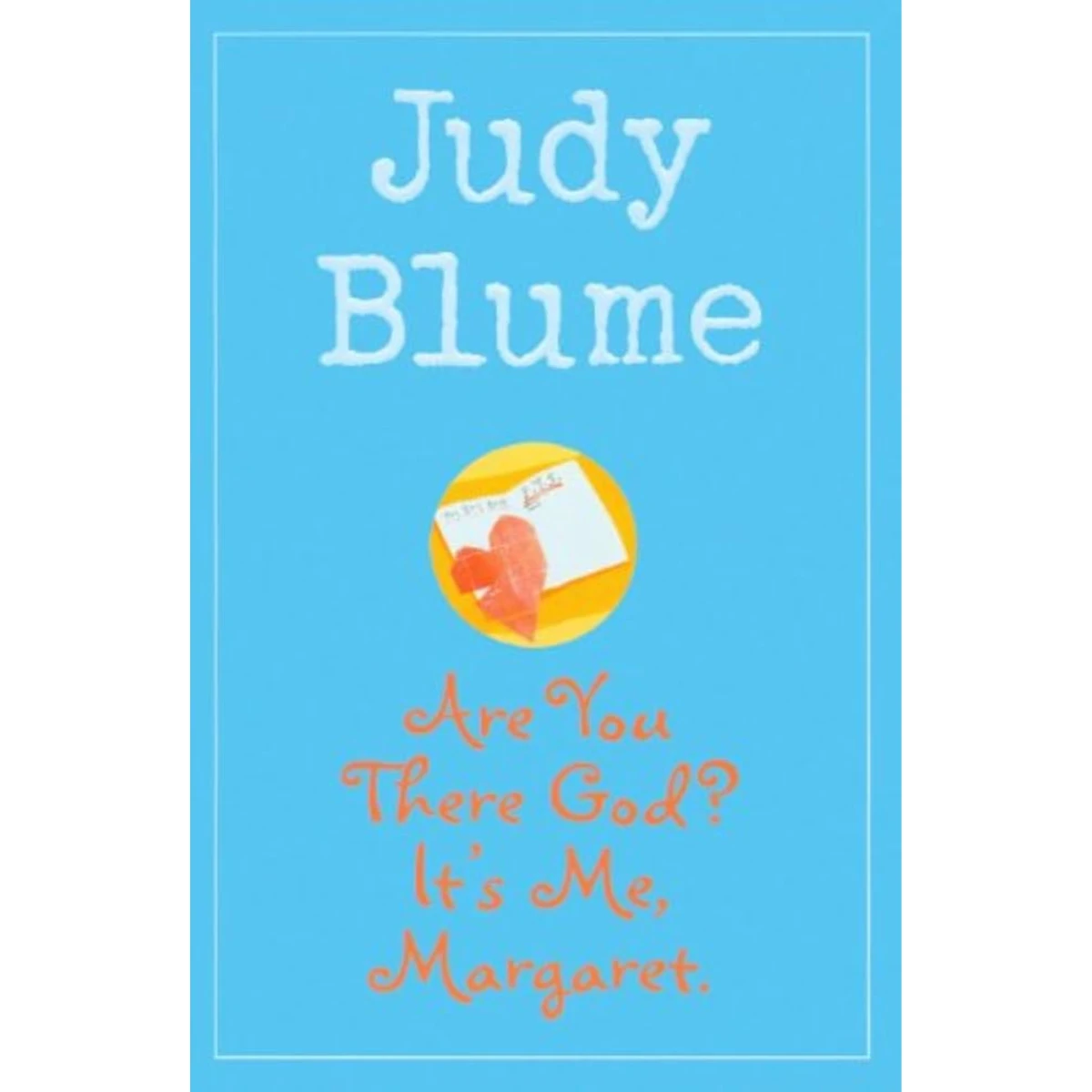
Are You There God? It’s Me, Margaret, by Judy Blume. I read this as a child and again to my children a few years ago, and I’ve watched the movie three times. The tender way Blume shows the world as navigated by a child is so beautifully done.
The Family Upstairs, by Lisa Jewell. This was my first Lisa Jewell book and since then I’ve read most of her entire backlist and keep her new releases on pre-order religiously. She is the thriller-master, and yet never sacrifices character for plot.
Who are some of your favourite authors, Irish or otherwise?
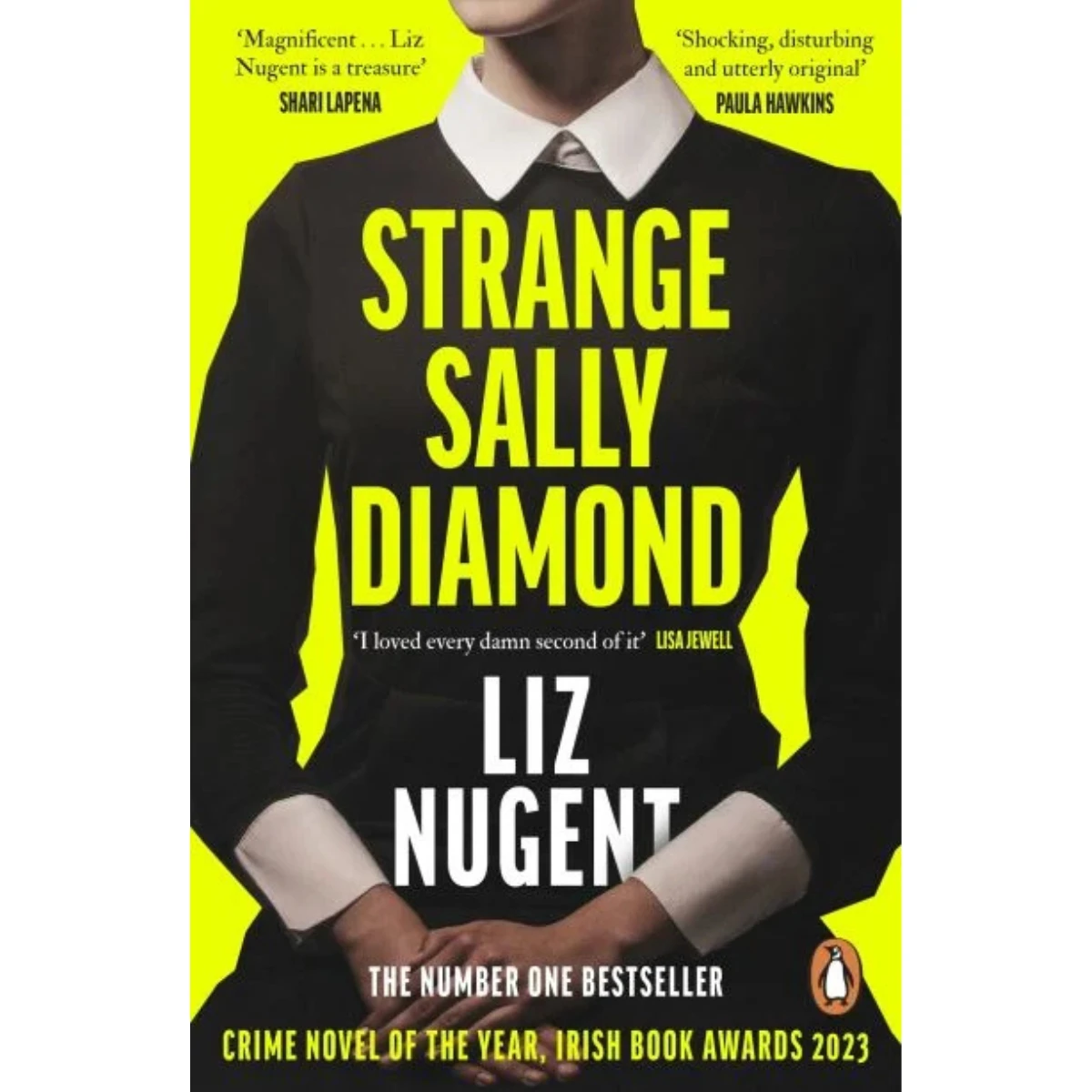
There are so many! Andrea Mara is another always-pre-order for me. It’s been fascinating watching her career take off, particularly with the TV adaptation of All Her Fault. I love her books. I also love Liz Nugent (Strange Sally Diamond), Sinead Moriarty (Good Sisters), and Clare Keegan.
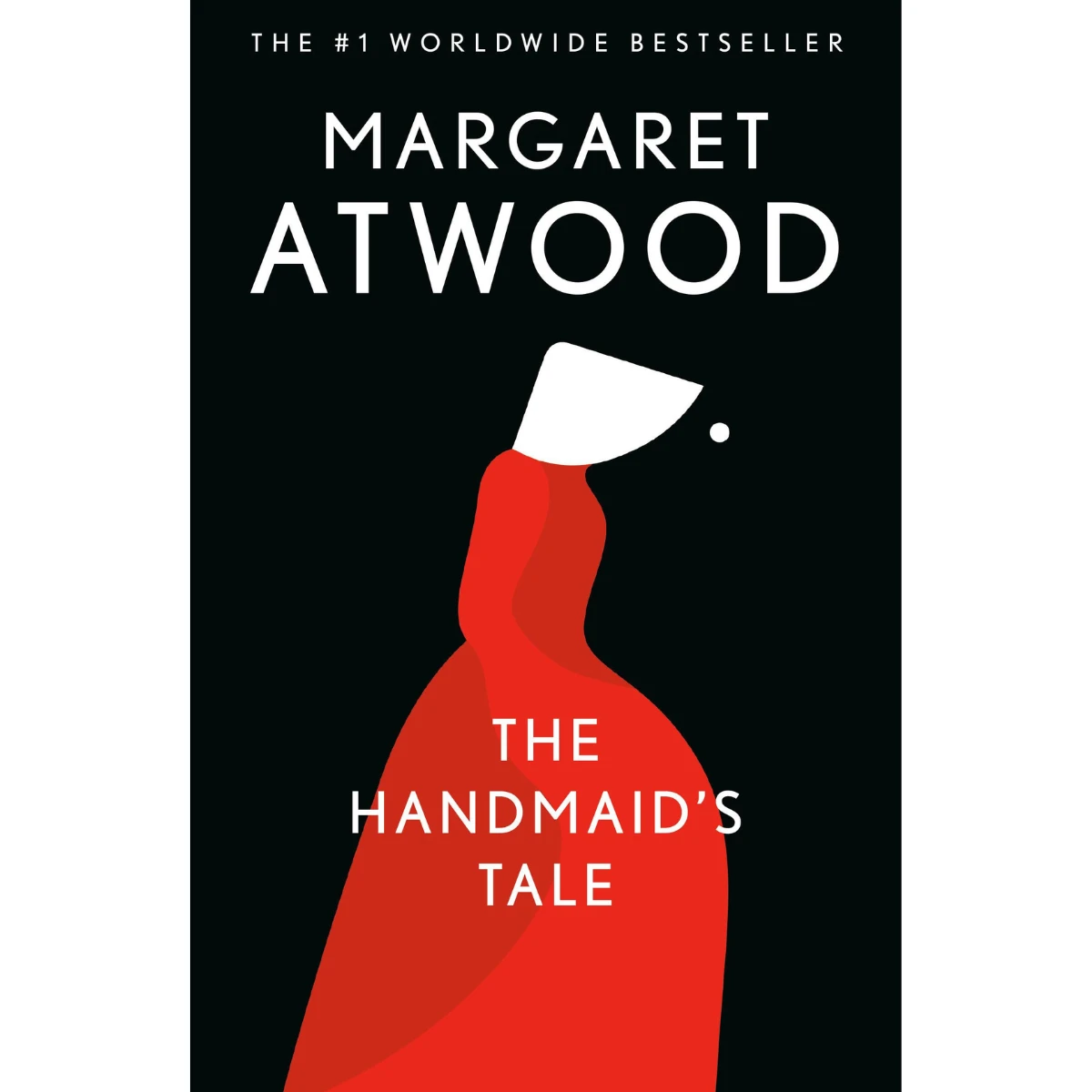
I also adore Jojo Moyes (The Giver of Stars), Margaret Atwood (The Handmaid’s Tale), Harriet Tyce (Blood Orange), Fredrick Backman (Beartown), Kristin Hannah (The Great Alone) and Gillian McAllister.
What are some upcoming book releases we should have on our radar?
Top of my list would be Lisa Jewell’s It Could have Been Her and Claire Douglas’s The Family Friend. Claire writes clever, twisty plotlines and I can never guess the endings!
What book made you want to become a writer?
Little Women, by Louise May Alcott. What aspiring writer hasn’t been influenced by the legendary Jo March?
What’s one book you would add to the school curriculum?
Anything by Judy Blume. She tackles universal issues for children in such a relatable and accessible way.
What’s the best book you’ve read so far this year?
Right now, I’m reading and loving psychological thriller Troublemaker by Lesley Kara, which is set in my local area and is keeping me up at night!
What’s your favourite bookshop in Ireland?
Easons, for sure. I used to adore the huge, grand buildings of the Dublin shops as a child, with floors and floors of books, huge window displays, endless stationery to choose from, and the fact that my mum used to let me spend as long as I liked in there.
Also Easons, as they were the first to offer to stock Between You and Me – they’ve made it really easy for me to supply books in all of their Wexford branches (Gorey, Enniscorthy and Wexford) and have even given me a window display.
What’s some advice you’ve got for other aspiring writers?
Don’t wait until you feel ready. Or until you’ve got hours of uninterrupted time. Or until you’ve got a tidy desk with a candle next to your laptop. I wish I had old diary entries or more teenage stories to look back on, to get into the mindset of my younger self. Write little by little, as often as possible, wherever you can, and before you know it, you’ll have something you’re proud of.
Lastly, what do the acts of reading and writing mean to you?
In a world where our attention is becoming more and more fragmented, it’s the complete absorption in the act of writing that I love. The pure focus. When it’s a good writing day (and not all of them are!), time can pass in a blur. Daily life means frequently shifting my attention to different things and the freedom to get lost in and consumed by writing feels like luxury.
Reading a paperback also feels indulgent in a way like nothing else. Whether it’s in the bath or in bed or on a train or in the kitchen while dinner is cooking, it’s still my favourite form of escapism. The potatoes are likely to boil over, but it’s totally worth it.
Also Read