


This Irish exhibition of band tees is a love letter to music, design, community and the younger self
A new exhibition launched on Valentine’s Day at the tiny Kiosk Project Arts Space in Drogheda, Co. Louth is a love letter to music, design, community and the younger self.
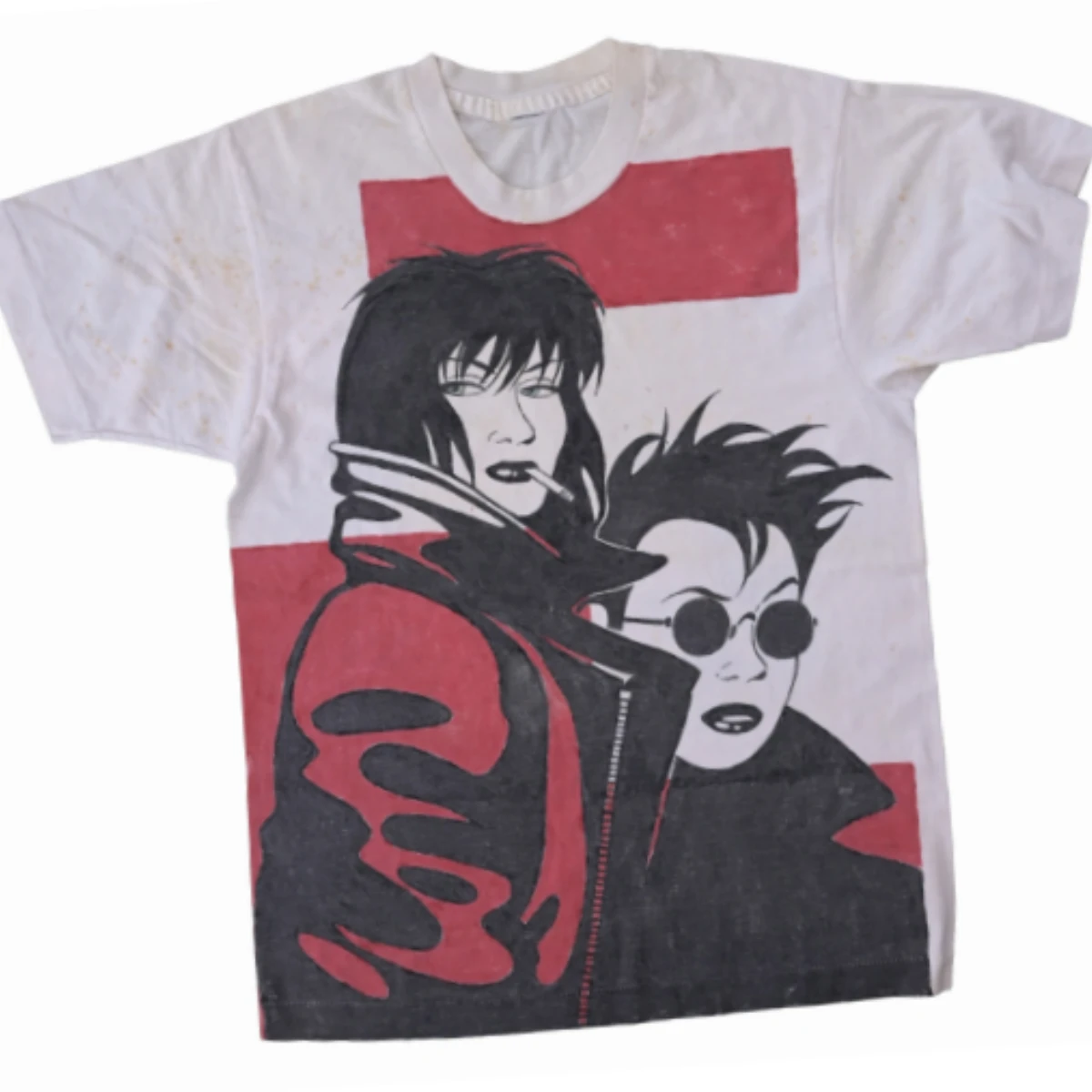
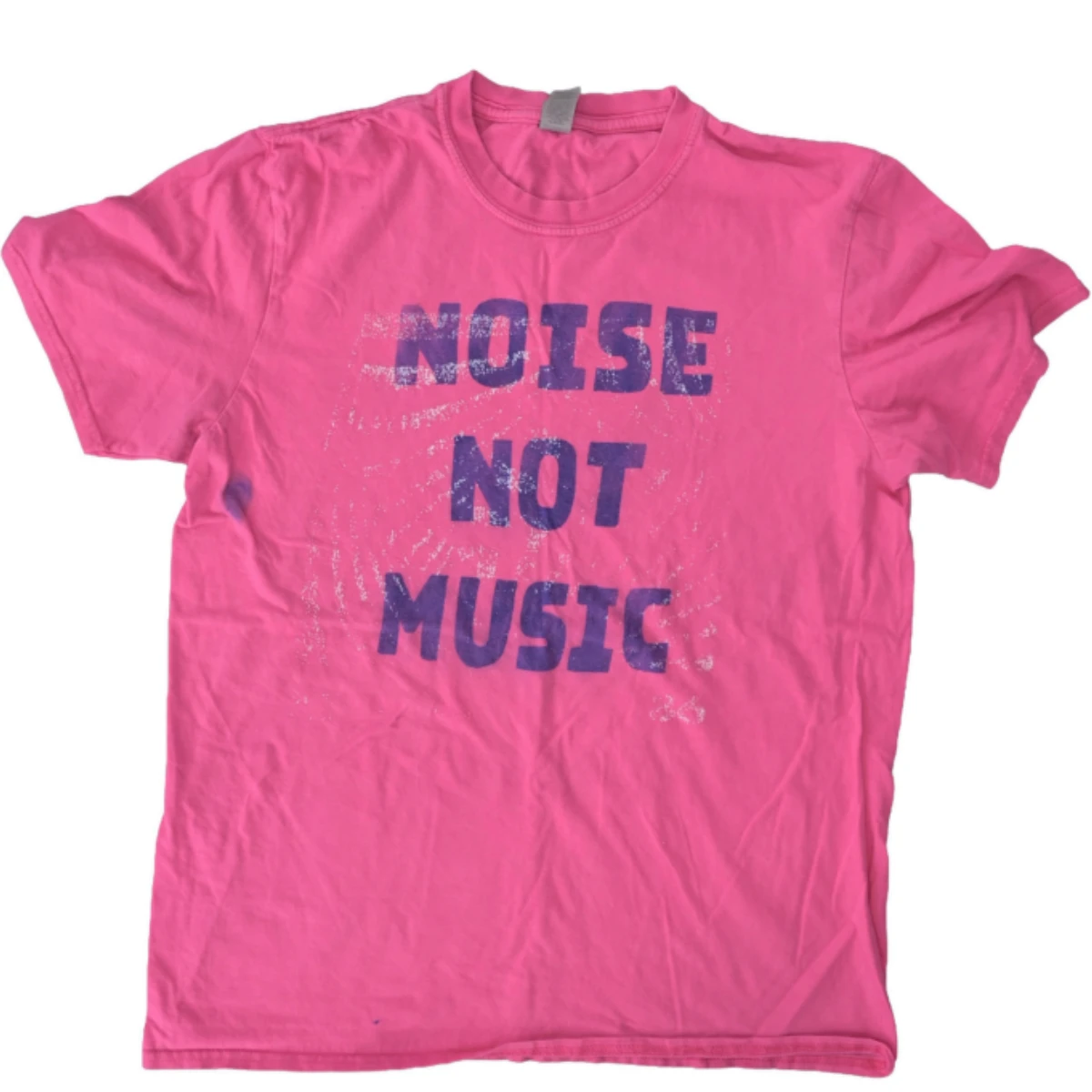
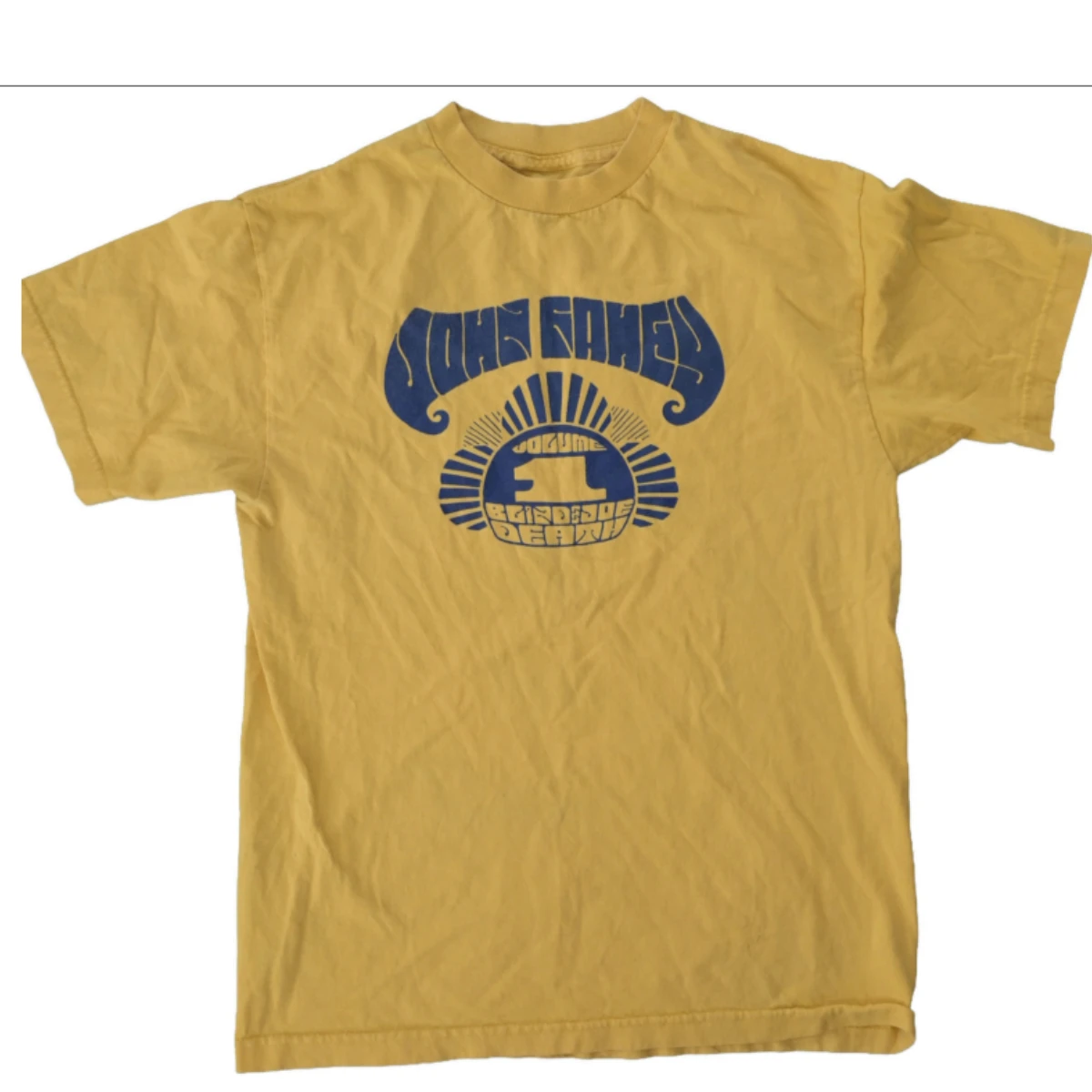
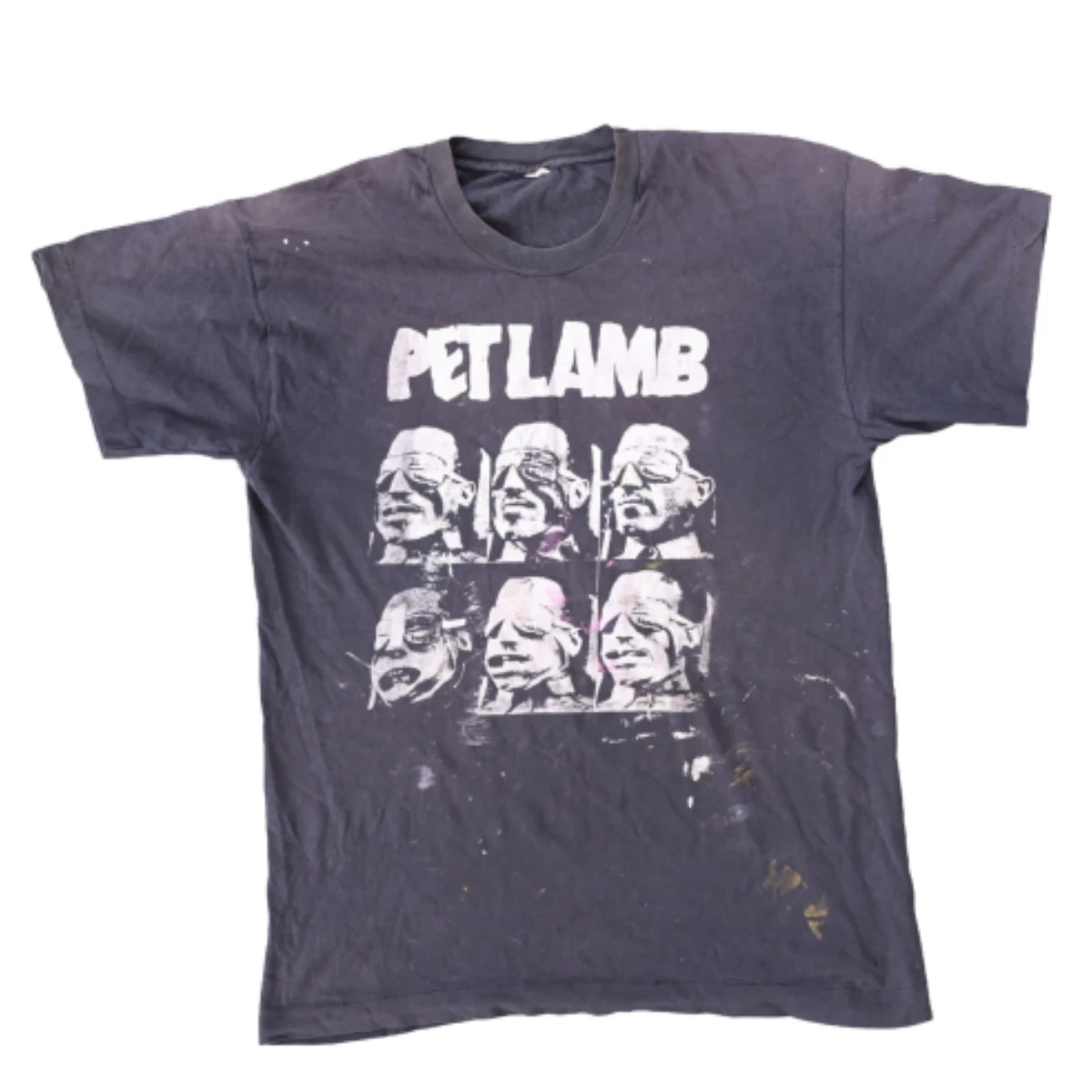
SWEAT, SOUNDS & STORIES celebrates much-loved band t-shirts – those carriers of sweat, sound and story – the faded and frayed, the ones stashed in the attic or those favourite t-shirts lost to the mists of time. It’s part love letter, part elegy – the worn-out threads of music t-shirts with stories woven (or soaked) into every thread.
The exhibition was conceived of by music fan and events coordinator Clíona Murphy and produced by artist and curator Brian Hegarty of thirtythree-45 and The Kiosk Project Space. Putting out an open call to music fans, the exhibition features t-shirts donated for the exhibition and accompanying love letters, as well as an In Memoriam book that provides space for visitors to write about their favourite t-shirts now lost to the annals of history.
A native of Baldoyle in Dublin, Clíona Murphy grew up embedded in a vibrant youth culture where metallers, punks, crusties, hoodies and Cureheads had a strong DIY ethos with gigs organised by teenagers often hosted in Baldoyle Youth Club.
She came up with the idea for the exhibition at an all-ages punk gig where self-proclaimed ‘middle agers’ like herself were chatting about their collections of music t-shirts. “Stories were told of t-shirts in the attic – drawers full of them. I asked about setting them free – giving them a second life by selling or auctioning them as a fundraiser,” says Clíona. “However, many didn’t want to let them go – there still existed a bond, an attachment to memories and meaning.”
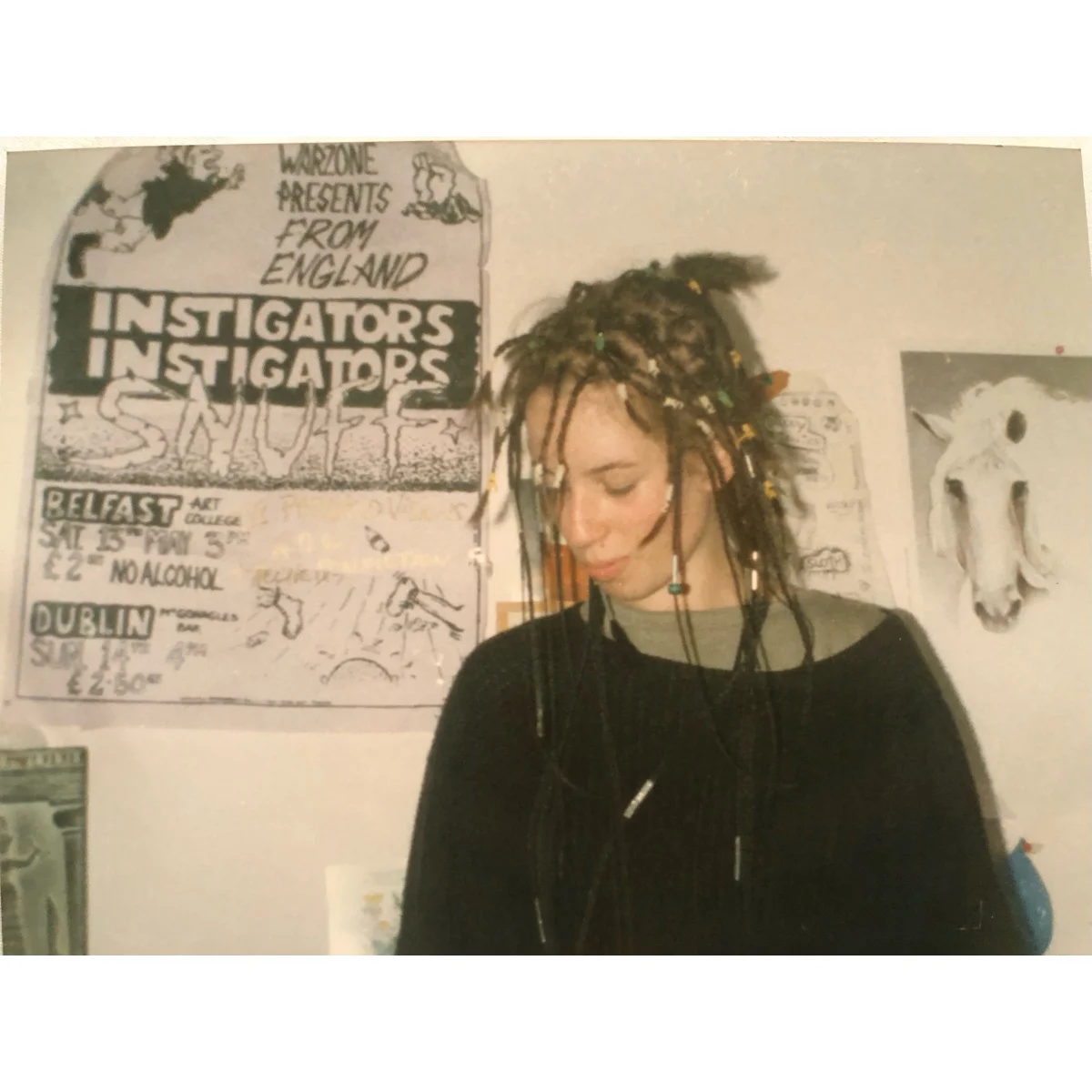
Having recently set up The Kiosk, an artist-led project space and gallery in Drogheda, Brian Hegarty felt it was the ideal venue for such an exhibition. “Clíona and I grew up just down the road from each other and both got deeply into music and the DIY scene in our youth. There were a lot of tribes back then in the late 80s and early 90s – goths, punks, Cureheads, grungeheads and more.”
This project is a love letter to music, but it’s also a love letter to the freedom of youth. Each t-shirt comes with a ‘love letter’ – a personal account of why the t-shirt means so much to its owner. As Alan Keane writes in his love letter: “T-shirts mark a place and time.” T-shirts can mean a lot to people decades after wearing them, with tees with graphics on the back going “the extra mile”, according to Matt Talbot in his love letter.
Unlike nowadays when you can buy a band t-shirt in Penneys or Next (cue debates around fashion versus fandom) in the late 1980s and early 1990s handing over cash for a t-shirt of your favourite band meant a serious commitment – in terms of musical and tribal intention – but also of finances, and t-shirts like Niall Byrne’s in the exhibition were worn until they ‘nearly disintegrated’.
“The late 80s and early 90s was an economically depressed time in Ireland; most of our money used to go to gigs, to buy music and to buy drink,” says Clíona. “A t-shirt from those times was a big outlay of cash and as most of us hadn’t got a lot of clothes then. Loved clothing was literally worn to shreds. When we first put out the call for t-shirts and stories, we heard tales of tees lost, worn out and missing in action. My favourite was the sad tale of a t-shirt discovered under the kitchen sink, covered in Windolene, repurposed as a cleaning rag by the person’s father.”
“These t-shirts definitely take me back to my youth,” says Brian. “To those days of trying to find my tribe. I remember how self-conscious and awkward I could be, and how music became such a big part of helping me find my way in the world before all the responsibilities set in. There was such innocence in it, but also a strong desire to stand apart from what felt ‘normal’.”
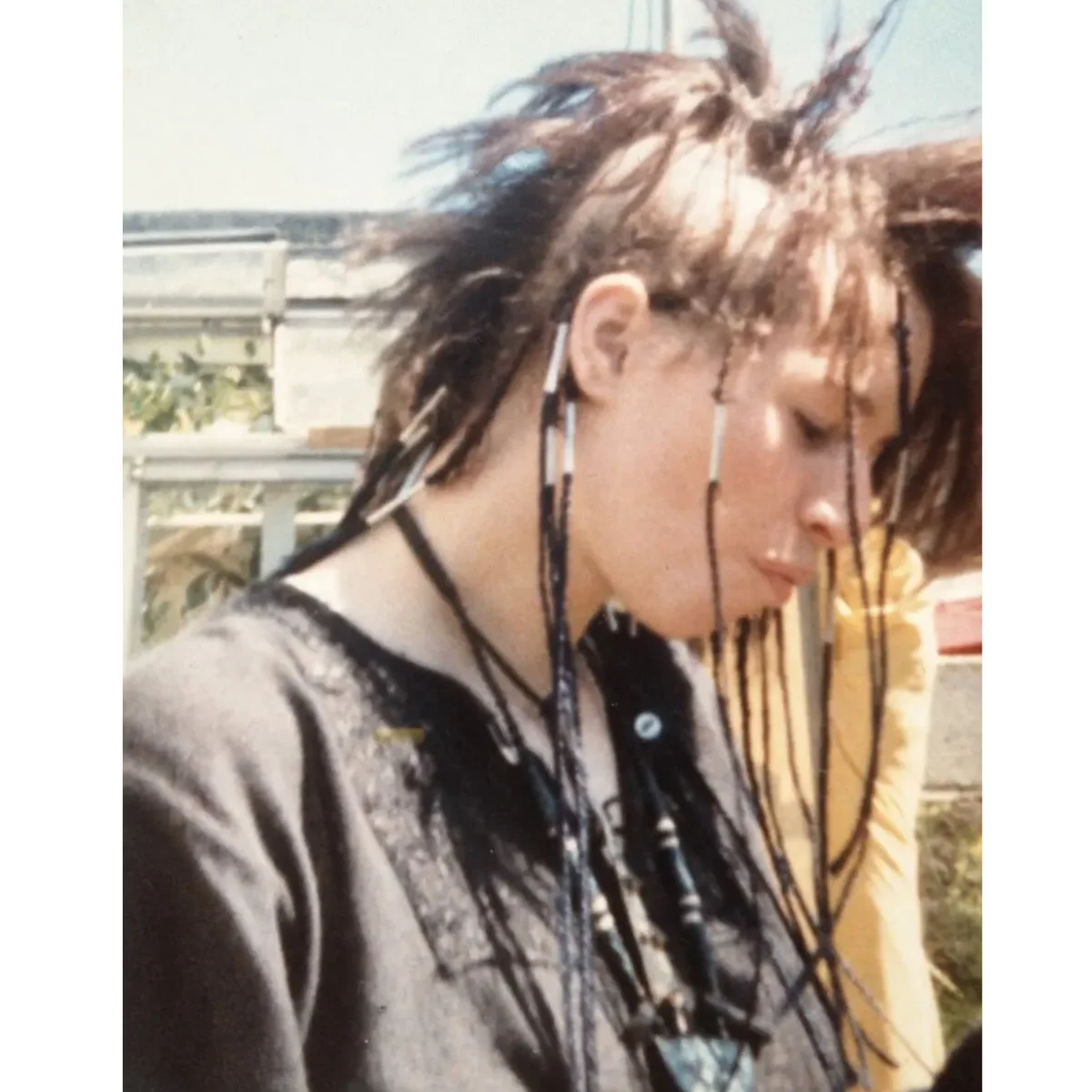
Clíona Murphy circa 1989 in Baldoyle, Dublin.
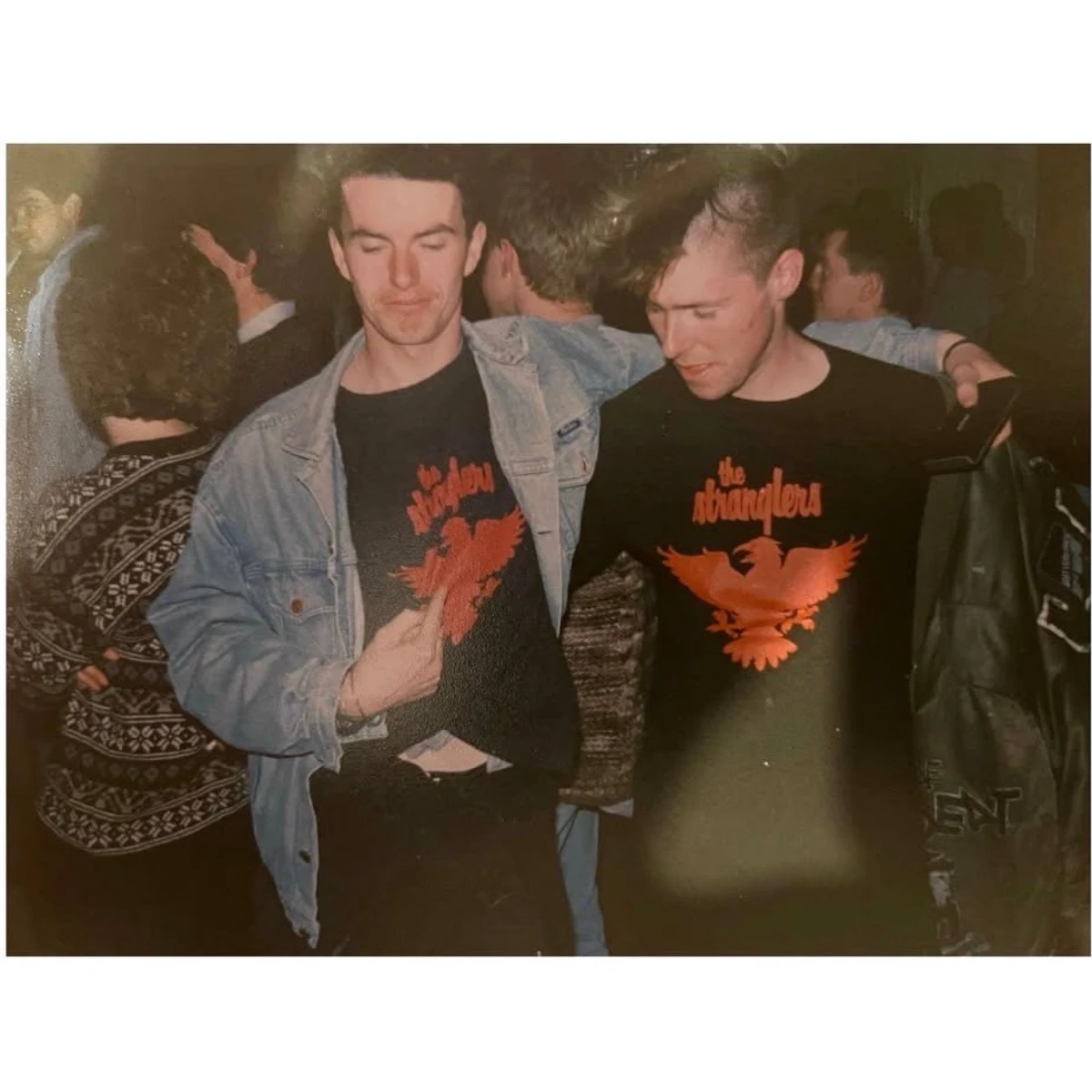
Brian Hegarty (left) and Donal Greene (right) at a Strangler's gig in Cork in 1990.
A shared taste in music often leads to bonding experiences and lifelong connections. A theme that comes across strongly in the exhibition is that of connection. There are stories of connection between fathers and sons, partners that became spouses (note Neasa Kelly’s hand-drawn Sunbear t-shirt made for her boyfriend, now husband, the lead singer in the band), likeminded strangers, parents feeding hoards of random punk kids, iconic older musicians chatting about parenting with the next generation… much of it unexpectedly gentle given the hardness of the music involved.
Fran Cassidy’s love letter is a considered account of his time living in a ‘punk house’ in 1990s Dublin. “The angry, insistent music and the bands were central, but I know many non-musicians like myself whose lives have been transformed by punk rock… It is characterised by a communalism aligned with fierce self-reliance and a staunchly anti-capitalist DIY approach, by a radical humane tolerance and a politics that is anti-fascist, anti-racist, anti-homophobic, staunchly feminist, and proudly anarchist. It is an intoxicating special brew that attracts outcasts, rebels, teetotals, vegans, and political idealists,” he writes.
“It is frequently utterly bonkers. For better or worse, these experiences changed my life. They gave me wonderful times and a sense of community and identity. They influenced my personal and political outlook on life, my employment and career choices, and my metrics of success. There is also a concomitant darker side. Hard living and excess are celebrated, and there can be a price to this. Future planning and career development wasn’t a priority. Not everyone’s experiences were positive and not all outcomes were good.”
“Connection and community are strong themes across the stories. Sharing a love of a particular kind of music led to friendships, sharing houses, sharing food and learning to get on with many different kinds of people. Communities were built,” says Clíona. “Punk was about listening to, and reading about, new ideas and alternative ways of thinking and being. Reading zines, reading lyrics, record sleeves and vegetarian cookbooks… Although it can sound shouty, the politics of punk is about caring for each other and all living things – it’s no accident so many punks end up working in caring jobs and professions.”
Another thing that strikes the visitor to SWEAT, SOUNDS & STORIES is the references to those halcyon pre- or early-internet days and all things analogue. There are references to handprinted and hand-drawn designs, sending off postal orders to England for t-shirts, and people sending handwritten letters to fellow music fans and friends abroad.
“Taking a cassette out of its case or a record from its sleeve, and unfolding and reading the insert as you listen, engages the head and body in a different way to listening to music digitally,” says Brian. “I loved the almost visceral thrill of receiving and opening a handwritten letter – the curiosity about the stories you were going to read and (hopefully) the gossip shared…”
Many friendships began with nothing more than a nod to a familiar logo, a shared memory of a show, and a conversation sparked by a simple screen print on black cotton.
There’s a lot of talk at the moment about a return to the analogue, as people find themselves overwhelmed by being online all the time. In this age of AI, people are returning to, or discovering for the first time, the joys of the analogue. Walk through many urban centres on a Saturday and you’ll see people of all ages carrying bags from Tower Records or Golden Discs; vinyl listening lounges, first popular in Japan, are popping up everywhere; people are learning how to screenprint their own t-shirts or mend their clothes, and kids are even recording demos on cassette tapes once again.
DIY and anti-establishment philosophies have always been central to the punk ethos and they are aspects of culture, community and personal identity that are resonating with young people once more as the desire to put two fingers up to platforms like Amazon and Spotify gains momentum. Young people are craving something tangible, real and honest in an era beset by social media addiction, an always-on culture, prolific war, gender-based violence, global warming, economic inequity and the flagrant misuse of power.
“There is definitely a drive towards the tangible again,” says Brian. “Vinyl is back, CDs are still there, even the humble cassette is a thing again. There are a lot of bands and musicians self-releasing on all formats and printing their own t-shirts as well.”
Does the wide availability of band t-shirts and their repositioning as fashion items dilute their authenticity, I wonder? Walk into any Penneys store and you’ll find t-shirts with graphics from Iron Maiden, The Clash, Nirvana, Guns n Roses and The Wu-Tang Clan. Scour the Next website to find Blondie, Pink Floyd, Motley Crue and more. Fancy The Smiths with your Shein haul? Or how about a Ramone’s t-shirt from the very antithesis of punk – Amazon.ie?
“Music is consumed so differently now – with streaming and the ability to buy almost any record online. When I was younger, you really invested in an album or band. You obsessed, played LPs from the beginning to the end, and absorbed every detail – the producers, engineers, lyrics – everything. Pre-internet, part of the fun was in the hunt itself, and to be able to get a t-shirt to show off your new found favourite band was the icing on the cake,” says Brian.
“Music is now on demand 24/ 7 and is almost disposable. I don’t think high street stores that sell band t-shirts even understand what they’re selling. Everything gets co-opted in the end. The Ramones (a popular design on the high street) as a band were renowned for selling more t-shirts in their lifetime than records… in fairness, their logo is pretty cool.”
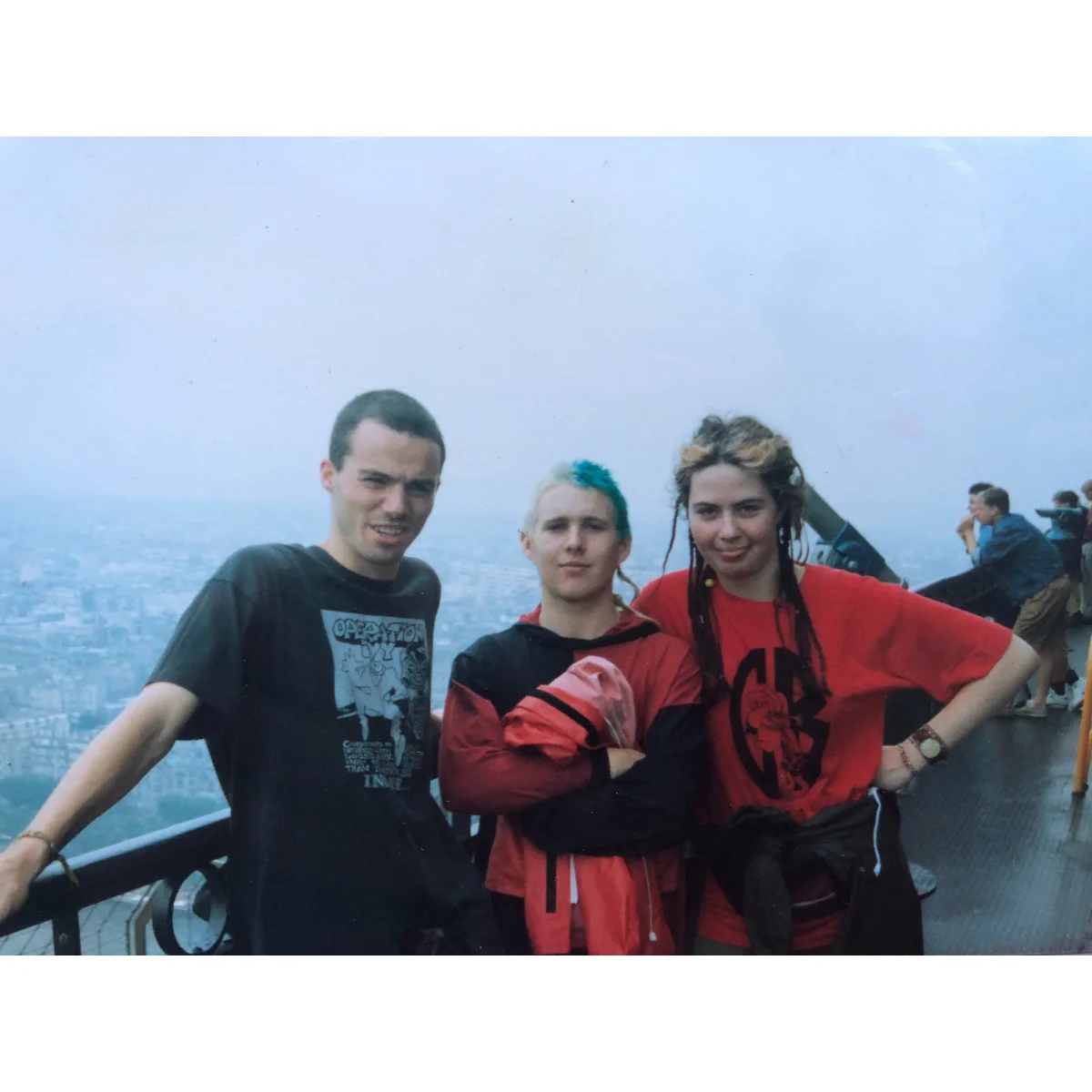
Edel McGinley (right) wearing her homemade Guerilla Biscuits t-shirts (In Memorium) at the top of the Eiffel Tower late 1980s).
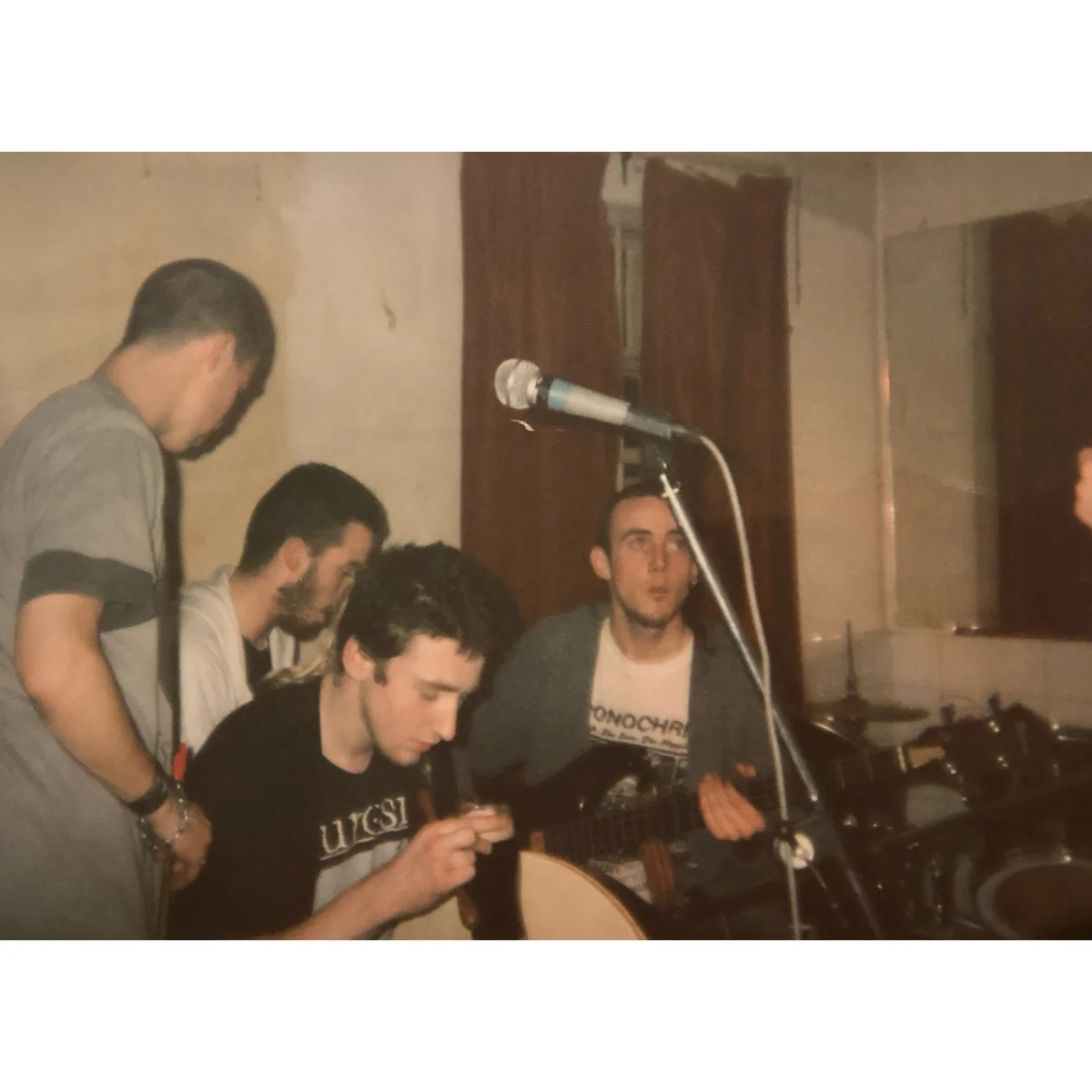
Cunas Brann playing in The Fox and Pheasant pub which was famous for alternative music gigs.
Whether they’re sourcing their t-shirts in high street stores like Penneys, music shops like Tower Records, indie clothes shops like Viper or online from vendors like EMP, music lovers of all ages wear their band t-shirts as a badge of belonging and pride.
“I see a lot of the ‘alternative kids’, for want of a better word, proudly wearing them and I can’t help but feel nostalgic for the days when I did the same,” says Brian, who buys his t-shirts at the merch stand at gigs to support the artists. “Even in my advancing age, I still like to rock an aul’ band t-shirt. I think they’ll always have a place for the more alternative music groups and will continue to offer community to kids on the fringe looking to find like-minded souls.”
“Clothes and fashion are relatively much cheaper now and don’t have the same value, so perhaps the ease with which they can be acquired dilutes the value in some way. On the other hand, maybe they spark some curiosity in the wearer to listen to the band and beyond,” says Clíona.
For Sarah McDonnell, her t-shirt is a time tunnel to 2005, a rose-tinted lens through which to view her younger “barmy days”, while Donal Greene’s t-shirts are “tangible records of gigs long past”. “Before the internet, they served as public declarations of taste and identity,” he writes in his love letter to a Stiff Little Fingers t-shirt. “Many friendships began with nothing more than a nod to a familiar logo, a shared memory of a show, and a conversation sparked by a simple screen print on black cotton.”
SWEAT, SOUNDS & STORIES by Clíona Murphy, produced by thirtythree-45 and The Kiosk Project space runs at The Kiosk Project Arts Space, Narrow West Street, Drogheda, Co. Louth until Saturday, February 28. The Kiosk Project Art Space is a small artist-led gallery, creative community hub, residency and production space led by Brian Hegarty and Rita Hynes in collaboration with the Droichead Arts Centre and its partners. Check out the exhibition opening times on the Kiosk Instagram page.
Also Read