




Page Turners: ‘Water in the Desert, Fire in the Night’ author Gethan Dick
Artist and debut novelist Gethan Dick talks literary inspirations, writing process, and how the end of one thing is never the end of everything.
Gethan Dick was born in 1980 in Belfast and grew up in the West of Ireland. She moved to London for an MA in Creative and Life Writing at Goldsmiths College. She then studied at Camberwell College of Art and shifted her creative practice towards text-based and co-created visual art. She moved to Marseille, France, where she has lived since 2011, working as one half of visual-arts duo gethan&myles with her partner, Myles Quin.
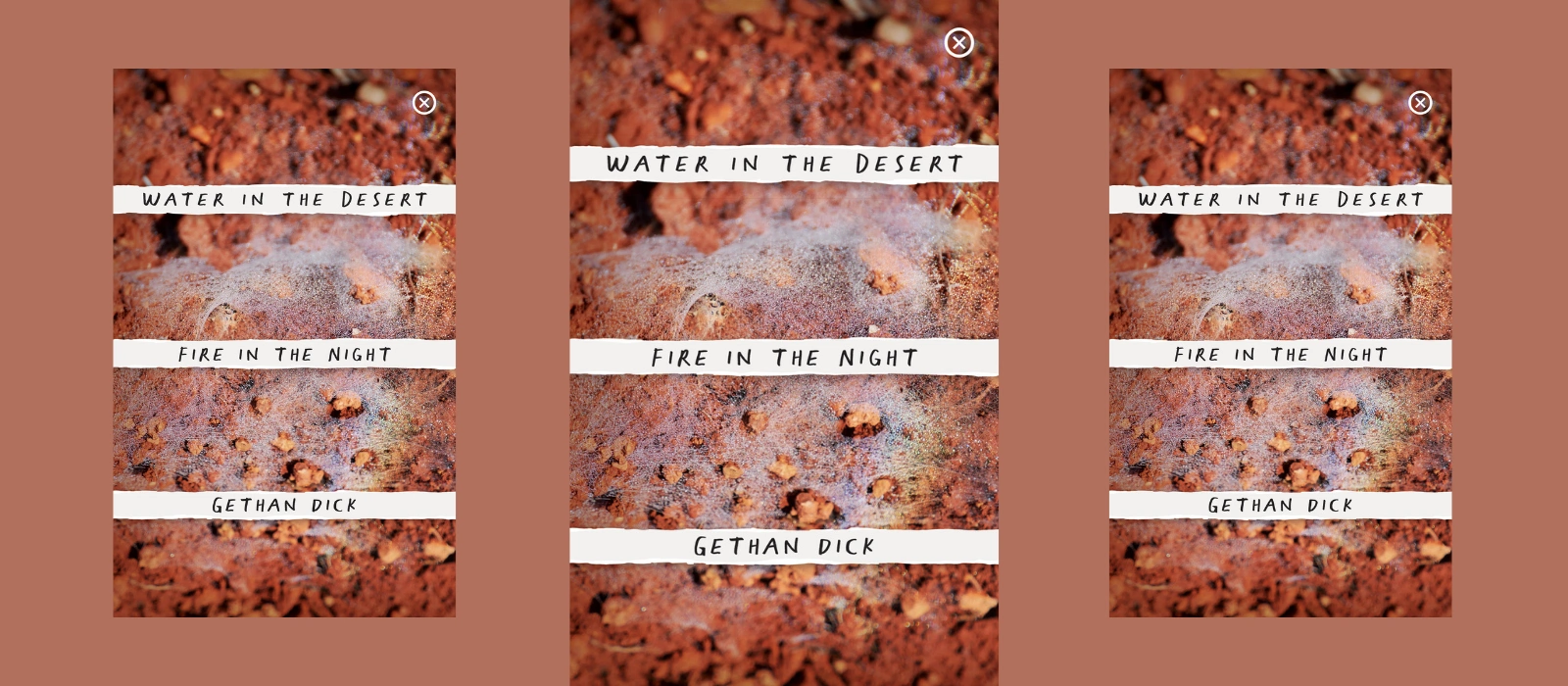
Water in the Desert, Fire in the Night is a novel about hope, wolves, companionship and resilience, hunger and gold. It’s about an underachieving millennial, a retired midwife and a charismatic Dubliner who set out from London after the end of the world to cycle to a sanctuary in the southern Alps.
It’s about packing light and choosing the right companions and trousers: what’s worth knowing, what’s worth living, and holding on to your sense of humour in moments big and small.
It’s about the fact that the world ends all the time. It’s about what to do next.
Did you always want to be a writer?
I was always more sure that I wanted to tell stories than sure that I wanted to be a writer. I did a BA in Communications, thinking I wanted to make films, then switched to writing for radio in my final year, went on to an MA in Creative writing at Goldsmiths, wrote and performed pieces at spoken word nights and festivals and contributed to and published zines, worked as a creative educator, studied visual art at Camberwell College of Art and worked as a visual artist with my partner, moved to France, had two kids and wrote a novel. As a journey, it’s more like the path of a small boat tacking into the wind than an A-to-B missile-style trajectory. I don’t really see becoming a published author as a kind of logical conclusion – or any kind of conclusion of any sort, for that matter.
Tell us about your new book Water In The Desert, Fire In The Night. Where did the idea come from?
It’s about hope, hunger, gold, wolves, Streatham, Cuba, post-apocalyptic feminism, pregnancy and bicycles. It’s about the porousness of the female bodily experience, the challenges of being an empiricist with a sample size of one, what’s worth knowing and what’s worth living and the necessity of irrationality. It’s about an underachieving young woman, a retired midwife and a charismatic Dubliner who set out from London after the end of the world to cycle to a sanctuary in the southern Alps. And it’s about the fact that the thing about the end of the world is that it happens all the time.
I talked about writing this novel for about twenty years. Long before I had kids, I knew there was something about childbirth beyond the apocalypse, but I didn’t know what it was until I became a parent myself. And I definitely never would have written it if it hadn’t been for Myles (my partner) saying, when we got back from a slightly survivalist two-month stint in a stone shepherd’s hut during the first Covid lockdown, “Stop talking about it and write the f*cking book.”
What do you hope this book instils in the reader?
That the end, no matter what it’s the end of, is never the end of everything – it’s always the beginning of something. And that the world is very interesting and there’s much more to it than humans.
What did you learn when writing this book?
Punctuation in titles is surprisingly controversial.
Tell us about your writing process?
I am not one of nature’s multitaskers – in fact, (and I think the science bears me out here) I don’t even believe in it. I think it’s just a myth promulgated to women to make us think we should be doing everything at once. So what worked for me in writing my book was to arrange our other projects (I work as a visual artist alongside my partner) so that there were gaps of a week or a few weeks in which I could just write.
On a day when I was on fire, I’d take the kids to school, do my exercises, then write longhand – notebook and pencil – at the kitchen table until midday. I like writing longhand because on the screen, I sometimes get the feeling that something is ready before it really is, and also if I’m on the computer, I can too easily get sucked into boring life-admin crap. Then after lunch, I’d type up and move stuff around. If, by the time my partner was heading out to get the kids from school, the manuscript had grown by 1,000 words, I’d consider that a total win.
Where do you draw inspiration from?
Popular science and the wilderness.
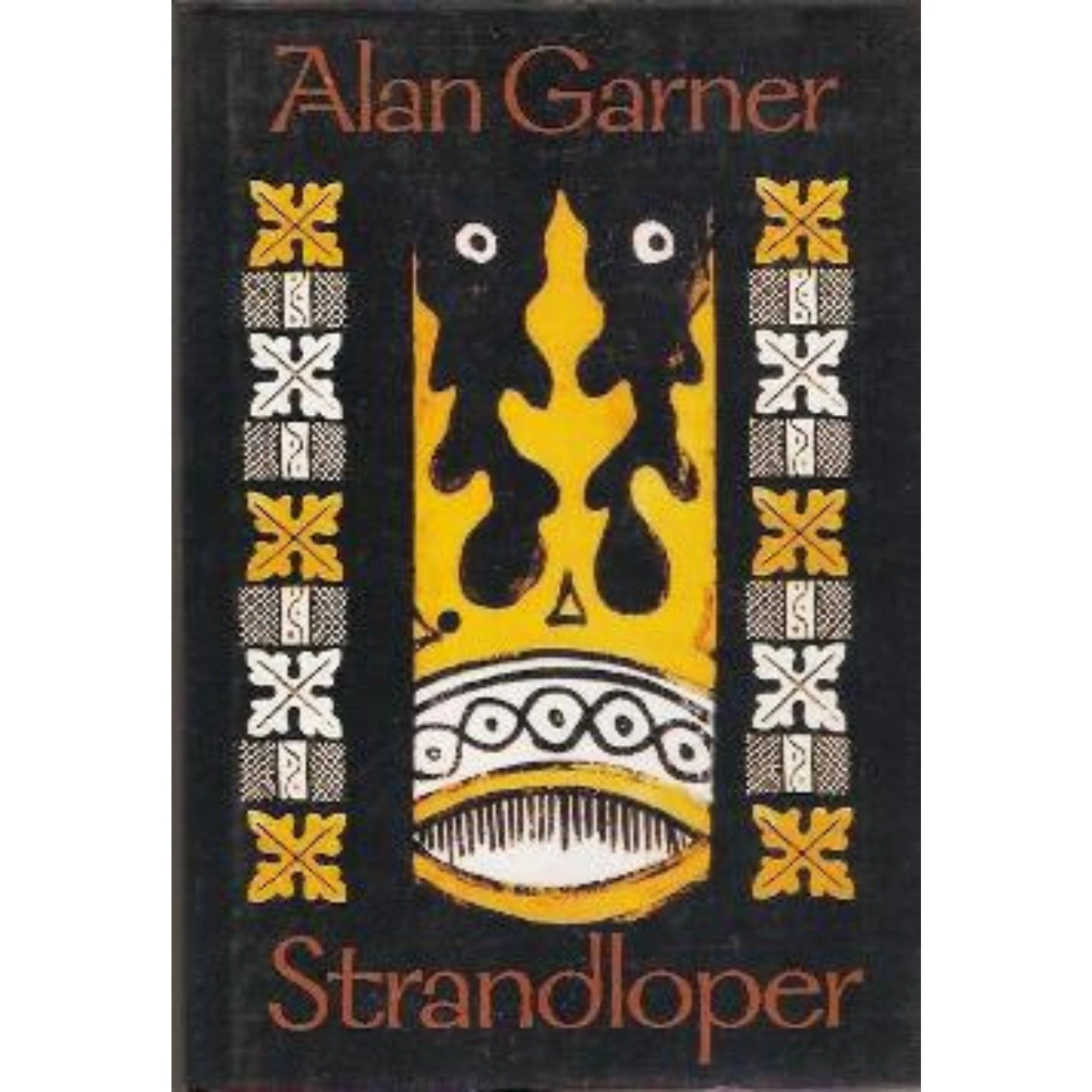
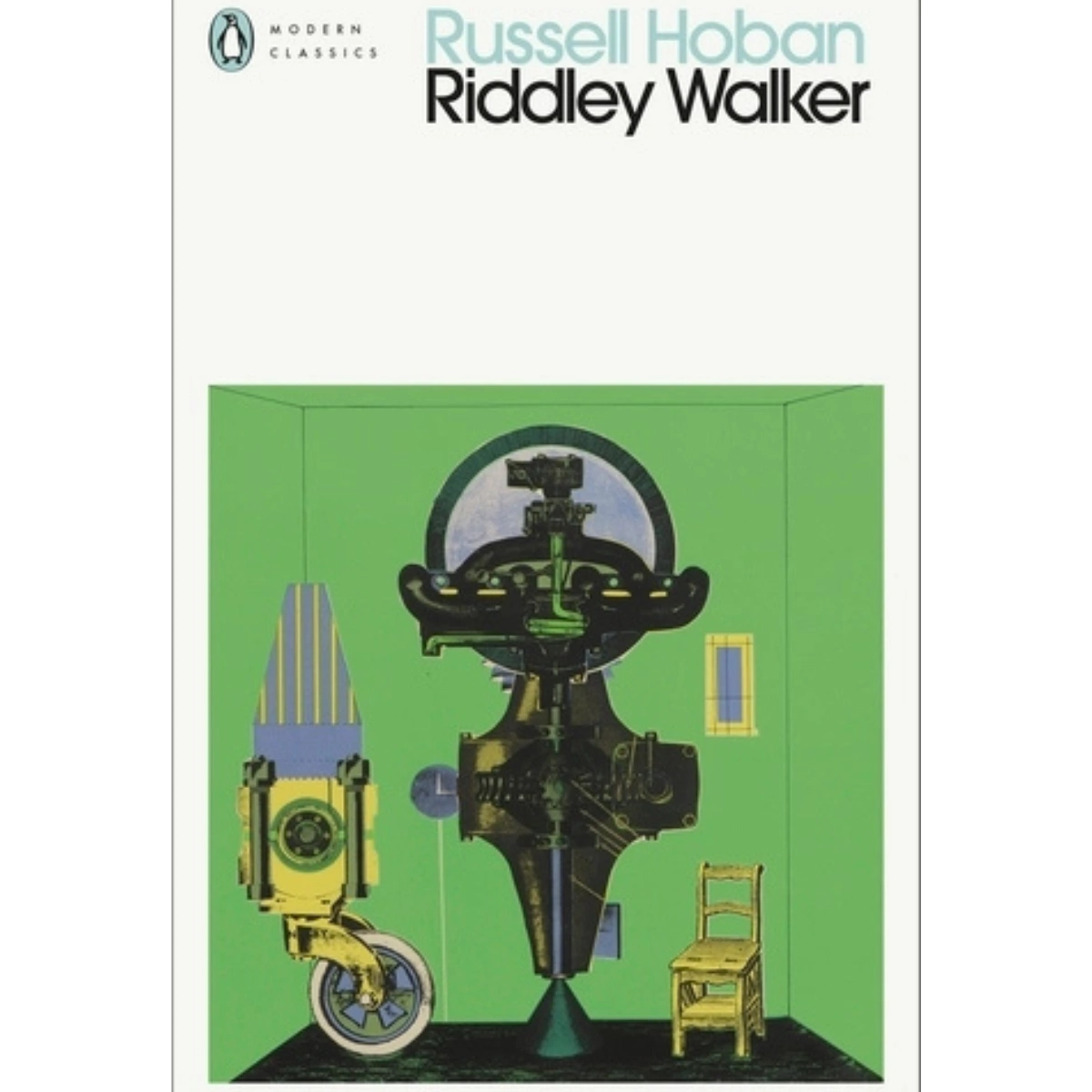
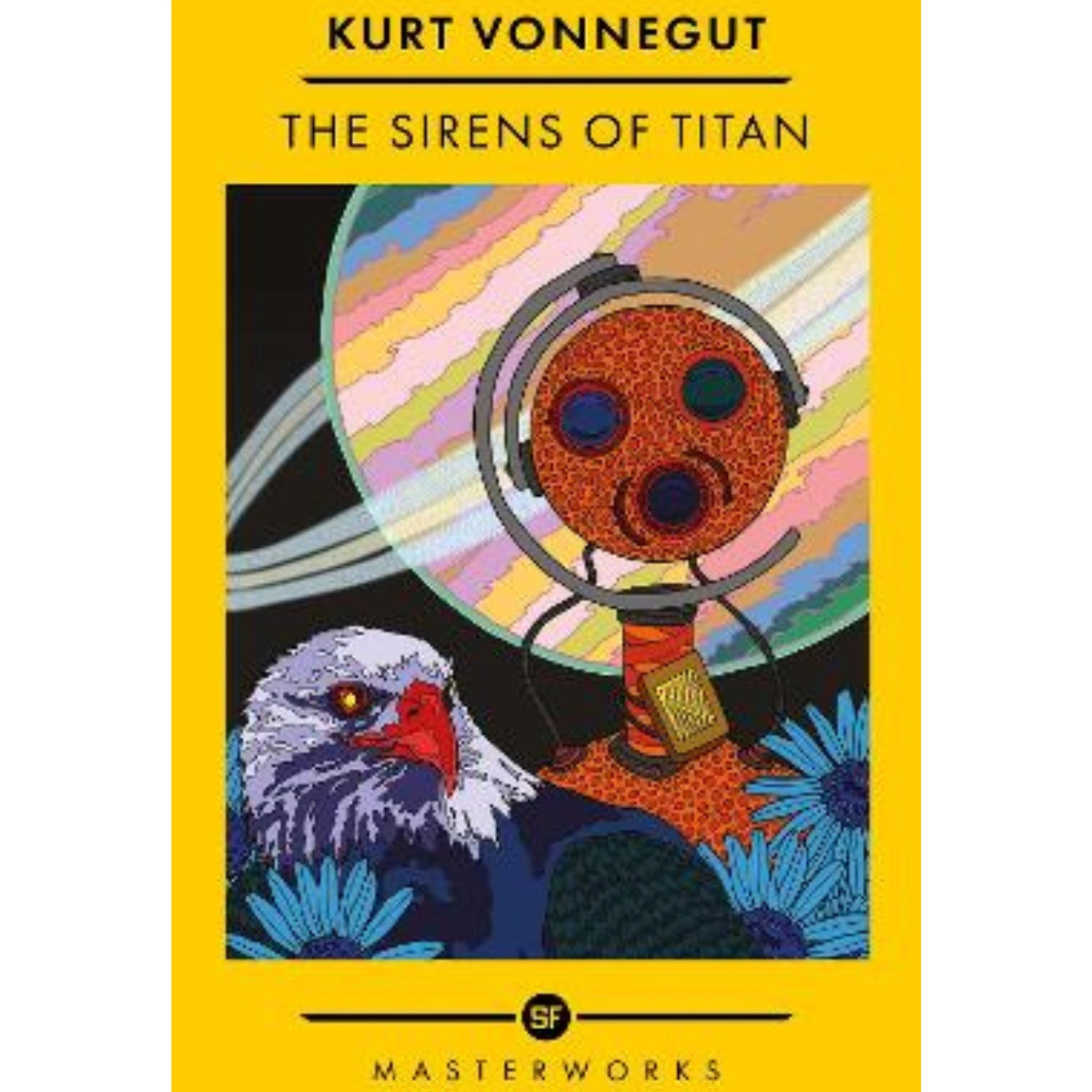
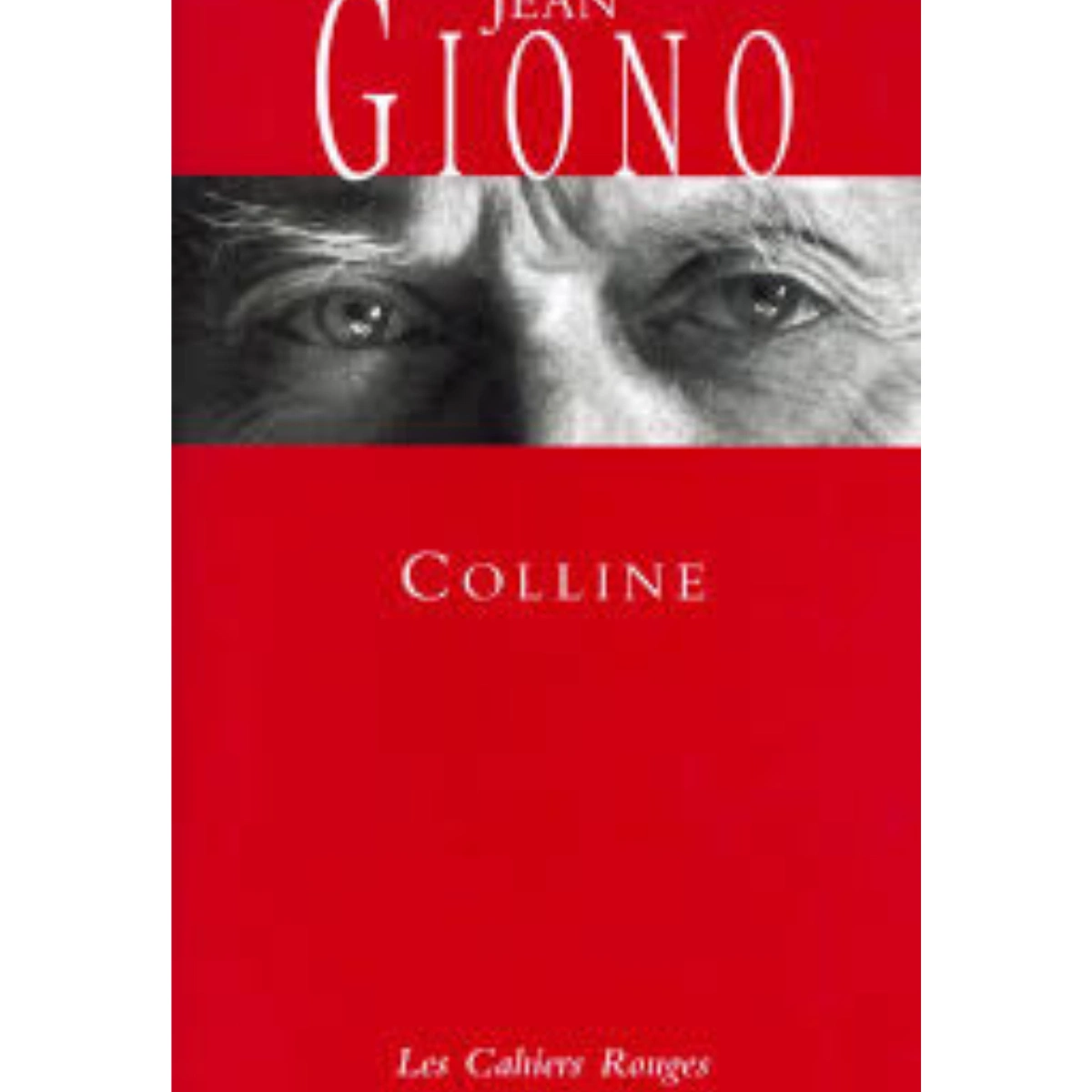
What are your top three favourite books of all time, and why?
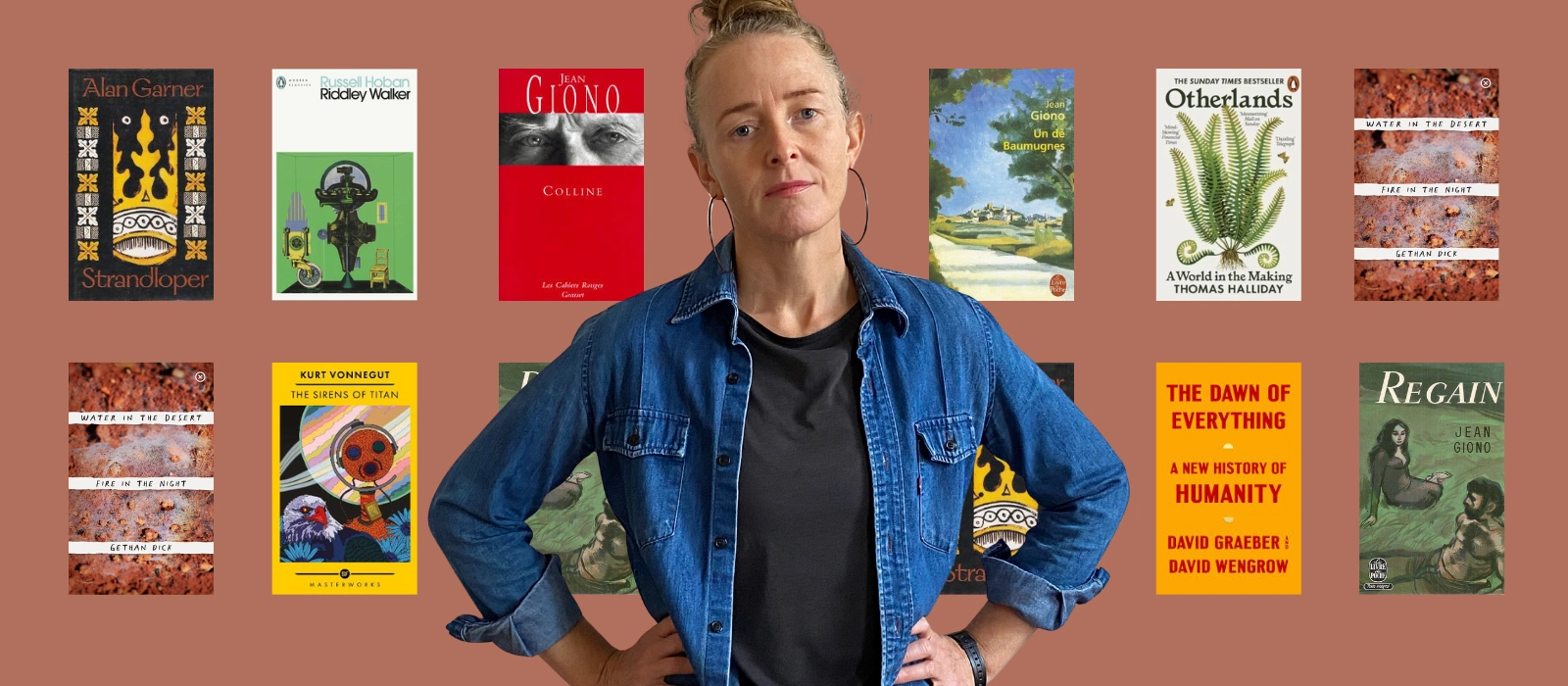
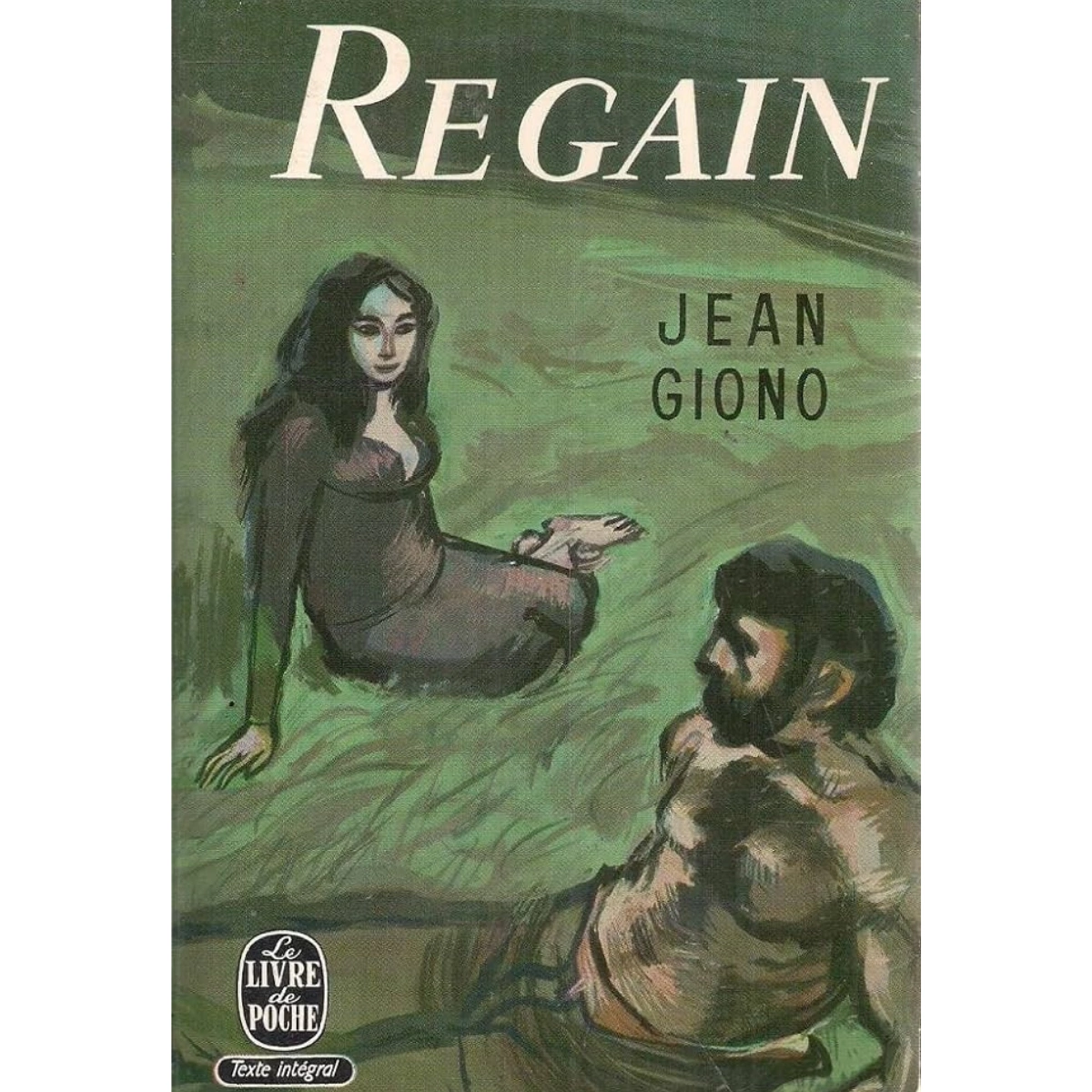
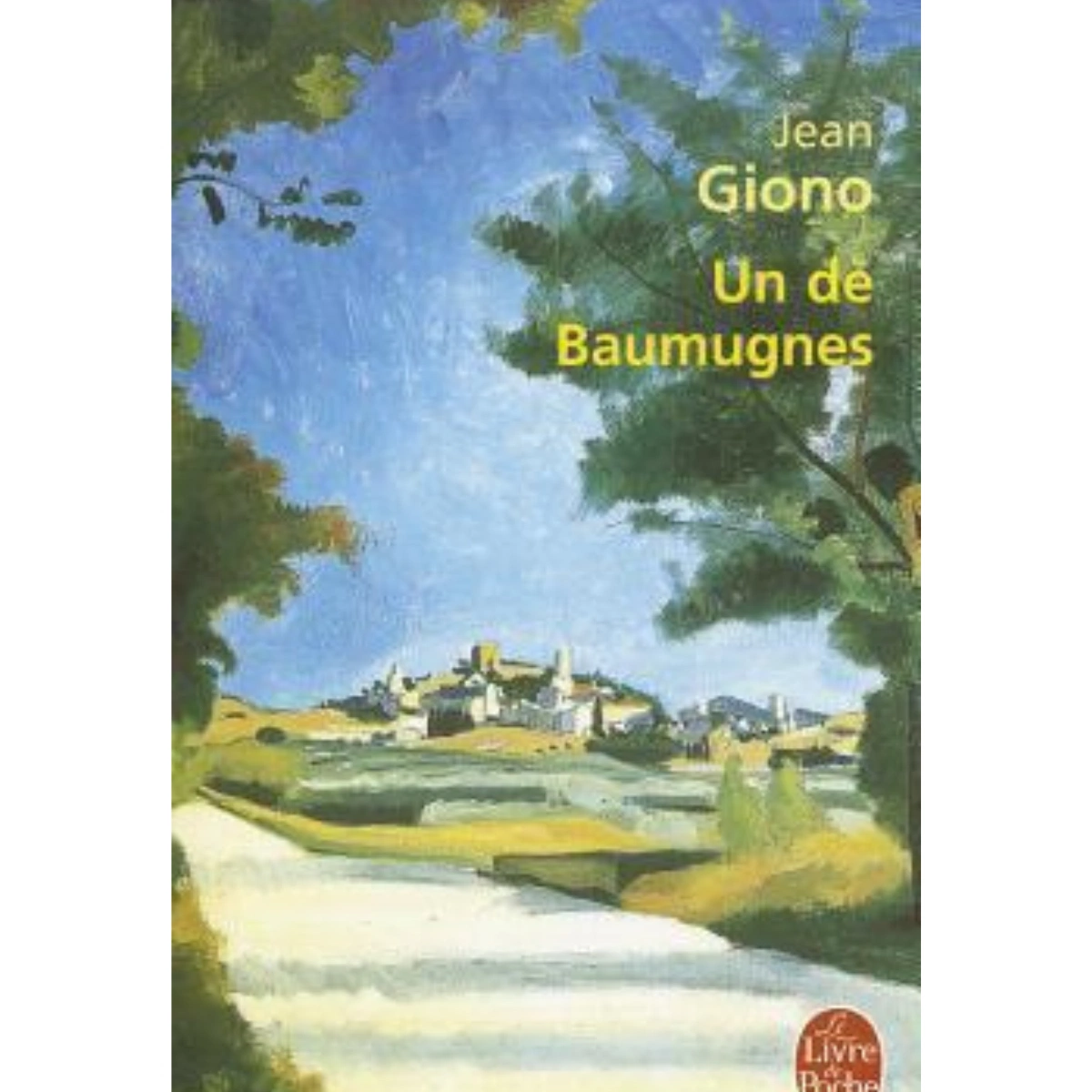
I’m going to cheat and pick three in English – Riddley Walker, Strandloper and The Sirens of Titan – and three in French – Colline, Un de Baumugnes and Regain. I am legendarily bad at explaining why I like anything, so I’ll leave it at that.
What book made you want to become a writer?
When I was about three or four, around the time my mum was pregnant with the third of my sisters, I guess, we started getting the Story Teller. It was a fortnightly magazine with a cassette tape of people reading the stories in it, which were a mix of different things, children’s classics, modern stuff, poetry, all illustrated. The magazines slotted into a red binder that I remember as being sharp-edged and enormous and incredibly heavy.
My mother said once that she sometimes felt guilty because she’d be rushing around after babies and then she’d turn around and I’d be sitting there by the stereo, headphones on, still listening after an hour or more, but I loved it. The tapes and the binder disappeared in one of our many house moves, but they’re embedded. Sometimes I’m in a lift and there’s a ping when the doors close that’s exactly the same pitch as the one Story Teller used to play when it was time to turn the page, and it throws me all the way back immediately.
What’s one book you would add to the school curriculum?
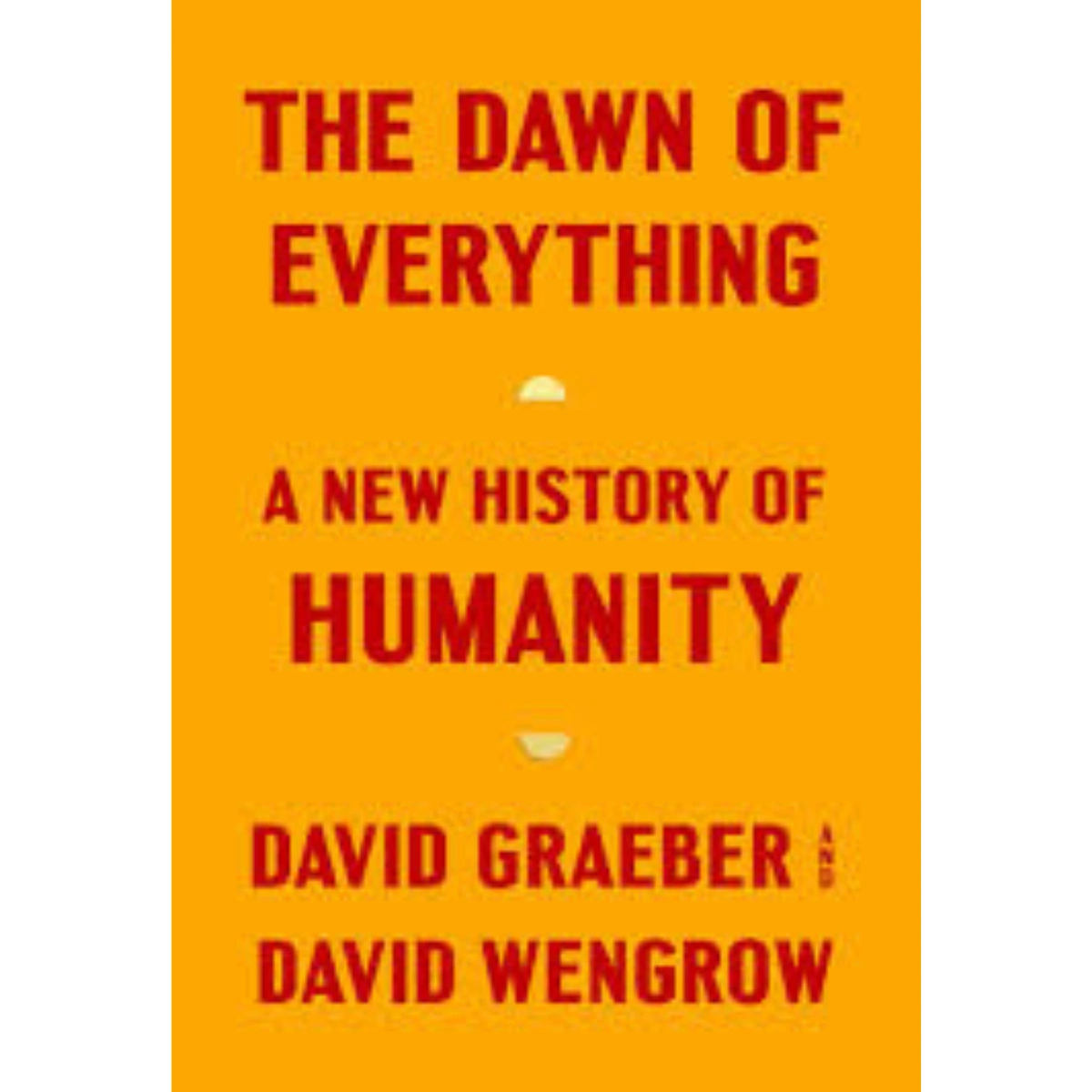
Well, everyone would hate me for it because it’s a doorstop, but The Dawn of Everything by David Graeber and David Wengrow.
What’s the best book you’ve read so far this year?
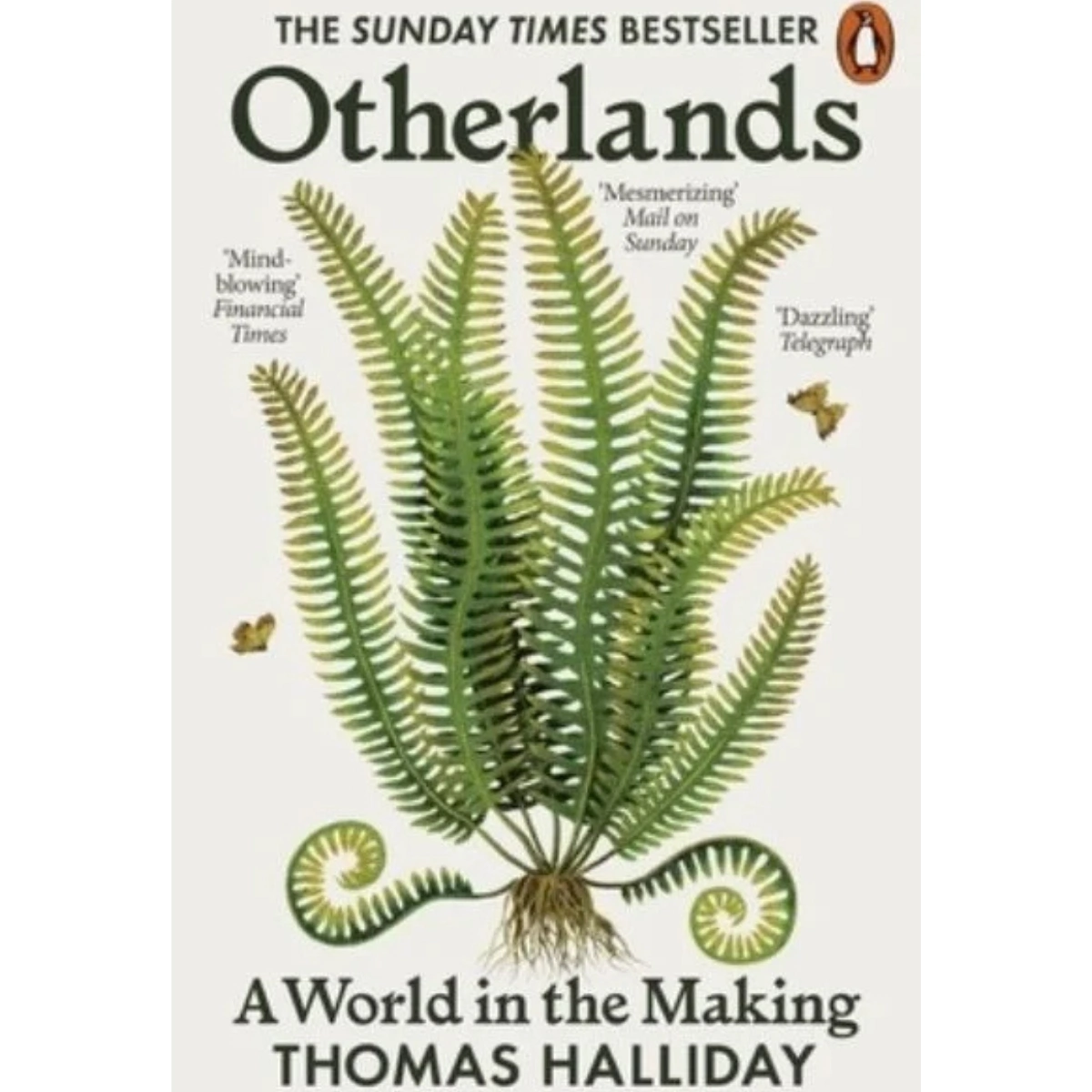
Otherlands by Thomas Halliday – it’s about paleoecology (using the fossil record to study the ecosystems of the past). It’s awesome.
What’s some advice you’ve got for other aspiring writers?
Do your homework and have the gods on your side. You need to be in the right place at the right time. You need the right person to encourage you. You need the right person to remember you. You need the right person to forget you. You need to say the right thing, do the right thing, at the right moment. You need this to happen without your knowing, in fact while knowing that you will never know, which small acts over the course of your entire lifetime will add up to this being the universe in which you actually write the book and other people read it, and not one of the infinite others in which neither of these things ever happen. So be lucky.
Lastly, what do the acts of reading and writing mean to you?
There’s a character in a Nabokov short story who’s described as wanting to tear a hole in the world and climb out. Reading and writing both allow me to do that.
Water in the Desert, Fire in the Night by Gethan Dick (Tramp Press, €16.99) is on sale now.
Also Read