



Page Turners: ‘The Compound’ author Aisling Rawle
Debut novelist Aisling Rawle talks favourite authors, Ireland’s wealth of literary talent, and the feverish writing sprees that led to her exploration of the dark side of reality television in The Compound.
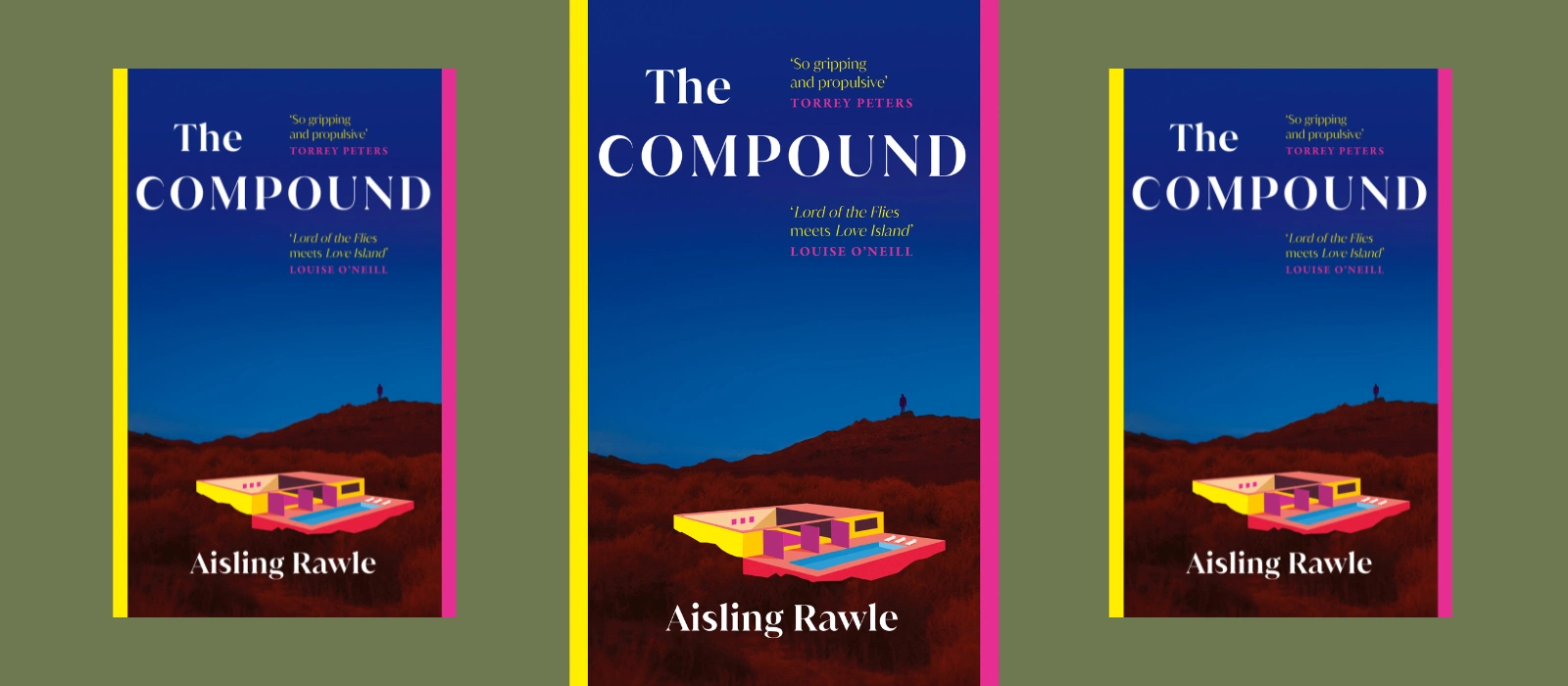
Leitrim-born, Dublin-based author Aisling Rawle’s debut novel, The Compound, has been described as ‘Love Island meets Lord of the Flies’, and ‘as bingeable as the best reality TV, with dark undercurrents of literary dystopia and consumerist satire’.
You wake up in a compound in the middle of the desert, along with nine other women. All of you are young, all beautiful, all keen to escape the grinding poverty, political unrest and environmental catastrophe of the outside world. You realise that cameras are tracking your every move, broadcasting to millions of reality TV fans. Soon, ten men will arrive on foot – if they all survive the journey. What will you have to do to win? And what happens to the losers?
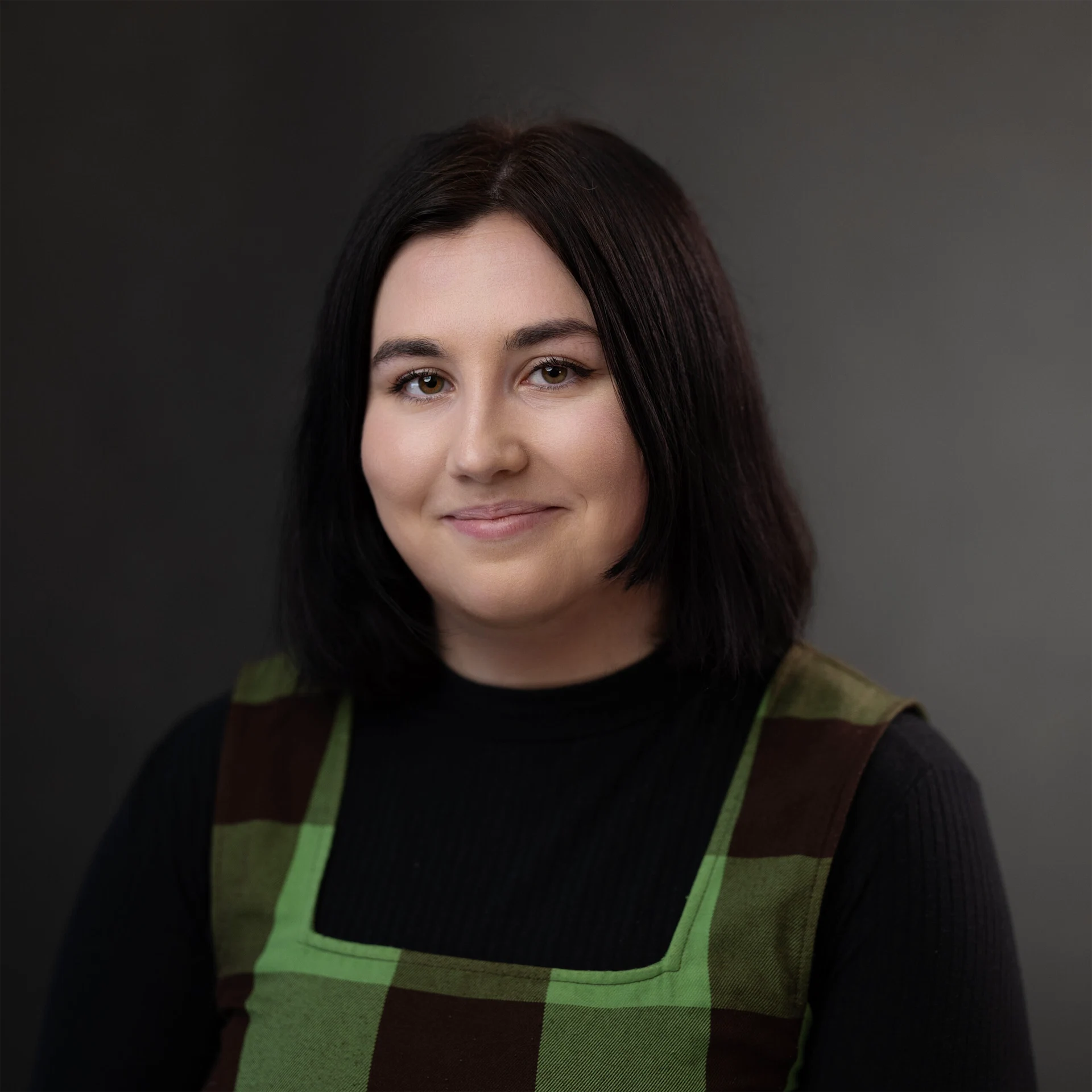
Did you always want to be a writer? Tell us about your journey to becoming a published author.
No, not at all, though I was always an avid reader, and had a great fascination for storytelling. I studied English in college, and loved academic and analytical writing — but when I had graduated, I found that sometimes the cold gaze of analysis can take part of the enjoyment out of stories. I started writing for pleasure, without any real purpose or ambition — the real goal was to be a teacher. Then a few years later I had the idea for The Compound; in a way it happened quite quickly.
What inspired you to start writing?
Writing to me was a form of cathartic exercise; it’s often very meditative, to commit your thoughts to the page. But mostly I was inspired by the writers whose work I most admire. When I finished college, there was a boom of Irish female literary talent: Sally Rooney, Naoise Dolan, Niamh Campbell, etc., and it felt exciting to be writing anything at all when there was such talent on the scene.
Tell us about your new book, The Compound. Where did the idea come from?
The Compound is a dark satire of reality television. I woke up on the first day of my summer holidays with an image in my head, which would become the opening scene of the novel. It was two beautiful women waking up in a glamorous but dilapidated house, and finding the sleeping bodies of other beautiful women littered around. I didn’t understand what the scene was, but I was curious. When I sat down to write it, I saw that it had the absurdity of a reality television show, and the rest followed from that first sinister image.
What do you hope this book instils in the reader?
I really wanted to discuss the rampant consumerism in our society: both the content that we binge, and the products that we long for. I hope that the reader can reckon with the hollow thrill of materialism, and question what it is that we work and long for — what does society deem a reward, and what do we have to do to earn it?
What did you learn when writing this book?
Honestly — how to write a story from start to finish! This was the first story that I had finished, and it definitely taught me a lot about structure and pacing. Some things you can only really learn by doing, and this was one of them.
Tell us about your writing process?
I wrote The Compound in a rapid fever dream — every minute of the day I was thinking about it. I wrote for 12 to 15 hours a day if I could, and if I wasn’t actively writing, I was thinking about what would happen next. For now, the writing is a lot more sedate. I write at night, and stop when I can’t keep my eyes open any longer.
Where do you draw inspiration from?
Unfailingly from other writers. The form doesn’t matter: I love theatre, and always feel creatively rejuvenated after seeing a play, but I always write best after I’ve read an excellent book.
What are your top three favourite books of all time, and why?
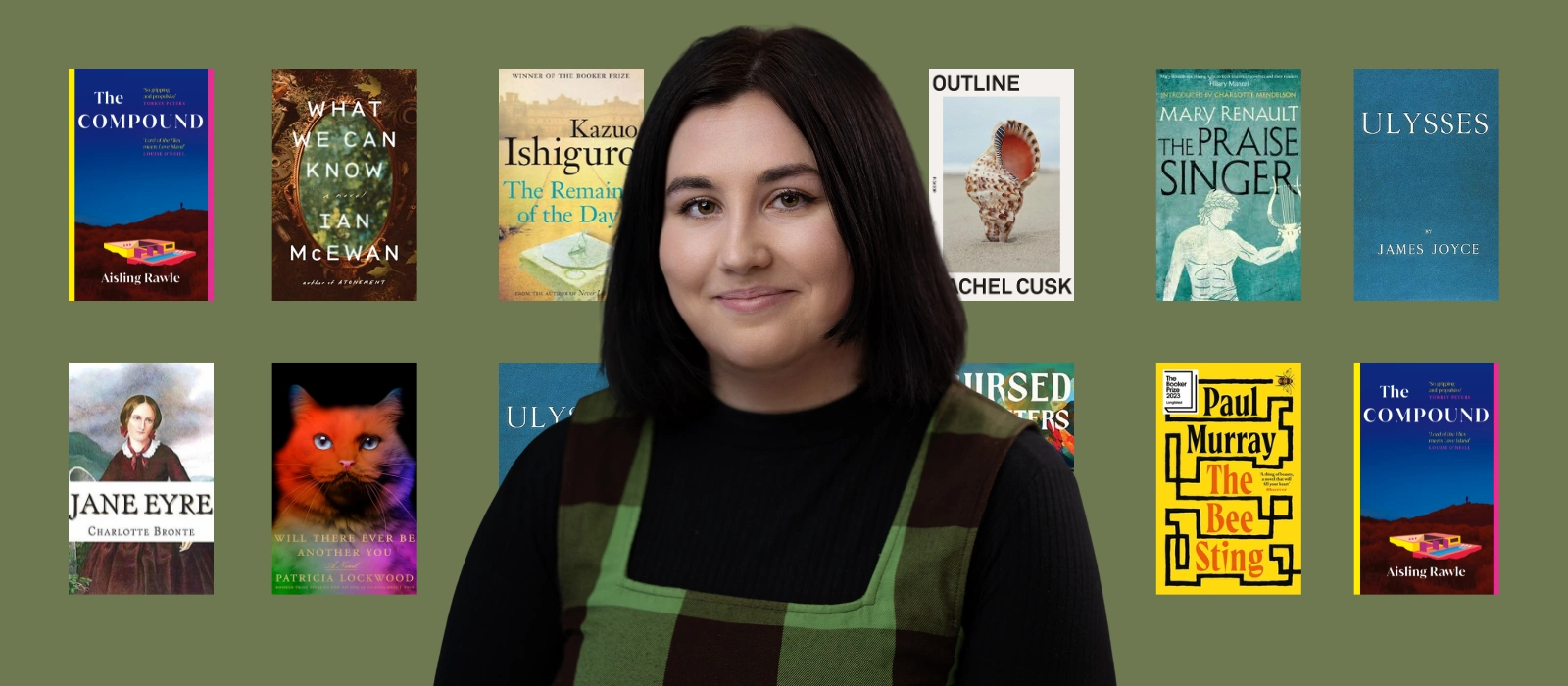
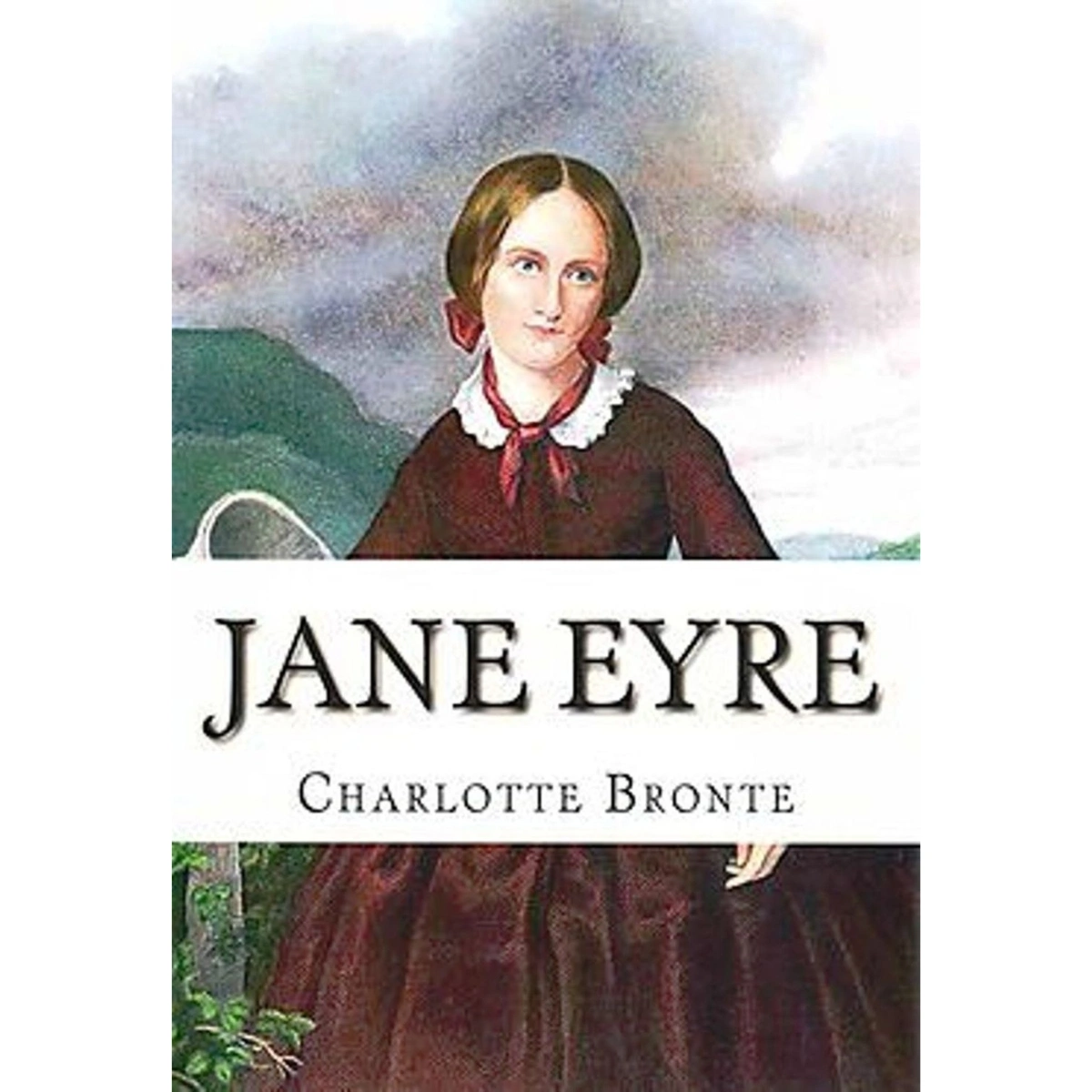
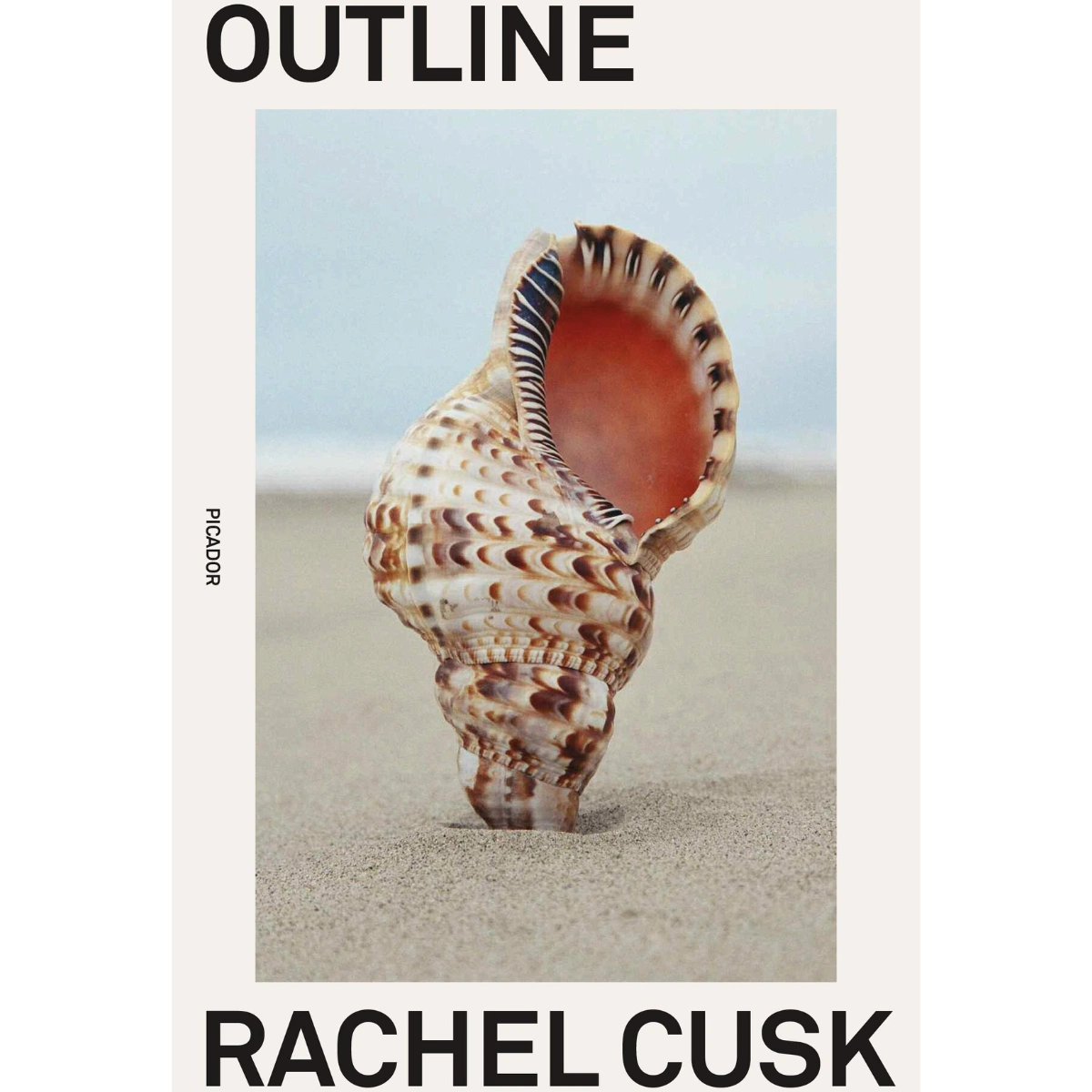
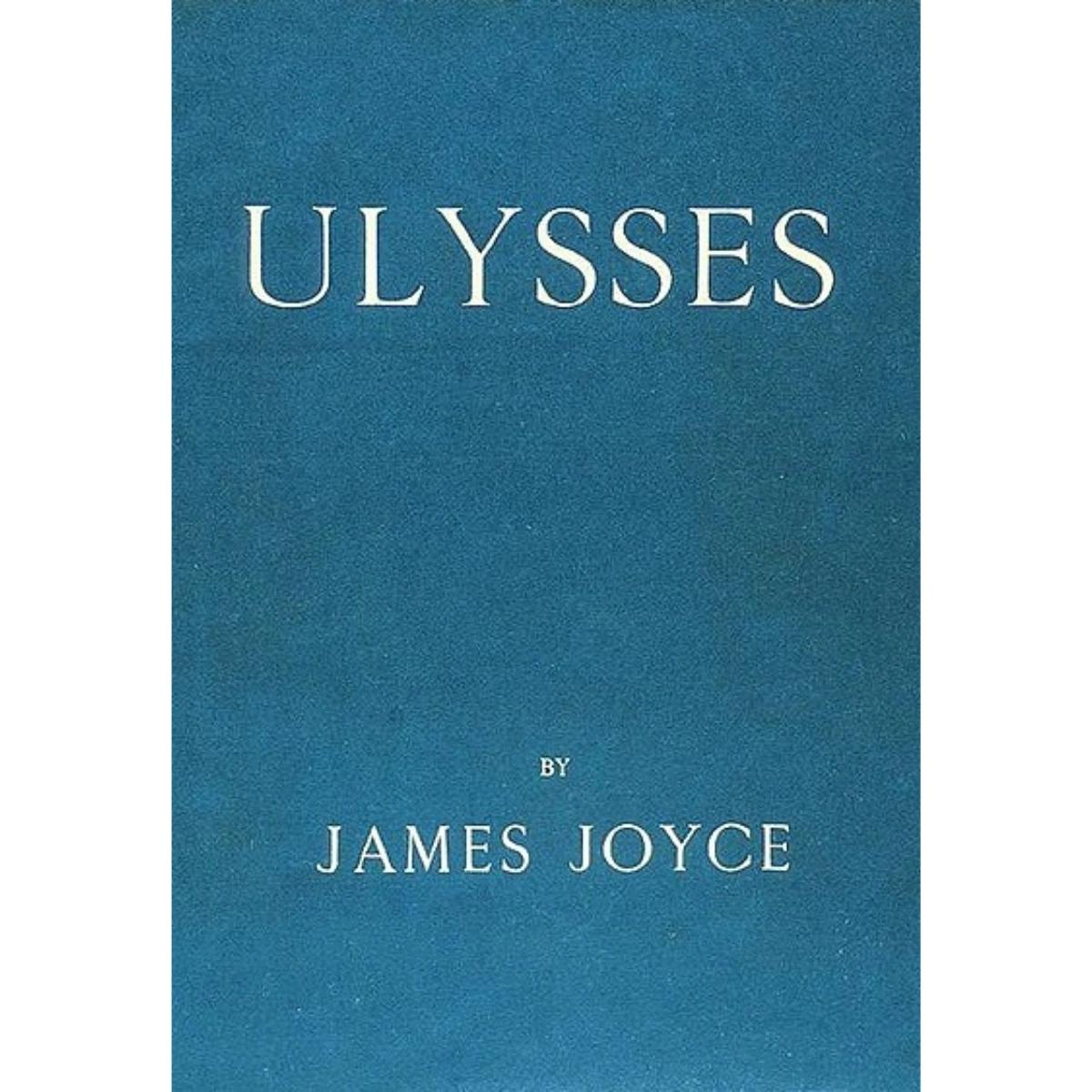
Impossible! But for now I’ll say: Jane Eyre by Charlotte Bronte, Outline by Rachel Cusk and Ulysses by James Joyce.
Who are some of your favourite authors, Irish or otherwise?
I love Paul Murray, James Joyce, Anne Enright, Sally Rooney, Kazuo Ishiguro, Elif Batuman, Mary Renault. The list goes ever on!
What are some upcoming book releases we should have on our radar?
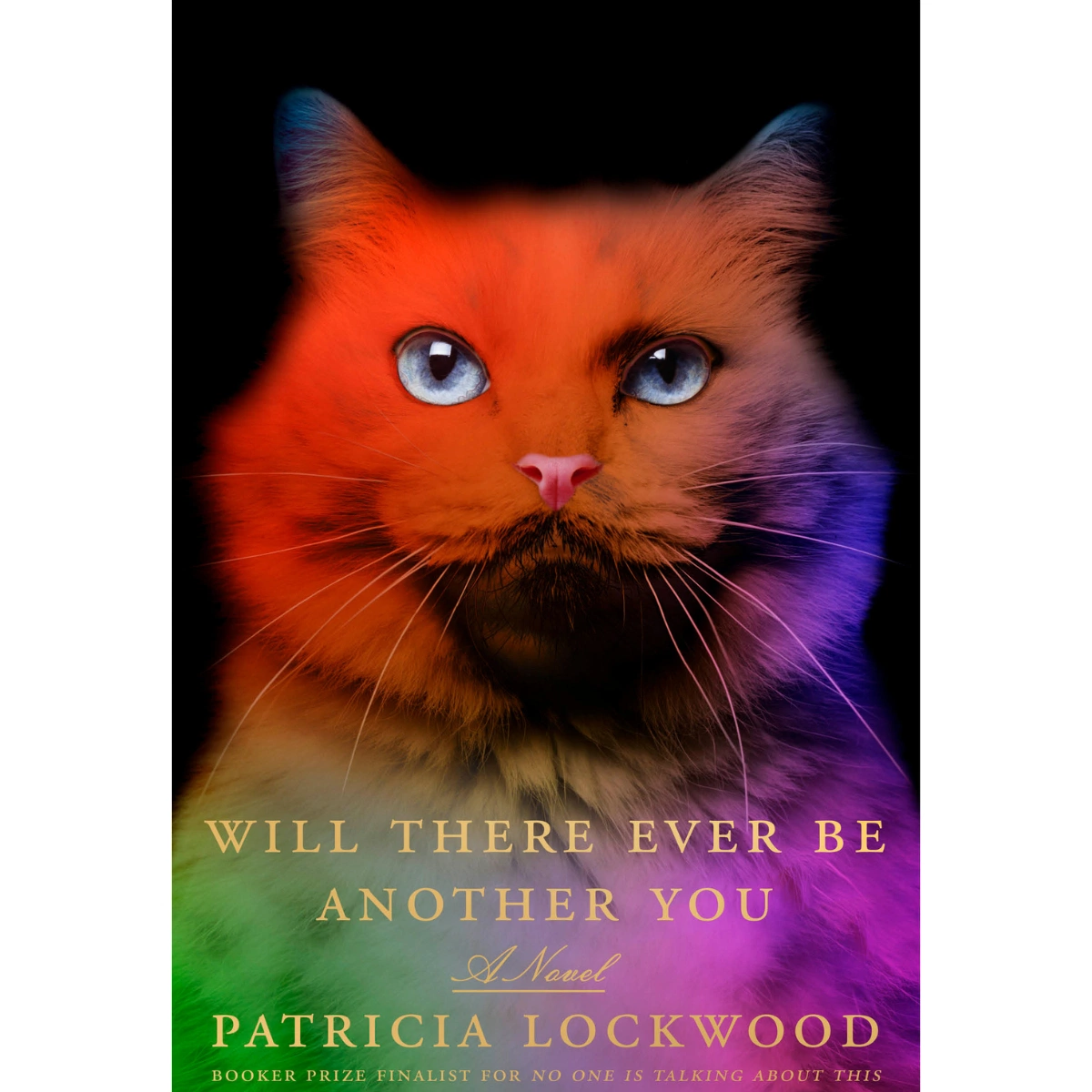
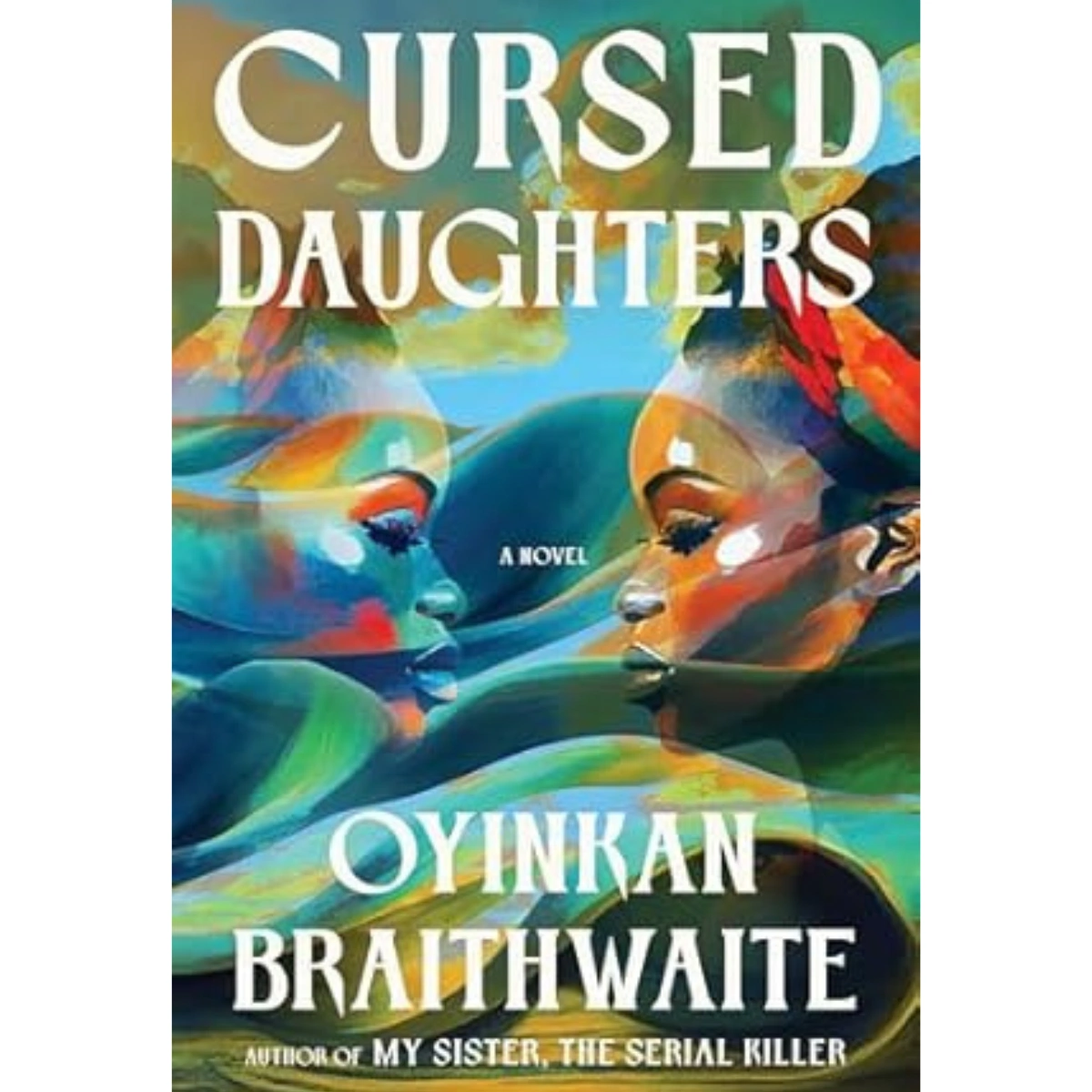
I’m looking forward to Will There Ever Be Another You by Patricia Lockwood, What We Can Know by Ian McEwan and Cursed Daughters by Oyinkan Braithwaite.
What book made you want to become a writer?
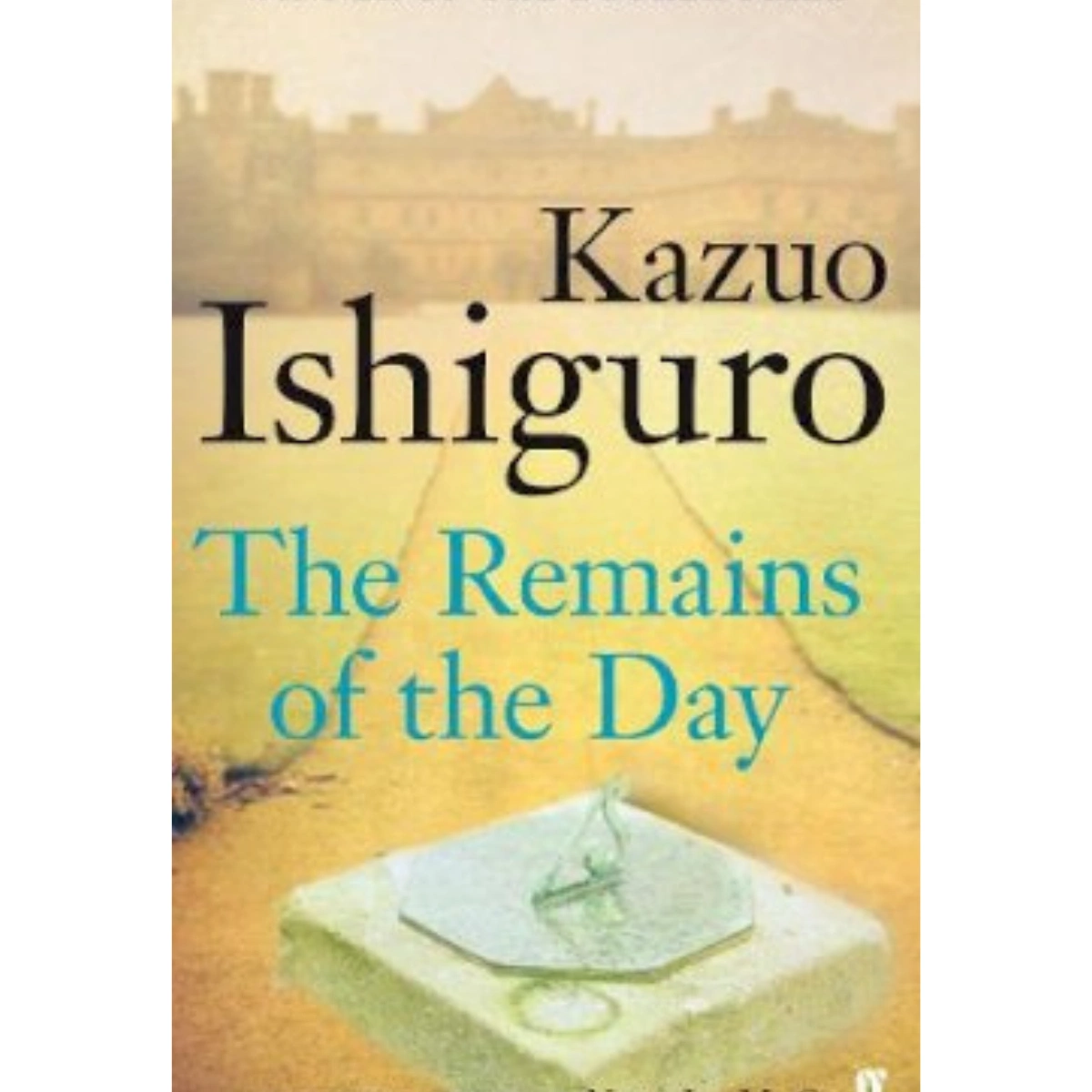
I think The Remains of the Day by Kazuo Ishiguro. He makes it look so easy, but it’s a novel of such deft skill, and such haunting depths.
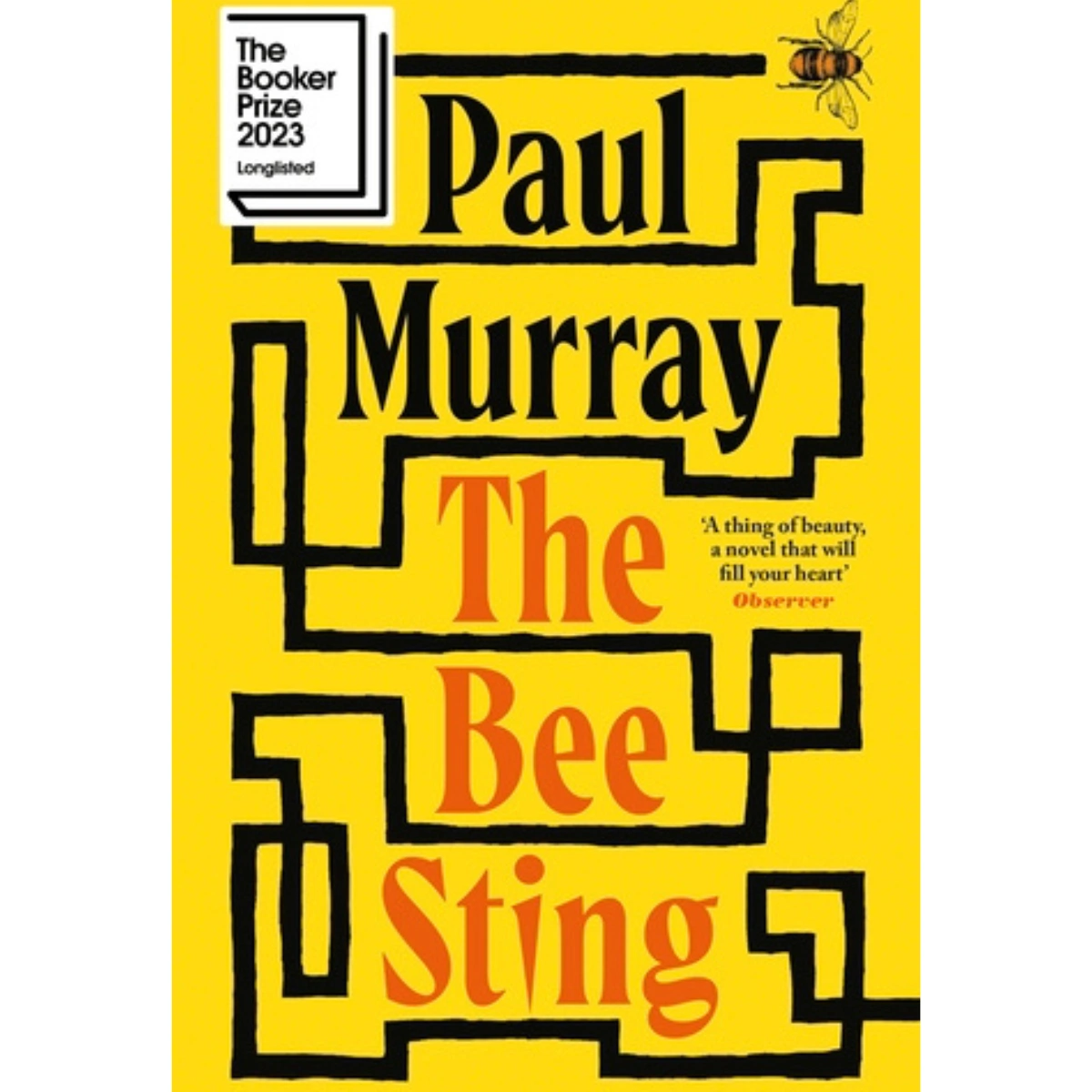
What’s one book you would add to the school curriculum?
The Bee Sting by Paul Murray — it is all of life, in one novel!
What’s the best book you’ve read so far this year?
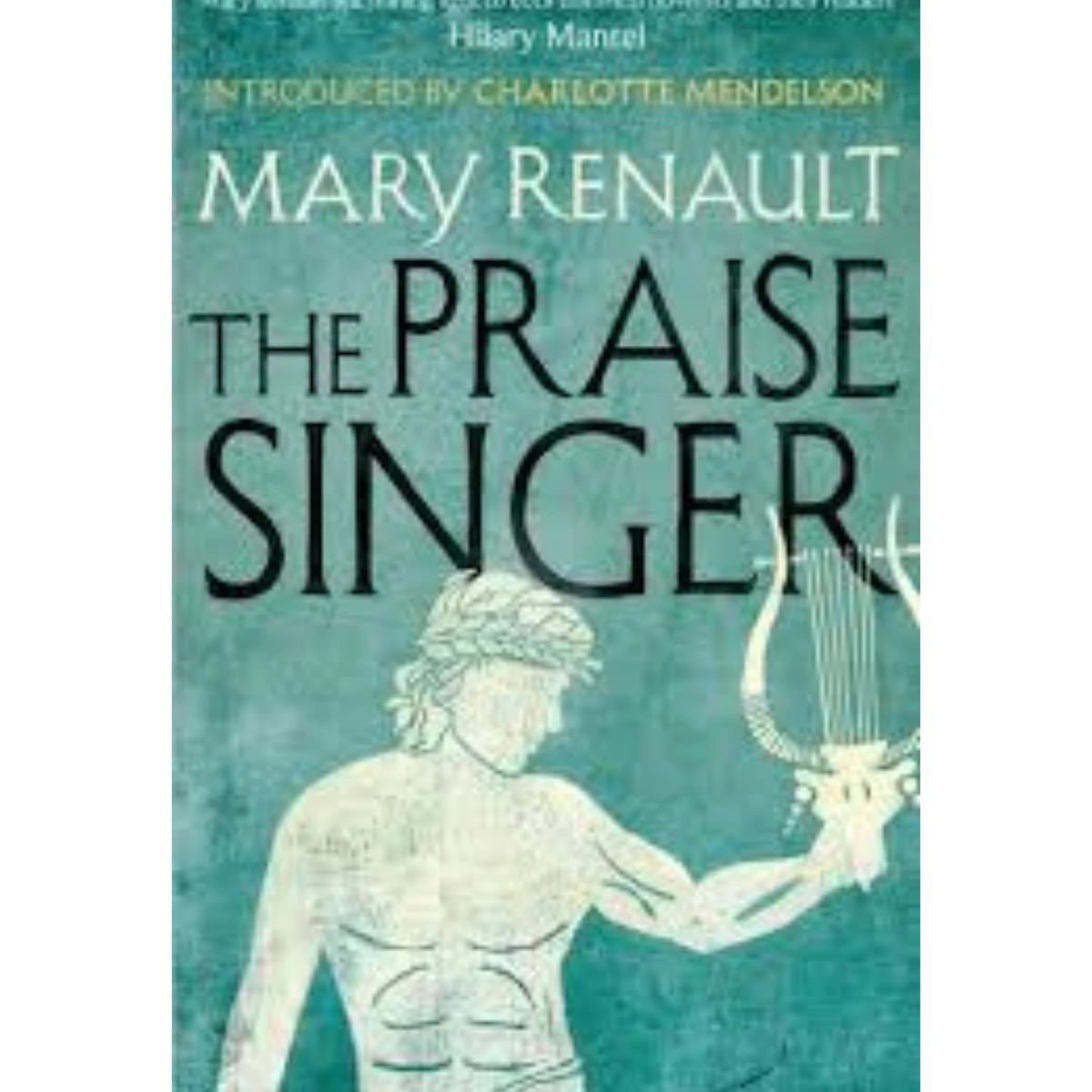
The Praise Singer by Mary Renault. I think about it almost daily.
What’s some advice you’ve got for other aspiring writers?
I read a great piece of advice about the correlation between reading and writing, which is: “You only vomit what you eat.” All of the technical parts of writing come with practice, and you’ll find your voice and style with time. But first: read. One can’t exist without the other.
Lastly, what do the acts of reading and writing mean to you?
For me, they are testaments to mankind’s capacity for empathy. Whether reading or writing, it is reaching out to someone you haven’t met, and seeking an understanding.
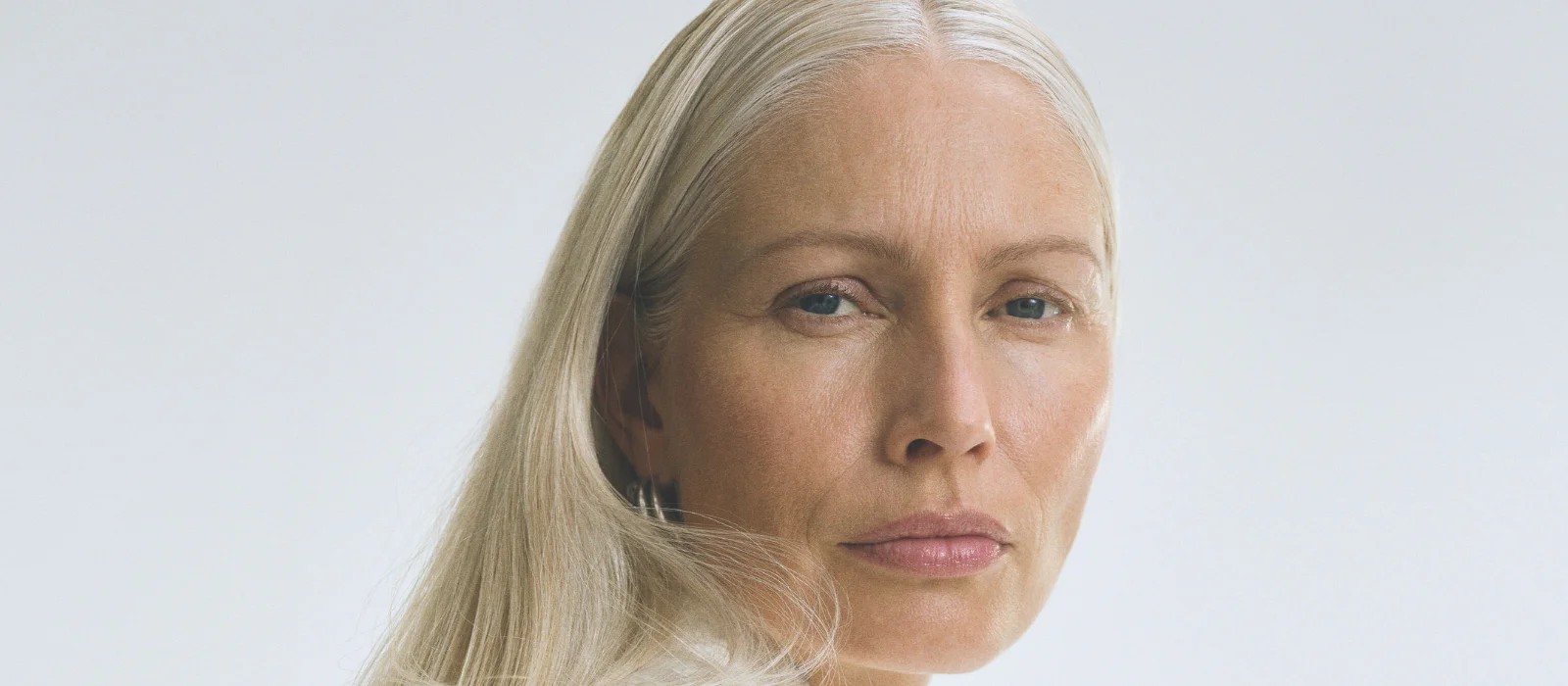
Portrait by City Headshots Dublin.
Also Read