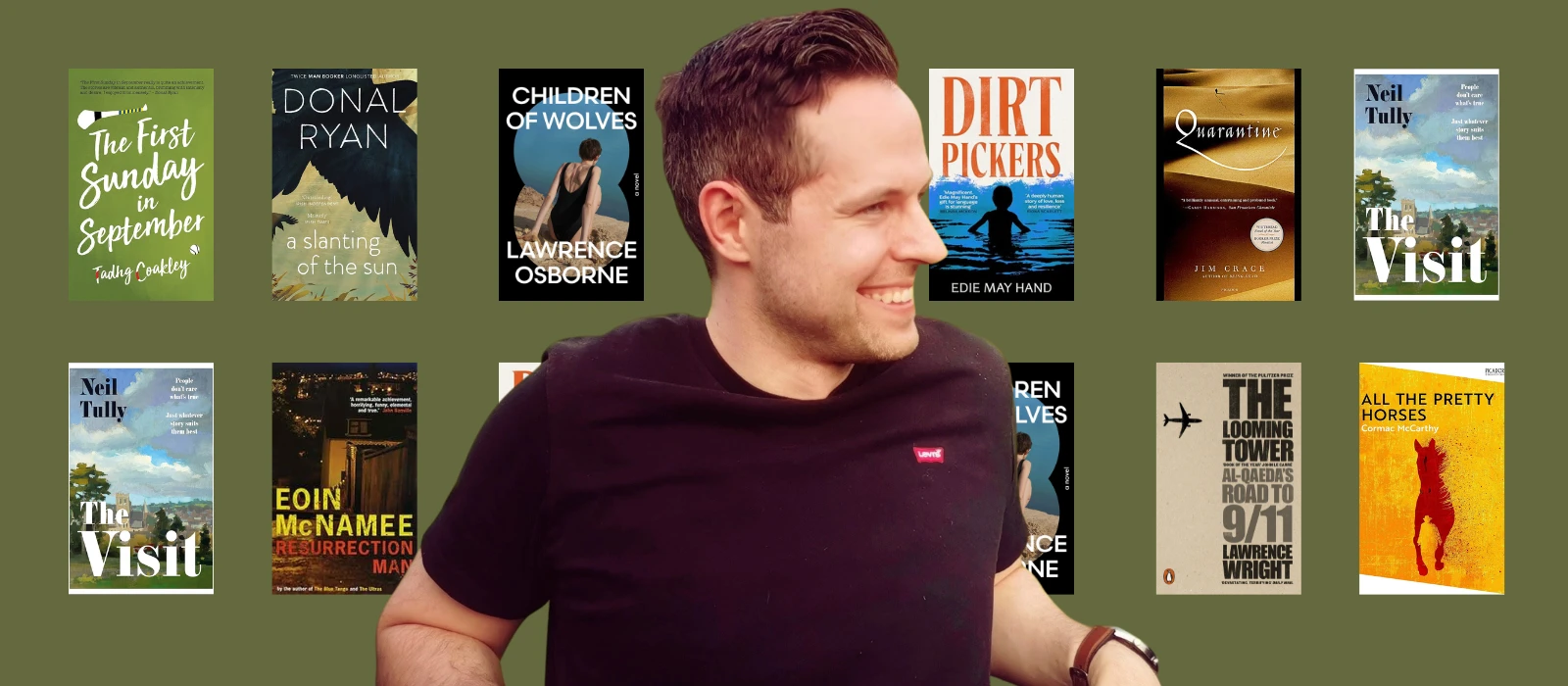







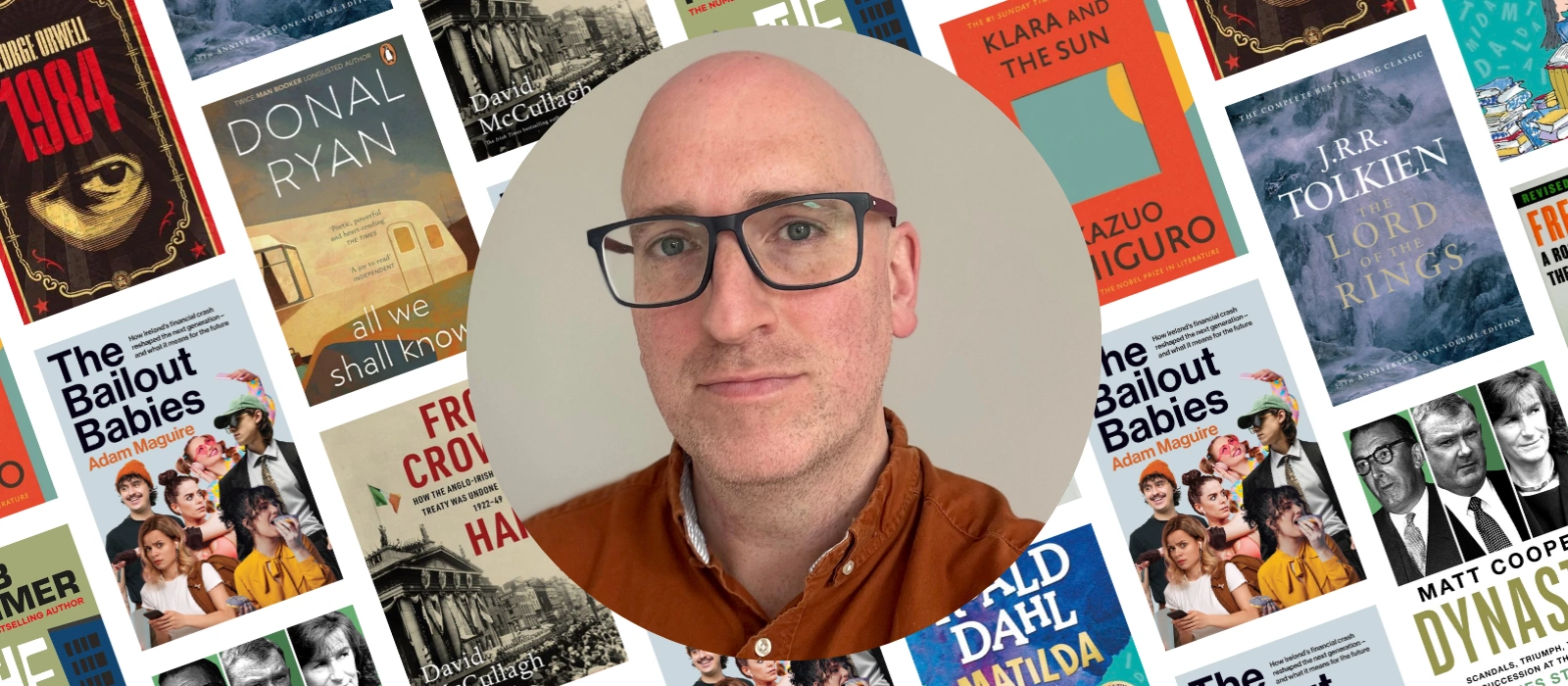
Journalist Adam Maguire’s debut book, The Bailout Babies, dives into the lives of a generation caught between Ireland's crash and comeback. Here, he discusses his long held desire to become an author, finding an interesting ‘in’ for the reader, and the staggering impact of the housing crisis on Ireland’s young people.
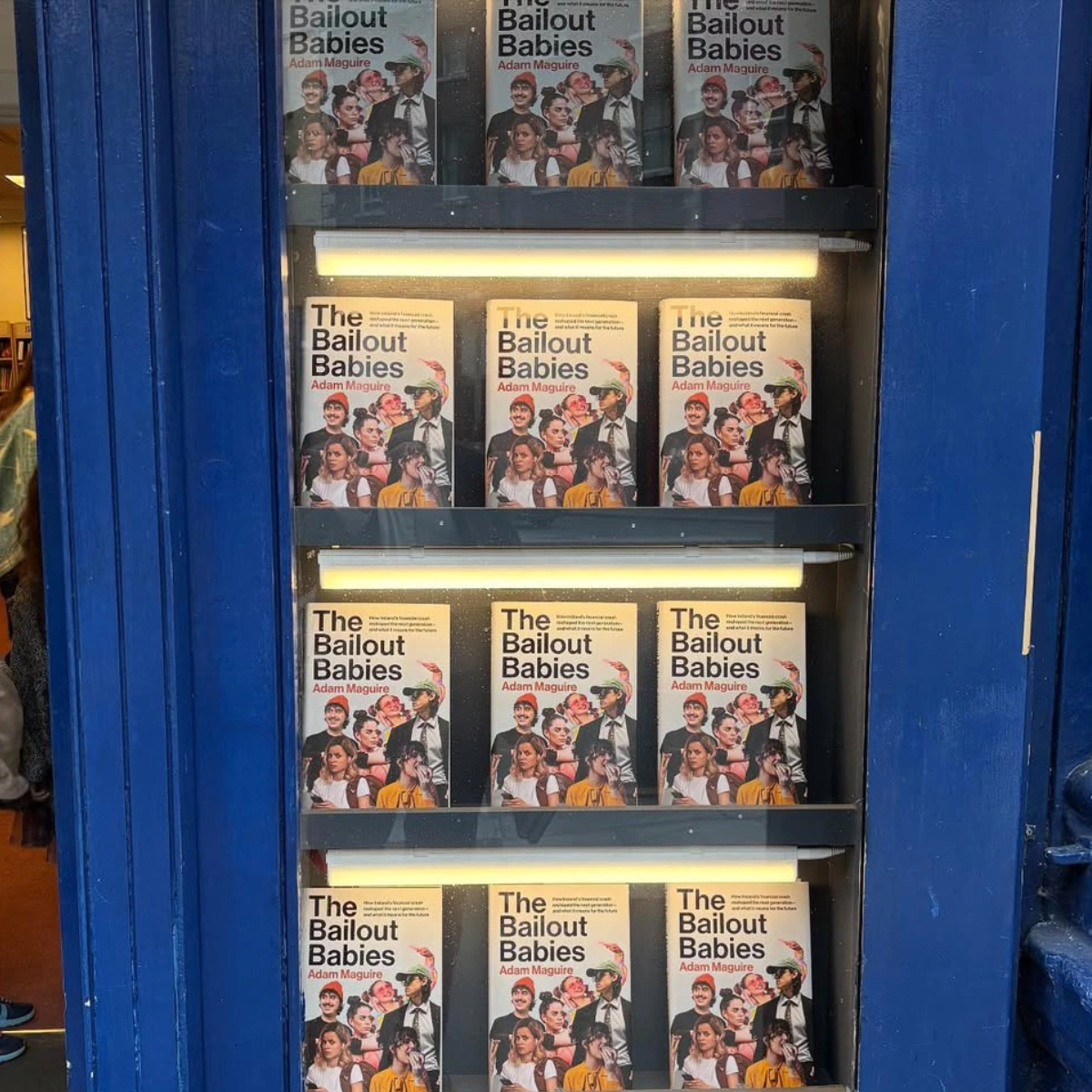
Adam Maguire is a television, online and radio journalist with RTÉ whose main focus is business, tech, media and current affairs. His debut book, The Bailout Babies, dives deep into the lives of a generation caught between Ireland’s crash and comeback.
Born in the boom, they grew up in an era of good jobs, easy debt and leisurely brunches. But before they were old enough to benefit – the crash hit, the bailout came, and with it a decade of austerity. Now in their late 20s and 30s, The Bailout Babies are stuck in economic limbo: back in childhood bedrooms or paying extortionate rent, working gigs instead of careers, swiping for love and managing anxiety.
However, this is not a story of failure – it’s a story of reinvention, of how a generation is finding ways to earn, spend and live. This generation is rewriting what adulthood looks like in post-boom Ireland. The Bailout Babies is a sharp, empathetic look at the most populous age group in Ireland – and what it means to grow up when growing up no longer means what it used to.
Did you always want to be a writer? Tell us about your journey to becoming a published author.
Yes – I’ve wanted to be a writer since my early days in primary school. I remember writing “books” when I was aged maybe nine or ten, which were really just very short stories. But my teacher at the time – Mr Doyle in Our Lady of Victories in Ballymun in Dublin – was always very encouraging and made me feel that it was something I could really pursue.
That stuck with me all the way through secondary school, and to be honest I only decided to study journalism because I thought it was wise to have a back-up plan. As I was interested in news and politics, and journalism was a form of writing, I figured it wouldn’t be a bad Plan B to have. But once I started college I found that I actually really enjoyed everything about it – especially radio, which I had initially thought I’d hate. By the time I had graduated I was keen to build a career as a journalist, and the idea of writing a book kind of went on the back-burner – though it never fully went away.
In more recent years I started doing a lot of work with the Today with Claire Byrne show around the likes of consumer trends, the stories behind every-day items and how business impacts us all in the real world. Through that I’ve spent a lot of time researching some of the stories that are often hidden under the surface of our day-to-day lives, and that led me to feel like there was a book in there somewhere.
I started talking to Sarah in Gill Books about the potential for a book in this space, and from there we developed one of the topics I’d previously written about, which eventually became The Bailout Babies.
What inspired you to start writing?
As a business and technology journalist I spend a lot of my time focusing on topics that can seem niche – like the quarterly results of a company many people haven’t heard of, or the details of a deal that involve absurd sums of money. And I’m aware of how disconnected from the real world these things can feel for the average consumer.
So I’m always keen to find an interesting “in” that might help to show just how relevant they can be in our daily lives. That might be a company with an interesting history, or how a product has changed over time. Or maybe it’s explaining the many steps involved in getting an everyday item onto the shop shelves, or even how a far-away weather event that happened last year is making your shopping more expensive today.
So having the opportunity to do a really deep-dive into those kinds of trends, and the cause and effect these things can have on people’s lives, was really exciting to me.
Tell us about your book, The Bailout Babies. Where did the idea come from?
I had worked on a piece for radio about Little Treats, and how younger people had developed different spending habits to their previous generations. As I found, part of this was being caused by their housing situation – and the fact that buying a home, or even renting, was increasingly out of reach for them.
It got me thinking about how we can often think of the housing crisis in black and white terms – and forget that the people who are locked out of housing are still working, spending and trying to live their lives.
The more I thought about it, the more I realised just how all-encompassing the impact of the housing crisis was, and how interesting people’s responses to it were. And I wanted to be able to dig a little deeper to get a better understanding of what was really going on for this generation, how they were changing the rules and reshaping the economy, and what that all may mean for the country as a whole.
What do you hope this book instils in the reader?
It depends on who’s reading it.
The people in this generation don’t need to be told how difficult things are for them – but I hope the book might help them feel less alone, and realise that their experience is replicated up and down the country. Maybe seeing how others are trying to find ways to manage might give them some hope or inspiration, too.
For older people – be it their siblings or parents or grandparents – I hope the book puts to bed the feeling many have that younger people today are lazy, entitled or careless with their money. The data makes clear that is not the case.
I hope, too, it might raise awareness around how the housing crisis could soon become a critical problem for everyone; even those with houses and good jobs who might feel like they’ve escaped its impact. And that might spark a conversation around how critical it is for everyone that the crisis is resolved.
What did you learn when writing this book?
While it wasn’t news that housing has become out of reach for many, I learned just how dramatically the gap has grown in the past decade.
But I also learned a lot about how this generation is dealing with that and trying to navigate through it. I was inspired by how resourceful and pragmatic they were, but I was also surprised and a little depressed by how disillusioned they were about the prospect of owning a house, and how so many of them were actively planning to emigrate in the near future.
Tell us about your writing process?
I had to fit writing in around my day job as a journalist in RTÉ and as a parent of two small kids – so it was a bit of a challenge!
Thankfully my work is relatively predictable – and some of my shifts are early mornings. That meant, on those days at least, that I could leave work and then dedicate the rest of the morning and afternoon towards writing. On other days I could also write in the evenings and weekends as I needed.
Most importantly, though, I am lucky to have an incredible and ultra-supportive wife who was okay with me spending so much extra time working – and okay with me doing a bit less at home for a few months!
In terms of my actual process when writing, I spent a lot of time trying to source and gather as many relevant pieces of research and data as possible which formed the backbone of the book. That involved a lot of searching, contacting different organisations and building spreadsheets to compile the data I’d found. Most importantly, though, I put a lot of effort into finding examples of people who were part of this generation – as I thought it was critical to hear directly from them and get a first-hand account of their experiences. To do that I spent a lot of time trawling social media, events pages, websites, newspapers and magazines to find events, meet-ups, groups and companies that would be part of their lives.
It was then a case of sitting with my laptop and tablet, trying to weave together personal stories, data and random pop culture references into something readable.
Where do you draw inspiration from?
In researching this I took a lot of inspiration from the young adults I spoke to – and the way they were trying to persevere and thrive despite facing such difficult circumstances.
Generally, though, I’m inspired by the writers and journalists who are able to make what can often be complex and seemingly-boring topics exciting and relevant – without dumbing them down. The likes of Jon Ronson, Oliver Sacks and Peter Pomerantsev.
Beyond writers I find inspiration in the work of a lot of online creators – like Lindsay Ellis (though she’s also a writer), Brian McManus (aka Real Engineering) and Alex Falcone.
What are your top three favourite books of all time, and why?
Hard to name just three, and this could be different if you ask me in a week’s time – but;
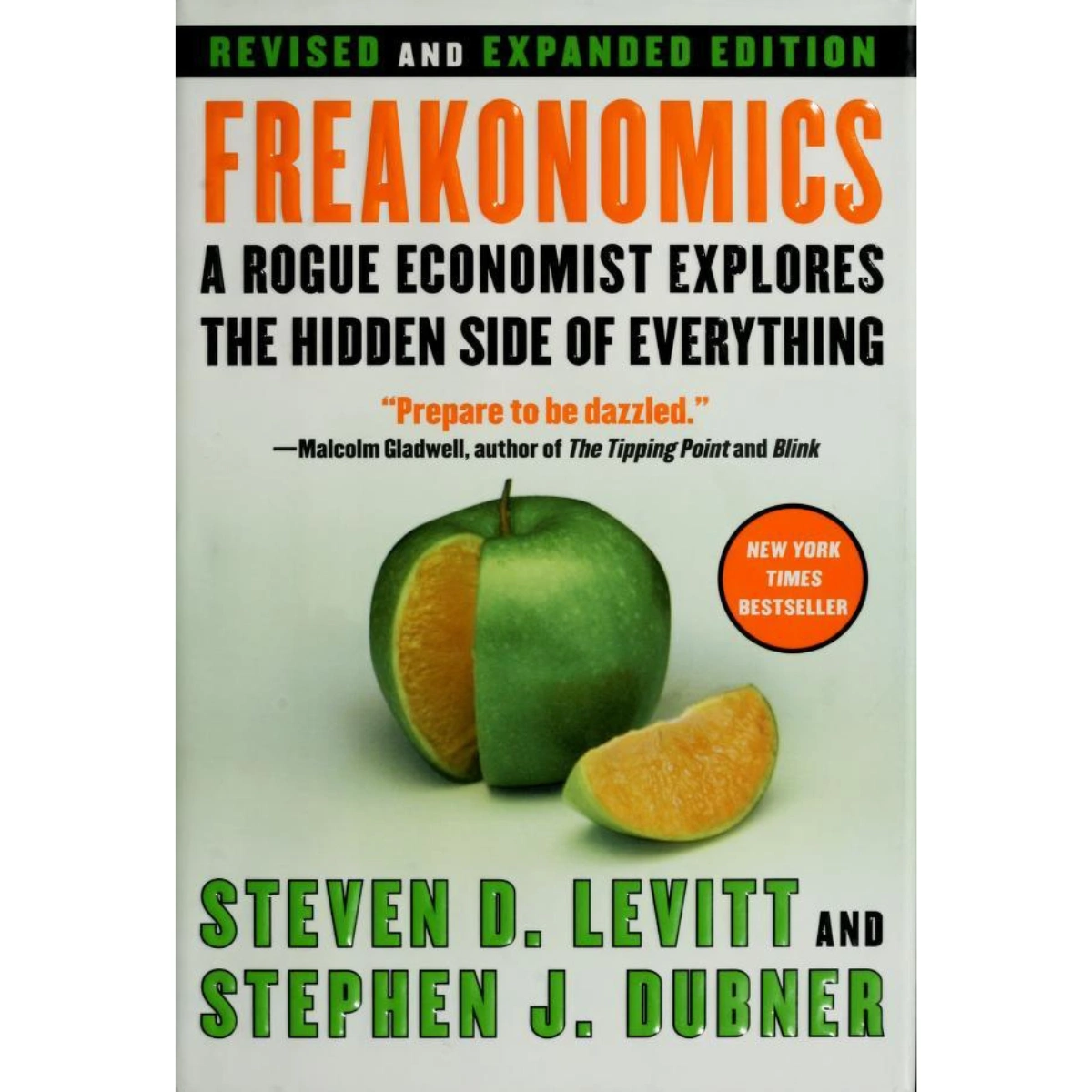
Freakonomics by Steven Levitt & Stephen J Dubner – probably the first book I read that showed me how seemingly dull topics can in fact be fascinating, and how good research and great writing can bring statistics to life.
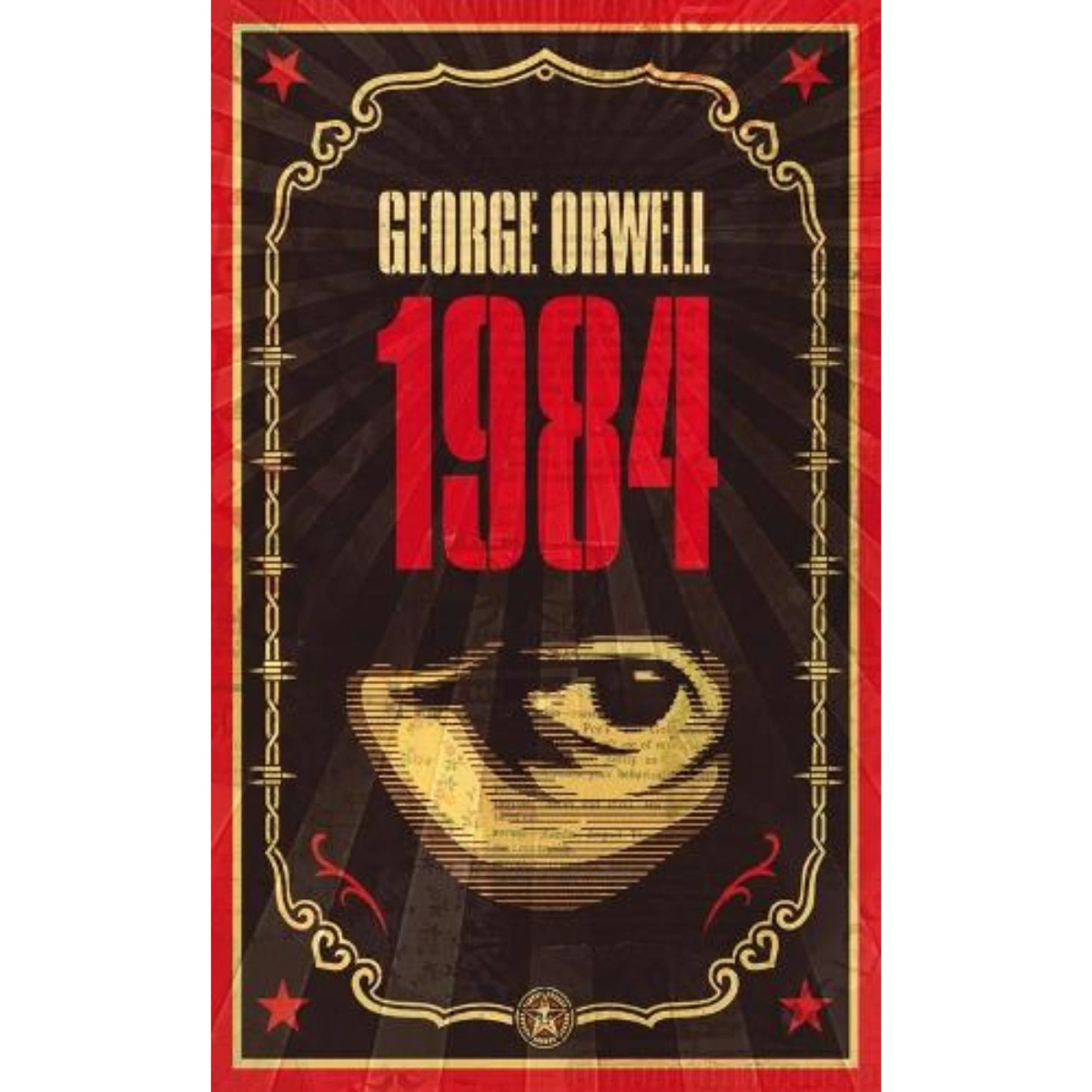
1984 by George Orwell – Not just a great story in itself, but a book that shows how powerful words and language can be, and a warning about the importance of truth and how facts can be warped and manipulated to suit differing agendas.
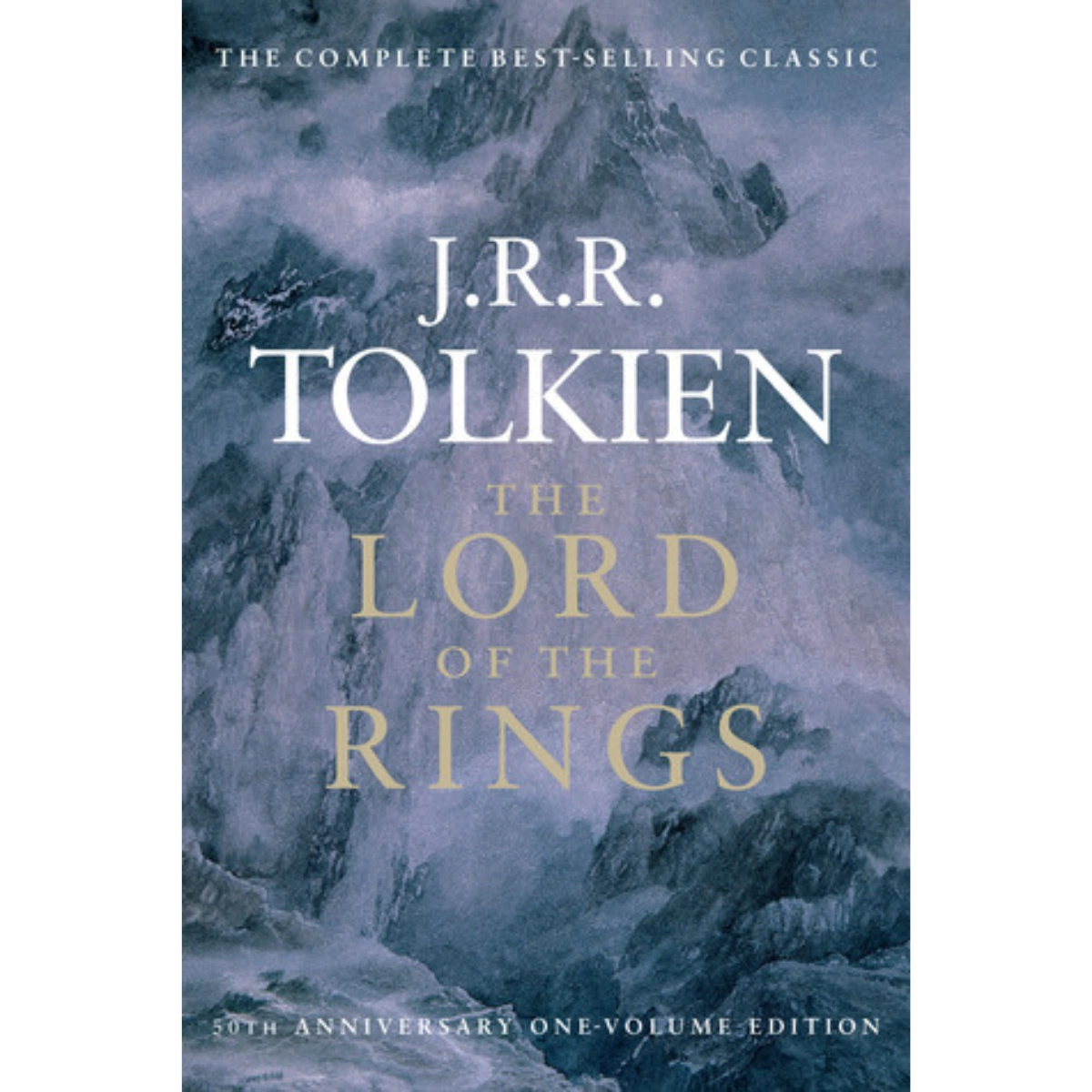
The Lord of The Rings by JRR Tolkien – Maybe I’m cheating by having three books in one here, and maybe it’s a bit cliché! But the breadth of the world that Tolkien created through the books, how vivid his writing is and his themes of the importance of nature, friendship, brotherhood and hope are all justification for its status as a classic.
Who are some of your favourite authors, Irish or otherwise?
Special mention has to go to Roald Dahl, who I’ve loved since I was a kid. His ability to mix darkness and wonder – and somehow make it (mostly) kid-friendly is amazing. The Enormous Crocodile was one of the first books I remember reading for myself and it’s magical to now be reading it to my own kids.
Aside from Dahl, some of my favourite writers include Iain Banks, Donal Ryan, Jon Ronson, Naomi Klein, Michael Lewis, David Sedaris, Earnest Hemingway and Margaret Atwood.
What are some upcoming book releases we should have on our radar?
I’m really looking forward to David McCullagh’s From Crown to Harp (and not just because he’s a colleague!). I’ve always loved the politics and the nuances of the early Irish state, and David is the authority on all of that.
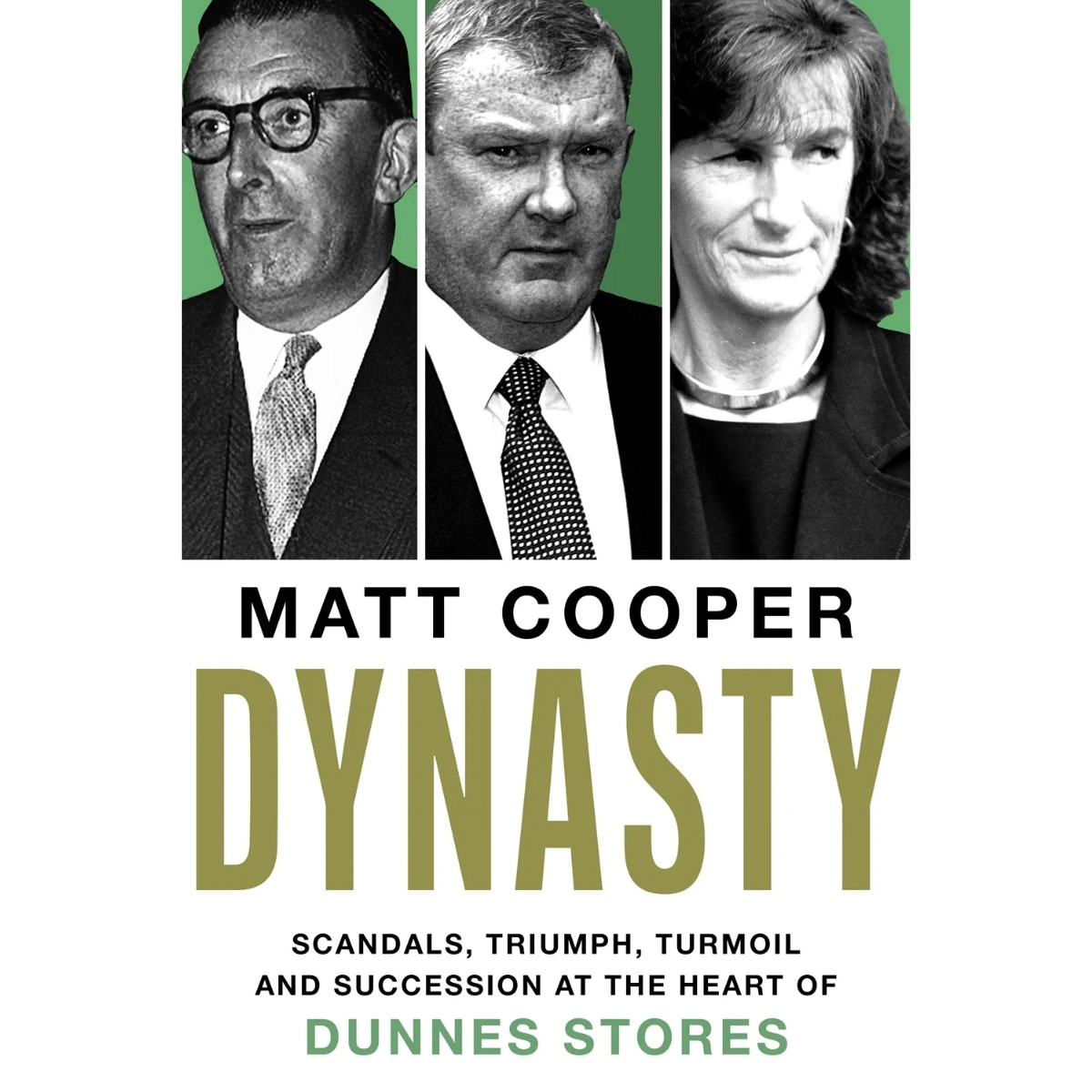
Dynasty by Matt Cooper looks to be really promising too. I know a little about the Dunne family and their history in business, but I expect there’s an awful lot more to their story.
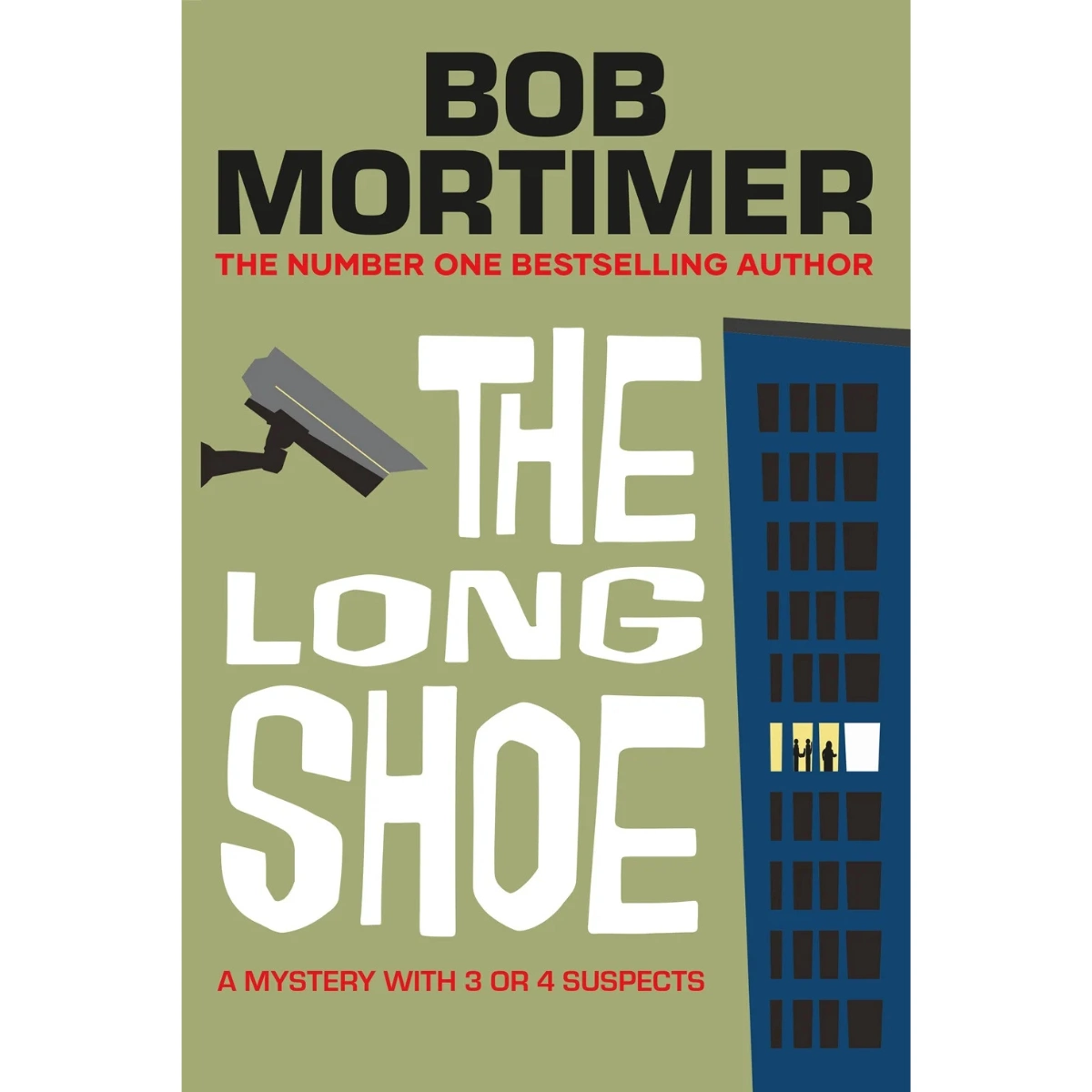
And for something completely different, Bob Mortimer’s The Long Shoe. He’s one of my favourite comedians of all time and it turns out he’s a superb author, too. His autobiography was funny, silly and beautiful in equal measure and he’s somehow managed to seamlessly transfer that into some great fiction writing.


What book made you want to become a writer?
Not sure if there was a single book, but I was probably most inspired to write by Roald Dahl.
The worlds he could create with his writing, how engaging his stories were and how he always made the reader feel like they were in on the joke always amazed me. I still remember doing that stereotypical thing of staying up way too late, reading Matilda with a torch because I couldn’t bear to wait another day to find out how it ended.
What’s one book you would add to the school curriculum?
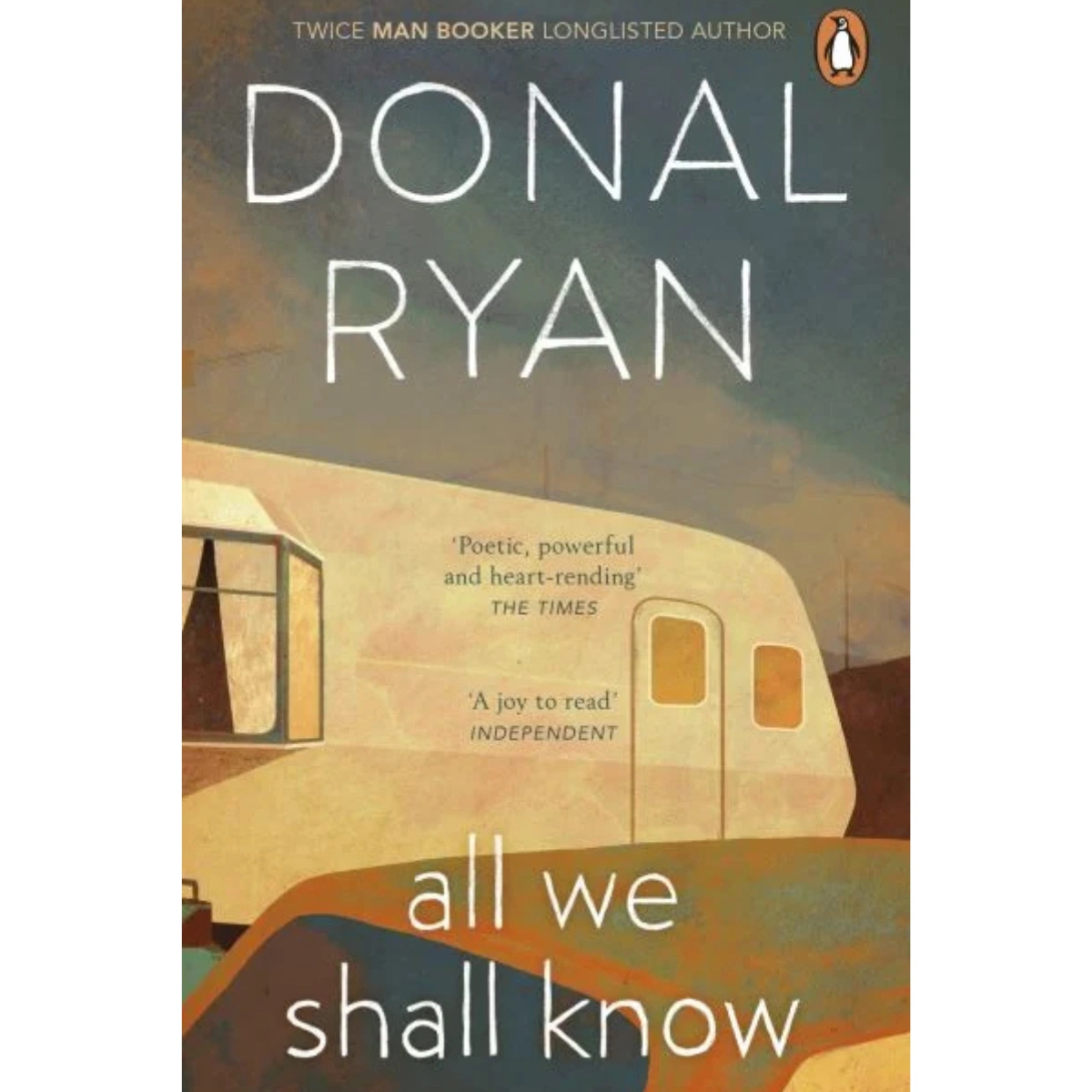
All We Shall Know by Donal Ryan.
It’s beautiful and heart-breaking, thought-provoking and debate-stirring. It’s also not a long read – and it’s an Irish author. Perfect for the curriculum!
What’s the best book you’ve read so far this year?
I’ll be honest and say I haven’t finished it yet, but I’m really enjoying Klara and the Sun by Kazuo Ishiguro at the moment.
It’s out a few years now but could have come out yesterday given how it deals with artificial intelligence, robotic assistants, how people form bonds with technology and what all of this means for humanity.
What’s some advice you’ve got for other aspiring writers?
It may be obvious but write as much as you can, as often as you can. Read over your work – as hard as that can be sometimes. And, if you can, write for an audience. Even if it’s an audience of one through a blog or substack. It’s almost like quantum physics – knowing it will be observed changes the result!
As well as that, consume as much writing as you can – not just books but newspapers, magazines and social media threads. Try to keep in touch with what people are talking about and how they interact. And don’t just think of writing as the written word – there is great writing and thinking in long-form YouTube videos, podcasts and TV/film. You never know what idea or fact or turn of phrase might inspire you, and you never know what new things you may discover.
Lastly, what do the acts of reading and writing mean to you?
Writing has always been a great release for me – even when it was just the dodgy poetry I wrote for myself only as an angst-ridden teen.
Nowadays it can feel like a puzzle I’m trying to solve, and there’s a great sense of satisfaction that comes from piecing together different threads, quotes, facts and events into one piece.
As for reading, it can be anything from a great escape to an education. I’m not great at carving out enough time in my day to read, but when I do it’s rarely time wasted.
The Bailout Babies by Adam Maguire (€22.99, Gill Books) is on sale now.
Also Read