


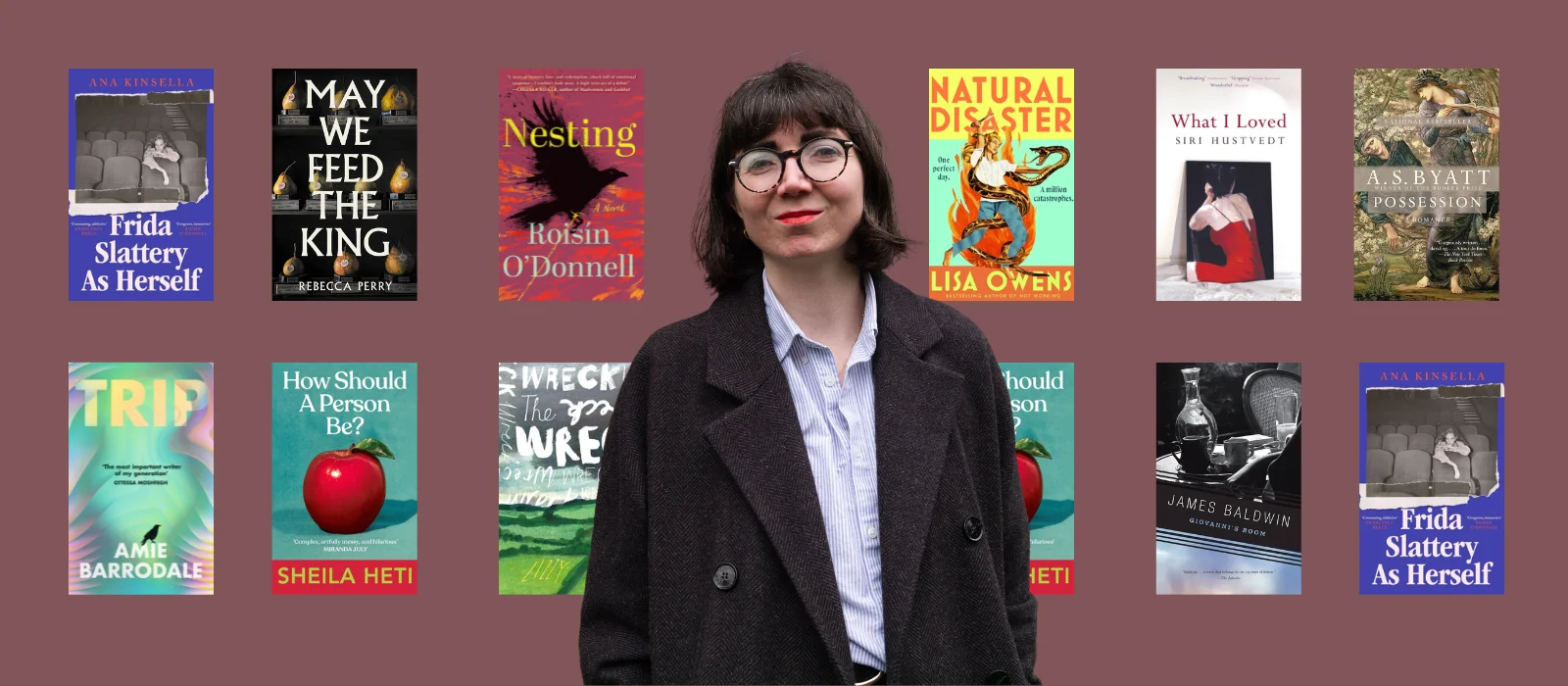

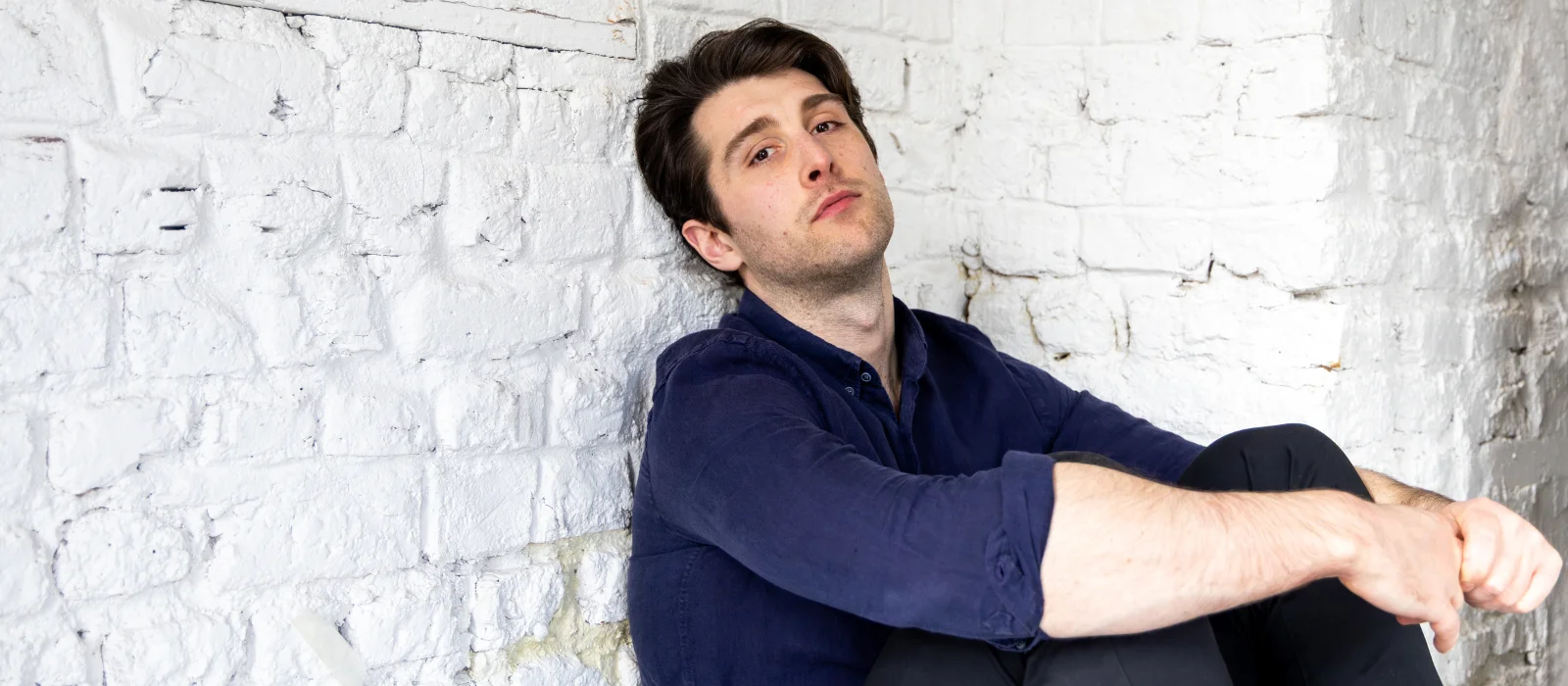
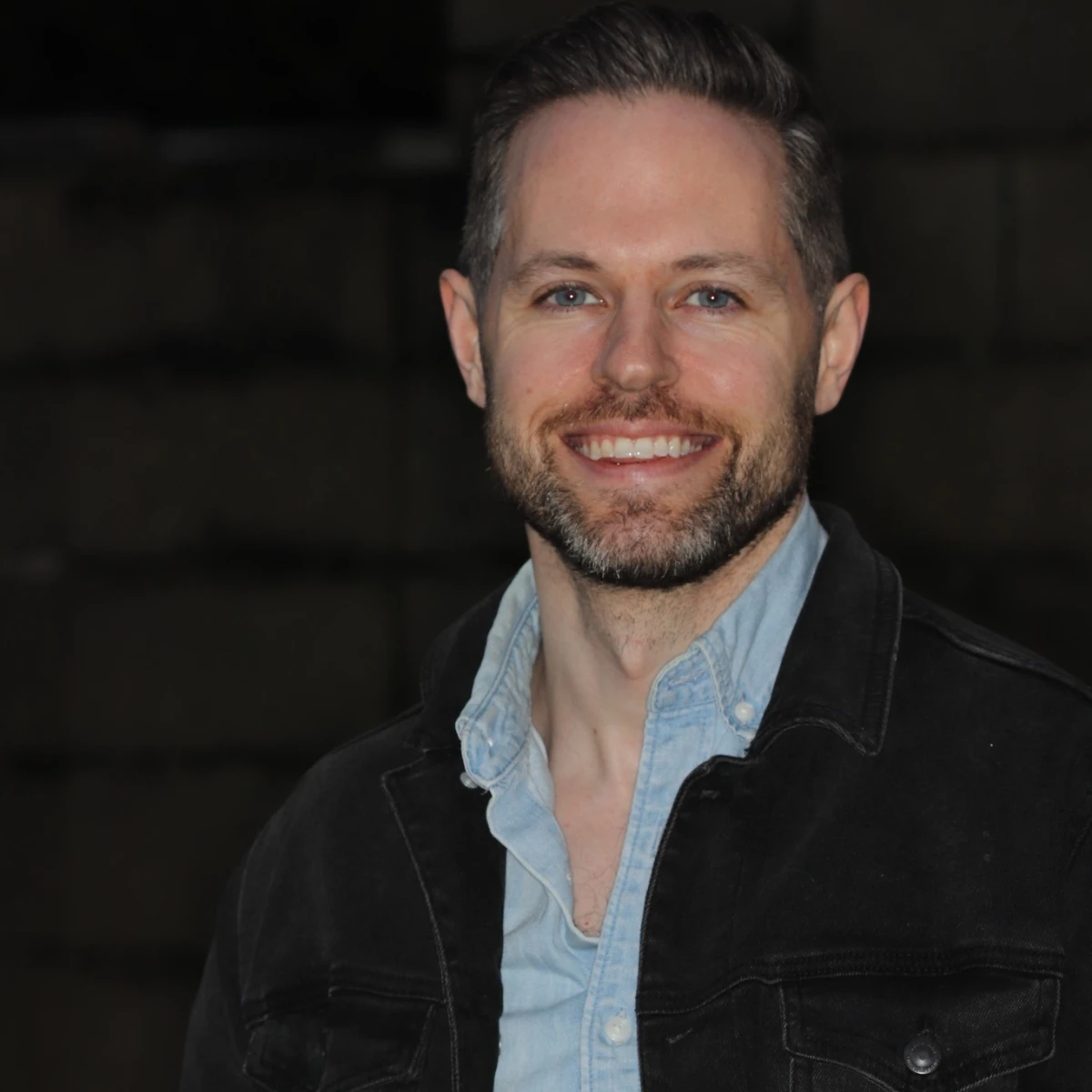
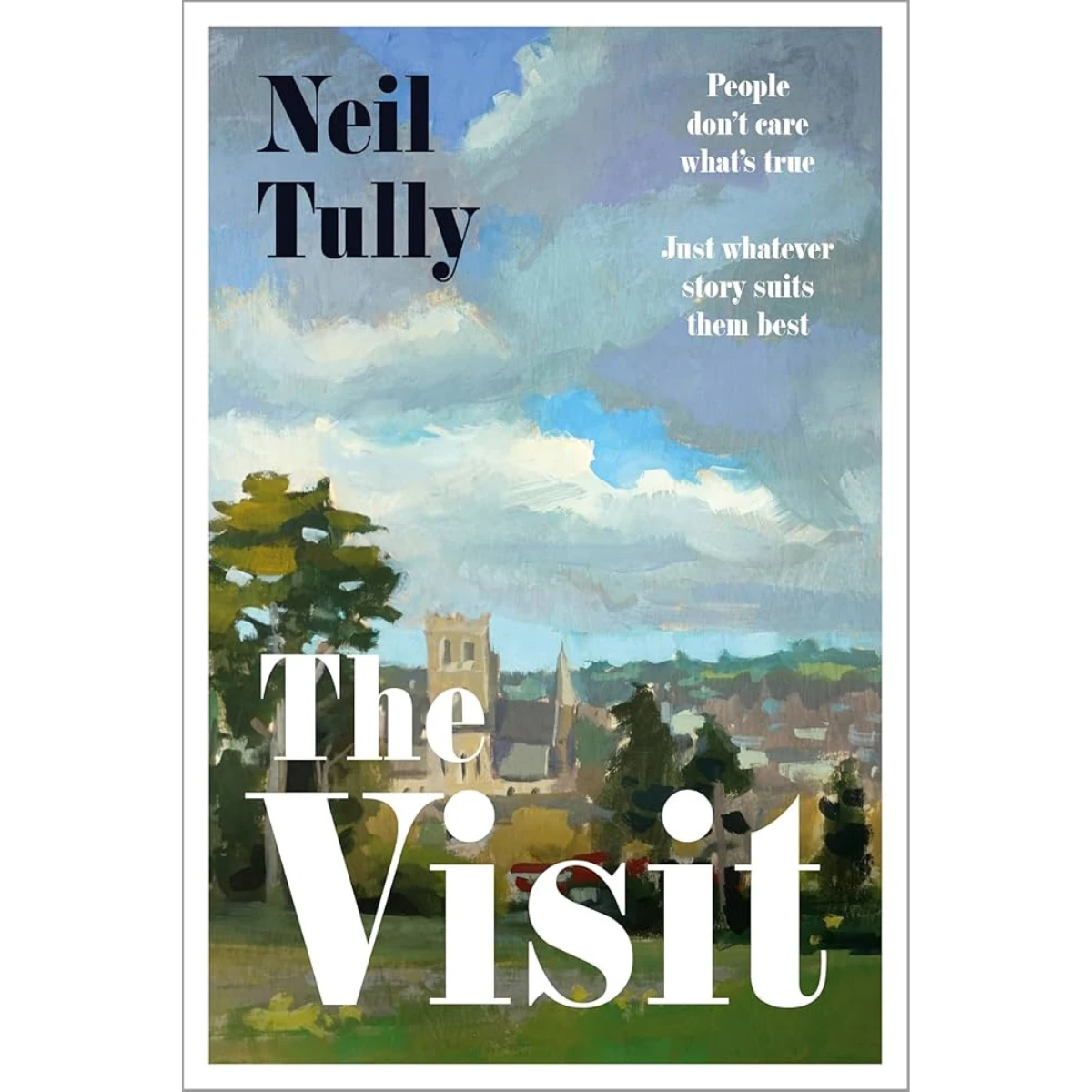
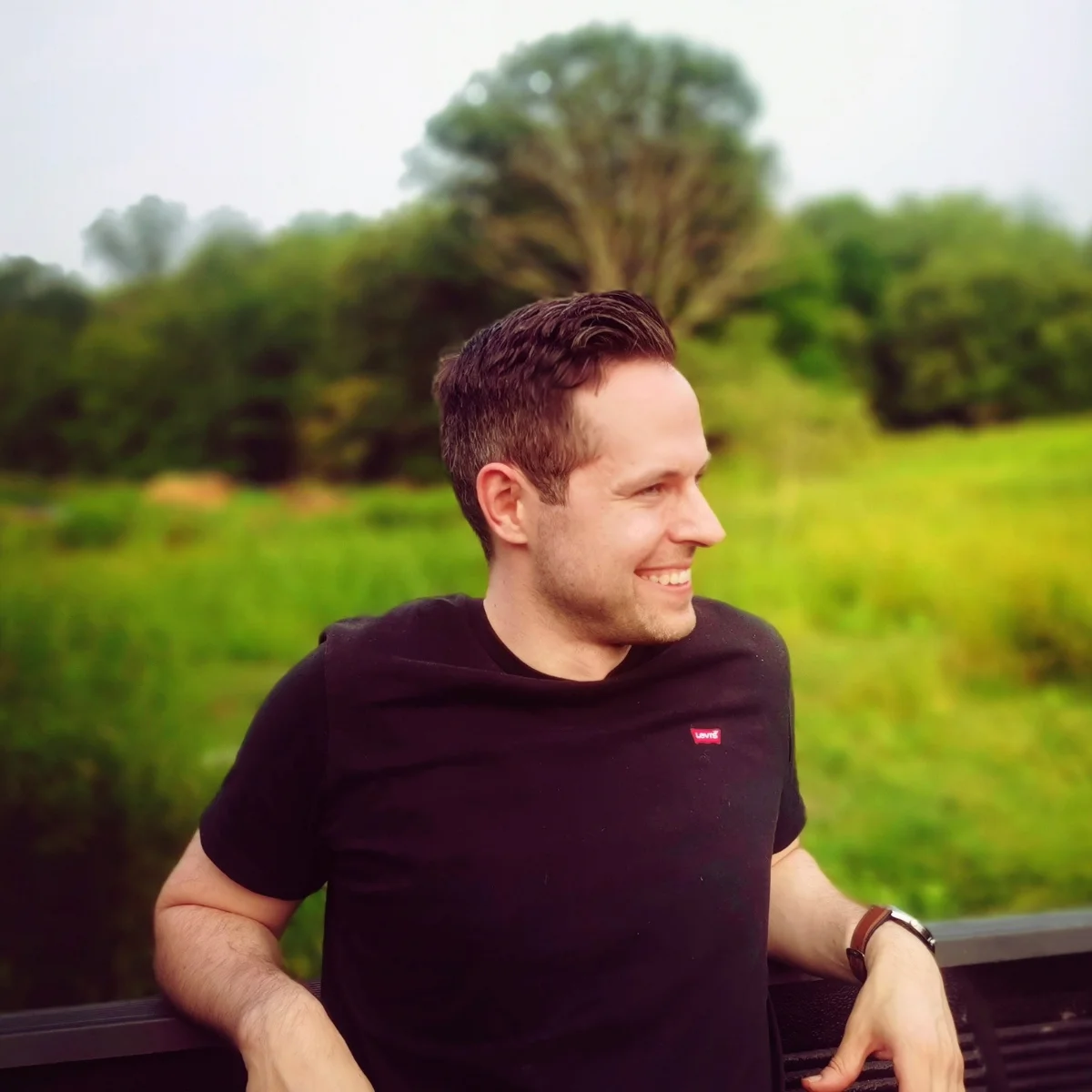
Debut novelist Neil Tully connected to storytelling through a love for music and appreciation for songwriters. His newly released book, The Visit, is the kind of book he likes to read: set inside a small town, with a sense of trouble lurking, and a strong focus on mood and atmosphere.
Neil Tully grew up in county Mayo, has won several prizes for short fiction and holds an MA in Creative Writing from the University of Limerick. He lives in Cork with his wife. The Visit is his first book.
‘The lad is a bit like a stray dog. I keep an eye on him and throw him a few scraps. There are plenty of people in this town who’d just as soon drop him off in the wilderness and hope there’s no scent to follow home. The problem is that Patrick could find his way out of any wilderness and they wouldn’t like whatever starved thing came back.’
Sergeant Jim Field feels a guilty paternalism for Patrick Hatten, a young man struggling to find a job, a life and a purpose in a small-town Wexford community. Both are used to being on the fringes but while Jim is a romantic with bad health and regret, Patrick is full of anger and action, and his actions could have devastating effects.
Did you always want to be a writer? Tell us a little about your journey to getting published.
That idea only took shape as my writing improved. I was writing consistently for ten years before this book was published, and if it wasn’t published, I’d do the same thing for the next ten years – I love to write. I’ve probably had a similar journey to many in terms of sending out work for competitions and magazines and getting incremental boosts of confidence and progress. I was patient with this novel and sent it to a single agent who represented writers I see as good role models, and it has worked out well. It’s been great handing it over to talented people to turn it into a book.
What first inspired you to start writing?
I grew up exposed to the music of great storytelling songwriters, and my father loved to read and encouraged it. I think all of that seeps into you when you’re young, but I only started writing consistently after college. I did a short course in Edinburgh and it felt like something I should have been doing all along.
Tell us about your new book. Where did the idea come from?
The novel is set in New Ross in 1963. It’s about a Garda Sergeant who feels guilt and responsibility for a troubled young man who is being left behind by the social change happening in Ireland, epitomised by the upcoming visit of President Kennedy. I like books with small towns, a sense of trouble lurking, with focus on mood and atmosphere. Landscape and nature are important. So I’ve written the sort of book I like to read, rather than a single moment or idea coming to me, but I do remember looking at the black and white faces in Ryan Tubridy’s JFK in Ireland and giving some of them stories. I’m sure the idea of a troubled young man who seemed to be from a different century to JFK was conceived there.
What do you hope readers take away from the book?
I think my generation can be guilty of reducing men and women from the past to tweet-sized opinions at times, and it’s rarely helpful or interesting. It should be possible to recognise real problems in Ireland’s past, while also acknowledging that men and women who came before us worked for the same progress we want for people we care about, and we have benefited massively from it. Mostly though, it’s in the hands of each reader and I get no say in it beyond the writing.
What did you learn while writing this book?
Plenty about the fascinating history of New Ross. There are centuries of stories and conflict that a writer could mine for a long time – from the Normans, to the 1798 rebellion, to the month I’ve tried to capture.
Can you tell us about your writing process?
It’s consistent. I write mostly at a desk, but edit anywhere. I don’t set a target of words, but aim for some forward momentum every day whether it’s planning, writing, editing, or if nothing is coming then at least reading books that get me excited about writing again. I try to not miss a day.
Where do you get your inspiration from?
From better writers, and also from music. Music can create a tone or atmosphere to bring to work. The same can happen when reading a sentence or paragraph with a certain flow.
What are your top three favourite books of all time — and why?
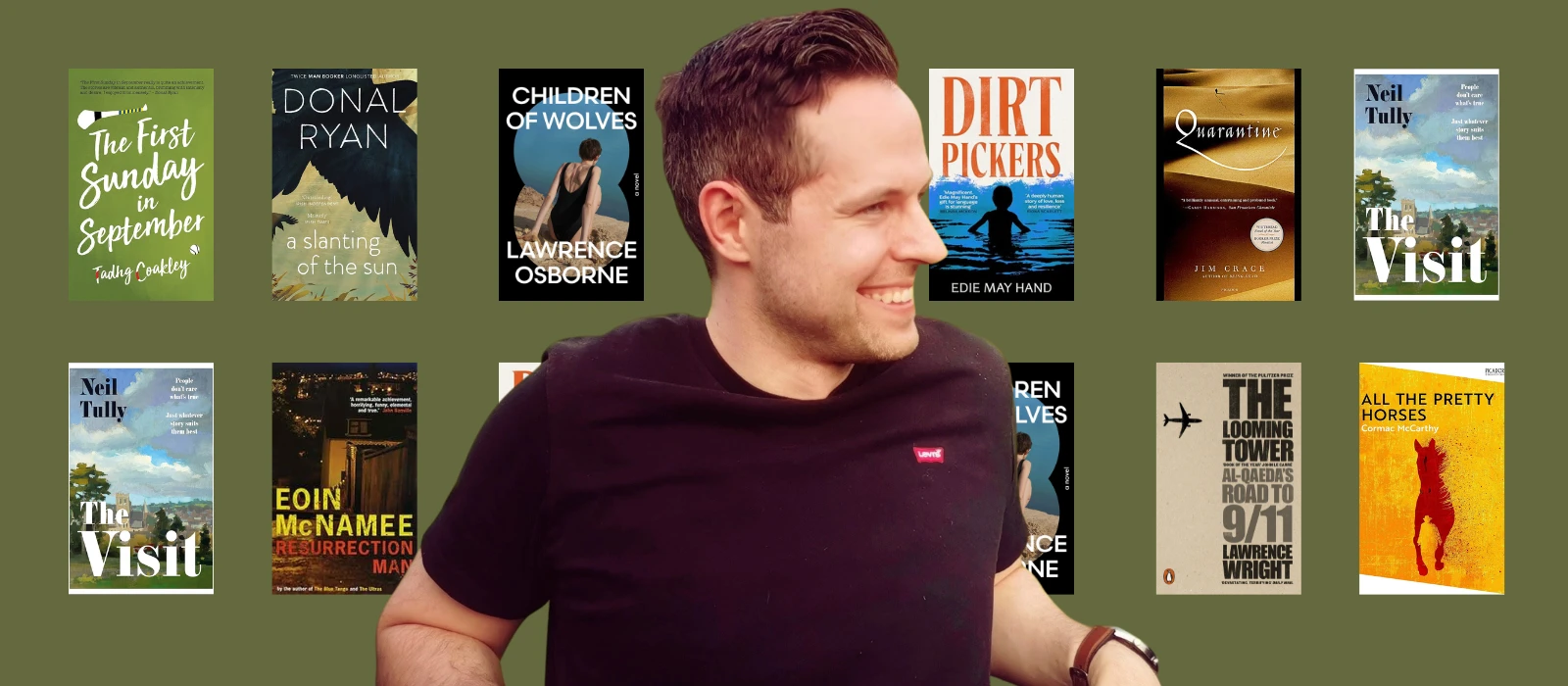
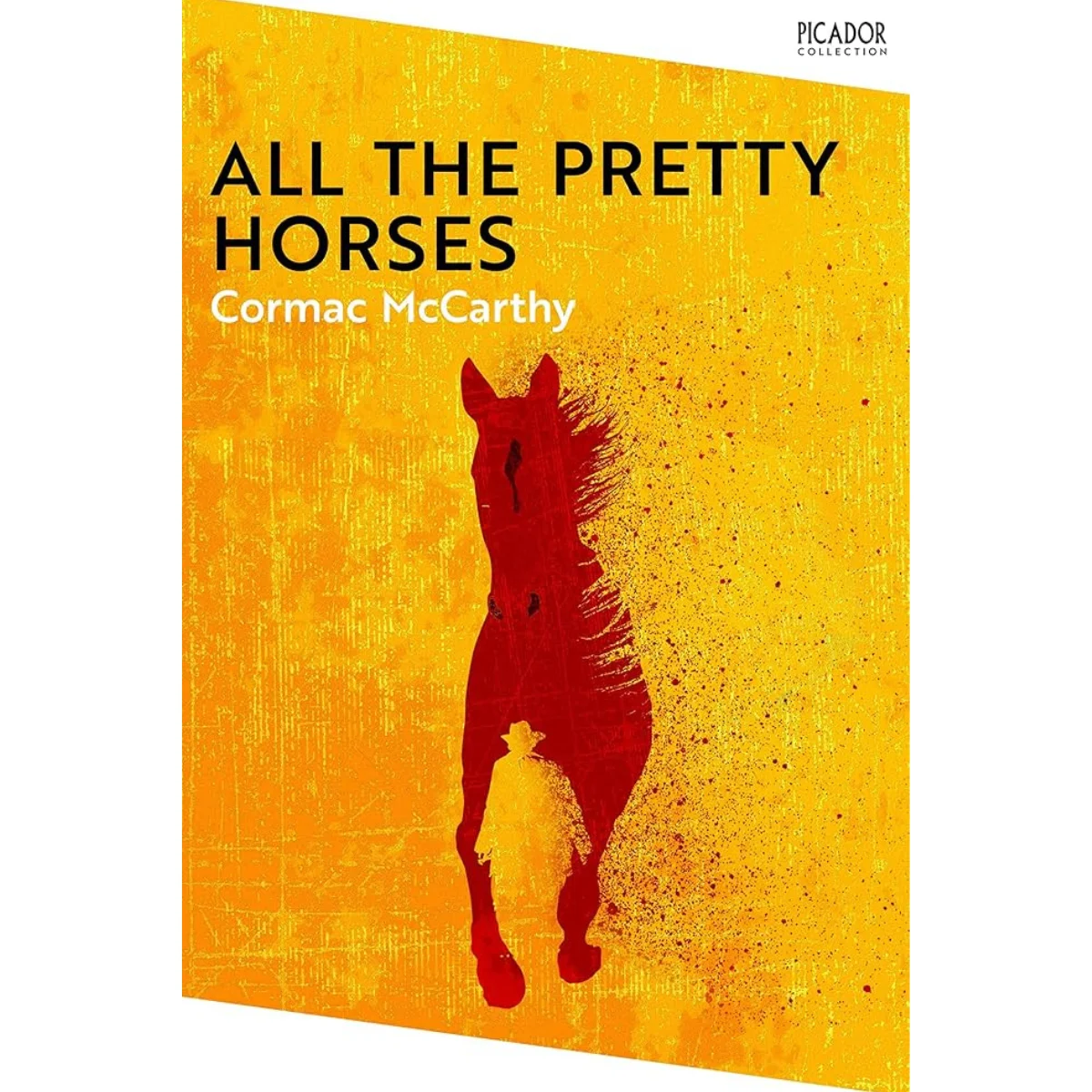
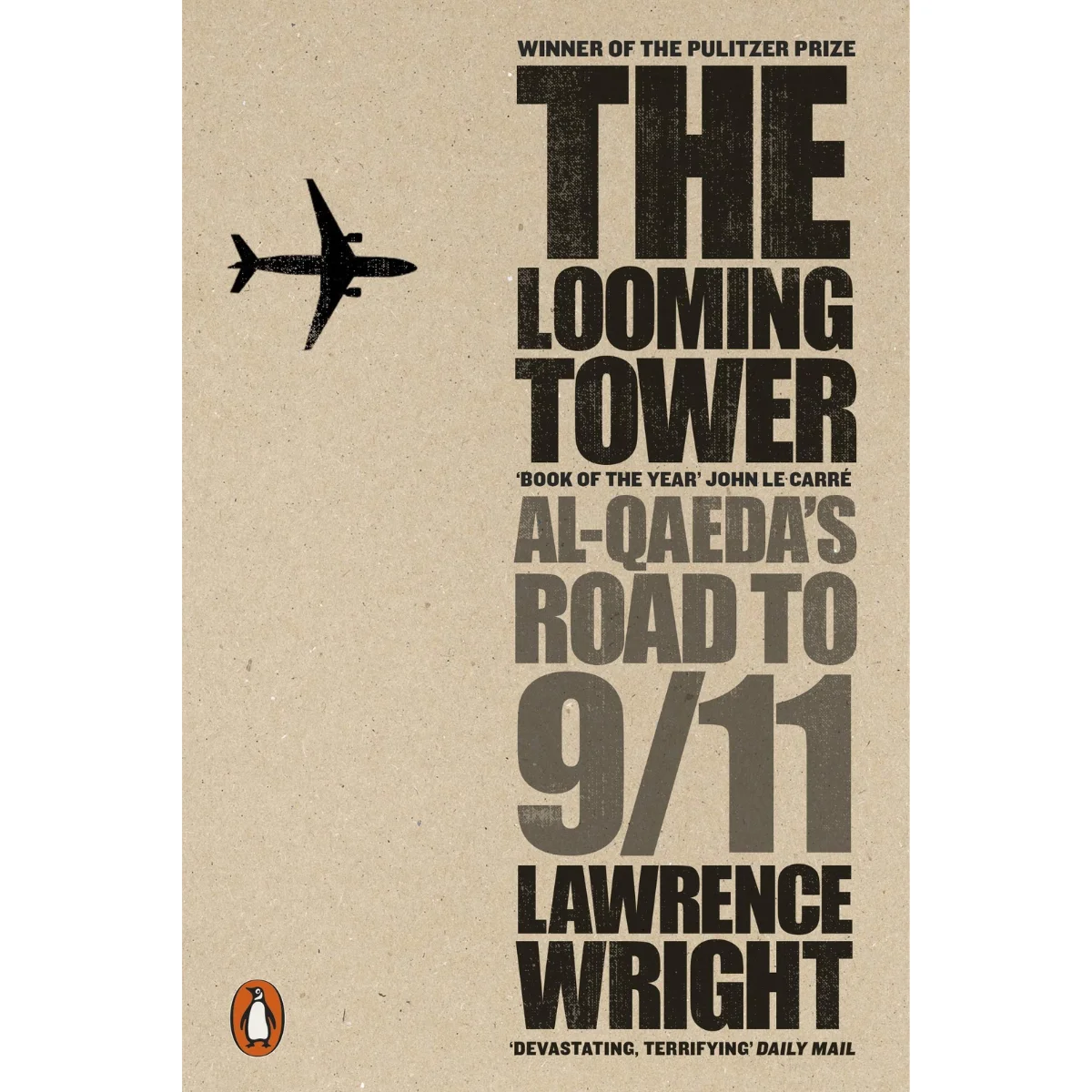
This is a changeable answer, but today I’ll go with All the Pretty Horses, by Cormac McCarthy. Quarantine by Jim Crace. And The Looming Tower by Lawrence Wright, which is non-fiction but reads like a gripping novel. It’s a real masterwork, and was also made into an excellent TV series.
Who are some of your favourite authors, Irish or otherwise?
Cormac McCarthy has been my favourite writer since I first read him. There are countless others – Tim Winton, Donal Ryan, Annie Proulx, Joseph O’Connor, Hilary Mantel. So many active writers from Ireland alone – Paul Lynch, John Boyne, Elaine Feeney, Colm Toibin, Niall Williams. It’s endless and I love knowing there are new favourite writers to discover in the future.
Are there any upcoming releases we should keep an eye out for?
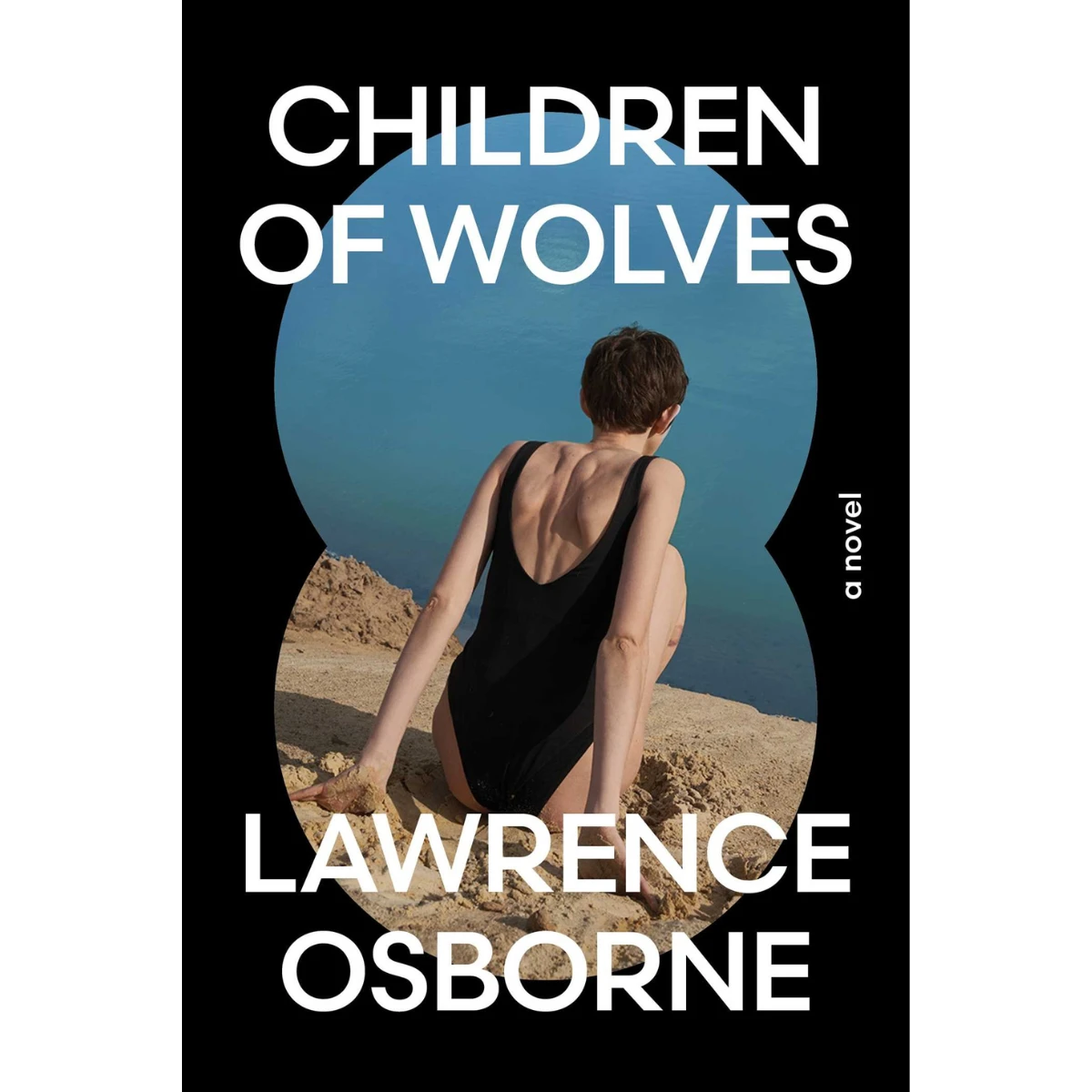
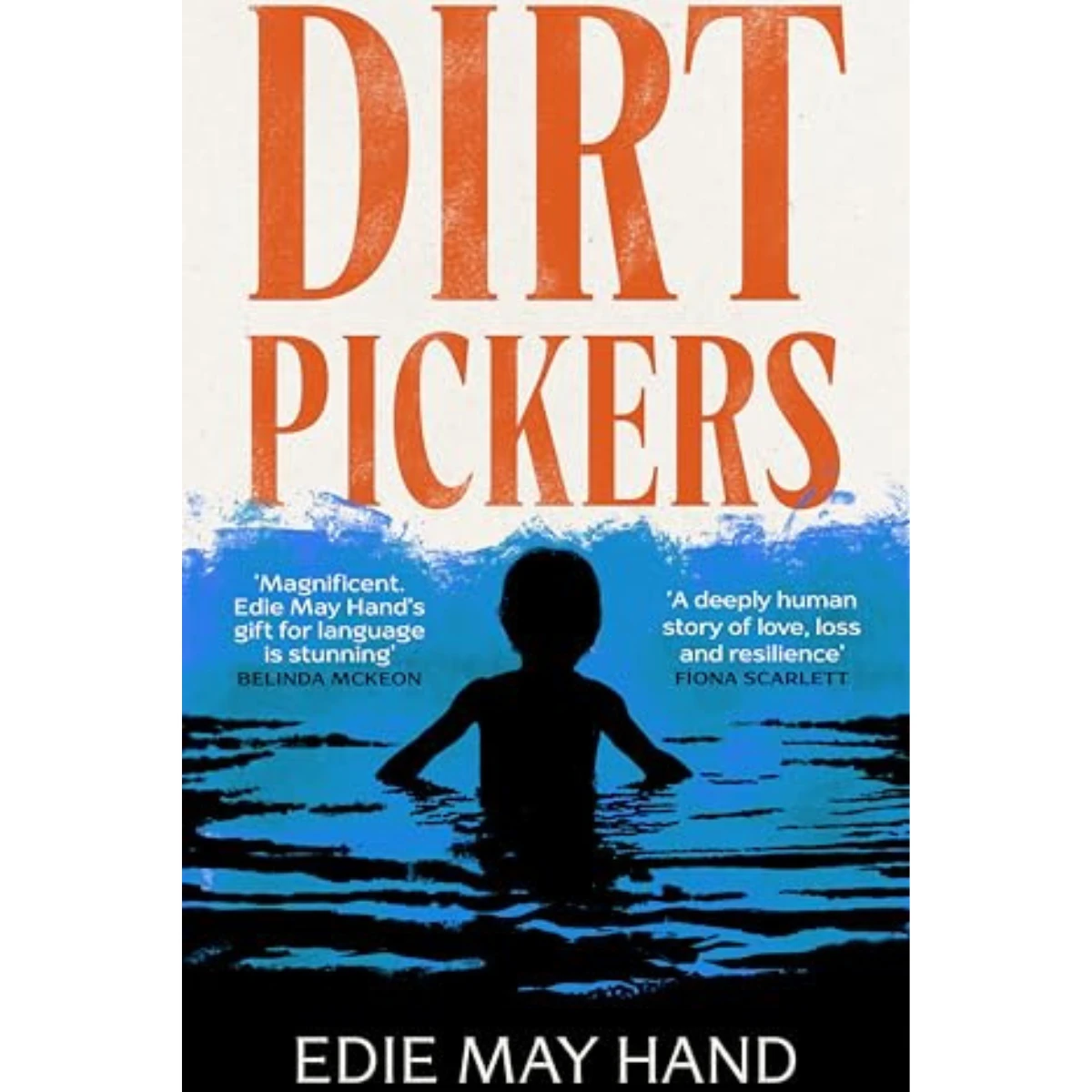
Dirtpickers by Edie May Hand is a really excellent debut, full of ambition, set between America and Canada after a disaster in a mining community. Sharon Guard follows up her acclaimed debut later this year. And Lawrence Osbrorne’s Children of Wolves looks to have all the ingredients of a great read.
What book made you want to be a writer?
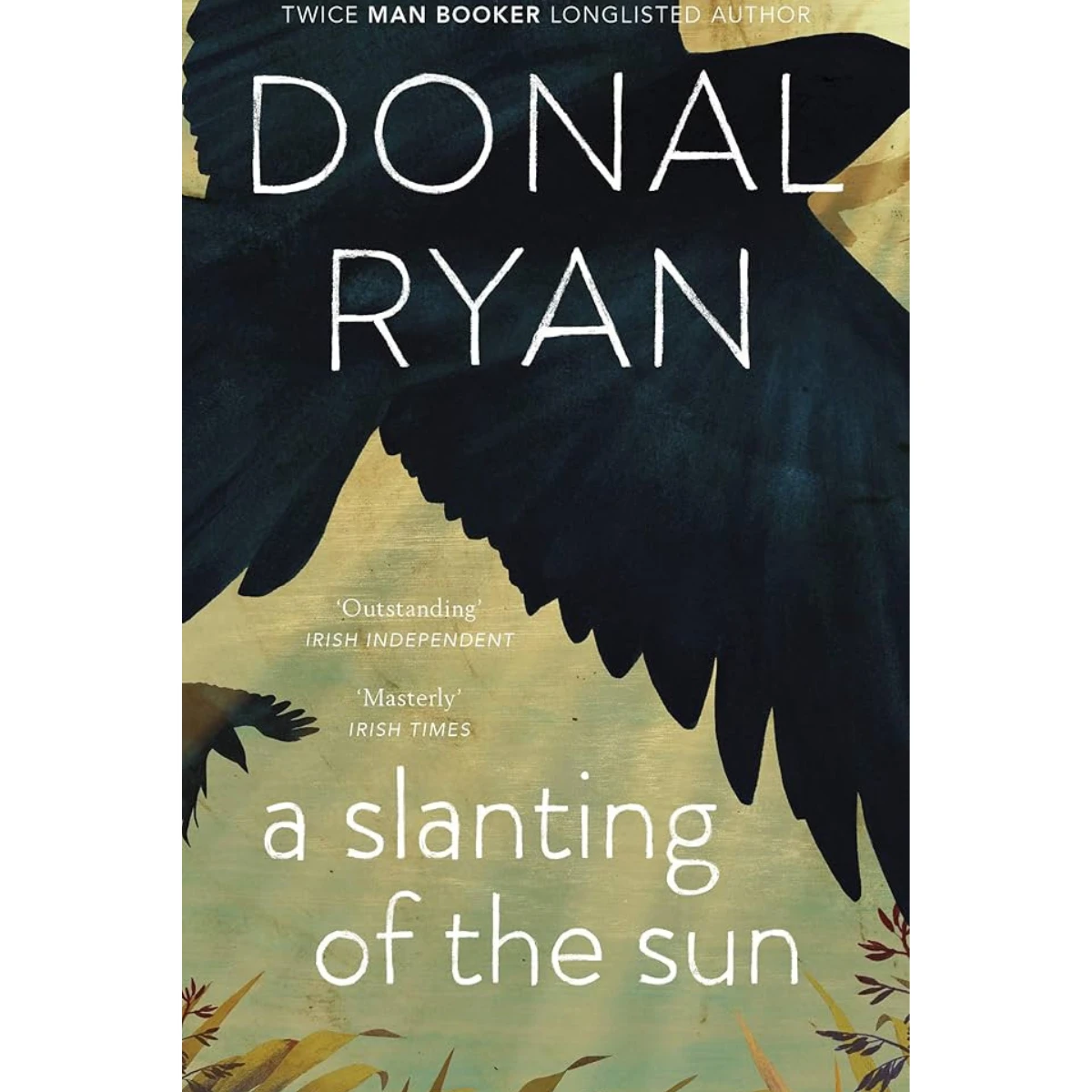
I don’t think I can narrow it to one, but when I was starting to write more consistently, Donal Ryan had maybe three books out, and all were influential. A Slanting of the Sun is a great collection.
If you could add one book to the school curriculum, what would it be?
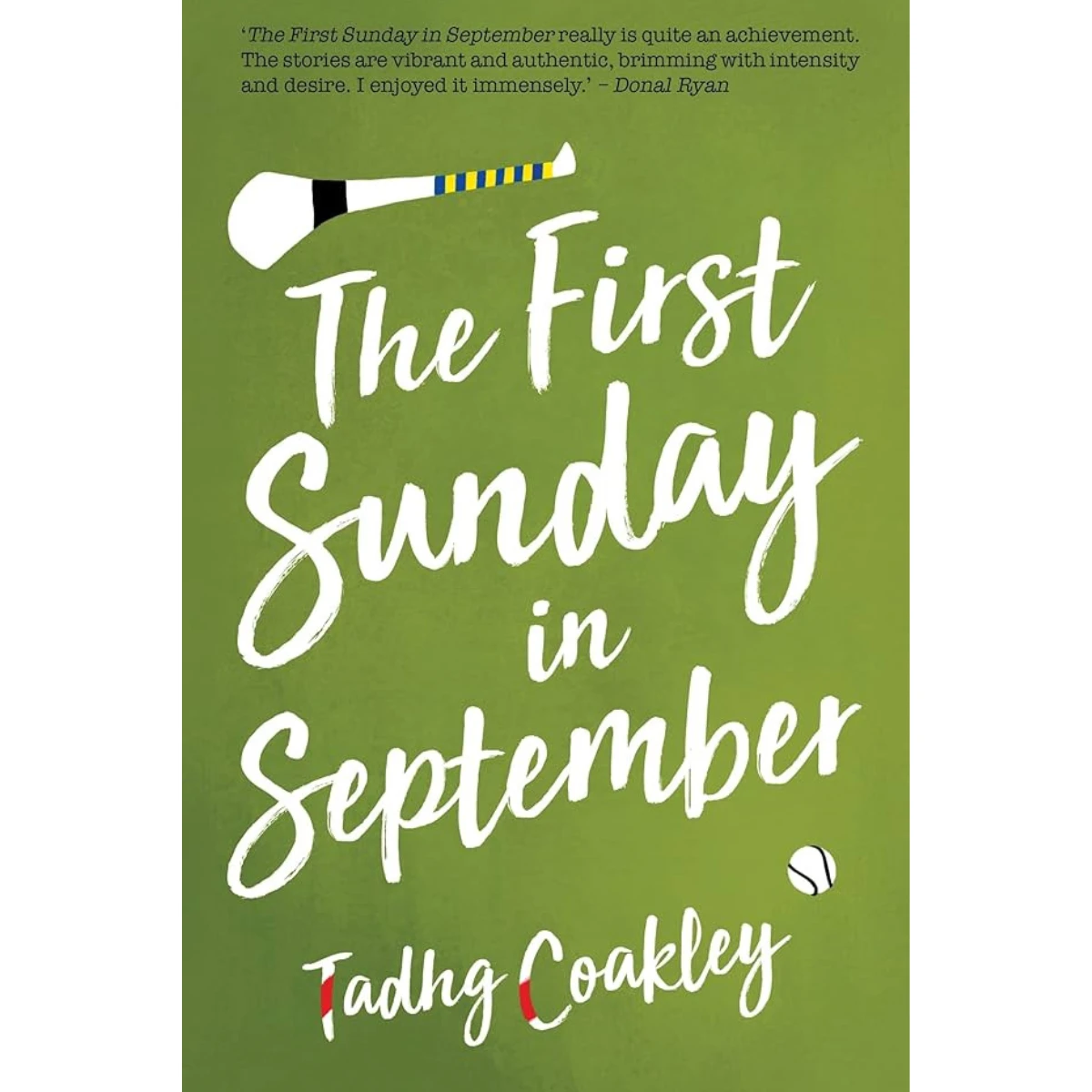
The First Sunday in September by Tadhg Coakley. These are linked stories, set on the day of the All-Ireland hurling final, exploring all sorts of societal issues in modern Ireland. I think students would engage with them and be less daunted taking things a story at a time. It’s a fantastic, funny, moving book. I think there is a responsibility to keep young people reading at a strong level when they are faced with so many things aiming to diminish that ability.
What’s the best book you’ve read so far this year?
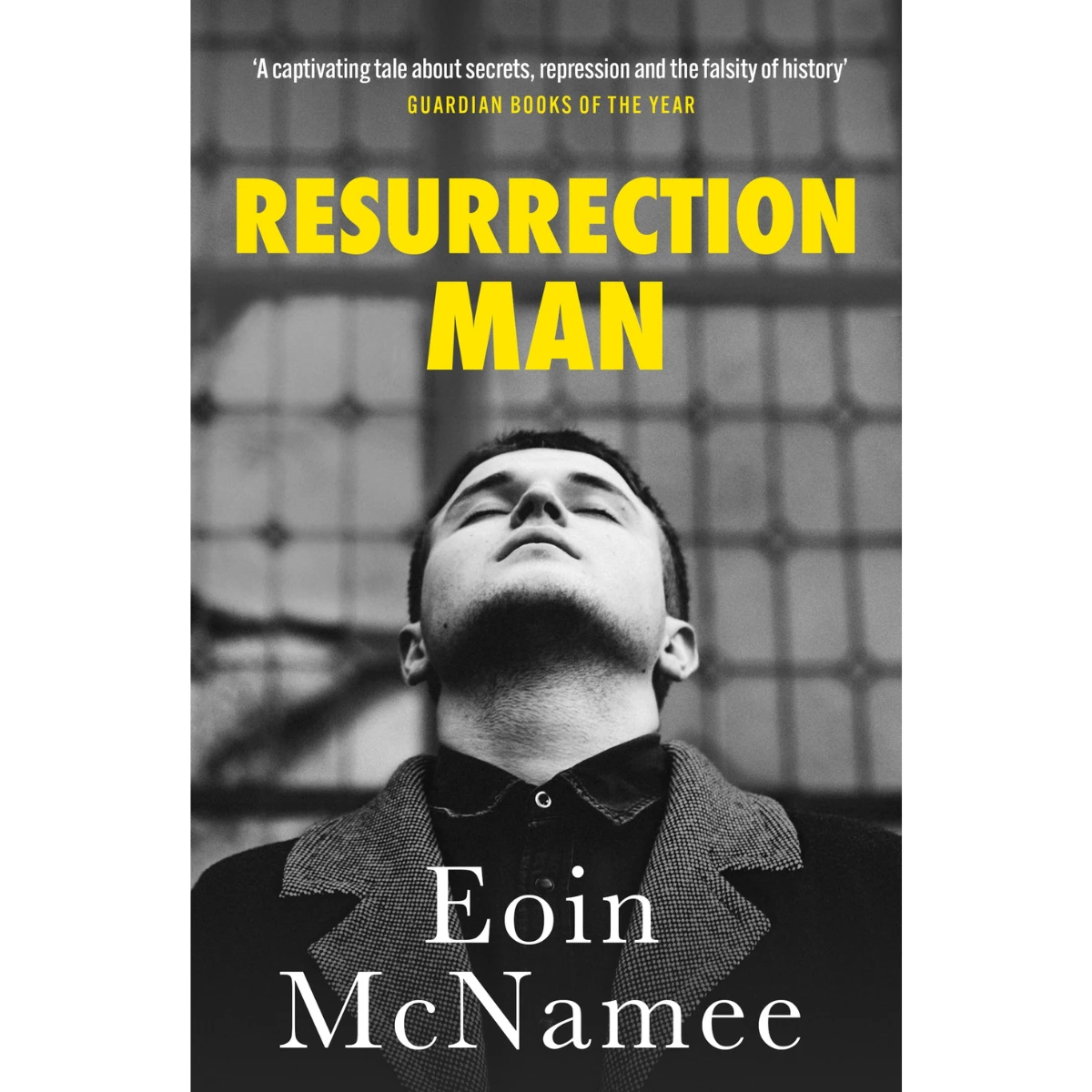
It’s early in the year so I’m not up to speed with new releases, but I read Eoin McNamee’s Resurrection Man for the first time recently and was blown away and straight onto another of his. It’s as I said about favourite writers, I love not knowing when you’ll find the next.
What’s your favourite bookshop in Ireland?
There are great, well known shops in Dublin and Galway, but for a favourite I’ll keep with my local, Vibes and Scribes in Cork – both the new books section and secondhand section are fantastic. I’m there almost every week.
What advice would you give to aspiring writers?
“Just put one day’s work in front of the last day’s work. That’s the only way it comes out.” That’s from John Steinbeck, not me, and it’s simple advice about consistency.
Finally, what do reading and writing mean to you?
That’s a hard question, maybe best answered by imagining life without them. I think it would have far less inspiration, knowledge, beauty, and joy.
The Visit by Neil Tully is published by Eriu and is on sale now.
Also Read