






Sponsored
What is hygiene poverty and how can I help?
Sponsored By
By Shayna Healy
04th Sep 2021
04th Sep 2021
Sponsored By
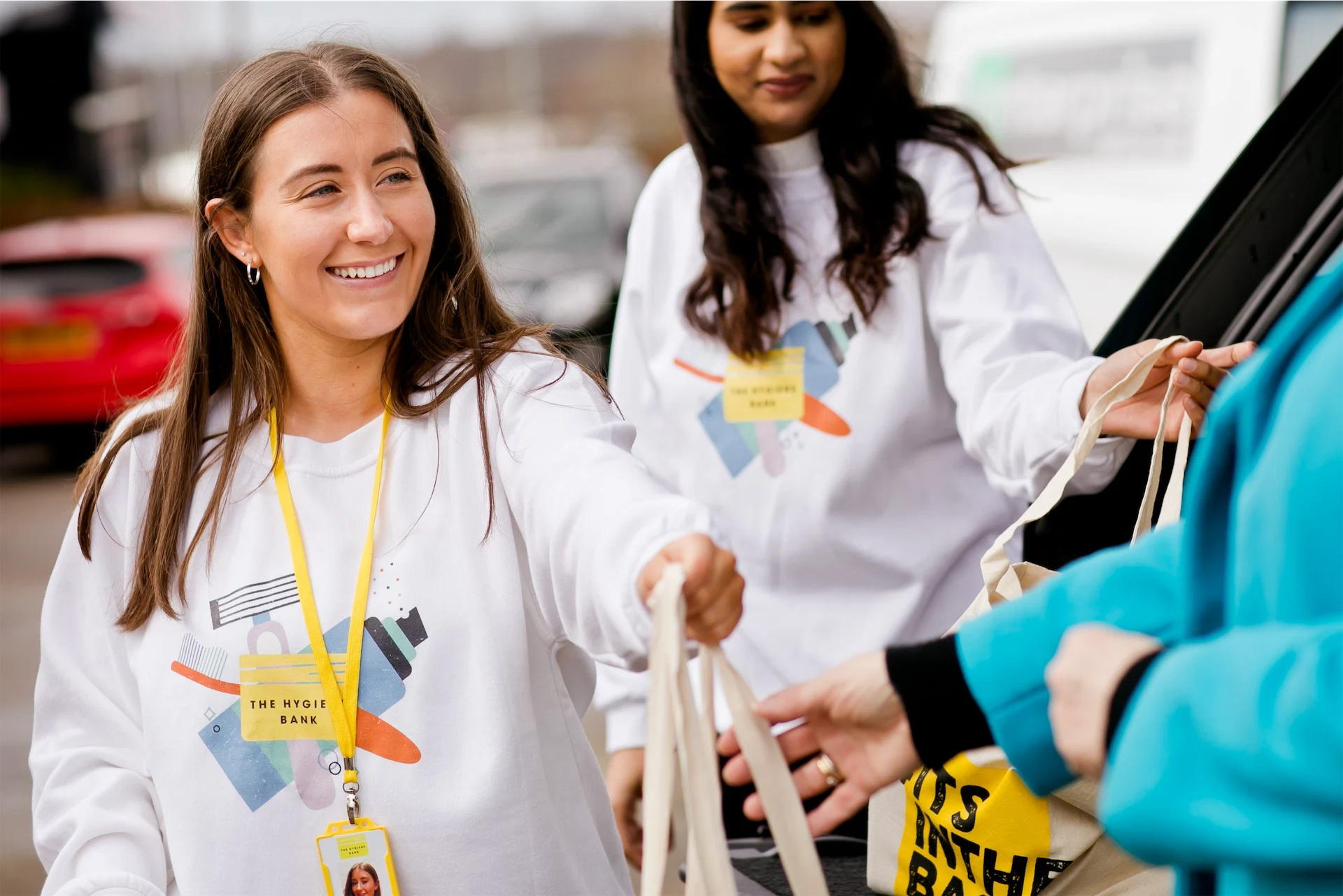
Hygiene poverty is on the rise in Ireland. Here, we break down exactly what it is and how you can help.
With one in six in Ireland living below the poverty line, it has never been more important to raise the societal issue of hygiene poverty.
The housing crisis, the pandemic and other factors have had a detrimental effect on Irish families, causing not just homelessness but another kind of poverty in tandem – hygiene poverty, which has had an impact on low income people across the country.
In fact, 12.8% of the Irish population are at risk of poverty (640,000 people), 17.8% have experienced two or more types of deprivation and, for those on a low income and at risk of poverty, this increases to 42.7%, according to the CSO.
This lack of access to basic grooming products has become a widespread issue for adults and children alike, but there are ways that we can get involved and make a difference.
What exactly is hygiene poverty?
“Hygiene poverty is not being able to afford many of the everyday hygiene and personal grooming products most of us take for granted,” explains the charity The Hygiene Bank Ireland.
It results in individuals and households being forced to choose between paying rent, payings bills, buying food or buying hygiene items.
This restricts people’s options, leaving them without access to basic grooming necessities like shampoo, toothbrushes and toothpaste, soap, deodorant and menstrual products.
Not only does this lack of hygiene lead to health issues, but it also has a harmful mental impact like embarrassment, body image issues, and even bullying.
The impact

In 2019, the ‘at risk of poverty’ rate was 12.8% and now, 637,000 people in Ireland are living in poverty, of which 193,600 are children.
Across the country, 50% of lone parents experience multiple forms of deprivation (2018, SVP) and 19.4% of students are at risk of poverty (CSO).
And this poverty has worsened over the past five years. Eight in ten primary school teachers say that they’ve seen a rise in the number of children coming to school unwashed or not looking presentable and have found themselves intervening at an increasing rate.
Nearly half of all teachers said they had seen bullying because of hygiene issues and three out of ten teachers regularly buy their pupils toiletry essentials (In Kind Direct).
This has also led to an increase in period poverty. Recent figures from Plan International survey show that nearly 50% of teenage girls across Ireland continuously struggle to afford sanitary products month-on-month.
How can I help?
There are plenty of ways that you can get involved and help end hygiene poverty around the country.
The Hygiene Bank Ireland has a list of helpful resources where you can volunteer, donate or fundraise to help out those who are struggling.
- Volunteer – Set up a local Hygiene Bank in your area, or help with an existing project. Offer your skills to a head office for social media, PR, fundraising, evaluation and impact and community engagement and participation.
- Be a drop off – If you are a retailer, service provider or public service, you can be a drop off point for donations by hosting a collection box.
- Host a hygiene drive – Schools, offices, work places, Women’s Institutes, Girl Guides, Scouts, sports clubs, reading groups and churches have all successfully run collections for The Hygiene Bank Ireland.
- Fundraise – Help raise vital funds. Whether you take inspiration from tried-and-tested fundraising tips or let your imagination run wild, every penny will make a big difference to people living in crisis.
During #NationalHygieneWeek, The Hygiene Bank Ireland is asking you to understand what hygiene poverty is, support the work of The Hygiene Bank Ireland, and to challenge an Ireland where hygiene poverty exists.
Related Stories


Also Read