











The online duckling craze highlights the dark underside of social media
By Sarah Finnan
13th May 2021
13th May 2021
Getty
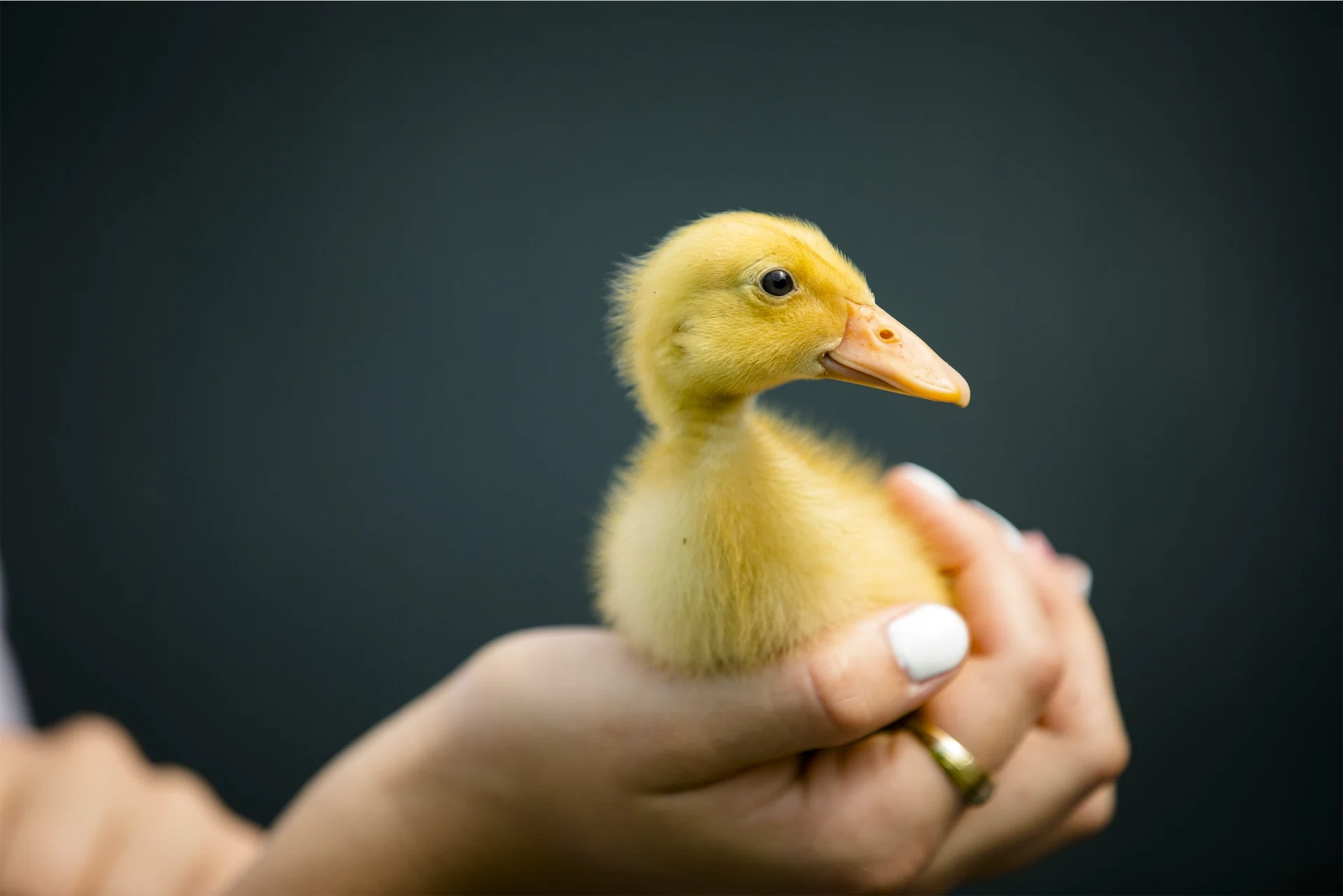
There’s been a lot of online furore over ducklings in recent days… but what exactly is all the fuss about? Turns out TikTok is to blame.
The nation has been gripped by a newfound love of waterfowl recently, with demand for pet ducklings skyrocketing since the start of this month. Highlighting the dirty underbelly of the social media world, the craze can be traced back to a viral trend that first began over on TikTok.
A video-sharing platform where imitation is rewarded, the algorithm seems to favour videos using the same music, hashtags or audio by showing them more frequently on the “for you” homepage. Running off the premise that users will most likely recreate what they see (or at least want to recreate what they see), TikTok encourages users to be more than just passive observers. From trying out popular dance routines to duetting covers of famous songs, the app overrides the usual “don’t try this at home” motto such platforms often caveat content with.
Responsible for many an online impulse buy during the pandemic, TikTok has a way of making people think that they need to do/buy/say whatever the masses are doing/buying/saying in order to stay relevant. The platform currently has over 171 million #duckling videos, many of them featuring young people being followed around by a “pet” duckling.
Advertisement
Prompting people to go out and buy their own baby ducks, the videos have glamourised the animals but what they fail to highlight is the care and commitment that owning a pet entails. Often targeting young impressionable users who don’t fully understand the consequences of just doing what the internet says without question, the demand for ducklings has become so great that street sellers have taken to grabbing them from the canal and flogging them for as little as €5.
Animal welfare charities across the country have spoken out on the matter since learning of the worrying trend with the DSPCA issuing an “urgent call” to parents earlier this week – commenting that they were “astonished” at the “reckless behaviour” involving young, vulnerable ducklings. Pleading with the public not to partake in the trend, Wildlife Rehabilitation Ireland also said that they have been “inundated” in the past few weeks. Currently caring for over 100 ducklings, staff warned that they “simply cannot take them all” and unfortunately, many of the ducklings will not survive without the proper care that they need.
Feature image via Getty



Also Read