
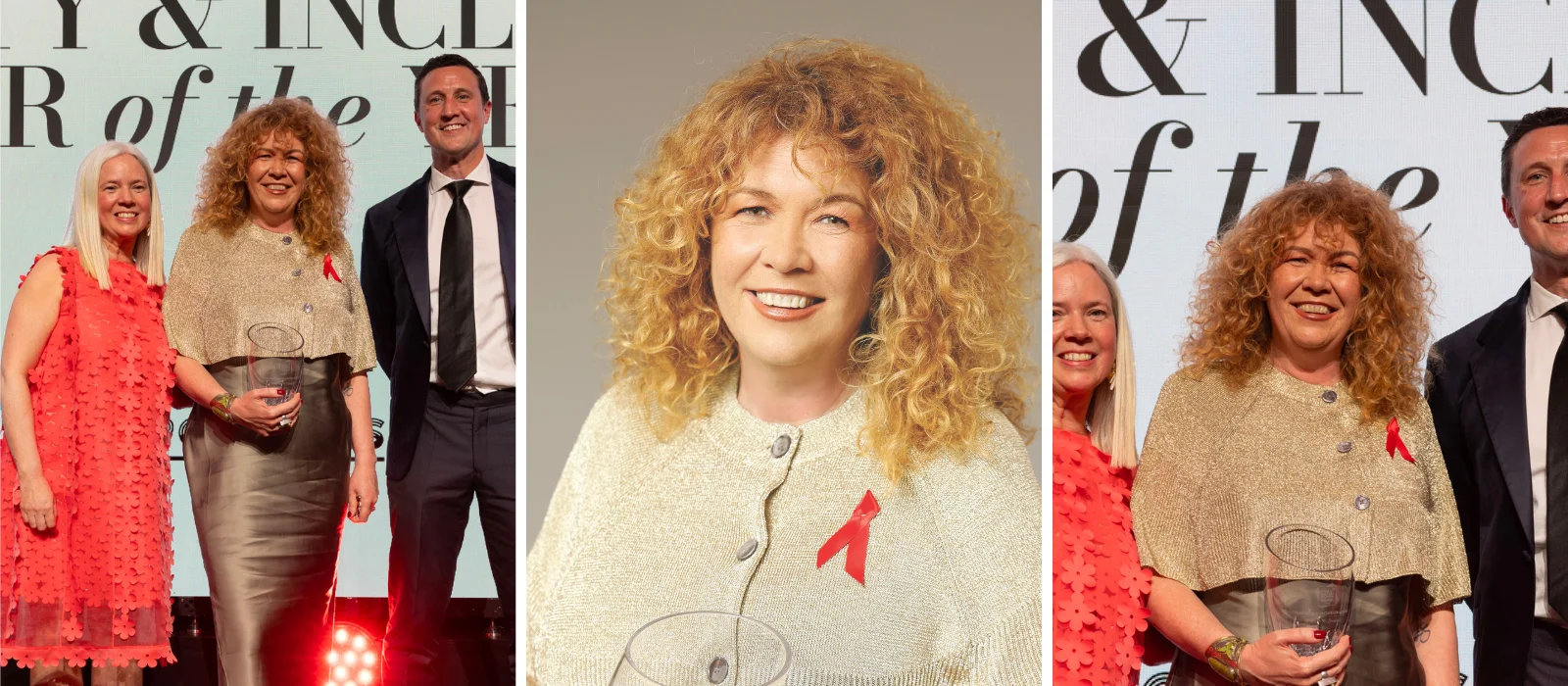

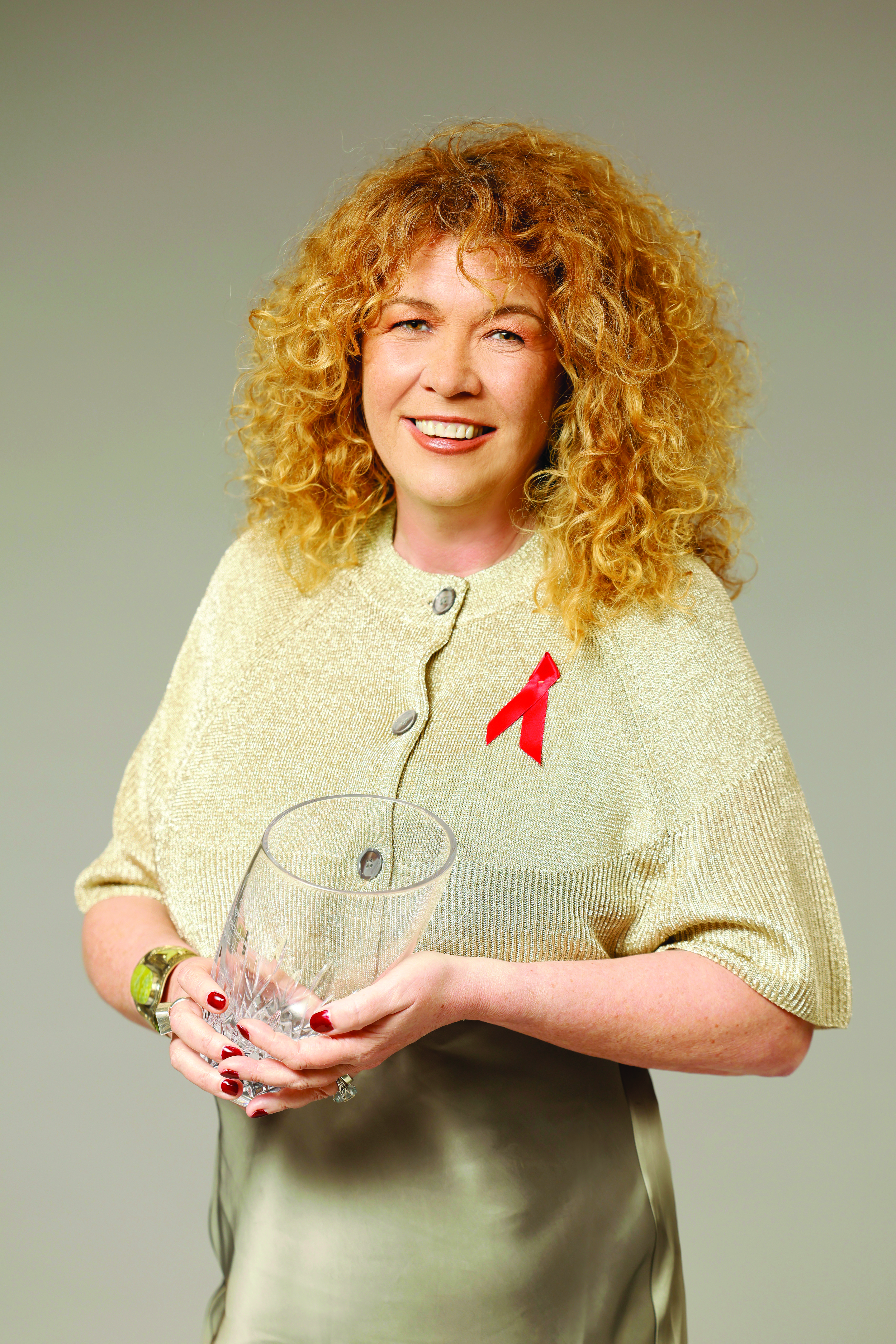
When someone finally gets a fair chance, the effects are immediate. Confidence grows, families stabilise, and people feel seen. And that spreads into workplaces and communities. Inclusion creates a ripple effect. It doesn’t just change their life — it changes their family, their confidence, their whole community.
With my bipolar condition, I have to watch out for certain times of the year, when I have bad highs or lows. I walk a lot, I spend time with friends who support me, and I step back when I need to. The work itself also keeps me motivated. When someone reaches a milestone — a first job or qualification — it reminds me why this work matters.
I’d love to see inclusion treated as a core business priority, not an add-on. More accessibility, more accountability, and more listening to lived experience would make a huge difference. And more flexibility — people’s lives are complex. Workplaces that understand that will be stronger. Companies also need to have more bravery. The ones that make real progress are willing to stretch beyond what’s comfortable and not see difference, but shared humanity.
What surprised me most was how quickly things grew once people began to get involved. The goodwill and enthusiasm have been remarkable. With our partners, we’ve helped over 130,000 underrepresented people since we began. It showed me that when something is built and welcomed with empathy, people want to be part of it.
I’d tell my younger self to trust herself more. Stop doubting yourself so much. You’re capable of more than you think. You don’t need all the answers to take a step forward. And don’t shy away from your own voice. You may be considered a thorn in the side of those who have different priorities — but that’s even more reason to push on to do the right thing.
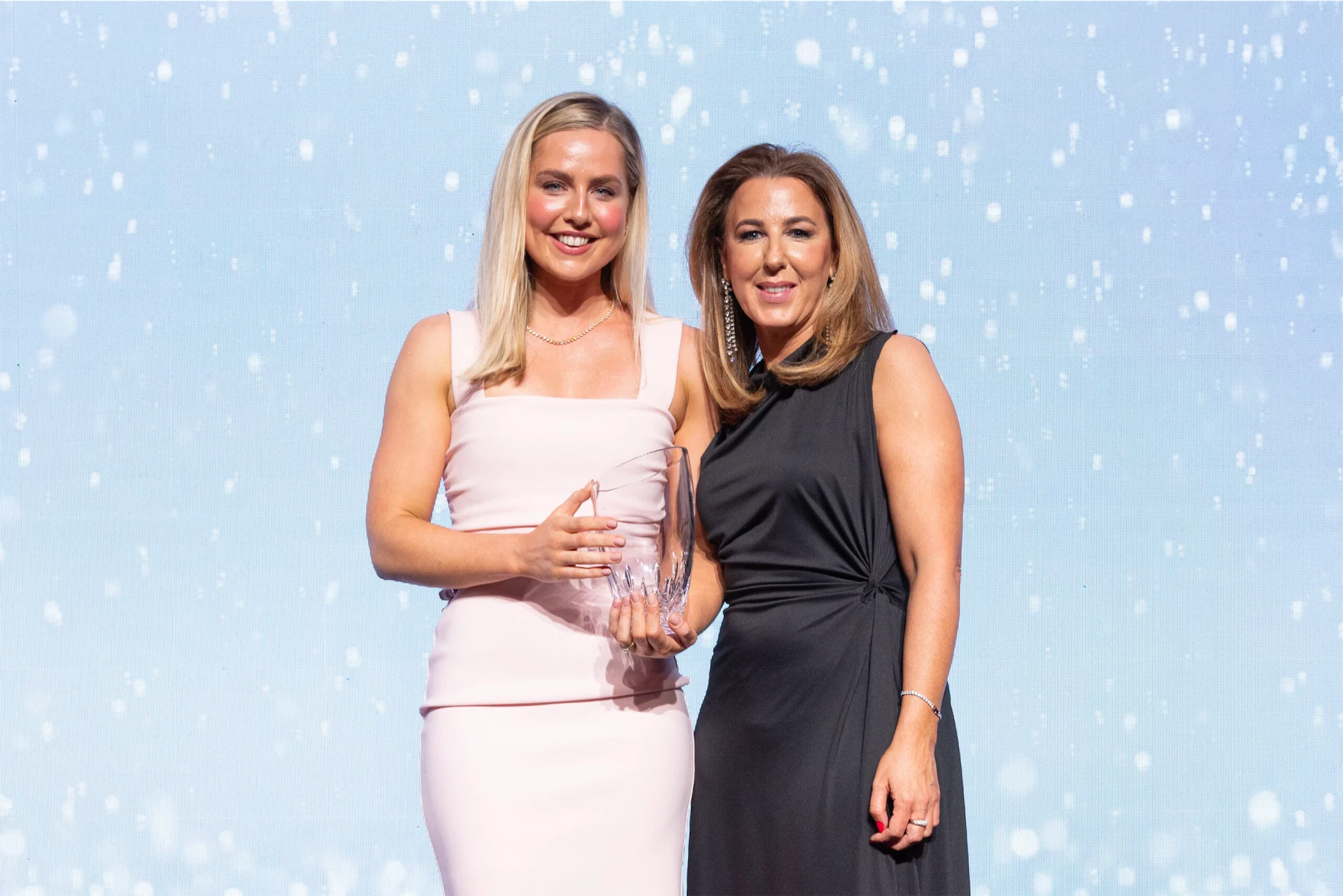
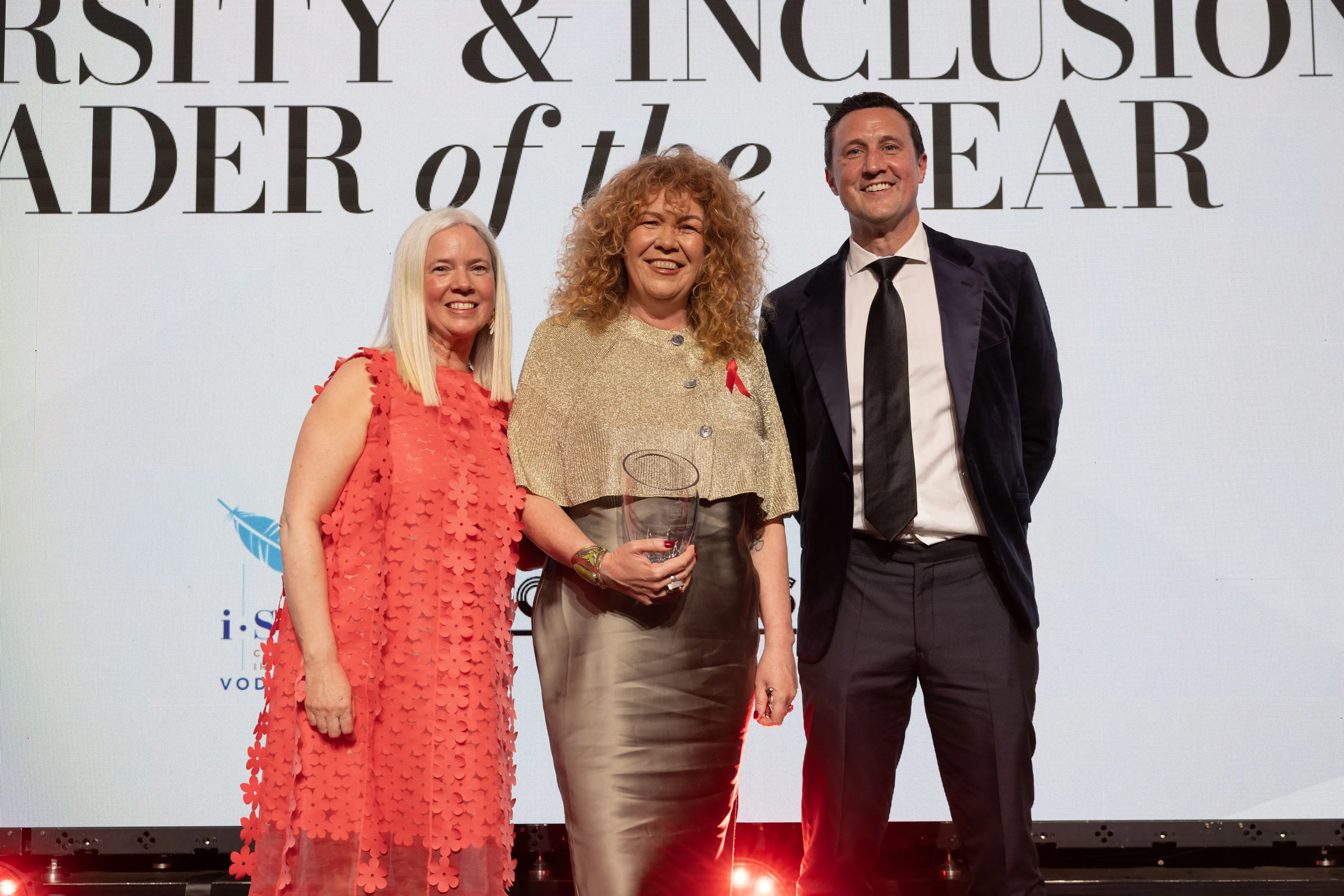
We’re interviewing each of our outstanding winners from the IMAGE PwC Businesswoman of the Year Awards 2025. To hear more about their career journeys, expert insights, and more, visit image.ie/pwc.