
Some of Ireland’s bravest, boldest and creative women on the heroines who have shaped their world-view, inspired their work and taught them important life lessons.
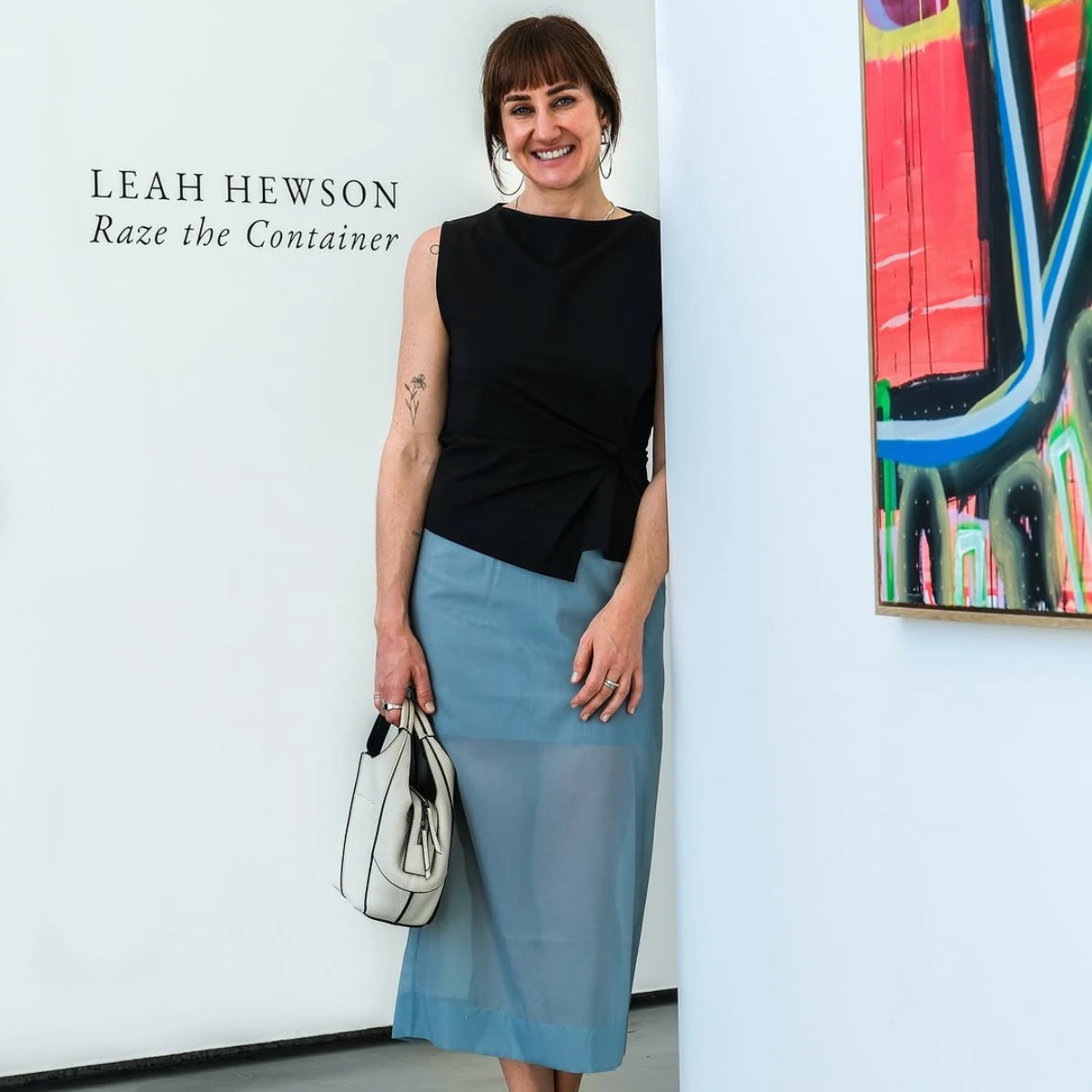
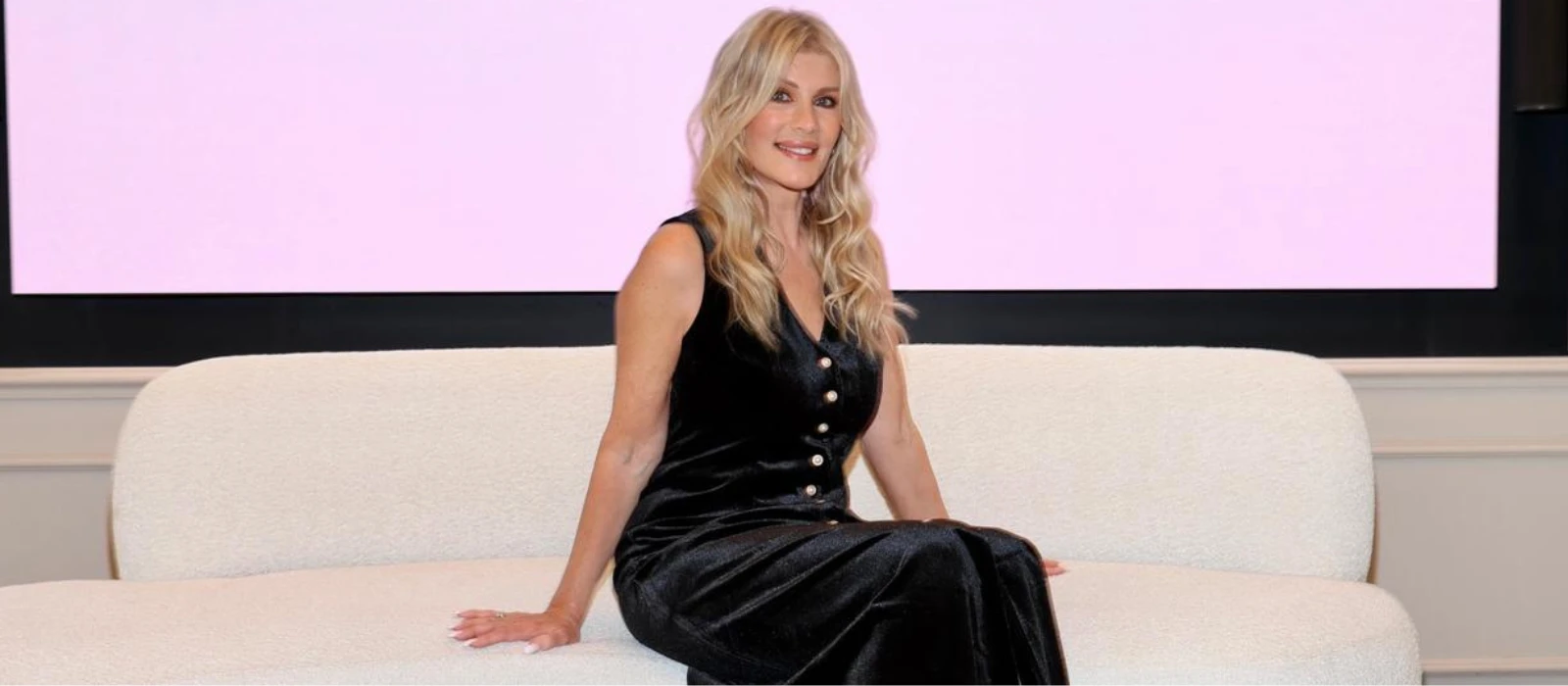
Leah Hewson
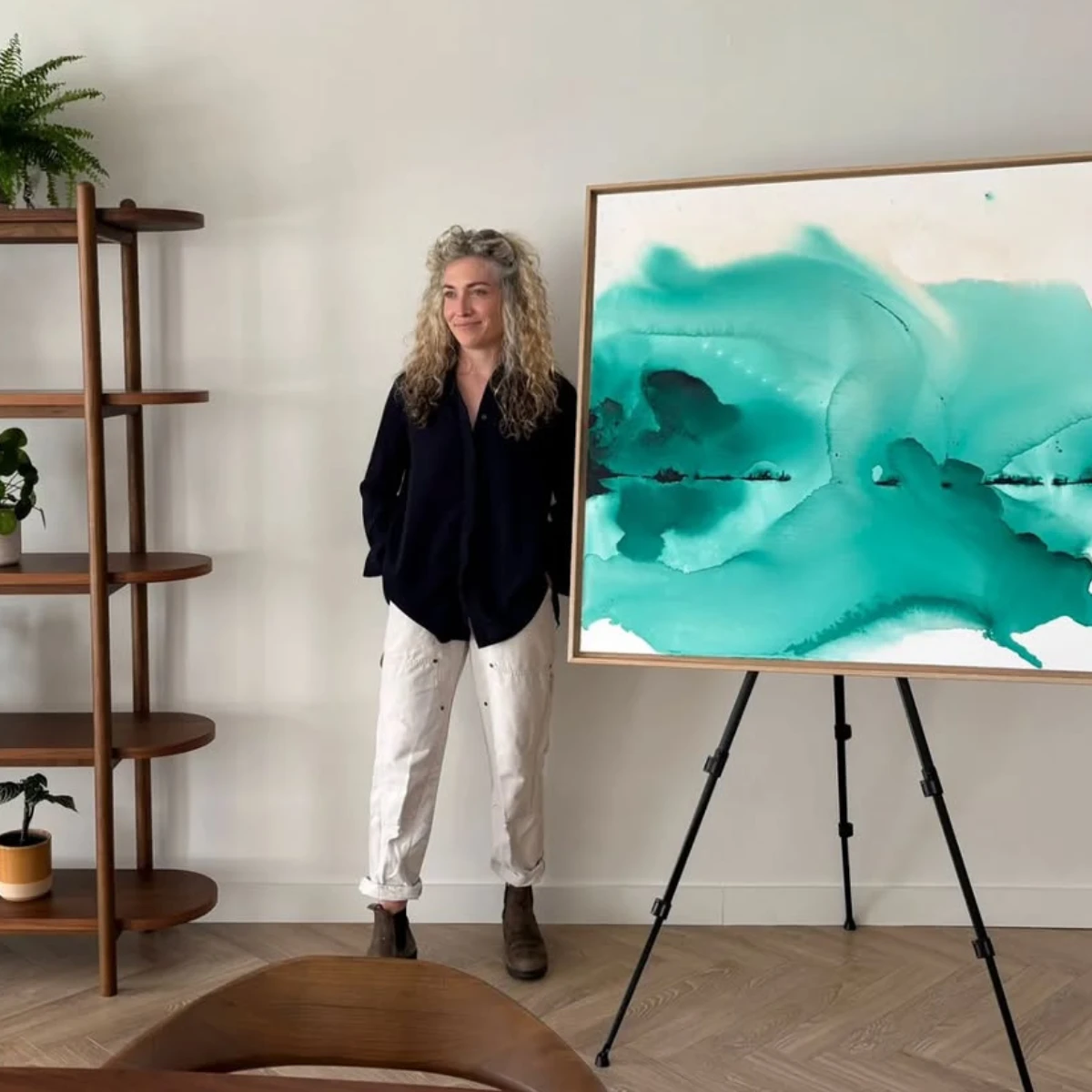
Leah Hewson is a contemporary abstract artist based in Dublin. She has exhibited extensively in Ireland and internationally. Residencies include The RHA School, Nars Foundation in Brooklyn, New York and SIM Residency in Berlin. In 2025, her solo exhibition Raze the Container was shown at Château La Coste estate in France.
Who was an early inspiration for you?
The first woman who was a heroine in my life was Ms Prole, my primary school teacher for third and fourth class. She was just incredibly encouraging to me. I remember meeting her later in life, and it felt like I was meeting a famous person because she had such an impact on me and my path into creativity. And she did it by pure, gentle encouragement. She was so soft and kind as well.
Do the women you look towards for inspiration share common qualities?
All of the women I really look toward seem to have a real, solid sense of who they are. Thinking about Irish women in particular, we have a very specific type of humour. It’s just this real unapologetic presence in the world that is based around wit, and I love it. I just don’t think you can get it anywhere else in the world.
How has your idea of what it means to be heroic changed over the years?
Bernie, my 89-year-old friend whom I got matched with through Alone, the volunteering group, really shifted my idea of what a heroine could look like because she brought this subtle heroism, this undercurrent of heroism, as opposed to it being really obvious. Instead, she’s this quiet, confident heroine. She doesn’t even probably consider herself one, or has never really strived for that, but she is a grounding presence for people around her. She has taught me so much about going slow and being in the moment, because when we’re together, all we do is sit and talk, and I have to surrender my time and my attention to her.
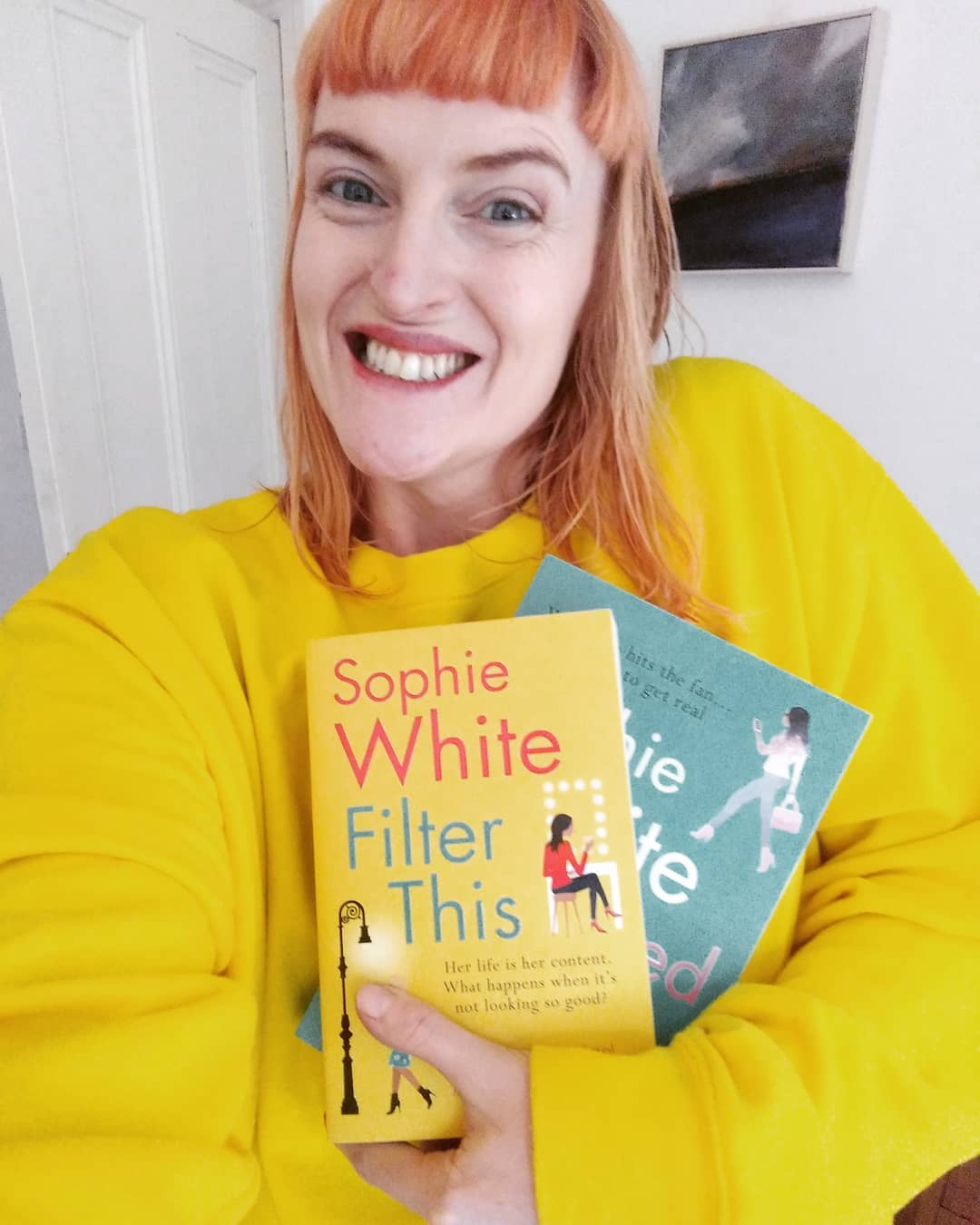
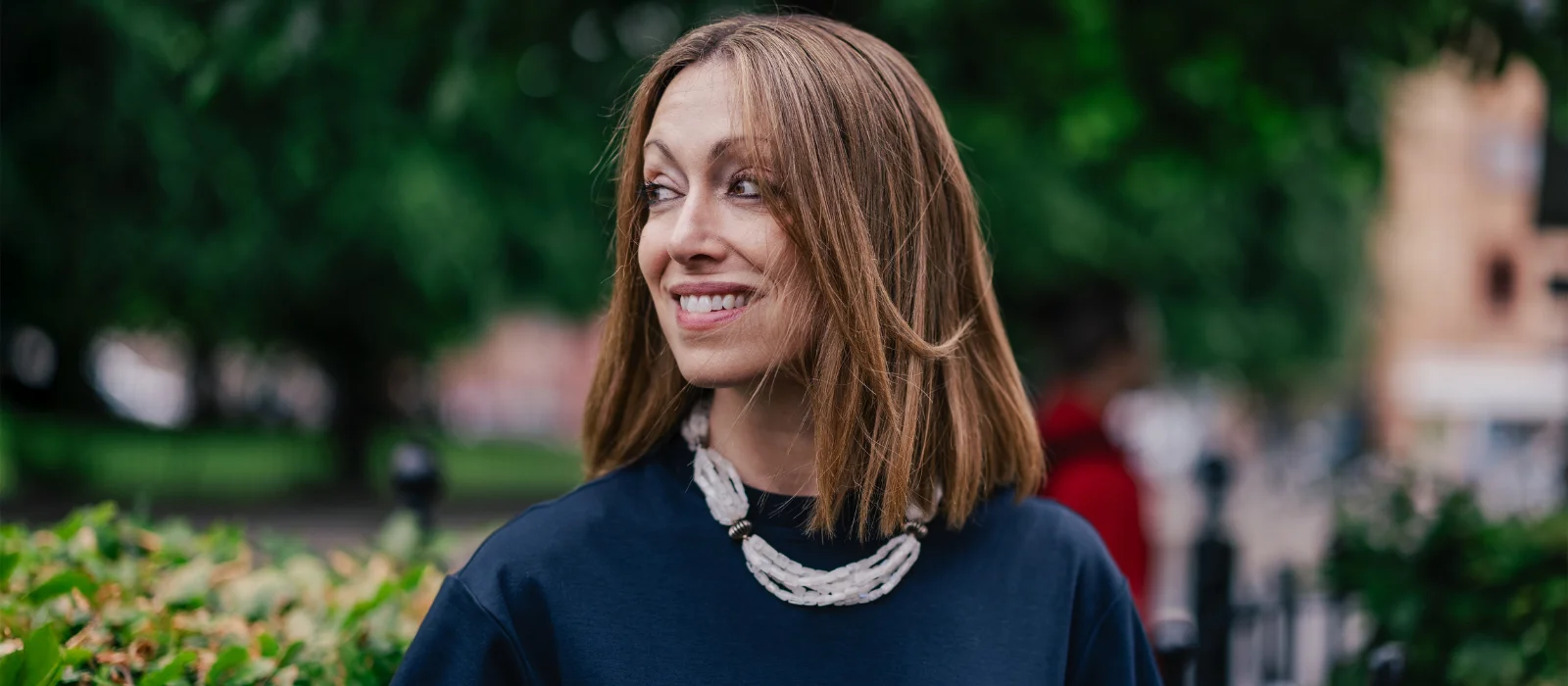
Sophie White
Sophie White is an award-winning Irish novelist, journalist and podcaster. She is the author of several bestselling books, including Where I End, which won the prestigious Shirley Jackson Award for best novel in 2022.
Who were your first heroines?
“Two of my biggest heroes are my mum, Mary O’Sullivan, and my aunt, Anne Harris. They both really forged a path that, for starters, wasn’t particularly welcoming to women of their generation. And they really, in so many ways, had to create their careers, and I think, fight for their place. My mum, for example, had really no blueprint for her career. She created a wide range of programs during her years in television, from working on the Late Late Show to producing harrowing documentaries in Cambodia. I think there’s no map for that job. It was about being willing to often step into the unknown and keep the faith that you’re capable.
I do think that’s just something that I really, really admire. I aspire to it. I think they were in the first generation of working mothers. You can’t really underestimate what they were up against socially as well, in terms of the new idea that a woman could be as active outside the home as inside the home. That has provided me with a picture of what it could look like to not sacrifice everything to being a parent, and not feel guilty about it, and not feel selfish for having those dreams.
How else have they inspired you?
They also have their own passions. They love fashion, they love art and theatre, and have this unending curiosity about the world. I’d say this is something I admire in all my heroines – just unrelenting curiosity about the world and about other people.
Jen O’Dwyer
Jen O’Dwyer is co-host of hit podcasts The Creep Dive and Mother of Pod. In 2025, Jen returned to painting and held her first solo exhibition in Sable Studios, Dun Laoghaire.
Who was your first heroine?
My little sister Aisling. Always has been. She died when she was sixteen, and I was eighteen, which is a very cruel cosmic joke because she never got to become an adult, but I have spent my whole adult life trying to be more like her. She had cystic fibrosis and lived in this tiny ferocious body that should have been fragile but somehow wasn’t. She was hysterically funny. And she had this insane, beautiful ‘I do not care what anyone thinks of me’ energy that I’ve been trying to bottle my whole life. She taught me that bravery isn’t loud or showy, it’s being fully yourself even when your body is betraying you. She taught me that humour is power. And that you don’t have to be here long to be unforgettable.
Is humour something you are always drawn to?
Funny women are my north star. They’re sharp, observant, brave, and usually a bit unhinged in a good way. They say the thing you’re not supposed to say. They stand out instead of blending in. They don’t ask for permission. They also tend to be writers, performers and creators. There’s something so powerful about a woman who decides, actually, ‘I will be heard.’
Has your idea of what a heroine looks like changed as you move through life?
When I was younger, I thought heroines were people who had it all figured out, who were confident, successful and showy. Now I’m way more interested in women who are messy, complicated, stubborn, and most importantly, still standing. The women who keep making things even when it’s hard. The ones who are awkward and angry or strange and refuse to sand down their edges. Someone who doesn’t contort herself to be palatable.
Who do you go to now when you need a direct hit of inspiration?
This one is easy! My co-hosts Sophie (White) and Cassie. Watching women you love be funny and fearless and wildly talented in real time is like standing too close to a flame. It makes you braver. It makes you want to step up. They remind me that you don’t have to be perfect to be powerful, you just have to be honest. They make me want to keep showing up as the most unapologetic version of myself, which is probably the most heroic thing any of us can do.
Geraldine Carton
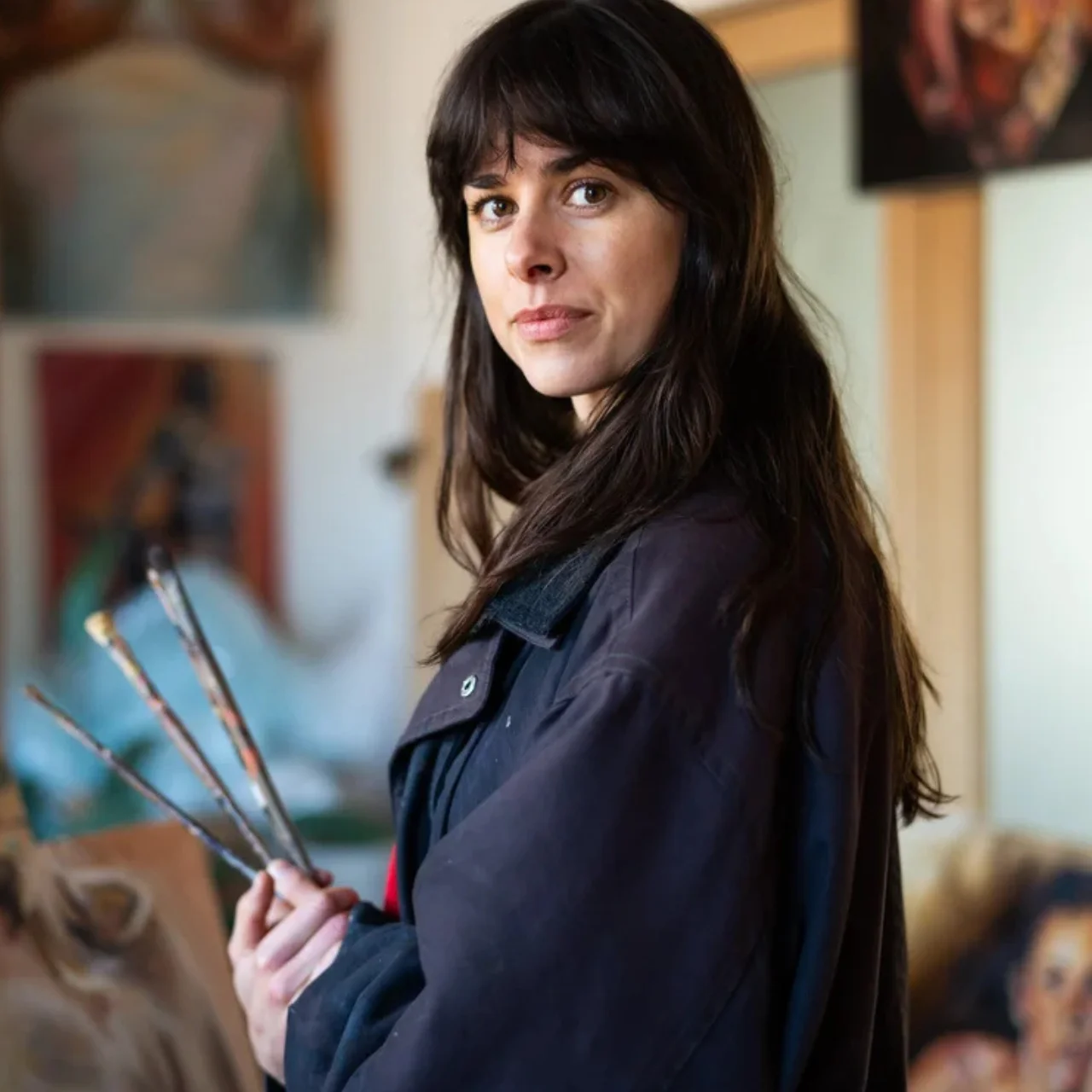
Geraldine is a contemporary artist based in Dublin and a community creativity facilitator with Mother Art House. Geradline’s 2025 solo exhibition Sisters, Not Twins, featured over 100 paintings celebrating diverse female bodies and experiences. It was the subject of the documentary Boobs, winner of the Catalyst International Film Festival Short Doc Bursary Award 2024.
Who was your heroine growing up?
It was my art teacher, Jermaine Murphy. She was an amazing character who taught me art from age 13 to 18. What I loved so much about her and found so inspiring was that she was such a unique character. She’d smoke like a chimney and had this cute dog, Mosha, that she would feed steak dinners and full meals. But I think what I found most refreshing about her was how comfortable she was in that eccentricity and living life the way she wanted to, uniquely. I think it just opened my eyes to a different way of living.
What type of women are you drawn to?
People who do things against the grain in a way that’s authentic to themselves and their interests and their own passions. The older I’ve gotten, the more inspiration I have found in Celtic mythology because I think that’s so unique to our culture, and I wouldn’t have been taught that growing up. I think women are the best. And I think we’re only scratching the surface now, societally. I find that really exciting.
Jenny Claffey
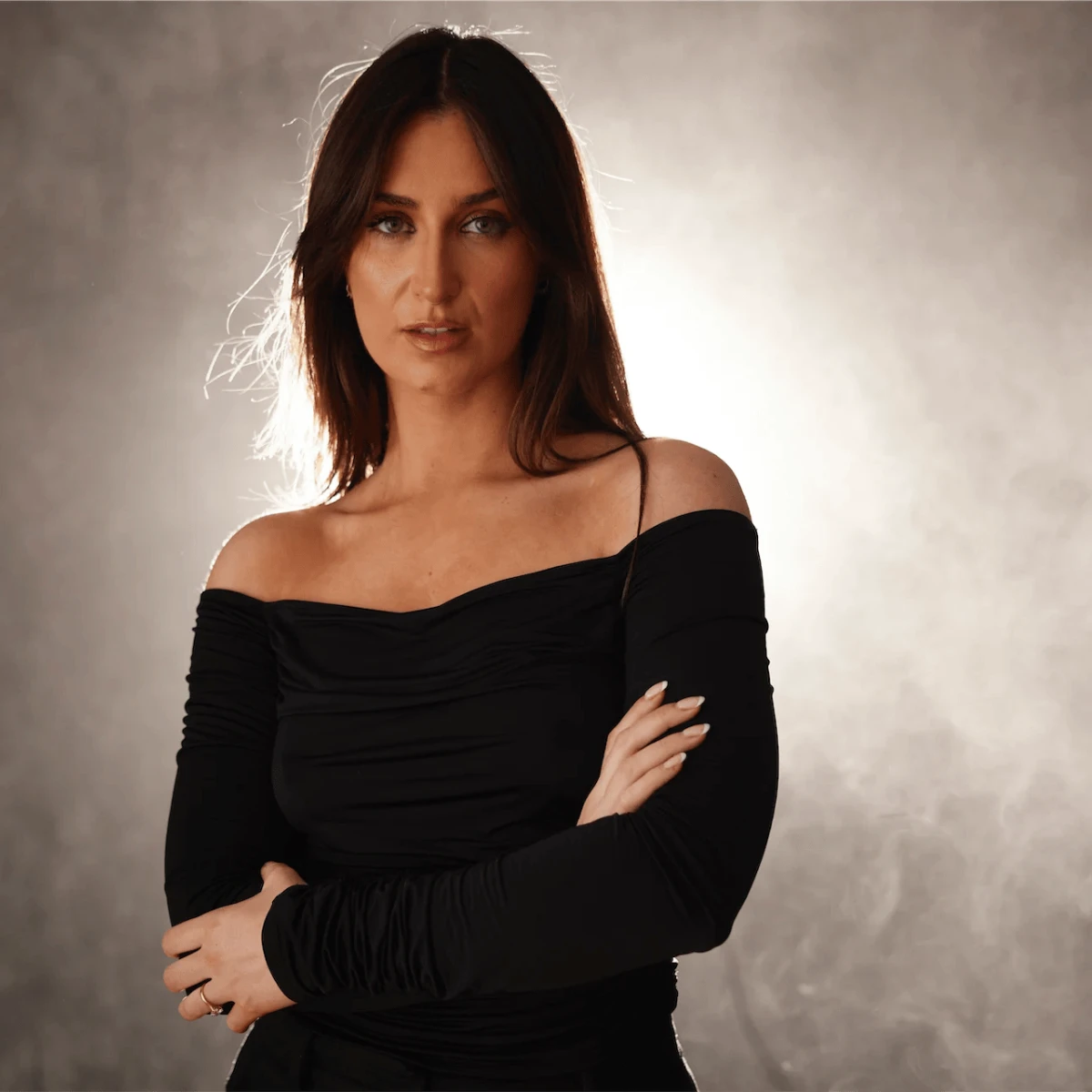
Jenny Claffey is an Irish podcaster, content creator and influencer. Her podcast Red Room looks at true crime, conspiracy theories and unsolved mysteries. She is also passionate about sharing her love of film and literature through her Unreliable Book Club and Cult Movie Club nights.
Who is a woman you admire?
Someone I learned about recently is the journalist Nellie Bly (real name Elizabeth Jane Cochran), who worked on an undercover piece in 1887 to expose the depravity of the ‘mental asylum’ system. She tricked police and judges into admitting her to Women’s Lunatic Asylum on Blackwell’s Island and trusted that her publishers at the New York World would get her out after 10 days. Her work helped expose the horrific treatment of patients at these hospitals, and she became one of the first modern ‘gonzo’ journalists, and she was only 23!
Also Read