
Sponsored
‘Starting something is simple. Growing it is complex’: Deirdre Mortell on risk, resilience and the power of social innovation
Sponsored By

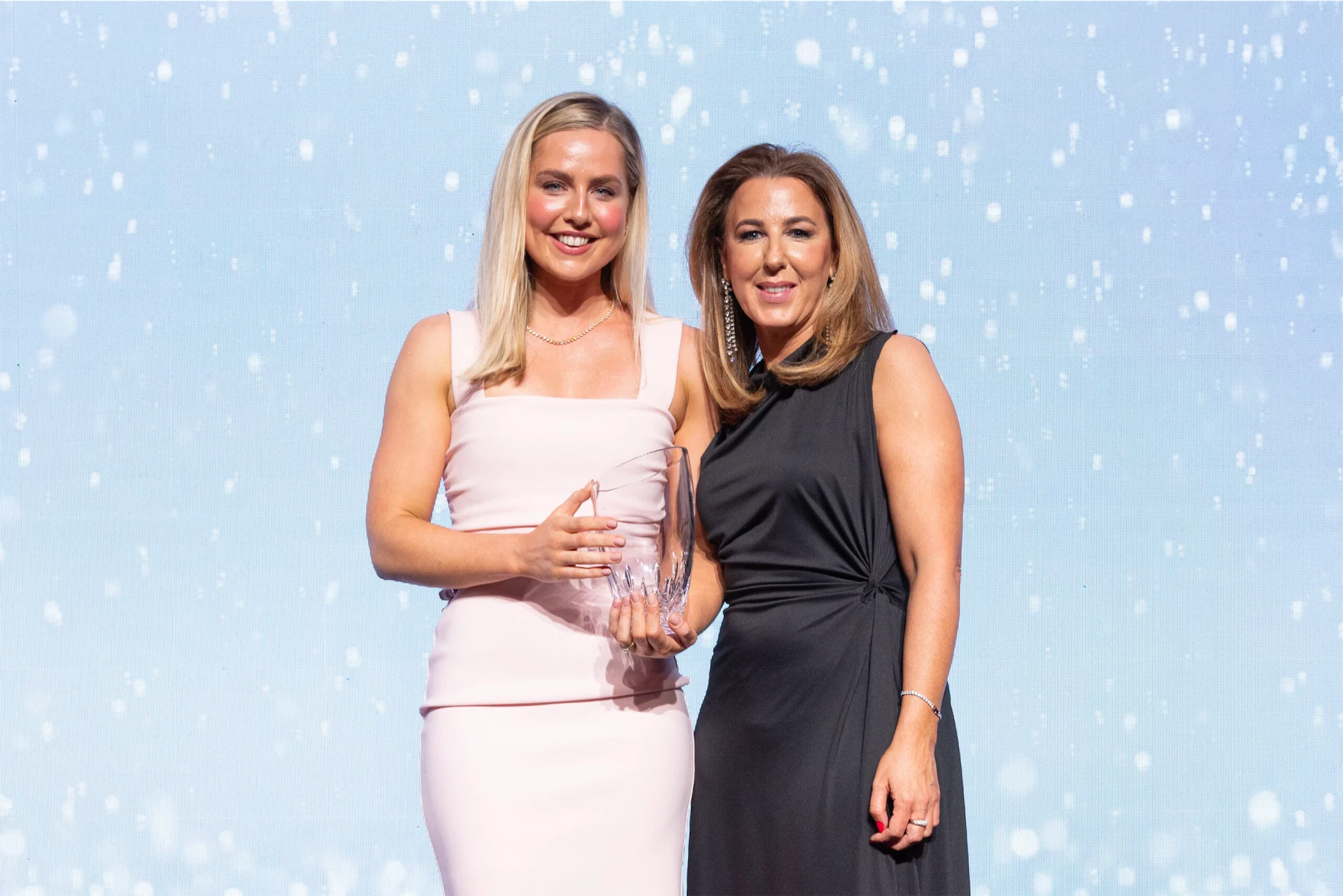
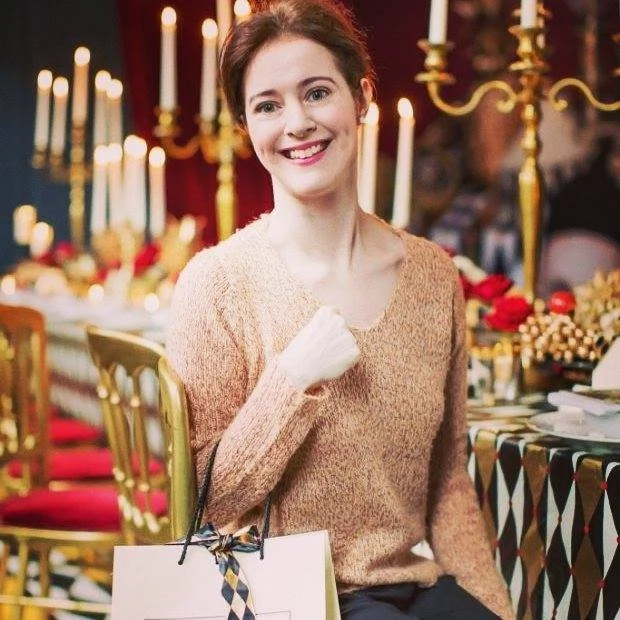
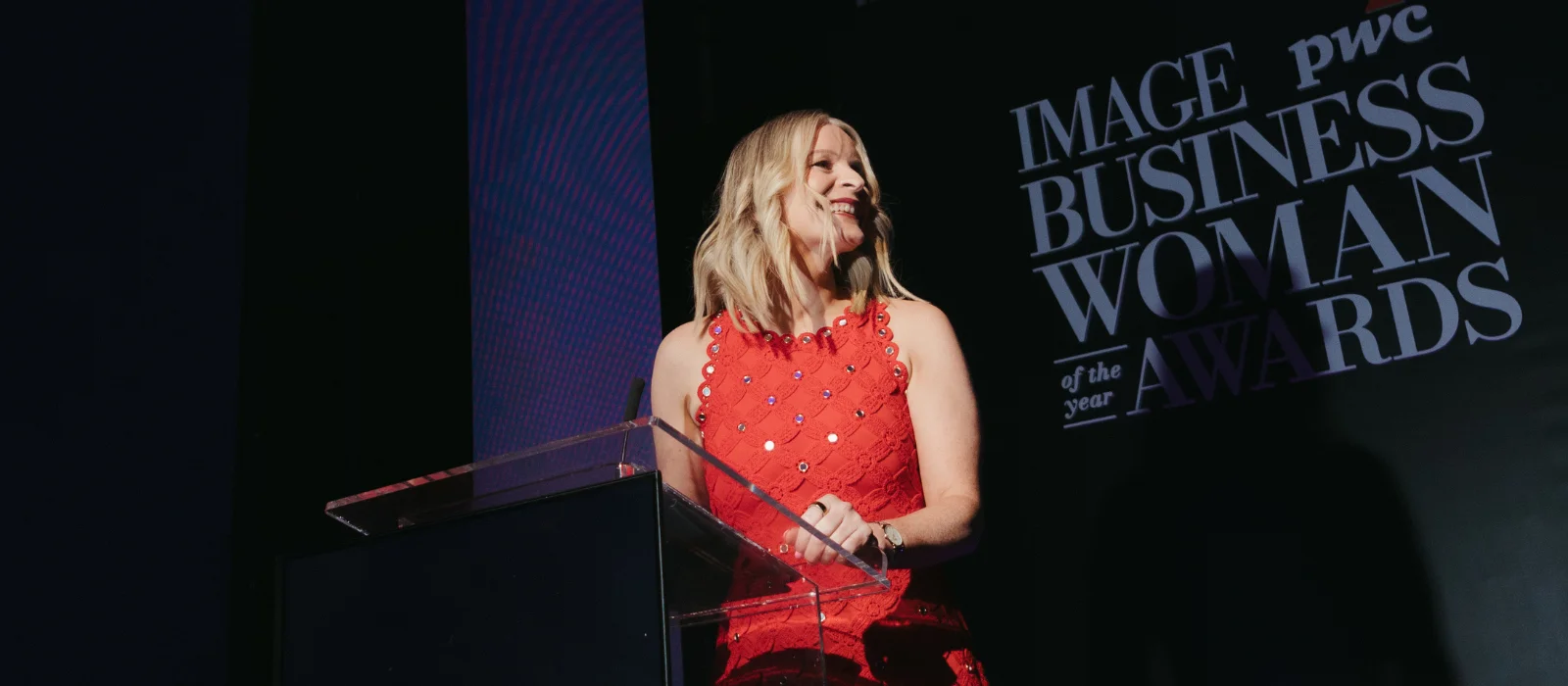
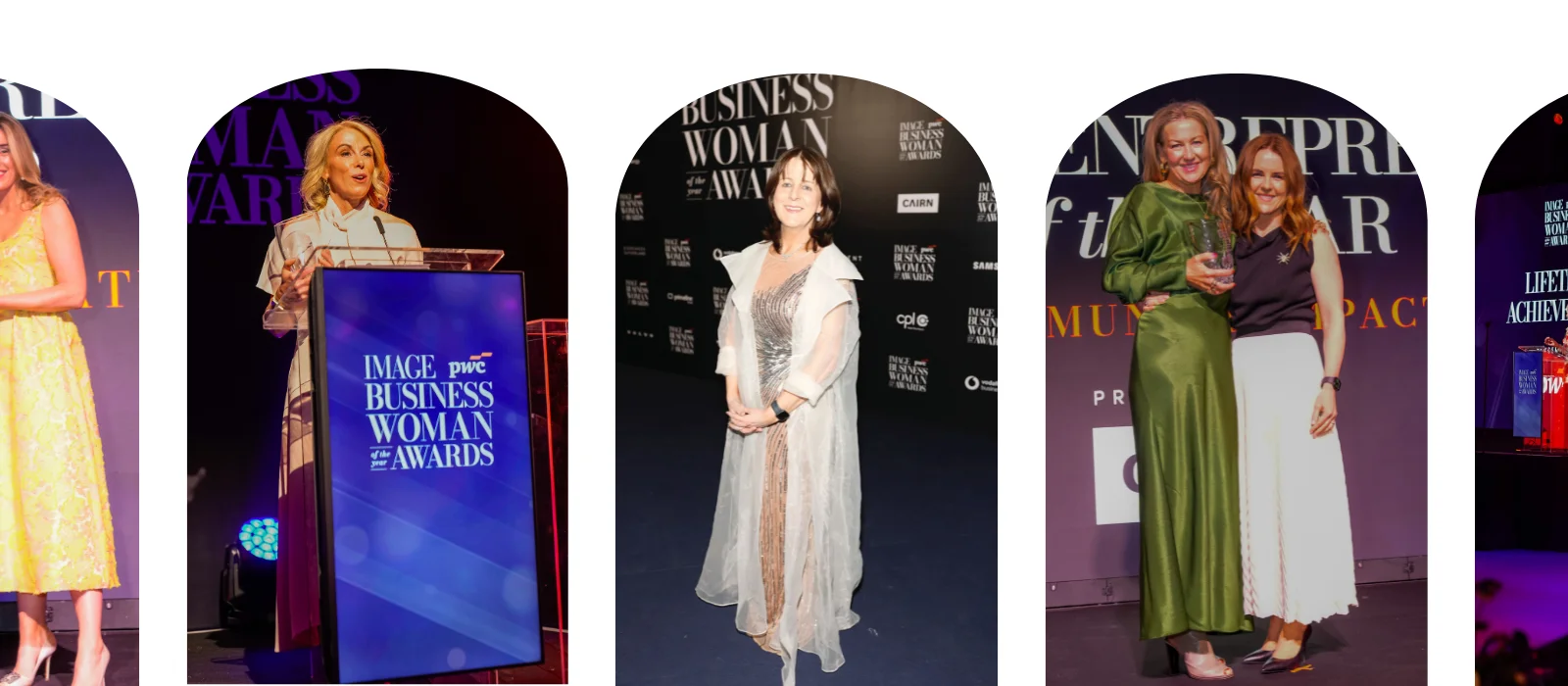
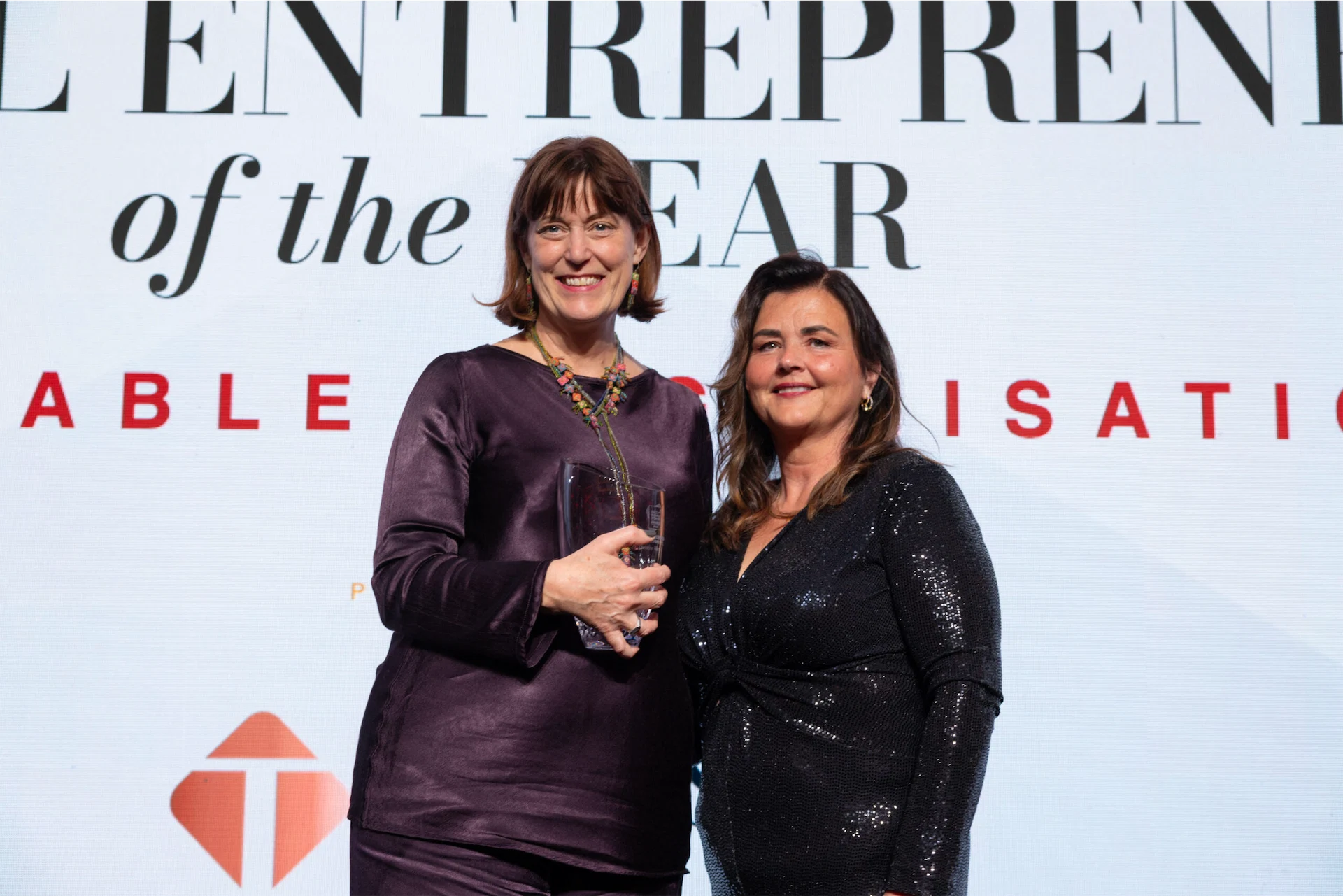
Deirdre Mortell, IMAGE PwC Social Entrepreneur of the Year – Charitable Organisation, has spent her career backing bold ideas and building platforms that strengthen Ireland’s social fabric.
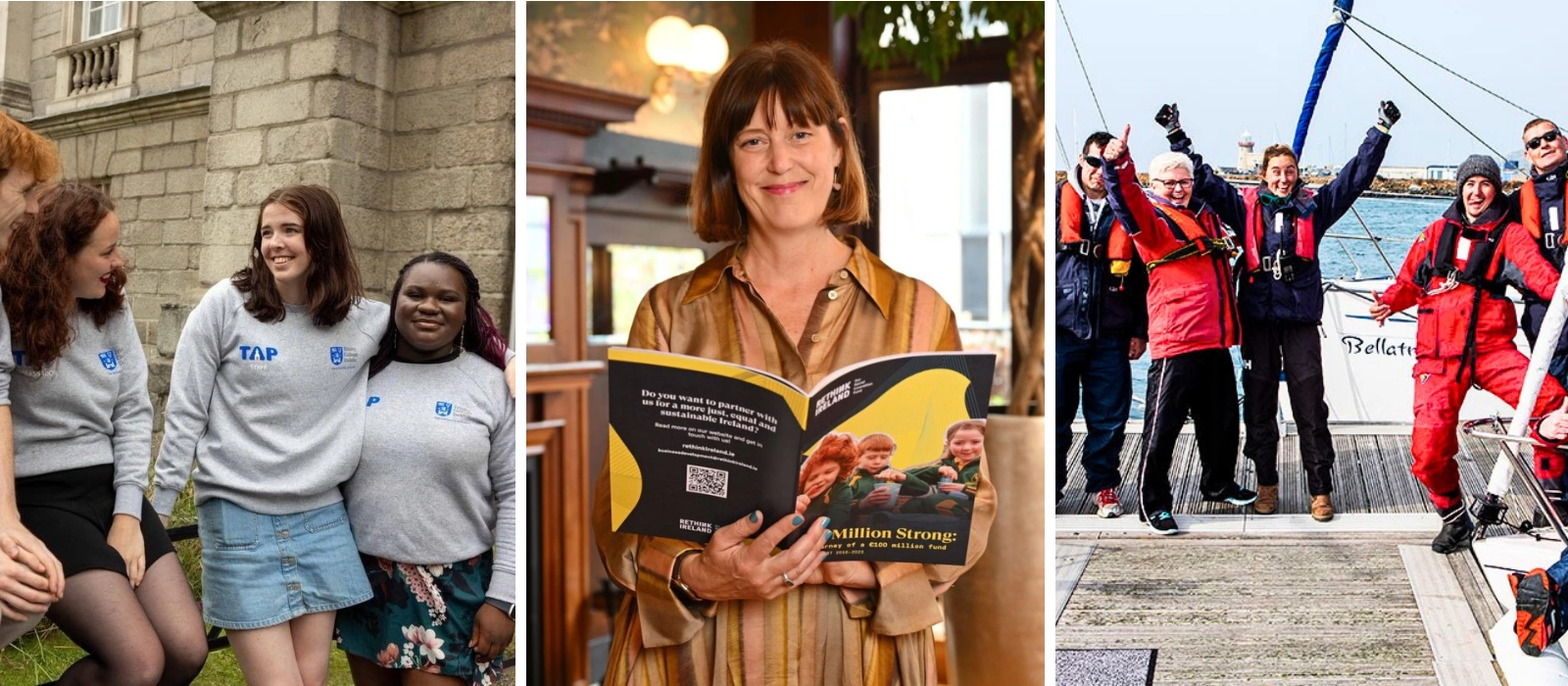
As CEO of Rethink Ireland, Deirdre Mortell has led the country’s national social innovation fund since its inception almost a decade ago, combining philanthropy with government support to fuel grassroots solutions. Under her leadership, the fund has raised more than €120 million and allocated that to cash grants, accelerator programmes and business supports, positively impacting the lives of over one million people across the country.
Previously holding senior roles with Oxfam and Barnardos, and later leading The One Foundation, Deirdre has long been recognised as a thought leader in philanthropy and social change. Her influence extends far beyond Rethink Ireland, with peers in the sector crediting her as a key inspiration in their own journeys. “Building a charity is undoubtedly taking the hard road,” she says, “but it’s also one that satisfies your heart, builds energy and brings people together.”
It is a privilege and a thrill to win. A bit like riding a rollercoaster — exciting but also scary. I have dedicated my win to the Rethink Ireland team, who are an incredible bunch committed to supporting our awardees and donors to build a more just, equal and sustainable Ireland.
Starting something is simple. Growing it is complex. The excitement of spotting a need, testing it for opportunity, creating and evangelising the vision, bringing the early adopters on board — it’s an emotional time. I have been lucky to play many roles in founding teams over the years, from leader and team member to Board Chair. In my case, I’ve also been lucky that most of the start-ups have lasted and are operating healthily today — Women for Election, Uplift, Jigsaw, Social Entrepreneurs Ireland and, of course, Rethink Ireland.
Rethink Ireland was launched by An Taoiseach Enda Kenny in 2016. We had raised about €100,000 in philanthropy to get started. About six months later, Google.org came on board with a donation of €500,000. Prior to that, our largest gift was €12,000. The size of the donation and the global brand power of Google were transformative, putting a fledgling organisation on the map. Now we were playing with the big boys (and girls!).
I have had the privilege of leading Rethink Ireland as CEO for ten years. The great joy of this role is seeing people at their best — focused on their highest purpose, to give back. Whether they are working in a company that is a donor to Rethink Ireland, or driving a social innovation that makes their community better, it is a privilege to be part of it.
Before that, I was CEO of The One Foundation, the private philanthropic foundation of Declan Ryan. Together, we allocated €85 million to advance children’s rights, tackle child poverty and abuse, and strengthen youth mental health, including starting Jigsaw and Social Entrepreneurs Ireland. Earlier in my career, I worked with Oxfam Ireland, travelling to Cambodia, Vietnam, Tanzania and Bosnia during the war. Fundraising for Rwandan refugees in 1994, and for women and children fleeing the Srebrenica massacre in 1995, left an indelible mark on me. It also made me curious about the frontline of poverty in Ireland, which I saw first-hand when I joined Barnardos.
The foundational role was a series of waitressing jobs in the USA. These were summers where I learned the importance of customer service if you want to get paid (my pay was 100% tips), and how to give customers a great experience. Dealing with people has been the foundational skill for all my roles!
Don’t be afraid to take risks. I was formed in the 1980s — my secondary school and university years — when Ireland was in a deep recession and was educating my generation to emigrate. We were raised to be risk-averse — to get a steady job in the bank or the civil service, or emigrate. To stick to the rules, “don’t put your head above the parapet unless you want to get shot.” I took risks in the roles I accepted (fundraising for charity), and how I operated within these roles — often as a change agent. Risk equals learning, even if sometimes you fail along the way.
I learned from both success and failure, but most of all, I learned how to assess and manage risk, which is key to my management skills today. Rethink Ireland is Ireland’s Social Innovation Fund — we back non-profits who are taking risks to innovate and solve our critical social issues: youth mental health crisis, early school leaving, employment opportunities for people with disabilities and much more. We believe that risk is key to progress; assessing it and managing it is how we make it work.
Don’t be afraid to take risks. Risk equals learning, even if sometimes you fail along the way.
Some projects will always stay with me. The Great Care Co-op is one I’ll never forget. It’s a cooperative of migrant and Irish women who work as carers. Fed up with being badly paid, with no rights, no sick pay, and no pension, they banded together to create their own home care agency, structured as a co-op. They provide one-to-one care for older people, people with disabilities, or those recovering from hospital. Decent pay and benefits mean low staff turnover, which builds better relationships between carers and the people they care for. It’s a disruptive model that we were proud to back at Rethink Ireland.
That leap of faith — making Rethink Ireland happen — was one of the biggest risks of my career. The Government had announced a National Social Innovation Fund but hadn’t committed funds or even a contact person. Joining was initially a labour of love, while our (unpaid) board and I raised philanthropic funds and encouraged ministers and officials to get behind the project. It was a tough 18 months. But since 2016, we have raised €129 million, so it has worked out in the end.
Looking ahead, I believe we will be talking about the disruptive role of AI in solving social issues. Hyper-local data could empower young people to act on climate change in their own communities. AI could make non-profits more productive and cost-effective, doing more with less. Robotics could enable people with mobility issues to live full lives. By then, I hope drones will be delivering blood more often than coffee.
Outside of work, the sea is my sanctuary. I love swimming in summer, though I haven’t managed year-round dips yet. And in winter, I get lost in a good novel.
If I could give my 25-year-old self one piece of advice, it would be: Don’t be afraid to say, “Do you want to be friends?” Some of my closest friendships started in professional settings. Taking that leap across the divide has been incredibly rewarding.
We’re interviewing each of our outstanding winners from this year’s IMAGE PwC Businesswoman of the Year Awards. To hear more about their career journeys, expert insights, and more, visit image.ie/pwc.
Also Read