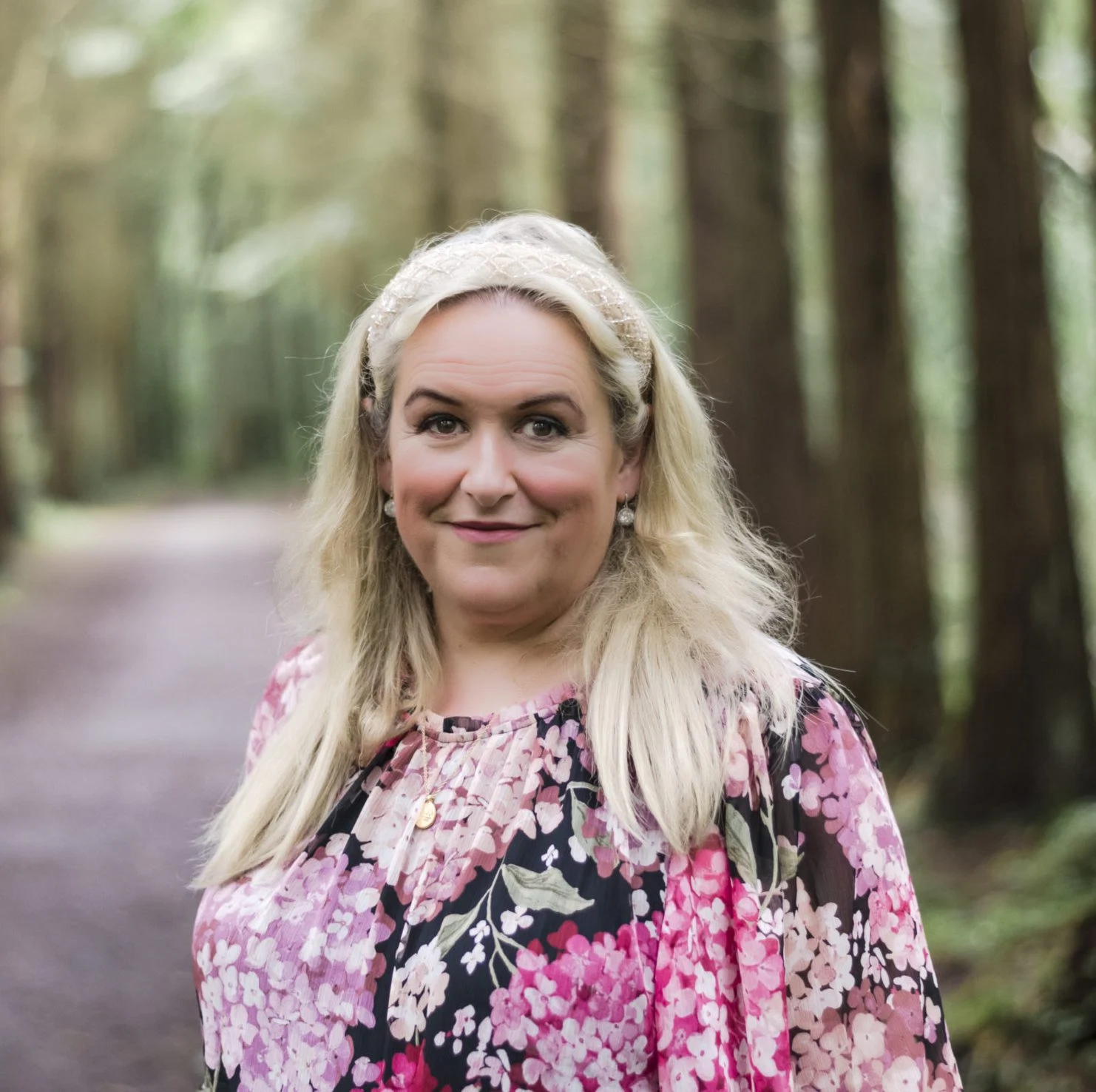







The leaders who create lasting impact are rarely the ones moving the fastest; they’re the ones moving with intention, writes business mentor and Lead Coach of the IMAGE Business Club Niamh Ennis.
To start with stating the obvious, we all live now in a culture that rewards speed. Quick replies signal professionalism. Fast decisions are seen as confidence. Constant availability is interpreted as commitment. Somewhere along the way, immediacy quietly became a measure of competence, particularly for women navigating careers, leadership, and business. But what if our obsession with responding instantly is not a strength, but a habit we’ve never really stopped to question?
Over the past few years, I’ve noticed a clear pattern emerging in conversations with business owners, founders and senior professionals. On the surface, they appear successful, capable and organised. Yet beneath that competence, like the proverbial swan, sits a shared exhaustion; not caused by workload alone, but by the pressure to respond, decide and adapt constantly. Emails answered while walking between meetings. Messages replied to late at night to avoid appearing unhelpful (hello, self-employed person!). Opportunities accepted before there is space to properly consider whether they are truly aligned. We are not just busy, we are simply operating in a state of permanent urgency.
When responsiveness becomes identity
Technology has blurred the boundaries between communication and expectation. A message arriving in our inbox or onto our phone carries an unspoken assumption that it should be answered now. Silence, even temporary silence, can feel very uncomfortable, as though we are letting someone down.
For many of us, this pressure runs deeper than professional norms. From an early age, many of us are raised to be agreeable and accommodating, where being reliable becomes intertwined with being liked, and being helpful with being valued. The result is fairly subtle but very powerful: responsiveness stops being a behaviour and it slowly becomes part of our identity.
We become the person who always replies. The person who always says yes. The person who keeps things moving. And while this may create short-term harmony, it comes at a long-term cost: clarity. Because when everything feels urgent, nothing is properly considered. I’m finding this all too easy to describe because, truthfully, I’ve been this woman too.
The hidden impact on decision-making
In business and leadership, the quality of our decisions shapes everything: growth, direction, partnerships and sustainability. Yet urgency changes our decision-making process. When we respond immediately, we often bypass reflection. We commit before assessing capacity and we accept opportunities before fully understanding their true cost.
Many of the professionals that I work with don’t struggle because they lack strategy or ambition. They struggle because they’re making too many decisions from a reactive place. Ironically, those leaders whom we perceive as being the most decisive are rarely the fastest to respond, largely because they’re comfortable enough to pause before acting on anything!
Why slowing down feels uncomfortable
If slowing down is beneficial, why does it feel so difficult? Because urgency reassures us. It removes the discomfort of uncertainty. Responding quickly feels productive, decisive, even kind, but often what we are really doing is relieving the tension of not knowing what to do next.
For many of us, pausing feels harder than acting. Sitting with a decision means tolerating ambiguity, risking disappointment, and allowing others to wait. Urgency protects us from that discomfort, which is why it becomes so easy to mistake speed for progress. But not all action moves us forward; some simply help us escape the moment.
Energy is not equal
Another part of this conversation that we rarely acknowledge is energy. Not everyone processes interaction, decision-making or visibility in the same way. Some of us feel energised by constant communication, while others experience it as a steady drain.
When we operate against our natural energy patterns, depletion builds quietly. Our brains feel full because they are. Many clients describe feeling capable yet strangely stuck, unable to focus on what matters because they’re totally drained by all that’s happening around them. They assume that the problem is personal resilience, when more often it is simply a mismatch between how they work best and how they feel expected to operate.
Boundaries as structure, not defence
The conversation around boundaries has grown louder in recent years, but it’s often framed as a reaction to burnout – something we consider only after things have already gone too far. I tend to see boundaries very differently. They’re not walls designed to keep people out; they’re structures that protect intention. They create the space between a request and a response, and it’s that space where real leadership begins.
A boundary might look like delaying replies until working hours or scheduling decision-making time instead of responding instantly, or even allowing yourself to say, “Let me come back to you on that.” These might be small shifts, but extremely powerful ones.
Moving from urgency to intention
None of this is an argument for disengagement or reduced ambition. Modern work requires responsiveness, collaboration and adaptability. The goal is not to withdraw from pace entirely, but to stop allowing urgency to become our default operating system. A simple question can begin the shift: Does this need an immediate response, or just a thoughtful one? Often, the answer is revealing. When you allow yourself space, you begin choosing rather than reacting. Work becomes less about keeping up and more about moving forward intentionally. And perhaps that’s the real opportunity available to us now.
In a world that’s constantly accelerating and quietly rewarding those who keep up, choosing to slow down can feel almost rebellious. Yet the leaders who create lasting impact are rarely the ones moving the fastest; they’re the ones moving with intention. When we allow ourselves space to think, to feel, and to choose deliberately, we stop reacting to life and begin shaping it. Because clarity does not arrive in urgency or noise. It arrives when we pause long enough to hear ourselves again.
Niamh Ennis is a business mentor, strategic advisor, and founder of The ChangeMakers Mastermind. She specialises in helping women grow sustainable, aligned businesses with clarity and confidence. Niamh is also the Lead Coach for the IMAGE Business Club. If you’re ready to grow your business with more strategy, focus, and ease, you can now join the wait list here for the next intake of The ChangeMakers Mastermind and be the first to hear when doors reopen, niamhennis.com/tcmmastermind.
Also Read